

It is unique that South Africa, which is home to one of the most remarkable linguistic landscapes in the world, boasts 12 official languages. Among this diversity is the Tsonga language, a richly expressive tongue that is spoken mainly in the north eastern parts of South Africa. To understand the people, traditions, and communities here, learning the Tsonga language is a great place to start.
Xitsonga, or more commonly known as Tsonga, is a Bantu language belonging to the Tswa Ronga language group and is spoken by millions of people across the country. According to recent census data, it is the home language of two million local South Africans making it one of the most widely spoken languages in the country.
| Element | Explanation |
|---|---|
| Language Name | Xitsonga |
| Common Name | Tsonga |
| Language Family | Bantu |
| Language Group | Tswa Ronga |
| Estimated Speakers | More than 2 million home language speakers |
| Official Status | Official language in South Africa |
| Main Provinces | Limpopo, Mpumalanga, Gauteng |
| Related Languages | Tswa and Ronga varieties spoken in Southern Africa |
As language is an undisputed gateway to history, culture and identity, you’ll find that exploring Tsonga culture offers generous insight into generations of community traditions, storytelling, craftsmanship and music, all of which continue to thrive today.
Of course, this is only one of 12 official languages, you may want to know why there are so many recognised languages that contribute to South Africa’s multilingual identity.


Where Is Tsonga Spoken?
If you are looking for the heart of the Tsonga language, look no further than Limpopo province, particularly areas around Tzaneen, Malamulele, Elim, Nkowankowa and Giyani. Besides these areas, you will also hear it in parts of Mpumalanga and Gauteng, especially in communities that have attracted Tsonga speaking people because of employment and education.
As you explore the country's major language groups, it is worth knowing which is the most widely spoken home language in the country. Can you guess?

Used in both rural and urban environments, Xitsonga is prevalent in family and community life in cities like Pretoria, Midrand, Johannesburg. Here, you’ll find that it is used interchangeable with English, isiZulu and Sepedi.
Did you know that even though English is a universal language, it is not the most widely spoken language in South Africa? Having said that, its role is profound as it acts as a critical bridge between many indigenous languages and cultures.
The Importance of Tsonga Culture
Through its close connection with language, in Tsonga culture, traditions are passed from generation to generation. In this way knowledge, values and customs are developed and preserved over centuries.
Like many other indigenous languages in South Africa, traditional music and dance are significant to community life.
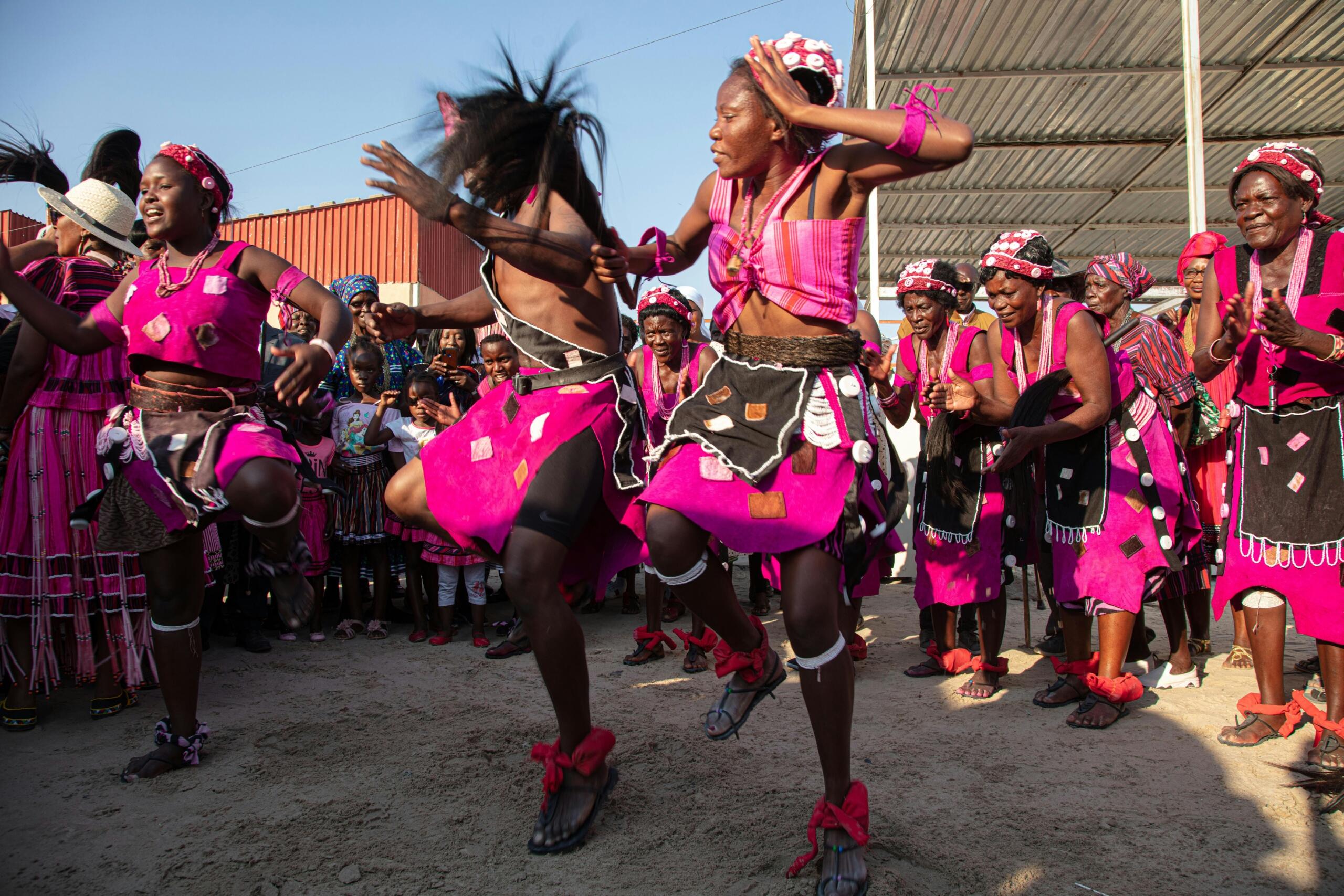
The xibelani dance, for instance, is perhaps one of the most recognised cultural expressions associated within local communities. Its energetic performances and vibrant costumes are often featured as cultural showcases at festivals and celebrations.
In addition, storytelling plays an important role in preserving cultural heritage. To do this, elders pass down history, moral lessons, and community knowledge through time-tested oral traditions.
Beyond this, Tsonga culture influence extends into modern day radio broadcasting, literature, music, and social media. You’ll find local radio stations that present news and programming in Xitsonga also helps to keep the language relevant and visible.
Vutlhari byi tlula mali. Wisdom is greater than wealth.
Tsonga Proverb
To continue exploring South Africa's indigenous languages, take a look at Tshivenda and discover its history, cultural significance, and place in modern South African society.
Xitsonga in Education
Especially since the introduction of the BELA Act in 2024 (Basic Education Laws Amendment Act) education contributes significantly to the preservation of indigenous languages.

In areas where it is widely spoken, Tsonga language is offered through the CAPS curriculum and can be studied as a Home Language or a First Additional Language.
As such, schools in Limpopo and its surrounding regions usually provide Xitsonga instruction. This means that learners who speak it at home can develop literacy while also gaining English proficiency in other subjects.
Xitsonga is available as:
In addition, teacher training facilities and universities also contribute to language development through education, research, and publications.
This wide range of support means that Xitsonga continues to be a thriving language in South Africa for future generations.
If you are interested in how schools support indigenous languages, consider reading about the Siswati language, which is spoken widely across Mpumalanga and neighbouring communities.
Practical Uses for Daily Life
Don’t underestimate small beginnings. Even learning just a few words of Xitsonga can be valuable.
This is how knowing basic Xitsonga phrases could help you:
As a widely spoken South African language, Xitsonga connects people from different backgrounds and communities. You’ll find it in tourism, healthcare, education, retail, and government sectors. Not only that, bear in mind that employers generally appreciate those individuals who can communicate across linguistic and cultural boundaries because it shows cultural awareness and respect for communities.
There’s no doubt that learning an additional language in South Africa contributes to a cohesive national identity. As people move between provinces for work and education, language communities overlap. For example, speakers of Xitsonga may encounter Sesotho speakers in Gauteng and other urban centres.
Learning Tips for Beginners
Today, with so many resources and tutors available, finding help to learn Tsonga is easy.
One of the benefits of studying Xitsonga is its relatively consistent system for spelling and once pronunciation becomes familiar, reading also becomes easier.
Pronunciation Tips
Remember that much like learning any new language, regular exposure is key to success and even ten minutes of practice every day can help to build confidence over time.
If you find South Africa’s linguistic diversity fascinating, you might be interested in finding out how Afrikaans has prevailed despite its political and historical challenges.
CAPS language textbooks
Community radio stations
Educational television programmes
Online language tutorials
Language exchange groups
Private tutors
Besides these resources, learning simple phrases is the quickest way to build confidence and have fun when adding a new South African language to your skillset.
Useful Xitsonga Phrases
Xitsonga
Avuxeni
English
Good Morning
Minjhani
Ndza khensa
How are you?
Thank you
Ina
E-ee
Yes
No
Sala kahle
Famba kahle
Stay well
Go well
Ndzi tsakile ku ku vona
Nice to see you
Do you know any other indigenous languages? In North West province, instead of saying "Avuxeni", you could say "Dumela", which is 'hello' in the Setswana language.
Why Learn Xitsonga?
Whether it is for personal development, social connection or career advancement, there are many reasons to learn Tsonga.
Stronger Social Connections
Language connection creates meaningful relationships. When we make an effort to communicate in other languages, it is an indication of interest and respect.
Career Benefits
Employers value multilingual employees which makes a knowledge of Xitsonga beneficial in sectors like education, public service, tourism, customer support and community development.
Did you know that across Limpopo and Gauteng, you will not only hear Tsonga, but also Sepedi or Northern Sotho which, is also spoken by millions of South Africans.
Greater Cultural Understanding
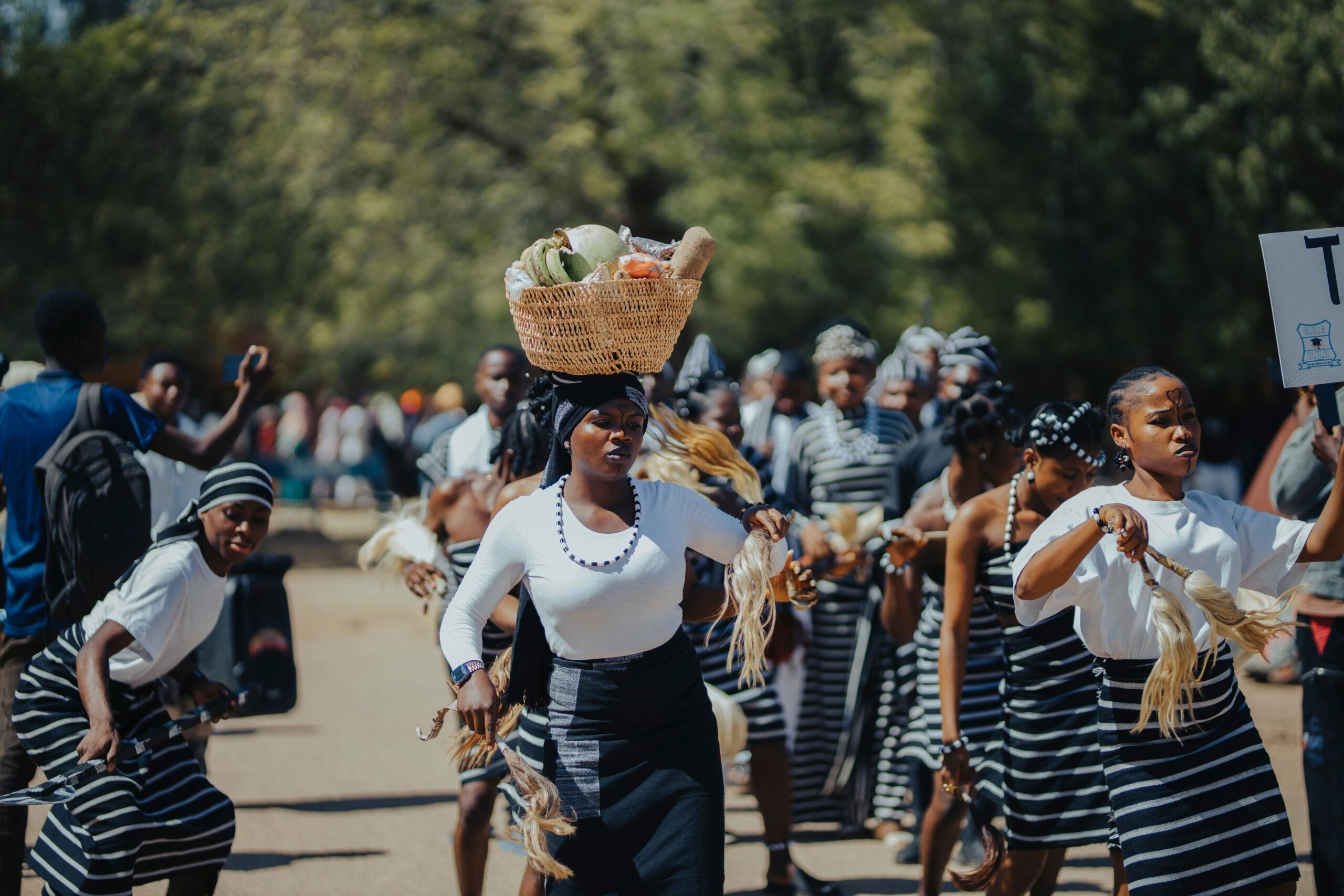
Learning a language offers insight into how people see the world. Through Tsonga culture, it is possible to better-understand local values, traditions, celebrations, and social customs.
Appreciating South Africa's Diversity
In South Africa, every language contributes to the country's unique cultural tapestry. Understanding Xitsonga can help you to appreciate the diversity that makes the country so remarkable.
You may also find it interesting to find out how South African Sign Language achieved official recognition alongside the country's other languages.
Xitsonga's Place in Modern South Africa
As xitsonga and indeed, continues to grow and develop as a recognised South African language, it remains an important communication tool for millions of people.

Today, both the language and Tsonga culture contribute to community life, government, media, education, the arts and much more. This success indicates how important it is to protect language in South Africa, whether that is the history and development of isiXhosa in the Eastern Cape or Tsonga in Limpopo.
When you consider the role of Tsonga language as more than a communication tool, but rather an expression of identity, history and community it is becomes easy to appreciate its vibrancy and cultural heritage.
Whether you are interested in learning Tsonga for personal and enrichment or for advancing your career, like any other South African language it has the ability to open new doors in a continually evolving South Africa.
In fact, you never know how far a South African language could take you. If you enjoyed this article, be sure to check out how isiNdebele is opening doors all over the world through its famous geometric art and beadwork.
Summarise with AI:
Enjoyed this article? Leave a rating!

 Loading...