

Afrikaans is one of South Africa’s most well-known official languages and it is spoken by millions of people across the country. Developed mainly from Dutch and evolved over centuries at the Cape, it is also influenced by Malay, Khoi, Portuguese, and African languages. If you have ever asked how old is Afrikaans, most linguists trace its origins back to the 17th century, when the Dutch settlers first arrived in the Cape.
| Language Family | West Germanic |
|---|---|
| Speakers | More than 7 million first language speakers |
| Main Provinces | Western Cape, Northern Cape, Gauteng |


Where is Afrikaans Spoken?
Today, Afrikaans is spoken by many people from many different communities and backgrounds. When discussions arise about how many people speak Afrikaans, Census data estimates that more than 7 million South Africans speak it as a first language, while many more use it as a second or third language.
Like many languages, Afrikaans is also deeply tied to a unique culture, which includes music, literature, food traditions, and community life.
Remember that Afrikaans is only one of 12 official languages in South Africa’s multilingual society.
Afrikaans is most widely spoken in the Western Cape, Northern Cape, and parts of Gauteng and the Eastern Cape. In cities like Cape Town, Paarl, and Upington, for instance, the language density is high, and you will hear it spoken everywhere.
Where You Will Hear Afrikaans
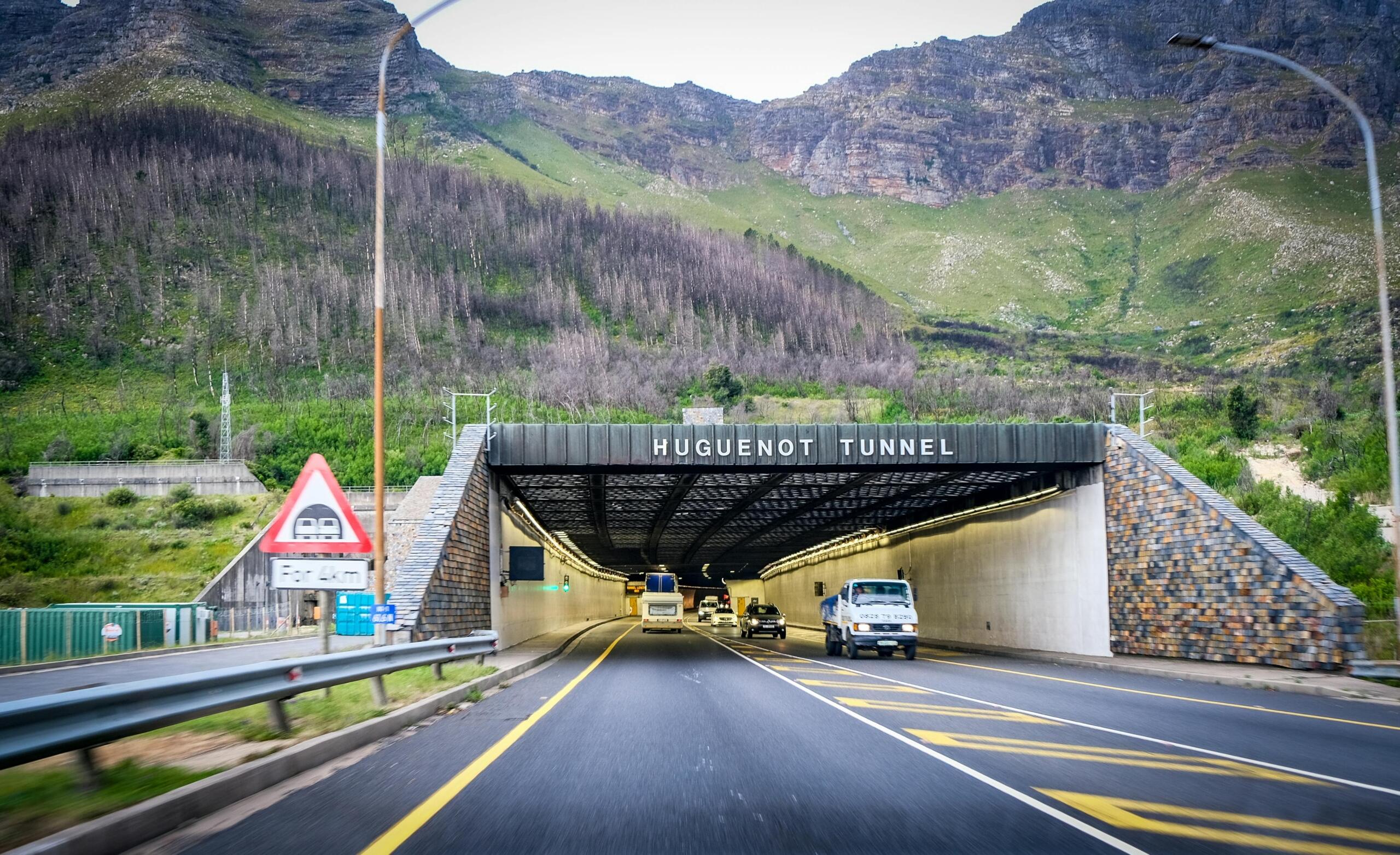
When people ask how many languages are spoken in South Africa, Afrikaans stands out because it is used so naturally across both urban and rural communities.
Another language that stands out is isiZulu the most widely spoken language in South Africa.
Cultural Significance
Language and identity are closely linked, and this is especially true within Afrikaans culture. From poetry and theatre to braais and community festivals, Afrikaans remains a strong cultural force in South Africa.

Today, artists like Breyten Breytenbach and musicians such as Karen Zoid and many others have contributed to keeping Afrikaans visible and relevant in modern society. One of the ways Afrikaans culture thrives is through literature, music and performances and the Klein Karoo National Arts Festival is an excellent example of this.
Cultural Expression
The continued popularity of Afrikaans is evidence of how many people speak Afrikaans, as it shows that large audiences still consume content in the language every day.
If South Africa’s many languages are of interest, be sure to look into how isiXhosa has influenced society and traditions in the Eastern Cape.
Use in Education
Through the CAPS curriculum, Afrikaans is widely available in schools as both a Home Language and as a First Additional Language.
For instance, in cities all over South Africa, many learners study Afrikaans even if it is not their home language. This is part of a much broader conversation around how many languages are spoken in South Africa and the need for multilingual education.
Classroom Use
If you have ever asked how old is Afrikaans, its long educational history is part of the answer. Afrikaans has been used in schools and universities for generations and continues to play an important role in education. Today, as one of the recognised 12 languages, Afrikaans is also used in some university programmes, especially in institutions like Stellenbosch University and the University of Pretoria.
Similarly, you might also find it useful to explore how English functions as a bridge language across schools and workplaces.
Practical Uses
Understanding Afrikaans is highly practical in daily life in South Africa, and you never know when you will need it in supermarkets, healthcare settings, customer service environments, and local businesses.
Whether you are living in Cape Town or taking a road trip through the Karoo, understanding Afrikaans can make communication easier and more meaningful.
Everyday Situations
One reason why questions about how many people speak Afrikaans often arise is that the language is so visible in daily interaction.
As it continues to thrive in multilingual environments and alongside the other 11 official languages, much like English, it is certainly a helpful bridge across different communities. For example, if you are in North West province and meet a Setswana community, even if your Setswana language skills are poor, the chances are you could find mutual understanding by using Afrikaans or English.
Afrikaans is often considered one of the easier South African languages for English speakers to learn because of its relatively simple grammar structure.
Pronunciation Basics
Afrikaans pronunciation is generally phonetic, which means that words are usually pronounced as they are written. This can make learning less intimidating for beginners.
Resources You Can Use
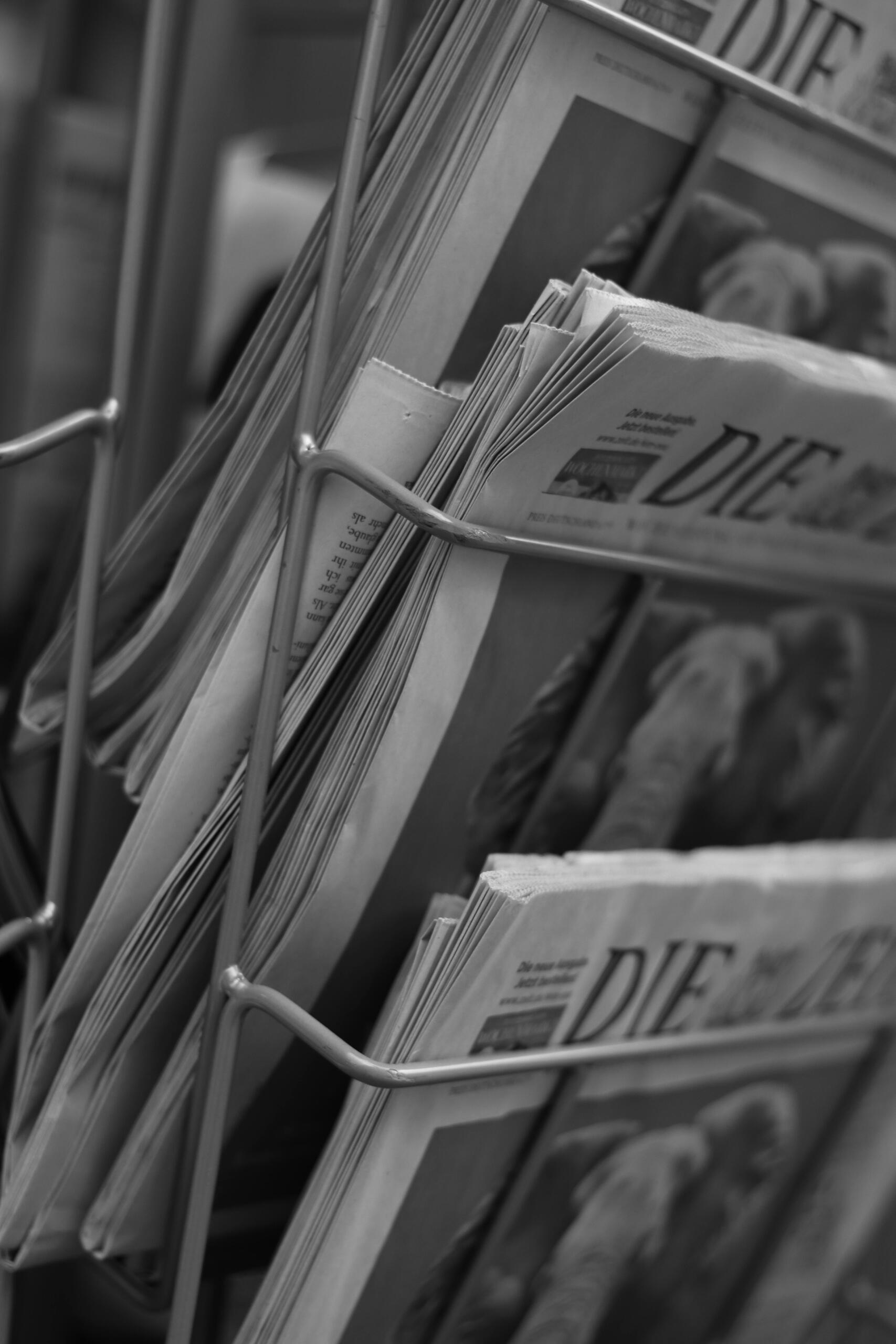
Resources can make learning Afrikaans more practical and enjoyable in everyday life. From newspapers and radio stations to podcasts, films, tutors, and online lessons, you can immerse yourself in the language through real South African content. Remember that using a variety of media also helps improve pronunciation, listening skills, vocabulary, and cultural understanding naturally over time.
If you are asking how old is Afrikaans, learning about its roots can also help you understand its vocabulary and structure more clearly. Don't forget that its unique history reflects centuries of interaction between many different communities, and this is what makes it so uniquely layered.
The widespread use of Afrikaans often leads people to ask how many languages are spoken in South Africa, especially when hearing multiple languages used side by side in daily life. So, if comparing language families interests you, you could also explore Sesotho and its role within the Sotho Tswana language group.
Useful Phrases
Afrikaans
Hallo
English
Hello
Dankie
Hoe gaan dit
Thank you
How are you
Ja
Yes
This short and simple list of phrases may be basic, but remember that you have to start somewhere, so why not grow it with a few new helpful words every day?
Why Learn Afrikaans Today?
Whether you are a student, professional, Sepedi language speaker, or permanent resident of South Africa from another country, learning Afrikaans will not only enrich your understanding of South African society but also improve your communication and relationships in many professional and social settings.
Social Integration
Much like using SA Sign Language the 12th official language of the country, understanding Afrikaans can help you connect more naturally in communities where the language is commonly spoken. This is especially true in areas where Afrikaans culture strongly shapes local identity.
Career Benefits
In South Africa, Afrikaans is spoken and understood everywhere, so whether you are one of the isiSwati speakers living in Bloemfontein and working in retail, media, education, tourism, healthcare, or customer service, understanding it is useful. Ultimately, all workplaces are multilingual, which means that speaking more than one of the country’s official languages is often an advantage.
Cultural Understanding

Culture and history are closely linked and questions like how old is Afrikaans become more meaningful when you see how the language evolved alongside South African history.
Much like knowing where IsiNdebele creativity came from, today, learning Afrikaans can help you appreciate literature, food, music, and historical narratives linked to the language.
If the history and culture of languages interests you, you might enjoy learning about the lesser-known Tshivenda language and its role in Limpopo communities.
Afrikaans in Modern South Africa
Afrikaans continues to evolve in modern South Africa. Young people use it on social media, musicians experiment with new styles, and local creators keep the language relevant through podcasts and digital content.
When discussions arise about South Africa's indigenous languages or how many languages are spoken in South Africa, Afrikaans remains central because of its visibility in media, education, and community life.
Today, Afrikaans includes people from many racial and cultural backgrounds, which shows how language can unite diverse communities.
To understand another evolving language community, find out more about how Xitsonga is adapting in modern South African society.
A Valuable Part of South Africa's Fabric

In the end, Afrikaans is far more than a historical language. It is a living, evolving part of modern South Africa, spoken in homes, schools, businesses, and creative spaces across the country.
Whether you are interested in how many people speak Afrikaans, exploring Afrikaans culture, or understanding how old is Afrikaans, learning the language offers valuable insight into South African identity.
Of course, it also helps answer broader questions around how many languages are spoken in South Africa which is part of what makes our rainbow nation so richly unique and layered.
Summarise with AI:
Enjoyed this article? Leave a rating!

 Loading...