

English is a universal language and as one of the official languages of South Africa, fluency is almost a necessity. Although only a small percentage of South Africans speak it as a first language, English is most widely used in business, media, education, and government.
So, if you have which English do we use in South Africa, the answer is generally UK English when it comes to issues like spelling. Having said that, over time South African English has certainly developed its own unique vocabulary, expressions, and pronunciation all of which reflect local culture and identity.
| Language Family | Germanic |
|---|---|
| Speakers | Approximately 5 million first language speakers |
| Main Provinces | Nationwide |


Where is English Spoken?
In South Africa, English plays another vital role that is unique to the cohesion of the country’s multilingual system. In a country with so many cultures and communities, English often acts as a bridge to the other 11 official languages in the country, one of which includes SA Sign Language.
In fact, to understand the significance of national multilingualism and the reason there are so many official languages, it helps to delve into the country’s history.
A more accurate question might be where is English not spoken in South Africa? The answer is everywhere but particularly in urban centres such as Johannesburg, Cape Town, Durban, and Pretoria. Most commonly, you will find that in schools, workplaces, shopping centres and government offices, most people will understand you if you speak English.
Where You Will Hear English
Because English connects speakers of the many different languages in South Africa, it is often the default language in mixed communities and professional settings, and this makes its role almost indispensable.

Back to that question: which English do we use in South Africa? To answer it accurately, take note that pronunciation and vocabulary make South African distinctive, but this is further differentiated from region to region.
In Cape Town, Johannesburg, and Durban for instance, accents and expressions can vary greatly depending on local influences.
Wherever it is spoken, English is deeply woven into daily life for both first and second language speakers. In terms of which language is the most widely spoken, you may be interested to know that it is isiZulu! Yes, the Zulu language is spoken more than any other as a first language in South Africa.
Adding to Cultural Significance

English plays a major role in South African media, entertainment, literature, and public life. Newspapers, streaming platforms, podcasts, and television channels rely heavily on English to reach broad audiences.
Although English originated outside of South Africa, it has also evolved into a distinctly colloquial brand. Terms like “robot” instead of traffic light or “braai” are just some examples of this cultural blending and local identity.
English in South African Culture
Newspapers, streaming platforms, podcasts, and television channels rely heavily on English to reach broad audiences.
Today, as community and relationships have forged the different languages in South Africa, English has become a language that naturally intersects through unique slang and conversational styles.
For another perspective on language and identity, you could study how isiXhosa is a unique reflection of cultural heritage in the Eastern and Western Cape.
The Role of English in Education
As one of the most widely used teaching languages in South African education, English is available as both a Home Language and a First Additional Language.
How English is Used in Schools
If you are a parent who has asked, which English do we use in South Africa, schools generally follow British English standards while taking South African pronunciation and colloquialisms into account.
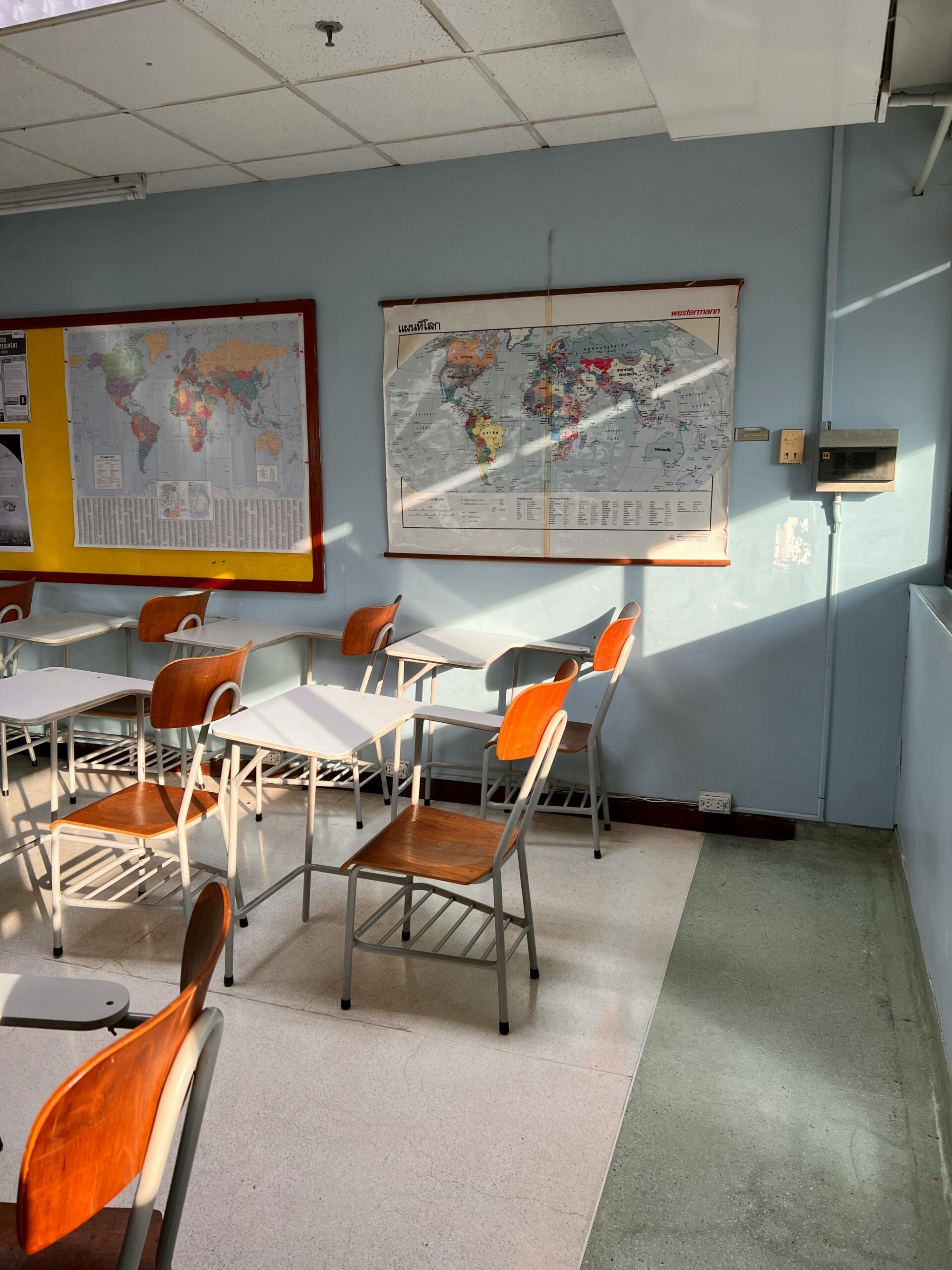
Also, remember that as one of the official languages of South Africa, and one that most students commonly share, English is often chosen as the main language of learning and teaching, especially in multilingual classrooms.
Another language that is commonly shared across South Africa’s wide linguistic spectrum is the Afrikaans language.
Practical Uses of English are Everywhere
English is highly practical in modern South Africa and is widely used in banking, healthcare, travel, customer service, and higher education.
Everyday Situations

This practical role is one reason people frequently ask how many languages are there in South Africa, especially when they hear multiple languages used in a single workplace or classroom. The reason is simple: even though it is not the most widely spoken, it is the most widely shared.
As one of the official languages of South Africa, English helps connect people across cultural and regional boundaries. Learning English in South Africa also means understanding how it interacts with the many different languages in South Africa, especially in multilingual social spaces.
For instance, if you are a Zulu speaker living in North West Province, you may not understand the Setswana language, and your friend may not understand Zulu, but it’s highly likely that you both understand English.
English may already be familiar to many South Africans, but improving fluency still takes practice.
Pronunciation Basics
South African English has its own complex pronunciation style influenced by British English, Afrikaans, and local languages. Whether you are learning English or IsiNdebele in South Africa, listening to local speakers can help you understand the complexities of tone and vocabulary more naturally.
Helpful Resources
If you are asking which English, do we use in South Africa, there is no doubt that consuming local media is one of the best ways to understand authentic usage and pronunciation.
You may also enjoy exploring Sesotho and how it differs structurally from English and Nguni languages.
Useful Phrases
South African English
Howzit
Meaning
Hello or how are you
Shame
Robot
Expression of sympathy or affection
Traffic light
Braai
Barbecue
These expressions highlight how South African English uniquely reflects local culture and communication styles.
English is heard almost everywhere in South Africa because it connects speakers of the many different languages in South Africa. Read about more of our official languages, starting with an exploration of SiSwati.
Why Learning English Makes Sense
In a country where people often ask how many languages are there in South Africa, English is an important bridge for communication gaps.
Whether you are Afrikaans or Seswati speaking, most corporate environments use English as their main language for business. In addition, understanding those subtle nuances that make South African English what it is also helps navigate workplace culture.
Ultimately, learning English in South Africa is not only about grammar and vocabulary. It is also about understanding local communication styles that include humour and acceptable slang.
If you are interested in finding out more about South Africa’s languages, don’t forget to look into the fascinating roots of Tshivenda, which is spoken in Limpopo province.
English fluency opens doors to education, careers, and social dynamics, not only in South Africa, but around the globe.
English in Modern South Africa
In today’s South Africa, English continues to evolve alongside youth culture, technology, and social media. Have you heard how many young South Africans regularly mix English with local indigenous languages in their online content, music, and conversation? It is this constant interaction that makes South African English a vibrant and evolving form of communication.

Regardless of how many languages are there in South Africa, the truth is that English remains central because it is widely understood across cultural and regional groups.
At the same time, while it remains one of the official languages of South Africa, the existence of so many different languages in South Africa means that English is constantly being influenced by local nuances.
To complete your understanding of South Africa’s language diversity, you could also read about Xitsonga and its role in Limpopo and Mpumalanga communities.
In a country with many different traditions and voices, English remains one of the key ways that people communicate across the rich diversity of the official languages of South Africa.
So, whether you are a native Sepedi language speaker, exploring which English do we use in South Africa, learning about South African English, or understanding how many languages are there in South Africa, we hope that this has shown how one language can bridge many different communities. you will quickly see how language connects people across communities.
Summarise with AI:
Enjoyed this article? Leave a rating!

 Loading...