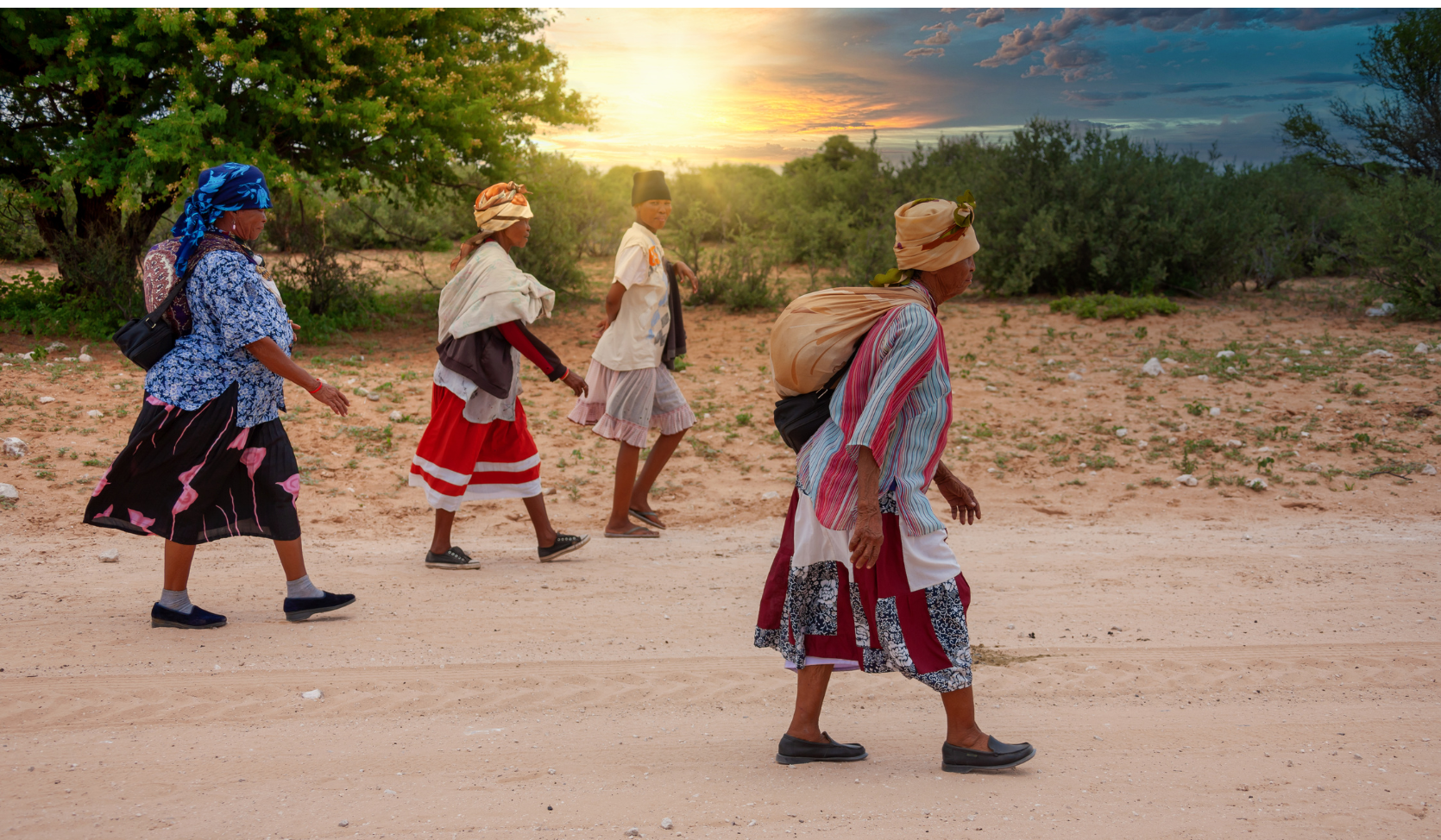

When people talk about languages in South Africa, the conversation usually focuses on the country's 12 official languages. Yet South Africa's linguistic heritage extends far beyond that list. In fact, many are recognised culturally and historically, even though they do not currently have official status.
Some are spoken by relatively small communities, while others have influenced larger language groups over generations. If you are interested in local linguistics, understanding these languages can help you gain an even deeper appreciation of the country's diversity and history.
Language is the road map of a culture. It tells you where its people come from and where they are going.
Rita Mae Brown
Many people who ask "what are indigenous languages" are surprised to learn that South Africa is home to dozens of language varieties, including some of the oldest known languages in Southern Africa.
South Africa's rich linguistic landscape is unusual. Do you know why there are so many official languages? Do you think all 12 are necessary? Do you fully understand the role of English as one of the official languages of South Africa?


More Than 12 Languages
The official language list represents only part of South Africa's linguistic story. Alongside the recognised official languages, there are numerous South African indigenous languages that continue to be spoken, studied, and preserved by communities across the country.
Some of these languages have strong regional identities, while others face challenges related to declining speaker numbers. Together, they contribute to the remarkable diversity found among the languages of South Africa. So what are they?
The Whole Language Diversity Picture at a Glance
| Official Languages | isiZulu, isiXhosa, Afrikaans, English |
|---|---|
| Indigenous Non Official Languages | isiBhaca, isiHlubi, Khelobedu, SiPhuthi |
| Heritage Languages | Various Khoi, Nama and San language varieties |
| Protected Through Recognition Efforts | Several community and heritage languages |
Before we dive into the lesser-known indigenous languages, do you know which official language is most widely spoken in South Africa?
Khoi, Nama and San Languages
Among the oldest indigenous languages in South Africa are those associated with Khoi, Nama, and San communities. These languages form an important part of Southern Africa's heritage and have played a significant role in the region's cultural history.
The Nama language remains one of the best-known Khoekhoe languages spoken in Southern Africa today. While many varieties have experienced declining numbers of speakers, today, preservation efforts continue through educational projects, cultural organisations, and research institutions.
Similarly, the San language traditions represent some of the oldest linguistic and cultural heritage in the region and various San languages and dialects have historically been spoken across large areas of Southern Africa.
Today, the South African Constitution specifically recognises the importance of promoting and protecting Khoi, Nama, and San languages.
The Constitution recognises the need to promote and develop the indigenous languages of the Khoi, Nama and San peoples.
It's worth noting the government's view regarding the Khoi, Nama and San languages, and makes you wonder what the Eastern Cape would be like today without the official status of isiXhosa?
Why Nama and San Languages Matter
It's important to remember that the Nama language and various forms of San language heritage provide valuable insight into the history of Southern Africa before colonial settlement and modern state boundaries.
These languages preserve:
Remember that for many communities, language is far more than a communication tool but rather a living record of heritage and belonging. Not only that, the importance of preserving these traditions reflects wider efforts to protect all languages of South Africa for future generations.
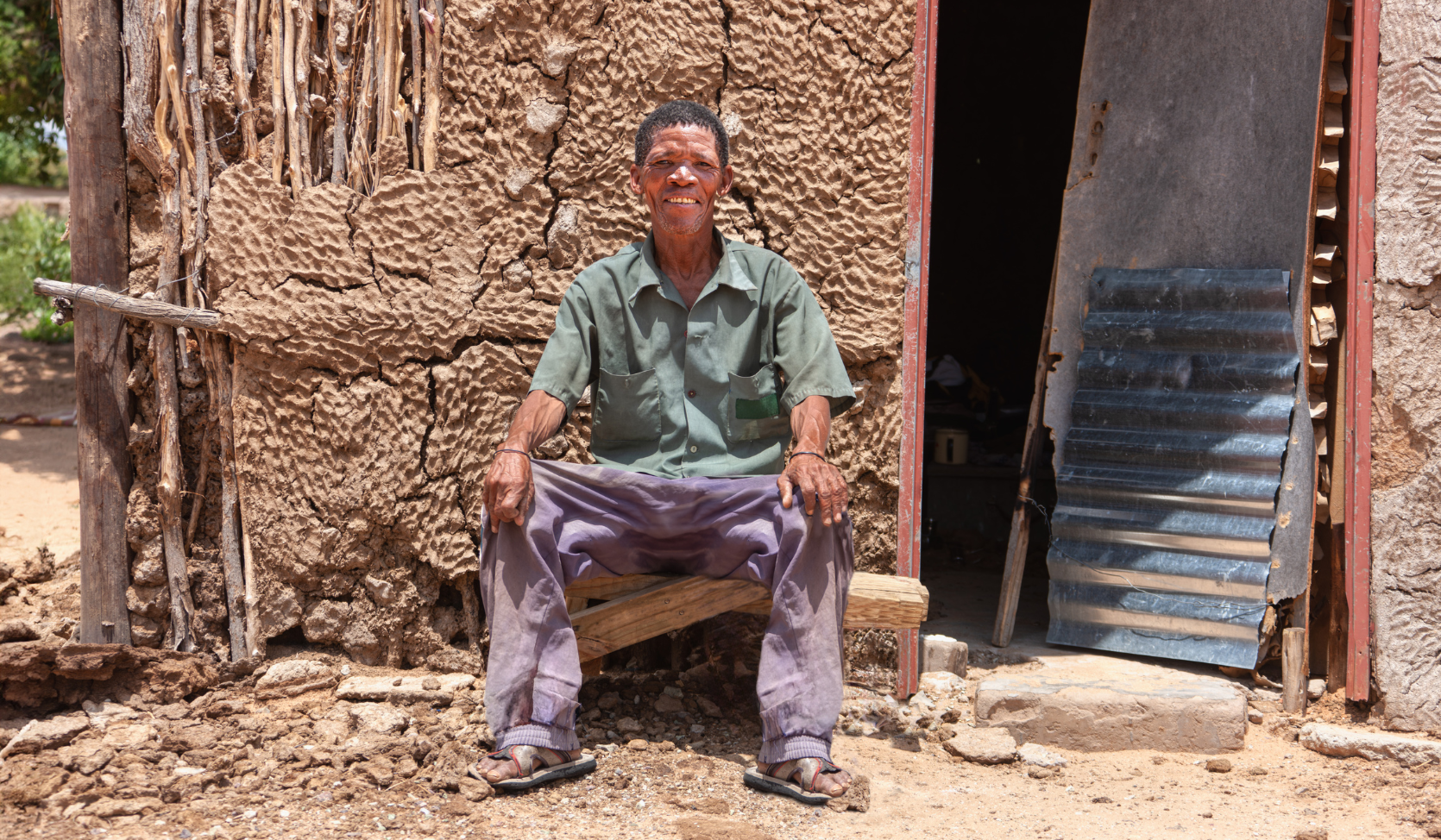
If you are interested in another language with strong historical roots, did you know that many more languages influenced Afrikaans than just Dutch, even Khoekhoe languages spoken by the Khoi peoples.
Other Indigenous Languages Worth Knowing
Despite not having official status, several lesser-known language varieties continue to be spoken and recognised culturally.
isiBhaca
Historically associated with communities in the Eastern Cape and KwaZulu Natal, isiBhaca retains cultural significance among its speakers.
isiHlubi
IsiHlubi has a long history in Southern Africa and remains important to communities working to preserve their linguistic heritage.
Khelobedu
Spoken primarily in Limpopo, Khelobedu is closely associated with the Balobedu people and the Rain Queen tradition.
SiPhuthi
SiPhuthi is spoken by a relatively small number of people and shares connections with language communities found across parts of Southern Africa.
These examples demonstrate that South African indigenous languages extend well beyond the languages taught in most schools.
You may also find it interesting to compare these communities with those discussed in our article on Sepedi language and culture.
Why Indigenous Languages Matter
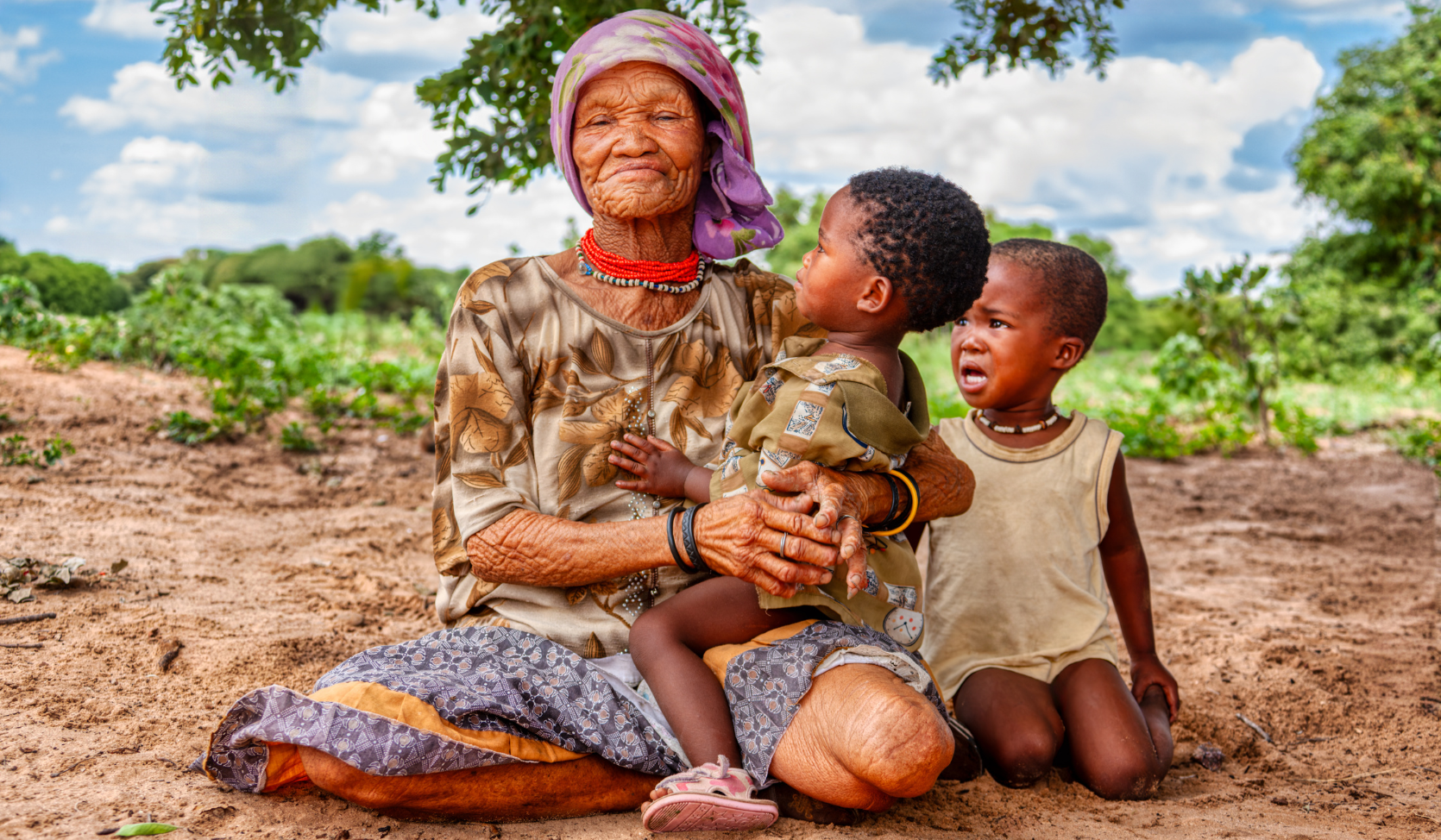
Many people who ask, "What are indigenous languages?" are also asking why these languages are important to preserve. Indigenous languages are far more than methods of communication; they represent centuries of knowledge, cultural practice, and community history. In South Africa, the Constitution recognises the importance of promoting and protecting indigenous languages as part of the country's commitment to cultural diversity, equality, and multilingualism.
Preserving these languages benefits not only their speakers but also future generations by safeguarding an important part of the nation's heritage.
Cultural Heritage
Indigenous languages are closely linked to cultural heritage because they preserve oral traditions, stories, songs, ceremonies, and traditional knowledge that have been passed down through generations. Before widespread literacy, many South African communities relied on oral storytelling to record historical events, explain customs, and teach moral values. Praise poetry, folktales, proverbs, and traditional songs continue to play an important role in preserving cultural practices and collective memory. When a language is maintained, these cultural expressions are more likely to be preserved in their original form.
If you would like to learn about another language community with deep cultural roots, learn more about Setswana as one of our nation's official languages.
Community Identity
Language is a key part of personal and community identity. For many South Africans, speaking an indigenous language strengthens connections with family, community, and cultural traditions. It enables people to participate fully in ceremonies, community gatherings, and everyday social life while maintaining links with previous generations. Research has consistently shown that language contributes to a sense of belonging and cultural continuity, particularly in multilingual societies where several languages are spoken alongside one another.
Linguistic Diversity
South Africa is recognised as one of the world's most linguistically diverse countries, with 12 official languages and numerous additional indigenous and heritage languages. Preserving indigenous languages helps maintain this linguistic diversity and supports the constitutional principle that all official languages should enjoy equal respect. Language diversity also contributes to academic research in linguistics by providing insight into the development, structure, and relationships between different language families, including the Bantu, Khoisan, and Germanic languages spoken within South Africa.
Historical Understanding
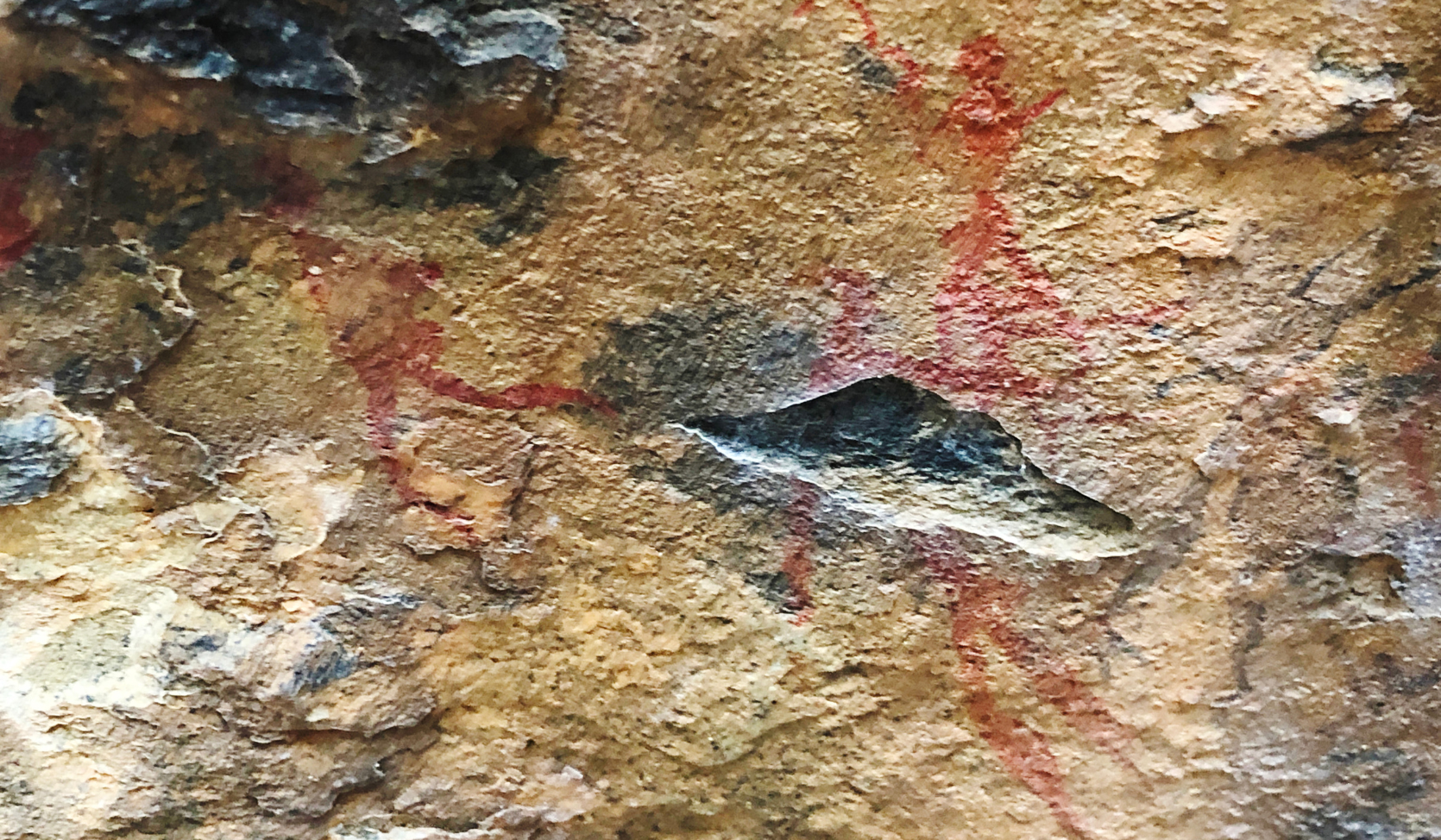
Languages provide valuable evidence about the history of communities, including patterns of migration, settlement, and cultural interaction. Linguists, historians, and archaeologists often study vocabulary, grammar, and oral traditions to better understand how different groups moved across southern Africa and interacted over time. Indigenous languages also preserve place names, traditional knowledge, and historical accounts that may not exist in written records. By documenting and studying these languages, researchers gain a deeper understanding of South Africa's cultural and historical development.
LanguagePreservation Challenges
While many communities are working to preserve their heritage, several challenges remain.
Some language varieties have relatively few fluent speakers, making transmission to younger generations more difficult.
Many indigenous languages are not widely available through formal school programmes.
As people move to cities, dominant languages often replace smaller community languages in daily use.
These challenges affect numerous South African indigenous languages, particularly those spoken by smaller populations. Similar preservation efforts can be seen with isiSwati in Mpumalanga and communities bordering Eswatini.
Challenges but also Opportunities
| Challenges | Opportunities |
|---|---|
| Language loss | Cultural revival opportunities |
| Small speaker populations | Community projects |
| Limited teaching resources | Academic research |
| Urbanisation pressures | Digital preservation |
| Reduced intergenerational transmission | Increased public awareness |
Many organisations continue working to strengthen the future of indigenous languages in South Africa through research, education, and advocacy.
Did you know that Sesotho speakers live in the Free State and Gauteng, where the language remains an important part of Sotho community life and cultural identity?
The Role of Institutions
The preservation and development of South Africa's indigenous languages depend on the combined efforts of government bodies, educational institutions, and community organisations. These institutions work to document endangered languages, develop educational resources, promote multilingualism, and encourage the everyday use of indigenous languages in schools, public services, and cultural life. Their work supports the constitutional commitment to recognising and promoting South Africa's linguistic diversity.
Pan South African Language Board
The Pan South African Language Board (PanSALB) was established under Section 6 of the Constitution of the Republic of South Africa and the Pan South African Language Board Act, 1995 (Act 59 of 1995). Its primary responsibility is to promote multilingualism, develop all official languages, and protect the country's indigenous, Khoi, Nama, San, and South African Sign Language, as well as other heritage and community languages. PanSALB also monitors language use by government institutions to encourage compliance with constitutional language provisions and works with National Language Bodies to support language development, terminology, and standardisation.
Universities and Researchers
South African universities play an important role in documenting, researching, and teaching indigenous languages. Many institutions offer degree programmes in African languages while conducting research into grammar, dictionaries, oral literature, language policy, and language preservation. Universities also contribute to the development of educational terminology and learning materials used in schools and higher education. Institutions such as the University of South Africa (UNISA), the University of Limpopo, the University of KwaZulu-Natal, Rhodes University, and Stellenbosch University have established departments or research centres dedicated to African language studies, linguistics, and multilingual education.
Academic researchers also work with local communities to record oral histories, traditional knowledge, and endangered languages, helping preserve cultural heritage for future generations.
Cultural Organisations
Community organisations, cultural associations, museums, and heritage centres make an important contribution to preserving indigenous languages outside formal education. They organise cultural festivals, storytelling events, language workshops, reading programmes, and traditional music and dance performances that encourage the continued use of indigenous languages across generations.
Many organisations also publish books, children's literature, dictionaries, and educational resources in indigenous languages, helping to increase literacy and language visibility.
Community radio stations further support language preservation by broadcasting news, educational programmes, music, and cultural content in local languages, particularly in rural areas where indigenous languages remain widely spoken.
Together, these initiatives help ensure that indigenous languages remain living languages that continue to be spoken, taught, and celebrated within their communities.
These efforts contribute to a stronger understanding of the question "what are indigenous languages" and why they matter.
For instance, the Xitsonga language continues to play an important role in the lives of millions of South Africans, particularly in Limpopo and neighbouring provinces.
Should More Languages Become Official?
This question often arises when discussing South African indigenous languages.
Supporters argue that broader recognition could:
Others point to practical considerations such as implementation costs and administrative complexity. Similarly, efforts to preserve language and heritage can be seen among Tshivenda-speaking communities in Limpopo, particularly in and around the Vhembe District.
Regardless of future policy decisions, preserving heritage languages remains important.
Learning Indigenous Languages Today
If you are interested in exploring indigenous languages in South Africa, there are more opportunities available than ever before.
Community organisations
Cultural centres
University programmes
Private tutors
Online language resources
Studying a heritage language can help you connect with communities, traditions, and histories that are sometimes overlooked in mainstream education.
The growing interest in both San and Nama language preservation demonstrates that many South Africans value linguistic diversity. Similar efforts to preserve language and cultural heritage can be seen among isiNdebele-speaking communities in Mpumalanga, Gauteng, and parts of Limpopo.
Looking to the Future
The future of South Africa's linguistic heritage depends on active preservation, education, and community involvement, but ultimately, the continued survival of South African indigenous languages requires support from governments, institutions, researchers, and speakers themselves.
As a start, simply understanding the question, "What are indigenous languages?" encourages greater appreciation for the communities that have preserved these traditions for generations.
Do you think that recognition of the San and Nama language heritage needs protection and support?
As South Africans continue celebrating the diversity of the languages of South Africa, these heritage languages remain an essential part of the country's cultural identity.
For a final perspective on language inclusion and accessibility, read up on how South African Sign Language became one of South Africa's official languages.
South Africa: A Linguistic Specialists Heaven
The story of South Africa's languages extends far beyond the official list. From Khoi, Nama, and San linguistic traditions to community languages such as isiBhaca, isiHlubi, Khelobedu, and SiPhuthi, the country's linguistic heritage is both diverse and historically significant.
Supporting South African indigenous languages helps to ensure that future generations can continue to benefit from this extraordinary heritage.
Whether your interest lies in the preservation of the San or Nama language traditions or understanding the broader languages of South Africa, every effort to learn more about these languages contributes to a stronger and more inclusive future.
References
- Constitution of the Republic of South Africa, 1996 (Section 6): https://www.gov.za/documents/constitution/constitution-republic-south-africa-1996-chapter-6-provinces-07-feb-1997
- Pan South African Language Board Act 59 of 1995: https://www.pansalb.org
- UNESCO – International Decade of Indigenous Languages (2022–2032)
- Department of Sport, Arts and Culture: https://www.dsac.gov.za
- National Heritage Council of South Africa: https://www.nhc.org.za/
- Department of Higher Education and Training: https://www.dhet.gov.za
Summarise with AI:
Enjoyed this article? Leave a rating!

 Loading...