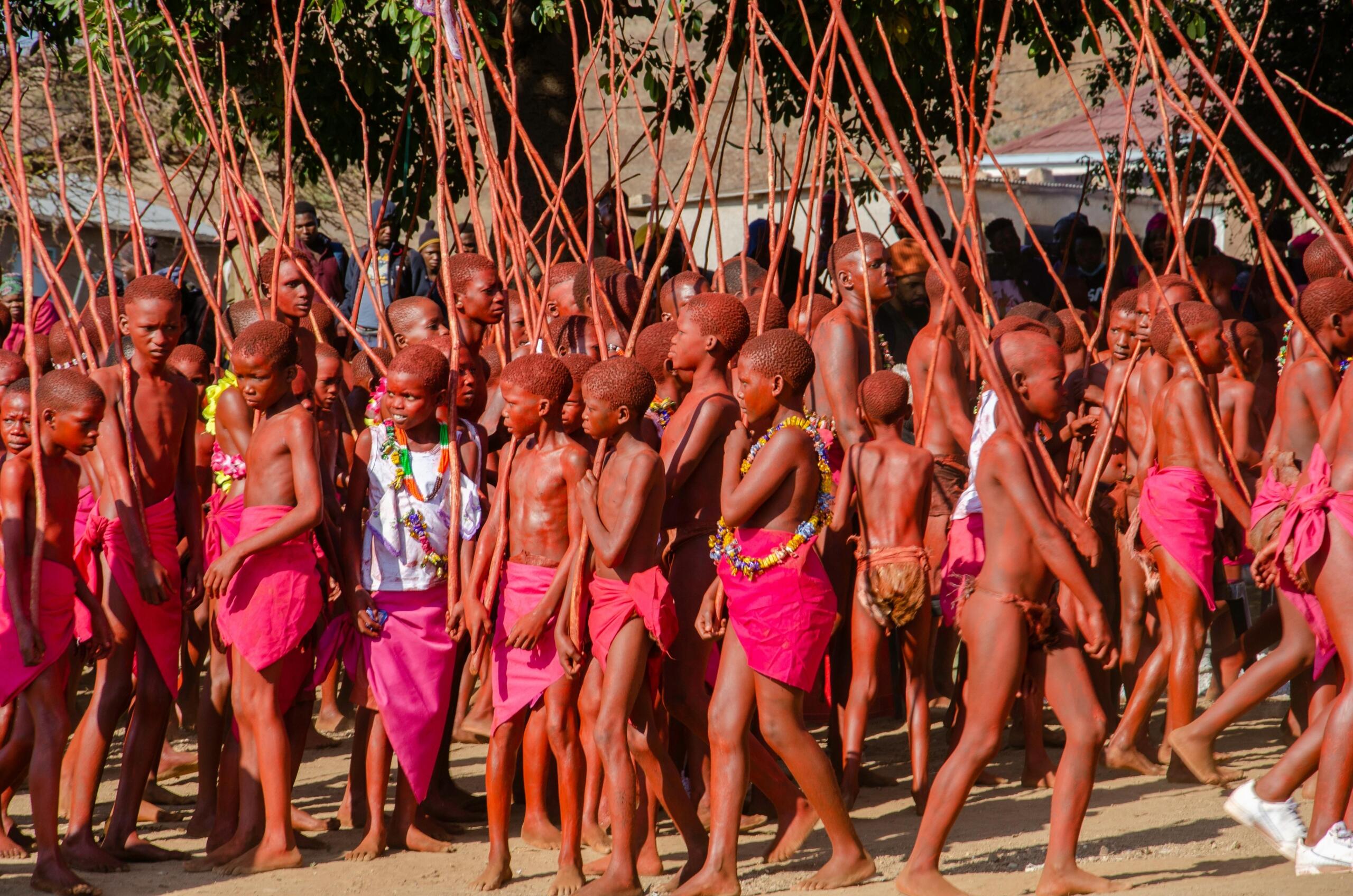

Alongside 11 other of South Africa’s languages, Venda, mainly spoken in Limpopo province, plays a distinctive role. Even though it has fewer speakers than some of the other languages, it does reflect centuries of oral tradition, spirituality, and community identity. Today, it remains deeply important in homes, schools, cultural ceremonies, and everyday life. Of course, exploring the broader story of indigenous languages and their place in modern South Africa is on the whole, a fascinating linguistics exercise.
| Language Family | Bantu |
|---|---|
| Main Speakers | estimated 1.3 million |
| Main Province | Limpopo |


The Origins of Tshivenda
Tshivenda forms part of the wider Niger-Congo language family, specifically the Bantu language group. Linguists generally classify it within the Venda language cluster, which is distinct from neighbouring languages such as Sepedi, Xitsonga, and isiZulu.
The language is closely associated with the Venda people, whose communities have lived in the northern regions of present-day Limpopo for centuries. Historical evidence suggests that Venda-speaking groups migrated southwards over time and established settlements in the Soutpansberg region. As these communities developed, Tshivenda evolved alongside local cultural traditions, governance systems, and oral histories.
Unlike some South African languages that have large numbers of speakers spread across several provinces, Tshivenda remains strongly concentrated in a specific geographical area.
This regional concentration has helped preserve many linguistic and cultural features that remain important to speakers today.
Although Tshivenda shares some characteristics with other Bantu languages, it has its own vocabulary, grammatical structures, and pronunciation patterns. This distinctiveness contributes to the rich linguistic diversity for which South Africa is known.
A Language with Deep Roots to Limpopo
If you travel through Sibasa, Thohoyandou or villages surrounding the Soutpansberg mountains, it is likely that you will hear Tshivenda spoken everywhere.
When it comes to cultural heritage, one of the most fascinating aspects is the language’s connection to music, spiritual tradition, and storytelling. In fact, ancient legends connected to the sacred Thathe Forest and Lake Fundudzi remain part of the local identity today.
If you are interested in understanding the broader understanding of multilingualism, you may also enjoy reading about how South Africa officially recognises such a wide range of languages and cultures.
Even though Venda is primarily spoken in northern Limpopo, especially in areas like Mahado, Thohoyandou and Musina, migration and education have resulted in Venda also being spoken by smaller communities in Mpumpalanga and Gauteng. By the way if you interested in finding out about another one of South Africa's smallest but culturally distinctive language communities, isiNdebele is worth your attention.
This is Where You will Hear Tshivenda
Among SA languages, Tshivenda is the most regionally concentrated. Even with migration, many speakers maintain strong cultural and family ties to Limpopo even if they have relocated cities.

In South Africa, language diversity becomes especially visible in places like retail centres, universities, and taxi ranks, and it is not uncommon to hear several languages during a single conversation.
If you are interested in comparing language communities, learning how Sesotho communities preserve language and identity across urban and rural spaces is also a good read.
Tshivenda as an Official Language
Since the adoption of South Africa's Constitution in 1996, Tshivenda has been recognised as one of the country's official languages. This recognition helps ensure that speakers have the right to access certain government services, educational opportunities, and public information in their home language.
Official recognition also supports the development of learning materials, dictionaries, language research, and media content. Institutions such as schools, universities, and public broadcasters contribute to the continued use and promotion of Tshivenda.
Language recognition is particularly important in a multilingual country such as South Africa. The Constitution recognises that all official languages should enjoy parity of esteem and be treated equitably, regardless of the number of people who speak them. For Tshivenda speakers, this recognition helps protect linguistic heritage while supporting participation in modern public life.
Did you know that South African Sign Language is recognised as an official language?
The Traditions and Stories Behind Venda Identity
Although oral storytelling remains a central part of Venda culture, Tshivenda also has a growing written tradition. Written forms of the language were developed during the twentieth century, allowing literature, educational materials, religious texts, and newspapers to be published in Tshivenda.
Today, authors continue to produce novels, poetry, short stories, and educational resources in the language. These works help preserve cultural knowledge while creating opportunities for younger generations to engage with Tshivenda in both traditional and modern contexts.
Proverbs remain especially important within Venda culture. They are often used to communicate wisdom, teach social values, and reinforce community relationships. Many traditional stories and sayings continue to be passed between generations, helping to preserve cultural identity alongside the language itself.
The cultural richness of Venda’s communities can be seen through dance, traditional ceremonies, music, and oral storytelling. Today, many customs remain connected to ancestral respect, family structure, and community gatherings.
Cultural Highlights
In preserving these traditions, Tshivenda language plays a major role. Here, you will find that elders usually pass proverbs and stories to younger generations through the art of spoken storytelling instead of written records.
One interesting fact is that the Tshikona dance, known as the national dance of the Venda people, uses reed pipes which are played together in a coordinated musical performance and involve entire communities.
Besides these old traditions, Tshivenda continues influencing modern literature, music, and radio broadcasting in meaningful ways.
All across South Africa there are similar cultural traditions that use other languages, find out more about how isiXhosa has influenced identity in the Western and Eastern Cape
Learning Tshivenda in CAPS Curriculum Schools
Throughout Limpopo under the CAPS curriculum, the Tshivenda language is taught in schools. Here, learners have the option of studying it either as a Home Language or as a First Additional Language.
Education and Language Learning
In addition, the University of Venda also plays a major role in helping to preserve and promote the language through African language studies and teacher training.

There’s no doubt, the role of Tshivenda within education powerfully demonstrates how South Africa's languages are supported through government learning structures while they still remain connected to community traditions too.
Across all of the SA Languages, there is one, that while not the most widely spoken acts as a bridge to all the others. Can you guess which one it is?
Everyday Uses of Tshivenda
Throughout the country’s northern provinces, Venda is spoken, heard and important to culture. Why do you want to learn it?
Workplace communication
Family and social interaction
Community events and ceremonies
Remember that many South Africans speak multiple languages; because of this, Tshivenda speakers usually move comfortably between Tshivenda, South African English, isiZulu, and Sepedi depending on the situation.
Among the SA languages, Tshivenda also continues to thrive through modern digital platforms, local radio, and social media.
The visibility of the Tshivenda language in both urban and rural settings reflects the ongoing importance of multilingual communication in South Africa.
Helpful Tips to Learn Tshivenda
Learning Tshivenda can feel challenging and unfamiliar at first because the sound is so uniquely different to so many other South African languages. Still, with regular listening and practice pronunciation becomes much easier.
Listen to Phalaphala FM broadcasts
Immerse in Tshivenda television programming
Practise greetings with native speakers
Remember that in some context, tonal pronunciation and emphasis can slightly change meaning, but listening carefully to native speakers is the best way to overcome this challenge.
To continue your exploration of South Africa’s language groups, don’t miss our article on how learning the Sepedi language helps communities preserve oral tradition and identity in Limpopo.
Simple Greetings
Tshivenda
Ndaa
English
Hello
Ro livhuwa
Vho vuwa hani
Thank you
How are you
Curious about other northern language communities? Find out how Xitsonga continues to evolve within modern day South Africa.
Bear in mind that the continued use of Tshivenda and other Bantu languages helps preserve the diversity that makes South Africa’s cultural diversity so unique, and so important.
Why Learning Tshivenda Matters
Build Stronger Community Connections
Learning the Tshivenda language can help you communicate more naturally with communities in Limpopo and urban Venda communities across South Africa.
Appreciate the Cultural Heritage
The traditions connected to the language’s identity like music, sacred geography, storytelling, and ceremonial dance offer deep insight into culture and language.
Create Career Advantages
Professionals working in education, tourism, healthcare and community development in Limpopo especially, may benefit from understanding benefit hugely from understanding Venda.
Remember that as younger generations preserve indigenous languages, their preservation stands a better chance. Similarly, learning more about Setswana can change your life if you live in North West Province.
Tshivenda in Modern South Africa
Today, the Venda language continues to adapt through radio, music, television, podcasts, and social media. Not only that, but younger speakers also use it online which helps to maintain family connections and important cultural traditions.

In the same way, broadcasters and modern artists continue to keep the language visible. This balance between technology and heritage shows just how resilient South Africa’s languages are in a fast changing world.
Discussions concerning the preservation of SA languages increasingly focuses on digital content creation, representation in mainstream media, ,and of course, education.
If you are keen to know more about another language preservation story, you will enjoy discovering how Afrikaans continues to live and thrive in South Africa today.
Strengthen Your Community Ties by Learning Venda
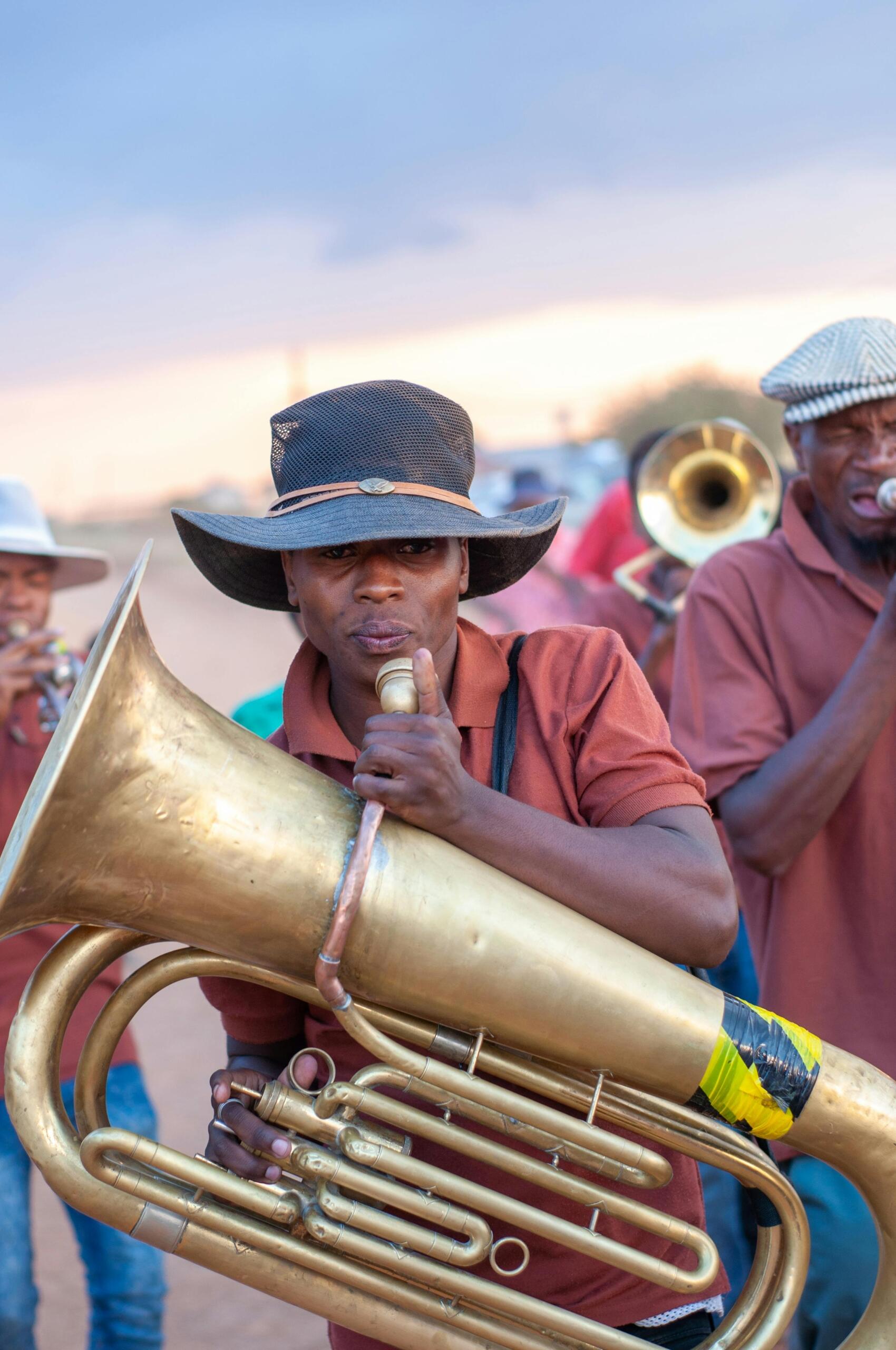
As one of the most culturally rich pieces within South Africa's languages landscapes, understanding Venda continues to strengthen communities and identity through dance, storytelling, and every day communication. Similarly, find out how siSwati reflects the heritage of communities in Mpumalanga and beyond
Whether you learn the language for work, travel, or cultural understanding, the Tshivenda language provides valuable insight into one of South Africa’s most unique cultural traditions.
Muthu ndi muthu nga vhathu. A person is a person through other people.
African Proverb
As conversations continue regarding the preservation and celebration of SA languages, Tshivenda offers an important reminder that language is deeply connected to heritage, memory and belonging.
If this interested you, explore how South Africa's most widely spoken home language isiZulu influences daily communication.
Summarise with AI:
Enjoyed this article? Leave a rating!

 Loading...