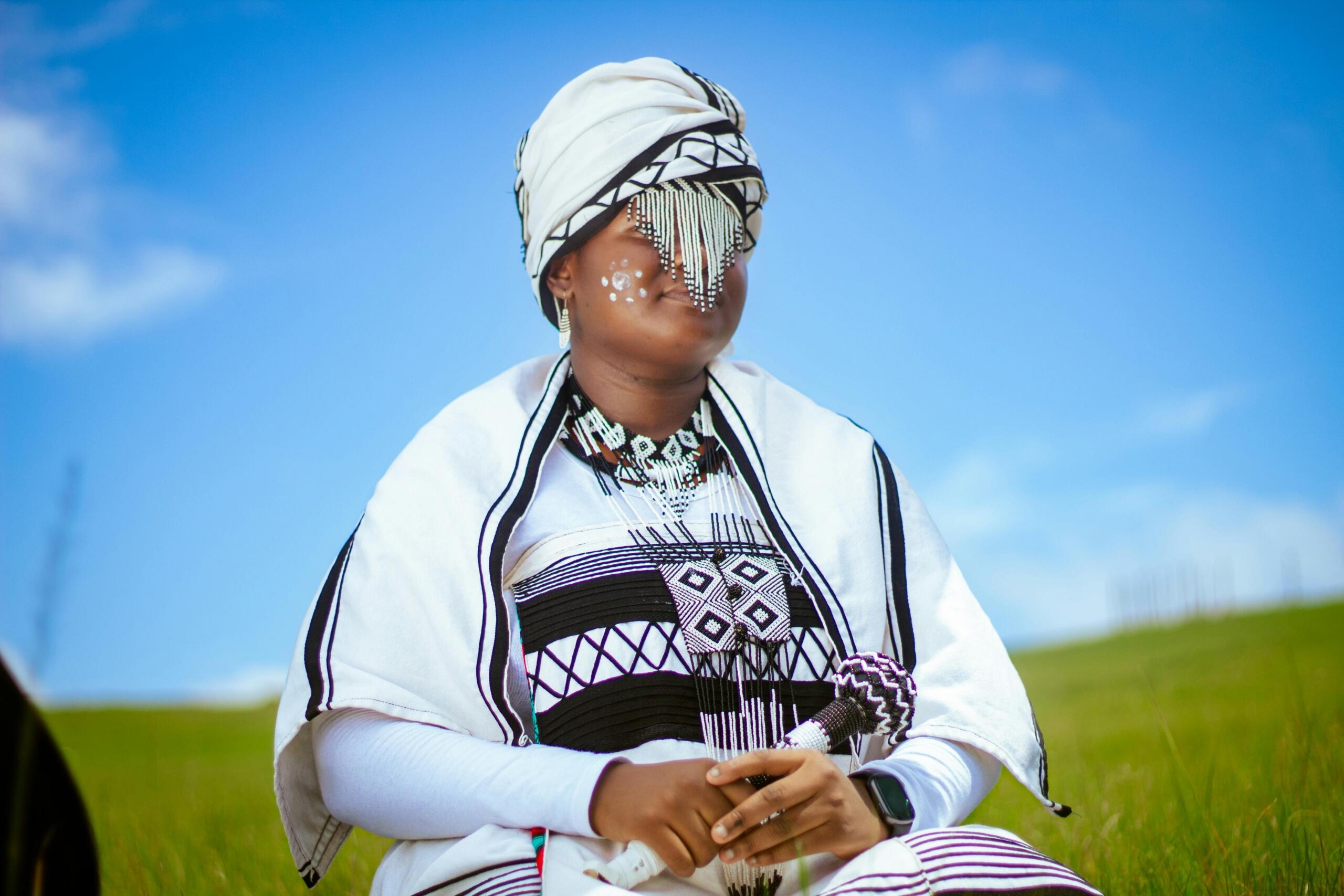

If you have spent any time in the Eastern Cape, you will have heard the expressive language of isiXhosa been widely spoken. Filled with click sounds and many poetic idioms, isiXhosa is one of those South Africa official languages worth learning. Spoken by millions of people across the country, particularly in the Eastern Cape and Western Cape it is part of the broader family of Nguni languages in South Africa as it shares similarities with isiZulu, siSwati, and isiNdebele. Having said that, it still has many of its own distinct sounds and structures that make it unique.
| Language Family | Nguni languages in South Africa |
|---|---|
| Speakers | Approximately 8 million |
| Main Provinces | Eastern Cape, Western Cape |


Where is Xhosa Spoken?
Even though Xhosa is most widely spoken in the rural areas of the Eastern Cape, with over 8 million first language speakers, it is also heard in urban areas throughout the country. As an indigenous language, isiXhosa carries deep historical roots which reflect generations of storytelling, tradition, and identity.
Of course, you may be wondering why there are so many official languages in South Africa. To understand how they all came to be recognised, it helps to explore the historical and political journey behind South Africa’s multilingual identity.
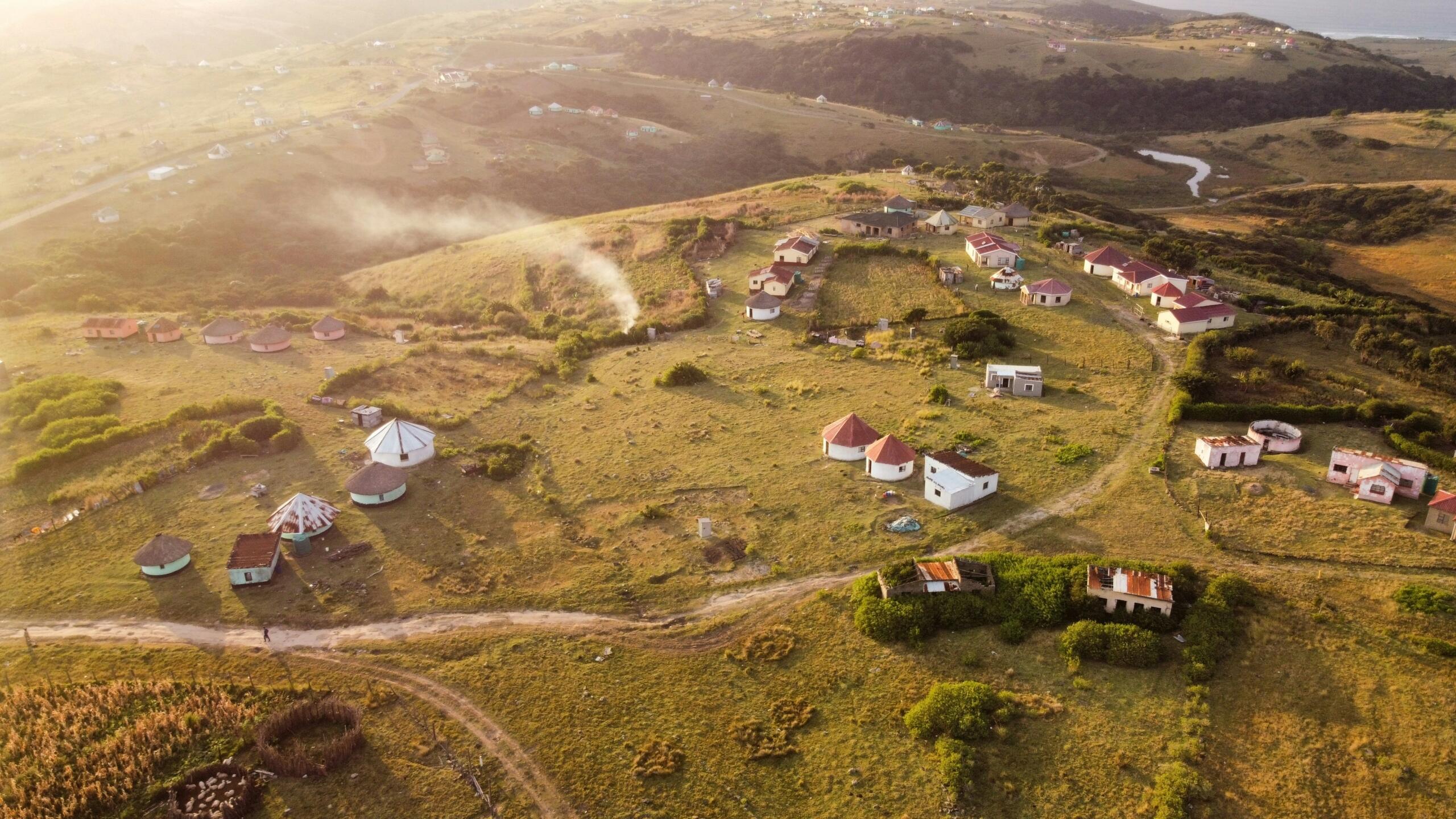
As already mentioned, Xhosa is most commonly spoken in the Eastern Cape, especially in cities like Mthatha, East London, and Gqeberha. However, due to migration and urbanisation, it is also widely spoken in Cape Town, particularly in areas like Khayelitsha and Langa.
Where You Will Hear isiXhosa
Because isiXhosa is part of the Nguni language group in South Africa, speakers can often understand isiZulu, the country's most widely spoken language, which helps bridge communication and relationships across many of the country’s regions. In fact, if you are interested in comparing the two, you will find out how widely isiZulu is spoken in South Africa.
History and Cultural Significance
If you’re looking for Xhosa history, you might be surprised to find that it goes back earlier than you think. Starting with the migration of Nguni speaking peoples down Africa’s eastern coast between the 10th and 16th centuries, many settled in the Eastern Cape, especially near the Great Kei and Great Fish Rivers.
Over time, interaction with Khoisan communities influenced the language, including its click sounds. Today, the language is still closely tied to identity, and the Xhosa culture is rich with traditions, ceremonies, and oral storytelling practices.
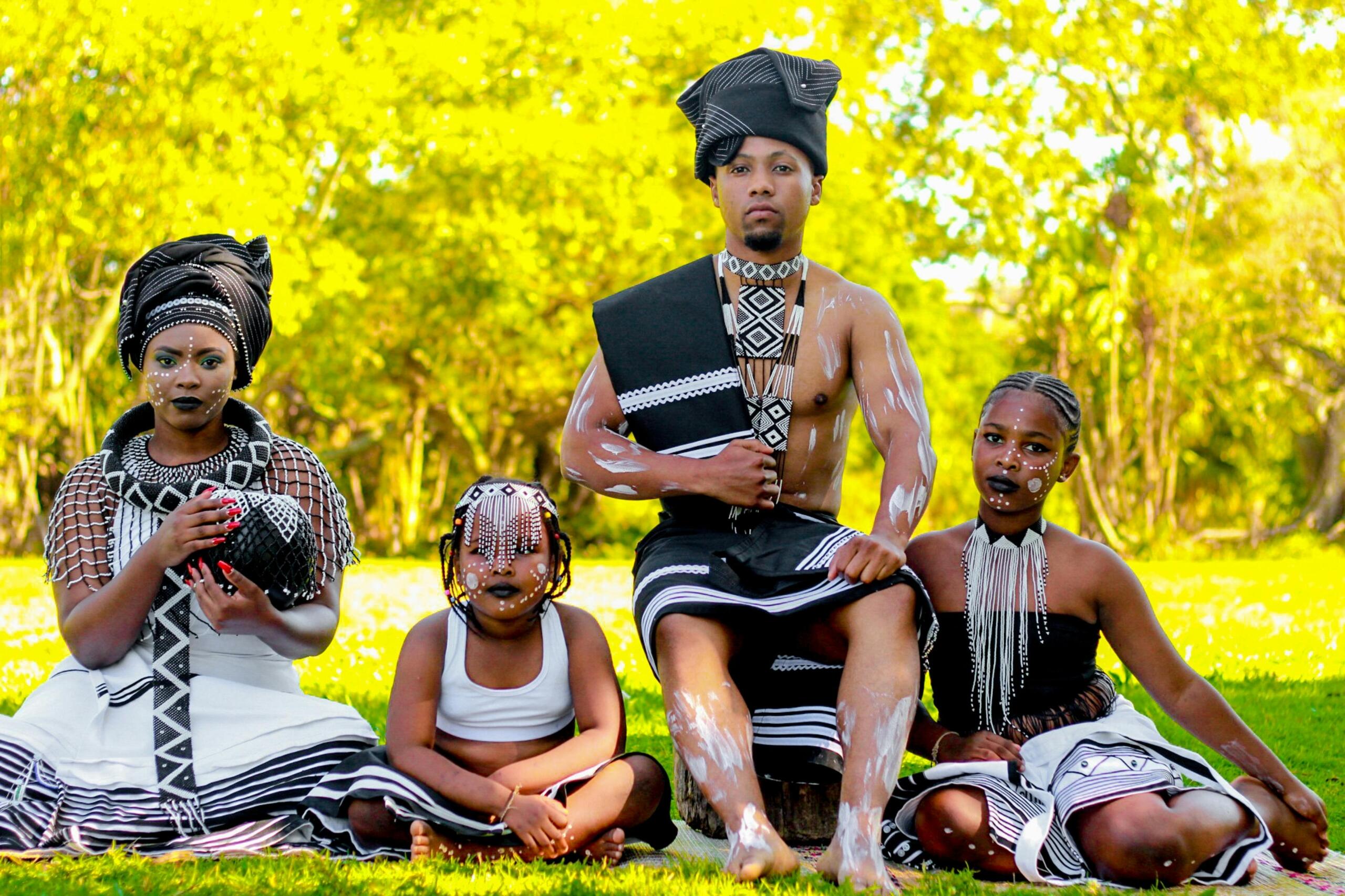
The IsiNdebele people are renowned for their intricate beadwork, and the Xhosa culture similarly uses language as a way to pass down values and knowledge. This is an excellent example of how an indigenous language can play a key role in preserving heritage.
IsiXhosa also has a strong presence in South African music and literature where artists, poets and musicians lean on the language to express themes of belonging, identity and resilience.
Cultural Expression
Much like the linguistic heritage of siSwati communities, isiXhosa boasts:
The relationship between Xhosa culture and language demonstrates good reasons for preserving South Africa’s official languages, which are essential for maintaining cultural diversity. Another example of this culture and language preservation is the Afrikaans language, which is an interesting story all of its own.
isiXhosa’s Rolein Education
Across the Eastern Cape and Western Cape, IsiXhosa is taught in schools as both a Home Language and a First Additional Language under the CAPS curriculum. For instance, for many English and Afrikaans speakers, it is most commonly offered as a First Additional Language, which effectively serves as a second language in the school system.
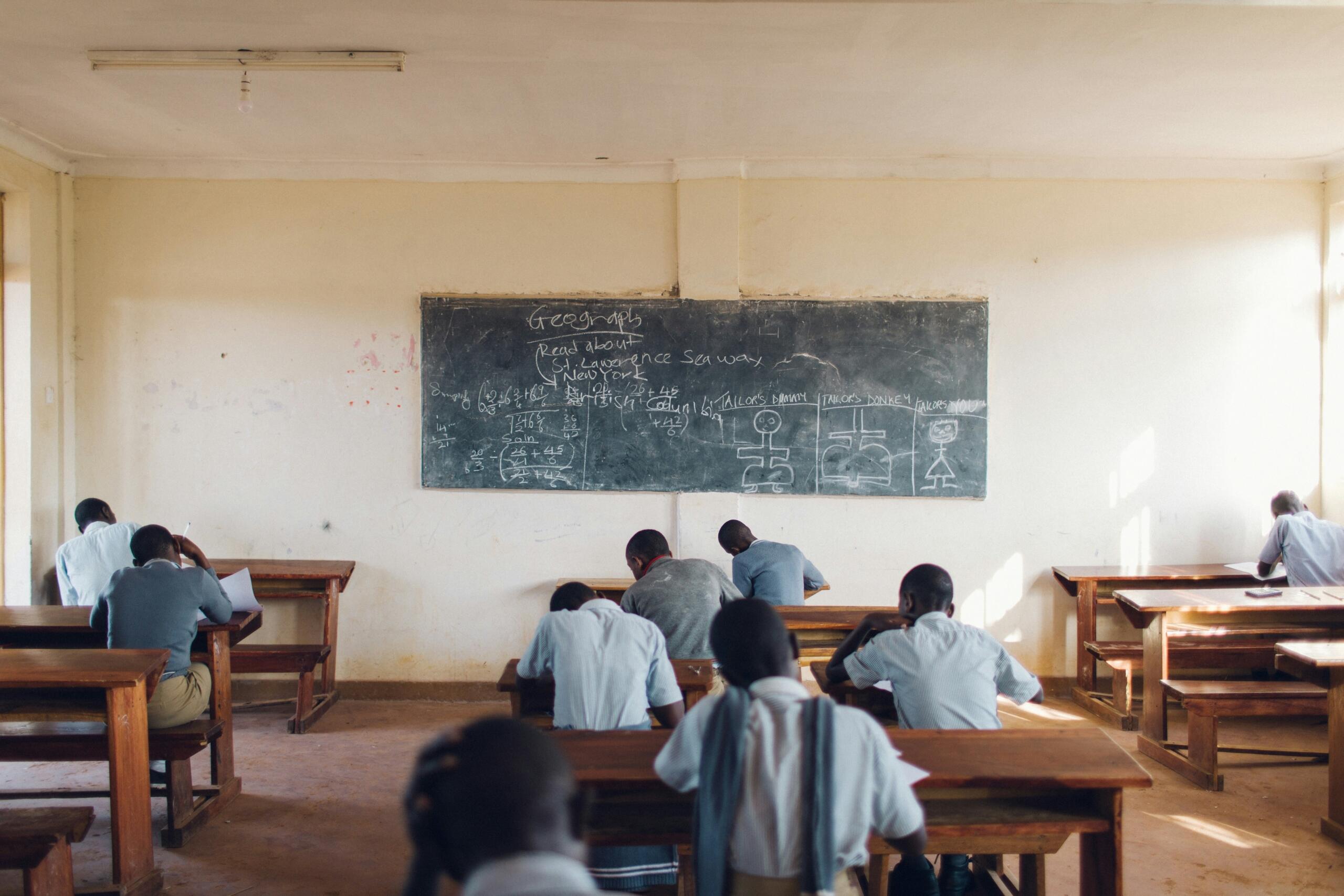
This means that even if it is not your home language, you are likely to encounter it in the classroom, especially in diverse urban schools where interaction across language groups is part of daily life.
In provinces like the Western Cape, learners in public schools are often encouraged or required to take isiXhosa alongside English and Afrikaans to support multilingual communication and social cohesion.
In many primary schools, especially in rural areas, it is used as the language of instruction in early grades which supports literacy and comprehension for learners whose first language is isiXhosa. Curious to learn about more of SA's languages, then check out our article on Tsonga culture and history.
Classroom Use
Besides its academic use, as an indigenous language, isiXhosa is an important way for many learners to connect with or maintain their identity.
If you are comparing languages in the classroom, it may help to read how English, also an official language, functions as a common medium of instruction in higher grades.
Practical Uses
IsiXhosa is widely used in everyday life, especially in the Western Cape and Eastern Cape, so whether you are shopping, commuting, or working, understanding basic phrases can make your interactions richer and more rewarding. You'll notice that in community settings, even basic phrases and vocabulary can go a long way to building trust and connection.
You will find that the Xhosa language is particularly useful in community settings, where it helps build trust and connection.
Everyday Situations
Because it is one of the South Africa official languages, it's worth remembering that isiXhosa is also used in government communication and public services alongside the 12th official language SA Sign Language. Here, it's presence alongside other Nguni languages in South Africa makes it an important bridge language in multilingual environments.
Learning Tips
Learning isiXhosa can feel challenging at first, especially because of its click sounds. However, like with any new language it only takes practice and the right resources, to build confidence.
Pronunciation Basics
The Xhosa language includes three main click sounds. These are written as c, x, and q. Listening to native speakers will help you understand how they are used.
Resources You Can Use
Don't forget that because isiXhosa is part of the Nguni languages in South Africa, learning it can also help you understand related languages more easily.
On that note, one official language that is not Nguni-based is Sesotho. The Sotho language is worth exploring for a balanced approach regarding South African linguistics.
Useful Phrases
isiXhosa
- Molo
- Unjani
- Ewe
English
- Hello
- How are you?
- Yes
These phrases might be simple and basic, but remember you need to start somewhere. Take the first step.
If you are interested in other regional languages or live in North West province, don't forget that Setswana is also an official language in South Africa.
Why Learn This Language?
Learning isiXhosa is filled with benefits, especially in a multilingual country like South Africa.
Social Integration
Speaking the Xhosa language allows you to connect more deeply with communities, particularly in the Eastern and Western Cape.
Career Benefits
In sectors like healthcare, education, and customer service, knowing isiXhosa can be a valuable skill. Employers often look for candidates who can communicate in multiple South Africa official languages.
Cultural Understanding
Learning isiXhosa gives you insight into Xhosa culture, including traditions, values, and social practices. It helps you understand how language shapes identity.
If you live in Limpopo province, you may want to grow your cultural understanding by learning the Sepedi language.
A Living Language in Modern South Africa
Today, isiXhosa continues to grow and adapt in today’s world. From social media to music and television, it remains highly relevant and widely used.

As one of the South Africa official languages, it plays a vital role in influencing communication and identity. Its presence alongside other Nguni languages in South Africa ensures that it remains connected to a broader linguistic network.
Even as English is often used in formal settings, isiXhosa continues to thrive as an indigenous language that reflects the lived experiences of millions of people.
If you want to continue your understanding of language diversity in South Africa, you might enjoy discovering Tshivenda and its unique linguistic features in Limpopo.
IsiXhosa is more than just a means of communication. It is a powerful expression of identity, heritage, and community. As one of the South Africa official languages, it represents the country’s commitment to diversity and inclusion.
By learning the Xhosa language, you open yourself to new connections and experiences. You also gain a deeper appreciation for Xhosa culture and the role of indigenous language in preserving traditions.
So, whether you are learning for personal growth or professional development, isiXhosa offers a meaningful experience, much like the wider family of indigenous languages across the country to engage with South Africa’s rich linguistic landscape.
Summarise with AI:
Enjoyed this article? Leave a rating!

 Loading...