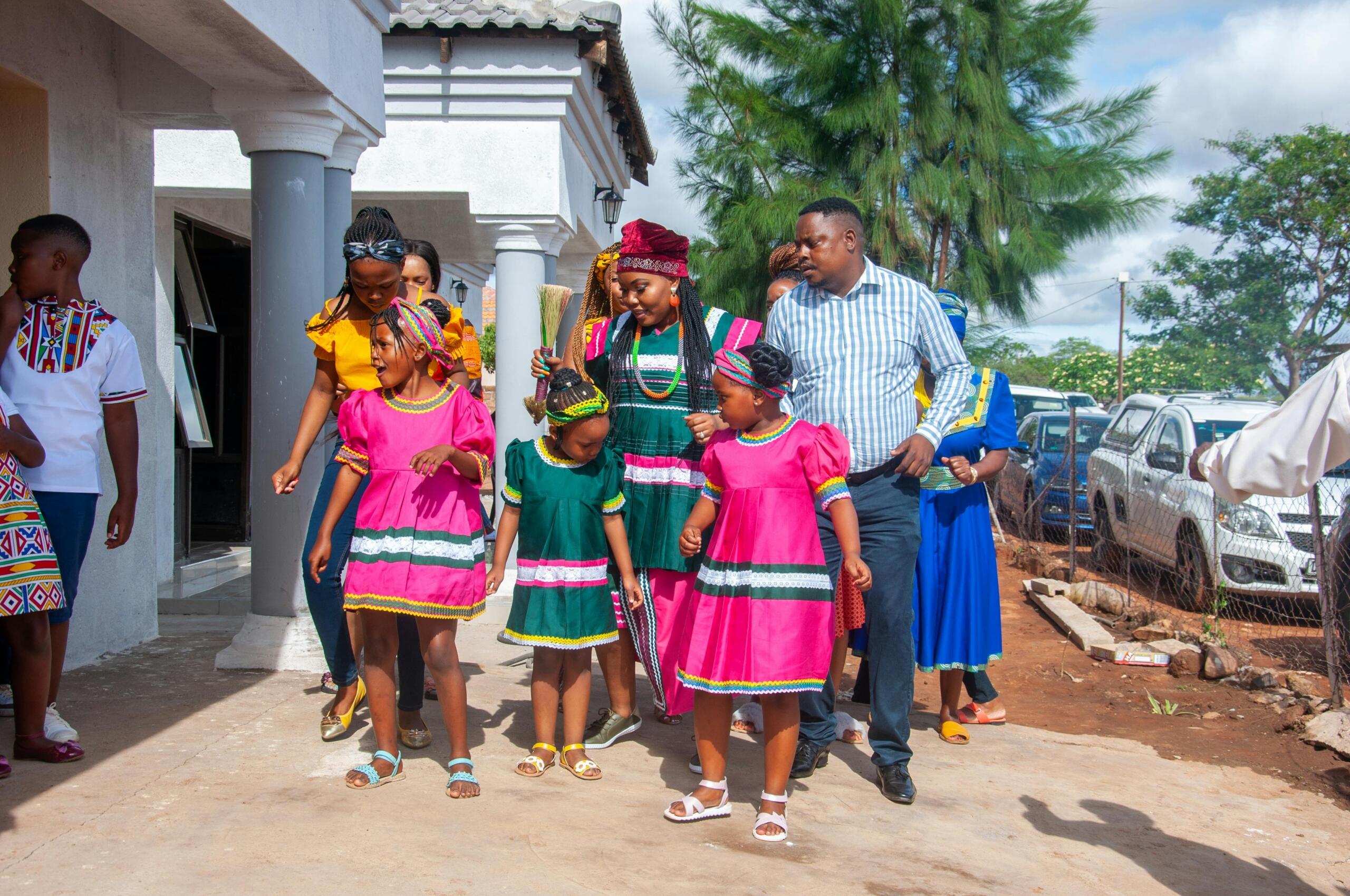

South Africa’s remarkable linguistics diversity means that the language of Sepedi is an important part of its rich heritage. Belonging to the Sotho Tswana family of languages, it is also commonly known as Northern Sotho. Today, it has millions of speakers, mainly across Gauteng and Limpopo and is one of the most widely used of South Africa’s indigenous languages.
| Language Family | Sotho Tswana |
|---|---|
| Speakers | Approximately 4.6 million first language speakers |
| Main Provinces | Limpopo, Gauteng |
If you have wondered how many languages do we have in South Africa, the answer is 12 and looking at each one helps to piece together the culture and language of the country’s multilingual character. In this article, you will find out about Sepedi communities and how oral storytelling, traditional customs and music influence daily life. In fact, one of the most interesting facts about Sepedi is the emphasis on how folktales and praise poetry are passed down through the generations in villages around centres like Polokwane and Sekhukhune.
when South African Sign Language (SASL) was given this recognition?
To truly understand how South Africa became so multilingual, be sure to explore the constitutional and historical roots behind the country’s diverse language system too.


A Language that is Rooted in Limpopo
The Sepedi language which is mainly spoken in Limpopo, particularly in areas such as Sekhukhune, Polokwane and Lebowakgomo is also widely spoken in Gauteng, especially in Pretoria and Johannesburg where migration has brought together speakers from different regions.
Where is Sepedi Used?
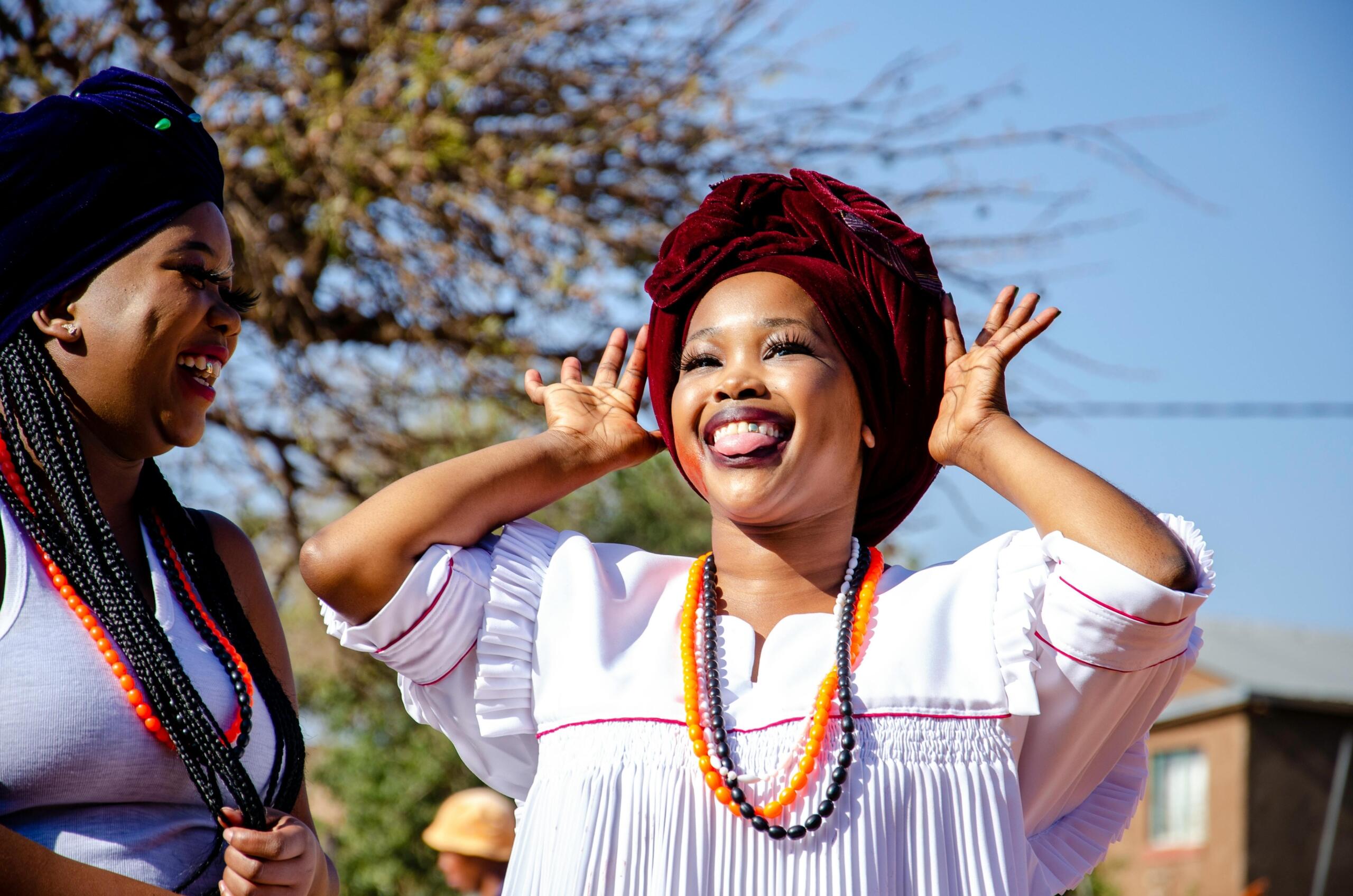
As one of the country’s recognised indigenous languages, Sepedi is spoken in homes, schools, churches, and local businesses. In multilingual communities, it typically exists alongside English, isiZulu and Setswana, and this is when the question: how many languages do we have in South Africa can really hit home.
One of the most interesting facts about South Africa’s multilingualism is the enduring bond they have to each other.
So, if you are exploring neighbouring language communities, be sure to find out how isiZulu became the most widely spoken home language in South Africa.
Traditions that Give Identity Life
Not unlike Tswana and Sesotho, in Sepedi culture, identity is deeply rooted in respect for elders, community leaders and in values that are for the good of the whole community. Here, culture and language is demonstrated and celebrated through weddings, initiations and other traditional ceremonies with music, dancing, proverbs and traditional songs.
Cultural Expression in Action
In addition, modern media like the radio station Thobela FM also contribute to keeping the Sepedi language alive when it broadcasts news, educational content and music to millions of listeners.
Other interesting cultural details include the practice of rhythmic chanting during Sepedi celebrations, which are usually accompanied by dance performances and storytelling.
For another perspective on heritage and identity read about how isiXhosa traditions continue to influence communities in the Eastern and Western Cape.
Is Sepedi Taught in South African Schools?
In Limpopo and some other provinces, Sepedi is taught through the CAPS curriculum where learners can choose it as either a Home Language or First Additional Language. This means that it is also included in CAPS examinations across the country. Ultimately, including Sepedi language in the education system under the new BELA ACT means that both literacy and local identity are preserved.

This important educational approach means that traditional folktales and oral poetry are used in literacy development by some schools which also helps preserve Sepedi’s valuable cultural tradition of storytelling.
In some schools, traditional folktales and oral poetry are still used as part of literacy development, helping younger learners engage with heritage through storytelling.
It’s important to note that this is also where that question – how many languages do we have in South Africa is especially relevant because in a South African classroom, you could find many different home languages.
If this educational language journey fascinate you, you may also enjoy discovering how Afrikaans evolved its long standing role within South African schools and universities.
Everyday Uses of Sepedi
Today, Sepedi is not only widely prevalent but highly practical in everyday South African life. Especially in Gauteng and Limpopo you will hear it within local government, healthcare facilities, community events, and systems of public transport.
Ultimately, Sepedi helps South Africans in both Limpopo and Gauteng to communicate naturally in both social and professional settings.
In a multilingual and multicultural society like South Africa, you may be interested to hear how the universal language English, though not the most widely spoken language in the country, acts as a powerful bridge for connection and understanding.
Practical Tips for Learning Sepedi
Pronunciation Basics
The good news is that learning Sepedi is more approachable than some languages (like French) because the pronunciation is phonetic. In other words, it is spoken by pronouncing all syllables. Also, in the Sepedi language, vowel sounds are used consistently, which makes pronunciation and reading far easier for beginners.
Recommended Resources
Remember that listening to local radio is one of the most effective ways to understand natural pronunciation and conversational rhythm. Not only that hearing the spoken language in natural environments can give deeper insight into Sepedi culture especially when it comes to understanding traditions like storytelling and proverbs.
To compare related language groups, you could read about how Sesotho fits into the broader Sotho Tswana family.
Useful Phrases
Dumela
Ke a leboga
Hello
Thank you
O kae
Ee
How are you
Yes
These expressions can help you confidently engage with one of South Africa’s most widely spoken indigenous languages. Learn more about the SiSwati and where it is spoken.
Why Learning Sepedi Matters
Build Real Community Connections
Learning Sepedi means that you can connect more naturally with people in Limpopo and Gauteng communities. Not only that, but it will also help you better understand Sepedi culture and local traditions.
Kgotso e aga motse. Peace builds a nation.
Sepedi Proverb
Create Career Opportunities
Whether you are a native Afrikaans or isiSwati speaker, in sectors like education, healthcare, tourism, and customer service, speaking Sepedi can improve social communication and strengthen professional relationships. Read more about how SA Sign Language became official, and how it impacts career options.
Experience South African Heritage Firsthand
By understanding one or more of South Africa’s major indigenous languages, you also gain insight into culture which can enrich your experience of living in diverse nation.
As you begin to understand the relationship between culture and language an entire world consisting of colloquial expressions, proverbs and humour opens up.
If you are interested in finding out about other regional language roots, be sure to read about Tshivenda and its role within Limpopo heritage and identity.
Sepedi in Modern South Africa

Today, strong cultural traditions are not only being kept through historic crafts, like beadwork which forms part of the cultural heritage of the IsiNdebele people, but they are also being kept through modern online engagement. In addition, musicians and influencers preserve Sepedi culture by creatively blending contemporary creativity with traditional storytelling.
This further reinforces the important connection between culture and language. As dialogue continues around how many languages do we have in South Africa, the survival and growth of Sepedi is an ongoing example of linguistic resilience.
Another language worth exploring that has endured the test of time and continues to evolve within modern South Africa is the Xitsonga language.
Traditions, Values and Stories Kept Alive By Language
The Sepedi language is not simply a language, but rather a living expression of community and identity.
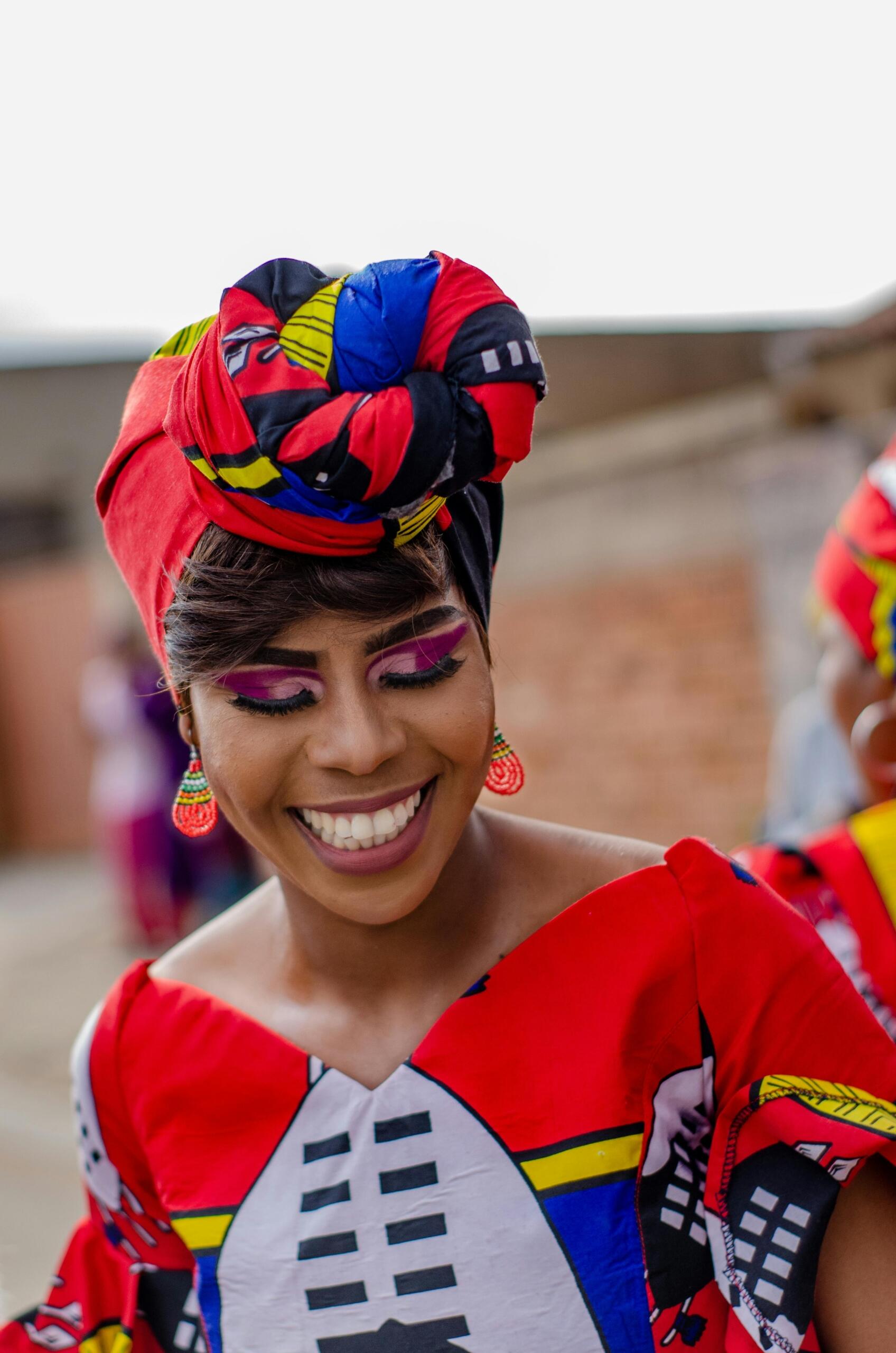
Through the Sepedi culture and many other indigenous languages of South Africa, social bonds through generations have remained intact.
So, next time you ask, how many languages do we have in South Africa, remember that our indigenous languages are pieces to a much larger, colourful puzzle that is highly connected. For Sepedi, traditional storytelling, praise poetry, and family customs continue to strengthen relationships in both rural villages and modern urban communities across Limpopo and Gauteng.
Together, they preserve history, strengthen belonging, and reflect the rich connection between culture and language in South Africa.
Whether you are learning the Setswana language or Sepedi to better understand the culture and language for travel, work, or personal growth, you can expect to gain more than linguistic knowledge.
Summarise with AI:
Enjoyed this article? Leave a rating!

 Loading...