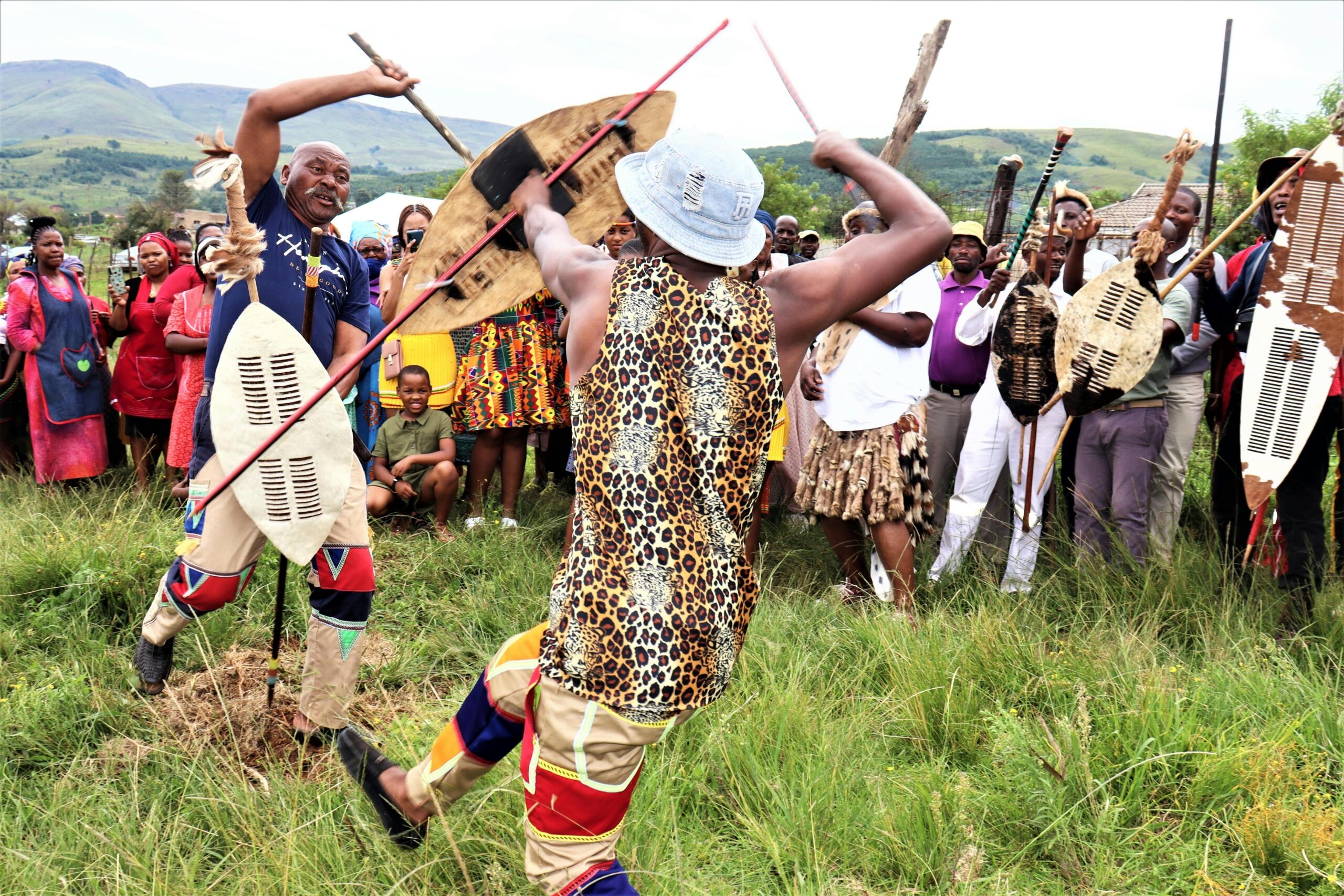

South Africa is well-known for its cultural diversity and its unusual linguistic landscape. Among the country's official languages is the siSwati language, a vibrant African language that has deep historical roots and a powerful presence within the communities across the eastern parts of the country.
Belonging to the Nguni group of languages, the siSwati language also includes isiNdebele, isiXhosa, and isiZulu. Although each has developed its own unique identity over time, these languages share certain historical connections and linguistic features.
| Element | Explanation |
|---|---|
| Language Name | siSwati |
| Language Family | Bantu |
| Sub Group | Nguni family |
| Official Status | Official SA Language |
| Estimated Speakers | One million + |
| Main Province | Mpumalanga |
| Related Languages | isiZulu, isiXhosa, isiNdebele |
| Also Spoken In | Eswatini |
According to Statistics South Africa data, the Swati language is a home language to more than one million people, and while it is strongly linked to Mpumalanga, it can also be heard in Gauteng and across other provinces where speakers have migrated for work and education.
The story of siSwati is only a small part of a much broader history of South Africa's multilingual society. To truly understand the country's linguistic landscape, explore the historical reasons behind the country's remarkable language diversity.


Where Is siSwati Spoken?
The heart of the Swati language is Mpumalanga, particularly the areas close to the Eswatini border. Here, towns like Mbombela, Carolina, Barberton, Elukwatini, Tonga, and their surrounding communities have significant numbers of siSwati speakers in both urban centres and rural villages.
In rural communities, siSwati is commonly the primary language used at home, community gatherings, and school. In urban areas, you’ll find that speakers typically switch between siSwati, Afrikaans, English, and another Nguni language like isiZulu depending on the situation.
Provinces Where siSwati is Most Spoken
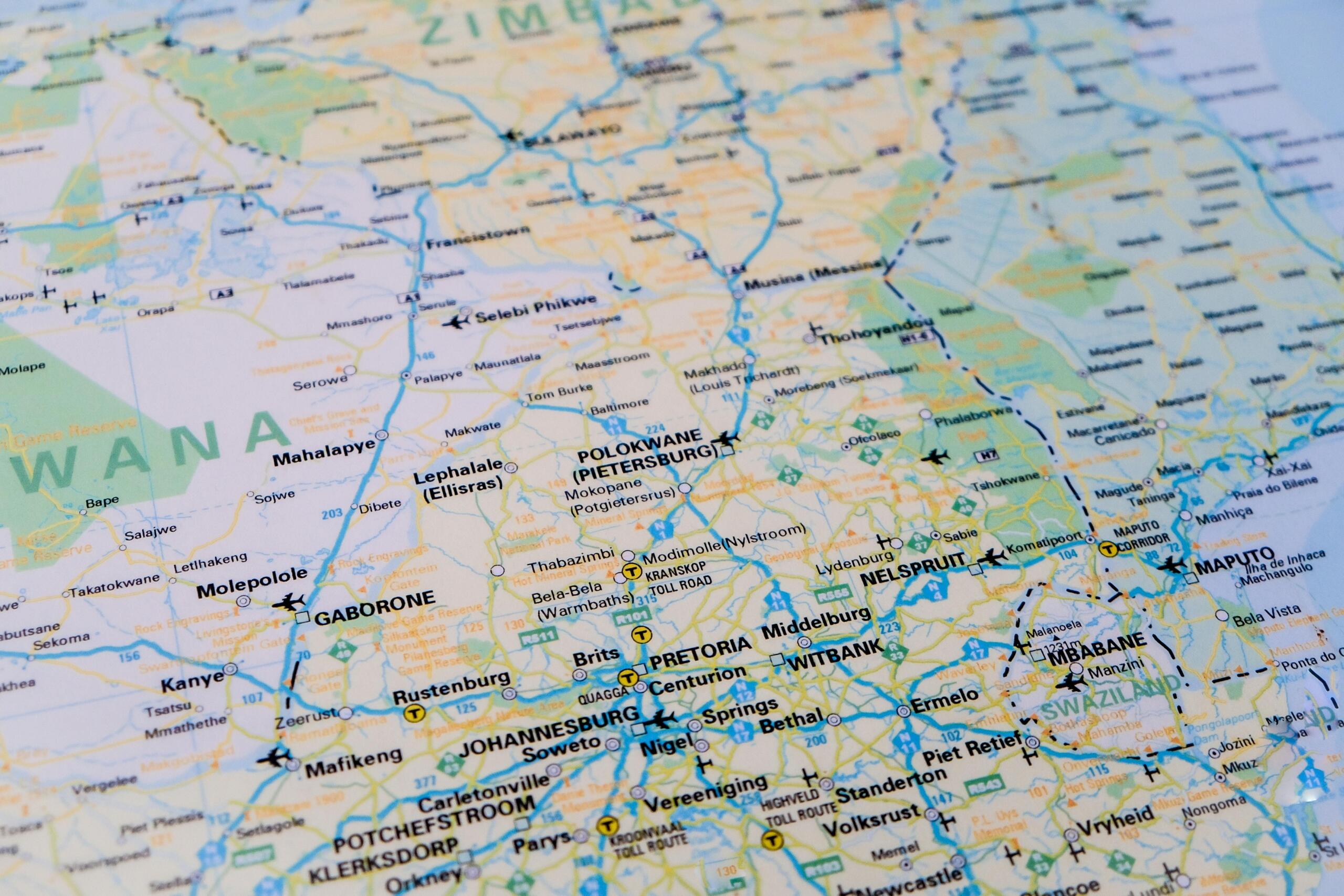
This wide geographical spread shows how seamlessly the many languages in South Africa interact with one another. As such, it is not uncommon for people to grow up speaking more than one language.
If you are comparing the country’s major languages, don’t miss our article about South Africa's largest home language.
How siSwati Matters to Cultural Identity
Acting as much more than a communication tool, language connects to culture through community, stories, values, and traditions. For the siSwati language is closely connected to family history and cultural identity.
Much like the other indigenous languages within South Africa, praise poetry, storytelling, and oral history have all contributed to preserving the language. In addition, cultural events celebrated by Swati communities continue to reinforce rich linguistic heritage through the generations.

isiSwati is also well represented in South African media. Not only do local community radio stations broadcast siSwati programmes, but there are also digital platforms and social media influencers that keep the language visible and public.
Music also plays an important role in keeping indigenous languages relevant and alive. For siSwati it is no different as contemporary artists keep younger audiences connected to their linguistic heritage through a blend of traditional and modern sounds.
Not unlike the rich, creative sound of isiNdebele, the preservation of siSwati contributes to the ongoing life of the many languages in South Africa.
siSwati in Education
Education plays a vital role in the future of every language. Today, as a result of the BELA Act, siSwati language is recognised within the national CAPS curriculum and is available as a subject in schools where siSwati speaking communities are present. The options to study it include as a:
In addition, teacher training institutions and universities also contribute to the development of language research and educational resources.
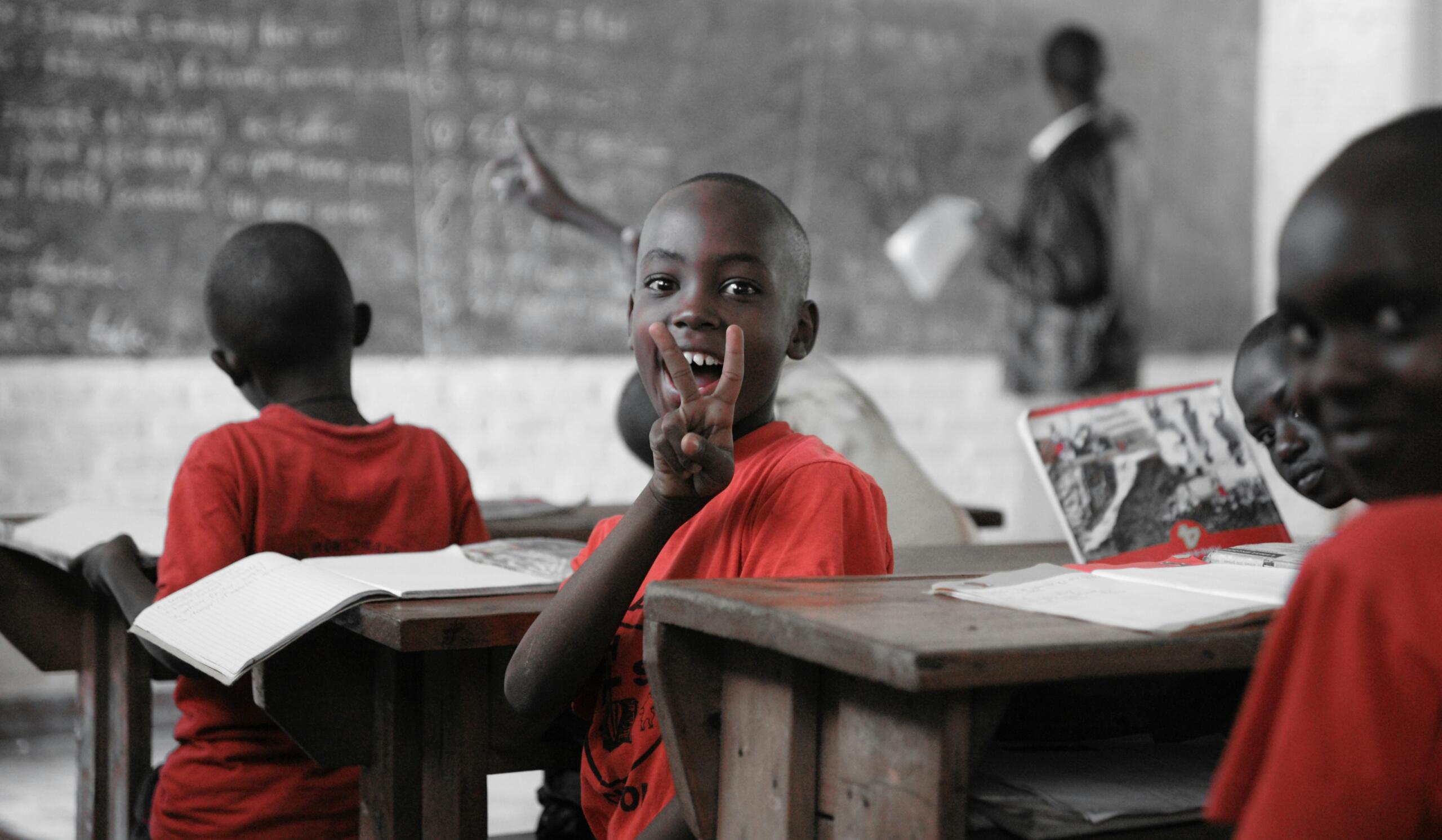
Since the BELA Act (Basic Education Laws Amendment Act) was formalised in 2024 it does not matter whether you speak the Setswana language, Swati or English, you have the opportunity to study your home language at school.
Practical Uses of siSwati in Everyday Life
Learning Swati language be useful in a many everyday situations. Whether you simply live in Mpumalanga, travel regularly through the province, or work with siSwati people, a basic understanding of vocabulary, phrases and pronunciation can build strong relationships.
Being able to speak a few siSwati words shows respect and willingness to engage with local culture. Never forget that South Africa's multilingual environment means that communication should extend beyond our home languages.
You may encounter siSwati in:
Because there are many languages in South Africa, having multilingual communication skills has become increasingly valuable in both social and professional settings.
Whether you work in education, community development, tourism, healthcare, or public administration, understanding the local language of your environment can connect you more meaningfully.
If you are interested in comparing other language communities, don’t miss our article on how Xitsonga developed and still thrives today.
Learning Tips for Beginners
Learning siSwati has never been easier as there are more resources available today than ever before. If you have insight into the Nguni group of languages (isiZulu, isiXhosa, or isiNdebele) you are already on the way because grammatical structure and vocabulary is similar.
Useful Phrases
siSwati
Sawubona
English
Hello
Unjani
Ngikhona
How are you?
I am fine
Ngiyabonga
Yebo
Thank you
Yes
Do these simple phrases sound a little like the isiXhosa you may know? They do because they belong to the same language family.
Pronunciation Basics
Like many other African languages, siSwati is pronounced as it is written. Not only that, but consistent spelling patterns also make it easier for beginners to learn.
A few useful tips include:
Remember that regular exposure is the best way to fast-track confidence and fluency.
If you are interested in the overall picture of language preservation, don’t miss our article on how Sepedi developed and is used today.
CAPS approved school materials
Television programmes
Private tutors
Community radio stations
Online learning platforms
Language exchange groups
Why Learn siSwati
There are many reasons to learn siSwati, even if you are not a native speaker.
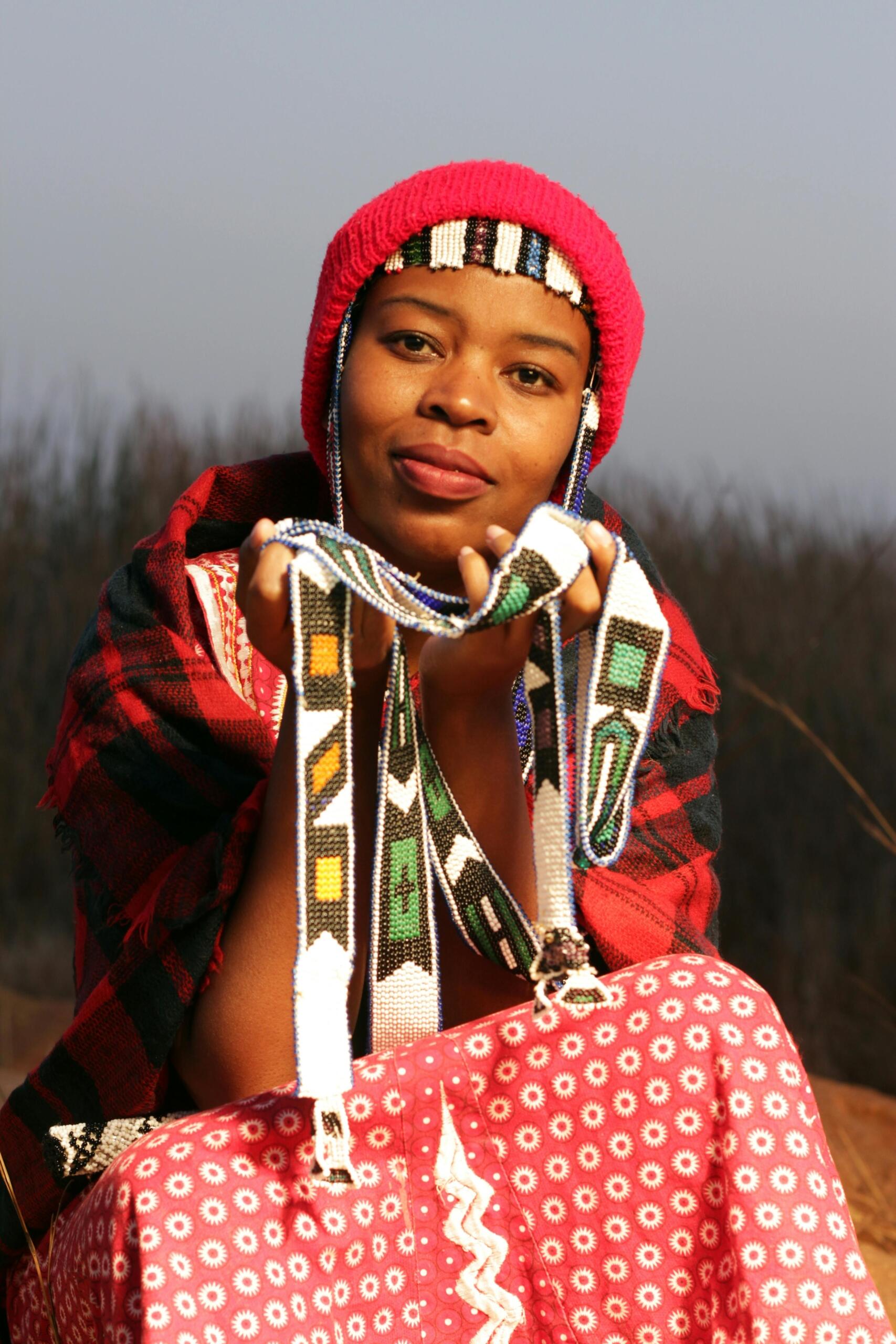
Greater Cultural Understanding
Remember that besides sound, every language is a reflection of a worldview. When you learn siSwati, you also gain insight into the cultural history, traditions and values that has developed communities over generations.
Stronger Social Connections
Language is a way for people to feel recognised and respected. Learning siSwati helps to connect more meaningfully with colleagues, clients, neighbours, and friends.
Career Advantages
In today’s marketplace, multilingualism is highly valued in South Africa. If you find yourself in Mpumalanga even basic understanding has advantages.
Although spoken hundreds of kilometres south of Limpopo, Sesotho or Sesotho sa Borwa offers another fascinating example of how language and culture can impact career advancement.
Inkhomo lenyenti yatiswa ngumnikati. A person's wealth is best known by its owner.
Swati Proverb
This is not unlike the interesting history of Afrikaans, which has developed over many years and through the influence of many other languages besides Dutch.
Appreciation of South Africa's Diversity
Today, through the country's constitutional commitment to the SA official languages cultural inclusion and recognition is gaining momentum rather than losing it. This is why learning an indigenous language, depending on where you live has become increasingly important.
If you live in Eastern Cape, for example, you may want to consider the importance of learning isiXhosa which has an enormous influence there, and in the Western Cape.
How siSwati Fits into South Africa's Language Puzzle
As one of the largest language families in Southern Africa, the Nguni group of languages, which includes siSwati is distinct because of its ties and location to neighbouring country, Eswatini. As such, you will find that close cultural and historical connections.
Fun fact – did you know that since 2023 when SA Sign Language was recognised, there are 12 SA official languages?This truly demonstrates the country's commitment to honour the linguistic diversity of the nation.
Today, the reality is that more and more South Africans interact daily across linguistic boundaries which may sound challenging, but this is where the universal language of English, though not the most widely spoken in South Africa, acts as a critical bridge to make the many languages in South Africa work together.
Connecting Neighbours Near and Far
The siSwati language is an important piece of South Africa's linguistic and cultural puzzle and as one of the SA official languages, it continues to thrive in communities while it supports education and preserves traditions. As one of the Nguni group of languages it highlights its unique characteristics and its connections to neighbouring languages.
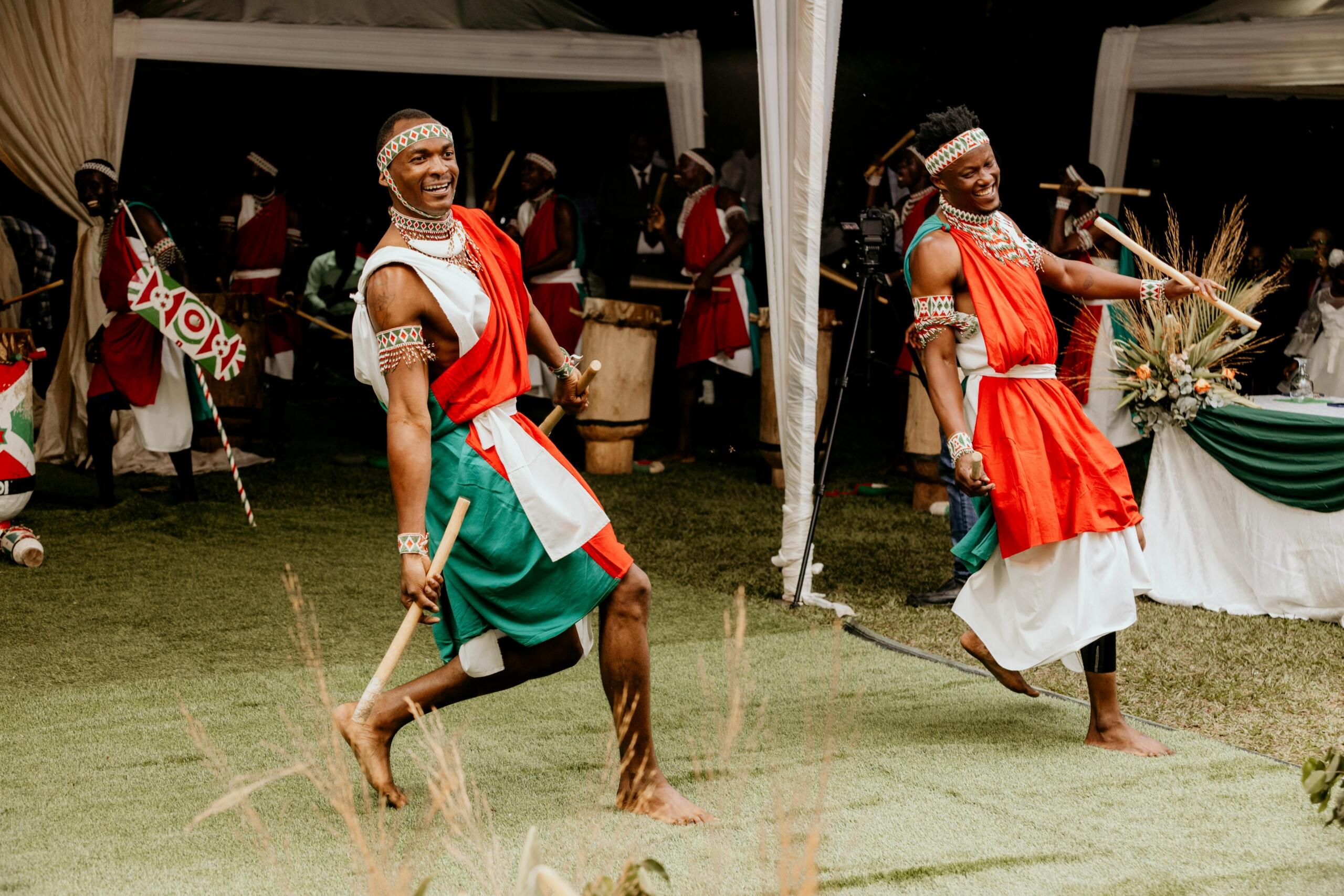
At the same time, it reminds us of the importance of looking after the heritage and future of the many languages in South Africa all of which contribute to the country's unique diversity.
Whether you want to learn for personal interest, cultural understanding or professional development, siSwati provides an opportunity to engage more meaningfully with South Africa and its people.
To learn more about another language deeply rooted in Limpopo, explore how Tshivenda preserves cultural identity in communities across the province.
Summarise with AI:
Enjoyed this article? Leave a rating!

 Loading...