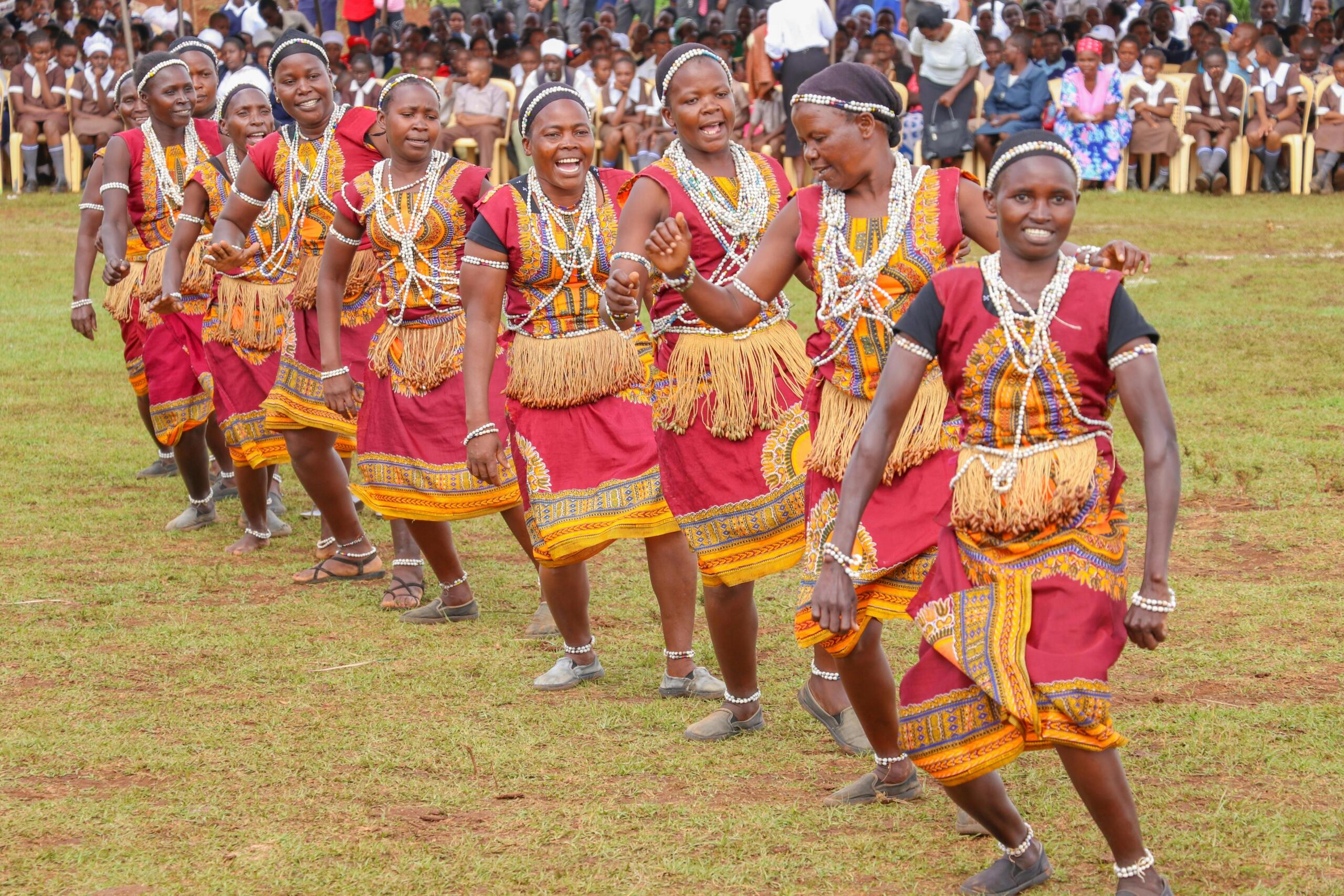

IsiZulu, widely recognised as the most spoken language in South Africa, has more than 12 million first-language speakers according to Census data. To understand its place in the Nguni language group, it helps to know that it shares linguistic roots with isiXhosa, siSwati, and isiNdebele, yet it stands out for its reach and influence across the country. Besides this, you may want to know more about the history behind South Africa's multilingual identity.


Where is Zulu Spoken?
| Feature | Detail |
|---|---|
| Language Family | Nguni language group |
| Speakers | Approximately 12 million |
| Main Provinces | KwaZulu-Natal, Gauteng |
Across the country, there is no doubt that isiZulu is most widely spoken, especially if you live in urban centres like Johannesburg or Durban where it is heard daily in taxis, shops, and workplaces. Not only that, its growth and continued use also highlight an important question, why is language important to culture and identity, especially in a country as diverse as South Africa.
If you are researching how South Africa became so linguistically rich, you might find it useful to read about the broader context behind the country’s multilingual structure and why there are so many different official languages.
IsiZulu is primarily spoken in KwaZulu-Natal, but that doesn’t mean you won’t hear t widely in Gauteng and parts of Mpumalanga. Overall, its presence across both rural villages and urban neighbourhoods makes it the most spoken language in South Africa in practical, everyday terms.
Where You Will Hear IsiZulu
KwaZulu Natal
Especially Durban, Pietermaritzburg, and surrounding rural areas
Gauteng
Including Soweto, Alexandra, and parts of Pretoria
Mpumalanga
Particularly in communities near the KZN border
Because it is part of the Nguni language group, isiZulu is often broadly understood as it shares many similar words and structure with related languages. This can be very helpful across language groups and regions.
For instance, in Cape Town suburbs like Khayelitsha or Gugulethu, you might notice isiZulu speakers interacting with isiXhosa speakers, which reflects how well the two languages adapt to each other.
To understand how closely related languages function regionally, you could focus on isiXhosa and its role in the Western and Eastern Cape.
Cultural Significance
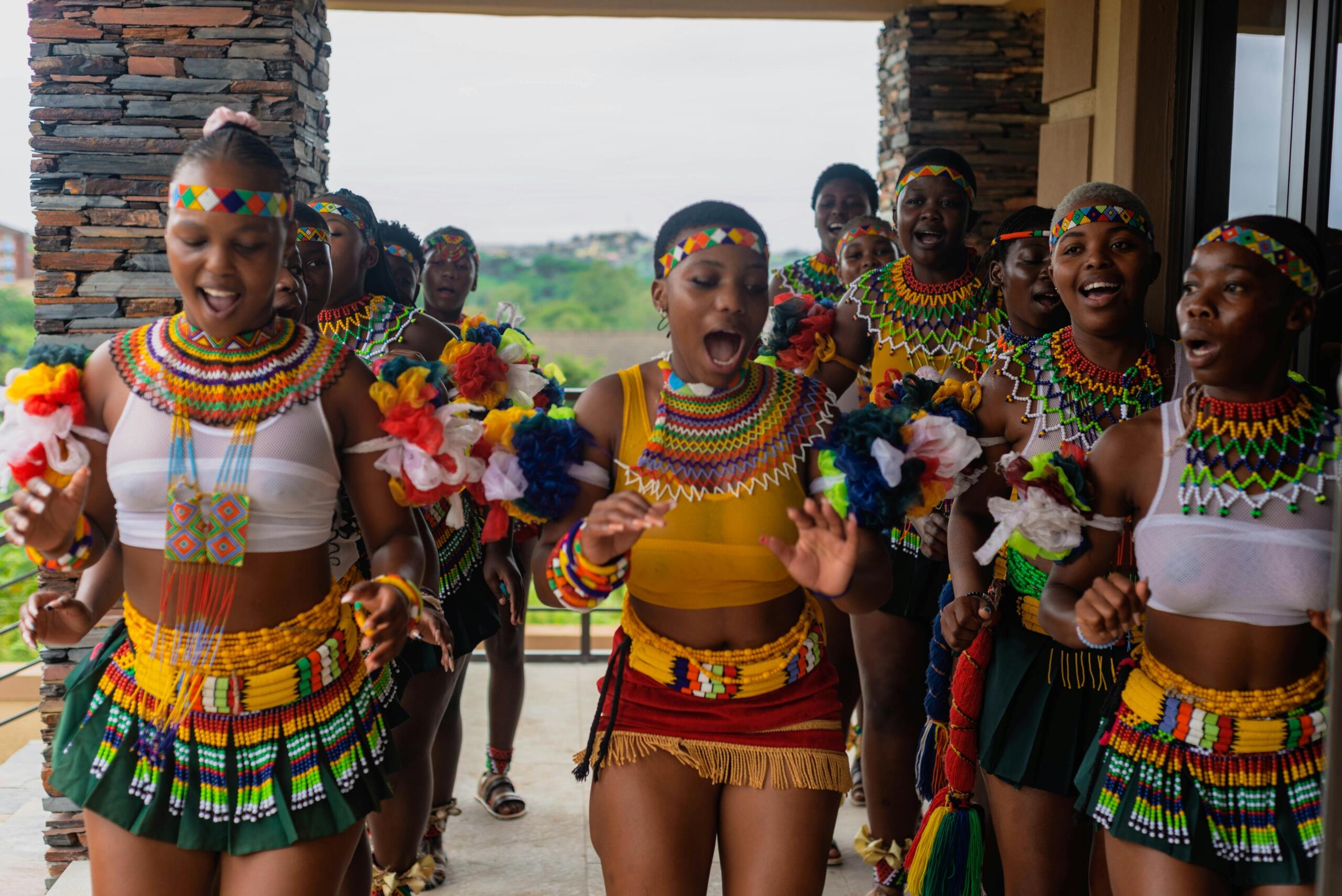
IsiZulu is more than communication, it is deeply tied to heritage, storytelling, and identity. From traditional ceremonies to modern music, the language carries cultural meaning that answers the question, why is language important to culture and identity in a very real way.
Music artists like Ladysmith Black Mambazo have brought isiZulu to global audiences, while local radio stations such as Ukhozi FM keep the language vibrant and relevant.
Zulu Cultural Expression
Much like the world-famous IsiNdebele beaded artwork, one visible expression of culture is Zulu traditional attire, which is worn during ceremonies like weddings, reed dances, and heritage celebrations. Bear in mind that these garments are not only decorative but symbolic of age, status, and even community belonging.
For example, when you see Zulu traditional attire, you are witnessing how language and culture visually intersect in a powerful way. It also reinforces why is language important to culture and identity, especially in preserving traditions from generation to generation.
If you are curious about how other cultures express identity through language, you could also learn about Sesotho traditions and their cultural roots in the Free State.
Use in Education
In South Africa there are 11 official spoken languages, and SA Sign Language is also official. In terms of spoken languages, IsiZulu is taught in many South African schools as both a Home Language and a First Additional Language under the CAPS curriculum. In KwaZulu-Natal, it is often the primary medium of instruction in early grades so that it supports learners in their mother tongue.
In Gauteng schools, you will also find isiZulu offered alongside English and Afrikaans which is another indicator that it is widely spoken, even outside of KZN. By the way, you may want to know how Afrikaans developed into a uniquely South African language.
Classroom Use
Remember that because isiZulu belongs to the Nguni language group, learning it can make it easier to understand related languages too.
Besides Nguni languages, if you are considering multilingual education, it can also help to know how Afrikaans is taught and used across different provinces.
Practical Uses
Whether you are in eastern South Africa speaking siSwati or an Afrikaans speaker from Gauteng, IsiZulu is incredibly useful in daily life. Whether you are commuting in a minibus taxi, visiting a clinic, or working in retail, knowing even basic phrases can make a big difference.
In workplaces, social circles and places of education understanding even basic Zulu can act as an important bridge between people of different backgrounds.
Everyday Situations
In cities like Durban, using isiZulu is almost essential. It also reinforces the question - why is language important to culture and identity, because the truth is that people feel respected when addressed in their home language.
In trying to understand how languages are part of the greater South African identity, don’t forget to look at how English functions as a common business language across sectors, too.
If you want to learn isiZulu, there is no reason to feel overwhelmed, especially when there is so much tutoring support in every corner of South Africa. The trick is to start small and build confidence through daily practice.
Pronunciation Basics
Remember that like isiXhosa, IsiZulu uses click sounds and tonal variations, which may feel unfamiliar at first. Instead of fearing these differences, make learning the click sounds fun and over time, you will see how they naturally roll off your tongue.
Pronunciation is key in all of the 11 spoken official languages, including Setswana.
Helpful Resources for Your Learning Journey

Apart from learning pronunciation, reading and writing, active listening will also help you to become familiar and comfortable with the rhythm and beauty of isiZulu.
While you are at it, why not broaden your learning by exploring the Xitsonga language and how it differs from Nguni languages too?
Useful Phrases
IsiZulu
- Sawubona
- Ngiyabonga
- Unjani
- Yebo
English
- Hello
- Thank you
- Thank you
- Yes
Practising these phrases will help you confidently engage in the most spoken language in South Africa.
Why Learn Zulu as a Second or Third Language?
Learning isiZulu offers many personal and professional benefits and as the most spoken language in South Africa, it gives you access to a wide network of people and opportunities.
Ultimately, when you speak isiZulu, you build trust and connection in communities.
Career Benefits
In sectors like healthcare, education, and customer service, isiZulu is highly valuable and employers often appreciate staff who can communicate in South Africa’s most spoken language.
Cultural Understanding
Through isiZulu, you gain insight into important cultural traditions, including ceremonies where Zulu traditional attire plays a central role. Understanding these customs could give you a deeper appreciation for South Africa’s colourful heritage.
If language diversity is a topic that interests you, don’t forget about the importance of Sepedi and its cultural significance in Limpopo too.
A Living Language in a Modern Country
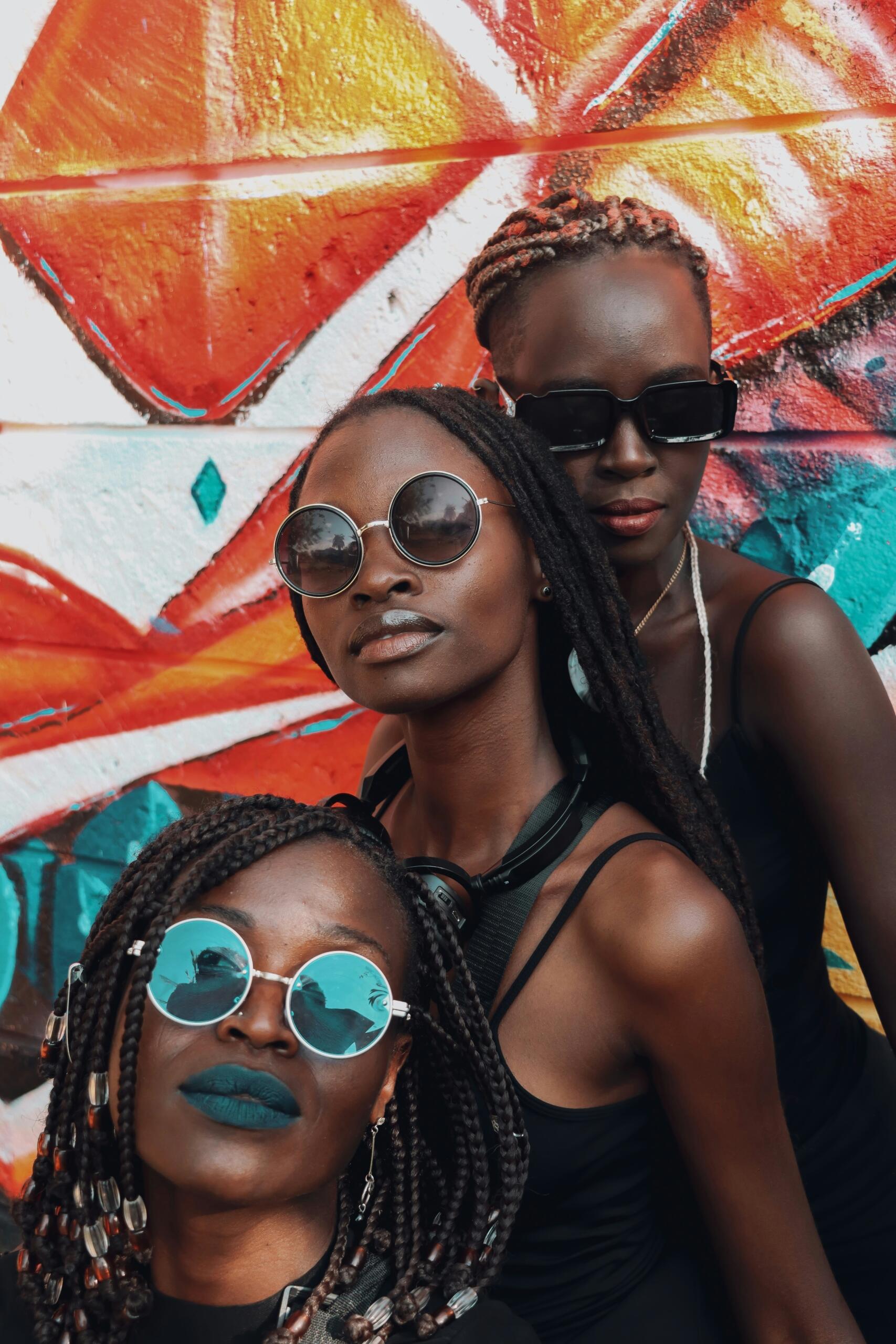
Thanks to the modern, digital world, IsiZulu continues to grow and adapt. From social media to music and television, it is more relevant in modern South Africa than ever before. Learning it is an important way to connect to people, communities and identity because even in multilingual spaces, the most spoken language in South Africa maintains its influence.
You can see this growth clearly in platforms like TikTok, YouTube, and local radio stations, where IsiZulu content reaches both younger audiences and global listeners. Artists, influencers, and educators are using the language to tell stories, share knowledge, and celebrate culture.
If you are interested in lesser-known languages, consider looking at Tshivenda to find out how it became an official South African language too?
A Powerful Language and Powerful Tool for South African’s
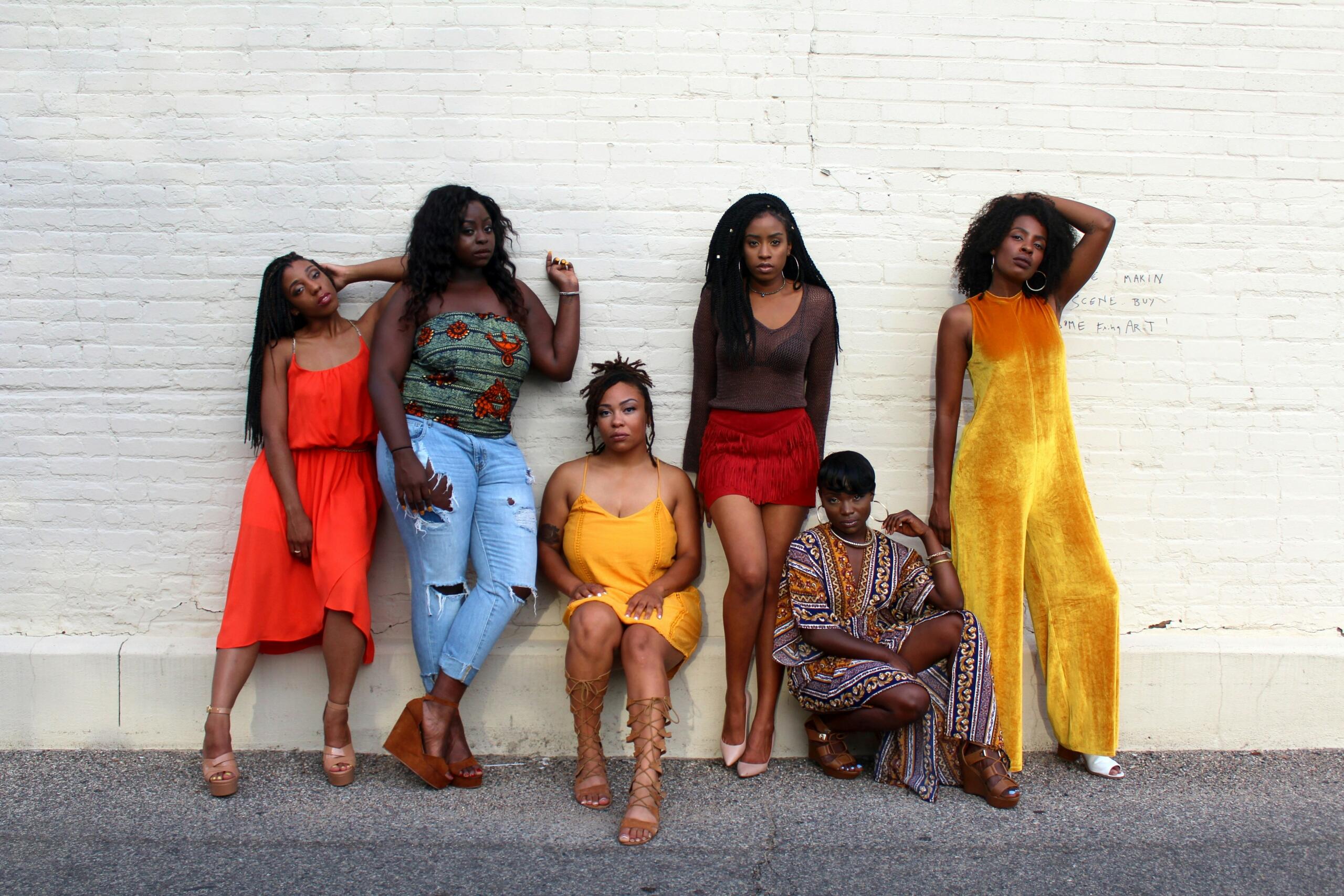
IsiZulu is not only widely spoken, but it is also deeply meaningful. As part of the Nguni language group, it connects millions of people across regions and backgrounds.
So, next time you see Zulu traditional attire let it be an answer to that question why is language important to culture and identity, especially in a country as diverse as South Africa.
Why not start learning now? By learning even a few words and phrases or finding out more about the broader story of indigenous language preservation, you take a step toward understanding the languages in South Africa that make the country so unique.
Summarise with AI:
Enjoyed this article? Leave a rating!

 Loading...