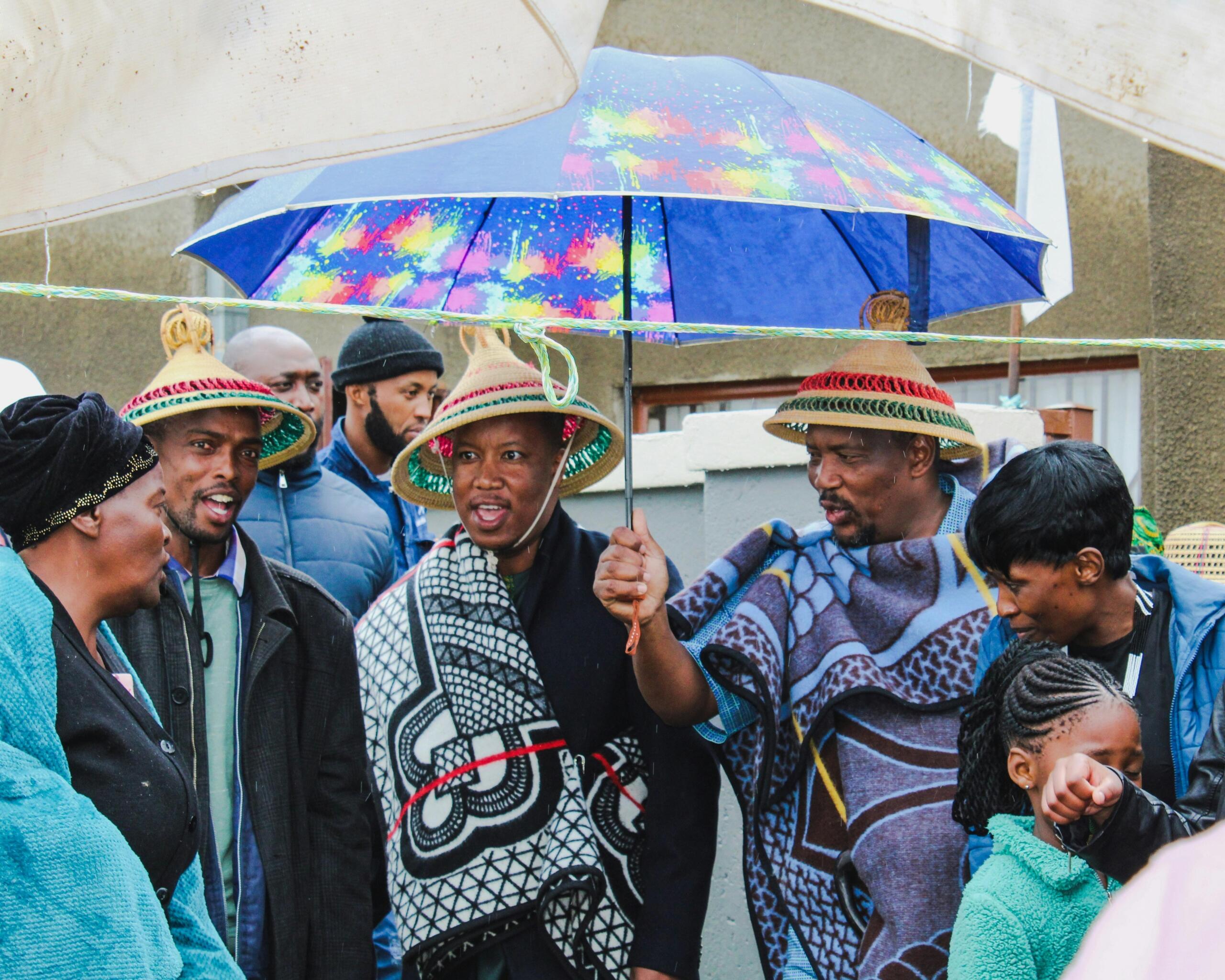

As one of South Africa’s official languages, Sesotho which belongs to the Sotho Tswana family of languages is spoken by millions across Lesotho and South Africa. Also known as Southern Sotho, especially in educational arenas, it plays an important role in the country’s identity, heritage, and communication.
So, in answering that popular question: how many languages does South Africa remember, that Sesotho is one that adds to the country’s diverse multilingual landscape. It is spoken in schools, workplaces and homes throughout several regions.
| Language Family | Sotho Tswana |
|---|---|
| Speakers | Approximately 4 million first language speakers |
| Main Provinces | Free State, Gauteng |


Where is Sesotho Spoken?
The strong connection between heritage and language also highlights the ongoing language and culture relationship that influences traditions and communities all across the country.
To truly understand the broader multilingual context, you could find out more about the historical reasons behind South Africa’s language diversity.
The Sesotho language is mainly spoken throughout Gauteng, Free State and parts of the Eastern Cape and North West province. Besides that, it is also the national language of Lesotho, which makes it one of the most influential languages in Southern Africa.
Where You Will Hear Sesotho
As one of South Africa's official languages, Sesotho or Southern Sotho is spoken in both rural and urban areas. Alongside, you’ll also find that English, Afrikaans and isiZulu are also spoken and act as a bridge between multilingual communities.

If you have entered a multilingual environment in your community, it makes sense that you may have asked how many languages does South Africa have? If this is a topic that excites you, don’t miss our article which explores how isiXhosa developed as a major language in both the Eastern and Western Cape.
The Origins of Sesotho
Sesotho is also known as Sotho, Southern Sotho, or Sesotho sa Borwa.
Sesotho is a Bantu language belonging to the Sotho-Tswana branch of the Niger-Congo language family. It developed among Sotho-speaking communities in the interior of southern Africa and has been spoken in the region for centuries. Today, Sesotho is one of South Africa's 12 official languages and is widely spoken in the Free State, Gauteng, and other parts of the country. It is also one of the official languages of the Kingdom of Lesotho. Sesotho has a rich oral tradition that includes storytelling, praise poetry, and songs, which have played an important role in preserving cultural knowledge and history.
Curious about other official languages, then read more about the Swati language and culture.
The Cultural Significance of the Sesotho Language
All across South Africa, languages are key to identity, heritage and oral traditions and the same can be said about Sotho which is characterised by generations of cultural expression in the forms of:
Cultural Expression
It’s worth noting that in Sesotho-speaking communities, the strong language and culture relationship is most visible in greetings, respect for elders and ceremonies. Typically, traditional Basotho blankets, dances, and music all form part of this living heritage.

In addition, the language is well-preserved through broadcasters and modern artists who use radio, TV, literature and social media to keep the cultural richness alive.
For another perspective on identity and heritage, read about how Afrikaans evolved through centuries of cultural interaction in South Africa.
How it is Used in Education
Through the CAPS curriculum used in most South African government schools, Sesotho is taught as both a Home Language and a First Additional Language. In many Free State schools, learners also study Sesotho from foundation phase onward, helping preserve literacy and cultural identity.
In the Classroom
As one of the country’s official languages, you’ll find that Sesotho appears in examinations, textbooks and a host of useful educational resources across several provinces. This emphasis in the role of education, shows how important each of the country’s languages are to culture, heritage and society. Similarly, without the bridge that English has become between them all, our multilingual society might not work as well.
Practical Reasons for Learning Sesotho
Much like isiZulu, South Africa's most widely spoken language, all across the diversity of South African society, knowing Sotho is practical. From clinics, shopping centres, customer service environments and taxi ranks, it is widely used.
Everyday Situations
Of course you will not only hear Sotho, in these environments, where you will hear multiple languages in one setting, no one would blame you for asking how many languages does South Africa have?
If you are interested in other regional languages, our article on how Setswana reflects community life and tradition in the North West province is an excellent adjunct.
One reason that learning Sesotho is approachable is that the pronunciation follows consistent sound patterns and sentence structure.
Pronunciation Basics
The Sesotho language is generally phonetic which means that most words are pronounced in the same way that they are written. The key? Listening to native speakers regularly will fast track your improvement, confidence and fluency.
Besides listening to everyday conversations in real life that can help you understand Southern Sotho naturally and improve pronunciation more quickly, there are resources that can achieve the same benefit.
Learning Resources Worth Your Time
These media resources are also excellent ways to understand the language and culture relationship in context.
To continue your comparison of language families, exploring Sepedi and its role within the Sotho Tswana language group could interest you.
Sesotho
Dumela
English
Hello
Kea leboha
O kae
Thank you
How are you
These phrases can help you engage more confidently with one of South Africa's official languages as you answer that overall question: how many languages does South Africa have? Did you know that SA Sign Language is an official language, which was recently added in 2023?
Why Learn This Language?
Whether you are a native English or isiSwati speaker, learning Sesotho can help you to naturally connect with people in communities where the language is widely spoken. It can also deepen your appreciation for the impactful language and culture relationship within Basotho communities.
In sectors like education, healthcare, government, and customer service, speaking Southern Sotho offers major communication and career advantages.
In sectors like education, healthcare, government, and customer service, speaking Southern Sotho offers major communication and career advantages.
In sectors like education, healthcare, government, and customer service, speaking Southern Sotho offers major communication and career advantages.
Understand South African Heritage

By learning the Sesotho language, you can expect to gain insight into time-tested traditions, storytelling, and other social customs that continually influence life in South Africa. Similarly, the artistic beadwork, which forms part of Ndebele culture, provides a valuable window into the linguistic and cultural complexity of the country.
If you are interested in finding out more about another unique language community, you will enjoy discovering Tshivenda and its importance in Limpopo heritage.
Sesotho in Modern South Africa
Today, Sesotho continues to evolve and grow through music, radio, TV and digital media and young people use the language online to help them maintain their strong cultural connection.

Today, artists and broadcasters also continue to promote Southern Sotho identity with creativity and meaning. This ongoing growth means that the language and culture relationship thrives from generation to generation.
This is often when discussions around the question how many languages does South Africa have become important because linguistic diversity through culture deserves to be preserved.
As one of South Africa's official languages, Sesotho endures and remains a vital part of South African communication and identity.
You may also enjoy exploring Xitsonga and how it continues evolving within modern South African communities.
A Language for the People
The Sesotho language goes beyond the role of a language tool, rather it is a living expression of identity, history and community. Today, through Southern Sotho, generations continue to share their stories, values and traditions in a way that strengthens social connections. By learning Sesotho, understanding the deep language and culture relationship that exists in local communities today, becomes easier.
So, whether you are looking to learn one of South Africa's indigenous languages for travel, work or personal growth, exploring Sesotho provides well-rounded insight into one of South Africa’s official languages.
As you grow in fluency and understanding, remember the poignant proverb of the Basotho culture:
“Motho ke motho ka batho.”
“A person is a person through other people.”
In the end, language cannot be language without the people who fashioned it over generations, through stories, laughter and tears.
Summarise with AI:
Enjoyed this article? Leave a rating!

 Loading...