
If you have ever stood in a queue at a supermarket in Cape Town, Johannesburg, or Durban, there is a good chance you may have heard more than one language in just a few minutes. That is because South African official languages reflect one of the most linguistically diverse societies in the world. In fact, many people grow up speaking multiple South African languages at home, school, and within their communities.
If you talk to a man in a language he understands, that goes to his head. If you talk to him in his language, that goes to his heart.
Nelson Mandela


A Multilingual Society
It is not uncommon to switch between English at work, isiXhosa with neighbours, and Afrikaans with family. This everyday multilingualism is not unusual; rather, it is part of what makes the many languages of South Africa so dynamic and deeply connected to heritage and daily life.
If you are beginning your journey into local languages, it helps to start with the most widely spoken tongue. To do that, you could explore isiZulu, which is the most widely used language across the country.
official languages
Besides Zulu, what are the 12 official languages of South Africa? Keep reading to find out more.
The Historical Context
Colonial and Apartheid Era
Before democracy in 1994, language recognition in South Africa was limited and unequal. Before then, only English and Afrikaans were recognised as South Africa's official languages, even though millions of people spoke indigenous South African languages across the country's provinces.
Languages like isiXhosa, Sesotho, and Setswana were widely spoken but were excluded from official use in government, education, and legal systems. Of course, this created barriers for many citizens and reinforced inequality.
If the Afrikaans language is part of your daily life, you might enjoy a deeper look into its history and modern usage in homes and schools.
Post 1994 Constitution
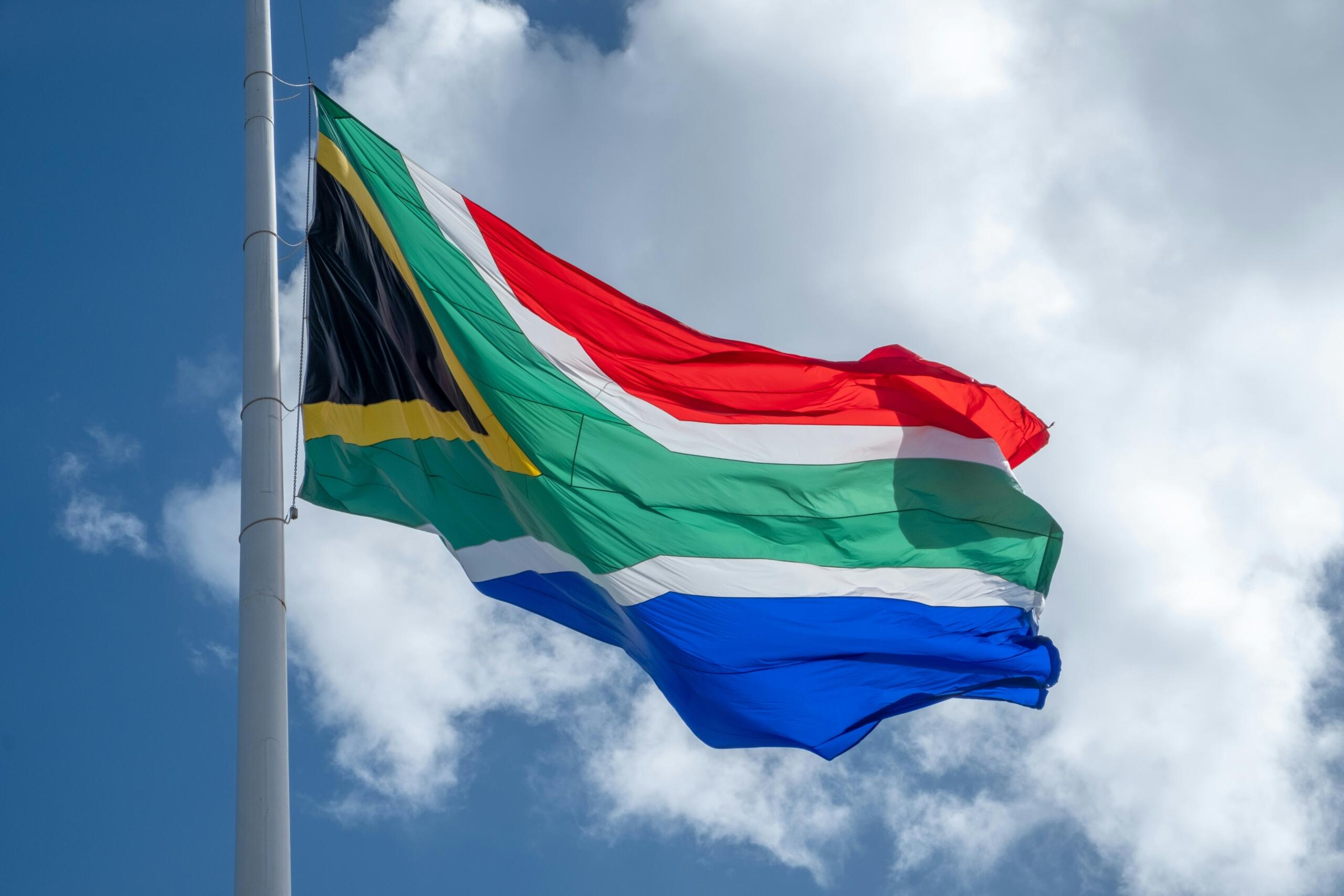
Fortunately, after 1994, everything changed. In an effort to restore dignity and equality to all cultural groups, the Constitution of 1996 recognised 11 official languages of South Africa. Not only did this shift acknowledge the importance of language and culture in shaping identity, but it also ensured fair access to services.
Today, when you visit public schools in Gauteng or community centres in the Eastern Cape, you will often find multilingual signage and teaching approaches that reflect this commitment.
To understand one of these languages more deeply, consider reading about the isiXhosa language, which is strongly rooted in the Eastern Cape and widely spoken in schools and communities.
Why 12 Languages Today?

In 2023, South Africa officially recognised South African Sign Language as the 12th of the South African official languages. This was a major step forward for inclusion and accessibility.
By adding Sign Language to the official languages of South Africa, the country strengthened its commitment to:
This progress affects real spaces from classrooms in Pretoria to healthcare facilities in KwaZulu-Natal, where interpretation services are increasingly important.
You can learn more about this milestone through a closer look at how Sign Language achieved official status.
What Are the 12 Official Languages of South Africa?
You may be wondering, what are the 12 official languages of South Africa? Here is a clear overview to help you understand them better.
| LANGUAGE | LANGUAGE FAMILY | MAIN PROVINCES |
|---|---|---|
| isiZulu | Nguni | KwaZulu Natal, Gauteng |
| isiXhosa | Nguni | Eastern Cape, Western Cape |
| Afrikaans | Germanic | Western Cape, Northern Cape |
| English | Germanic | Nationwide |
| Sepedi | Sotho Tswana | Limpopo |
| Sesotho | SothoTswana | Free State |
| Setswana | Sotho Tswana | North West |
| siSwati | Nguni | Mpumalanga |
| Tshivenda | Venda | Limpopo |
| Xitsonga | Tswa Rongo | Limpopo, Mpumalanga |
| isiNdebele | Nguni | Mpumalanga, Gauteng |
| South African Sign Language | Visual | Nationwide |
The official languages of South Africa belong to several different language families. Most indigenous African languages recognised in the Constitution belong to the Bantu language family, although they are divided into distinct linguistic groups such as Nguni and Sotho-Tswana languages.
The Nguni group includes isiZulu, isiXhosa, isiNdebele, and siSwati. These languages share certain grammatical features and vocabulary patterns, which means speakers may sometimes recognise familiar words across them. IsiZulu and isiXhosa, for example, both use noun class systems and click consonants, although pronunciation and vocabulary differ.
The Sotho-Tswana group includes Sesotho, Setswana, and Sepedi. These languages are also related but remain distinct languages with their own regional identities and literary traditions. Also up north, the heritage of siSwati speaking communities in Mpumalanga may interest you.
Xitsonga and Tshivenda are separate language groups spoken mainly in Limpopo and Mpumalanga, while Afrikaans and English originate from European linguistic traditions. South African Sign Language differs from spoken languages entirely because it uses visual communication through hand movements, facial expressions, and body language rather than sound.
Why So Many?
You might still ask, why does the country have so many South African official languages?
Here are the key reasons:
South Africa is home to a wide range of cultural groups, each with its own traditions and languages. Recognising multiple languages ensures that no group is excluded.
During apartheid, many South African languages were marginalised. Recognising them today helps restore dignity and correct past injustices.
Language inclusion supports democracy. When citizens can access services in their home language, participation improves across the provinces of South Africa.
The Constitution requires equal respect for all South African official languages. This protects your right to communicate in a language you understand in courts, schools, and government offices.
To explore another widely spoken language, you could look into how Setswana is used in everyday life, especially in the North West province.
What About Other Languages?
Not every language spoken in South Africa is officially recognised. In addition, there are important indigenous and immigrant languages that still form part of daily life.
These include:
While they are not part of the official languages of South Africa, they contribute richly to language and culture and are recognised in various cultural and educational contexts.
Why not discover more about these through an overview of indigenous linguistic heritage across the country?
How Languages Are Used Today
In modern South Africa, language use is flexible and practical.
English as a Lingua Franca

English is widely used in business, higher education, and government. However, it is only one of the South African official languages, not the only one. For instance, there is much to discover from the unique heritage of Tshivenda speakers in Limpopo.
Regional Language Strength
Different provinces of South Africa favour different languages. For example:
Education and Public Services
While schools often teach in English, today they often include home languages, especially in early education. Ultimately, through the BELA Act (The Basic Education Laws Amendment (BELA) Act (Act 32 of 2024), government services aim to accommodate multiple South African languages, though implementation can vary.
If you are curious about another language group, you might enjoy learning about Sesotho and its cultural significance in the Free State.
Before and After 1994
Before 1994
English
Afrikaans
After the Constitution
12, including Sign Language
(Before 2023, 11 official languages)
This shift reflects a broader commitment to language and culture and equality across the provinces of South Africa.
Everyday Language Learning in South Africa
If you are considering learning a new language, you are not alone. Many South Africans are actively expanding their skills to communicate better at work, school, or in their communities.
You also might find value in exploring Xitsonga and how it is used in Limpopo and Mpumalanga communities.
Language learning also strengthens your understanding of South African languages and builds respect for language and culture across the country.
Languages as Expressions of Identity
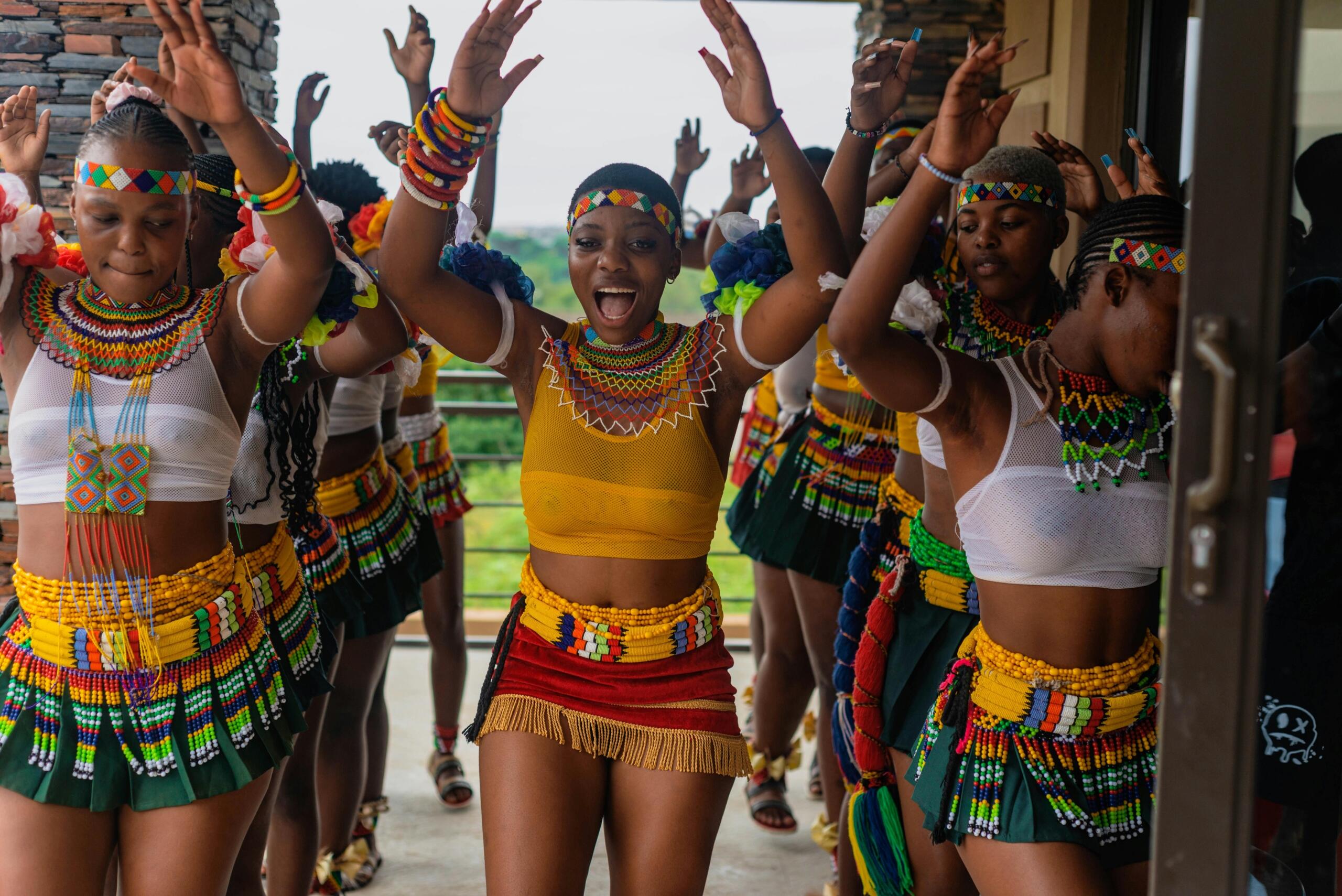
By asking, what are the 12 official languages of South Africa you gain insight into the country’s identity and values. These languages are not just tools for communication. For instance, consider one of South Africa's most distinctive cultural and artistic traditions, IsiNdebele.
Everyday Multilingualism in South Africa
In many parts of South Africa, multilingualism is not limited to formal settings. It is common for people to switch between languages depending on who they are speaking to or where they are.
A conversation may begin in English, continue in isiZulu, and end with Afrikaans expressions, particularly in urban areas.
This practice, often called code-switching, reflects our country’s social and linguistic diversity. In big cities such as Johannesburg and Cape Town, multilingual communication is especially common in workplaces, schools, taxis, and markets.
Media consumption also reflects this diversity. South African radio stations, television channels, and newspapers frequently broadcast in multiple languages. At the same time, public broadcasters such as the South African Broadcasting Corporation (SABC) provide multilingual programming to serve different communities.
For language learners, this environment offers unique opportunities to hear authentic pronunciation and conversational language in everyday contexts.
How many South African languages can you speak?
So, whether you are navigating daily life in the provinces of South Africa, helping a child with homework, or connecting with colleagues, there is no doubt that embracing South African languages opens doors.
And if you want to go deeper, you can explore how English functions as a bridge language in education and business.
In the end, the richness of language and culture in South Africa is something you can experience every day. All you need to do is listen.
Summarise with AI:
Enjoyed this article? Leave a rating!

 Loading...