

In 2023, South Africa reached a significant milestone when South African Sign Language was officially recognised through a constitutional amendment. This decision took the number of official South African languages to 12 and represented more than just a symbolic change. It also acknowledged the language rights of Deaf South Africans and reiterated national commitments to equality, inclusion and accessibility.
The recognition of SASL indicates a broader understanding that communication can take on many forms and that language is not limited to written or spoken words. For thousands of Deaf South Africans, sign language is a vital means of communication, cultural expression and education.
| Language Name | South African Sign Language |
|---|---|
| Official Recognition | 2023 Constitutional Amendment |
| Common Abbreviation | SASL |
| Primary Users | Deaf South Africans and signing communities |
| Language Type | Natural sign language |
| Status | One of the official South African languages |
| Used In | Education, public services, media, courts |
For many years, discussions regarding the South African languages list focused mostly on spoken languages. Now, with the addition of South African Sign Language, the importance of recognising communication systems that serve different communities and needs is being officially recognised.
Understanding how South Africa developed such a diverse linguistic landscape with so many official languages is a fascinating exercise that you might want to consider studying.


What Makes South African Sign Language Unique?
Before looking at why SASL is unique, you may also want to compare the development of South Africa's most widely spoken language. Can you guess which one it is?
One of the greatest misconceptions about sign language is that it is simply a visual version of English or Afrikaans. In reality, sign language South Africa is a fully integrated language with its own structure, grammar and syntax.
Like spoken languages, sign languages also develop within communities. Over time, they evolve and reflect the experiences of the people who use them.

Significantly, South African Sign Language is unique compared to British Sign Language and American Sign Language. Although there may be similarities between some signs, remember that they are distinct languages rather than interchangeable systems.
This means that learning SASL requires understanding a unique linguistic system over simply memorising gestures that represent English words.
It's not unlike a spoken language,of and if you had to read about the influence of isiXhosa, for instance, in the Eastern Cape, you would find similar patterns communication evolution.
SASL is not derived from English or Afrikaans. It has its own grammar and sentence structure, just as spoken languages do.
What Official Status Means in Practice
Recognition as one of the official South African languages has bureaucratic and practical implications that affect public services, education and accessibility.
Education
The Department of Basic Education recognises South African Sign Language as a Home Language subject under the CAPS curriculum. This has created increased opportunities for Deaf learners to access education in their primary language.
This means that schools for deaf learners all across South Africa have now incorporated sign language into teaching and educational programmes.
This is not the only language that is now recognised by CAPS. If you are interested in how indigenous and official languages are taught in schools, remember that Setswana is also an official language in South Africa.
Public Services and Accessibility
Official recognition has also strengthened the collective discussion around accessible communication in:
As awareness continues to grow, the demand for interpreters and accessible communication services also increases. As such, it is encouraging that visibility of sign language South Africa within public bodies and institutions is gradually improving.
Media and Broadcasting
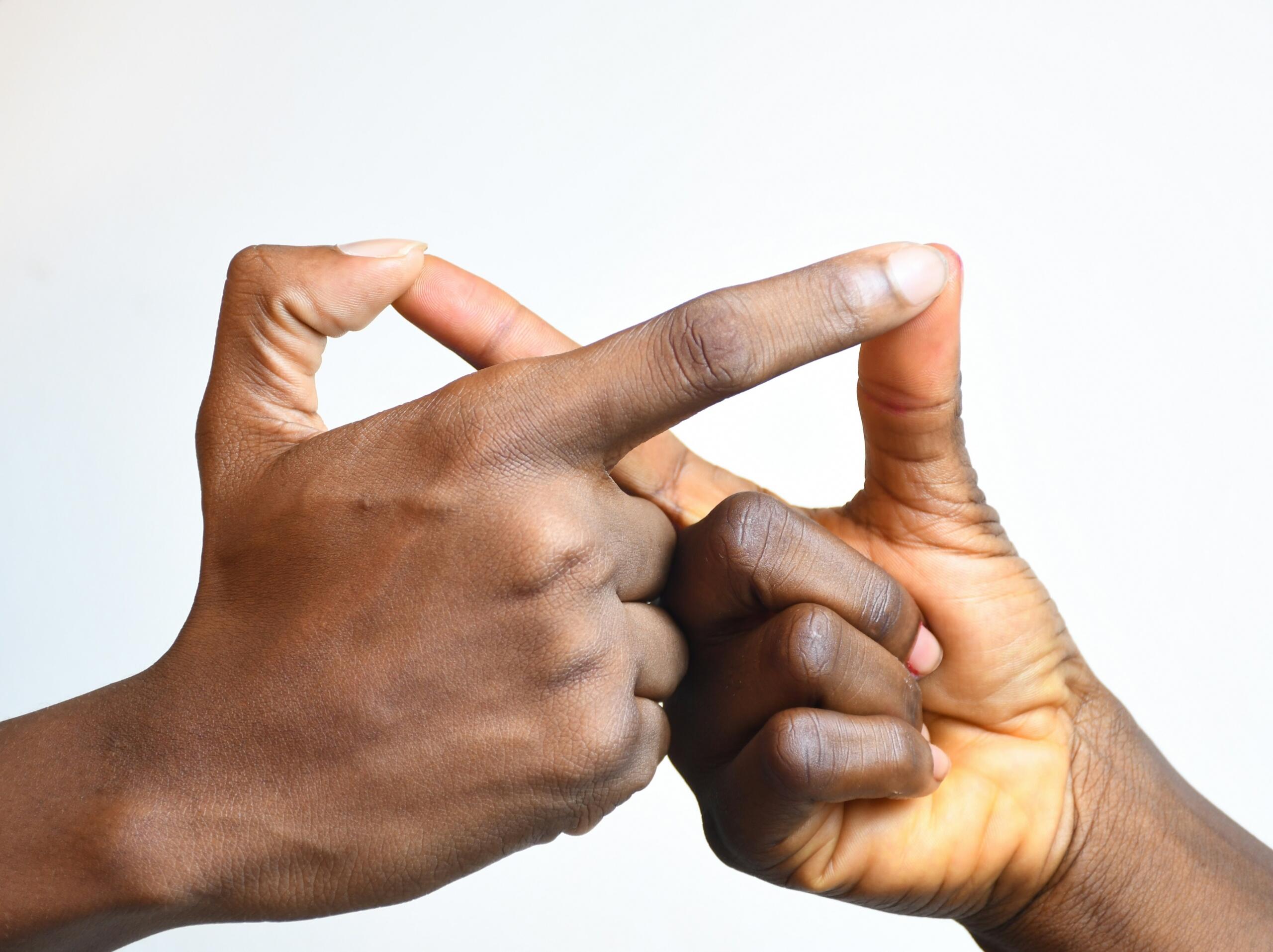
You may have noticed more sign language interpretation during government announcements, major public events and news broadcasts.
The inclusion of professional interpreters means that information reaches a wider audience, which represents an important step towards equal access to information.
You may be wondering how so many different languages and cultures manage to connect, and the answer is interesting. Even though English is not the most widely spoken language in South Africa, it is certainly the most widely understood, which makes it an important bridge between communities and languages.
Where SASL Is Used Today
The use of SASL extends far beyond the classroom.
Education Sector
Schools for Deaf learners remain among the most important environments for language development and communication.
Public Sector
You may increasingly encounter sign language South Africa in:
Court proceedings
Healthcare consultations
Public information campaigns
Government communication
Community Life
Deaf communities throughout South Africa rely on sign language for social interaction, advocacy and daily communication and as part of the official South African languages list, South African Sign Language now has a stronger position within public life than ever before.
For another perspective on language communities, find out why isiSwati is also one of the 12 official languages in South Africa.
Organisations Supporting South African Sign Language
Several organisations in South Africa have played a significant role in advocating for language rights and accessibility.
DeafSA
DeafSA has been one of the most prominent advocates for Deaf rights, accessibility, and language recognition.
South African National Council for the Deaf
This organisation supports training, interpreter development, education and community services.
Together, these institutions have helped to strengthen recognition of sign language South Africa while improving opportunities for Deaf South Africans.
These language efforts are not limited to sign language, find out how the Sepedi language and culture thrive in South Africa today, especially since being recognised as an offical language.
Learning SASL in South Africa
Learning sign language does not only benefits members of the Deaf community.
Who Should Consider Learning SASL?
Learning sign language South Africa can help create more inclusive workplaces and communities.
For another example of language preservation and learning, explore the Xitsonga language in South Africa.
DeafSA courses
Community workshops
Formal training programmes
University initiatives
Private tutoring platforms
Career and Skills Opportunities

Recognition as one of the official South African languages has increased interest in careers linked to accessibility and communication. And, as organisations adapt to changing policies and accessibility expectations, professionals with knowledge of SASL will find increasing opportunities in both the public and private sectors.
Potential opportunities include:
This growing emphasis on inclusion forms part of broader conversations around the South African languages list and language rights.
If you enjoy learning about language diversity, you may also appreciate learning more about the Tshivenda language.
Challenges and Realities
Despite progress, challenges remain.
South Africa continues to face a shortage of qualified sign language interpreters, particularly outside major urban centres.
Access to specialist services can be limited in rural areas, where resources and trained personnel may be scarce.
There remains a need for more teachers who are proficient in sign language and equipped to support Deaf learners.
These realities remind us that recognition alone is not enough. Ongoing investment and training are essential.
A similar commitment to preserving linguistic heritage can be seen in our review of Sesotho as an official language.
Why SASL Matters for South Africa's Future
The recognition of South African Sign Language demonstrates that language policy can promote inclusion and equal participation.
By acknowledging all languages in South Africa, including those used by Deaf communities, the country moves closer to its goal of equal access for all citizens.
Recognition also encourages greater public awareness. More South Africans are beginning to understand that communication accessibility is a social issue, not merely an educational one.
The inclusion of South African Sign Language alongside the official South African languages sends a powerful message about belonging and representation.
For insight into another unique cultural and linguistic community, why not find out about how IsiNdebele has gained fame beyond South Africa's borders?
Before and After Recognition
| Before 2023 | After 2023 |
|---|---|
| Limited constitutional recognition | Constitutional recognition |
| Inconsistent visibility | Increased public awareness |
| Less policy support | Stronger policy framework |
| Limited accessibility discussions | Greater accessibility focus |
Remember that the recognition of all languages in South Africa requires practical action and legal acknowledgement.
A Language That Expands Access, Not Just Communication
South African Sign Language is not only important for its role in supporting communication, but because it extends access to public services, education and community participation.
Its addition to the South African languages list signifies a meaningful step towards a more inclusive society. It reminds us that language policy is ultimately about people and their ability to participate fully in national life.

Much like the inclusion of the indigenous languages to the official list, South Africa continues to celebrate the visiblity of all languages in South Africa, including Sign Language.
Ultimately, the story of SASL is a story of inclusion, recognition and equal opportunity. Its recognition as one of the official South African languages marked a profound moment in South African history and reflected the country's commitment to accessibility.
As awareness continues to grow, so too does gratitude for the role of Sign Language in public life, education, and community participation. Whether you are a healthcare worker, teacher, student, or simply someone interested in language, understanding all languages in South Africa helps create a more inclusive and cohesive society.
If you enjoyed this article, you might be interested in finding out why Afrikaans was chosen to be included on the list of official languages in South Africa.
Summarise with AI:
Enjoyed this article? Leave a rating!

 Loading...