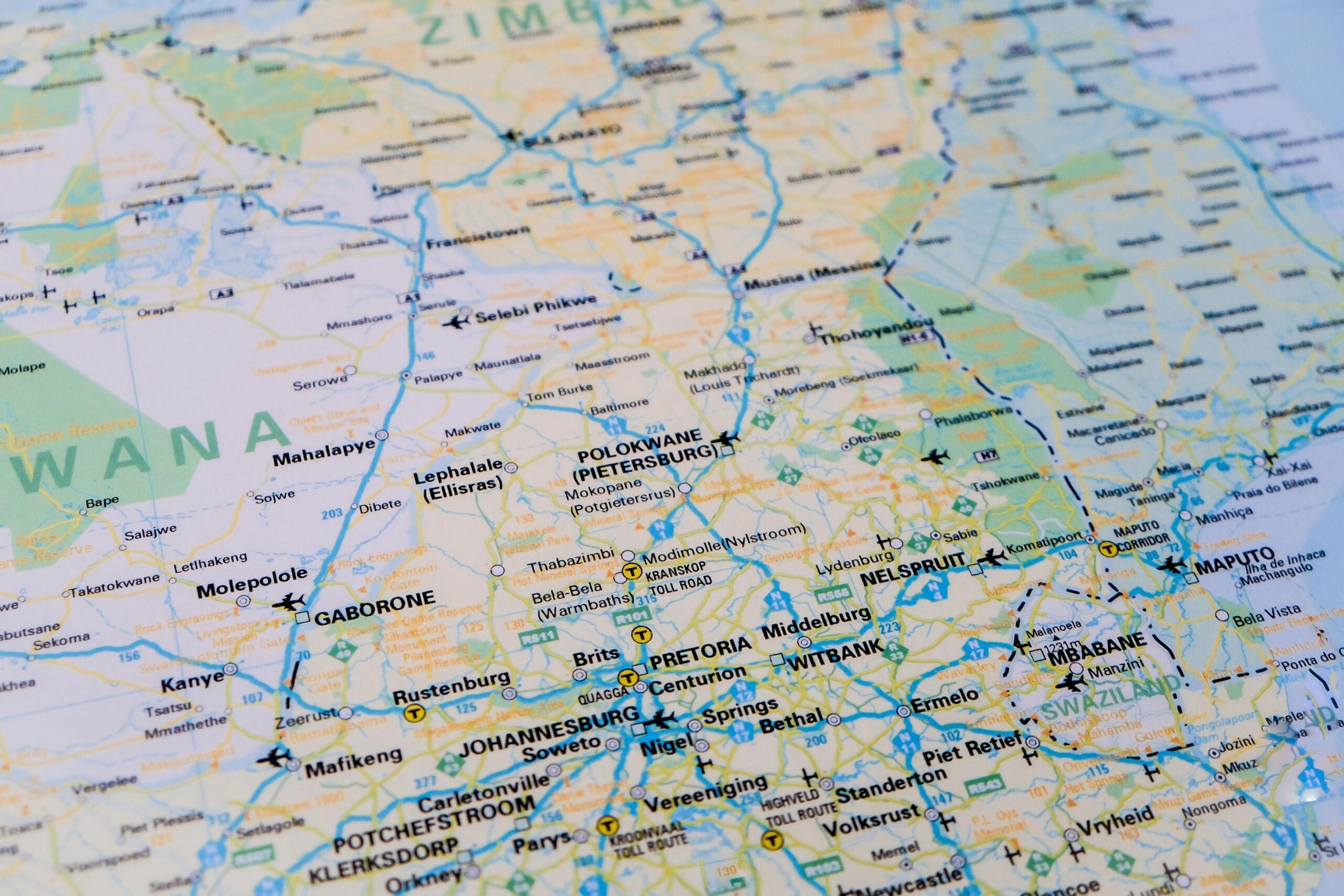

There are 12 official languages in South Africa and that by itself is a newsworthy fact. Each language, a unique reflection of deep tradition and culture bears witness to the unique diversity of South African culture. Before we move on, fun fact: did you know that Sign Language was an official language in South Africa?
In North West Province, as well as part of Gauteng, Northern Cape and Free State Setswana is spoken by millions of people. As one of the official languages, it belongs to the Sotho Tswana language family which shares similarities with Sesotho and Sepedi.


Where Setswana is Spoken
Closely tied to language, the cornerstones of Setswana culture are respect for elders, community, storytelling and family heritage. If you spend time in Mahikeng, Rustenburg or Soweto, not only will you experience these values, but you will hear Setswana Tswana spoken in homes, schools, shops and workplaces.
Like all of South Africa’s communities, language remains central to identity and daily life and in Tswana tradition you will find that clothing, music, ceremonies and social customs are deeply ingrained across generations.
Imagine that this is the case in South Africa’s multilingual landscape and find out why the country has so many official languages!
Originally, Setswana was most widely spoken in the North West province, especially around Mahikeng, Klerksdorp, and Rustenburg. However, as a result of migration and urbanisation today you will also hear it in Pretoria and Johannesburg.
As one of the recognised official languages in South Africa, Setswana is used in both urban and rural environments. In some communities, Setswana is the primary language in these areas while English, Afrikaans and isiZulu are also part of the communication mix.
In fact, did you know that isiZulu is the most widely spoken language in South Africa?
The Origins of Setswana
| Language Family | Sotho Tswana |
|---|---|
| Speakers | Approximately 4 million first language speakers |
| Main Provinces | North West, Gauteng |
Setswana is a Bantu language belonging to the Sotho-Tswana branch of the Niger-Congo language family. It developed among Tswana-speaking communities who settled across parts of present-day Botswana and South Africa over many centuries. Today, Setswana is one of South Africa's 12 official languages and is spoken predominantly in the North West Province, as well as in parts of Gauteng, the Northern Cape, and the Free State. The language shares linguistic roots with Sesotho and the the Sepedi language but has its own distinct vocabulary, pronunciation, and cultural traditions. Setswana has a long history of oral storytelling, praise poetry, and community communication.
How Language and Cultural Significance Unite
Whether you are French or isiSwati speaking, language plays an important role in preserving identity, and this is especially true within Setswana culture where traditional greetings, praise poetry, and oral storytelling all help to pass history and values from one generation to the next.
Cultural Expression
Another way that Setswana significantly contributes to the country’s cultural diversity is through modern creatives like writers, musicians, artists and radio presenters who continue to promote Setswana Tswana identity. Today, you’ll find that stations like Motsweding FM, in particular, play an important role in keeping the language vibrant.
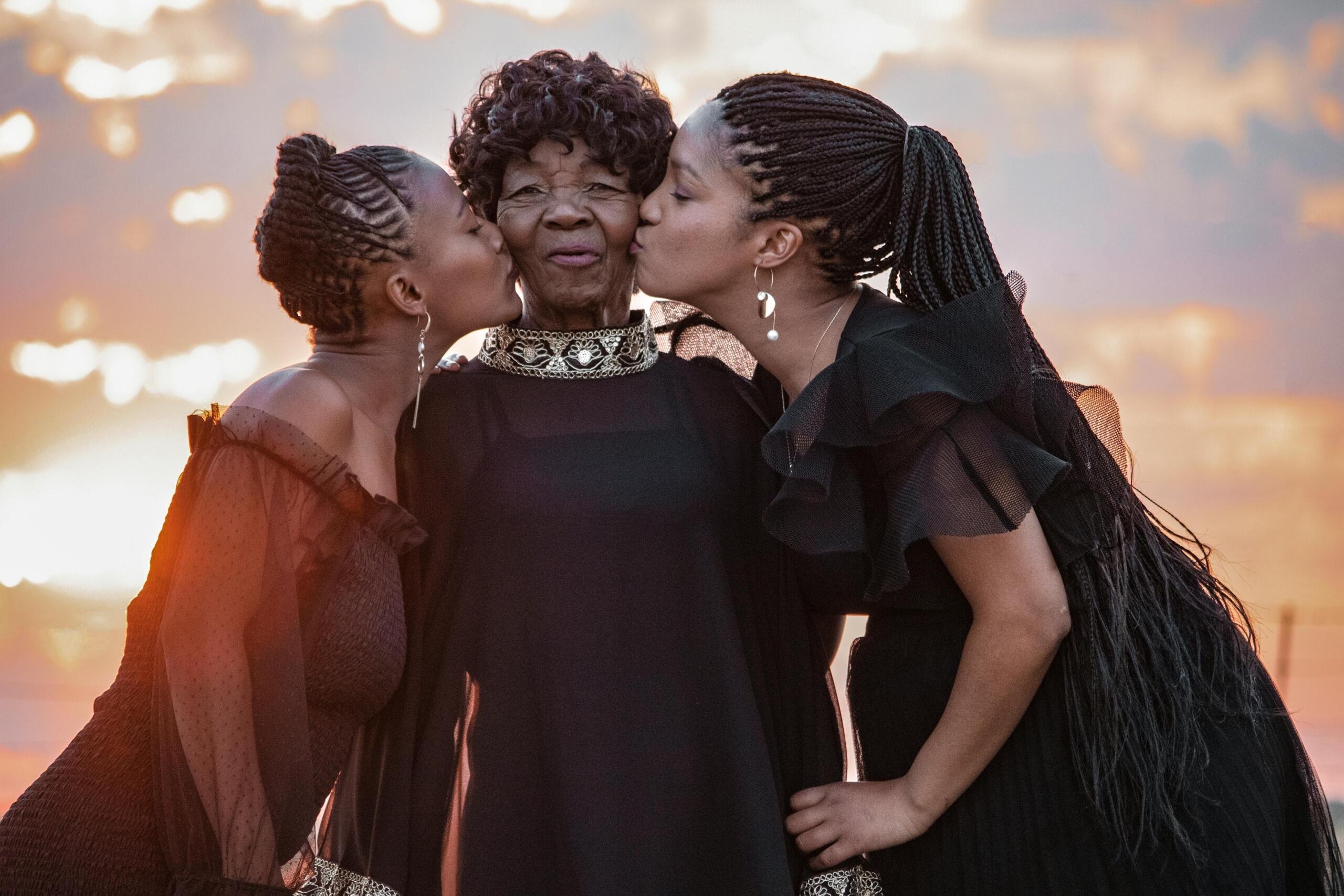
One of the defining features of Tswana tradition is the importance placed on respect for elders and strong community relationships. You’ll find that these values are often reflected in the language itself, especially in greetings and forms of address.
For another perspective on language and heritage, you could explore how isiXhosa traditions influence identity in the Eastern Cape.
Setswana’s Role in Education
In South Africa, all official languages are now actively used in regional education. Setswana is no different, and is part of the CAPS curriculum as both a Home Language and a First Additional Language in many North West schools. From an early age, learners study Setswana, which not only encourages literacy in the home language but also helps to preserve Setswana culture.
Classroom Use
Because it is one of the recognised official languages in South Africa, Setswana is also used extensively in educational resources, examinations, and even some university programmes.
Several universities in South Africa offer Setswana as part of language, humanities, education or African studies programmes. These include:
| North West University | highly inclusive because of it is located where Tswana is widely spoken. |
|---|---|
| University of Pretoria | Offers Setswana language learning, through humanities and education faculties. |
| University of South Africa (UNISA) | Offers Setswana modules through distance learning |
| University of Witswatersrand | Offers African linguistics studies |
| University of Johannesburg | Offers African language and education related courses that may include Setswana. |
| Sol Plaatje University | Offers strong regional, cultural and linguistic relevance. |
Learning Setswana in school often introduces learners to aspects of Tswana tradition, including proverbs, storytelling, and cultural values.
If you are comparing language learning experiences, you might enjoy discovering how Afrikaans developed its educational role across South Africa.
Practical Tswana
If you are thinking about learning Setswana, it is a good choice, as it remains highly useful in daily life in South Africa, especially in the North West and surrounding regions.
Everyday Situations
Because it is one of the widely spoken official languages in South Africa, understanding Setswana can improve relationships across personal and professional settings.

In mining towns and business districts, Setswana Tswana is often used alongside English and other languages, helping people from different backgrounds interact more comfortably.
Over many generations, the continued use of Setswana in homes and communities has also helped to preserve Setswana culture for younger generations.
Besides Setswana, English is widely spoken in North West and surrounding areas, where it serves as a helpful bridge between other South African languages too.
Learning Setswana can feel approachable because pronunciation is generally phonetic and sentence patterns are often straightforward for beginners.
Pronunciation Basics
Setswana pronunciation tends to follow consistent patterns. Listening to the sound of native speakers regularly can help you build confidence more quickly.
Resources You Can Use
Ultimately, if you want to understand Setswana Tswana, hearing everyday conversations is one of the best ways to immerse in the language.
Language learning can also helps you to connect more deeply with Tswana tradition, especially when you begin understand the depth behind proverbs and cultural expressions.
For another language, also spoken in the northern areas of the country, Sesotho and its role within the Sotho Tswana language family offers fascinating cultural and historical perspective.
Start Somewhere Start Small
Dumela
Ke a leboga
Hello
Thank you
O tsogile jang
Ee
How are you
Yes
Much like the many other indigenous languages in South Africa, simple phrases like these and others can help you engage confidently with one of the important official languages in South Africa.
Why Learn This Language?
Learning Setswana allows you to engage more naturally with people in communities where it is widely spoken. It can also deepen your understanding of Setswana culture and its everyday social customs.
Open Up Career Opportunities
Whether you are a Sepedi or English native, if you live in North West province and work in sectors like retail, healthcare, education, customer service, and government, speaking Setswana is an undeniable advantage, and employers often appreciate multilingual staff members who are familiar with Setswana Tswana.
Understand South African Heritage
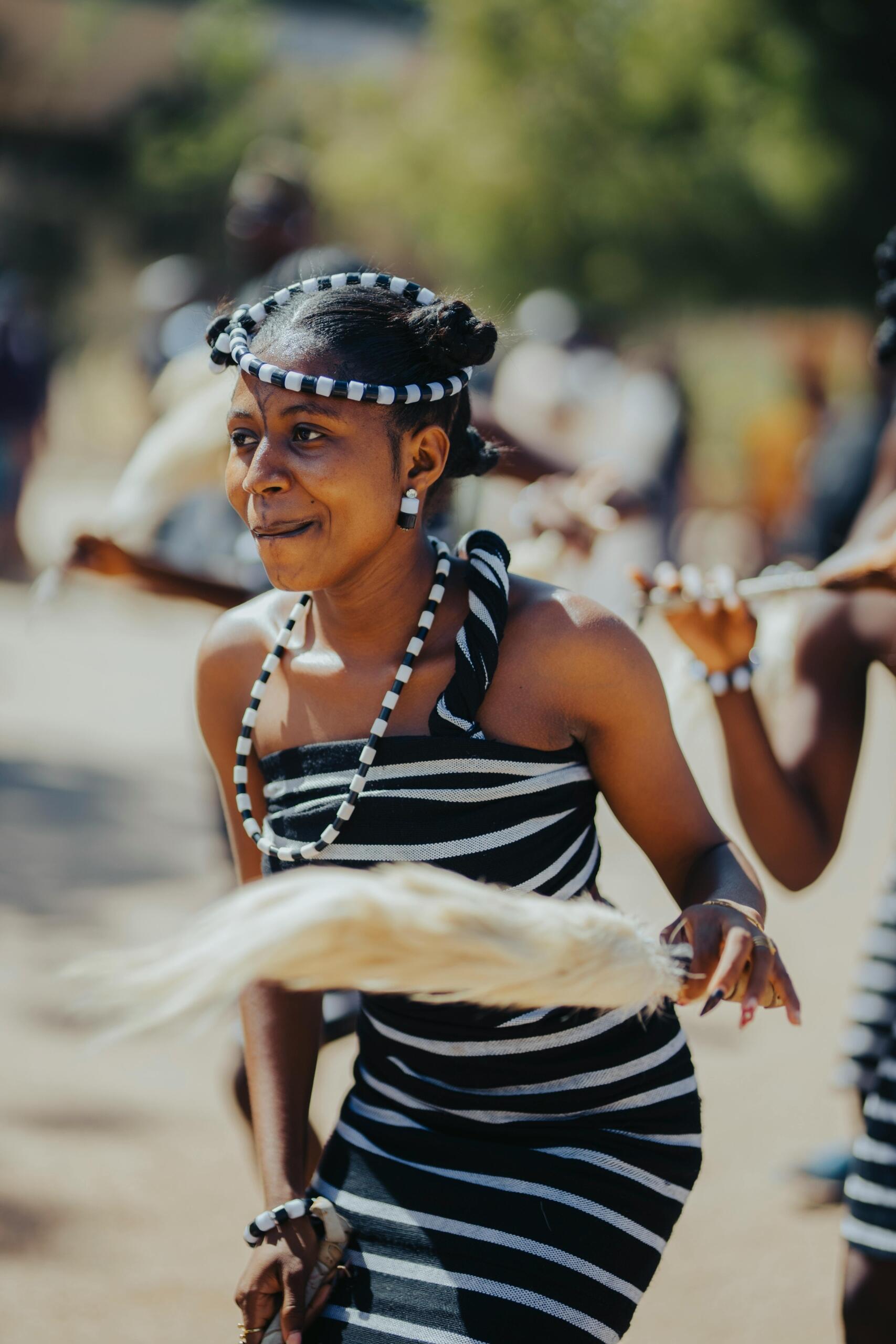
By learning Setswana, there is no doubt that insight into Tswana tradition follows. This can include insight into ceremonies, oral storytelling, and cultural values, all of which are centred around respect and community.
Much like the Ndebele language and others, as one of the country’s recognised official languages in South Africa, Setswana provides an important portal into local heritage and identity.
If you are interested in exploring another regional language, read about how Tshivenda reflects community identity and heritage in Limpopo.
Setswana in Modern South Africa
Today, Setswana continues to grow through radio, television, social media and digital learning platforms, and younger generations are using it online more than ever.
Modern day music and entertainment also continue to celebrate Setswana culture as it blends contemporary styles with older stories and customs. This helps to keep Tswana tradition relevant in changing social environments.
Similarly, Setswana Tswana remains vital in schools, local government, and the marketplace across several provinces.
As one of the enduring official languages in South Africa, Setswana still connects communities while preserving cultural identity.
Another language that also evolves through modern South African society is Xitsonga.
More than Just Language
Setswana is far more than just a language. Ultimately, its expression of history, community and identity is alive. Through Setswana culture, its people maintain valuable traditions that continue to influence family life and social values today.
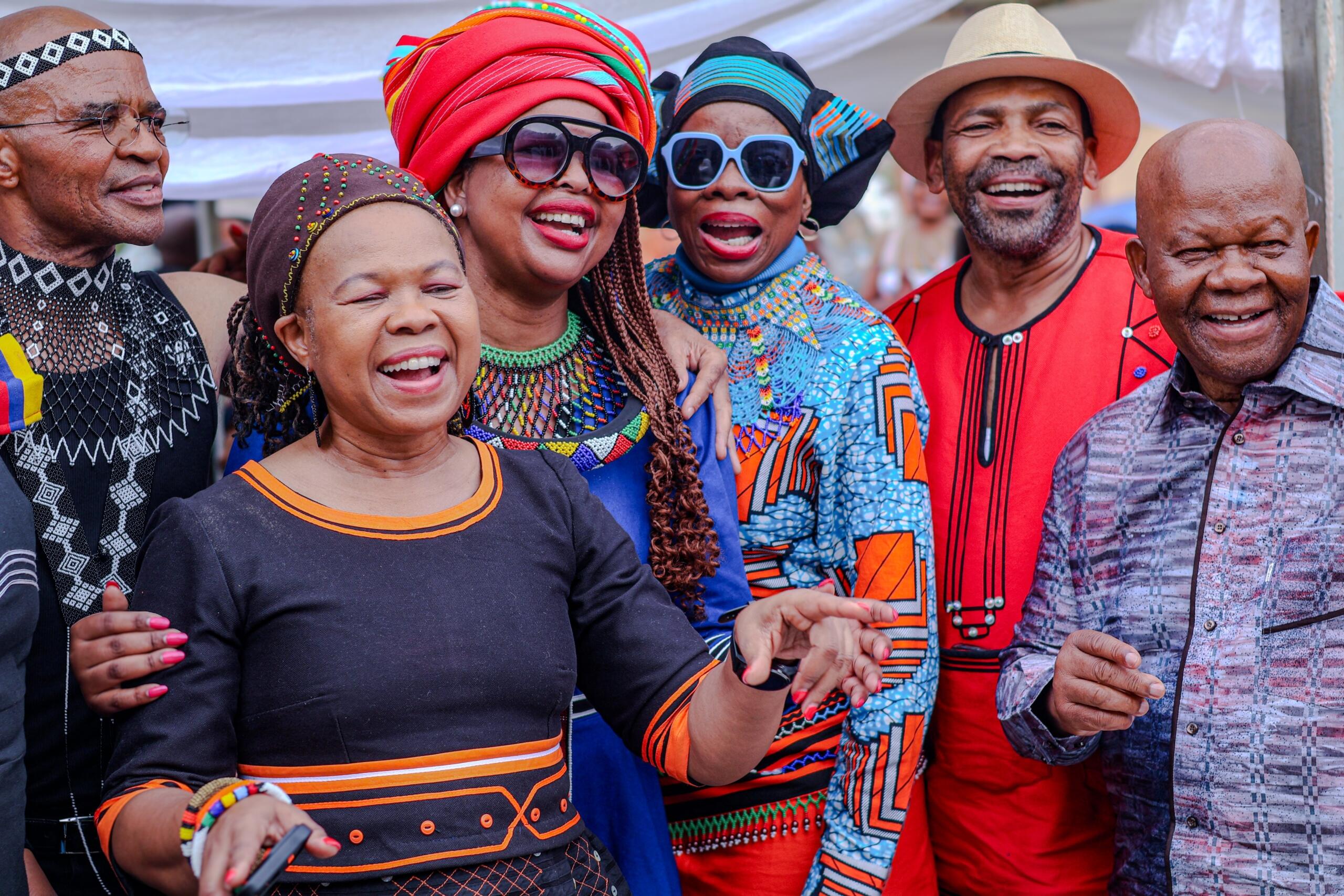
Whether you are learning the language for personal growth, social reasons or work, understanding Setswana Tswana opens doors to cultural appreciation and meaningful communication.
By exploring the richness of Tswana tradition, you can expect to gain a deeper understanding of one of the most important official languages in South Africa. Why not read more about the role of South African Sign Language too?
“Motho ke motho ka batho.”
“A person is a person through other people.”
This beautiful, well-known proverb reflects the heart and values of Setswana culture.
Summarise with AI:
Enjoyed this article? Leave a rating!

 Loading...