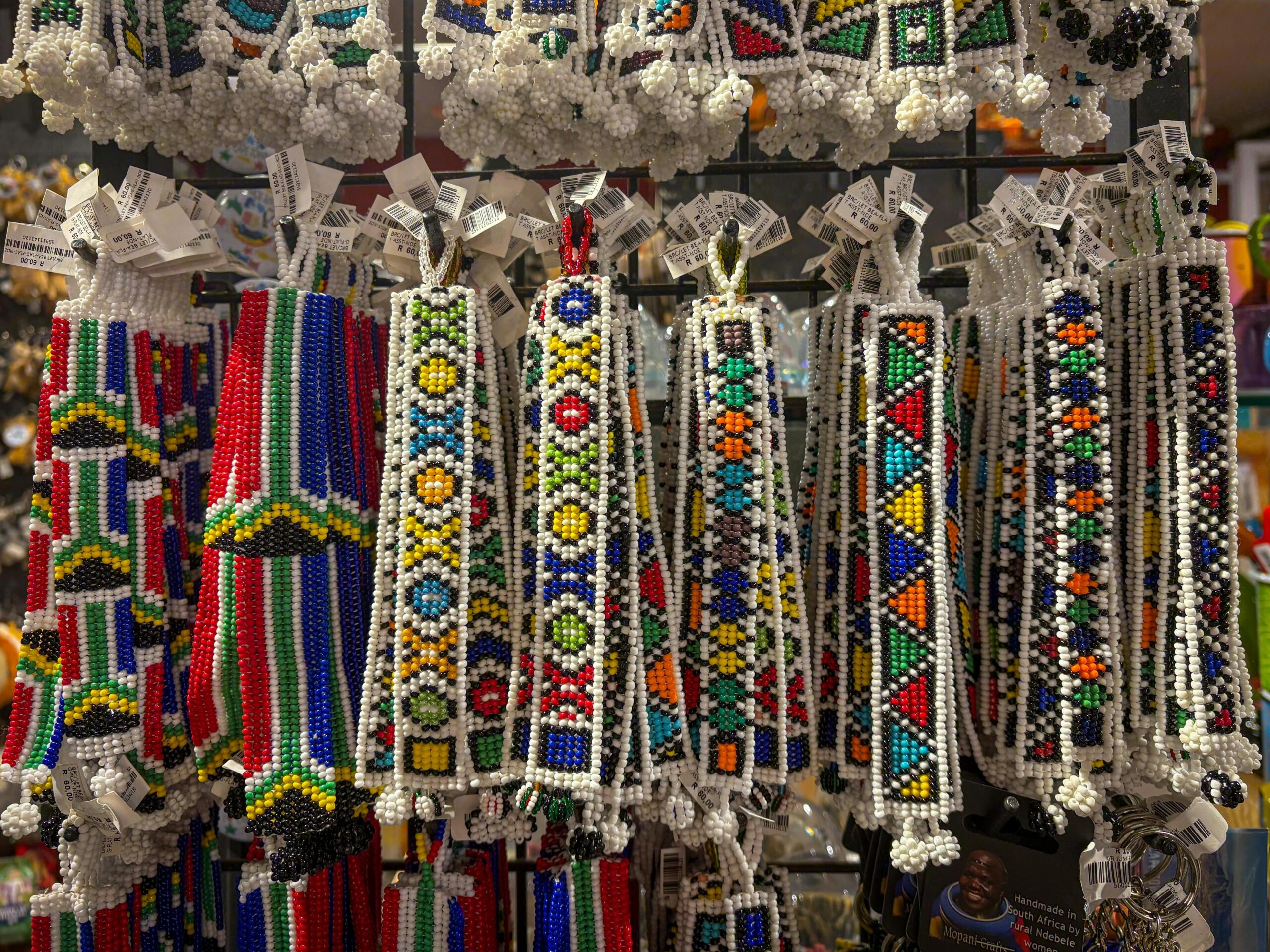

South Africa, a country where a remarkable range of cultures and languages, has a unique identity. Here, among the recognised languages in South Africa is isiNdebele, one of the country's official languages and a member of the Nguni language family.
IsiNdebele, spoken primarily by the Southern Ndebele people, has communities that are concentrated in Limpopo, Mpumalanga, Gauteng, and parts of the North West Province. According to Statistics South Africa, even though isiNdebele is one of the smaller official languages by number of home language speakers, its cultural influence exceeds what its population size suggests.
| Element | Explanation |
|---|---|
| Language Name | isiNdebele |
| Language Family | Bantu |
| Language Group | Nguni |
| Official Status | One of the official languages in South Africa |
| Main Provinces | Mpumalanga, Gauteng, Limpopo |
| Estimated Speakers | More than one million speakers |
| Related Languages | isiZulu, isiXhosa, siSwati |
In exploring Ndebele culture, you will soon find a heritage known for its resiliene, creativity, and unique artistic traditions. Alongside siSwati, isiXhosa and isiZulu, the language itself forms part of the wider Nguni family of languages.
If you would like to understand how South Africa developed such a diverse linguistic landscape, you may enjoy the story behind how South Africa got to have so many official languages. And for an even more in-depth look at this landscape, you can also hone in on the many indigenous languages in South Africa and how they fit together.


Where Is isiNdebele Spoken?
Most isiNdebele speakers reside in Mpumalanga, specifically in areas around Siyabuswa, KwaMhlanga, Ekangala, and their surrounds. In addition, you will also hear it in Gauteng, especially in Pretoria, and neighbouring urban centres where many have relocated for education or employment.
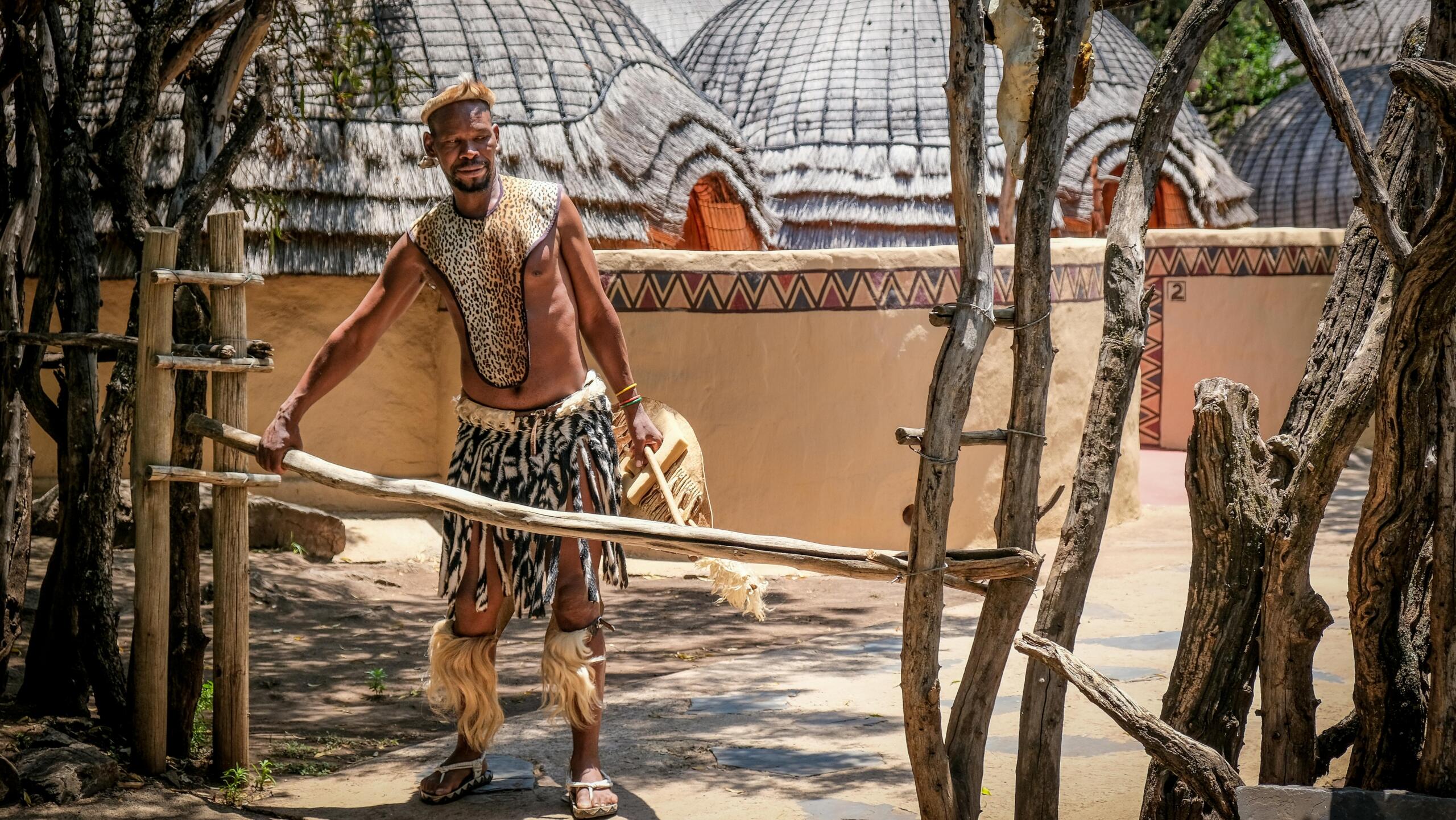
Like many of the other official languages of South Africa, isiNdebele exists in both urban and rural environments.
Rural communities, especially, take great care to preserve traditional customs and language use, while you may find that urban speakers will move comfortably between several languages during the course of the day. If you are learning more about language in education, you may also enjoy reading our exploration of Sepedi culture and language.
Common Areas Where isiNdebele Is Spoken
If you are studying or comparing South Africa's major Nguni languages, there is no doubt that you will find our article on Zulu, the most spoken language in South Africa, of particular interest.
The Colourful World of Ndebele
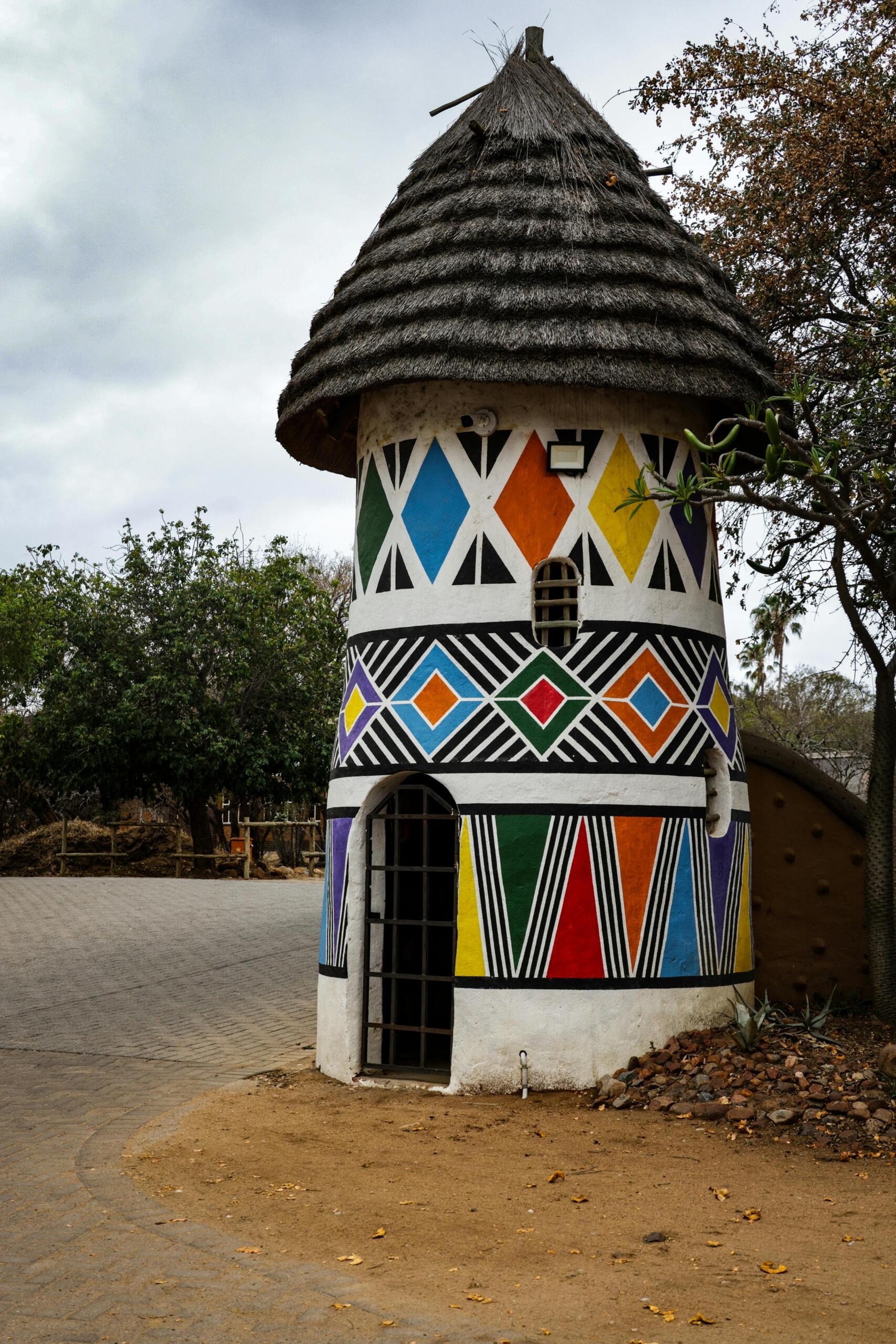
Perhaps the most globally recognised aspect of Ndebele culture is its visual art. Across South Africa and even around the world, brightly painted geometric architectural designs have become synonymous with Ndebele culture and heritage.
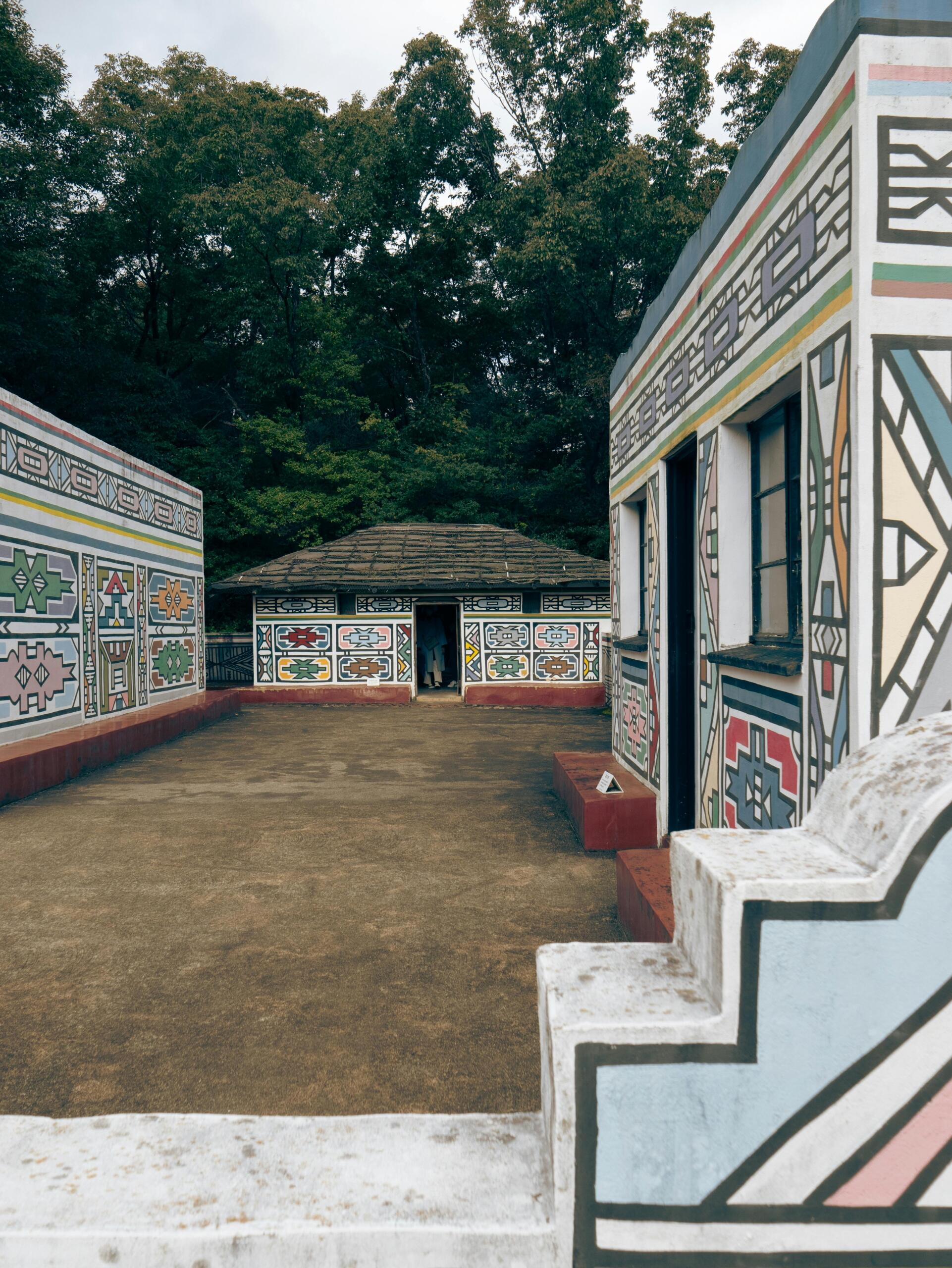
These unique artistic traditions developed over generations and continue to be practised today. In fact, the famous South African artist Esther Mahlangu introduced these traditional Ndebele artistic styles to international audiences, resulting in global attention to the community's creative achievements.
The distinctive Ndebele patterns seen on walls, clothing, jewellery, and homes are not simply designs, but artistic symbols of cultural pride, belonging and identity.
Remember that identity and language are closely linked. Much like visual symbols preserve heritage, isiNdebele preserves customs, stories, and collective memory. Similarly, this deep relationship between language and identity can be found in the Eastern and Western Cape through isiXhosa cultural practices.
Understanding Ndebele Tradition
Every community has traditions and customs that connects their people to their past. Ndebele tradition is no different as it emphasises the importance of ceremonies, storytelling, family celebrations, and community gatherings that strengthen its social bonds.
Over the generations, artistic expression has always been a powerful way for communities to maintain identity, especially during periods of social and political struggle. Though in the past, many of these traditional practices are still observed today, especially during cultural festivals, weddings and family celebrations.
Today, preservation of the Ndebele tradition helps younger generations to understand where they come from and why cultural heritage remains valuable in modern society.
Did you know that the Tshivenda language is another fascinating example of a South African language community where strong cultural traditions are linked to language?
isiNdebele in Education
Today, as a result of the BELA Act, education plays a major role in the preservation of indigenous languages. isiNdebele is recognised within the CAPS curriculum and is available as both a Home Language and a First Additional Language in many schools.
Learners may study isiNdebele as:
Schools across Mpumalanga and Gauteng offer isiNdebele language programmes, while universities contribute to research and teacher training initiatives.
Similar educational pathways are discussed in our article on the Setswana language and culture.
Ndebele Patterns and Artistic Expression
One reason Ndebele patterns attract so much global attention is their bold use of colour and geometry. Here, rectangles, triangles, lines, and repetitive shapes are arranged in thoughtfully balanced designs that are instantly recognisable.
Painted homes
Beadwork
Traditional clothing
Decorative objects
Public art installations
Today, the influence of Ndebele patterns can even be seen in the latest South African design, fashion, architecture, and advertising.
To see these artworks in their original situations, a trip through Mpumalanga, where cultural villages and heritage sites will seem like a celebration of local artistic traditions.
If you are interested in another cultural and language community with a strong presence in the north-eastern provinces of the country, consider reading about Xitsonga and how it developed.
Everyday Uses of isiNdebele
Although its artistic traditions often receive the most attention, isiNdebele continues to be a practical language that is used in daily life. Today, it is spoken in homes, community organisations, schools, workplaces and churches.
Like many other languages in South Africa, isiNdebele maintains communication across generations and you will find that children, parents and grandparents use the language to support family connections and cultural continuity.
You may encounter isiNdebele in:
Multilingual communication is increasingly important in modern South Africa. Alongside the other indigenous languages, many South Africans also rely on English as an important bridge between the many different home languages.
Learning isiNdebele
If you would like to learn isiNdebele, there are many useful ways to get started. Because isiNdebele belongs to the Nguni family, knowing isiZulu or siSwati can be helpful because there are a number of similarities.
Listen carefully to native speakers.
Learn greetings first.
Practise common phrases daily.
Read simple texts aloud.
Watch local broadcasts when possible.
If the story of a country with so many official languages intrigues you, don't forget to find out more about the fascinating world of isiSwati.
Learning Resources
Useful resources include:
Like anything, regular practice remains one of the most effective ways to fast-track fluency and gain confidence. One way to start is to learn a few phrases to help you appreciate both the language and the broader Ndebele culture that surrounds it.
Read more about how the Afrikaans language, with its interesting history of developing through a combination of many languages, serves as a common denominator for understanding.
Useful isiNdebele Phrases
Lotjhani
Unjani?
Hello
How are you?
Ngiyathokoza
Yebo
Thank you
Yes
Awa
Sala kuhle
No
Stay well
Learning just a few phrases helps you appreciate both the language and the vibrant Ndebele culture that surrounds it.
Umuntu ngumuntu ngabantu. A person is a person through other people
African Proverb
This well-known proverb is a reminder of the values of respect, community, and cooperation that remain important within Ndebele tradition and many other African cultures.
Why Learn isiNdebele Today?
There are many practical reasons to learn isiNdebele.
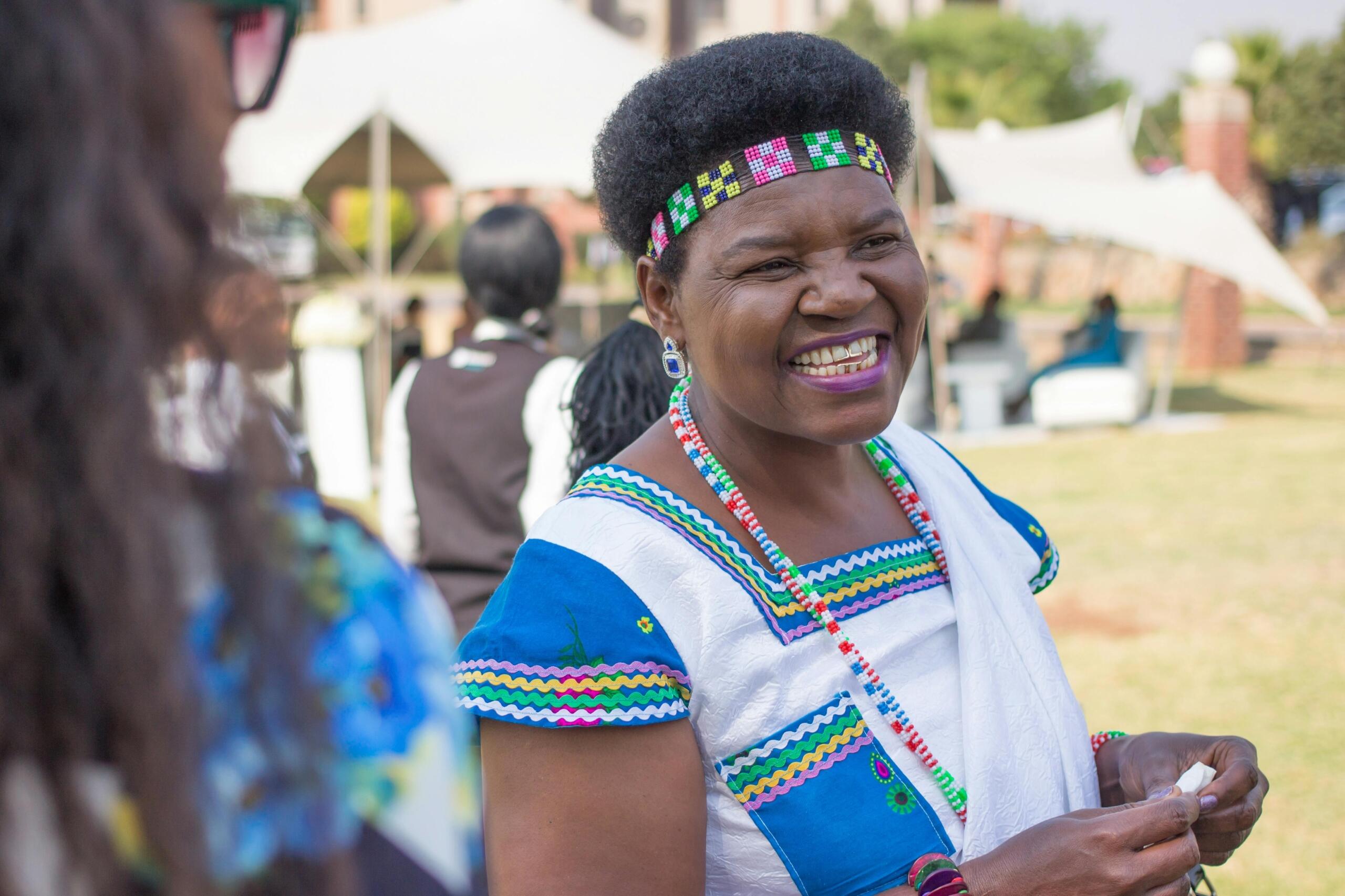
Stronger Community Connections
Learning local languages can build trust and understanding. And, as one of the official languages of South Africa, isiNdebele offers opportunities to connect meaningfully with communities across several provinces.
Career Advantages
Multilingual employees are increasingly valued in education, healthcare, tourism, public administration, and customer service sectors.
Cultural Appreciation
Understanding Ndebele culture allows you to engage with South Africa's artistic and historical heritage.
Every one of the official languages in South Africa offers insight into a different cultural perspective. Learning isiNdebele expands your understanding of the country's diversity.
If you are interested in language recognition and community inclusion, you might enjoy our article, which explores how South African Sign Language became one of the official languages of South Africa.
Preserving Ndebele Heritage for Future Generations
The continued success of isiNdebele depends on daily use in homes, schools, media, and communities. Preserving Ndebele culture and promoting language education means that future generations remain connected to their heritage.
The growing popularity of Ndebele patterns in art and design highlights how traditional knowledge can remain relevant in modern societies. At the same time, language remains one of the strongest means for maintaining cultural continuity.
Like all official languages of South Africa, isiNdebele contributes to a richer and more inclusive collective identity.
IsiNdebele is far more than a means of communication. It is a living expression of history, identity, creativity, and community. Through Ndebele culture, design achievement and cultural knowledge continue to inspire people across South Africa and the world.
Before you go, if you enjoyed this article, exploring the roots and role of Sesotho today may also interest you.
Whether you are interested in language learning, personal enrichment, and cultural exploration, isiNdebele offers an important window into one of the country's most distinctive traditions. By supporting and learning the languages of South Africa, you help to preserve a heritage that belongs to all South Africans.
Summarise with AI:
Enjoyed this article? Leave a rating!

 Loading...