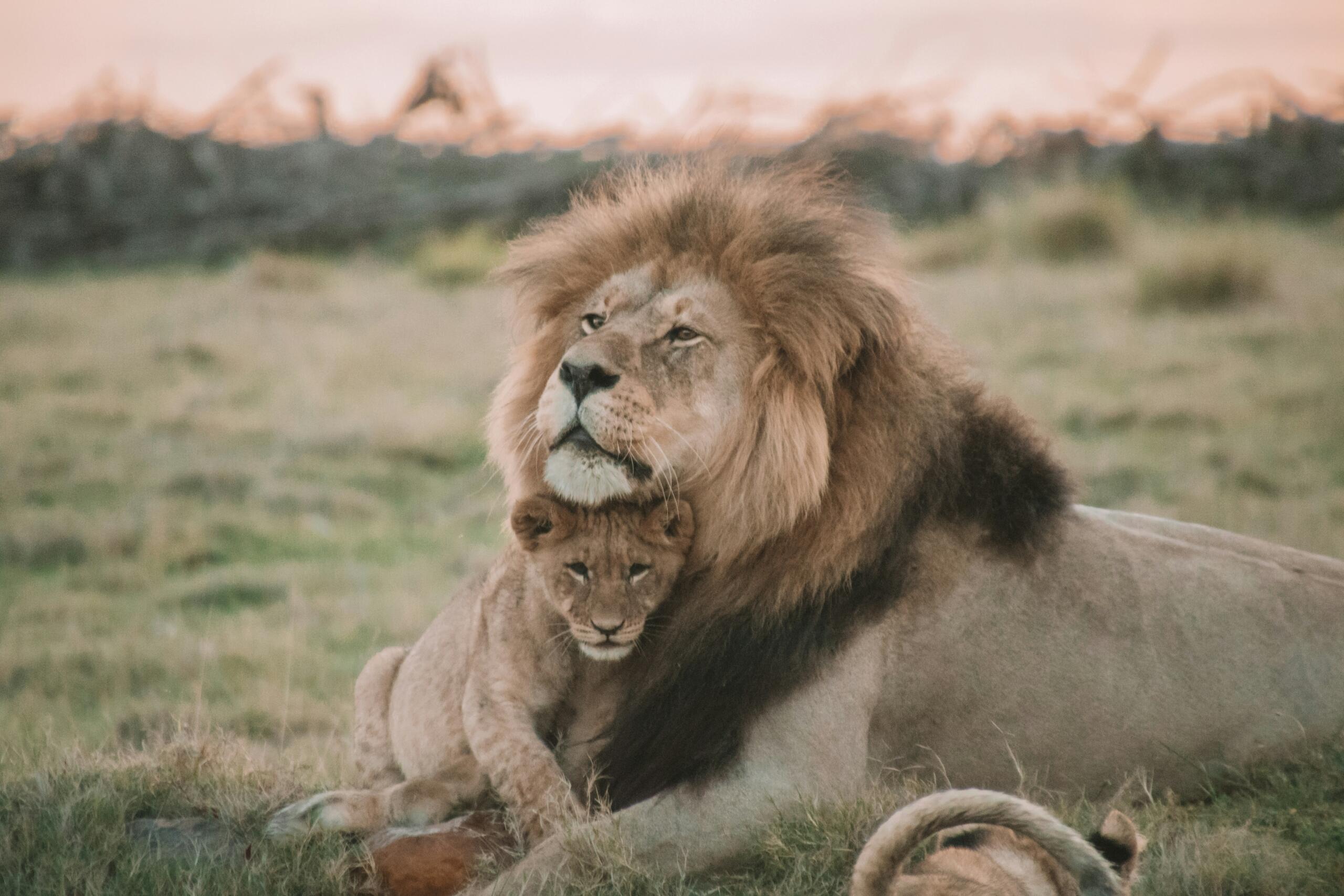

When you hear The Lion King, you might assume that all its African language comes from a single source, especially when the film blends languages, music, and visual influences into a fictional African setting. But there is a much more interesting story behind the words.
For instance, the film uses English for most of its dialogue, while drawing on Swahili for several character names and the phrase “hakuna matata”. At the same time, the famous opening vocal of “Circle of Life” is sung in isiZulu by South African musician Lebo M which means that the film brings together linguistic influences from both East and Southern Africa.
By the way, if you want to understand how those vocals influenced the soundtrack, you can read the story of Lebo M and the South African musical influencebehind Disney’s distinctive sound.
Languages spoken across Africa
For a South African viewer, this distinction is particularly interesting. If you grew up hearing isiZulu at school, in your neighbourhood, at home or on South African television, you may recognise the sound of the opening chant immediately. But then - the name Simba is not isiZulu but rather means lion in Swahili!
This mixture of language is one of the reasons the film can be a useful starting point for learning about African languages, provided you remember that its fictional world is not a linguistic map of the continent!
If you would like to explore that wider cultural background first, you can read more about the South African languages, voices and cultural influencesbehind Disney’s African kingdom.


One Film, Two Languages, One Big Misconception
The easiest way to understand the language of The Lion King is to separate the spoken dialogue from the names and musical elements.
In short, while most of the film’s dialogue is in English, Disney used Swahili words for a number of character names and expressions, while the famous opening chant of “Circle of Life” is in isiZulu.
This is where Swahili vs isiZulu becomes an interesting comparison. They are both Bantu languages, but they developed in different regions and have their own histories, vocabulary and grammatical systems.
Swahili, also called Kiswahili, is widely spoken in East Africa. It is used extensively in countries including Tanzania, Kenya, Uganda and the Democratic Republic of the Congo. isiZulu, meanwhile, is one of South Africa’s official languages and is particularly prominent in KwaZulu Natal and parts of Gauteng.
Even though both belong to the wider Bantu language family, they are not actually interchangeable. If you have ever heard isiZulu spoken in Durban, Pietermaritzburg or Johannesburg, you may notice a very different sound from Swahili.
The Swahili Side: Character Names and Hakuna Matata
The Swahili influence is most obvious when you start looking at the character names. Simba is the clearest example. In Swahili, simba means lion. If you are searching Simba meaning, the simplest answer is that it is the Swahili word for lion.
Rafiki provides another straightforward example. The Swahili word rafiki means friend, which suits the wise character who becomes one of Simba’s most important guides. So, if you are looking up rafiki meaning, you can confidently translate it as “friend”.
A search for hakuna matatameaning reveals that it is also genuine Swahili. It is commonly translated as “no worries” or “there are no problems”. The film turned it into a globally recognised catchphrase, although its use and popularity in everyday East African speech are more nuanced than the cheerful Disney version suggests.
If you are researching Lion King character names meaning, remember that not every popular internet translation is entirely accurate. For example, Nala is often said to mean “gift” or “beloved” in Swahili, but that claim is disputed by language reference sources. Likewise, the Mufasa meaning is sometimes described online as “king”, but the precise linguistic origin of Mufasa is uncertain.
You can also explore the meaning behind the famous Nants Ingonyama wordsand why the opening chant became such an important part of the film.
The isiZulu Side: Circle of Life and Lebo M
For a South African audience, the opening of “Circle of Life” is a moment of national pride. The famous chant performed by Lebo M in isiZulu, begins with “Nants ingonyama bagithi baba” to announce the arrival of the lion.
This is where Swahili vs isiZulu in the filmbecomes clear: Swahili appears in names such as Simba and Rafiki, while isiZulu is the anchor for the film’s powerful opening vocals.
For South Africans the Lebo M connection is significant Born in Soweto, he helped create the distinctive African sound associated with the production, giving a global Disney production a genuine African voice. His story is just one part of the wider South African connection to The Lion King, which extends beyond the language of the opening chant to the musicians and cultural influences involved in the film.
Why Africa Cannot Be Represented by One Language
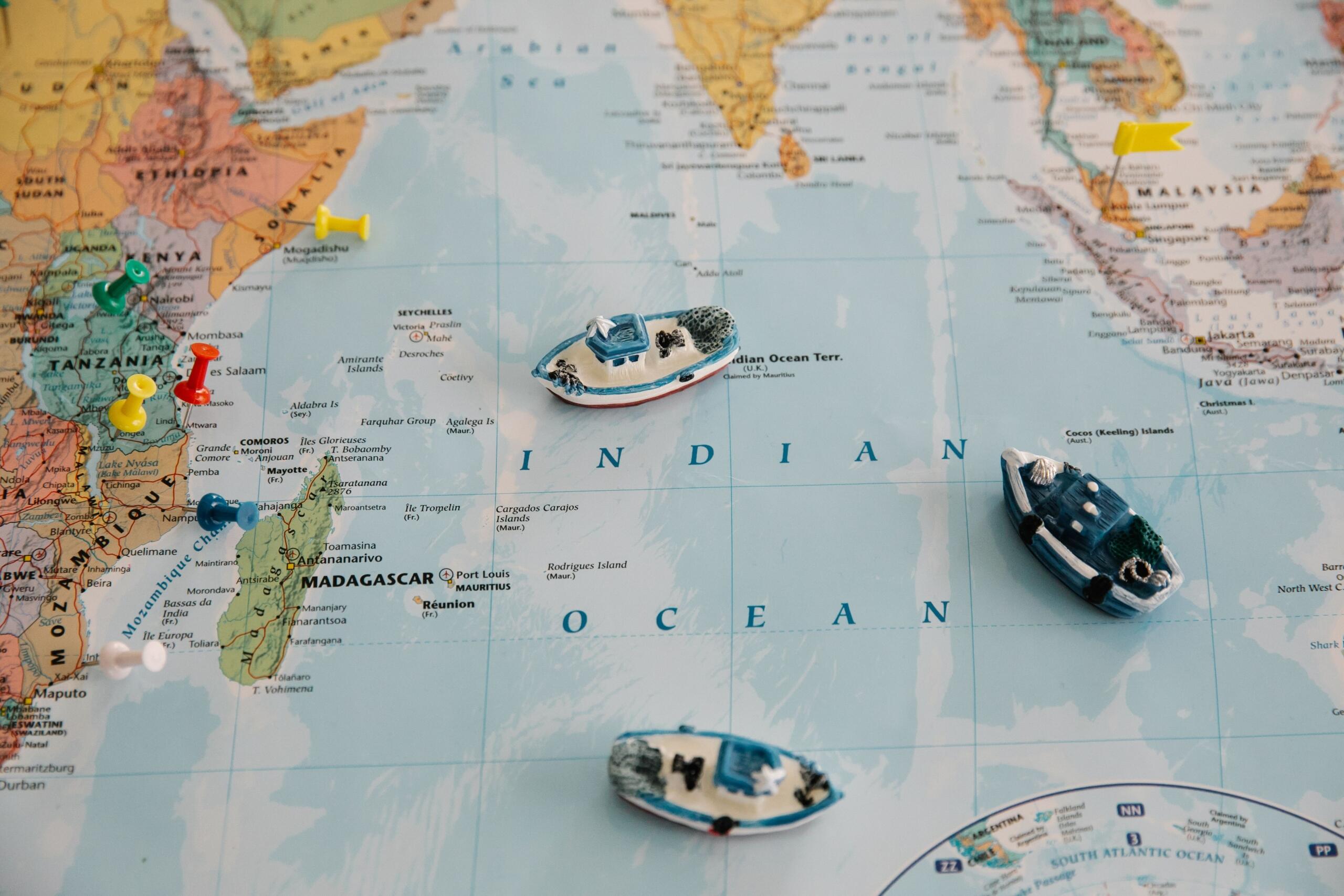
It's important to remember that Africa is a continent of enormous linguistic diversity, with more than 2,000 languages spoken across its countries and communities. Swahili and isiZulu are both Bantu languages but developed in different regions and have distinct histories.
In short, Swahili is widely spoken in East Africa, while isiZulu is one of South Africa’s 12 official languages. This is why The Lion King’s combination of languages is more interesting than trying to present Africa through a single linguistic identity. This should be a useful lesson for anyone trying to understand the continent's multilingual identity.
You can take that idea further by exploring how African languages are represented in Hollywood, and why accuracy and meaningful involvement matter when filmmakers draw on real cultures.
What The Character Names Tell You
Once you know a little Swahili, the character names become a small language lesson. Let's look at them in a snapshot.
| Character | Language or Origin | Meaning or Explanation |
|---|---|---|
| Simba | Swahili | Lion |
| Rafiki | Swahili | Friend |
| Pumbaa | Swahili | Foolish, careless or silly |
| Shenzi | Swahili | Savage, uncouth or civilised |
| Sarabi | Swahili | Mirage |
| Nala | Uncertain | Often said to mean gift or beloved, but disputed |
| Mufasa | Uncertain | Popularly linked with king, but not securely established |
This is why a search for Lion King character names meaningcan be so interesting. Just remember to separate well-supported translations from popular claims.
It's worth emphasising that if you are specifically searching for Simba meaning, remember that this one is unusually straightforward. Simba is simply the Swahili word for lion.
Likewise, your search for Rafiki meaning has a clear answer too: friend. The name works particularly well because Rafiki is an important friend and guide to Simba throughout the story.
The Mufasa meaning is less certain. You will find online sources claiming that the name means "king," but its origin is disputed, so it is better not to present that translation as an established fact.
And if you are researching the hakuna matata meaning, the phrase is much more securely connected to Swahili. Its literal sense relates to there being no problems or troubles, although the film turned it into a much broader philosophy of carefree living.
Why Linguistic Accuracy Matters
Remember, you do not have to treat The Lion King as a language textbook to appreciate its linguistic choices. In fact, you should not.
The film is a work of fantasy, and its fictional Pride Lands do not correspond neatly to a real African country.
But its use of real languages matters because millions of viewers encountered words such as Simba, Rafiki and hakuna matata through the film.
For South African learners, the connection to isiZulu is particularly valuable. You may already know speakers of isiZulu at school, university, work or in your local community, which means the language is not simply a distant cinematic reference.
When you learn that Simba is Swahili, but the opening chant is isiZulu, the film becomes a little more interesting. You start listening for the difference. The contrast between Swahili vs isiZulu also shows why it is useful to ask where a word comes from rather than assuming that anything that sounds African belongs to one language.
In the end, as you search Lion King character names meaning you'll notice a starting point for how languages influence character, humour and identity.
What The Lion King Teaches Us About Language and Identity
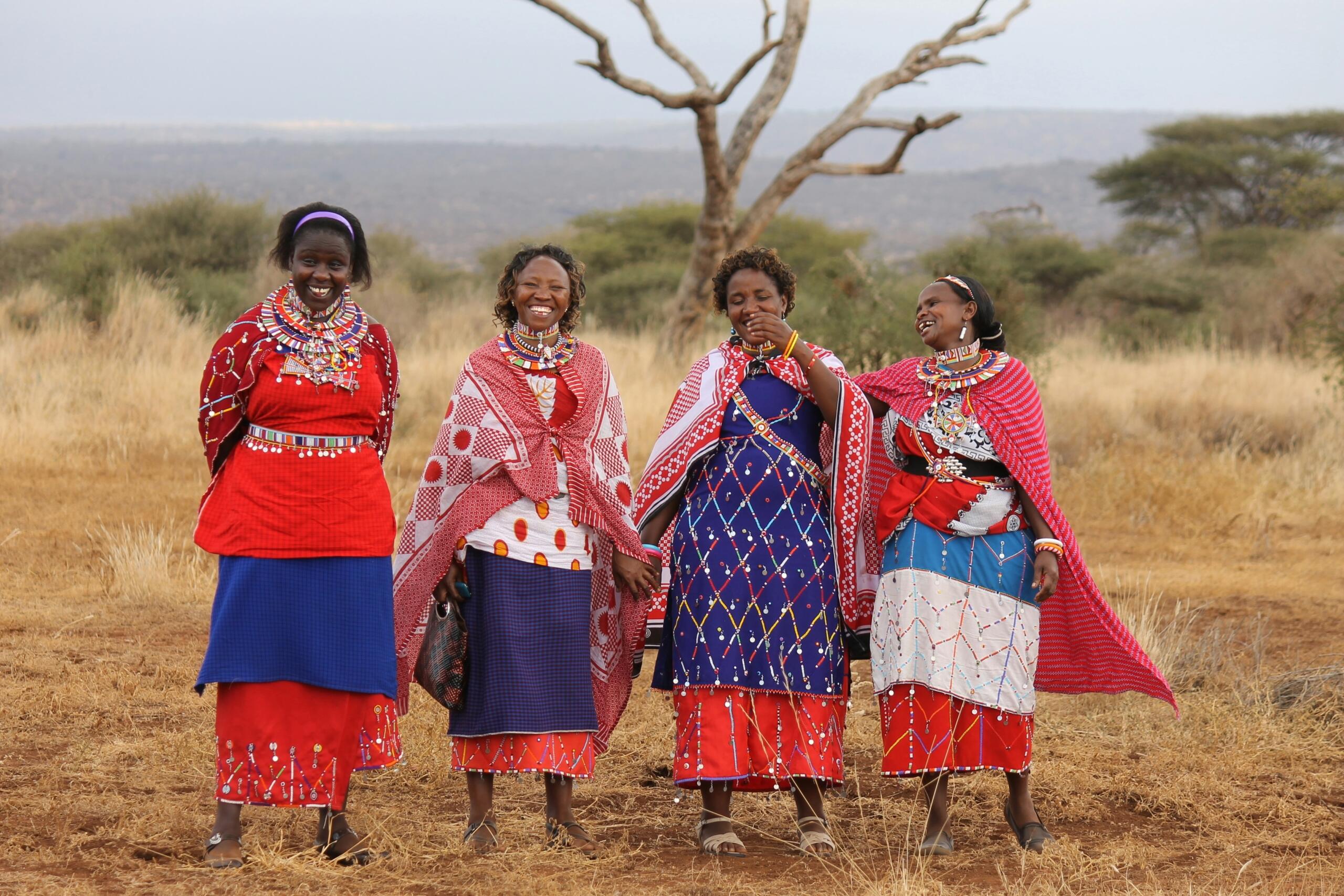
Language carries identity, connecting words to geography, history and culture. This is when your search for Lion King character names meaning becomes a starting point for discovering more about Swahili and isiZulu, rather than simply a fun search. South Africa’s own linguistic diversity demonstrates this, with isiZulu spoken alongside isiXhosa, Sesotho, Setswana, Sepedi and Xitsonga in everyday life.
Language is only one way the film explores African identity, and you can also look at how kingship themes from Mufasa to Mandela resonate with ideas of leadership, responsibility and community.
A Film That Opens a Door to African Languages
So, the next time you hear the opening of “Circle of Life”, listen for the change in language: East African Swahili appears in names such as Simba and Rafiki, while Lebo M’s opening vocals bring isiZulu from South Africa. Neither language represents Africa as a whole, but the combination makes the film’s linguistic influences particularly interesting.
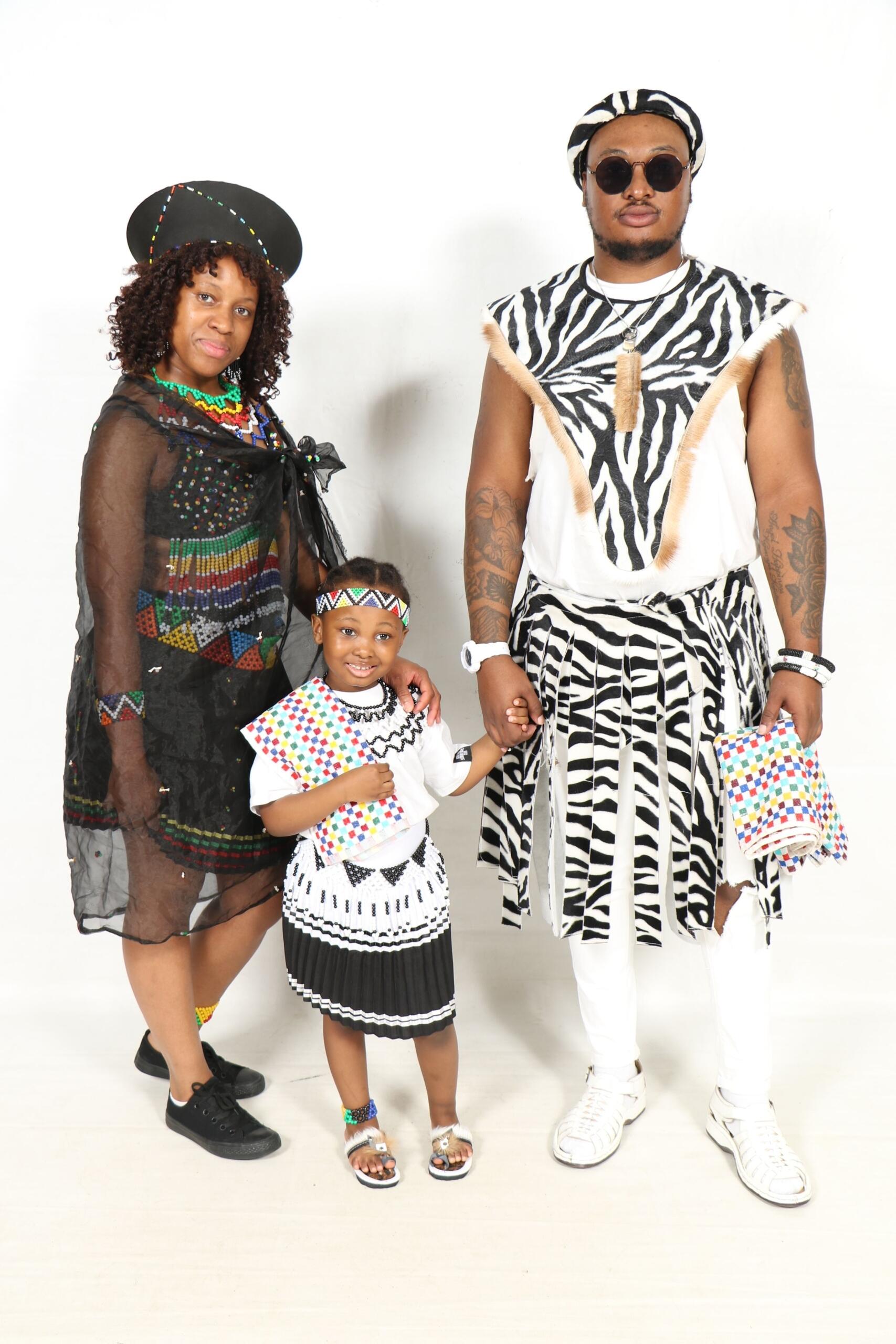
If you remember one thing, remember this: Swahili vs isiZulu are not in competition, but a meeting of two distinct Bantu languages from different parts of Africa. Once you know that, your search for Lion King character names meaning becomes a brilliant example of how a family film can spark curiosity about African language, culture and identity.
For another fascinating perspective, you can discover the South African facts hidden inside The Lion Kingthat you may have missed while watching the film.
Summarise with AI:
Enjoyed this article? Leave a rating!

 Loading...