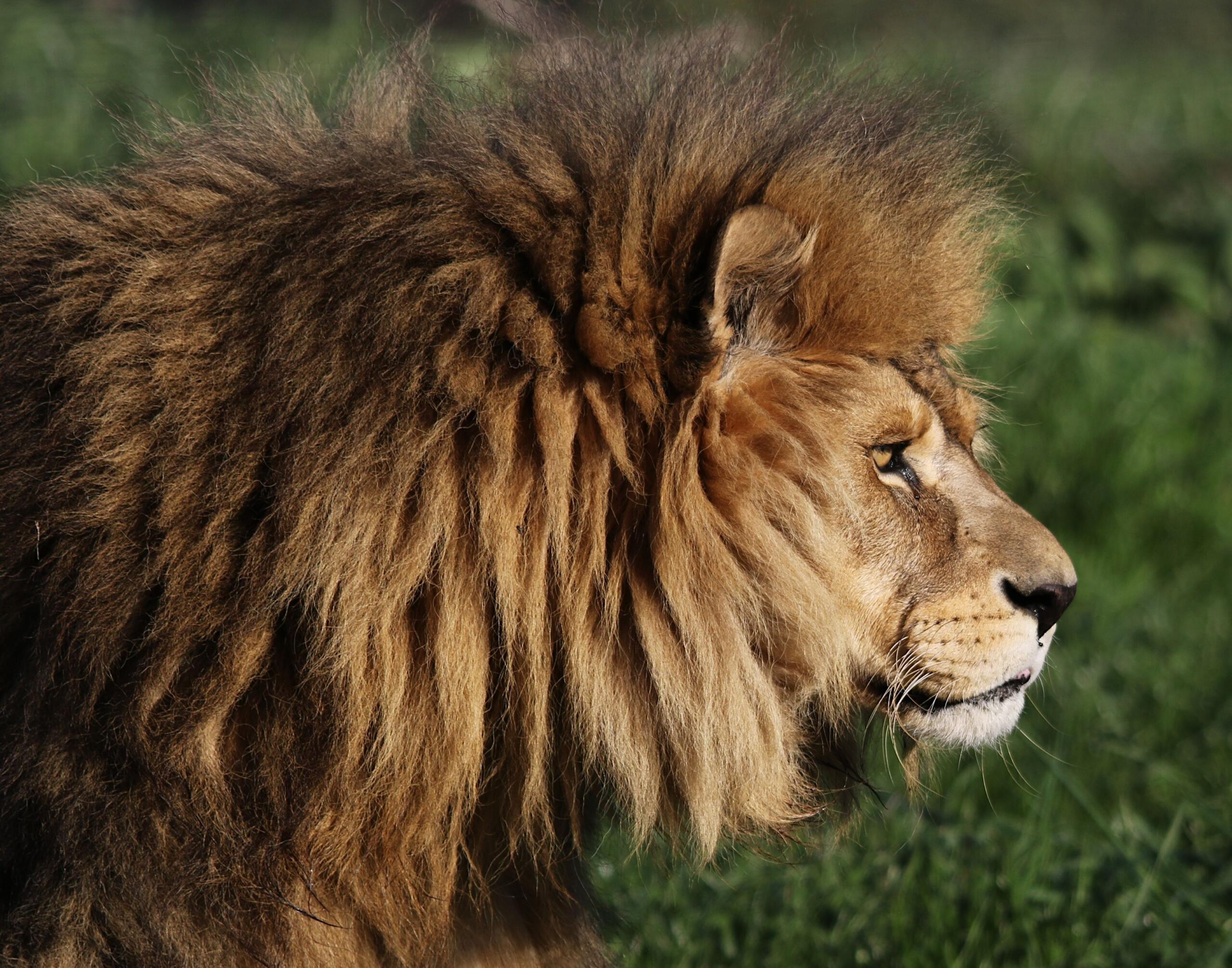

If you watched The Lion King as a child in South Africa, you may have felt that the film sounded strangely familiar without knowing exactly why. The landscape was fictional, the characters were animated animals, and the story came from a Hollywood studio, yet something about the music, language and performers made the film feel closer to home.
The 1994 version of the Lion King film remains the animated film with the highest cinema admissions in South African history. (Christine Service of the Walt Disney Company Africa)
That makes the film more than an international Disney success story. It has become part of South African popular culture. There is good reason for that. The South African connection to Lion King history is much deeper than the famous opening chant. South African musicians helped shape the sound, South African performers have appeared in productions around the world, and Disney created a special isiZulu version of the original film for South African audiences.


A Hollywood Film with a South African Heartbeat
The film itself was made in the United States, but South African creative contributions became central to its identity. The most famous is Lebo M, the Soweto born musician whose voice and musical arrangements helped establish the distinctive sound of The Lion King.
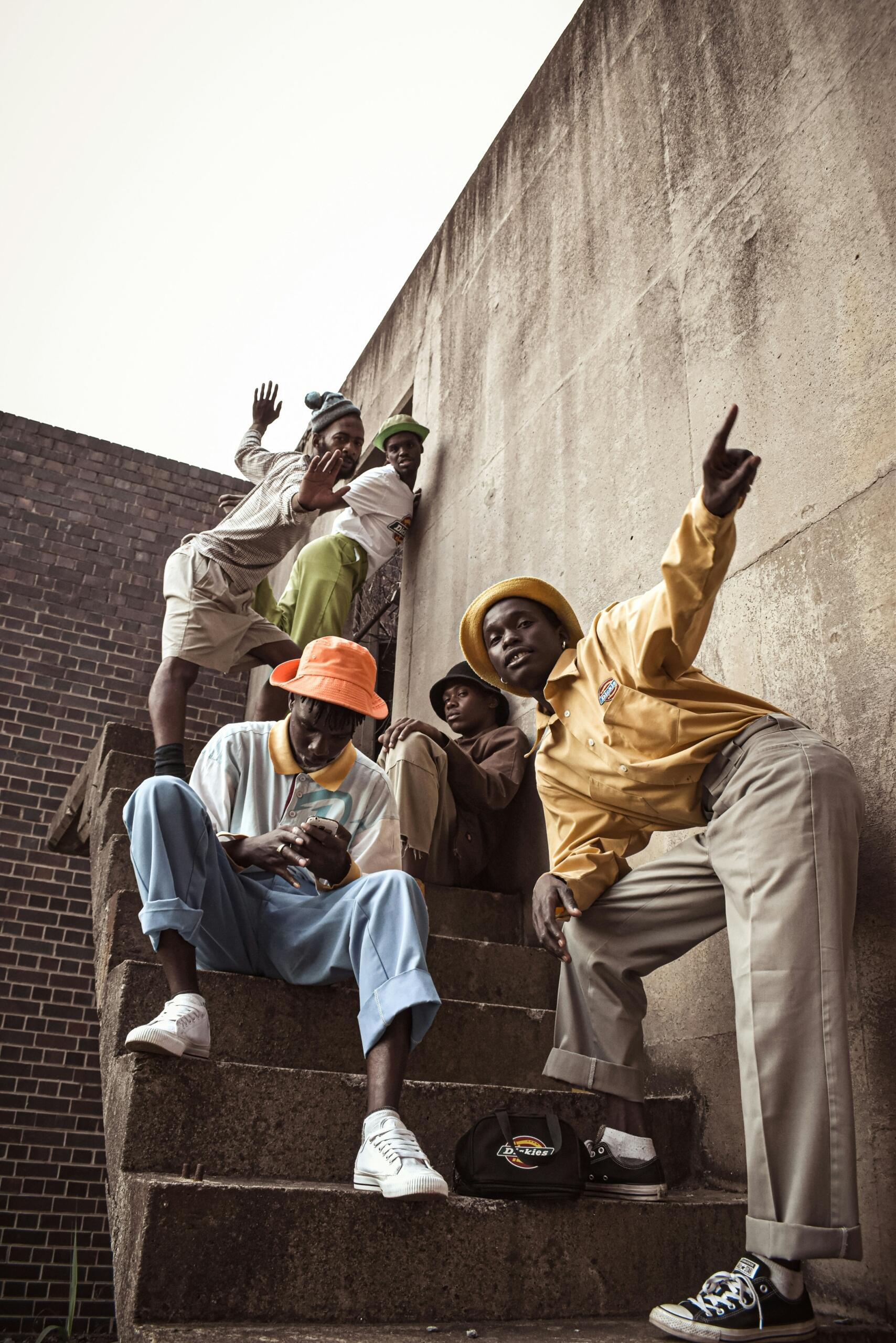
The official stage production describes him as the “voice and spirit” of the show and credits him with additional music and lyrics, vocal scoring and choral direction.
If you have already read our article exploring the languages, voices and cultural influencesbehind Disney's African kingdom you'll know that this relationship extends well beyond one recording session.
The film's South African connections are particularly interesting because they were not simply decorative. Real South African artists participated in the creative process, while the use of isiZulu gave audiences an opportunity to hear a South African language in one of the world's most successful animated films.
The result was a fictional African kingdom with a very real Southern African voice.
The Zulu Language Version was a Remarkable Milestone
One of the most fascinating parts of the story is the Lion King Zulu version of the original animated film.
The dub was titled Inkosi Ubhubesi, meaning “The King Is a Lion”. It featured South African voice performers including Dominic Tyawa as Mufasa, Fezile Mpela as Simba and Wendy Molefe as Nala. The music also included South African performers, with Lebo M appearing on the isiZulu version of “Circle of Life”.
That makes the Lion King Zulu version particularly significant. Disney was not merely adding subtitles for South African audiences. It created a full local language adaptation, involving South African voices and musicians.
For a country with eleven official languages, that kind of localisation carries particular significance. It allows a familiar international story to be experienced through a language that belongs to the audience watching it.
South African Performers Took Pride Rock Around the World
The South African connection did not stop with the film.
The stage musical created another international route for South African performers, and the official The Lion King cast pages contain numerous examples. Mduduzi Madela, who was born and raised in Umlazi, has played Simba on Broadway and is described by the production as one of only two South Africans to have played the role there.
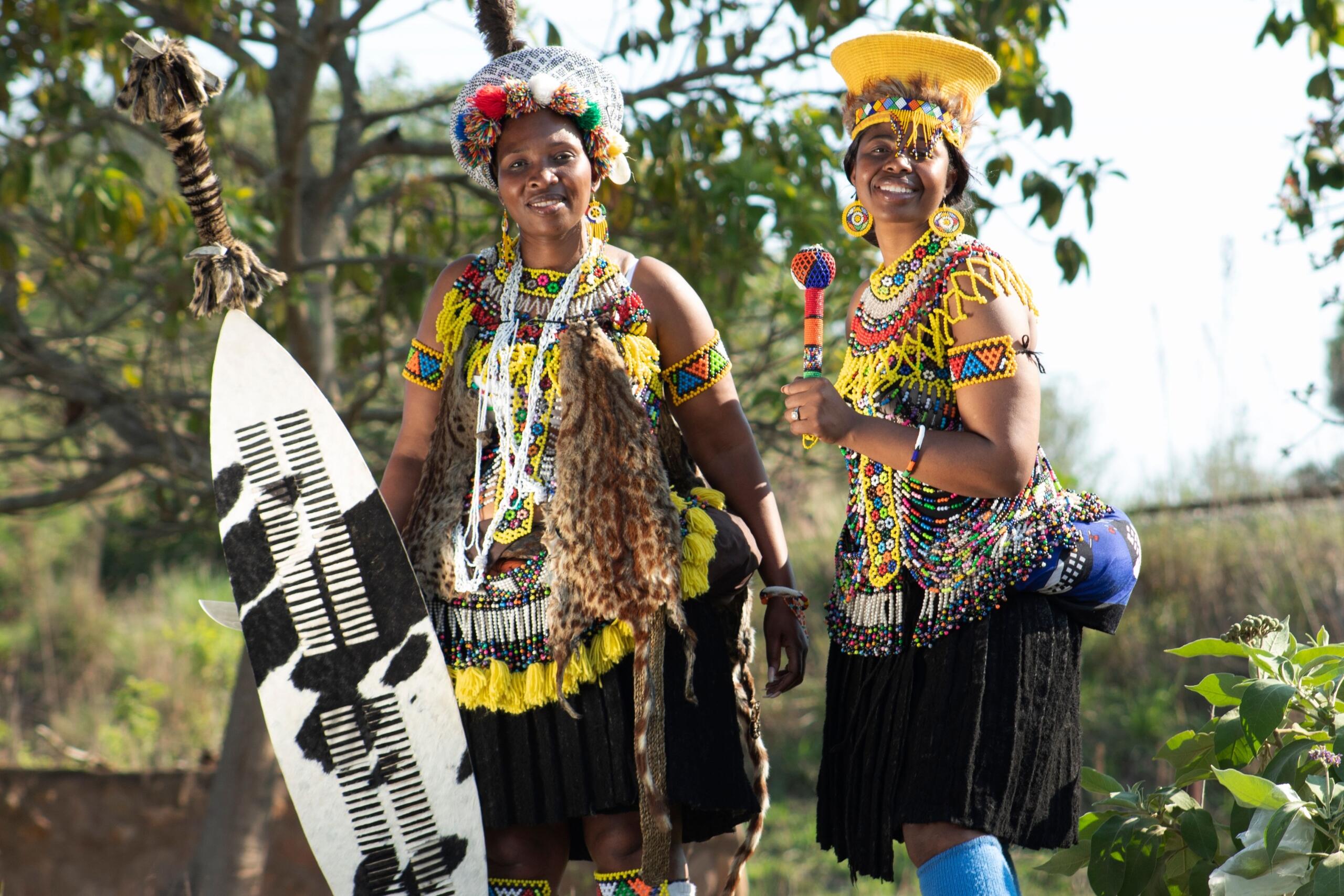
Zinhle Dube, who was born in Durban, has performed as Rafiki and Sarabi in different international productions, including the United Kingdom and London companies.
Amanda Kunene, also from Durban, has performed as Nala on Broadway and holds music qualifications from the University of KwaZulu Natal.
Bongi Duma, born in Durban, has also been part of the Broadway company and was an original cast member of the German production.
These examples make Lion King musical South Africa connections, particularly impressive.
The South African Connection at a Glance
| Connection | South African Contribution |
|---|---|
| isiZulu dub | Zinhle Dube, who was born in Durban, has performed as Rafiki and Sarabi in different international productions, including the United Kingdom and London companies. Amanda Kunene, also from Durban, has performed as Nala on Broadway and holds music qualifications from the University of KwaZulu Natal. |
| Lebo M | Soweto born musician, vocalist and musical contributor |
| Broadway | South African performers including Mduduzi Madela |
| International productions | South African performers across touring and overseas companies |
| Community screenings | Disney Africa and Sunshine Cinema revived the Zulu version in 2024 |
Why the Story Resonates with South African Audiences
The popularity of The Lion King in South Africa cannot be explained by language and music alone. The story itself contains themes that can resonate with audiences here, including family, ancestry, leadership, responsibility and the relationship between generations.
Mufasa's lessons to Simba revolve around responsibility and the idea that a king's role is connected to the wider community. Simba's journey is also about understanding where he comes from and eventually accepting responsibility for his home.
For a deeper look at the royal themes behind Mufasa's character, our exploration of why African kingship themes resonatewith South African audiences is sure to fascinate you.
The Music Made the Connection Even Stronger
If you ask someone what they remember most vividly about The Lion King, there is a good chance they will mention the opening of “Circle of Life”. That iconic voice? It belongs to Lebo M.
Born in Soweto, Lebo M brought South African musical experience into a Hollywood production, working with composer Hans Zimmer and contributing vocals, choral arrangements and additional music. His involvement continued into the stage musical and later productions.
This is where the Lion King South Africa story becomes especially powerful. The film did not simply use African-sounding music to establish an exotic setting. A South African musician became a genuine creative contributor to the soundtrack.
If you want the full story, our article about Lebo M and the musicthat gave The Lion King its distinctive African sound looks at his contribution in much greater detail.
A Film That Helped Put isiZulu on a Global Stage
The opening words of “Circle of Life” are one of the most recognisable examples of isiZulu in international popular culture as well as an important South African connection to Lion King reason.
“Nants ingonyama bagithi Baba” is heard by audiences who may never have encountered isiZulu before. That makes the film an unexpected introduction to a South African language for millions of people.
If you want to understand the words themselves, our deep dive into the meaning of “Nants Ingonyamaexplains the phrase, its literal translation and its connection with ideas of kingship.
The Lion King Zulu connection therefore has two dimensions. There is the language heard in the famous opening, and there is the full isiZulu dubbed version that allowed South African audiences to experience the story in their own language. While both are significant, but they are not the same thing. The opening chant is part of the original soundtrack. The dubbed film is a complete language adaptation.
The language mix is particularly interesting because the difference between Swahili and isiZuluhelps explain why some of the film's African words come from East Africa while others come directly from South Africa.
The Lion King in South African Pop Culture
By now, The Lion King is familiar to several generations of South Africa.
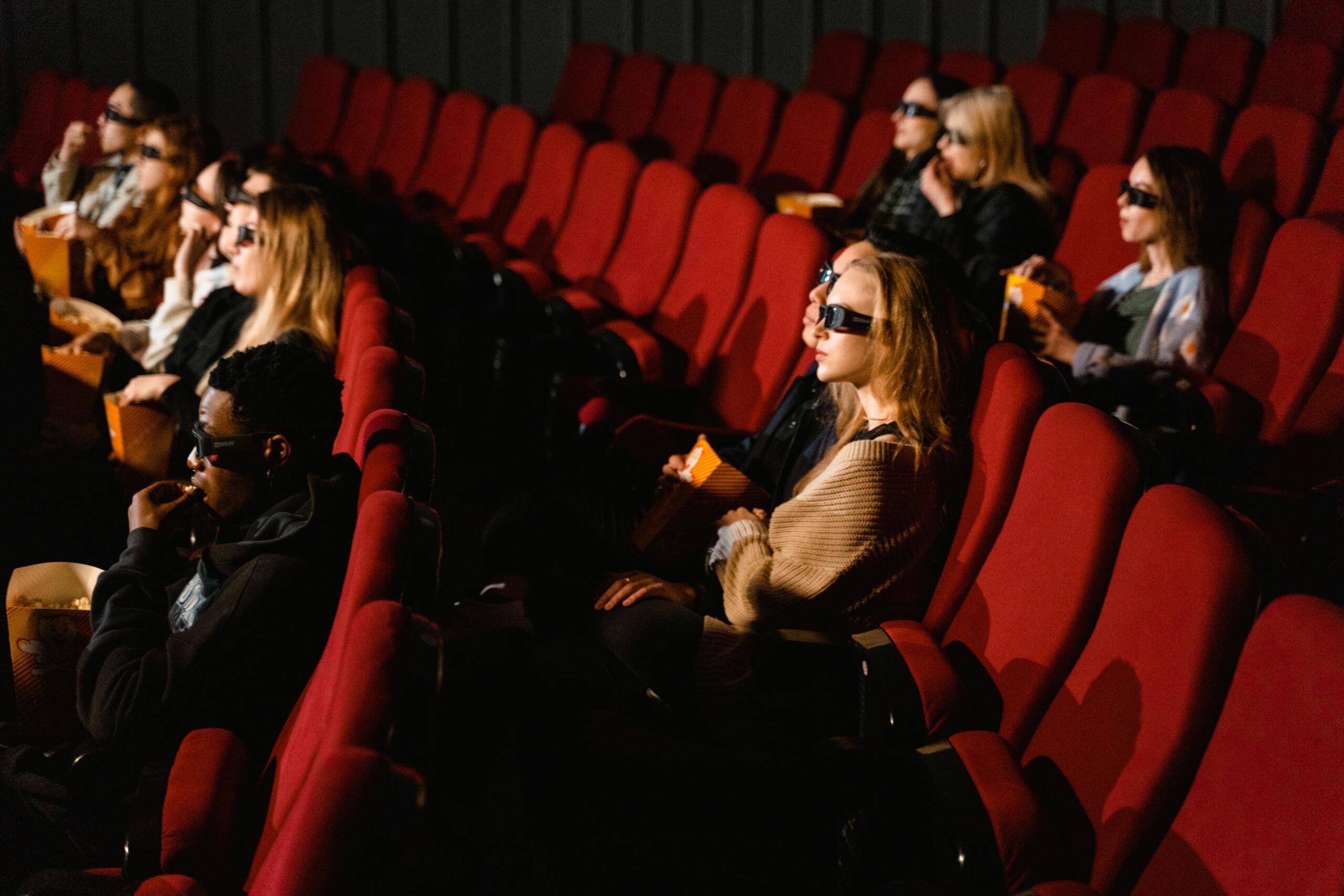
Someone who saw the 1994 film at a Cape Town, Durban or Johannesburg cinema may now be watching the story with their own children. Schools and community organisations have also used familiar films and songs as starting points for discussions about language, storytelling and culture.
The 2024 Disney Africa and Sunshine Cinema screenings are a good example of this continuing relationship. The project brought the isiZulu version to communities in several provinces and connected screenings with conversations about conservation, family, belonging and the role of art.
Why the South African Connection is Still Relevant
The Lion King South Africa connection shows what can happen when global entertainment meets local creative talent. A South African musician helped shape the soundtrack, South African performers have taken major roles in international stage productions, and a complete isiZulu version was created for local audiences.
True and Not True
If you're interested in how Hollywood handles African languages, our article examining when African language representation gets it right and wrong provides useful context.
A Franchise with a Place in South African Memory
There is something quite special about hearing your country's language in a film watched around the world. For South Africans, The Lion King offers that experience in several ways.
You can hear isiZulu in the opening chant, hear South African musical influence in the soundtrack and watch South African performers take the story onto international stages.
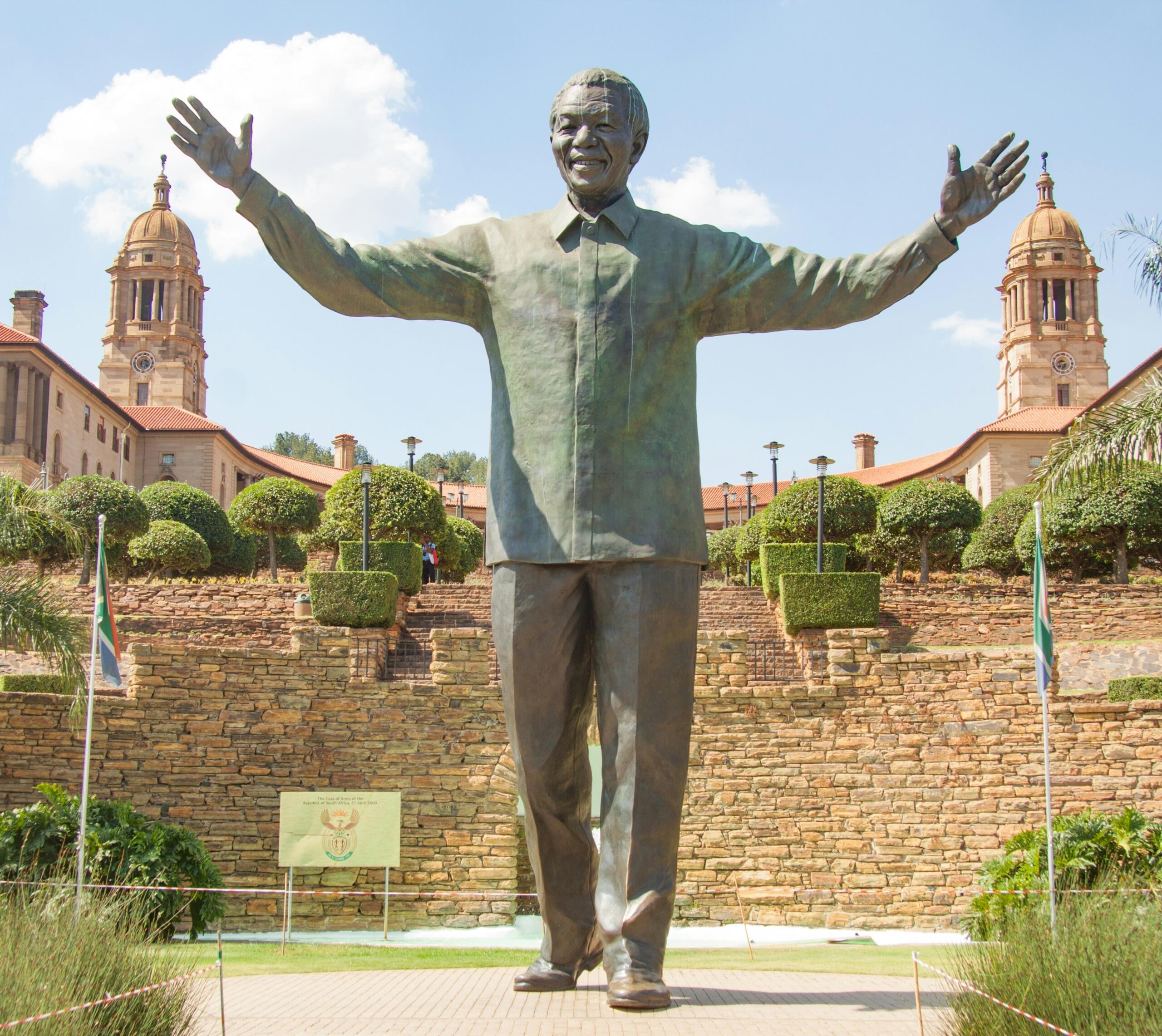
And there is another connection that is easy to overlook. The Lion King arrived in South Africa in 1994, the same extraordinary year in which the country held its first democratic election. That timing does not prove that the film's success was caused by the country's political transition, but it provides an interesting historical backdrop to its enormous local popularity.
Thirty years later, Disney was still celebrating the film with isiZulu community screenings across South Africa.
So, if you grew up watching Simba, Mufasa and Nala, there is a good chance that The Lion King is part of your own cultural memory, and perhaps that is the most meaningful South African connection to Lion King facts of all.
Summarise with AI:
Enjoyed this article? Leave a rating!

 Loading...