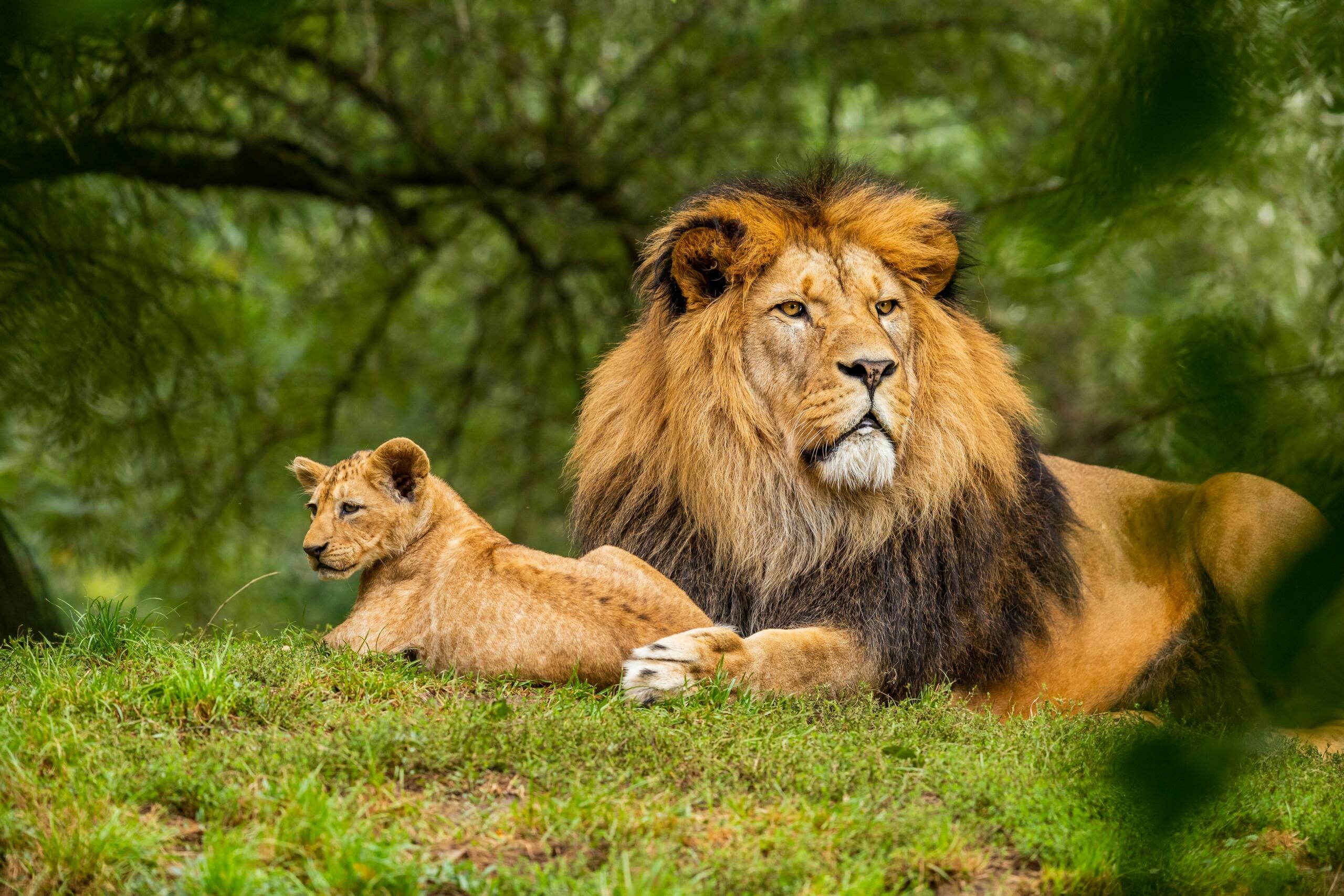

You might think you know The Lion King after three decades of watching Simba, Mufasa and Nala on screen. But once you look beyond Pride Rock, there are some genuinely fascinating connections to South Africa. The film was made by Disney in the United States, yet South African language, music and performers have played an important role in the franchise from the original 1994 animation through the stage musical and later films.
If you are searching Lion King interesting facts, particularly if you are watching the film with children or discussing it in a South African classroom, here they are.


1. The Opening Chant is isiZulu, Not Swahili
The first of in our list of Lion King interesting facts is probably the one most people get wrong. The famous opening of “Circle of Life” is performed in isiZulu, not Swahili. The chant begins with the words commonly written as “Nants ingonyama bagithi baba”, performed by South African musician Lebo M. The phrase is generally translated as “Here comes a lion, father."
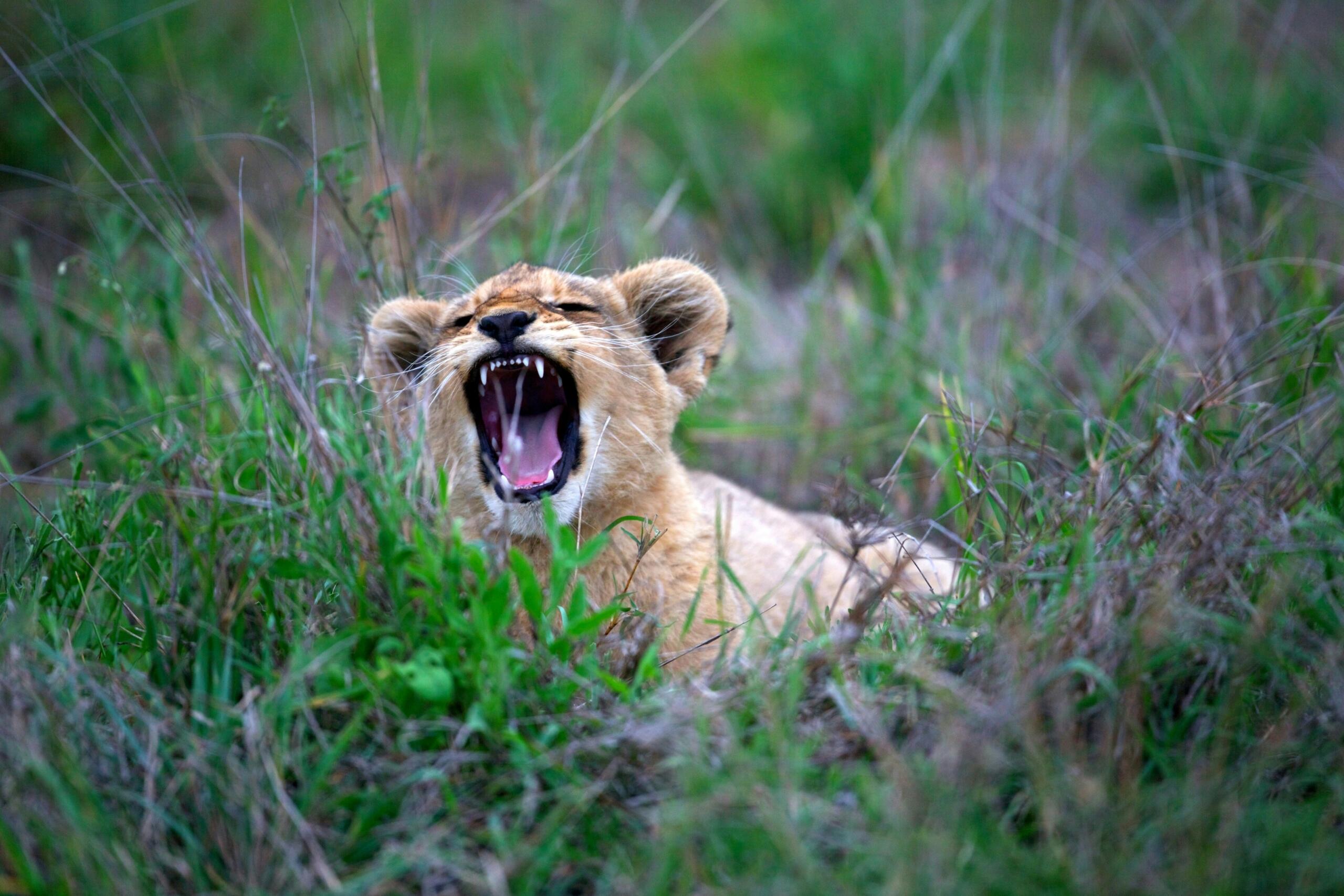
While that phrase is in isiZulu, the film also uses Swahili. Simba, for example, is a Swahili word meaning lion. So, if you have ever assumed that every African word in The Lion King comes from the same language, you are certainly not alone.
Our guide to the difference between Swahili and isiZulu explains why those two languages should not be treated as interchangeable.
2. Lebo M Came From Soweto
The Lebo M Lion King connection begins in Soweto, Johannesburg, where Lebohang Morake was born. Better known as Lebo M, he became one of the most important South African contributors to the franchise.
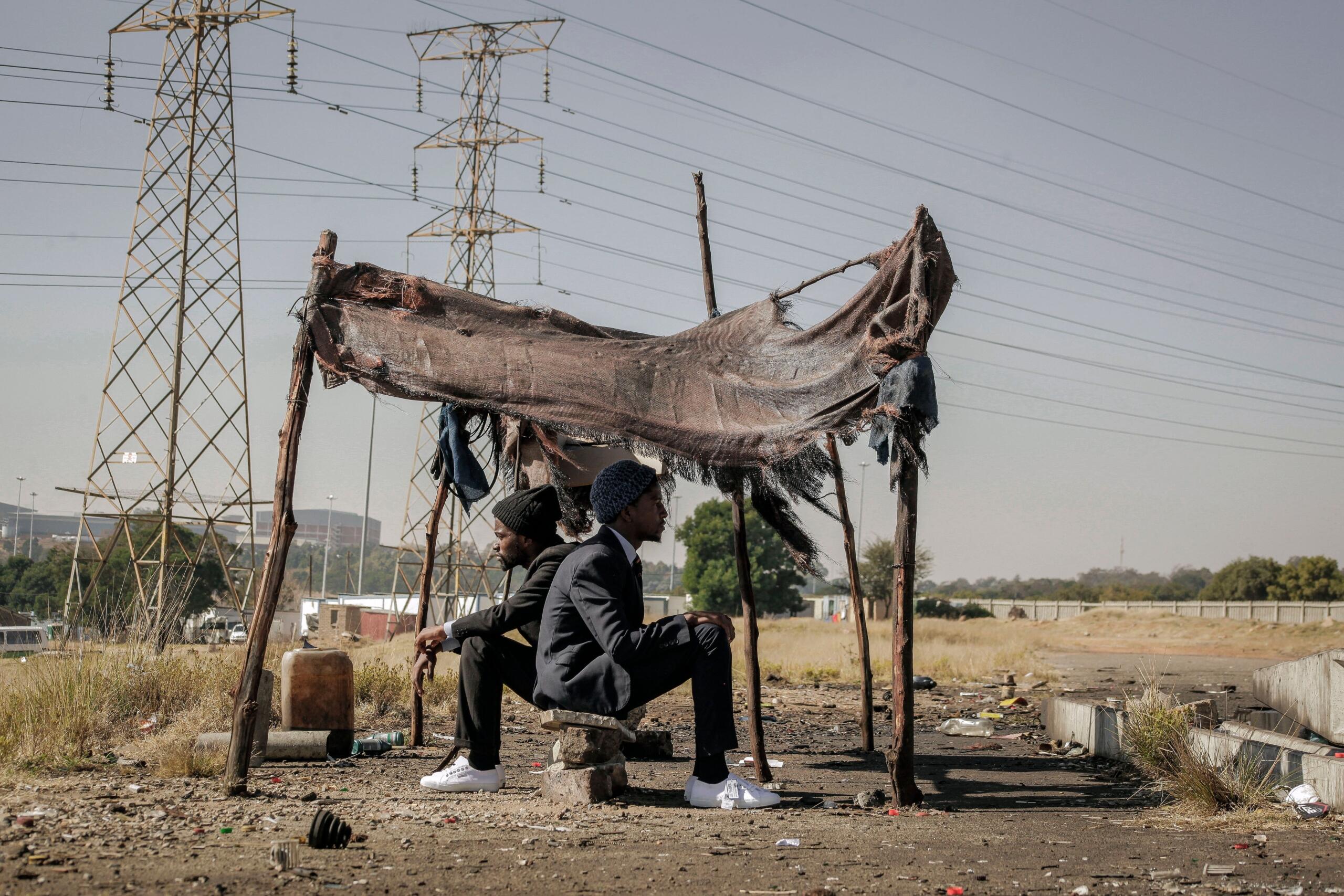
Lebo M was brought into the original film's music process by composer Hans Zimmer. He went on to contribute vocals, arrangements and music to the film and its later stage and screen productions. The International Broadway Database lists him as a performer, composer, lyricist, musical director, arranger and choral director on The Lion King.
The Lebo M Lion King story is therefore much bigger than the few seconds of singing you hear at the beginning. His work became part of the franchise's musical identity.
Our story of Lebo M and the music of The Lion King takes you further into his career and contribution.
3. The Famous Opening Came From a Demo
Here is another one for your list of Lion King interesting facts that makes the opening even more remarkable. According to Lebo M's own recollections, he was asked to create a demo for the opening sequence. During a recording session, he saw the imagery of Mufasa and began developing the chant.
In a 2019 interview, Lebo M explained that even though attempts were made to recreate it, the original take remained because of its natural quality. This means that the Lebo M Lion King connection began with a creative experiment that became one of the most recognisable openings in film history.
The phrase nants ingonyama bagithi baba has consequently become one of the best-known examples of isiZulu in international popular culture.
4. South African Choral Influence Goes Beyond One Phrase
The South African contribution to The Lion King is not limited to nants ingonyama bagithi baba. Lebo M was involved in the musical development of the entire franchise, and his credits include choral direction and vocal arrangements for the Broadway production.
This means that the African quality of the soundtrack does not come simply from adding an unfamiliar language to the first few seconds, but rather that the South African vocal influence became part of the musical identity of the production.
That is why the soundtrack can feel so powerful even when you are not consciously listening to the words. The voices, rhythms and choral textures are part of the storytelling.
The Lebo M Lion King relationship also continued through the stage musical, where his credits include additional music, lyrics, vocal arrangements and choral direction.
5. Disney Created a Zulu Dub
Also on the list of Lion King interesting facts is that the original animated film was dubbed into isiZulu for South African audiences. The Lion King Zulu version was titled Inkosi Ibhubesi and was released in 1994, with a South African cast including Dominic Tyawa as Mufasa and Fezile Mpela as Simba and the dubbing record also credits Lebo M on the version's music.
For South African viewers, the Lion King Zulu version was significant because it made a major international animated film available in one of the country'sofficial languages. Not only that, but the Lion King Zulu dub also reminds us that the franchise's South African language connection did not begin with recent streaming platforms or renewed interest in African representation. Instead, it was already present in the film's original era.
Our article on the South African connection to The Lion King looks more closely at the history and significance of the local version.
6. Ingonyama Carries Royal Associations
The word “ingonyama” is usually translated simply as “lion”, but there is additional cultural context behind it. In Zulu usage, ingonyama can carry royal associations and is used in the title of the Zulu king.
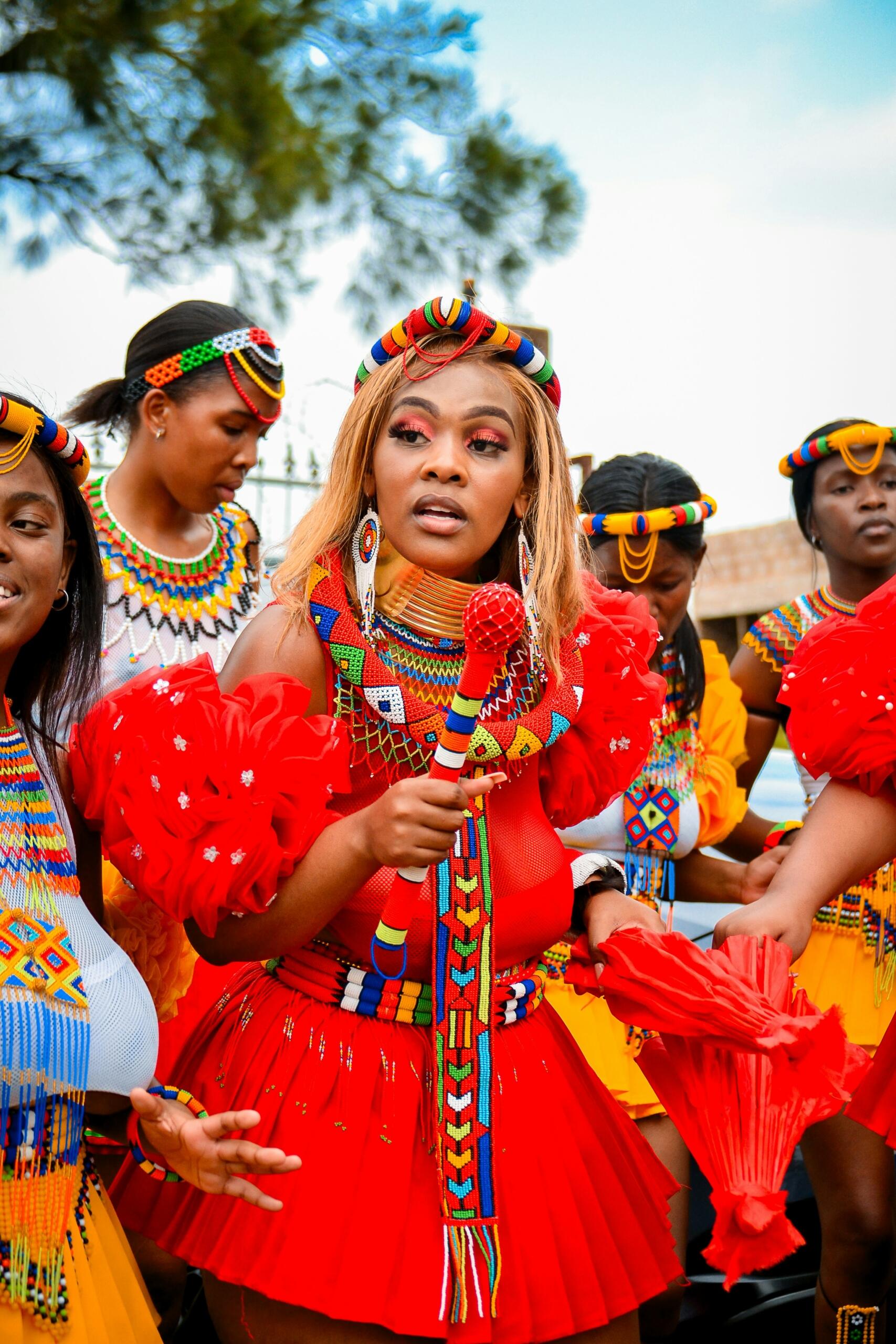
That gives nants ingonyama bagithi baba a more ceremonial quality than an ordinary description of an animal. It helps explain why the opening feels like an announcement rather than simply a dramatic piece of soundtrack music.
The Lion King Zulu connection is therefore about more than hearing a South African language. The words themselves carry meaning and cultural associations.
If you want to understand the wording in greater detail, our explanation of the meaning behind Nants Ingonyamalooks at the isiZulu phrase, its translation and the associations surrounding ingonyama.
7. South African Performers Became Part of the Stage Show
Among the Lion King interesting facts are the South African accolades associated with the theatre production.
South African performers have been part of The Lion King stage productions around the world, including the original Broadway production and international touring companies.
The official Lion King Broadway database records South African artists among the production's performers. The show's official cast information also includes performers born in Durban and other South African connections.
There is simply nothing else like it.
The New York Times
It's worth emphasising that the franchise did not simply borrow African visual imagery and then move on. Instead, South African performers have continued to contribute their voices, movement and musical skills to productions seen by audiences internationally. For a young person in South Africa who dreams of performing, this is hugely encouraging. The Lion King Zulu connection may have begun with a dubbed film, but South African involvement with the wider franchise has continued on major international stages.
8. The Franchise Mixes isiZulu and Swahili
Also on the list of Lion King interesting facts is its linguistic value. The Lion King does not represent Africa through one language, but combines different African influences, including isiZulu and Swahili.
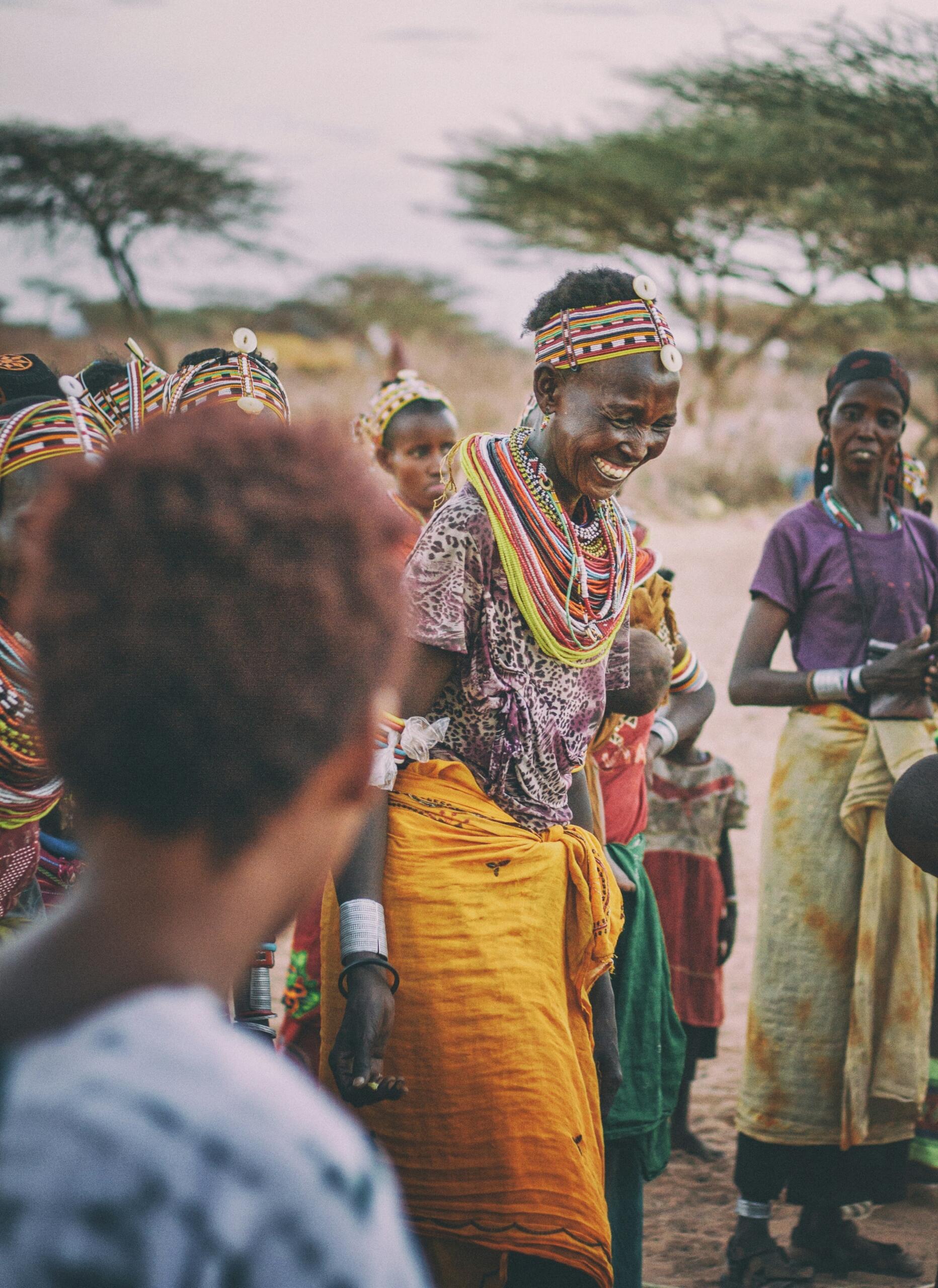
The opening chant is isiZulu, while Swahili appears in names and terminology used throughout. For instance, Simba means lion in Swahili, while Rafiki means friend.
This mixture is one reason the film should not be treated as a documentary representation of a particular African society. In fact, the Pride Lands are fictional, and Disney drew on different cultural and linguistic sources to create them.
For more on how African languages have been handled in international cinema, our article on African languages in Hollywood and when representation gets it right or wrong is important.
9. The Film's Ideas About Ancestors and Community Have South African Resonance
Another of the Lion King interesting facts is less about a particular word and more about the ideas running through the story. For instance, Mufasa remains important to Simba after his death, and Rafiki acts as a spiritual guide who helps Simba reconnect with his identity and responsibilities.
Respect for elders, family continuity and relationships between generations are important themes across many African societies, although African cultures are not all the same and should never be treated as one tradition.
The film's ideas about community and leadership can also resonate with Southern African concepts such as ubuntu. It is important, however, not to claim that The Lion King was literally based on ubuntu. Rather, the comparison is simply about shared themes.
To find out more, don't miss our discussion of Mufasa, Mandela and African ideas about leadership.
10. Lebo M Returned for Later Lion King Projects
Lebo M continued contributing to The Lion King after the 1994 animation, including the Broadway musical and the 2019 film. He also contributed music and performances to Mufasa: The Lion King, released in 2024.
The Lebo M Lion King relationship has therefore lasted for three decades. What began with a recording session for an animated film became a continuing creative partnership across stage and screen.
The Lebo M Lion King story is a remarkable example of how one South African artist became part of a global entertainment franchise across several generations.
Why These Facts Count
Once you know these details, watching The Lion King becomes a little different. You can hear the opening isiZulu chant and recognise that it comes from a real South African language. You can recognise Lebo M's contribution and understand why the music has such a distinctive vocal character.
The Lion King Zulu version also gives South African viewers another reason to see the franchise differently. The film was not simply something made overseas and imported into the country. South African artists and language were incorporated into its history from the beginning.
Here comes a lion father
Lion
Friend
For South African audiences, there is something particularly satisfying about seeing local language, music and performers become part of a global cultural phenomenon. The franchise may have been created in Hollywood, but South African creativity has influenced the way audiences around the world experience it.
The phrase nants ingonyama bagithi baba is not just memorable film sound. It is part of a real South African language and one of the most recognisable pieces of African language in global popular culture.
If you only remember a handful of details from this article, make them these:
Key Takeaways
- The famous opening is isiZulu.
- Lebo M came from Soweto.
- The original film (1994) had an isiZulu dub.
- South African performers continue to take the story to the stage around the world.
Ultimately, the Lion King Zulu version, the music of Lebo M and the phrase nants ingonyama bagithi baba all tell part of a much bigger story about South African creativity.
That may be the most interesting fact of all: The Lion King is a Hollywood production, but South African language, music and talent have helped make its African identity what it is.
For the bigger picture, the languages, voices and culture behind The Lion King reveal just how much South African creativity has contributed to the franchise.
Summarise with AI:
Enjoyed this article? Leave a rating!

 Loading...