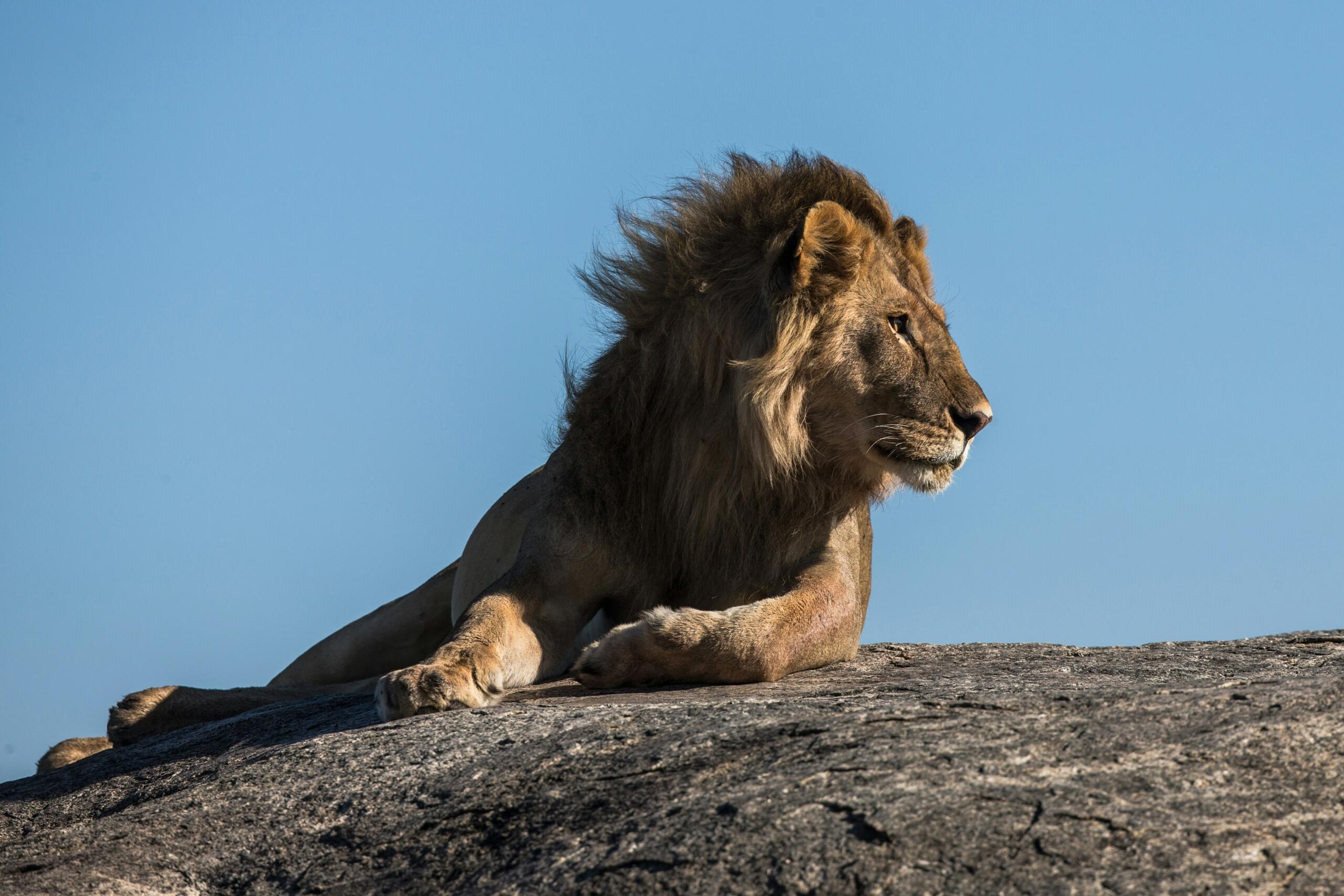

When you watch Mufasa teaching Simba about leadership, responsibility and the natural world, it is easy to see why the character feels familiar to South African audiences. Mufasa is fictional, and The Lion King is not a documentary about African kingship, but the film explores ideas that have real resonance in Southern Africa: respect for elders, responsibility to the community, ancestry and the belief that leadership carries obligations as well as privileges.
It is in your hands to create a better world for all who live in it.
Nelson Mandela
This makes the journey from Mufasa to Mandela an interesting way to think about leadership, even though the two figures belong to completely different worlds. Mufasa is an animated lion king, while Nelson Mandela was South Africa's first democratically elected president. Bear in mind that there is no evidence that Disney based Mufasa on Mandela, but the connection rests on the qualities that audiences naturally recognise in both characters: responsibility, reconciliation, service, and the importance of thinking beyond oneself.
If you have followed our series so far, you will already know that the film has a surprisingly strong South African connection. Our guide to the languages, voices and culture behind Disney's African kingdomexplores how South African language and musical traditions became part of the film's identity.
If you are searching Lion King ancestors or ubuntu Lion King, keep reading, this article is for you.


Mufasa as a Symbol of Leadership
Mufasa is presented as a king who understands that his position is a responsibility. When he explains the relationship between the animals of the Pride Lands, he does not tell Simba that being king means simply having power over everyone else.
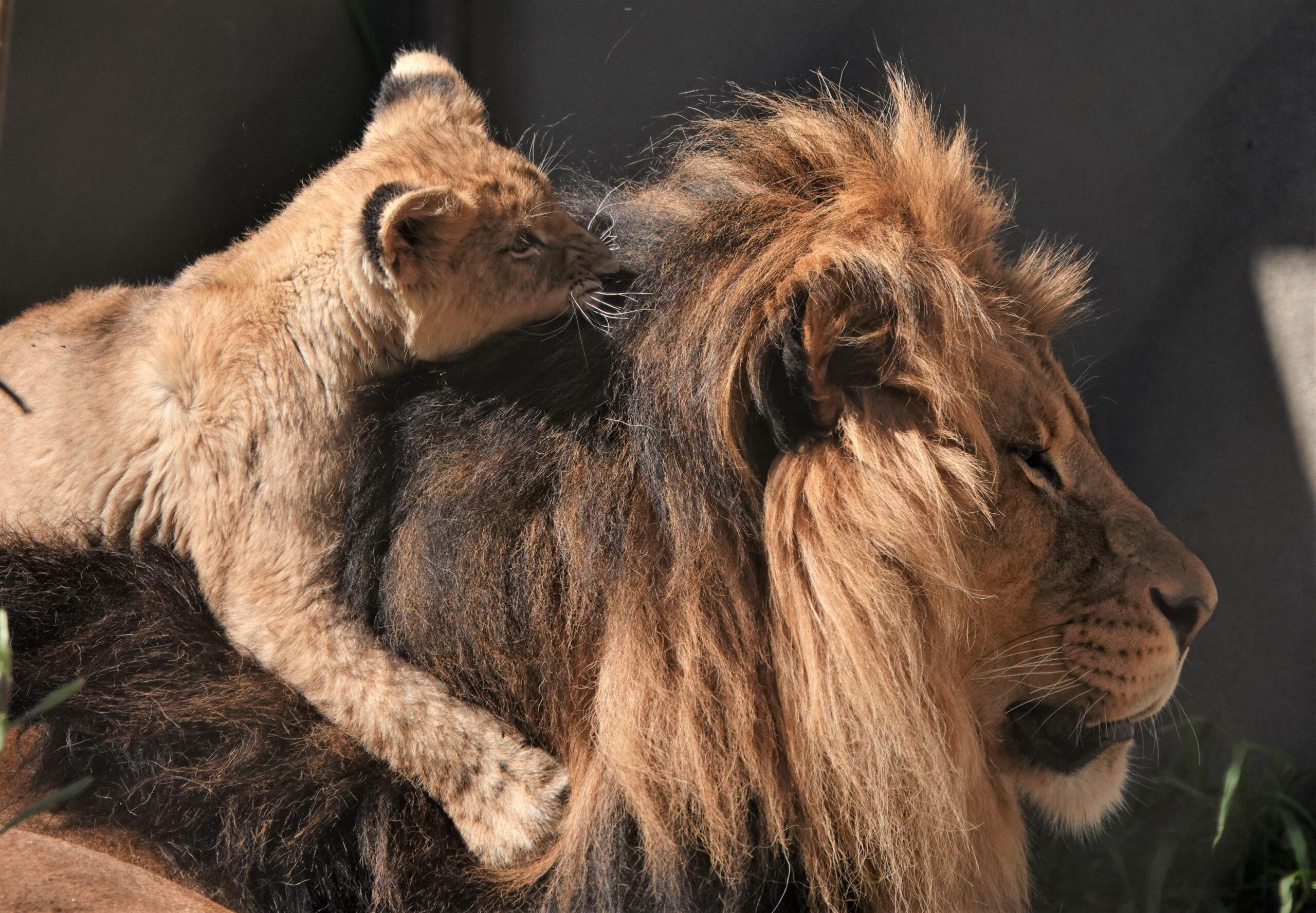
Instead, he describes a system in which different creatures depend upon one another.
That idea is central to your search for Mufasa meaning where his character is responsible for the Pride Lands and for preparing Simba to take his place within that system.
One of the strengths of Mufasa's character is that his leadership is shown through ordinary actions rather than grand speeches alone. Here's a snapshot of how his leadership differs from that of Scar's.
| Mufasa's Leadership | Scar's Leadership |
|---|---|
| Responsibility | Personal ambition |
| Stewardship | Exploitation |
| Guidance | Manipulation |
| Community | Self interest |
| Long Term Thinking | Immediate power |
The comparison is deliberately simple, but it explains why Mufasa is remembered as a “good king” while Scar is not.
For South African readers searching ubuntu Lion King, it also provides an accessible way to discuss leadership with children and teenagers without turning the conversation into a political lecture.
That is where the concept of "from Mufasa to Mandela" becomes an interesting comparison rather than a claim of direct inspiration.
The Importance of Elders and Ancestors
One of the most moving parts of The Lion King comes after Mufasa's death, when Simba struggles with his father's absence and later encounters his memory through Rafiki's guidance.
Rafiki is a spiritual and community figure who helps Simba understand that his father remains part of his identity. To make the point, Mufasa's appearance in the sky is presented within the film's fictional spiritual world, rather than as a direct representation of any one African religious tradition.
Nevertheless, any search for Lion King ancestors or circle of life meaning will reveal how the importance given to ancestors and elders can resonate strongly with South African audiences.
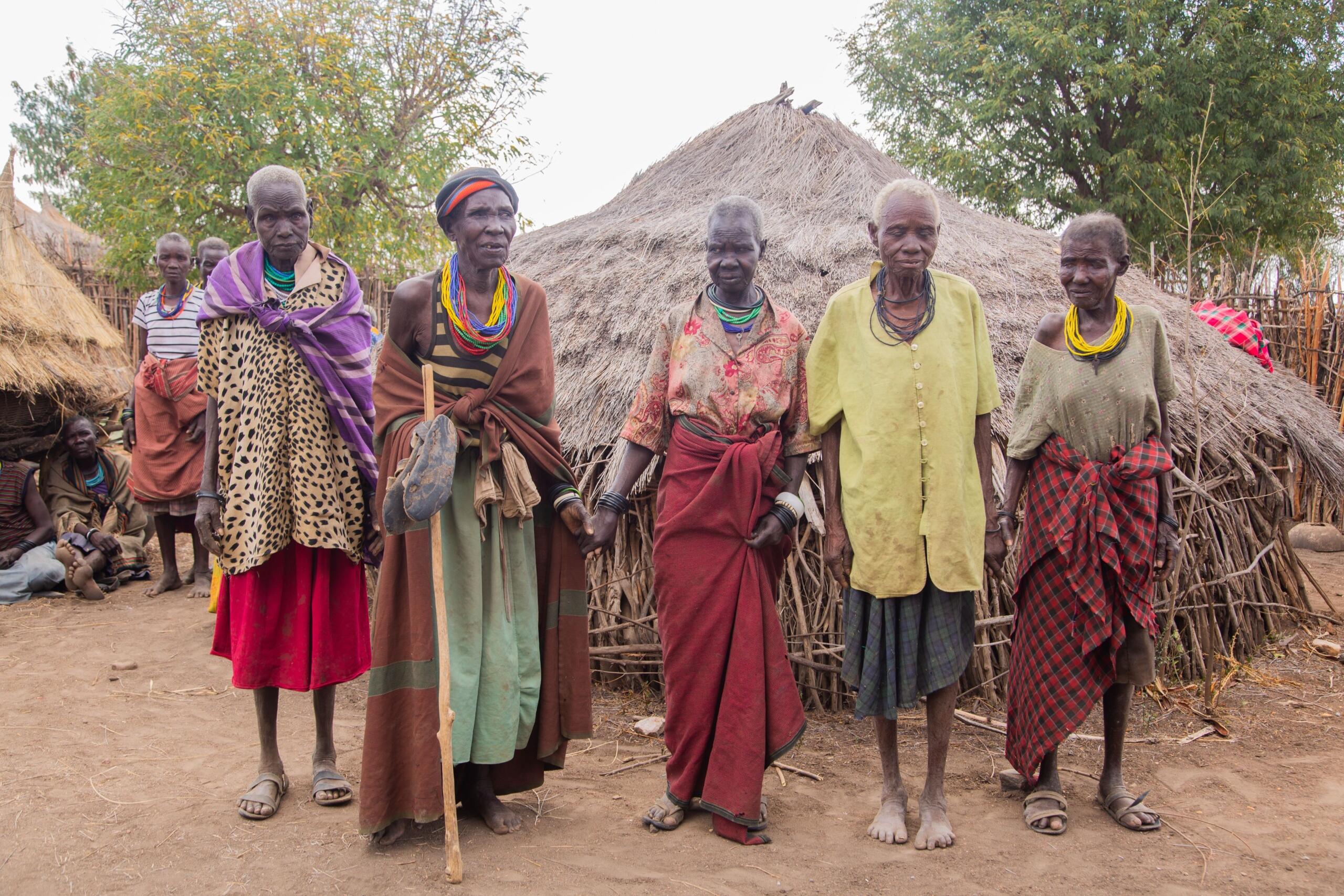
In many African cultural traditions, ancestors have an important place in ideas about family, identity and continuity between generations. It would be misleading to suggest that every African culture understands ancestors in exactly the same way, but respect for older generations is a widespread theme.
The famous instruction to “remember who you are” therefore carries more weight than simply reminding Simba of his name. It connects identity with family, history, responsibility and indeed, those Lion King ancestors.
This is also why our article exploring the meaning of the famous “Nants Ingonyama” opening fits naturally with this portrayal of kingship.
What Does Mufasa Mean as a King?
The Mufasa meaning within the story is closely connected to the kind of king he represents. He is firm when Simba disobeys him, but his lessons are generally about understanding consequences and protecting the wider community.
His famous explanation of the circle of life meaning is particularly important. Simba learns that being at the top of the hierarchy does not make the king any different from everyone else. Instead, he learns that the king is part of a much larger system.
This distinction between authority and responsibility is at the heart of leadership. It shows that a leader can have power because of a position, but good leadership requires an understanding of how that power affects other people. This is one reason audiences can still discuss Mufasa's leadership decades after the original film was released.
Power is of two kinds. One is obtained through the fear of punishment, and the other through acts of love.
Mahatma Gandhi
The Circle of Life Meaning: More Than a Song
You probably know “Circle of Life” as one of the film's most recognisable songs, but the concept is woven throughout the story itself.
The circle of life meaning in the film involves interconnectedness. Animals depend on one another, generations follow generations, and Simba eventually has to understand that his individual story is connected to the future of the Pride Lands.
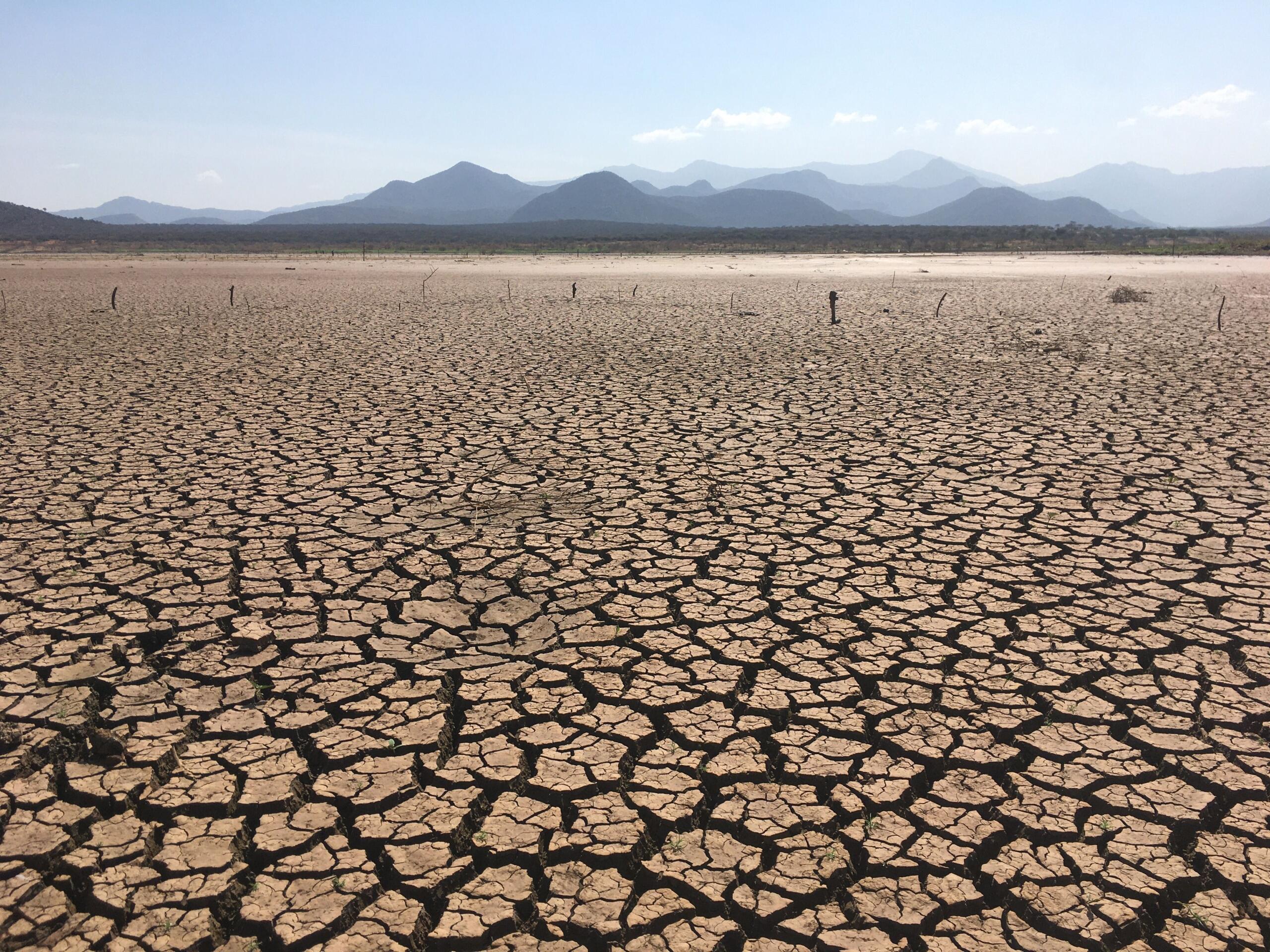
There is an ecological dimension too. Mufasa teaches Simba that everything has a place within the wider natural system. On the contrary, when Scar takes control, the Pride Lands suffer because that balance is disrupted. Of course, this is not only an African philosophy.
What we can say is that the film's African setting gives those ideas a particular cultural atmosphere. The landscapes, music, language and references to family and ancestry encourage audiences to interpret the story through an African lens.
If you want to understand the soundtrack behind that atmosphere, our look at Lebo M and the South African musical influence behind The Lion Kingexplains why the music feels so important to the film's emotional identity.
Where Ubuntu Fits In
"Ubuntu Lion King" is a useful phrase for discussing similarities between the film's themes and the Southern African philosophy of ubuntu, but bear in mind that it should not be used to claim that The Lion King was based on ubuntu.
In short, ubuntu is strongly associated with Southern African philosophical and ethical traditions. The term, which comes from the Nguni languages, is commonly connected with ideas of humanity, interconnectedness and responsibility towards others.
Here, the Nelson Mandela legacy also connects with the ubuntu Lion King concept regarding community and mutual responsibility. In a 2006 explanation, he described a traveller arriving in a village and being offered food and hospitality, using the example to explain one aspect of the philosophy.
UNESCO describes ubuntu as connected to the idea that “a person is a person through other persons."
There are obvious parallels with The Lion King. Mufasa teaches Simba that his actions affect the wider community. Simba eventually returns to Pride Rock rather than pursuing a life entirely separate from his responsibilities. The story repeatedly emphasises relationships between individuals, families and the wider natural world.
That makes ubuntu Lion King a useful comparison, provided we describe it as a parallel rather than an established source for the film.
The broader context of this cultural representation is explored in African languages in Hollywood.
From Mufasa to Mandela
This brings us back to that concept of "from Mufasa to Mandela." In short, the Nelson Mandela legacy of leadership was characterised by the realities of apartheid, imprisonment, political struggle and the transition to democracy. Of course, Mufasa's leadership exists entirely within a fictional story about lions and the two are certainly not equivalent.
Metaphorically, however, Mandela's public emphasis on ubuntu offers a useful South African example of leadership connected to community and responsibility.
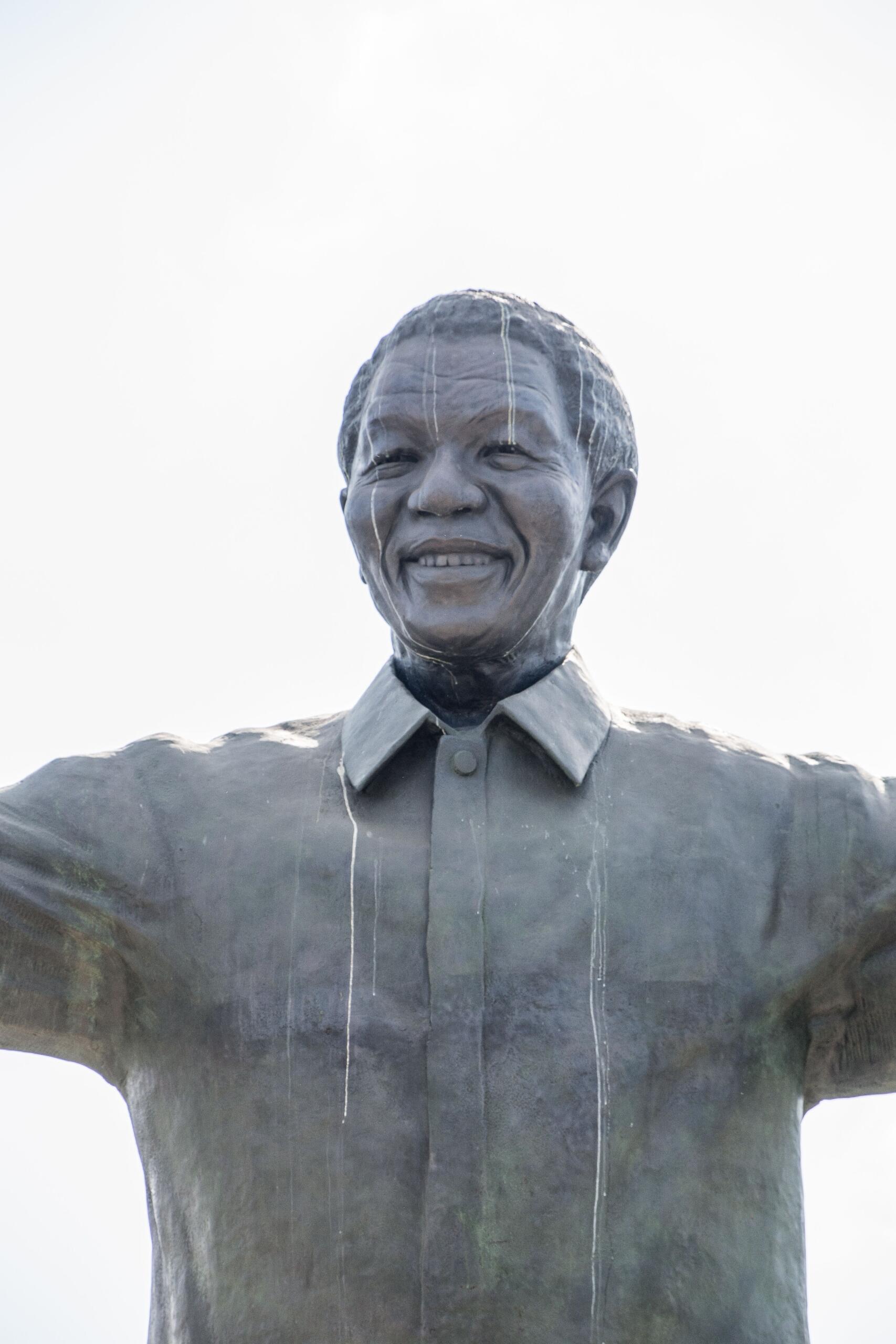
This gives the Nelson Mandela legacy a place in our discussion without turning Mufasa into a fictional version of Mandela.
Mandela's legacy is grounded in real South African history. His leadership during the country's transition from apartheid to democracy made reconciliation, human dignity and nation building central themes of his public life. While the fictional Mufasa cannot carry that historical weight, it does beg the question: what does a person with power owe to the people around them?
That question is relevant whether you are discussing a king in a Disney film, a traditional leader, a school principal or a president.
This connection is explored further in the South African story behind The Lion King
The Significance of Simba's Return
Simba's eventual return to the Pride Lands is another reason the film's leadership themes work so well.
He could have avoided his responsibilities, but instead he eventually confronts his past, learns the truth about his father's death, and accepts his role in restoring the Pride Lands. This is where the circle of life meaning becomes connected to leadership. The story is not simply about Simba becoming king. It is about him understanding what that position requires.
And if you're interested in the film's use of different African languages and the importance of getting those distinctions right, our comparison of Swahili and isiZulu in The Lion King provides useful context.
Why These Themes Still Resonate in South Africa
The reason these ideas continue to resonate is that South Africans live in a society where questions about leadership, community and responsibility remain very real.

You might encounter discussions about traditional leadership in Limpopo or KwaZulu-Natal, debates about political leadership in Johannesburg, or conversations about community responsibility at a school in Cape Town.
The circumstances are obviously very different from Pride Rock, but the underlying question remains familiar: what makes someone worthy of trust?
So, whether you want to know more about the circle of life meaning, or Lion King ancestors, you can discover more details in other South African facts hidden in The Lion King
Summarise with AI:
Enjoyed this article? Leave a rating!

 Loading...