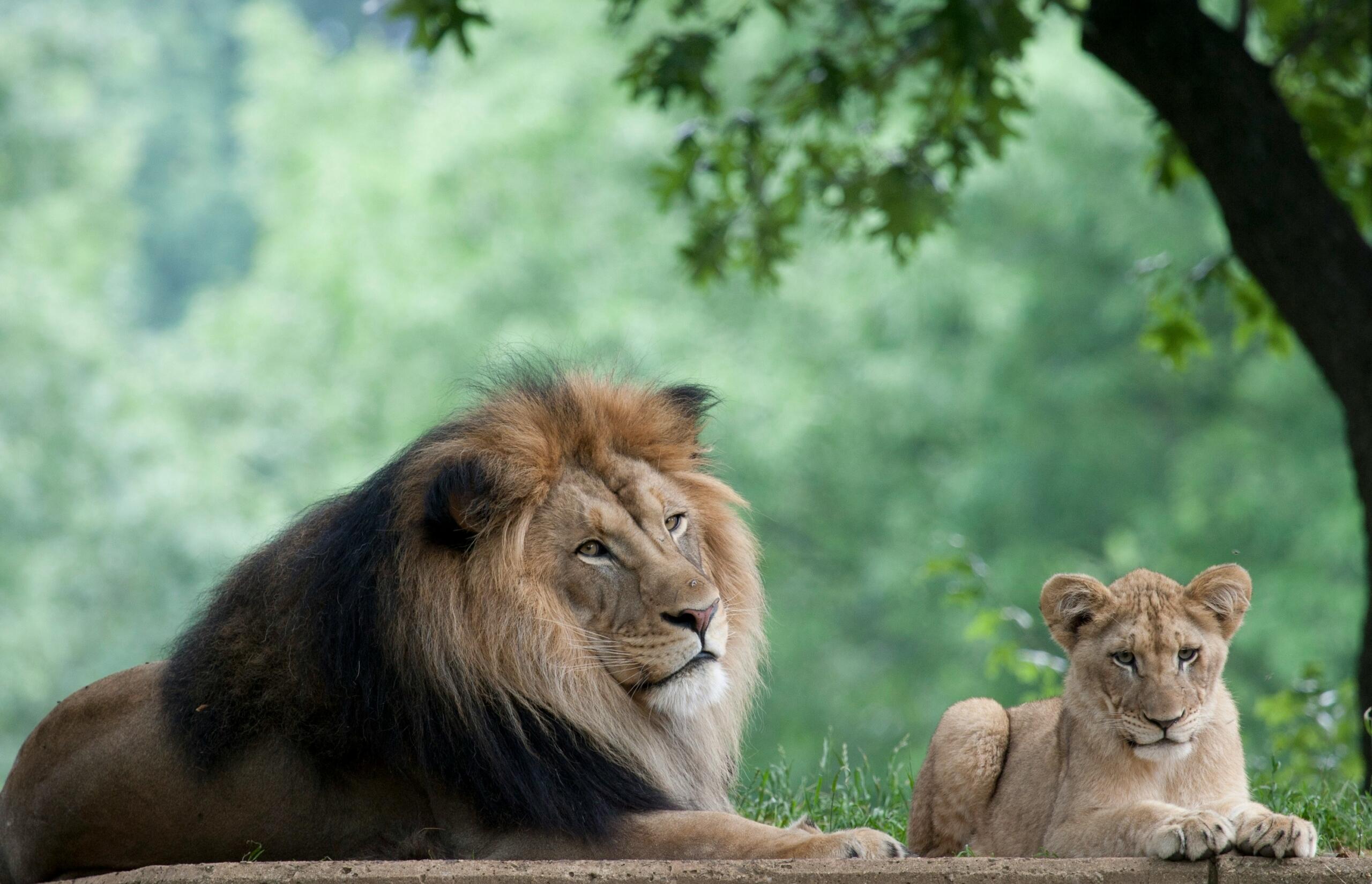

When the opening notes of The Lion King's opening song The Circle of Life begin, you probably know what comes next. A powerful voice that rises over the African landscape and announces:
Nants ingonyama bagithi Baba.
Lebo M, South African Musician
The translation? Here comes a lion, Father. Even though these words are instantly recognisable to millions of people, most viewers don't know what they mean, which language they belong to, or why they sound so ceremonial. The answer leads us to South Africa.
First, contrary to popular belief, the famous chant is in isiZulu, not Swahili, and it was performed by South African musician Lebo M. While the phrase has a straightforward literal translation, its cultural meaning is richer. Lebo M has subsequently explained that the chant is a royal proclamation that acknowledges the arrival of a king, which makes the nants ingonyama meaning much more interesting than a simple dictionary definition.


The Words That Opened the Imagination of a Generation
The opening of the Lion King is one of the most memorable introductions in animated film. Before Simba appears, the sunrise stretches across the Pride Lands while the chant announces the arrival of the lion.
So, if you've ever wondered about the nants ingonyama bagithi meaning, the literal translation is one thing, while the deeper interpretation has rich context.
Lebo M has explained that Nants ingonyama literally means “Here comes a lion," but metaphorically acknowledges the arrival of King Mufasa. He described the intended sense as “all hail the king” and bowing in the presence of the king. This is why nants ingonyama meaning needs more explanation than a word-for-word translation.
And if you'd like to explore the wider South African story behind the film, our guide to the South African voices and cultural influences behind Disney's African kingdom gives you the bigger picture.
What Does Nants Ingonyama Actually Mean?
We have explained the overall literal language and the English translation, but to truly understand the isiZulu, let's break down this portion of the script phrase-by-phrase.
| isiZulu Phrase | English Rendering |
|---|---|
| Nants ingonyama bagithi Baba | Here comes a lion, Father |
| Sithi uhm ingonyama | Oh yes, it's a lion |
| Siyo Nqoba | We're going to conquer |
| Ingonyama | Lion |
This gives you a useful basic understanding of the nants ingonyama bagithi baba translation, but of course it is worth noting that the gap that can sometimes exist between literal translation and cultural interpretation!
The Significance of Ingonyama
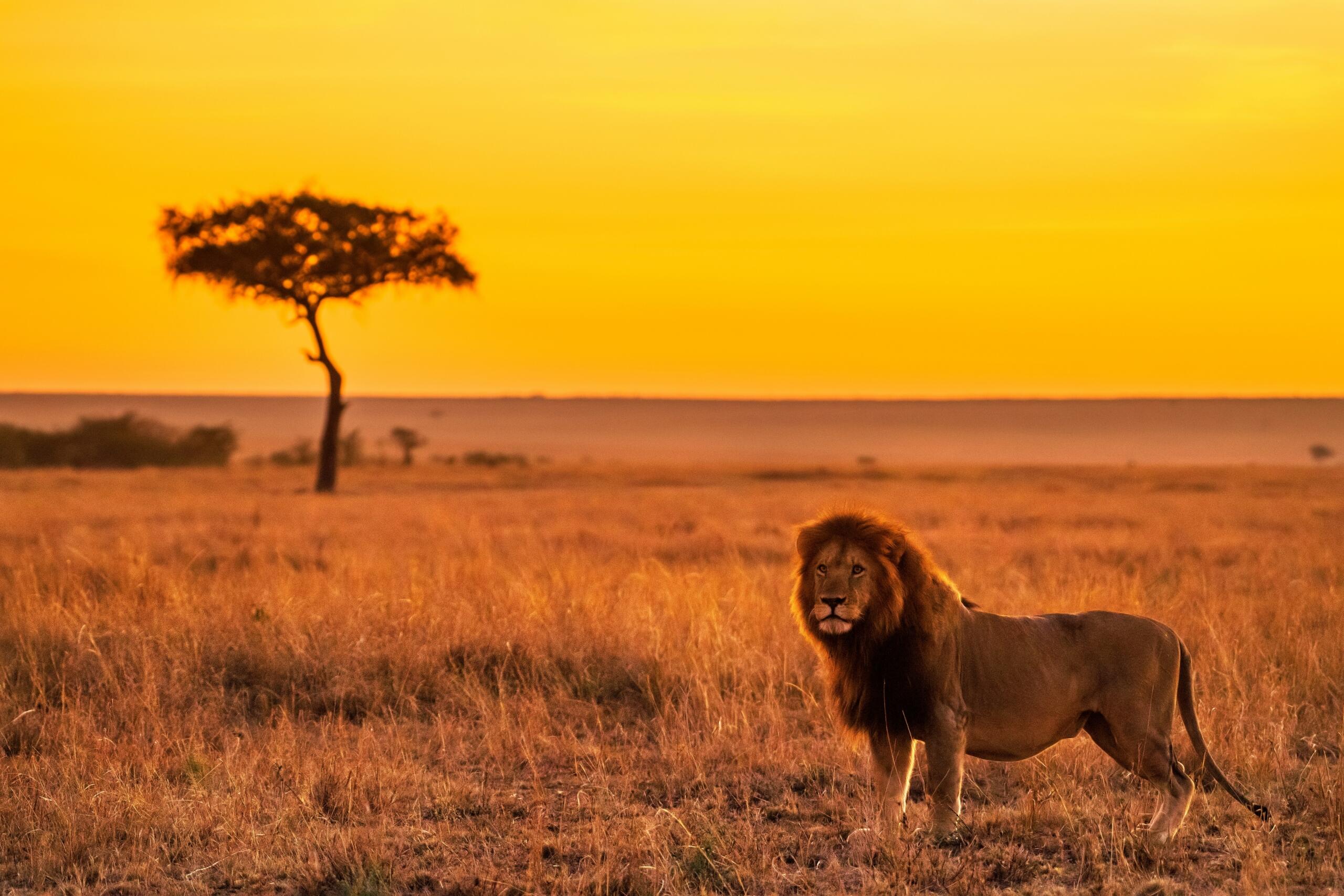
Ingonyama means lion, but its significance does not stop there. The term has strong associations with Zulu royalty. Ingonyama is used in the title of the Zulu king, and the lion serves as a metaphor for royal authority.
This is why your search for ingonyama meaning has special relevance when it comes to the story of The Lion King, which is a story about a royal family, succession and the responsibilities of leadership.
For the avoidance of doubt, let's just remember: Mufasa is not a historical Zulu king, and Pride Rock is not a depiction of a real South African kingdom. The film is a fictional story created by Disney!
Nevertheless, the choice of ingonyama gives the opening a distinctly Southern African cultural resonance.
When Lebo M heard the story and saw the imagery of Mufasa, he understood the lion as a king. His explanation therefore moves beyond “lion” towards the idea of royal arrival and recognition and that is the key understanding ingonyama meaning in this particular context.
If you're interested in the film's wider ideas about rulers, succession and responsibility, our article exploring the connection between Mufasa, Mandela and African kingship themes unpack that in full colour.
Is it Swahili?
We've touched on this, but no, the opening is not Swahili. Rather, it is isiZulu, one of South Africa's official languages.
Yes, but not in the opening.
Simba = Lion, in Swahili
Rafiki = friend in Swahili
That makes the nants ingonyama bagithi baba translation particularly interesting because the famous opening comes from Southern Africa, while some of the best-known character names are associated with East Africa.
If you want to see those languages compared properly, our guide to Swahili versus isiZuluexplains how the importance of these language distinctions in the script. The difference is worth understanding because Africa contains thousands of languages and many distinct cultural traditions.
In short, calling every African word “Swahili” is no more accurate than calling every European language French!
Why Does it Sound So Royal?
As you listen to the striking opening, you'll notice that it is no ordinary dialogue, but rather an announcement or pronouncement! One voice calls out, and other voices answer. The words are repeated, and the music builds as the camera moves across the landscape towards Pride Rock. That call-and-response structure contributes strongly to the ceremonial feeling.
The words themselves are also important. The lion is not introduced casually. He is announced. This is where the nants ingonyama bagithi meaning becomes more powerful when understood alongside Lebo M's explanation of royal praise.
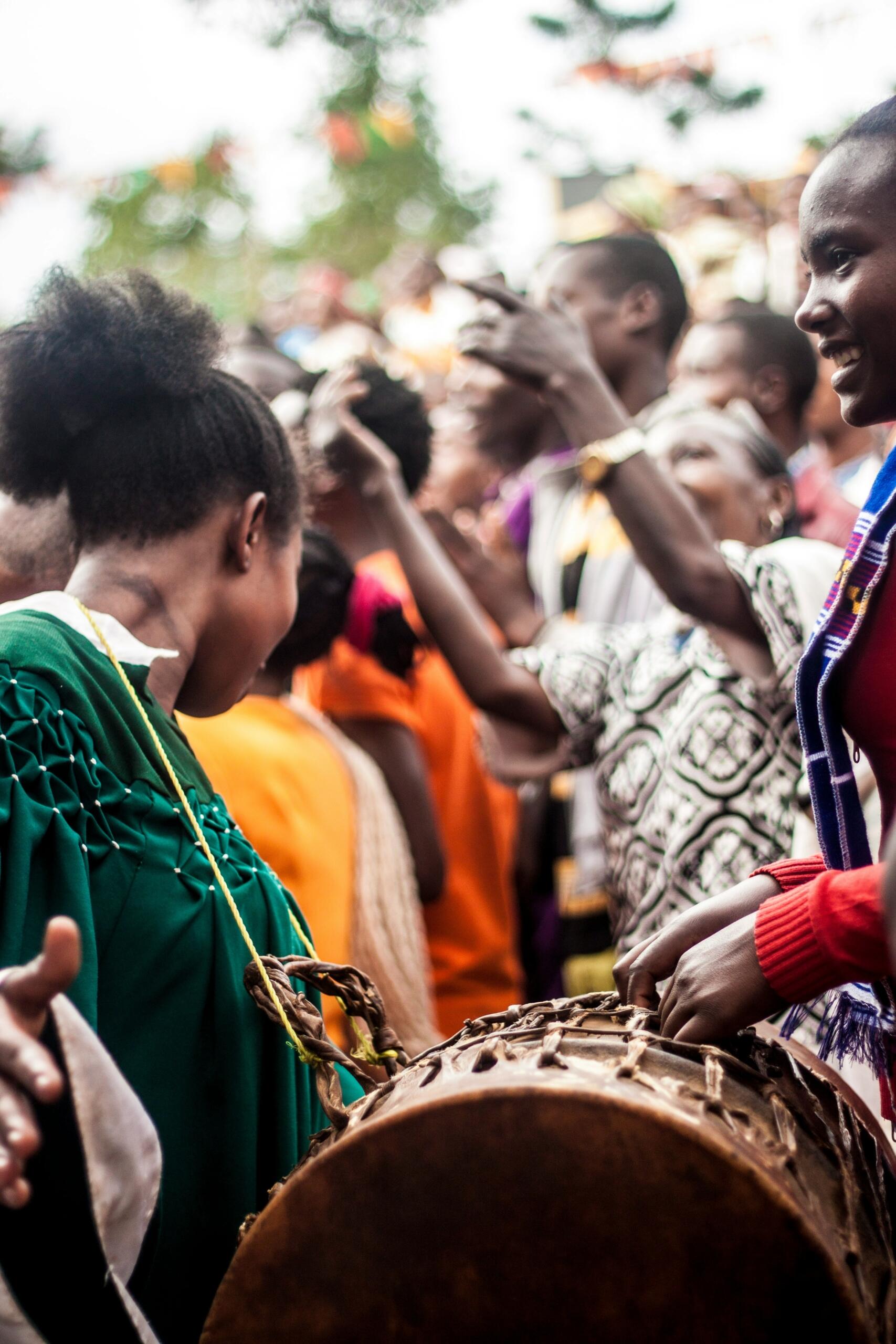
Southern African praise traditions provide useful context here. Zulu izibongo, or praise poetry, has historically been associated with kings and other important figures.
Praise uses metaphor, imagery and powerful language to celebrate a person's qualities and status. The opening of The Lion King is not a literal reproduction of an izibongo performance, but the atmosphere of public praise helps explain why the scene feels more like a royal proclamation than an ordinary song.
The Difference Between Literal and Cultural Meaning
This is probably the most important point to take away. There isn't necessarily a contradiction between:
“Here comes a lion, Father.”
and:
“All hail the king.”
The first is a literal translation of the opening phrase as documented in the original screenplay.
The second reflects Lebo M's explanation of the phrase's meaning within its cultural and dramatic context. In other words, one tells you what the words say. The other tells you what the proclamation is doing, which is helpful when translating expressions, poetry and ceremonial language.
Remember: a direct translation can preserve vocabulary while losing cultural weight.
And that is precisely why the nants ingonyama meaning cannot be understood simply by putting each word into an English dictionary.
The Voice Behind the Words
The person who made the chant famous is Lebohang “Lebo M” Morake, a South African musician from Soweto. His contribution to The Lion King went far beyond the opening. He worked on vocals and choral arrangements and became a major musical figure in the film and stage productions.
His involvement also gives the opening a very specific South African connection. The words were not selected simply because Disney wanted something that sounded African. Rather, a South African artist brought his own linguistic and musical experience to the project.
If you'd like to explore that story in more detail, our article on why The Lion King's music sounds African looks at Lebo M's extraordinary contribution. It also helps explain why the opening has such a distinctive vocal quality.
A Phrase that Travelled Around the World
The global reach of the chant is remarkable. Even though most will not necessarily understand the words, children in Cape Town can hear isiZulu words at the beginning of a Disney film. So can children in London, New York, Sydney or Tokyo.

There's no doubt, the nants ingonyama bagithi baba translation has an importance beyond film trivia.
It offers an opportunity to introduce people to an African language through something they already know and love. But, for South African children, it can be especially meaningful.
A learner studying isiZulu at school might recognise the words immediately. Someone from KwaZulu-Natal might hear familiar sounds in a film that has been watched around the world.
And someone who grew up elsewhere in South Africa may suddenly discover that one of Disney's most famous musical moments comes from a language spoken in their own country.
What The Lion King Gets Right and Wrong
There is a danger in treating The Lion King as though it represents Africa accurately in every respect, because it does not. We need to remember, that while that famous Zulu chant, the South African singers and Lebo M are both very real:
This is why our article examining African languages in Hollywood and the challenge of representation is useful alongside this one.
What You Should Remember
If you can remember that the nants ingonyama bagithi baba translation has both literal and contextual dimensions, it will enrich your experience of the film. Not only that, keep these essential facts in mind:
And if you want to test your knowledge, our list of South African facts hidden inside The Lion King has plenty more details to discover.
A Famous Opening with a South African Story
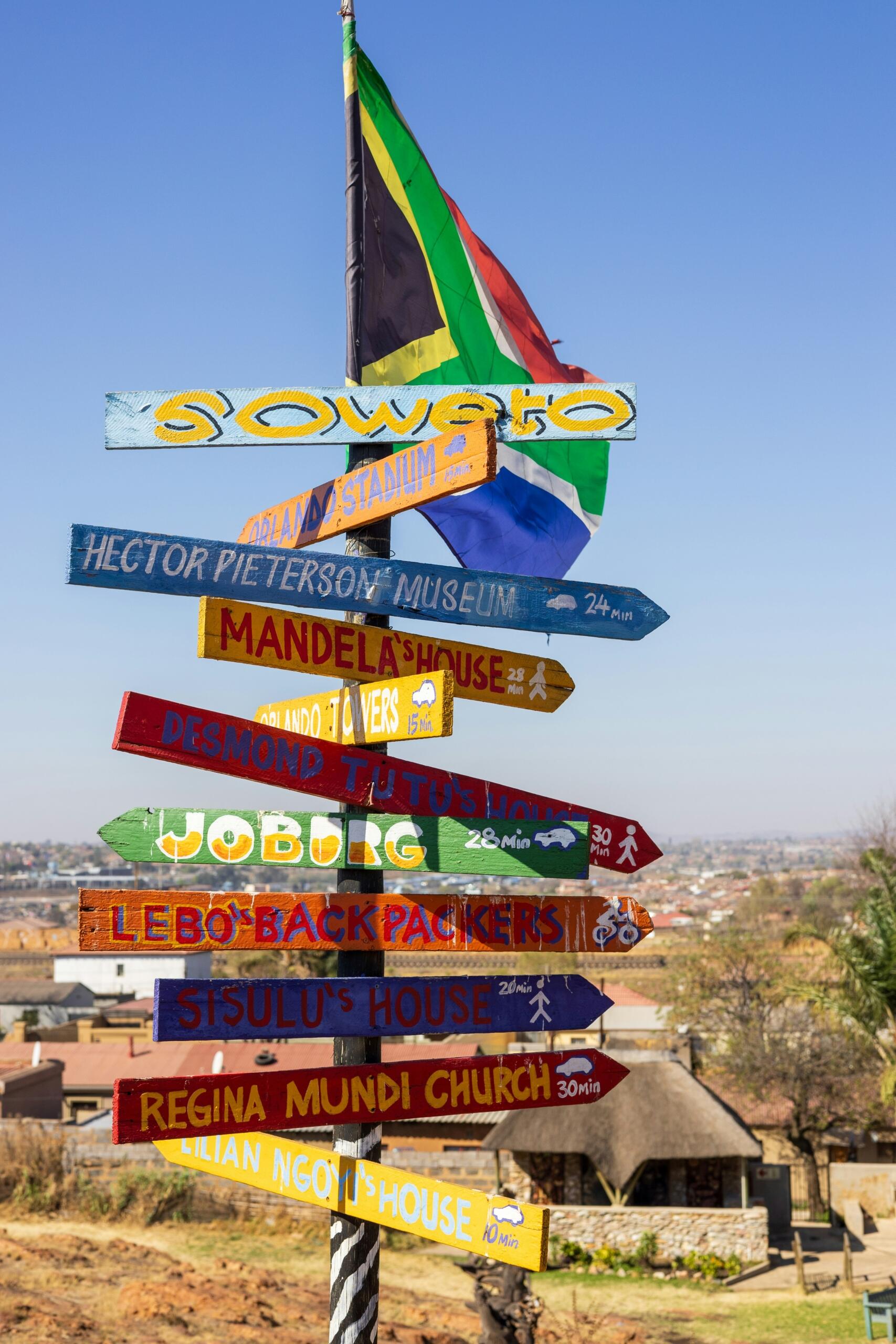
A Hollywood film may have created a fictional African kingdom, but one of its most recognisable voices came from Soweto, while one of its most famous phrases comes from a South African language. The opening therefore carries a small but significant piece of South African linguistic and musical history around the world.
The next time you hear the opening of The Lion King, you’ll know there is more to it than a memorable Disney soundtrack. “Nants ingonyama” is isiZulu, ingonyama means lion and carries royal associations, and the chant announces the arrival of a king.
Most importantly, those famous words are sung by South African artist Lebo M which is just one of the film's important South African connections.
Summarise with AI:
Enjoyed this article? Leave a rating!

 Loading...