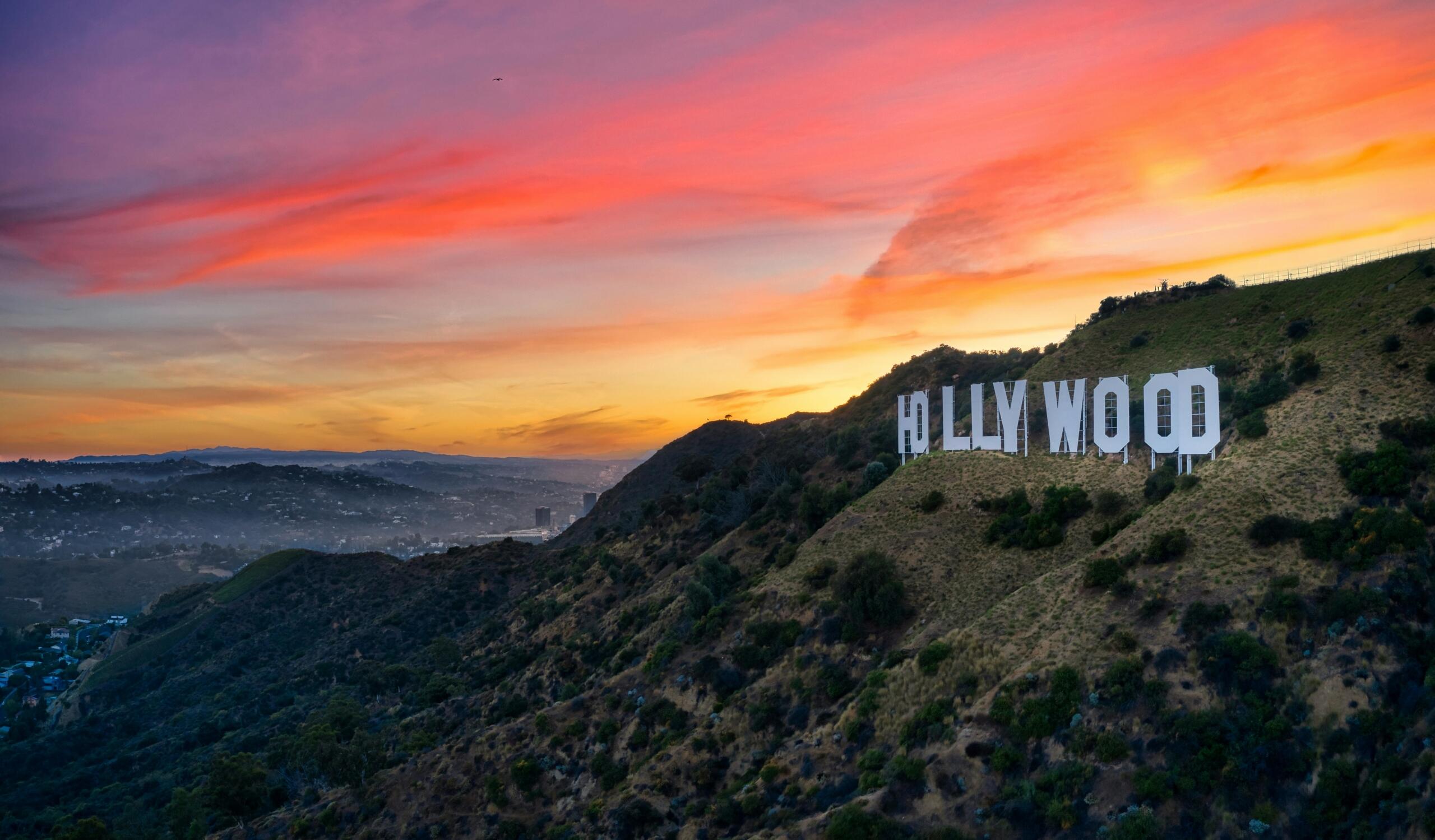

If you have watched The Lion King or Black Panther, you may have noticed something unusual - especially for major Hollywood films: real African languages are part of the story. The Lion King uses isiZulu in its famous opening chant and Swahili in some names, while Black Panther uses isiXhosa in scenes set in the fictional kingdom of Wakanda.
spoken across Africa
If you have ever wondered why The Lion King feels so unmistakably African, the answer goes beyond its landscapes, animals and fictional Pride Lands. Real African languages, musicians and cultural influences have influenced the world millions of viewers came to know. Not only that, but South Africa also has a particularly important place in that story, from isiZulu and Lebo M's unforgettable vocals to the country's performers and audiences. Once you know where to listen and what to look for, the film becomes more interesting as it reveals a surprisingly rich connection between Hollywood and African creativity.
So, why and how have African languages in Hollywood found their place, and what do we need to know about how they are represented?
How much do you know about the South African voice and languages behind The Lion King?


Hollywood's History with African Languages
Africa is a continent of extraordinary linguistic diversity, yet older Hollywood films have often treated it as though it had one generic voice. Characters might speak English or French, while background dialogue was replaced by invented sounds that audiences were expected to recognise as vaguely African.
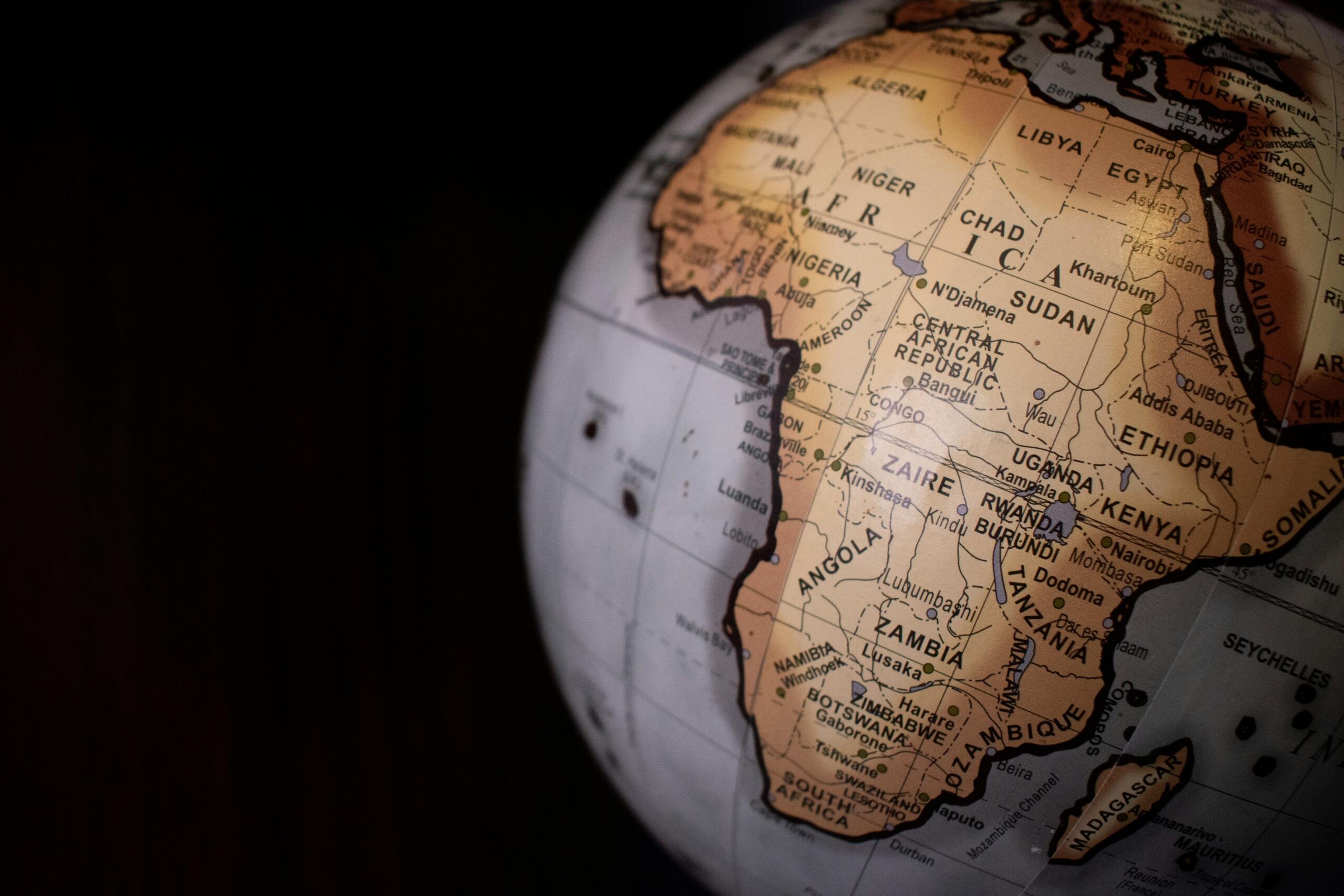
This was part of a wider problem with African representation in Hollywood, as African countries, cultures, and languages were frequently collapsed into a single imagined version of the continent.
That approach has gradually begun to change. The famous meaning behind the Lion King's Nants Ingonyama is an excellent example. Filmmakers now have access to native speakers, language coaches, researchers and cultural consultants, and audiences are increasingly willing to question whether a film has represented a language accurately.
The Lion King: A Landmark Moment
The 1994 The Lion King provides an excellent example of how African languages in movies are used. Its opening chant is in isiZulu and was performed by South African musician Lebo M, while Swahili also appears through names like Simba and Rafiki. Bear in mind that isiZulu and Swahili are different languages from different parts of Africa. To understand this in more detail, don't miss our guide to how Swahili and isiZulu are used in The Lion King.
The Pride Lands are fictional, and the film blends influences from different African regions. That is not necessarily a problem. Fiction can draw from several traditions, as long as audiences understand that an invented world is not a complete representation of Africa.
Lebo M's contribution also demonstrates why African languages in movies can be more meaningful when real African artists are involved. His vocals and musical arrangements helped give the soundtrack its distinctive identity.
To find out more about why the music feels so authentic, our article on Lebo M and the sound of The Lion King looks more closely at how South African musical traditions became part of the film.
Are You Searching isiXhosa Black Panther?
Black Panther took the conversation further in 2018.
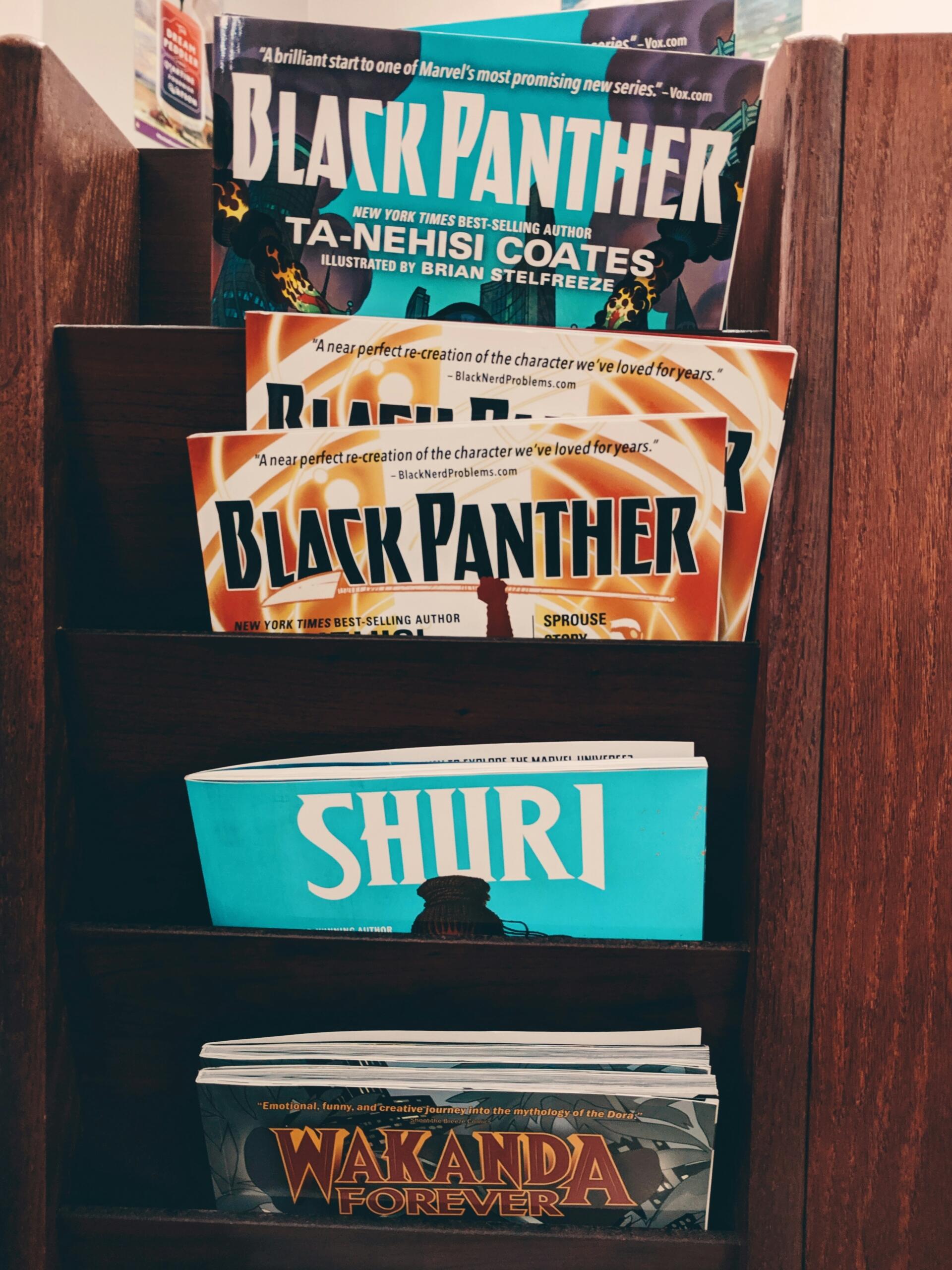
In the film's fictional kingdom of Wakanda, isiXhosa, a real South African language, is spoken by important characters representing the kingdom's royal family. The phrase Wakanda language is therefore useful only when it is clear that Wakanda is fictional.
South African actor John Kani, who played King T'Chaka, helped bring isiXhosa into the Marvel universe. Kani argued that his character should speak isiXhosa to his son rather than simply using English. Marvel subsequently adopted the language for Wakanda.
If you have searched for isiXhosa black panther, you may already know about the connection between the Marvel film and this South African language. John Kani's involvement helped bring isiXhosa into the fictional world of Wakanda, giving the language a prominent place in a major international production.
Seeing a real South African language associated with powerful characters gave international audiences an opportunity to hear isiXhosa in a context very different from the usual Hollywood portrayal of Africa.
So, what is real and what is not real?
The decision to use isiXhosa was significant, especially when it was presented through powerful characters rather than as meaningless background speech.
African Languages in Movies:When Hollywood Gets It Wrong
The Black Panther example also shows why African languages in Hollywood need careful handling. A studio can make a positive decision to use a real language and still get details wrong.
Research published in the South African Journal of African Languages examined the isiXhosa used in Black Panther and identified:
This is why African languages in movies deserve the same care and attention that is given to any other part of the production. To achieve this:
good consultation should happen before filming, not just during final translation. Native speakers and qualified language specialists can advise on pronunciation, grammar, relationships between characters and the social meaning of particular words.
For South African audiences, that accuracy matters. You can enjoy Hollywood's imagination while still expecting it to respect the language it has chosen.
What Authentic Representation Looks Like
There's no doubt, when it comes to African languages in movies, the strongest approach is to involve speakers and language specialists in creative decisions from the beginning.
That is one reason African representation in Hollywood has become a broader conversation than simply asking whether African people appear on screen. Audiences increasingly want to know whose language is being used, who helped develop the dialogue and whether the people represented had a meaningful role in the production.
The key principle is simple: a language should not be treated like a costume that is put on for one scene and discarded afterwards.
The Lion King and Black Panther
Putting The Lion King and Black Panther together shows two different approaches. First, as we know, The Lion King uses isiZulu in its famous opening and Swahili in some character names, and its African identity comes from a combination of language, music, imagery and storytelling.
Secondly, Black Panther makes isiXhosa part of the identity of a fictional African nation, and the language is particularly important in scenes involving main characters, T'Chaka and T'Challa.
Both films demonstrate that Hollywood can use African languages imaginatively without pretending that its fictional worlds are literal representations of African societies.
If you want to explore the South African side of The Lion King, our look at the franchise's South African connection covers the isiZulu version, South African performers and the film's place in local popular culture.
Why Language Changes Representation
If you are searching isiXhosa black panther, you will find that one of the most positive aspects of Black Panther is that isiXhosa is associated with people who hold power through kingship. The language is heard in conversations between members of the royal family, giving it dignity and emotional importance.
In looking at African representation in Hollywood, the same principle applies to The Lion King where themes of royalty and leadership make for brilliant storytelling. Also, remember that the opening isiZulu chant introduces one of the film's most important moments and has been heard by audiences around the world.
Where African Languages in Film Go Next
Our analysis? The future of African languages in Hollywood looks promising, but there is still plenty of room for improvement, as indicated by the results of your isiXhosa black panther search!
The best productions show that African languages can mould characters, relationships and fictional worlds. They can also introduce international audiences to languages they may never otherwise encounter, while giving African performers and consultants meaningful creative opportunities.
The challenge is to avoid treating one language as representative of an entire continent. Remember that South Africa alone has eleven official languages, while Africa as a whole contains thousands of languages. Rather than a problem, that diversity is a great opportunity for filmmakers who recognise the value of African languages in Hollywood! One only needs to look at the leadership themes in The Lion King to see how far those opportunities can go.
A Better Way to Tell African Stories
Ultimately, the most successful examples of African representation in Hollywood do not simply make Africa look or sound exotic. They give real languages, artists and cultural knowledge a meaningful place in the story.
As discussed, even though both The Lion King and Black Panther have limitations, they helped change expectations exactly as the Wakanda language achieved. In the end, both films showed international audiences that isiZulu and isiXhosa could carry authority, emotion and cultural identity on some of the world's biggest screens.
African languages in movies are not decoration. They belong to real people and communities, and using them respectfully means involving those people in the creative process
.
That is when African representation in Hollywood becomes more than an accent or a few unfamiliar words, but an accurate part of the story.
Finally, for a quick collection of details you may have missed, don't miss our guide to South African facts hidden inside The Lion King.
Summarise with AI:
Enjoyed this article? Leave a rating!

 Loading...