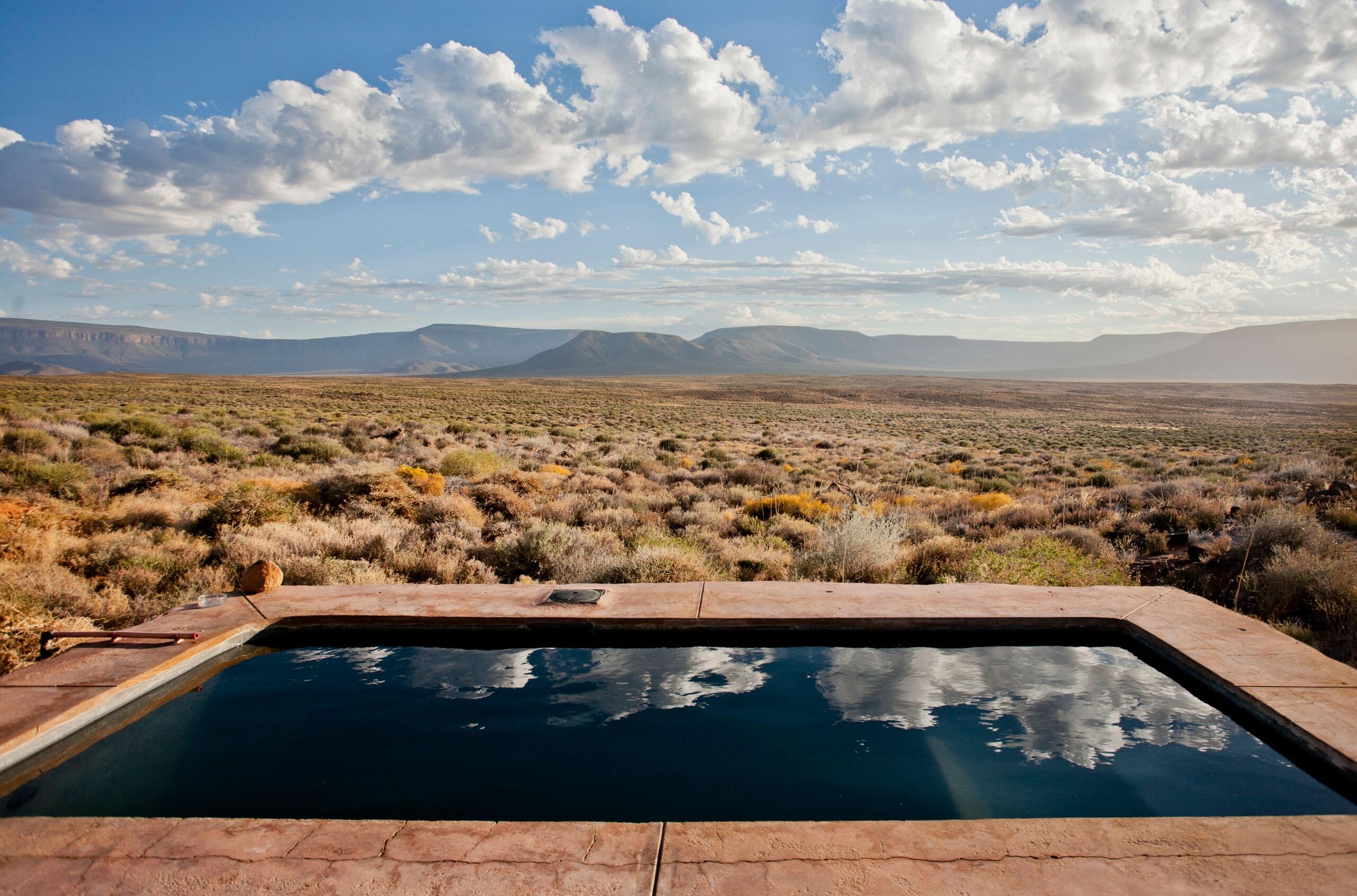

When many people imagine South Africa, they typically picture beaches, wildlife, mountains and bustling cities. Yet, some of the country's most beautiful and fascinating environments are found in its dry interior regions. If you are looking to understand South Africa's geography, knowing more about the Karoo is a must.
First, you will need to understand the difference between a semi-arid region and a desert. So, what is a desert? In short, a true desert receives very little rainfall. How much is very little?
per year.
Remember that even if a region is dry, it does not necessarily meet the scientific requirement of a desert. Rather, it might be a semi-desert or arid region, like the Karoo.
For a broader understanding of how arid regions fit into South Africa's geography, be sure to read our article on interesting geographical and population facts.


Understanding Dry Regions and Rainfall
Rainfall is one of the most important factors influencing life in dry environments, and even small differences in annual precipitation can affect farming, wildlife and vegetation. In short, an arid region experiences low rainfall and high evaporation which means that to survive, local plants and animals must adapt.
| Feature | Desert | Semi Arid Region |
|---|---|---|
| Rainfall | Very low | Low but higher than deserts |
| Vegetation | Sparse | Shrubs, grasses, succulents |
| Biodiversity | Limited | Often surprisingly diverse |
| Farming Potential | Very limited | Possible with adaptation |
Still, the question "what is a desert" puzzles many, especially when a barren landscape can still support healthy biodiversity. In South Africa, this phenomenon is seen in extensive dry areas, including semi-desert environments.
What is the Karoo?
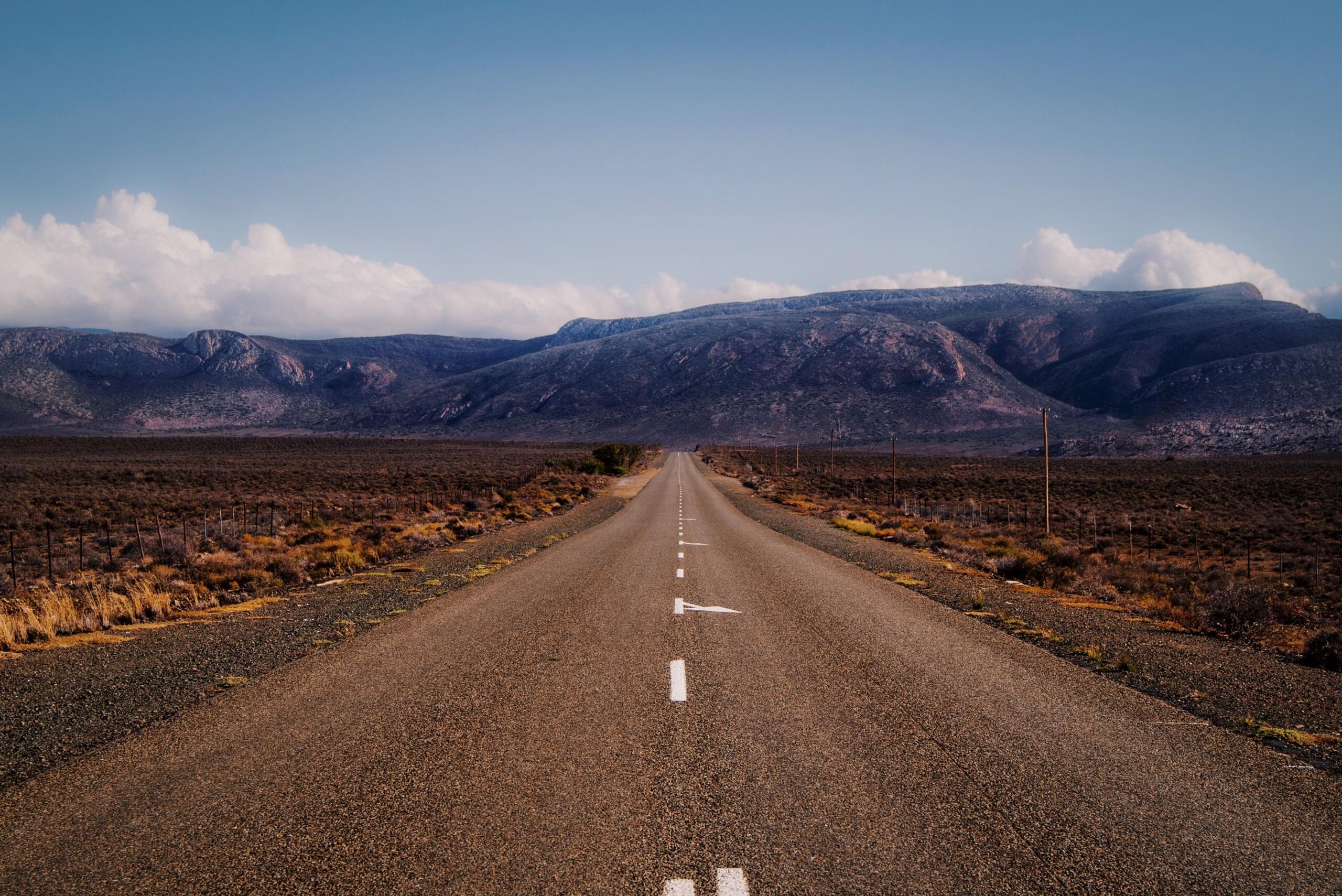
In a nutshell, the Karoo is one of South Africa's most well-known geographical regions and spans a sizeable portion of the country's interior.
Traditionally, it is divided into:
Both regions are characterised by demanding climates, open horizons, low rainfall and dramatic seasonal contrasts. Summers are often very hot, while winter nights can be equally cold. While extreme, these conditions contribute to the distinctive Karoo landscape that has inspired artists, photographers, writers, and travellers for generations.
Farming communities throughout the region have adapted to these harsh environmental conditions through careful water management and farming practices. In addition, succulents and drought-resistant shrubs are examples of how vegetation has adapted.
To understand how these landscapes fit into the country's overall size and scale, there is more to learn about South Africa's physical dimensions and regional geography.
A Landscape of Extraordinary Beauty
One reason travellers are drawn to the Karoo is its unique scenery.
Approximate area covered by the Karoo
Vast open spaces, mountain ranges, rocky outcrops and dramatic sunsets against seemingly endless horizons all contribute to the distinctive and beautiful Karoo landscape. Following rainfall, many water-adapted plants burst into flower, adding unexpected, overnight colour to one of the most memorable parts of South Africa's geography.
The Succulent Karoo
Visitors to the Succulent Karoo are surprised to discover that a dry, arid region can support such biological richness and contains thousands of plant species, many of which occur nowhere else on Earth.
The Succulent Karoo is recognised internationally as one of the world's biodiversity hotspots and contains an exceptional concentration of endemic plant species.
The region is a prime example of a semi-desert environment that can still support an impressive variety of life.
For another perspective on how the environment influences settlement and development, there is much to learn when it comes to where South Africans live and why population patterns differ across the country.
The Kalahari Region
The Kalahari is frequently associated with a desert environment, but the reality is more complex .
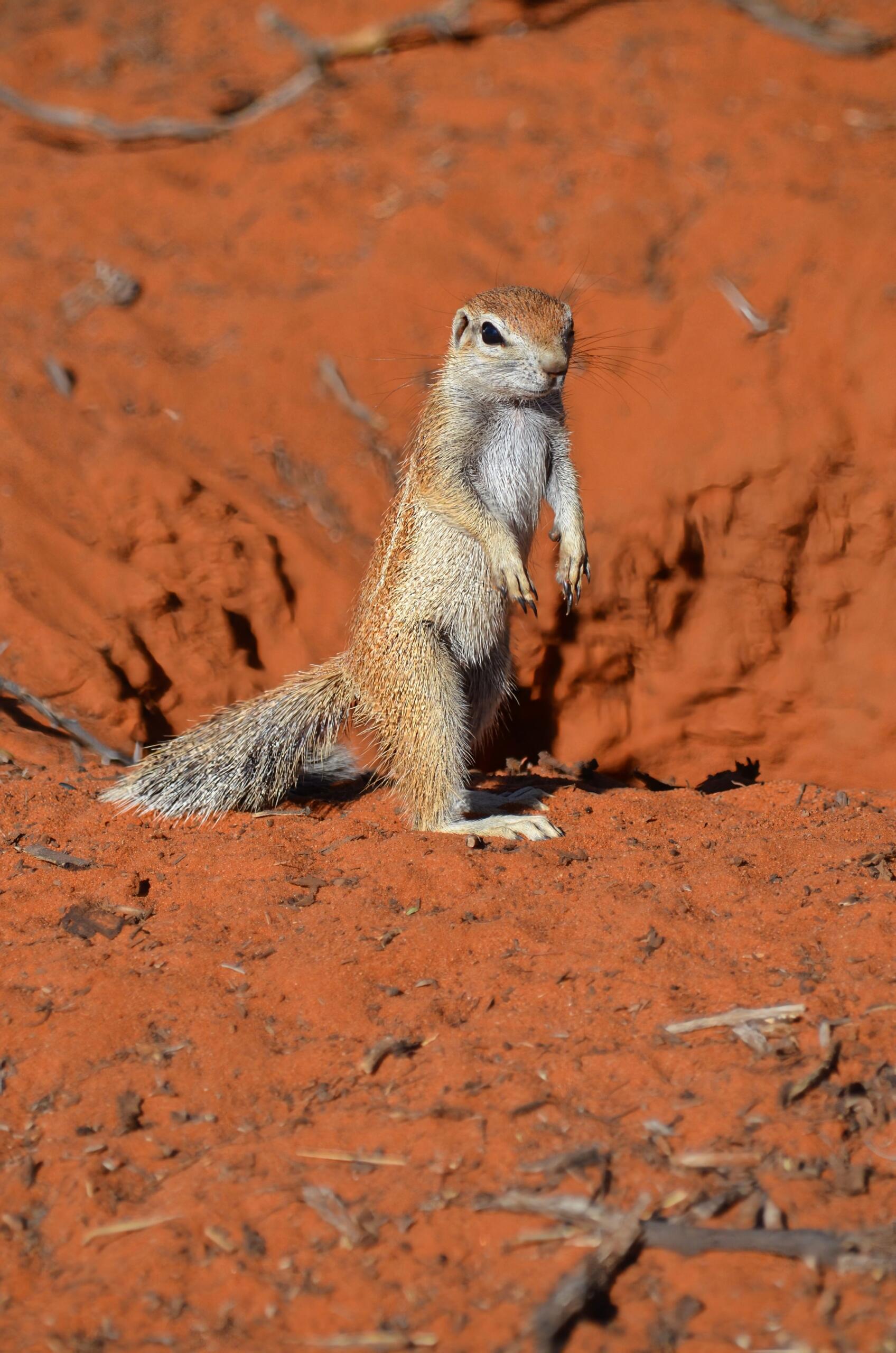
If you are wondering "what is a desert", the Kalahari is an excellent example of why definitions matter. Much of the South African Kalahari is more accurately described as a semi-desert or semi-arid savanna rather than a typical desert.
Located primarily in the Northern Cape, it is famous for its red dunes and striking landscapes.
Despite its barren appearance, vegetation like grasses, shrubs and hardy trees remains present across much of the landscape.
In the context of South Africa's geography, the Kalahari is an important arid region.
Life Finds a Way
One of the most interesting aspects of arid regions is the ability of their plants and animals to adapt. For instance, succulents have specialised tissues that store water. Some also have extensive root systems, and others use small leaves and protective coatings to reduce water loss.
Animals, too, have evolved with impressive survival strategies throughout the Karoo landscape and its neighbouring dry regions. For example, Springbok survive with limited access to surface water, and meerkats make use of burrows to escape extreme heat.
The Karoo teaches patience. Life survives here not through abundance, but through adaptation.
Human Life in Dry Landscapes
People, too, adapt. In dry regions across South Africa, you will find communities that have developed practical ways to live and thrive in challenging conditions. Farmers are an excellent example of this.
Sheep Farming
Sheep farming is one of the most important agricultural activities across the Karoo. In particular, Merino sheep are well-suited to local conditions and have supported rural economies for decades.
Ostrich Farming
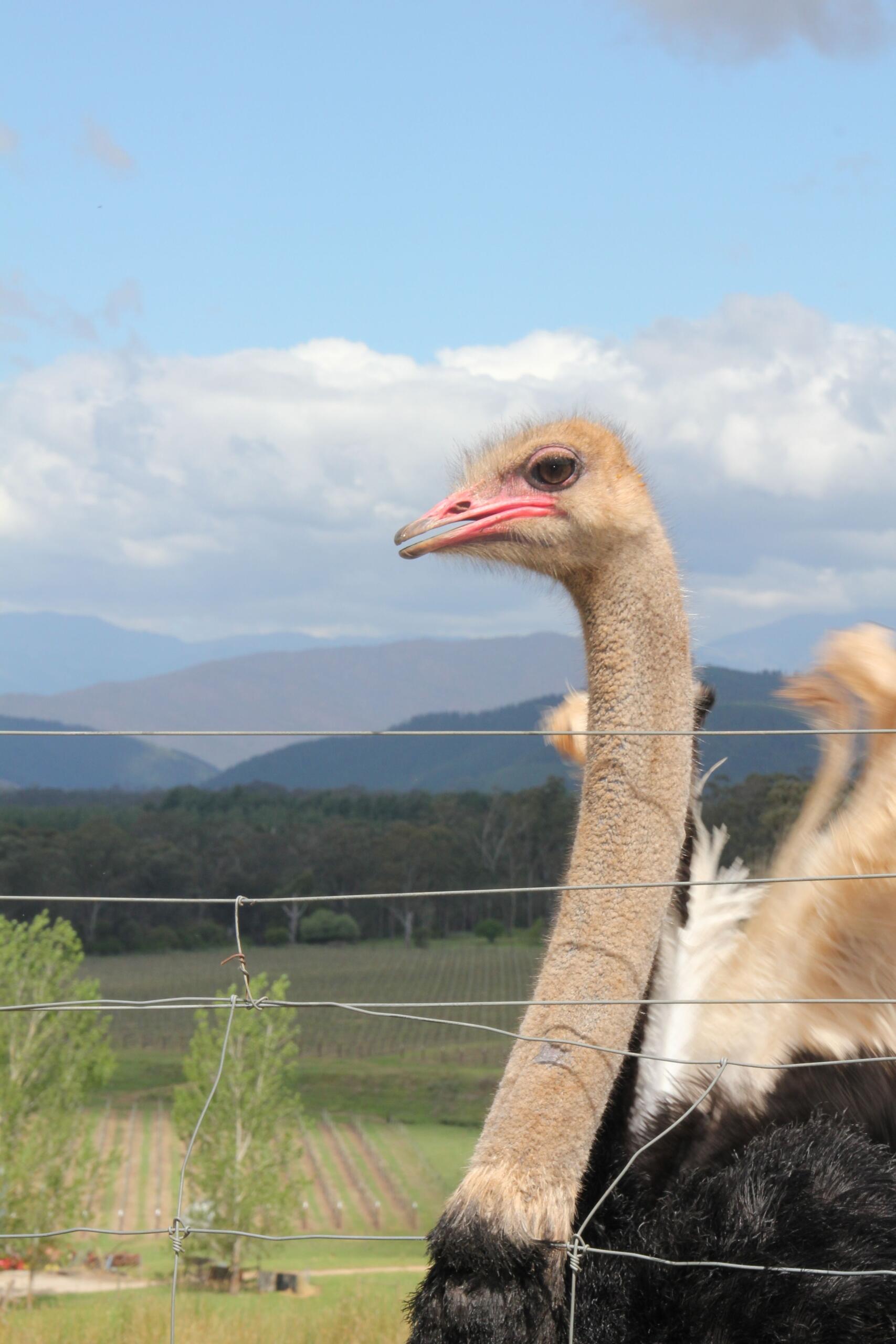
Similarly, the Klein Karoo is closely associated with ostrich farming, particularly around Oudtshoorn in the Western Cape.
Water Conservation
Of course, water is the most valuable natural resource in any dry environment. Here, farmers and households rely on rainwater harvesting, dams, boreholes and careful management practices to make the most of limited supplies.
If you are wondering "what is a desert", then understanding the importance of water conservation in regions that come close to it is part of the answer.
Ultimately, the relationship between agriculture, climate and settlement patterns is one of the reasons many people are curious about regional diversity in South Africa.
If you would like to learn more about how geography influences local identities and lifestyles, you may enjoy exploring these concepts by taking a closer look at South Africa's provinces.
Wildlife Adaptations in Dry Regions
Wildlife living in dry environments also need to overcome challenges and Springbok are among the most recognisable in this regard. Their ability to survive in water-limited conditions makes them particularly well adapted to life in dry environments.
Meerkats have also become famous beyond South Africa for their well-adapted lifestyles. By living in communities and using underground burrows, theycleverly avoid the most extreme daytime temperatures.
In addition, small animals, birds, reptiles and insects have similar behaviours, all of which contribute to the ecological diversity found throughout the region. Remember that what can initially appear barren is often an example of remarkable biodiversity on closer inspection.
Climate Change and Water Challenges
Climate change also presents significant challenges for South Africa's dry regions.
Scientists continue to discover how changing rainfall patterns and rising temperatures affect agriculture, communities and ecosystems. Extended droughts can also increase risks for farmers as water resources are put under pressure.
In terms of "what is a desert", - it's important to know the difference between a dry environment and a true desert. Also, bear in mind that these environments can change over time. The resilience of animals and plants in a semi-desert might need to evolve further as climate conditions change.
Prolonged droughts
Water scarcity
Land degradation
Increased pressure on biodiversity
Greater risk of desertification
These challenges require conservation efforts, responsible resource management and careful planning.
Why the Karoo Matters
By now, you know that the significance of the region goes beyond its striking scenery. The Karoo is an important contributor to cultural heritage, scientific research, tourism, agriculture, and biodiversity conservation. A Karoo landscape is also an excellent example of South Africa's environmental diversity.
A Future Where Conservation and Economic Development Thrive
The future of South Africa's arid and semi-desert regions depends on balancing economic development with conservation.
Biodiversity protection, responsible water conservation and sustainable farming all have roles to play, and communities are already adapted to innovative approaches that preserve limited natural resources while maintaining livelihoods. In addition, local communities depend on growing tourism as the region's remarkable beauty and diversity attract visitors from around the world.
The vast open spaces, dramatic skies, and remarkable biodiversity continue to attract travellers from across South Africa and around the world.
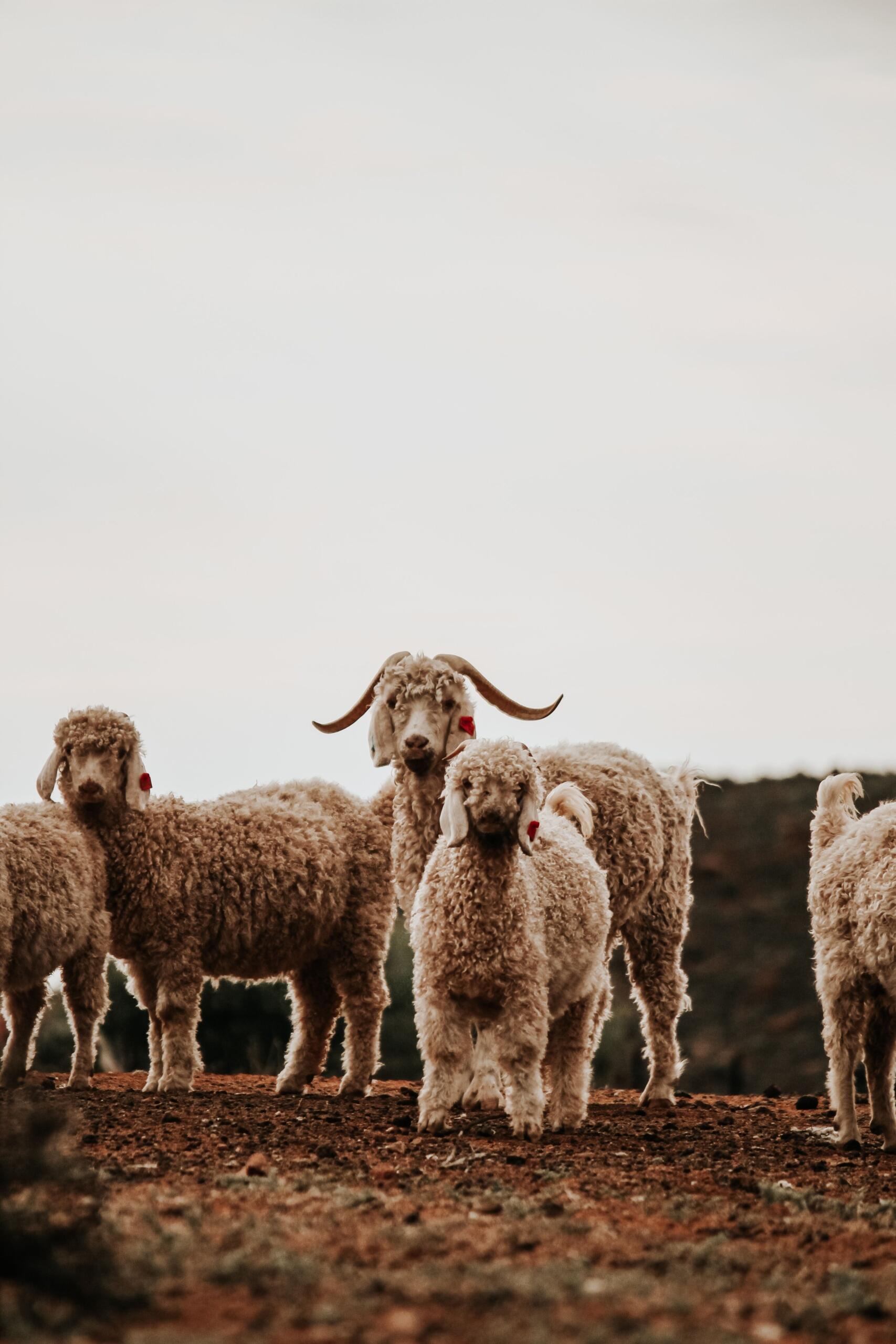
Ultimately, the dry inland areas of South Africa offer more than endless open space. Rather, these extraordinary landscapes tell important stories about animal, plant and human adaptation for survival.
From the biodiversity hotspot of the Succulent Karoo to the Kalahari's red dunes, every environment contributes to a deeper understanding of South Africa's complex geography.
The combination of vegetation, wildlife, and cultural heritage within a semi-desert environment demonstrates how life can flourish even where rainfall is limited.
The remarkable Karoo landscape is one of the defining features of South Africa's interior, and its role as an important arid region is set to continue influencing both communities and ecosystems.
As you explore each of South Africa's extraordinary geographical environments, expect to learn more about the diversity, resilience, and natural beauty that make it a famous destination for visitors and scientists.
Summarise with AI:
Enjoyed this article? Leave a rating!

 Loading...