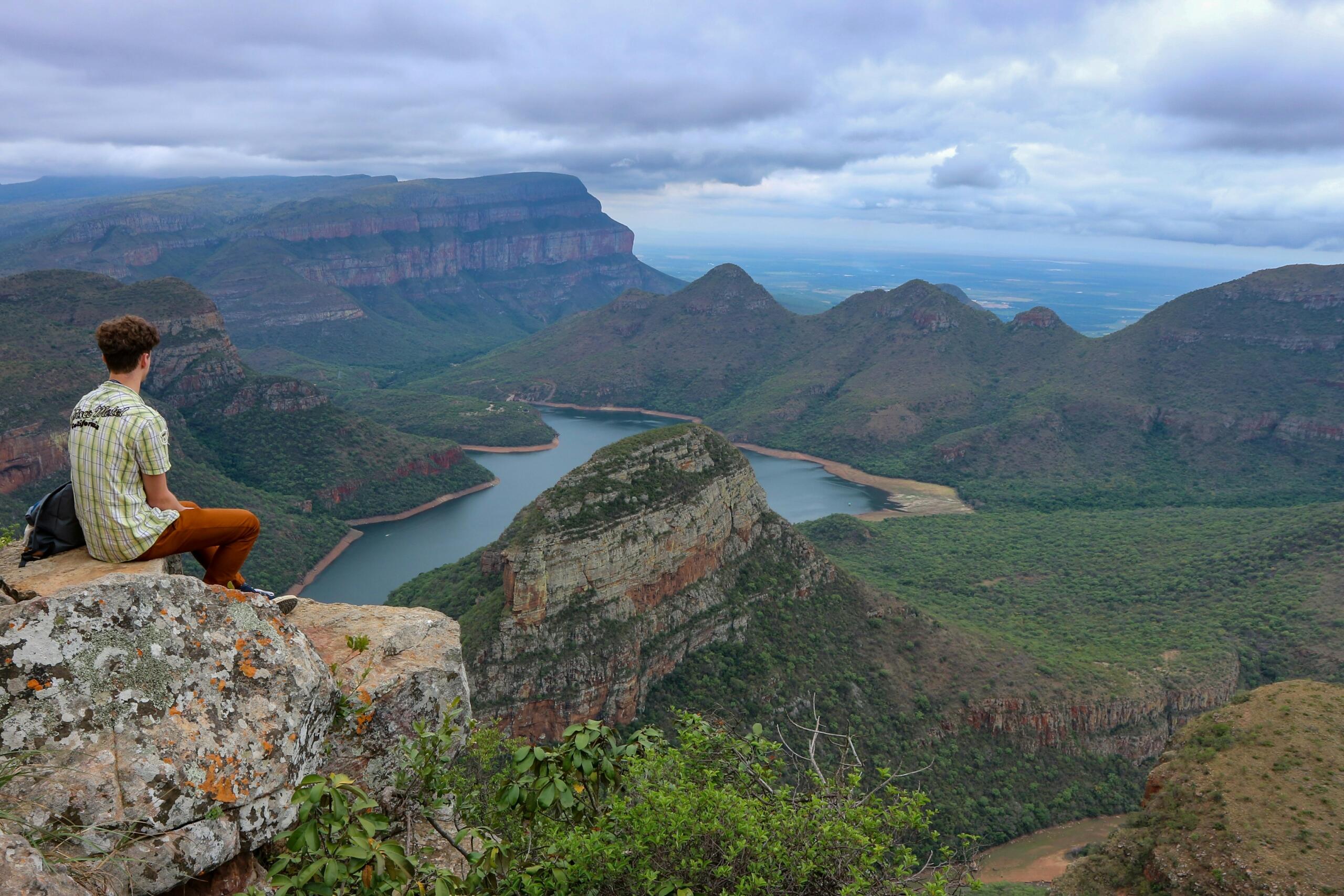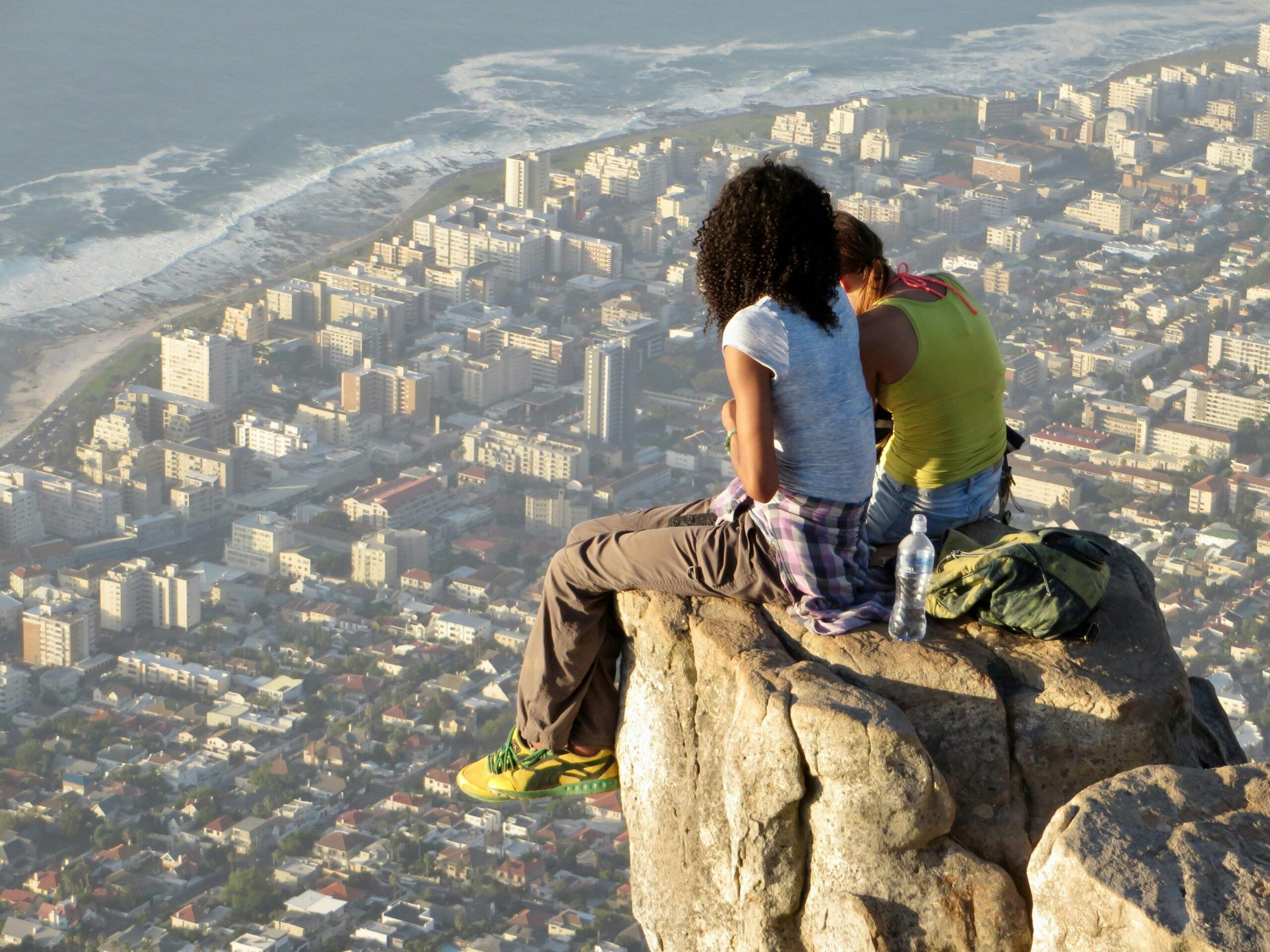

As one of the most diverse countries in the world, South Africa's landscapes are no different. From savannas, semi-arid regions, forests, grasslands and people who speak multiple languages, its environments vary dramatically from province to province.
It is from this diversity that some of the most fun facts about South Africa emerge. A country that is home to not one, but three capital cities, a nation that boasts 12 official languages and with one of the richest concentrations of biodiversity on Earth, it is a remarkable piece of the planet.


SA is Special
South Africa's diversity extends far beyond its physical geography. It is a country where ancient rock art sites sit alongside modern cities, where dozens of cultures contribute to everyday life, and where climates range from Mediterranean conditions in the south-west to subtropical weather along the east coast. These contrasts make South Africa an interesting destination not only for travellers but also for anyone interested in geography, history, wildlife or languages. Understanding these characteristics helps explain why the country continues to attract researchers, conservationists and visitors from around the world.
Among the many fun facts about South Africa, it's worth noting that very few countries operate with three separate capitals. Pretoria functions as the administrative capital, Cape Town as the legislative capital, and Bloemfontein as the judicial capital.
This unique governance is just one example of what makes South Africa unique, and is an indicator of the country's complex history.
South Africa's Geography at a Glance
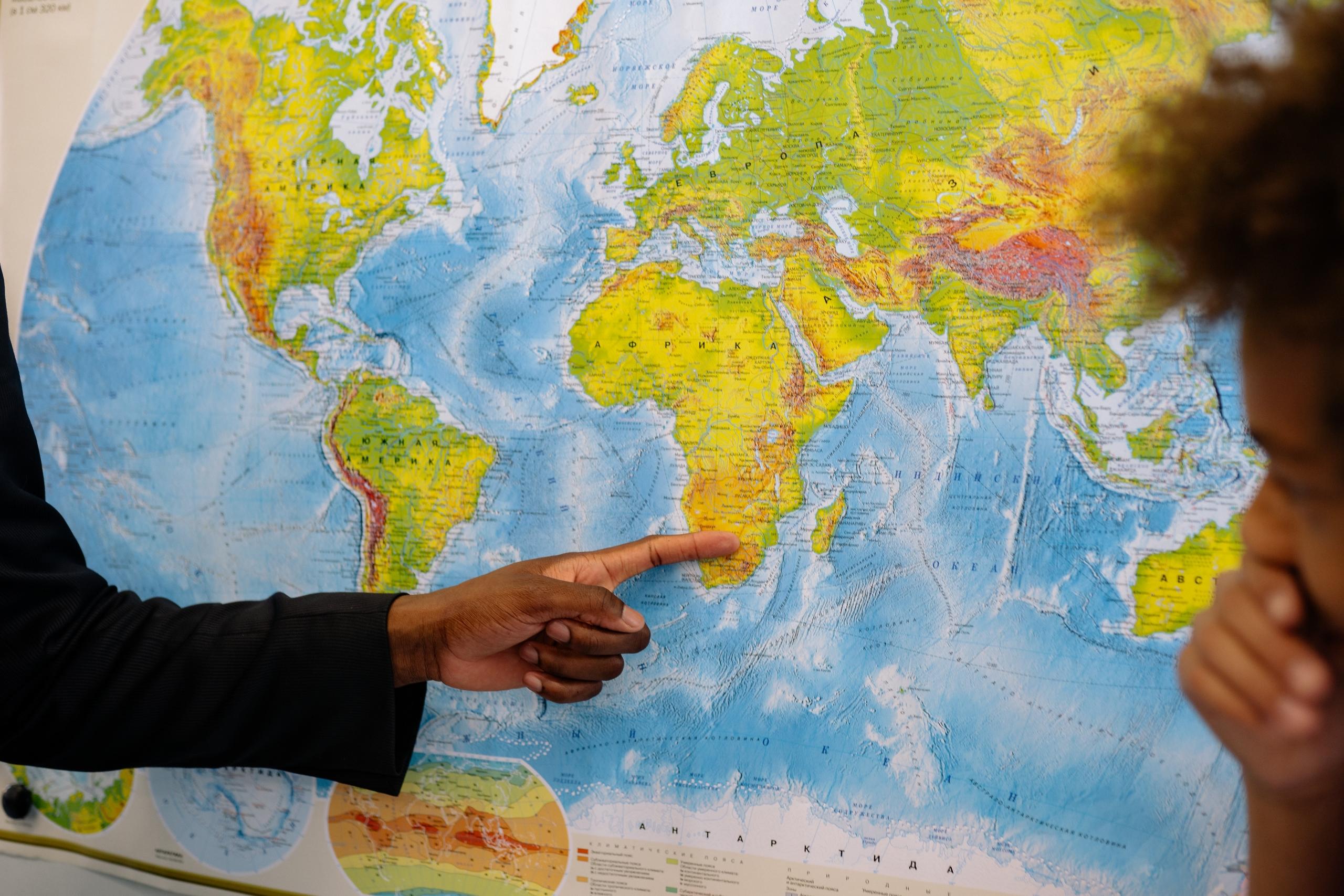
South Africa occupies an estimated 1,22 million square kilometres at the southern tip of the African continent, making it substantially larger than most people realise when simply viewing it on a map.
Although South Africa occupies only a small percentage of the Earth's total land surface, it contains an exceptional variety of landscapes. These include mountain ranges, plateaus, grasslands, forests, wetlands, deserts and more than 2 500 kilometres of coastline. Elevation also varies considerably, with much of the country's interior lying on the Highveld plateau, while lower-lying coastal regions experience different climates and vegetation. These geographical differences influence everything from farming and biodiversity to settlement patterns and tourism.
Bordered by Namibia, Botswana, Zimbabwe, Mozambique, Eswatini, and Lesotho, it also boasts an extensive coastline of more than 2 500 kilometres along both the Atlantic and Indian Oceans, which helps to explain its varied ecosystems, incredible biodiversity and climates.
| Feature | Detail |
|---|---|
| Total Area | ±1.22 million km² |
| Provinces | 9 |
| Official languages | 12 |
| Capital cities | 3 |
| Coastline | ±2,500 km |
| Oceans | Atlantic and Indian |
Coastal areas, for instance, experience different weather patterns from inland regions, while lowlands can differ significantly from nearby lowlands.
Population and Cultural Diversity
people
According to recent official estimates from Statistics South Africa, South Africa's population is estimated at approximately 63 million people.
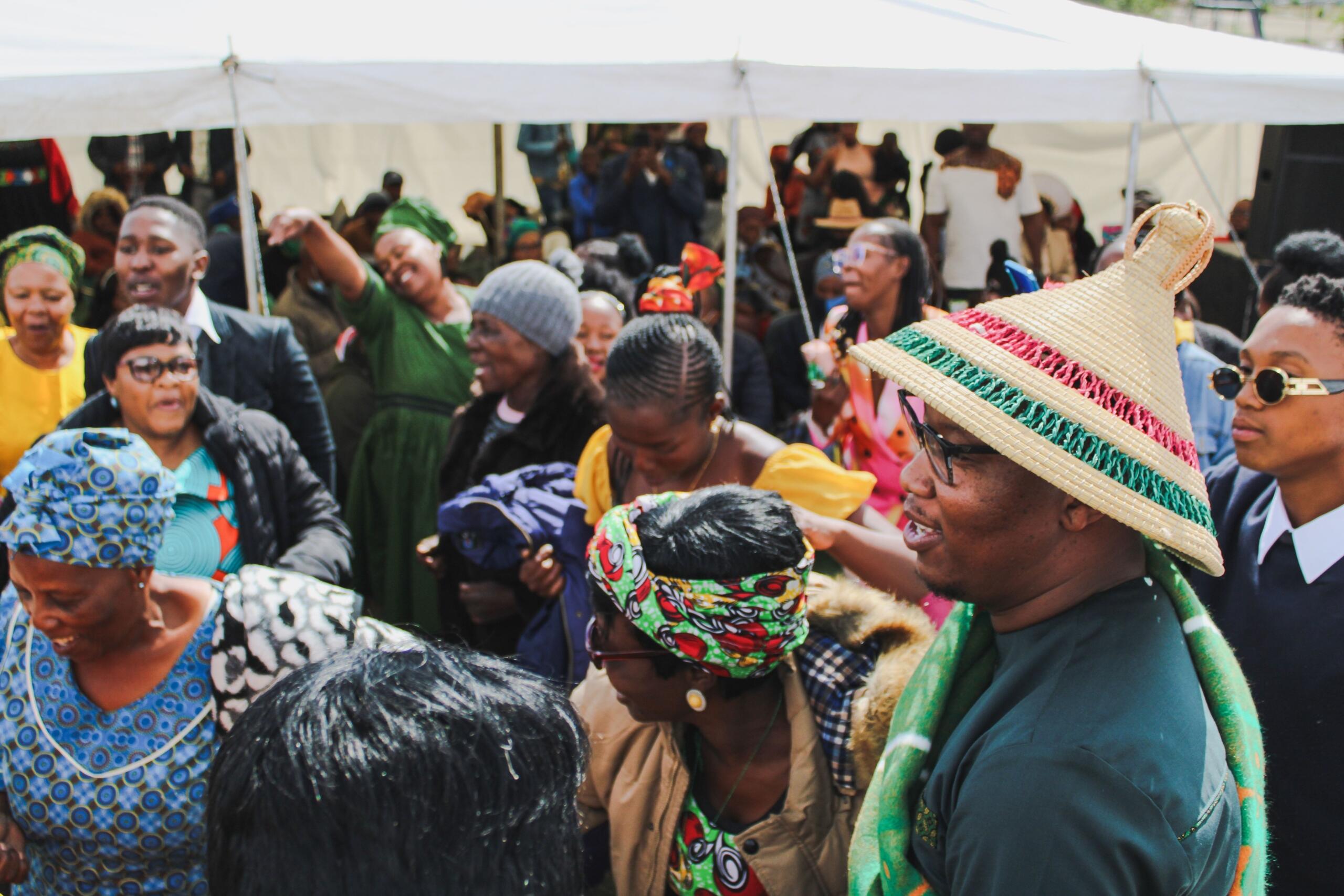
The distribution of people varies from region to region while large urban centres like Johannesburg, Cape Town, Durban, Pretoria and Port Elizabeth attract higher numbers of residents because of their services, infrastructure and employment opportunities.
South Africa's population reflects centuries of migration, cultural exchange and historical development. People from many different cultural and linguistic backgrounds contribute to the country's identity, with communities maintaining their own traditions while participating in a shared national society. According to Statistics South Africa, the country is also becoming increasingly urbanised, with most people now living in towns and cities rather than rural areas.
There's no doubt that the people are as fascinating as the land, and you may want to read more about the population and its differences. On this topic, you'll find that one of the interesting facts about South Africa is the extent of its linguistic diversity. It's worth emphasising that there are 12 officially recognised languages, since South Africa Sign Language joined the list in 2023.
Multilingualism is a defining characteristic of South African society. Many people speak more than one language in their daily lives, switching between languages at home, school or work depending on the situation. This ability to communicate across different language communities contributes to the country's cultural richness and reflects the constitutional commitment to multilingualism.
Of course, the capitals of South Africa also reflect the country's many contrasts as they represent different regions and historical influences.
South Africa and UNESCO World Heritage Sites
South Africa is home to several UNESCO World Heritage Sites recognised for their cultural and natural significance. These include the uKhahlamba-Drakensberg Park, the Cradle of Humankind, iSimangaliso Wetland Park, Robben Island, the Richtersveld Cultural and Botanical Landscape and the Cape Floral Region Protected Areas. Together these sites reflect the country's geological history, biodiversity and cultural heritage while attracting visitors from around the world.
Urban and Rural Life
While most South Africans live in urban areas today, rural communities continue to be important contributors to cultural heritage, agriculture and conservation.
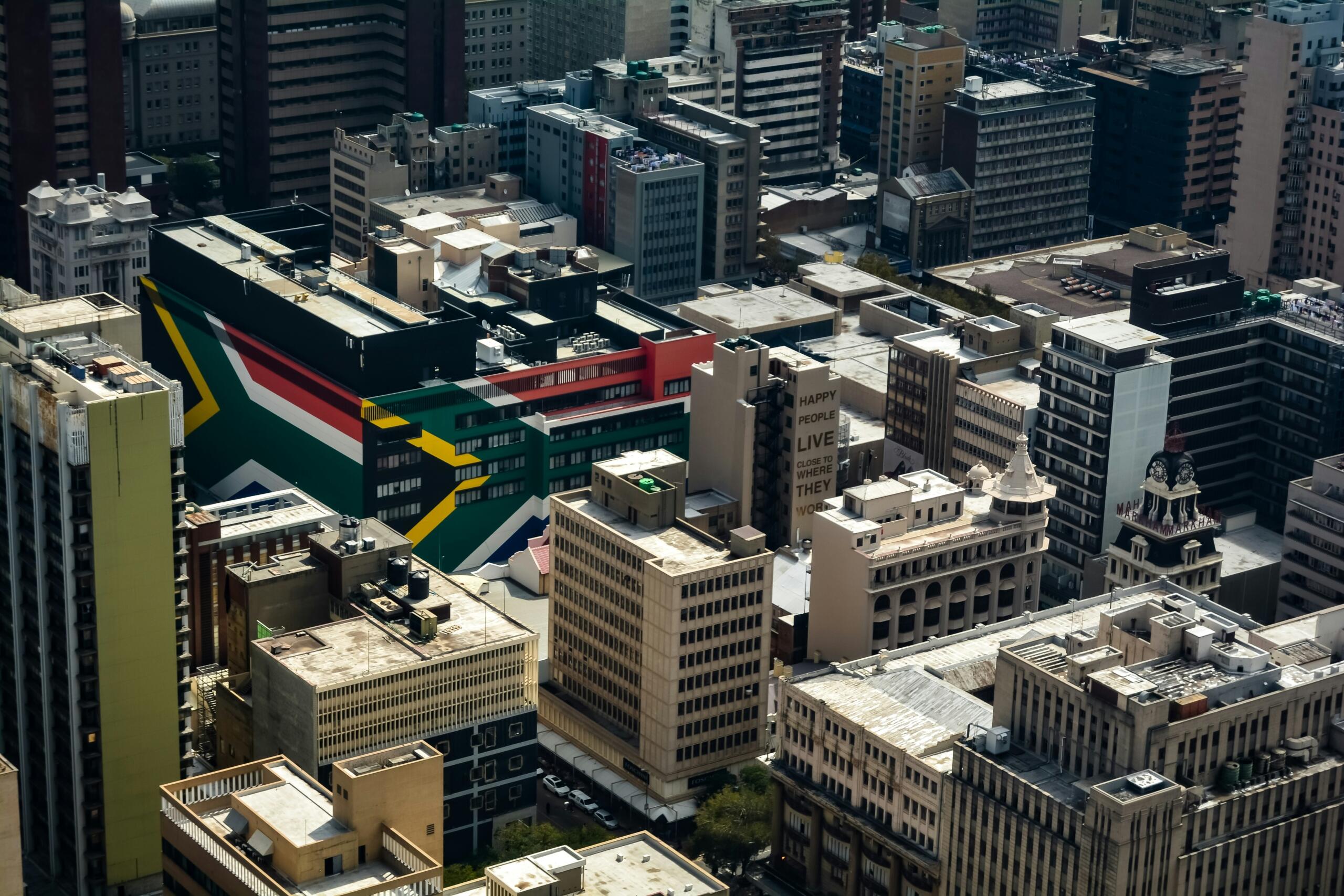
Understanding settlement patterns like these helps to explain some of South Africa's important facts, especially relating to population growth and economic activity.
Urban areas such as Johannesburg, Cape Town, Durban and Pretoria serve as centres for business, education, healthcare and government services. Rural regions, by contrast, remain important for agriculture, conservation and the preservation of cultural traditions. Although lifestyles may differ between urban and rural communities, both play significant roles in South Africa's economy and heritage.
For a closer look at where people live, as well as the kinds of factors that influence settlement patterns, you might enjoy reading about South Africa's population distribution and regional population trends.
A Country of Provinces and Regional Differences
In a geographical nutshell, South Africa consists of nine provinces, each with its own geography, character, and cultural influences. These include:
Each province has its own legislature and Premier, with responsibilities that include education, healthcare and aspects of local economic development. While the national government establishes overall policy, provincial governments are responsible for implementing many public services within their respective regions. Understanding the provinces therefore provides insight into both South Africa's geography and its democratic system of government.
When it comes to what makes South Africa unique, it is difficult to answer with a single explanation, as each province offers something different.
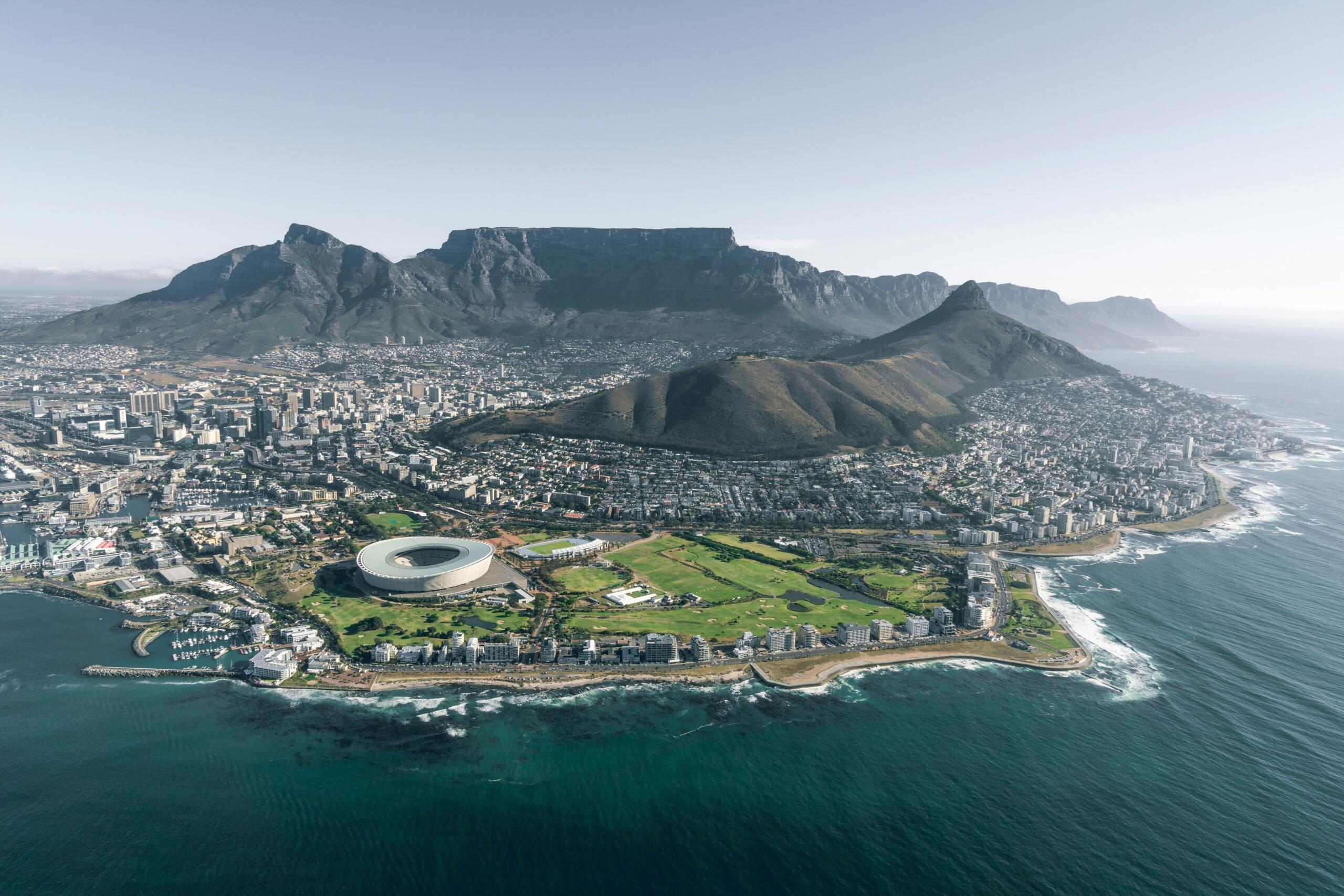
Take the comparison of the Northern Cape, which contains vast arid landscapes, against the KwaZulu-Natal subtropical coastlines, as an example. In addition, notice that Gauteng serves as the country's economic hub, while the Western Cape is known for mountains, vineyards, and fynbos ecosystems.
It is the fun facts about South Africa that make for fascinating regional contrasts. To discover more about these regional identities, you could also enjoy reading about the cultural and geographical differences found across South Africa's provinces.
South Africa's Climate
South Africa experiences a wide range of climatic conditions because of its size, altitude and proximity to two oceans. The south-western Cape has a Mediterranean climate characterised by winter rainfall, while much of the interior experiences summer rainfall.
The western parts of the country are generally drier than the east because of the influence of the cold Benguela Current along the Atlantic coast. In contrast, the warm Agulhas Current contributes to the more humid conditions found along the Indian Ocean coastline. These climatic differences influence agriculture, biodiversity, water resources and tourism throughout the country.
Natural Landscapes That Define South Africa
By now, you know that some of the most interesting facts about South Africa relate to its diverse landscapes. Let's take a deeper look.
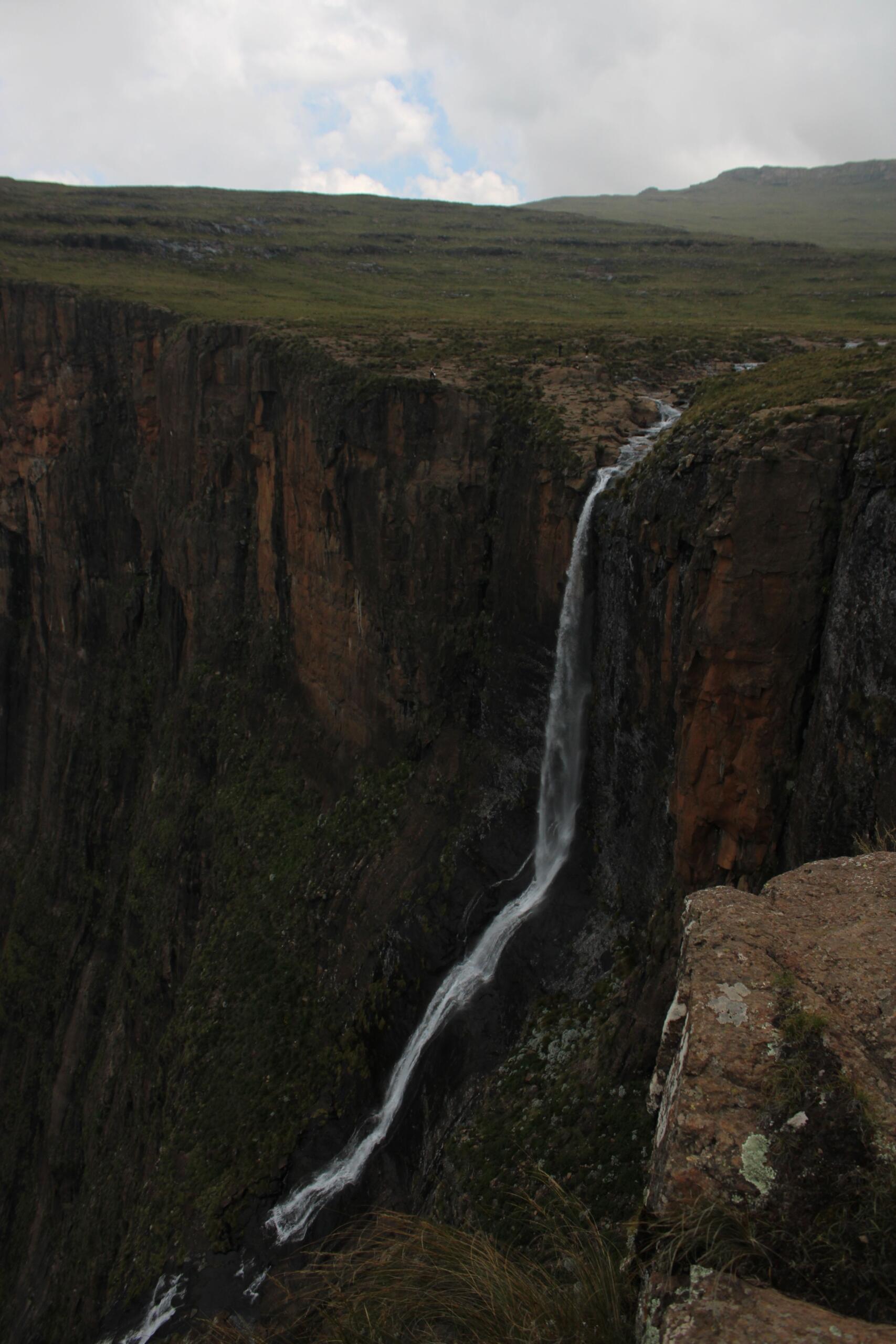
The Drakensberg
The Drakensberg mountain range is one of Southern Africa's most impressive natural phenomena, with certain sections recognised as a UNESCO World Heritage Site.
The Karoo
The Karoo is a vast, semi-arid region known for its unique vegetation, wide open spaces and dramatic scenery.
Savanna Regions
Dominating large areas of the country's interior, savanna ecosystems support many notable wildlife species.
The Cape Floral Kingdom
It may be the smallest floral kingdom in the world, but the Cape Floral Kingdom is one of the most biodiverse hotspots on earth.
Found in only a single country, the diversity of these geographical environments helps to explain what makes South Africa unique.
Wildlife and Biodiversity
South Africa is recognised as one of the world's most biologically diverse countries. Its varied climates and landscapes support thousands of plant species and a wide range of ecosystems, many of which are protected through national parks, nature reserves and UNESCO World Heritage Sites. Conservation plays an important role in preserving these environments for future generations while supporting tourism and scientific research.
If desert-like environments interest you, you will enjoy discovering more about the Karoo and other dry landscapes that shape much of South Africa's interior.
Besides its biodiversity, landscapes and people, South Africa is also internationally recognised for its wildlife, and supports thousands of plant species and a remarkable variety of animals.
South Africa is classified as one of the world's 17 megadiverse countries because of its exceptional variety of plant and animal life.
More than 20 000 plant species have been recorded, representing roughly ten per cent of the world's known plant species despite the country's relatively small land area. Its national parks and protected areas conserve habitats ranging from mountain grasslands to coastal forests and marine ecosystems.
The Big Five
The famous Big Five, originally a hunting term, is a phrase that now plays an important role in wildlife tourism. Can you name them?
Kruger National Park
Kruger National Park is one of the largest and most protected areas in Africa, attracting visitors from all over the world. Established in 1898, the Kruger National Park covers almost 20 000 square kilometres across Limpopo and Mpumalanga. It protects hundreds of mammal, bird, reptile and plant species and forms part of the Great Limpopo Transfrontier Park, which extends into Mozambique and Zimbabwe.
The Cape Floral Region
The Cape Floral Region, which contains thousands of plant species, many of which occur nowhere else on Earth, contains one of the world's six floral kingdoms in a relatively small area.
Among the most impressive facts about South Africa is that the country contains one of the world's six floral kingdoms despite occupying a relatively small area globally.
Look deep into nature, and then you will understand everything better.
Albert Einstein
The Three Capitals Explained
Many people are surprised to discover that South Africa has not one, but three, capitals. The capitals of South Africa each perform a different constitutional role:
Capital
Pretoria
Function
Administrative
Cape Town
Bloemfontein
Legislative
Judicial
Did you know that the existence of three capitals of South Africa is often included in quizzes as one of the fun facts about South Africa? It is definitely one of those examples regarding the question: what makes South Africa unique?
This arrangement dates back to the formation of the Union of South Africa in 1910, when political leaders reached a compromise to distribute the functions of government across different cities. Pretoria became the seat of the executive, Cape Town the home of Parliament, and Bloemfontein the judicial capital. This system continues under South Africa's constitutional democracy today.
Lesser Known Facts About South Africa
Believe it or not, there is more. Some of the most interesting facts about South Africa are not necessarily covered in school textbooks. How many of these factual nuggets did you know?
South Africa is consistently ranked among the world's leading producers of macadamia nuts, with orchards concentrated mainly in Limpopo, Mpumalanga and KwaZulu-Natal.
South Africa is home to some of the deepest gold mines ever constructed. The discovery of gold on the Witwatersrand in 1886 transformed South Africa's economy and contributed significantly to the growth of Johannesburg, now the country's largest city by population.
South Africa borders both the Atlantic Ocean and the Indian Ocean. Cape Agulhas is recognised as the official geographical meeting point of these two oceans.
South Africa's recognition of 12 official languages is unusual by international standards.
These examples, while lesser-known, continue to fascinate both locals and visitors alike.
Why Geography Influences Daily Life
Did you know that geography affects everything from transportation and population settlement patterns to climate and agriculture?
Farming activities
Water availability
Tourism opportunities
Economic development
Biodiversity conservation
Geography also affects water availability, farming practices and transport infrastructure. Agricultural production varies across provinces according to rainfall, soil quality and climate, while mountain ranges and rivers influence where roads, railways and settlements have developed. Coastal provinces benefit from major ports that support international trade, whereas inland provinces depend heavily on road and rail transport to move goods.
A Colourful Future
South Africa continues to face both opportunities and challenges related to its population growth, environmental conservation, urbanisation, and climate change
The nation continues to invest in environmental conservation, infrastructure, scientific research and cultural preservation. National parks protect biodiversity, while museums, heritage sites and cultural institutions help preserve the country's rich history. At the same time, urban growth, renewable energy development and improved transport infrastructure continue to shape the country's future.
Today, the country's rich cultural heritage and natural beauty continue to attract the world's attention while contributing to what makes South Africa unique.
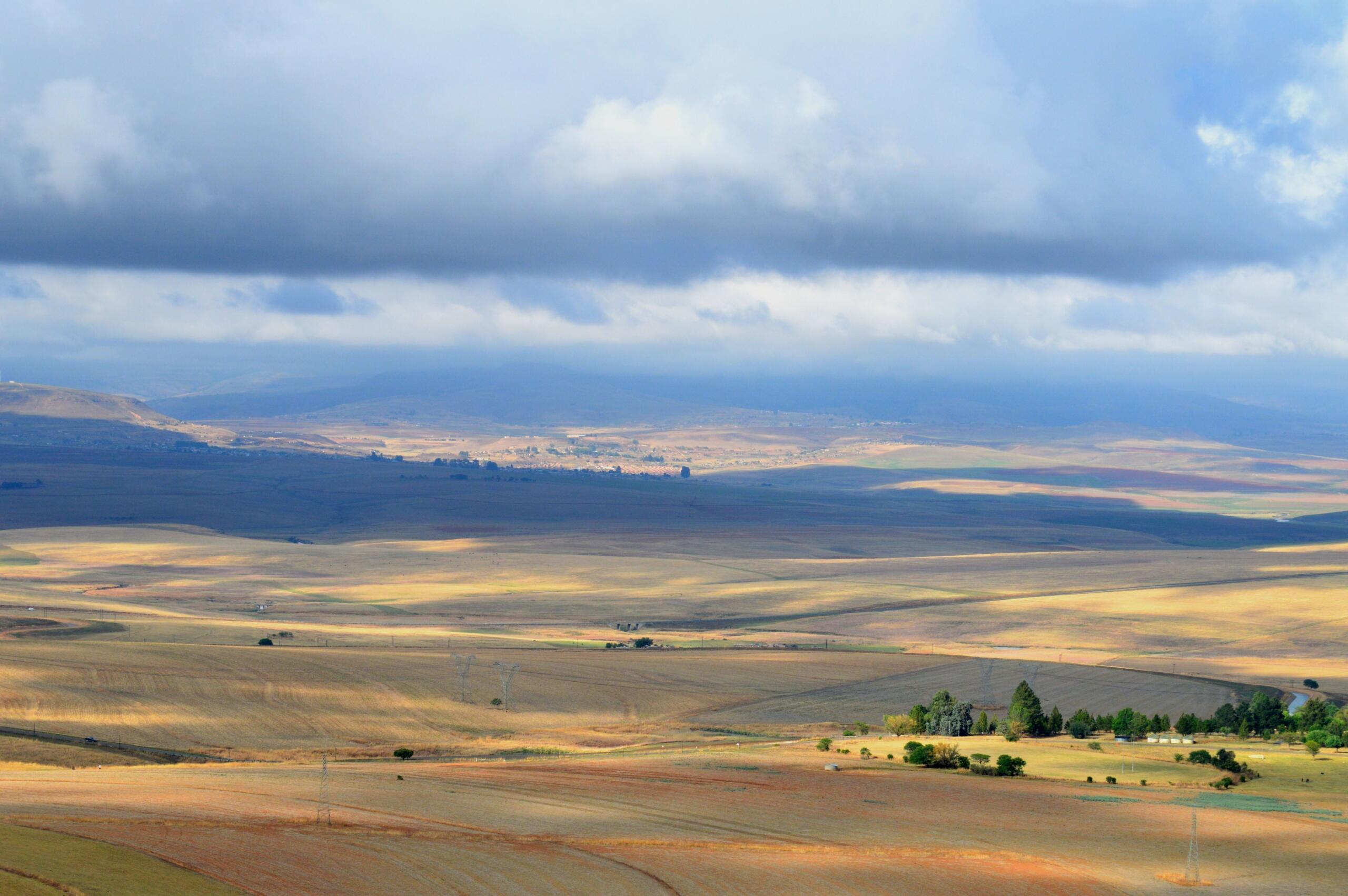
Remember that many of today's fun facts about South Africa are connected to important broader conversations about social development, sustainability and conservation. Ultimately, South Africa is a country of unique contrasts and extraordinary diversity.
Its history, people, languages, natural resources and geography certainly combine to create a nation like no other. From the extensive coastline and Drakensberg to the Karoo, Cape Floral Kingdom and Kruger National Park, it is a significant part of the Earth.
Whether you are learning more about our country's size, biodiversity or why it has 12 official languages and three capitals, there is much to discover when it comes to what makes South Africa unique.
From its varied landscapes and unique biodiversity to its multilingual society and distinctive system of government, South Africa offers countless opportunities for discovery. Each region contributes something different to the national story, making the country one of the most geographically and culturally fascinating places in the world.
Summarise with AI:
Enjoyed this article? Leave a rating!

 Loading...