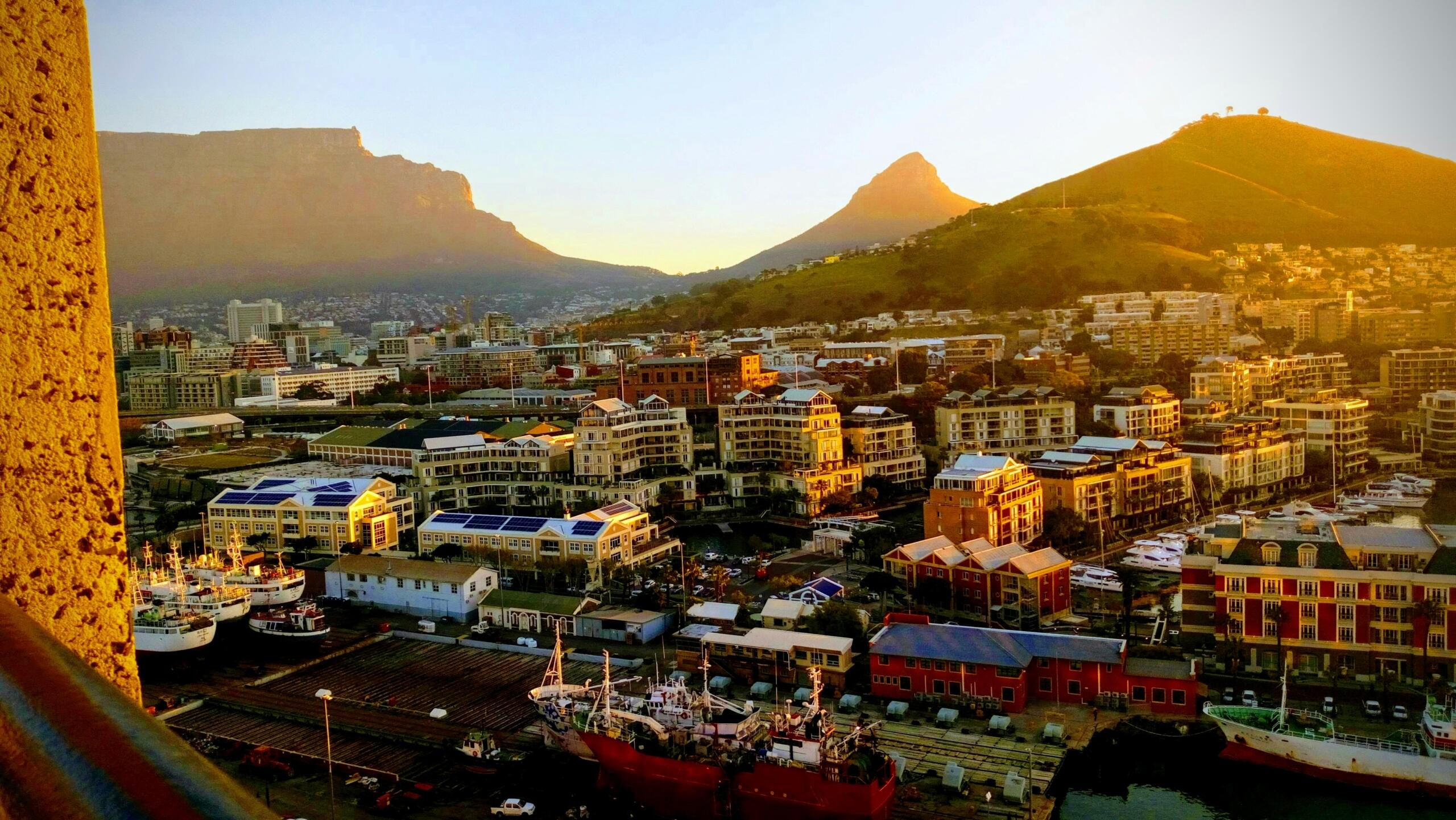

In South Africa, the population distribution is far from uniform. Some regions contain vast metropolitan areas with millions of residents, while others are sparsely populated due to geography, climate, and economic factors.
Understanding South Africa population dynamics helps to explain why some provinces experience rapid urban growth while others are less dense.
Estimated South African population
Population growth is affected by births, deaths, and migration
If you are interested in the broader context behind these numbers, you can read about what makes South Africa's so interesting.


Why Population Distribution is Uneven
If you're searching for information about the population of South Africa, you may be surprised to learn that concentrated residents are in a relatively small number of urban areas.
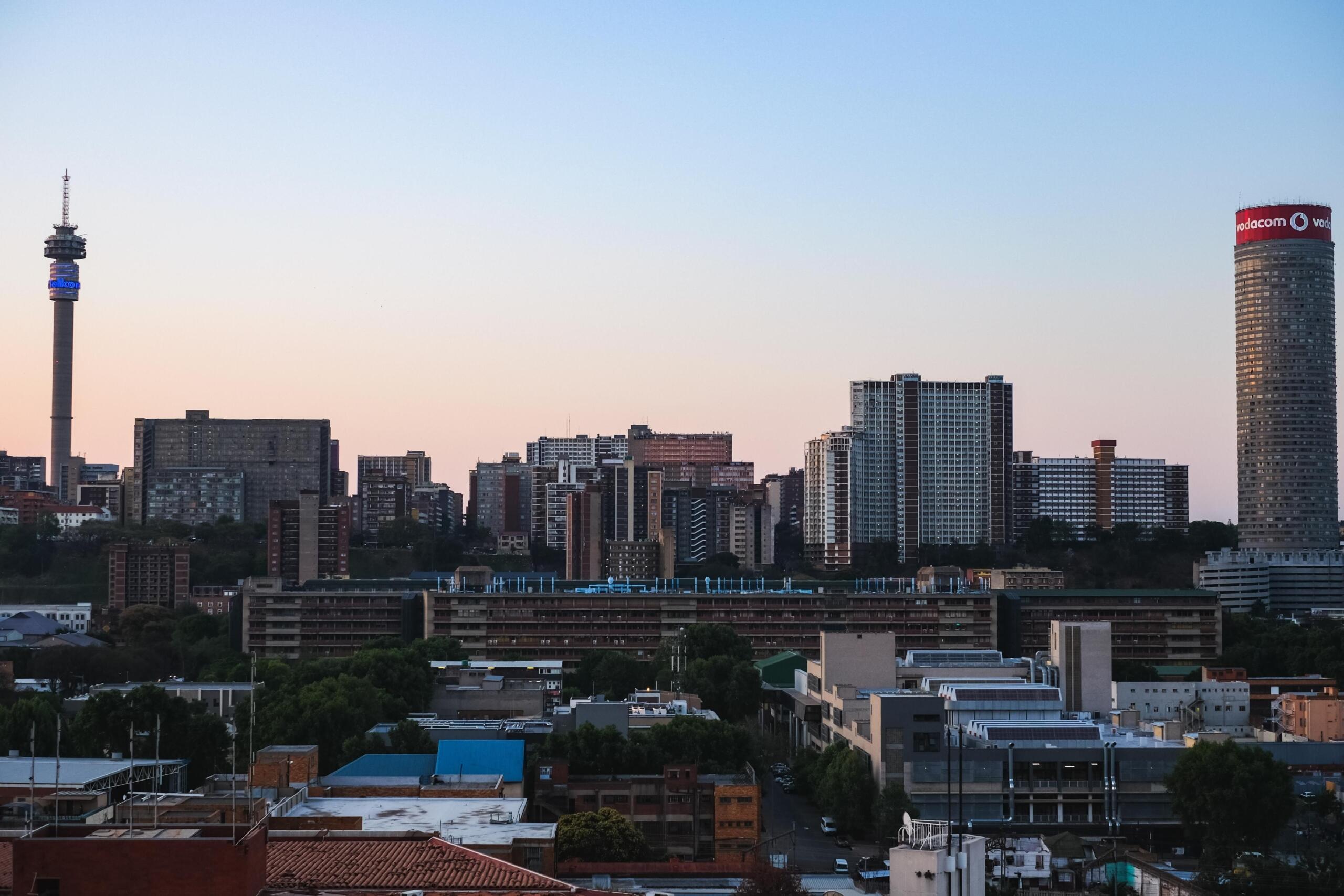
While the country spans more than 1.2 million square kilometres, most people generally live in cities and towns rather than remote rural regions.
So, how are population patterns influenced?
When asking how many people are in South Africa, it is equally important to find out where those people live, as this answer reveals the truth about the country's economy and development.
Remember that large metropolitan areas attract those seeking employment, while most rural regions experience slower development growth due to limited economic opportunities.
The Most Populated Provinces
Three main provinces account for a significant share of the country's residents.
Gauteng
Gauteng may be the smallest province by land area, but it is the most densely populated.
Together, Johannesburg, Tshwane (Pretoria), and Ekurhuleni form one of Africa's largest urban regions and attracts students, workers, entrepreneurs and families from all over South Africa.
People per km² in Gauteng, the most densely populated province in South Africa
This concentration of people in Gauteng has a major influence on the overall South Africa population distribution.
KwaZulu Natal
KwaZulu Natal is also a highly populated province.
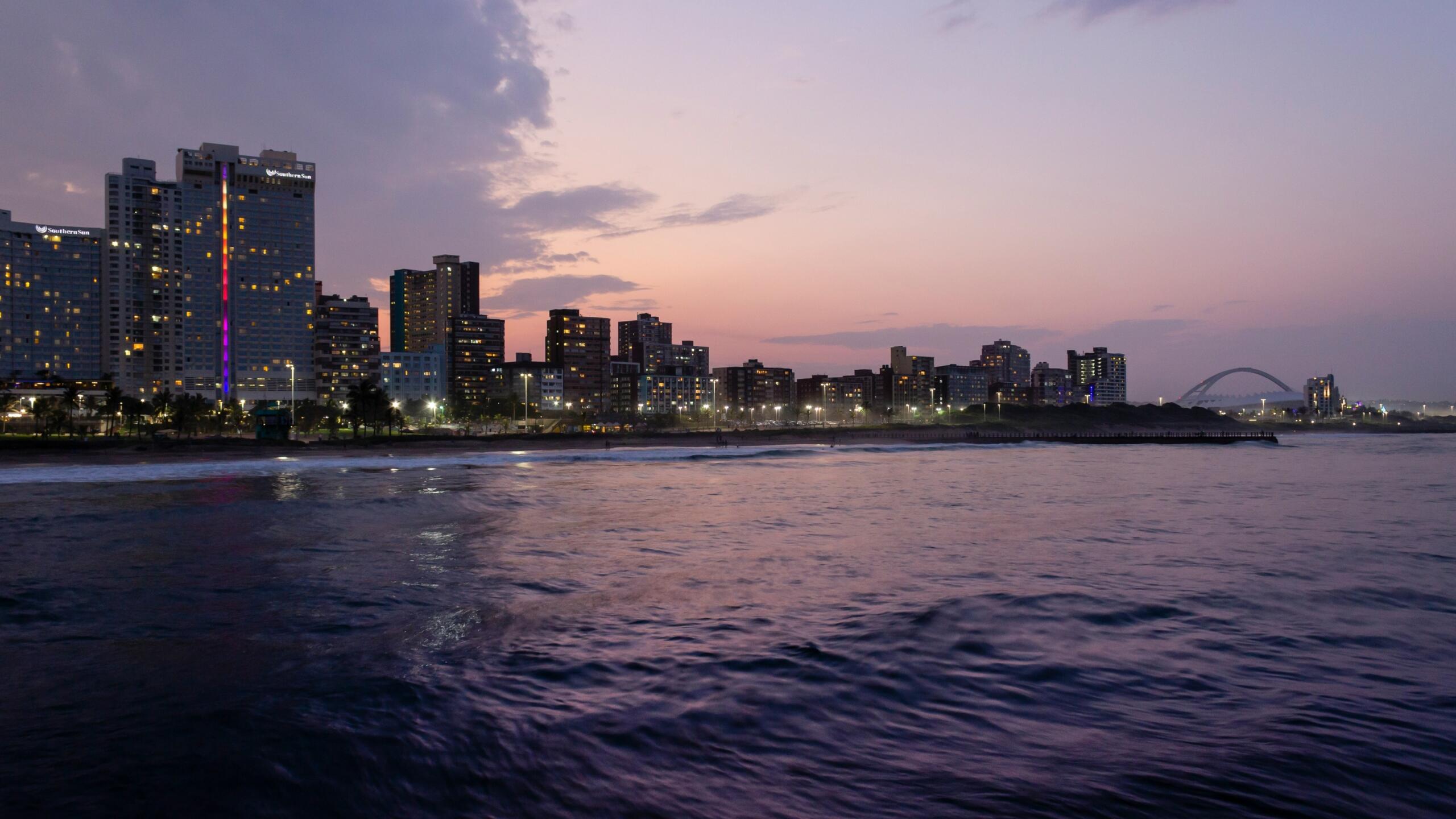
Major centres such as Durban, Pietermaritzburg, Richards Bay, and surrounding communities support large urban and rural populations.
Western Cape
Over the past decade, the Western Cape has continued to attract residents from other provinces, and Cape Town, as one of the country's most important economic and tourist destinations, contributes to ongoing population growth within the province.
| Province | Relative Population Density |
|---|---|
| Gauteng | Highest |
| KwaZulu-Natal | High |
| Western Cape | High |
| Mpumalanga | Moderate |
| Eastern Cape | Moderate |
| Limpopo | Moderate |
| North West | Lower |
| Free State | Low |
| Northern Cape | Lowest |
Why Gauteng Attracts So Many People
Gauteng offers an excellent case study in urbanisation. Although geographically small, it makes a substantial contribution to the overall economy.
Financial services
Manufacturing
Technology
Logistics
Government institutions
Discussions about the population of South Africa often highlight Gauteng because it demonstrates how economic factors influence settlement patterns.
Johannesburg serves as the country's financial hub, while Pretoria functions as the administrative capital. Together, these metropolitan areas draw people seeking careers, education, and business opportunities.
In addition, the province also contains major universities, hospitals, shopping centres, and transport networks that support a large urban population.
In answering the question "how many people are in South Africa", Gauteng's role is key to the conversation.
Urbanisation and Modern South Africa
Urbanisation refers to the relocation of people from rural areas to towns and cities - a process that has influenced South African population for decades.
Better transport links
More employment opportunities
Access to higher education
Healthcare facilities
Government services
Rapid urbanisation can also create challenges when housing, transport and municipal infrastructures have to manage population growth under stress.
The Importance ofRural Communities
Although urbanisation continues, rural communities are still an important part of the country's economic and social fabric.
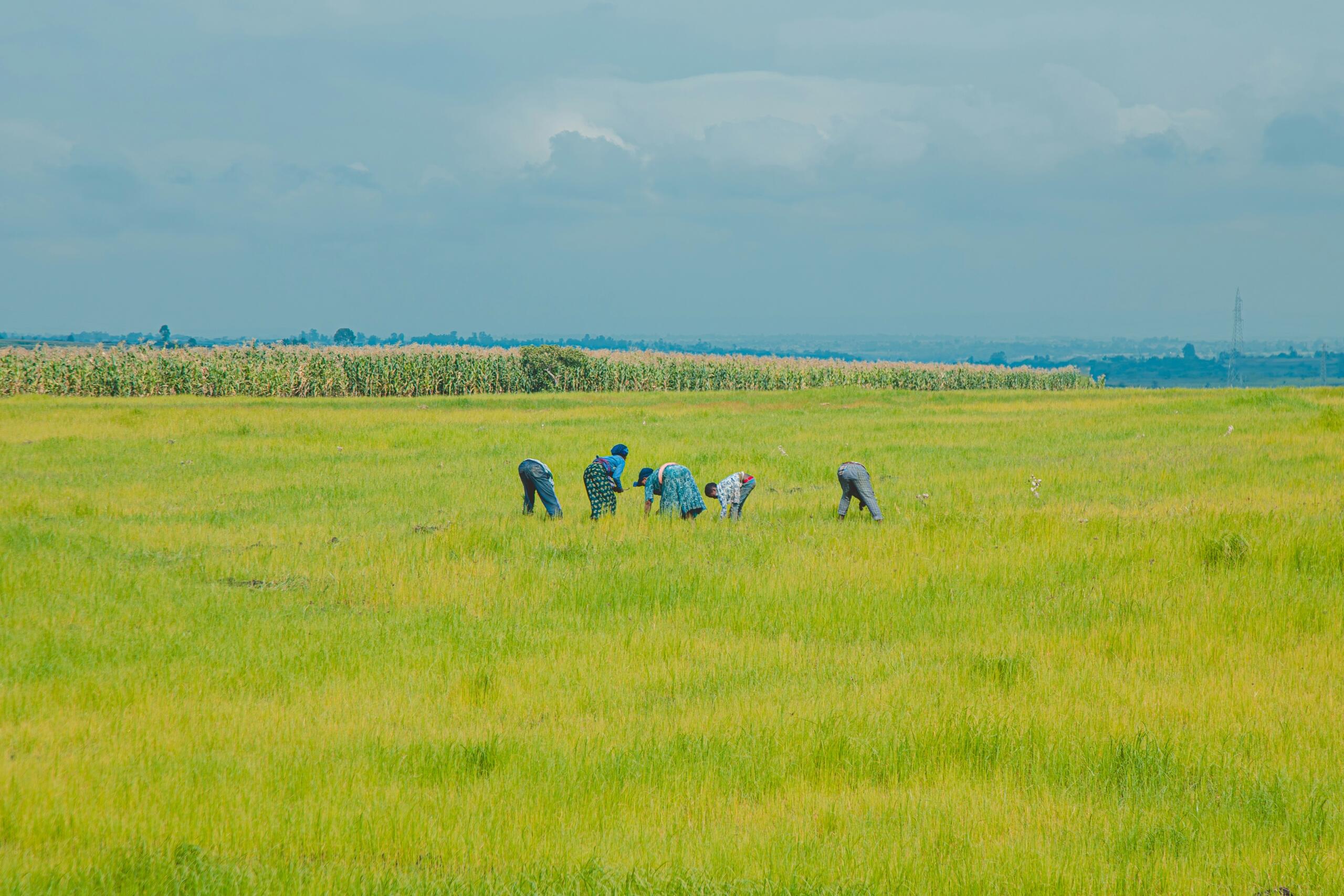
In many areas, agriculture supports livelihoods, while rural towns continue to offer services in education, healthcare, and local commerce.
The South Africa population dynamic includes rural regions that contribute to conservation, food production, tourism and cultural heritage.
Cities grow where opportunity exists, but geography continues to shape where people live.
Areas With Low Population Density
Why do some provinces experience rapid urban growth, while others remain sparsely populated?
Northern Cape
The Northern Cape is South Africa's largest province by area, yet interestingly, has the smallest population of South Africa. Large distances between settlements, limited industrial development and low rainfall are all influences that play their part.
The Karoo
The Karoo is another example of a region with low population density.
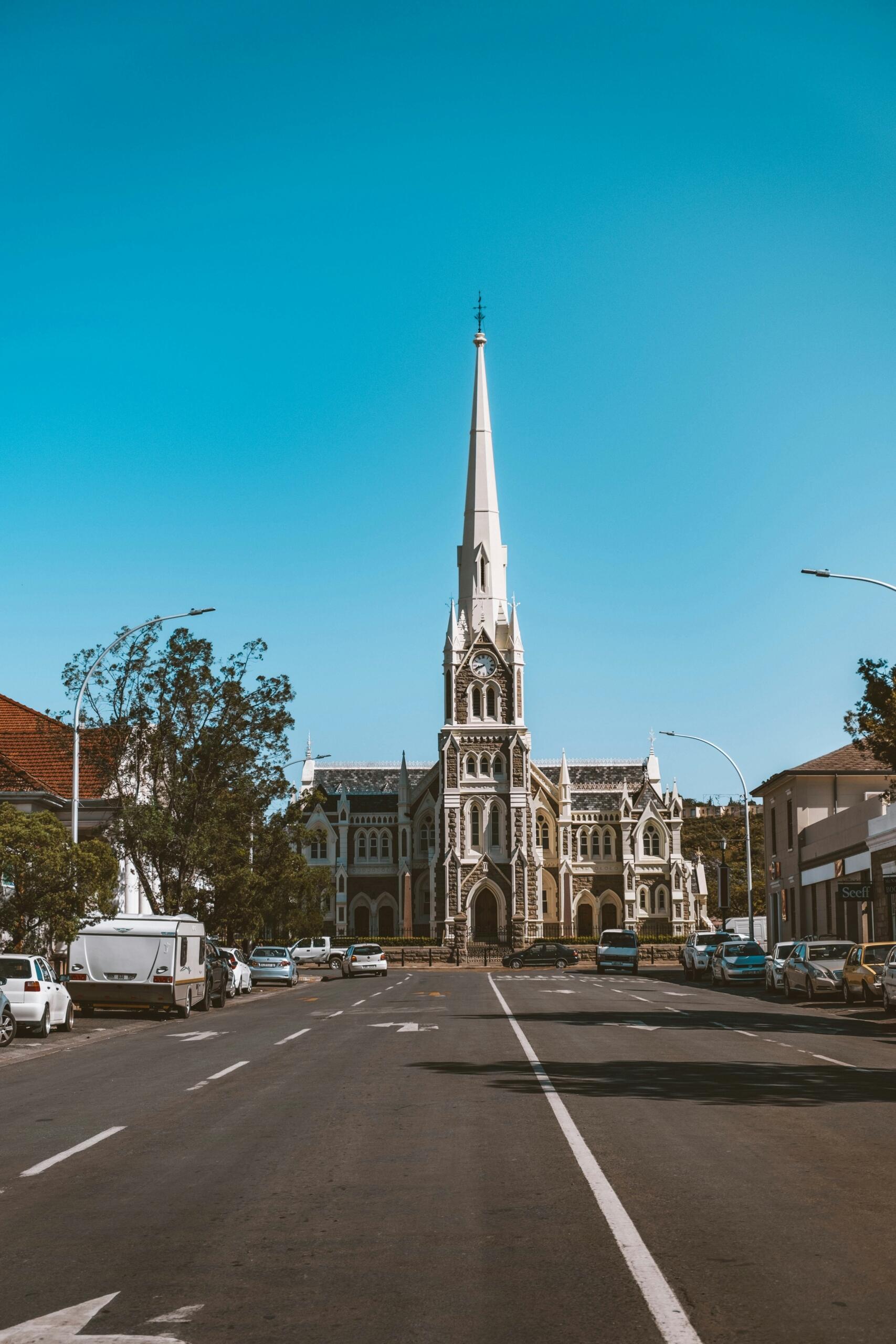
An area with a semi-arid climate, limited water and intense agricultural focus has influenced how its communities have developed. For instance, towns such as Prince Albert, Graaff Reinet and Beaufort West are all important local centres, even though population remains widely dispersed.
Climate also plays a significant role in the development of South Africa population patterns. Remember that regions with scarce rainfall generally support fewer residents than areas with larger economies and more extensive infrastructure.
If you would like to learn more about how these extraordinary dry landscapes survive, you may enjoy exploring the Karoo and other arid regions within South Africa's interior.
Historical Influences on Population Distribution
Modern settlement patterns did not emerge by chance. Historical developments have had a profound influence on where people live today.
The Mining Economy
The discovery of diamonds in Kimberley and gold on the Witwatersrand completely transformed the country's population geography.
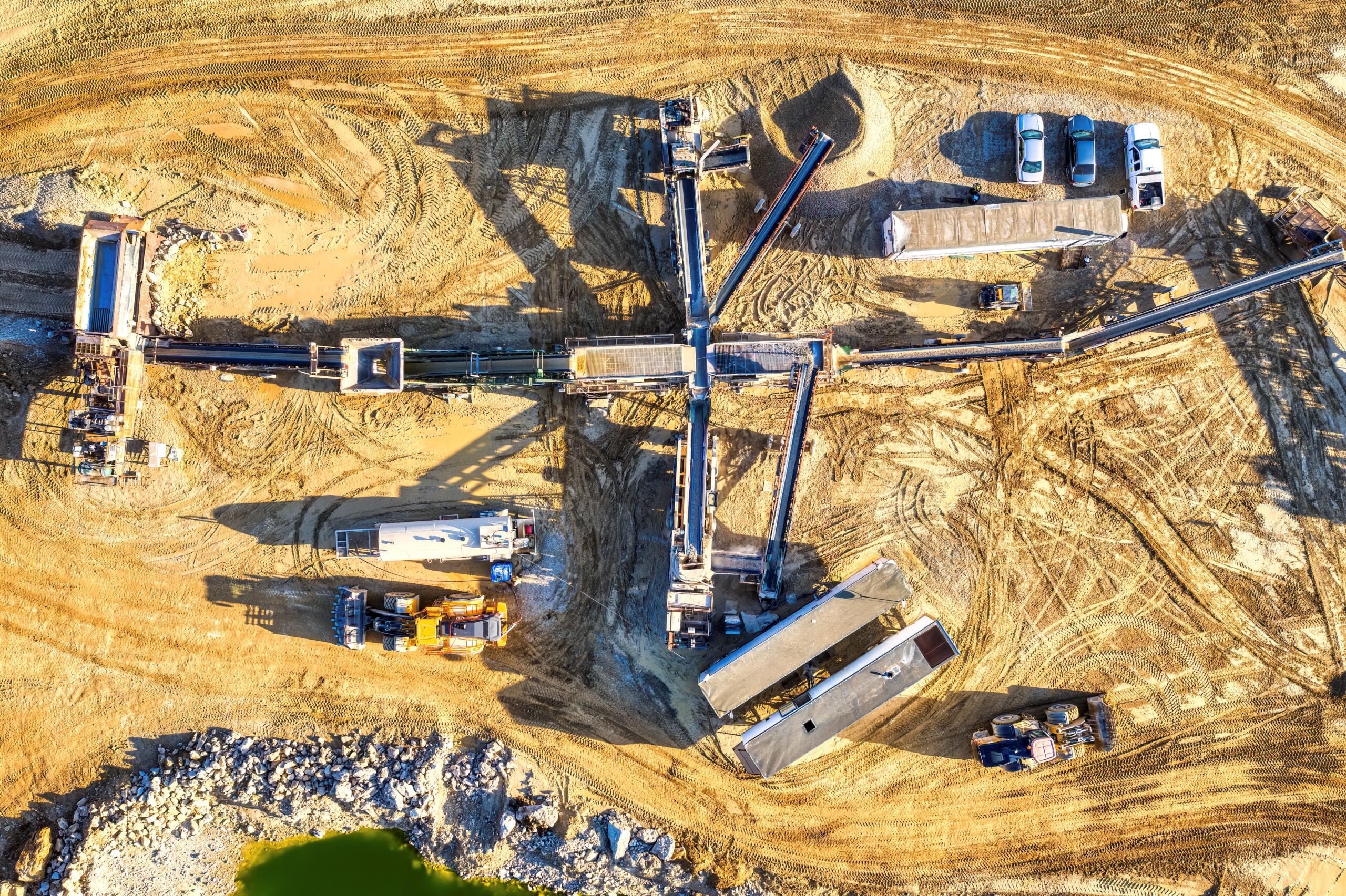
Mining created employment opportunities that attracted workers from across Southern Africa. As such, cities like Johannesburg, commonly known as eGoli or City of Gold, expanded rapidly.
These developments influenced both the growth of urban centres and, of course, the South African population.
Industrial Development
Manufacturing and industrial growth further strengthened urban regions. Infrastructure and business investment tend to concentrate around existing economic hubs, reinforcing migration toward cities.
Apartheid Spatial Planning
Tragically, Apartheid policies have left a lasting impact on South Africa's settlement patterns.
In short, many communities were either restricted to specific areas or had to endure forced relocations. The effects of these policies continue to influence community patterns, housing, and access to economic opportunities today.
Understanding these historical influences helps explain current population growth trends and ongoing urban development challenges.
The Impact of Geography
Geography continues to influence where people settle.

Transport, climate, water and economic opportunities all affect population density. In addition, coastal cities often attract residents because of added trade opportunities and economic activity, while remote inland regions stay sparsely populated.
The relationship between environment and settlement is one reason why South Africa population dynamics remain unevenly distributed.
Distance also plays a role. In a country of this size, investment in infrastructure becomes particularly important for connecting communities and supporting development.
For a broader perspective on the physical scale, it is interesting to compare South Africa's land area with other nations around the world.
Future Population Trends
The cities of South Africa are predicted to continue growing in the coming decades.
Urbanisation remains one of the most vital demographic trends to affect the country as many people continue moving toward metropolitan areas in search of employment and improved services.
For the country's leaders, ongoing population growth creates both opportunities and challenges.
Opportunities
Larger labour markets
Challenges
Housing shortages
Economic expansion
Improved access to services
Transport congestion
Pressure on public services
Greater innovation and investment
Water demand
Planning for future growth is essential as the population of South Africa continues to grow and evolve.
Many researchers examining "how many people are in South Africa" also study how population distribution changes over time and what that means for economic and infrastructure development.
Provincial Differences and their Unique SettlementPatterns
Each province is unique and offers its own set of opportunities and challenges.
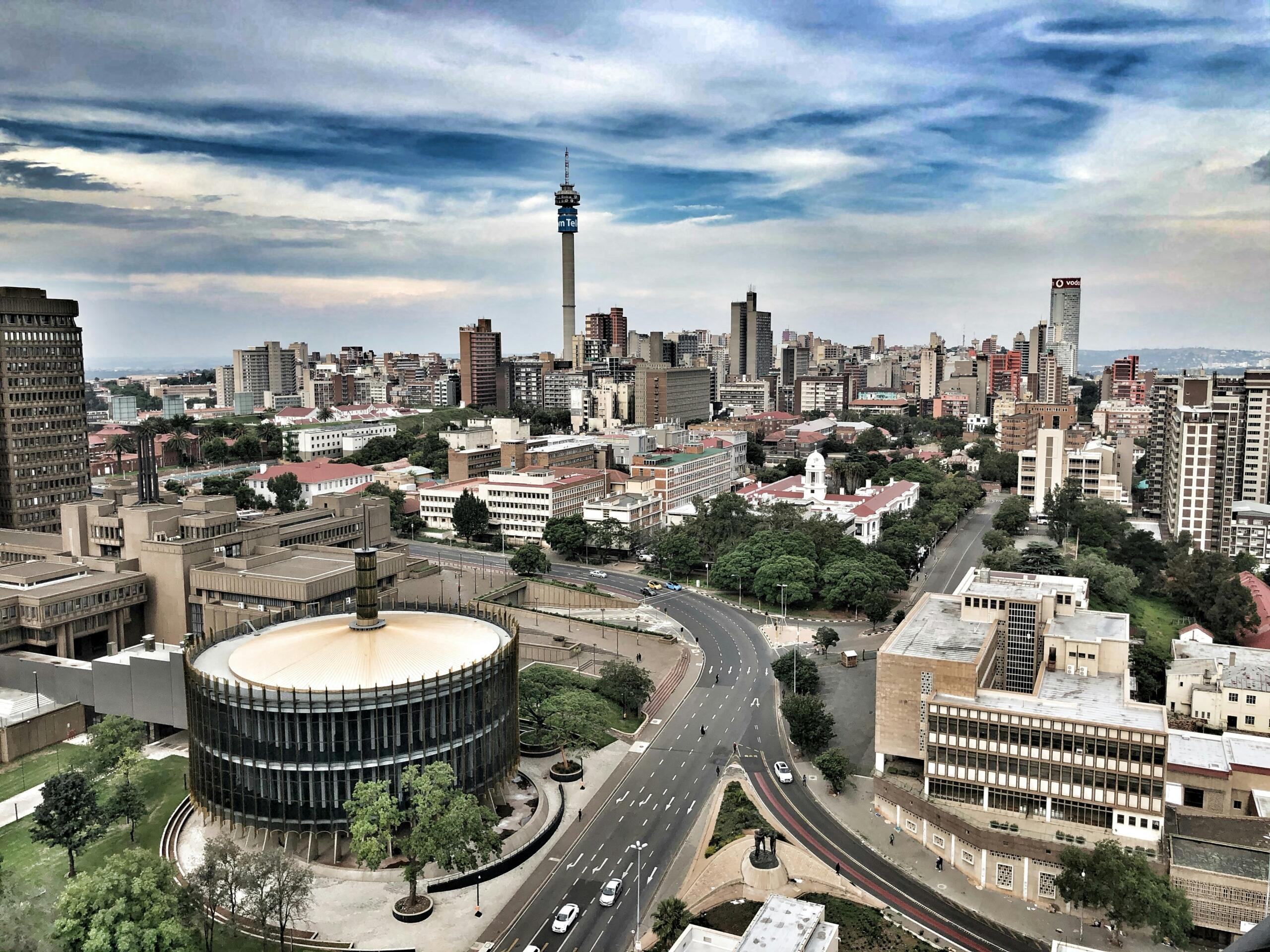
Gauteng continues to be the country's economic engine. KwaZulu-Natal combines major urban centres with extensive rural communities. The Western Cape continues to attract semigrants from other regions, while provinces like the Eastern Cape, Limpopo and Mpumalanga maintain important agricultural and cultural roles.
These differences contribute to the diversity of the South African population and help to explain why settlement patterns vary dramatically across the country.
If you are interested in how history, culture and geography differ from one region to another, you may enjoy exploring the distinctive characteristics of South Africa's provinces.
Population Totals and Future Planning
The future distribution of population across South Africa will depend on a combination of education, economics, infrastructure investment, housing policy, and environmental factors.
Today, questions about how many people are in South Africa increasingly involve more than national totals. They also involve understanding where people live and why those choices are made.
Urban centres are likely to continue attracting residents, however rural communities will remain important contributors to agriculture, conservation, tourism, and cultural heritage.
Managing sustainable population growth while still improving quality of life will be one of the country's key development priorities.
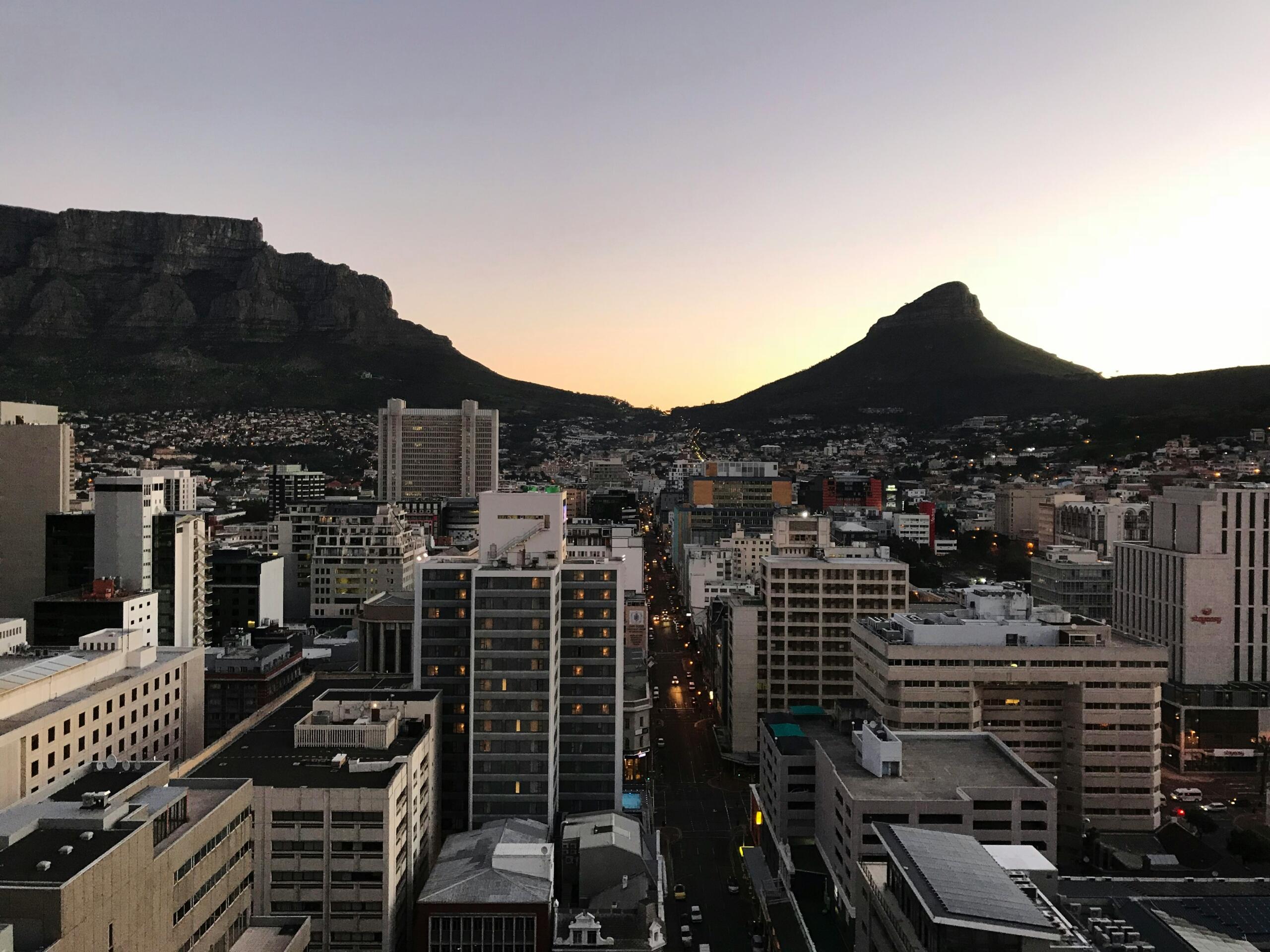
In summary, the South African population is concentrated largely within major urban areas, particularly Gauteng, KwaZulu-Natal, and the Western Cape. Simultaneously, vast regions such as the Karoo and Northern Cape remain sparsely populated by comparison.
Understanding the population of South Africa means looking beyond national totals to examine the factors that influence where people elect to live.
Whether you are studying economics, urban development or geography, the question about how many people are in South Africa offers valuable insights into the country's past, present, and future population growth.
Summarise with AI:
Enjoyed this article? Leave a rating!

 Loading...