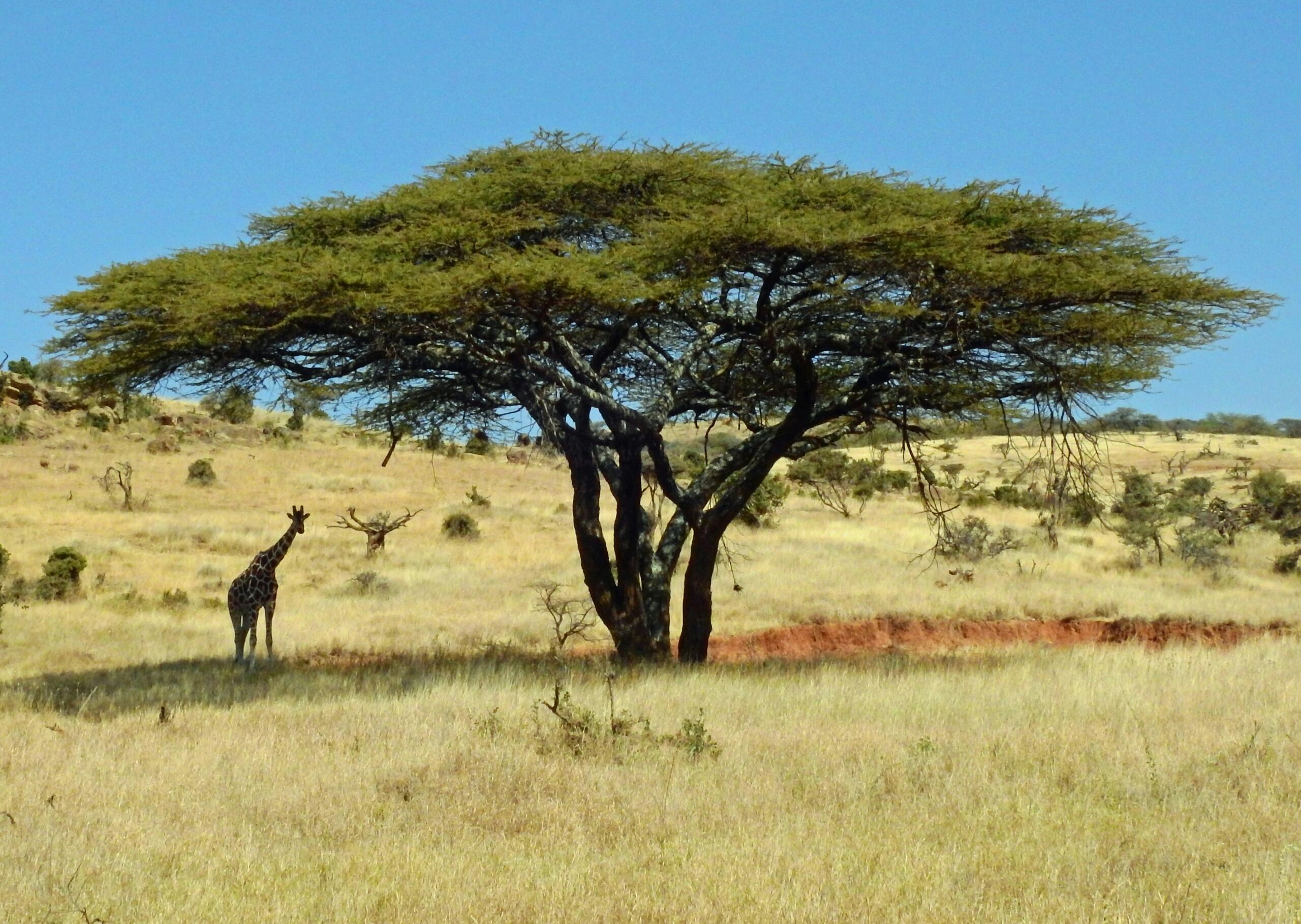

Trees are among the most important parts of any natural environment. They provide shade, shelter, food, and nesting sites for countless species while helping to maintain healthy ecosystems. In South Africa, from the towering baobabs of Limpopo to the ancient yellowwoods of indigenous forests, they play an essential role to nature's biodiversity.
Unsurprisingly, most people associate South Africa with impressive wildlife and spectacular landscapes, yet the country's trees are equally deserving of the limelight. In this article, find out how trees of South Africa in different regions support different species. This is an important reflection of the diversity of climates and habitats found across Southern Africa.
indigenous tree species recorded in South Africa
Understanding the various types of trees in South Africa can help you appreciate the ecological value of native species, enabling informed choices for gardens, landscaping projects, and conservation efforts.
If this topic interests you, you might benefit from a broader introduction to the country's native flora, specifically the diverse indigenous plant species and the ecosystems that support them.


Why Indigenous Trees Matter
Native trees have evolved alongside local wildlife, climate conditions, and soils over thousands of years. As a result, a search for indigenous trees South Africa often provides information about their ecological benefits, which is in contrast to introduced species.
Benefits include:
Many homeowners are increasingly planting South African trees because they offer environmental benefits while creating attractive and resilient gardens.
| Tree Species | Regions |
|---|---|
| Baobab | Limpopo |
| Yellowwood | Indigenous Forests |
| Fever Tree | Savanna Regions |
| Wild Olive | Across several provinces |
| Karee | Dry interior regions |
| Camel Thorn | Northern Savannas |
The Famous Baobab of Limpopo
Few trees of South Africa are as iconic as the baobab. The baobab's distinctive shape makes it one of the most recognisable South African trees and a favourite subject for photographers and visitors.
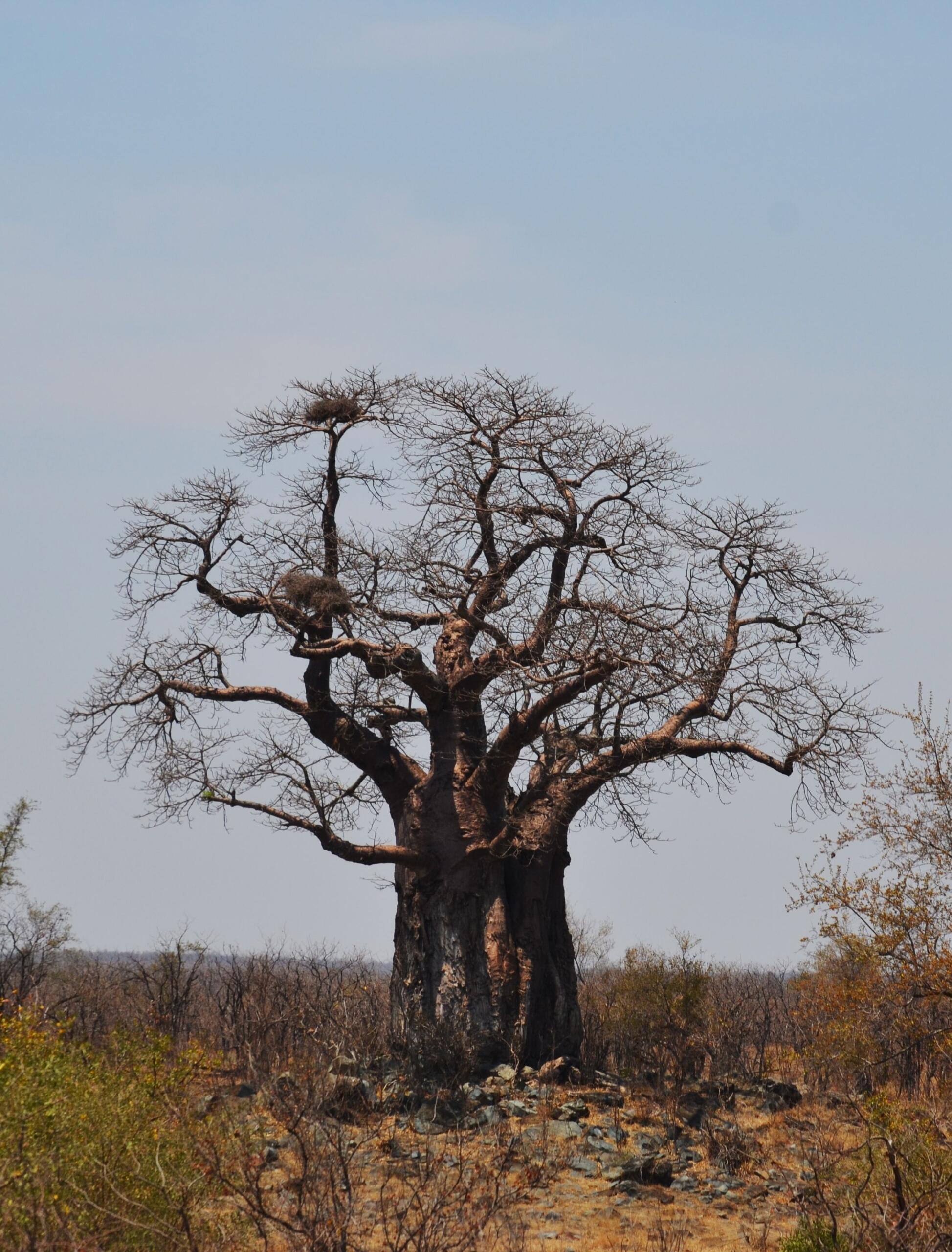
These enormous trees occur primarily in Limpopo Province, particularly in the northern parts of the province. Did you know that some specimens are believed to be well over a thousand years old?
This could be why the baobab holds cultural significance for many communities and is often associated with storytelling, gathering places, and traditional knowledge.
The baobab also provides food and shelter for wildlife, demonstrating how important large indigenous trees can be within local ecosystems.
Yellowwood Trees and South Africa's Forest Heritage
The Real Yellowwood tree (Podocarpus latifolius) is South Africa's national tree.
Yellowwoods also occupy a special place in South African conservation. In fact, the Real Yellowwood (Podocarpus latifolius) is South Africa's national tree and occurs naturally within indigenous forests in the Eastern Cape, KwaZulu-Natal, and the Garden Route.
If you are learning about the different types of trees in South Africa, you will find that yellowwoods are among the most important examples because of their ecological and historical significance. Not only that, their long lifespan and impressive size make them key components of forest ecosystems.
Vachellia Trees in Savanna Landscapes
While many people still refer to the vachellia species as acacias, they have actually been reclassified into the genus Vachellia. Examples include:
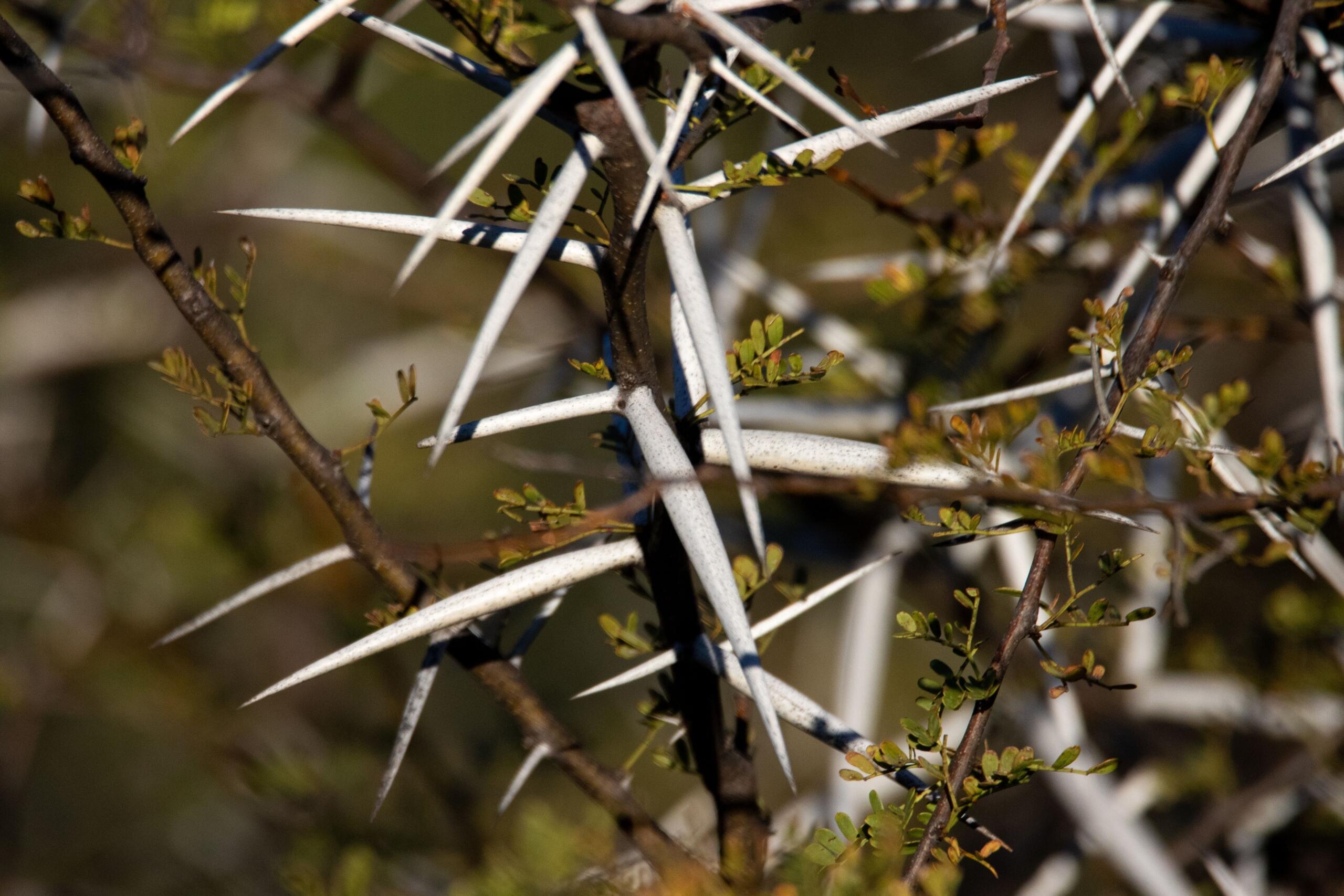
These thorny beauties are among the most recognisable trees of South Africa, particularly within savanna regions.
Besides their striking appearance within barren-looking landscapes, their broad canopies provide shade for wildlife while their flowers support pollinating insects.
If you have been to a game reserve you would have encountered these species alongside giraffes, elephants, and antelope.
Indigenous Trees for Urban Landscapes
Outside of the wild, native trees are increasingly used in urban environments because of their adaptability and ecological benefits. Popular choices include:
The wild olive is hardy, attractive, and well suited to many South African gardens.
The karee is drought tolerant and provides valuable habitat for birds.
Known for its distinctive yellow green bark, the fever tree creates striking visual interest.
Cape ash trees are valued for their beauty and shade.
Many gardeners begin their planning with a search for indigenous trees South Africa because it is well known that they typically require less maintenance and also support local biodiversity.
Indigenous Trees and Wildlife
Ultimately, trees provide much more than visual appeal. Birds rely on trees for nesting sites, shelter, and food. Insects use them as breeding habitats and mammals depend on them for shade and protection.
Many South African trees support entire ecological communities, which is a dramatic claim for a very important job. The value of indigenous trees South Africa extends far beyond landscaping because they help maintain healthy ecosystems for both wildlife and people.
Shade Ecosystems
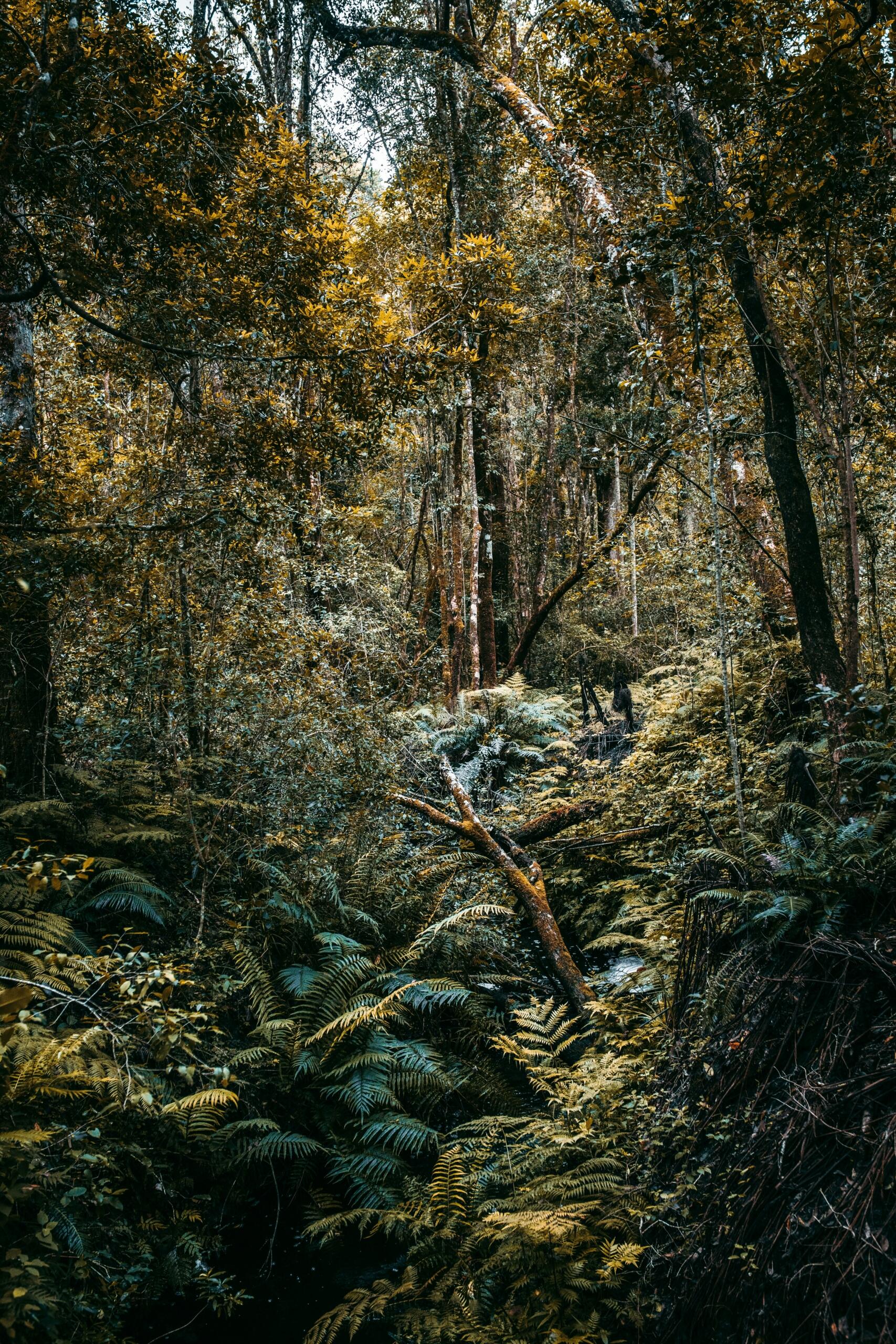
Tree canopies create cooler microclimates that benefit numerous organisms. These shaded areas also help conserve moisture, protect smaller plants from extreme temperatures, and provide shelter for birds, insects, reptiles, and mammals. In many ecosystems, the conditions beneath mature trees support a wide variety of life that would struggle to survive in direct sunlight.
On the topic of symbiotic relationships in nature, you can also find out more about how flowering species support pollinators and vice versa.
Bird Habitats
Species such as weavers, barbets, hornbills, and sunbirds frequently use indigenous trees for life and shelter.
Where to See Indigenous Trees
All over South Africa, you will find many opportunities to experience native trees in their natural habitats.
Kruger National Park
Kruger National Park is home to numerous iconic trees of South Africa, including baobabs, fever trees, and several of the thorny Vachellia species mentioned above.
Tsitsikamma National Park
The Tsitsikamma area protects sections of indigenous forest containing yellowwoods and other important tree species.
Botanical Gardens
Botanical gardens also provide opportunities to view diverse collections of native species while learning about conservation at the same time.
Exploring these locations can deepen your appreciation for the many types of trees in South Africa and the ecosystems they support.
Understanding Invasive Alien Trees
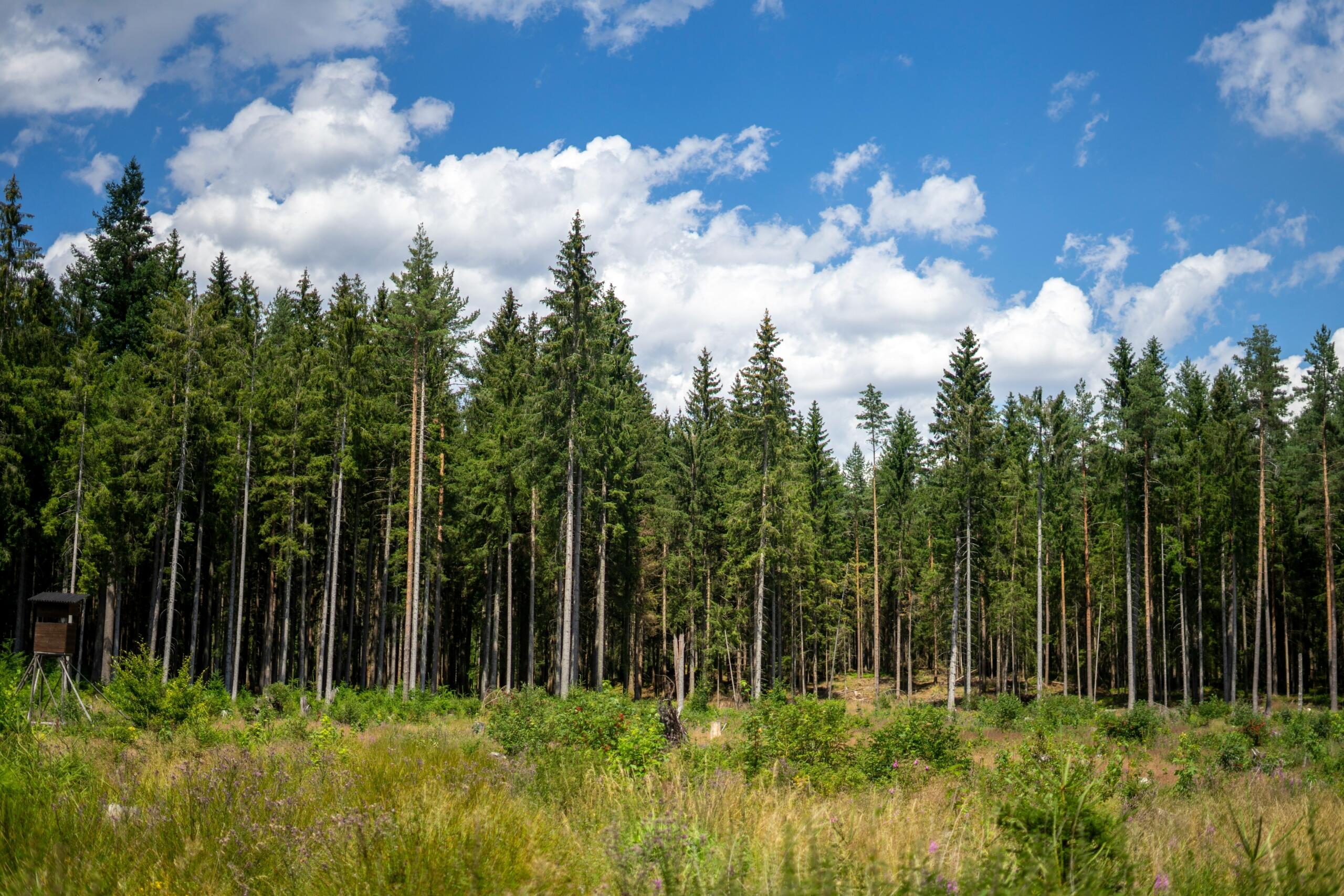
There is another side to the story of trees, and that is, not all trees contribute positively to biodiversity.
Many invasive trees in South Africa were originally introduced from other countries for practical purposes such as forestry, shade, ornamental gardening, or erosion control.
The problem arose when some species spread so aggressively that they outcompeted the indigenous vegetation.
alien invasive plant species recorded in South Africa
What Are Alien Invasive Species?
It's worth emphasising: Alien species originate outside South Africa, but when they spread rapidly and disrupt ecosystems, they become invasive. Unfortunately, the impact of invasive trees in South Africa can be severe, affecting water resources, ecosystem stability and of course, biodiversity.
Benefits
Timber production
Threats
Water loss
Fast growth
Shade
Habitat destruction
Reduced biodiversity
Erosion Control
Increased fire risk
Black Wattle
Black Wattle (Acacia mearnsii) originates from Australia and is particularly problematic in KwaZulu-Natal, Mpumalanga, and the Eastern Cape. It invades grasslands and river systems while consuming significant amounts of groundwater. Among invasive trees in South Africa, it is considered one of the most damaging species.
Port Jackson Willow
Port Jackson Willow (Acacia saligna), also introduced from Australia, occurs densely in parts of the Western Cape, where the species threatens fynbos ecosystems and acts as a fire accelerant.
Pine Trees
Pine species were introduced primarily for forestry purposes and although economically valuable in some areas, they can also spread into mountain catchments and replace indigenous vegetation. This is why many conservation efforts focus on controlling pine invasions in sensitive ecosystems.
Jacarandas and Ecological Complexity
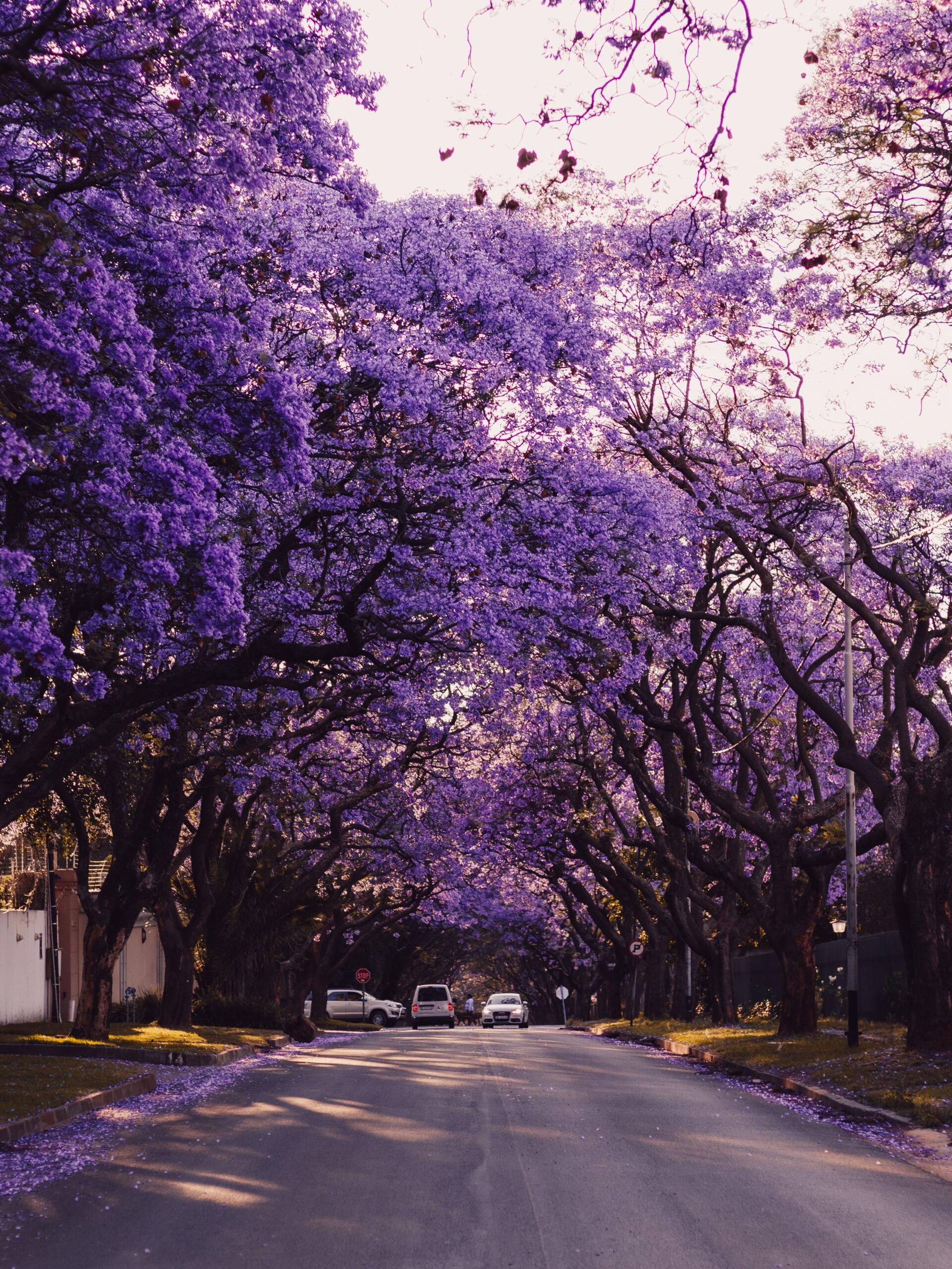
Jacaranda trees or,iginated in South America and in South Africa, they are strongly associated with Pretoria.
Although they are loved for their purple spring flowers, jacarandas are classified as invasive in certain contexts.
Today, existing mature trees are generally retained, while regulations may restrict new planting in some areas.
This example shows us that discussions about invasive trees in South Africa often involve balancing cultural appreciation with ecological concerns.
Eucalyptus Trees
The Eucalyptus species, another import from Australia are economically important for forestry, but their high water consumption is ecologically concerning in some areas of the country. The management of this species highlights the balance required for invasive trees in South Africa when addressing economic realities with conservation.
Ecological Consequences of Invasive Species
Invasive species create numerous challenges, which include:
Protecting indigenous trees South Africa requires addressing these threats through ongoing management and restoration efforts.
Conservation and the Working for Water Programme
South Africa has implemented several initiatives to combat invasive species, and one of the most significant is the Working for Water programme, launched in 1995.
Removing invasive plants
Protecting water resources
Restoring ecosystems
Supporting biodiversity conservation
Initiatives like these help to safeguard South African trees and the wildlife that depends upon them.
Indigenous Alternatives for Gardens
Instead of planting potentially invasive species, gardeners can choose native alternatives like these:
Many gardeners exploring the types of trees in South Africa discover that indigenous species often perform exceptionally well in home landscapes.
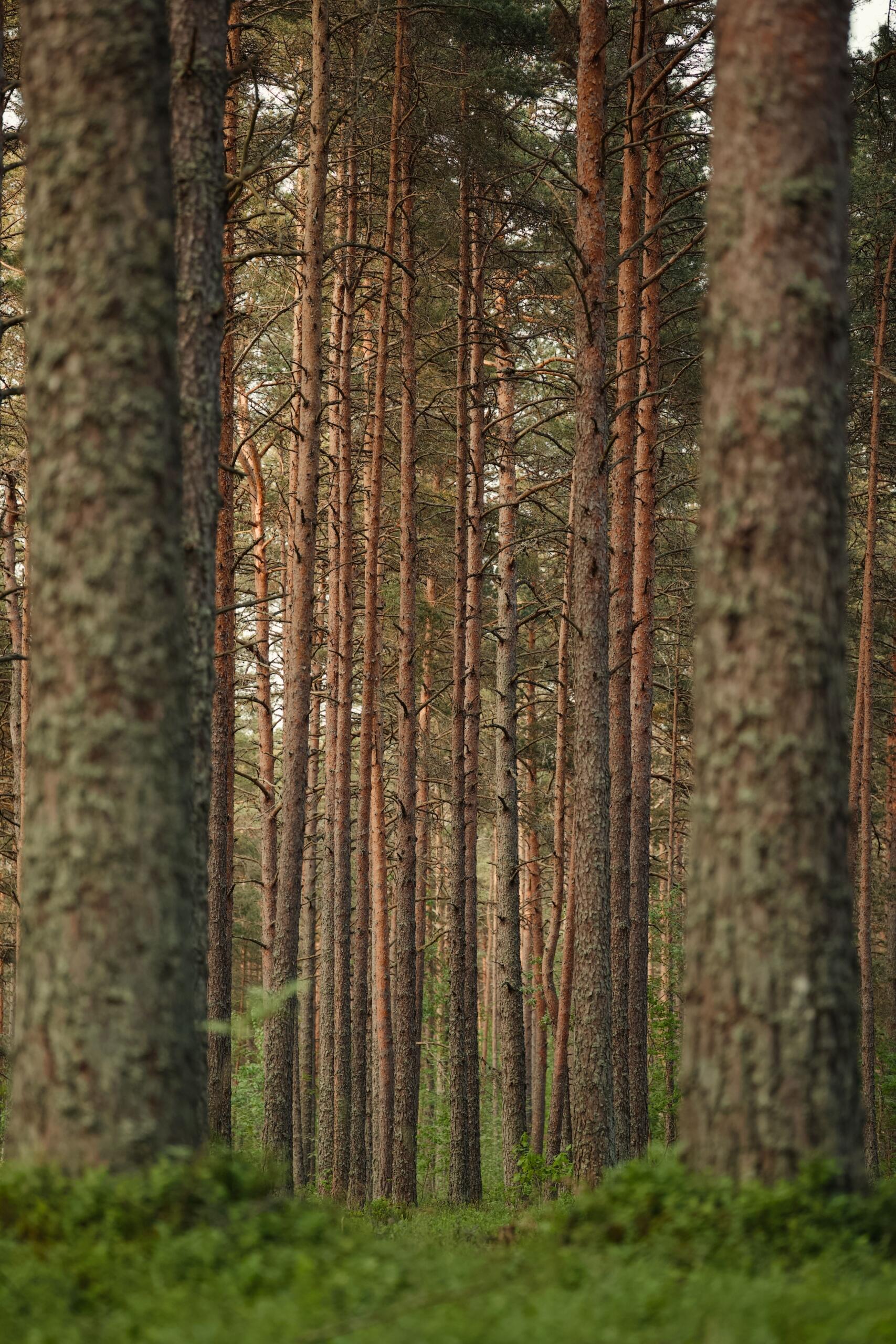
From ancient baobabs and majestic yellowwoods, to hardy savanna species, South African trees play a vital role in supporting biodiversity and enriching landscapes.
It is important to appreciate the ecological importance of the trees of South Africa. Equally, we need to be aware of the threat posed by invasive trees in South Africa - both need responsible conservation.
If this article has made you see the importance of local, it may interest you that there are indigenous fruit and food crops in South Africa that have similar effects on the environment.
Finally, as you search for indigenous trees South Africa, remember that when you plant them, you contribute to healthier ecosystems, stronger wildlife populations, and a more sustainable future for generations to come.
Summarise with AI:
Enjoyed this article? Leave a rating!

 Loading...