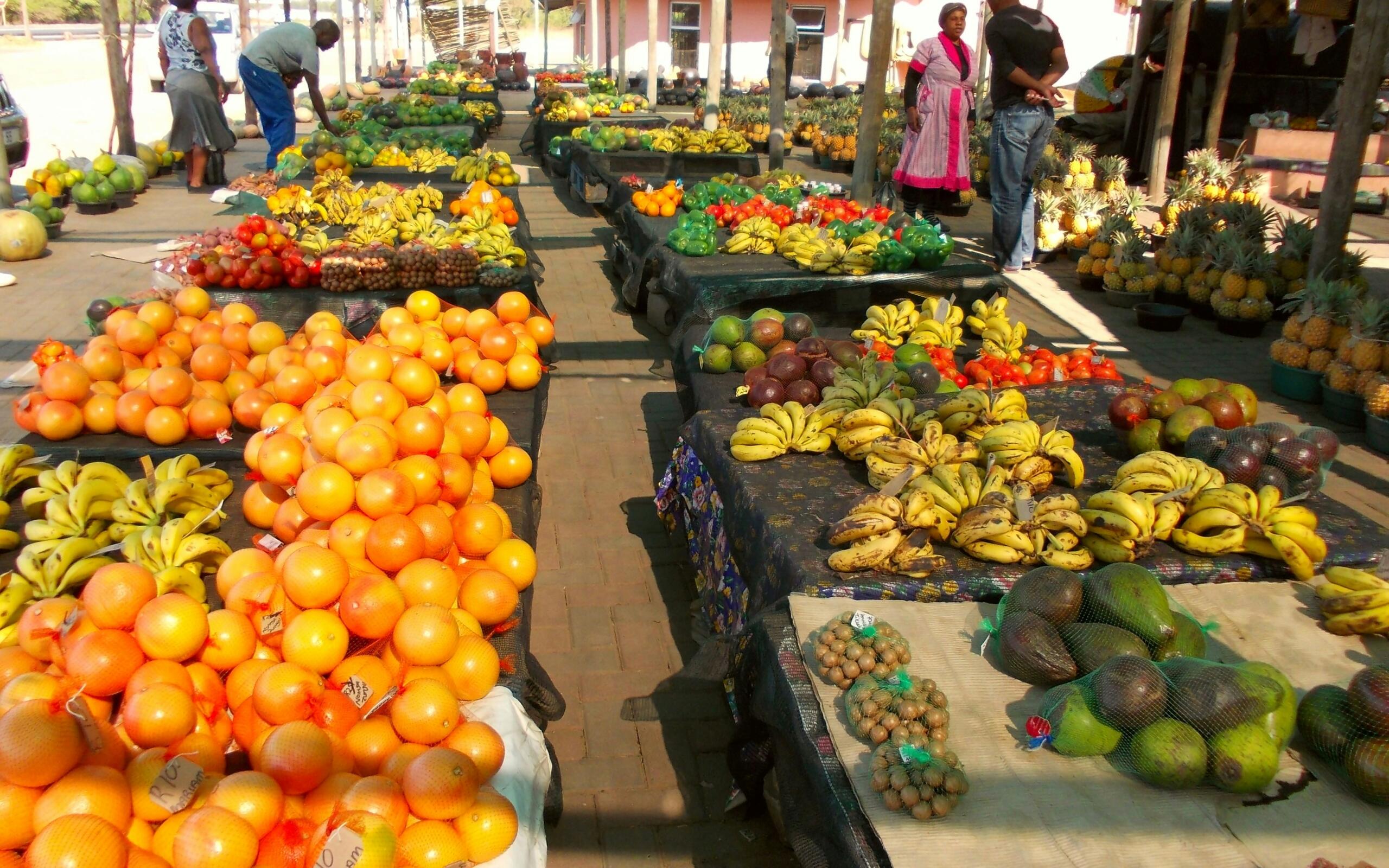

In South Africa, many don't realise that indigenous species have provided food for local communities for thousands of years. These include legumes, grains, fruits and medicinal plants that naturally adapted to their environments over time. Today, many of these foods are still grown in sustainable agriculture and play an important role in nutrition and cultural traditions.
traditional indigenous food crops and edible plants documented in South Africa
Today, as interest in traditional food systems is renewed, chefs, farmers, conservationists and researchers recognise the value of biodiversity in local food. In terms of future food security, traditional crops are not only nutritious but also drought-tolerant and well-suited to the growing conditions in South Africa.
And whether it is a coastal region, savanna, semi-arid or coastal landscape, one only needs to look at the indigenous foods in South Africa to appreciate the country's remarkable diversity.
If this topic interests you, be sure to learn how the broader ecosystem of South Africa's indigenous flora supports food plants.


Why Indigenous Food Crops Matter
For hundreds of years, communities around Southern Africa have developed intimate knowledge of local food plants and their uses. Today, many indigenous species have advantages that are still relevant today:
In modern society, as climate challenges pose a threat, many experts believe that indigenous crops in South Africa will play a greater role in food security strategies.
Indigenous Fruits Worth Knowing
Can you name any indigenous fruits? How many of these native fruits did you know about?
Marula
The marula tree, one of the best examples of wild fruits in South Africa is naturally occurring in Limpopo, Mpumalanga, and parts of KwaZulu-Natal. It is rich in vitamin C and used in preserves, beverages and food products.
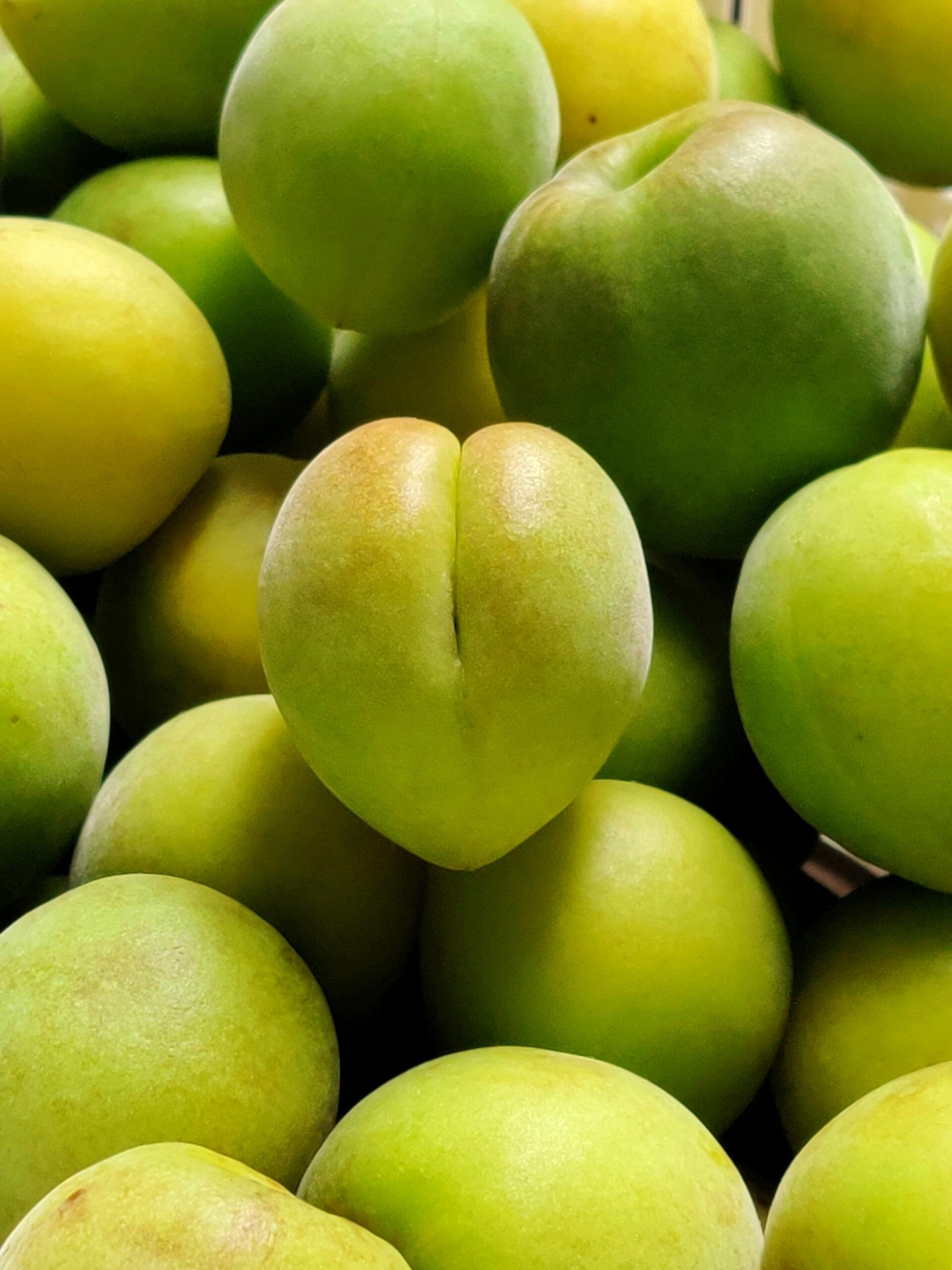
Sour Plum
Sour plums, one of the most popular wild fruits in South Africa, have been harvested and enjoyed in rural communities throughout the country for generations.
Monkey Orange
Monkey oranges produce aromatic, sweet, edible pulp and occur in several parts of Southern Africa.
Sour Fig
Common along coastal regions, sour figs are usually eaten fresh or processed into preserves.
| Fruit | Common Region |
|---|---|
| Marula | Limpopo, Mpumalanga |
| Sour Fig | Western Cape, Eastern Cape |
| Monkey Orange | Limpopo, KwaZulu-Natal |
| Sour Plum | Limpopo, Mpumalanga |
| Num-Num | Coastal Regions |
Indigenous Grains and Crops
For hundreds of years, traditional agriculture has relied on the resistance of local crops all across South Africa. Can you guess what some of them are?
Sorghum
Used in porridges, traditional foods and beverages, sorghum is one of the most important indigenous crops in South Africa and it has been cultivated for centuries.
Cowpea
Cowpeas provide both nutritious leafy vegetables and edible beans.
Bambara Groundnut
An important source of protein, Bambara groundnuts are highly valued for their ability to thrive in challenging conditions.
Bambara groundnuts are valued for their ability to grow in challenging conditions while providing an important source of protein.
Many traditional African crops tolerate drought better than some of their cultivated imported alternatives.
Indigenous Vegetables and Traditional Nutrition
Leafy vegetables in Africa, including South Africa, have been a staple part of nutritional diets for a a long time. Can you think of any indigenous species? No pressure - here are some examples:
Providing vitamins, dietary fibre and minerals, indigenous vegetables in South Africa, like these, are considered highly nutritious, environmentally sustainable food choices.
Learning From Traditional Food Knowledge
For generations, before agricultural systems were formalised and modernised, communities across South Africa used seasonal harvesting practices based on their in-depth knowledge of indigenous food plants. Besides sustainable harvesting methods, this knowledge included their preparation, cultivation and storage methods.
Researchers of today are increasingly interested in documenting these traditional methods before they are lost. By preserving it, we not only support cultural heritage but may also contribute to biodiversity conservation and future agricultural innovation.
Rooibos and Honeybush
Few South African products are as internationally recognised as rooibos tea.
Rooibos
Rooibos grows naturally within the fynbos region of the Western Cape and has become a globally popular herbal beverage.

Honeybush
Honeybush, another indigenous herbal product associated with the Cape region, continues to support local economies through sustainable farming. Both rooibos and honeybush are good examples of how indigenous foods in South Africa connect to biodiversity.
If you are interested in the the habitats that support plants like rooibos and honeybush, you may also appreciate learning the unique biodiversity of the Cape Floral Kingdom and its remarkable flowering species.
Traditional Uses and Modern Interest
Today, traditional food plants are attracting the attention of both researchers and consumers, and several factors contribute to this growing interest:
Many traditional foods provide valuable nutrients and dietary diversity.
A number of indigenous crops in South Africa are naturally adapted to dry conditions.
Locally adapted species often require fewer inputs and may perform well in challenging environments.
These qualities explain why many agricultural researchers see value in studying indigenous species for future farming systems.
Indigenous Foods in Modern South African Cuisine
Traditional ingredients continue to influence contemporary South African cooking.
Marula Products
Marula fruit is used in beverages, preserves, sauces, and desserts.
Rooibos Products
Rooibos appears in teas, baked goods, seasonings, and skincare products.
Waterblommetjies
Waterblommetjies remain a well known ingredient in traditional Cape cuisine.
Today, it would not be surprising if you came across a Michelin-star chef like Jan Hendrik van der Westhuizen using indigenous foods in South Africa to create innovative dishes and wow palates with local heritage.
Traditional Ingredient
Marula
How it's Used Today
Desserts and beverages
Rooibos
Waterblommetjies
Tea and baking
Stews and seasonal dishes
Honeybush
Sorghum
Herbal infusions
Porridges and baking
The proof is in the pudding - the growing popularity of indigenous foods in South Africa shows an increasing appreciation for local ingredients and culinary traditions.
Indigenous Crops and Climate Resilience
In addition to modern menus, climate change is encouraging renewed interest in crops adapted to Southern African conditions. Remember that many indigenous crops in South Africa evolved under seasonal droughts and variable rainfall patterns, and this resilience makes them attractive options for future agricultural systems.
Researchers continue evaluating traditional crops for their potential contribution to:
The conservation of indigenous species therefore has implications beyond biodiversity alone.
Conservation and Biodiversity
Protecting food plants requires protecting ecosystems. Habitat loss, land degradation, and invasive species can threaten both wild and cultivated plant populations. As such, many conservation initiatives recognise the value of preserving wild fruits in South Africa alongside broader biodiversity goals.
Conserving these species helps maintain genetic diversity that may prove valuable for future generations.
Where You Can Encounter Indigenous Food Plants
Many South Africans encounter traditional food plants in:
Learning about indigenous vegetables in South Africa and native fruits can deepen your appreciation of local food heritage. In addition, you may want to find out more about the trees that support local ecosystems and produce many traditional fruits.
Indigenous Foods and Local Economies
Traditional food plants also create economic opportunities for rural communities. As mentioned, products like rooibos, honeybush, marula beverages, preserves, and herbal products support local businesses and provide income for producers and harvesters.
In addition, interest in locally sourced ingredients has grown among consumers who want to support sustainable food systems and learn more about regional food traditions. Farmers' markets, speciality food producers, and tourism initiatives are all places that tend to celebrate unique South African ingredients as part of the country's cultural identity.
As demand grows for environmentally responsible products, native food plants are predicted to continue to play an important role in supporting livelihoods while encouraging the conservation of valuable natural resources.
Growing a Sustainable Future
In summary, as interest grows in sustainable food systems, traditional crops and native food plants are receiving renewed attention. Not only this, but the continued study and cultivation of wild fruits in South Africa could also help to support biodiversity, nutrition, and climate resilience.
Likewise, greater awareness of indigenous vegetables in South Africa could encourage healthier diets while promoting agricultural diversity. Ultimately, by recognising the value of indigenous foods in South Africa, communities can help preserve both ecological knowledge and their cultural traditions.
South Africa's indigenous food heritage offers far more than historical interest. Native fruits, grains, legumes, and vegetables continue to provide valuable cultural, nutritional, and environmental benefits.
From sorghum and Bambara groundnut to marula and monkey orange ,these indigenous species demonstrate the remarkable relationship between biodiversity and food security.
As awareness of the wild fruits in South Africa and indigenous crops in South Africa grows, these remarkable resources are likely to play an increasingly important role in creating a more resilient and sustainable future.
Summarise with AI:
Enjoyed this article? Leave a rating!

 Loading...