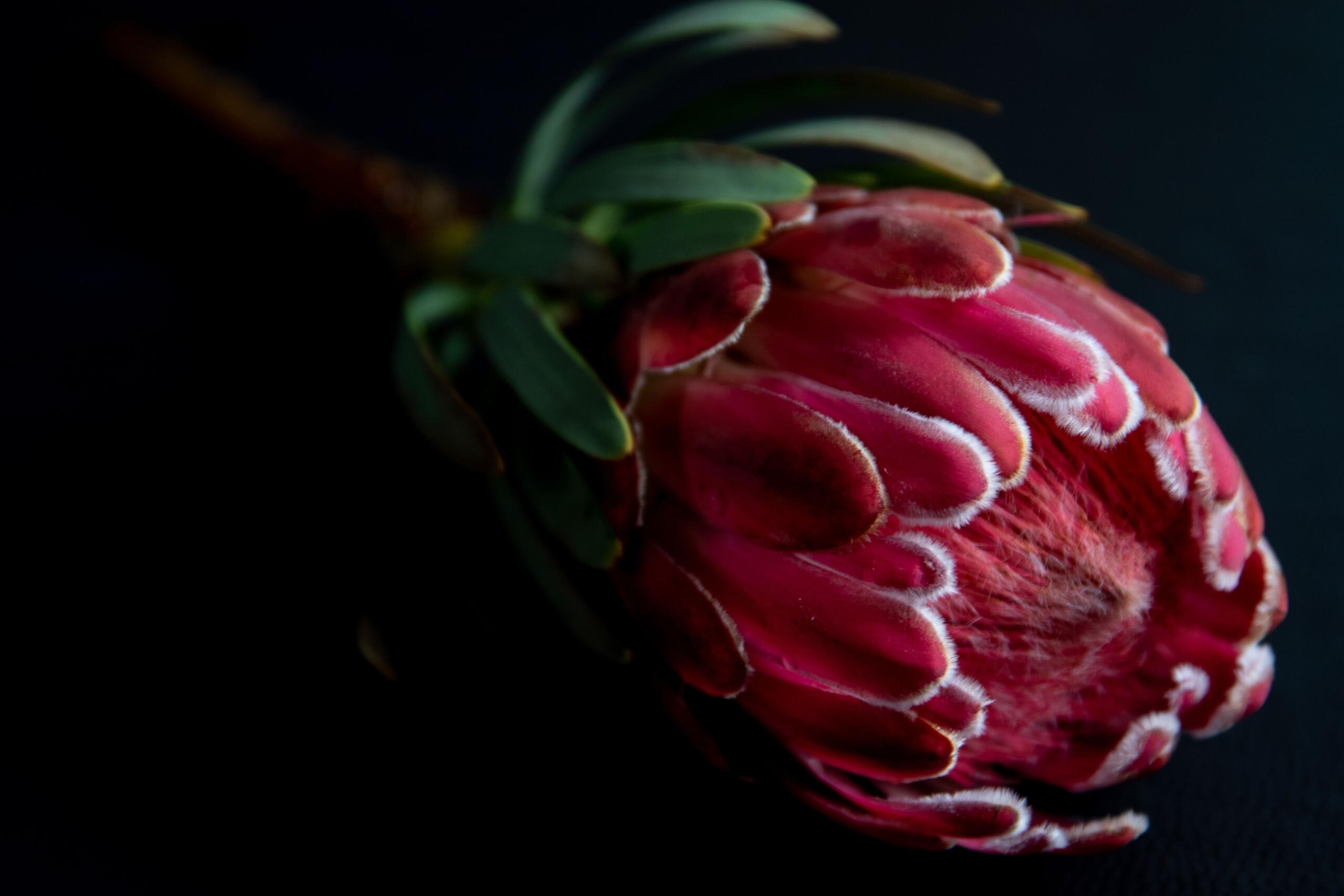

In the world of fauna and flora it is no secret that South Africa is one of the world's greatest botanical treasures. Despite covering a relatively small geographical area, it contains an astonishing diversity of plant species. In fact, many visitors are surprised to discover that South Africa is home to more than 20. 000 indigenous plant species, which makes it one of the most botanically rich countries on Earth.
plant species in the Cape Floral Kingdom
A large part of this diversity can be found among the many indigenous flowers of South Africa. From spectacular proteas to delicate ericas and colourful spring wildflowers, the country's floral wonders attracts botanists, photographers, gardeners, and nature lovers from all around the world.
One of the most remarkable aspects of South Africa’s biodiversity is the Cape Floral Kingdom, which is recognised as the smallest floral kingdom on the planet. Despite its size, it contains an extraordinary concentration of endemic species.
For a broader introduction to the country's remarkable plant life, find out how indigenous plant life supports the ecosystems in which they thrive.


What Makes the Cape Floral Kingdom So Special?
The Cape Floral Kingdom, which covers much of the Western Cape and extends into parts of the Eastern Cape is unique because many of its plant species occur nowhere else on Earth.
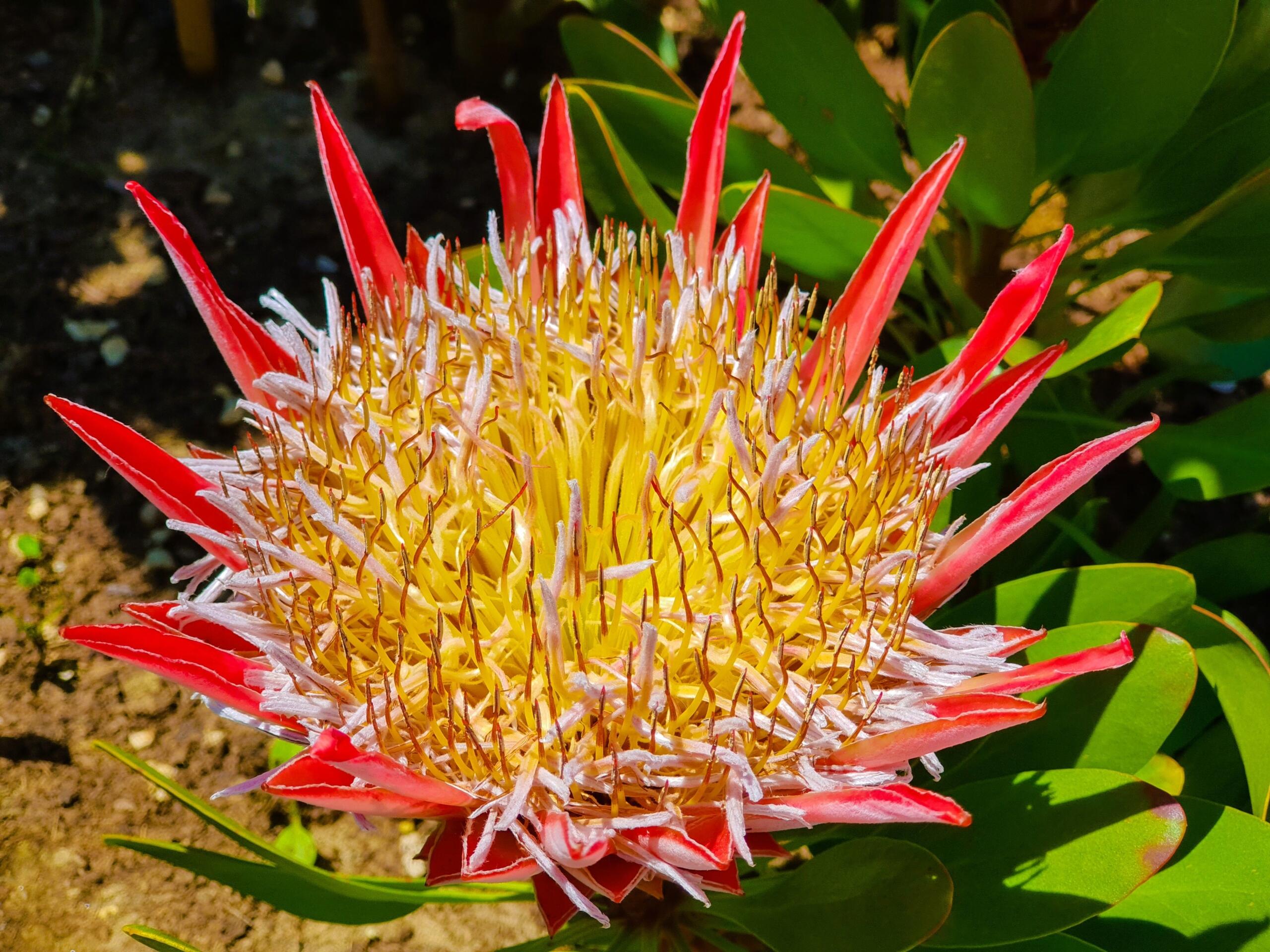
In a region that is particularly famous for fynbos vegetation, a distinctive plant community, you will find an abundance of proteas, ericas and restios.
In academic circles, scientists marvel at the exceptional concentration of biodiversity in the Cape Floral Kingdom. Here in a relatively small area, thousands of species have evolved to make it one of the world’s most important botanical hotspots.
For both serious conservationists and garden enthusiasts, the Cape Floral Kingdom is an excellent example of how protecting natural habitats preserves endemic species.
Understanding Fynbos and Its Unique Ecology
Fynbos, which is unique to South Africa, occurs naturally within the Cape Floristic Region and is one of South Africa's most recognisable vegetation types.
Although similar Mediterranean climate shrublands exist in Chile, Australia, the USA, and the Mediterranean Basin, true fynbos is only found in South Africa.
Adapted to a Mediterranean climate where wet winters are wet and summers are dry; fynbos species have evolved with remarkable survival strategies. An example of this that many plants thrive in nutrient poor soils and even depend upon periodic fire for regeneration.
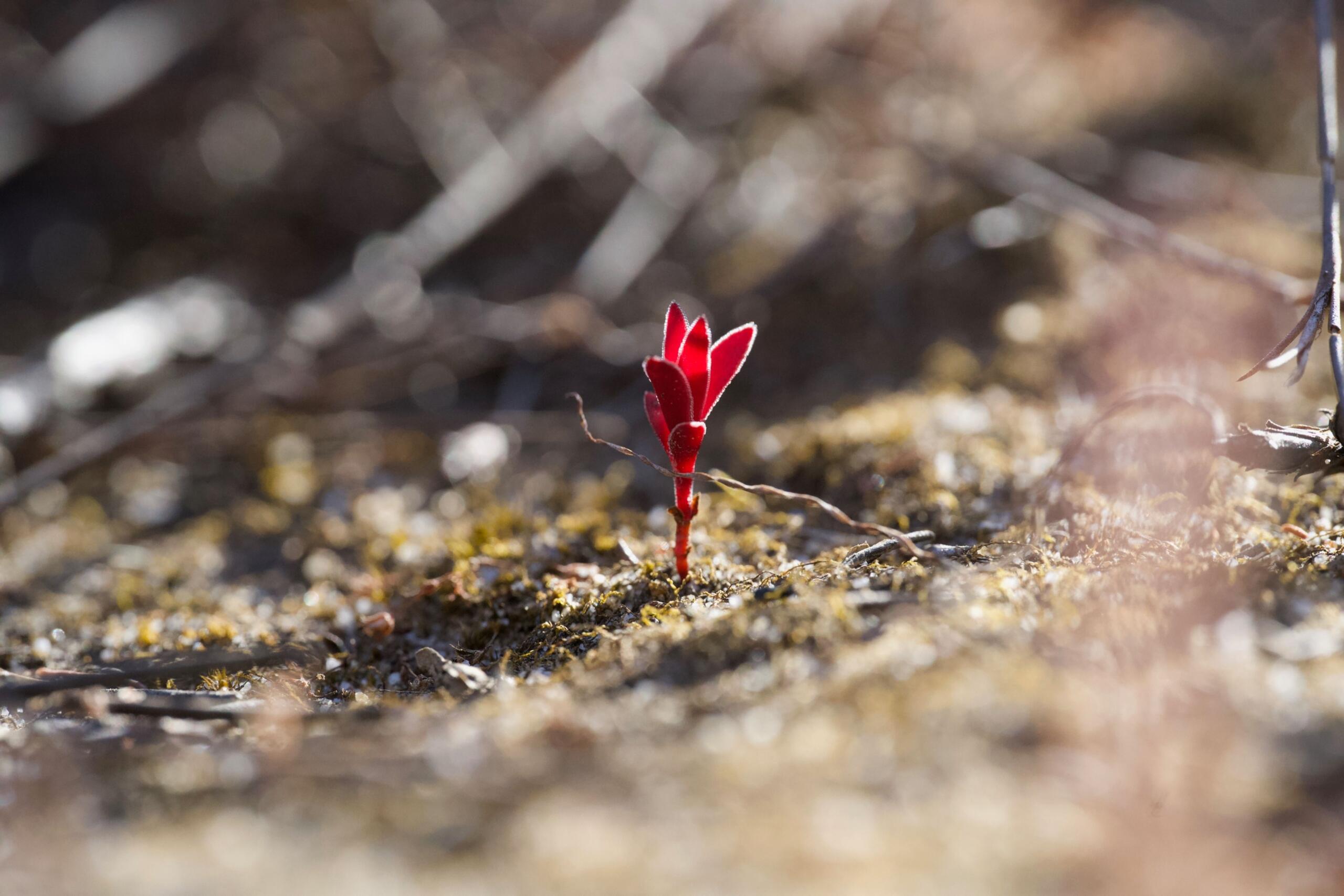
Remember that while fire may appear destructive, it plays an important ecological role. For instance, certain species release their seeds only after exposure to fire so that new generations of plants can establish themselves.
Famous Indigenous Flowers Every South African Should Know
South Africa's floral diversity, which includes many iconic species is internationally recognised. Some flowers are world famous for their beauty, while others are renowned for their extraordinary functions within the local ecosystem. From towering proteas and majestic pincushions to delicate ericas and cheerful gazanias, these flowers reflect the remarkable richness of South Africa's natural heritage.
In every walk with nature one receives far more than he seeks.
John Muir
King Protea
The King Protea (Protea cynaroides) is perhaps the country's most famous flower, and if you have ever wondered "what is the national flower of South Africa," the answer is the King Protea. Known for its striking, large flower, it has become a symbol of national pride.
Erica Species
The Cape region supports hundreds of Erica species with flowering shrubs that vary in colour, size, and habitat.
Pincushion Protea
Commonly known as pincushion proteas, Leucospermum species are among the most visually distinctive South African indigenous plants and flowers.
Gazania
Gazania species, admired for their bright daisy-like flowers, have the ability to thrive in challenging conditions.
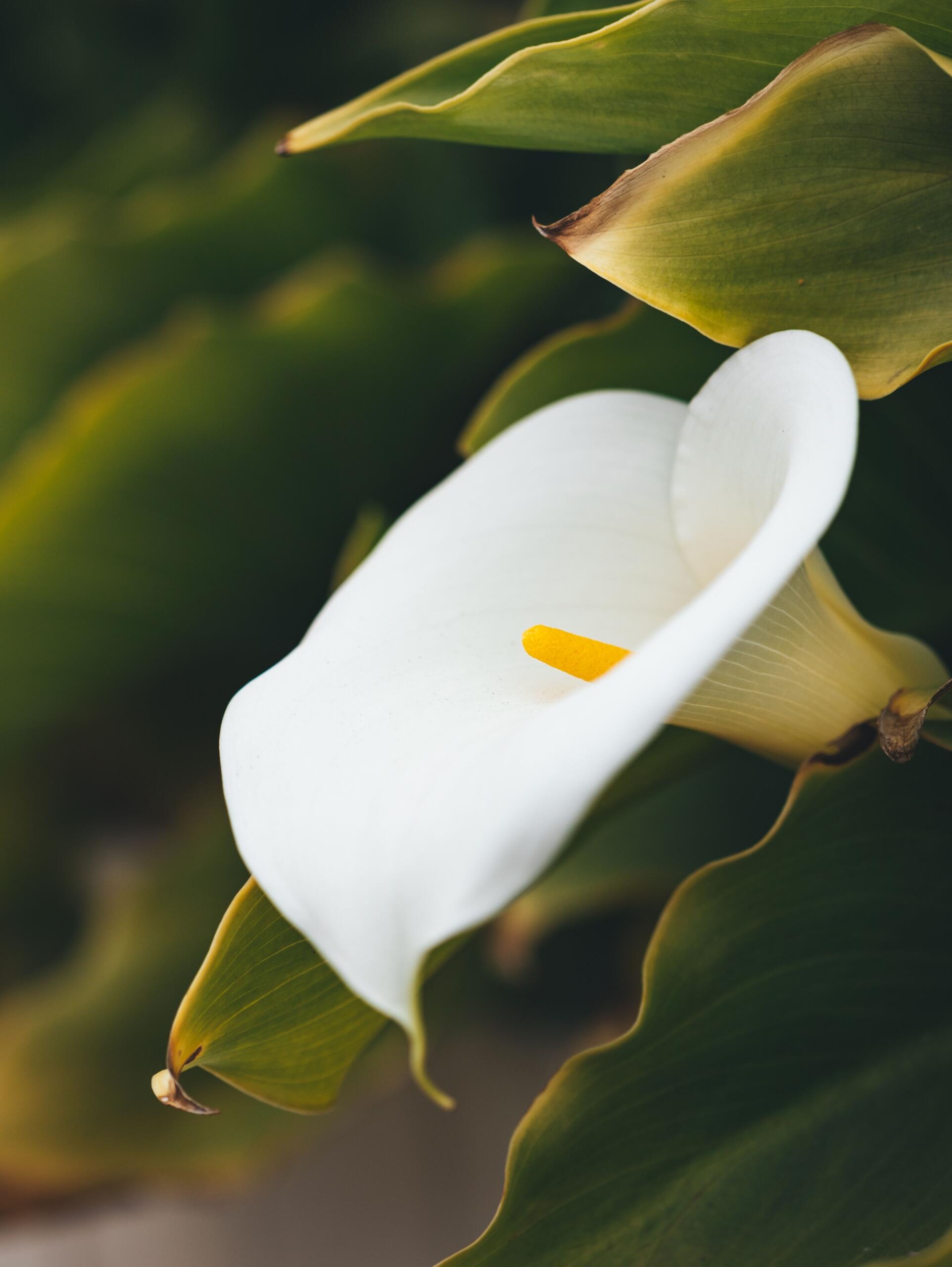
Arum Lily
The arum lily, one of the most recognisable flowering plants in South Africa, is frequently seen in the wild and in cultivated gardens.
Many of these dramatic-looking and functional species help explain why indigenous flowers South Africa are internationally celebrated.
Seasonal Flower Displays Across South Africa
Flowering seasons vary according to climate, rainfall and region. For instance, some species bloom for only a few weeks each year, while others flower across several months to create colourful displays that change and vary between seasons and provinces.
Namaqualand Flower Season
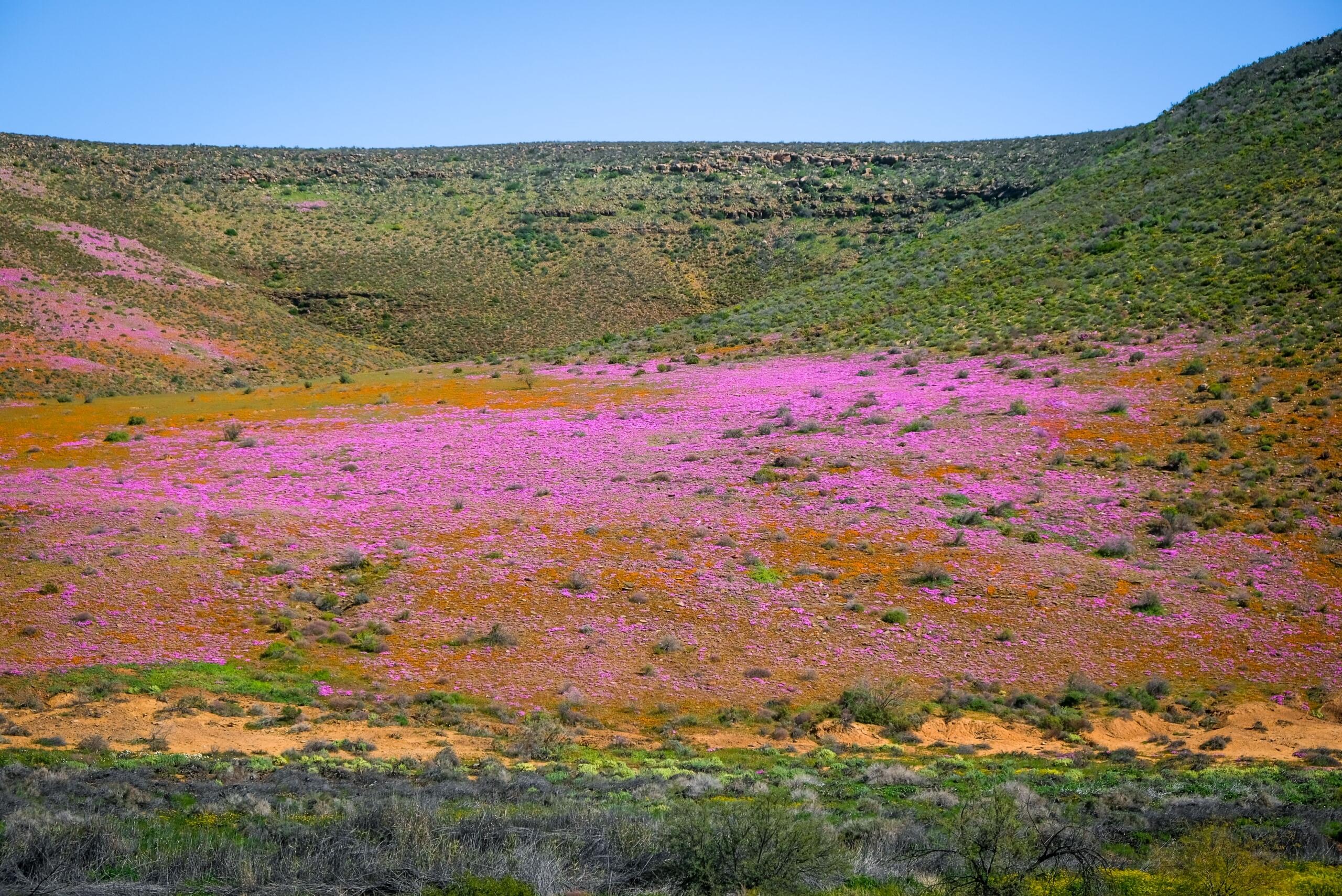
Following its winter rains, Namaqualand transforms into one of the world's most spectacular natural floral displays.
Fields of wild daisies, vygies, and other flowering plants create breathtaking landscapes that attract thousands of visitors each year.
Western Cape Spring Blooms
Spring brings spectacular displays across the Western Cape, particularly within fynbos habitats.
Many travellers visiting the Cape Floral Kingdom plan their trips specifically to coincide with seasonal flowering events.
Seasonal Flower Table
| Region | Best Flower Viewing Period |
|---|---|
| Namaqualand | August to September |
| Western Cape Fynbos | August to October |
| Garden Route | Spring and Early Summer |
| Eastern Cape Wildflower Areas | Spring |
| Mountain Fynbos Regions | Varies by Rainfall |
Pollinators and Plant Relationships
Flowers and pollinators have a close ecological relationship where many flowering species depend on insects, birds and other animals for successful reproduction.
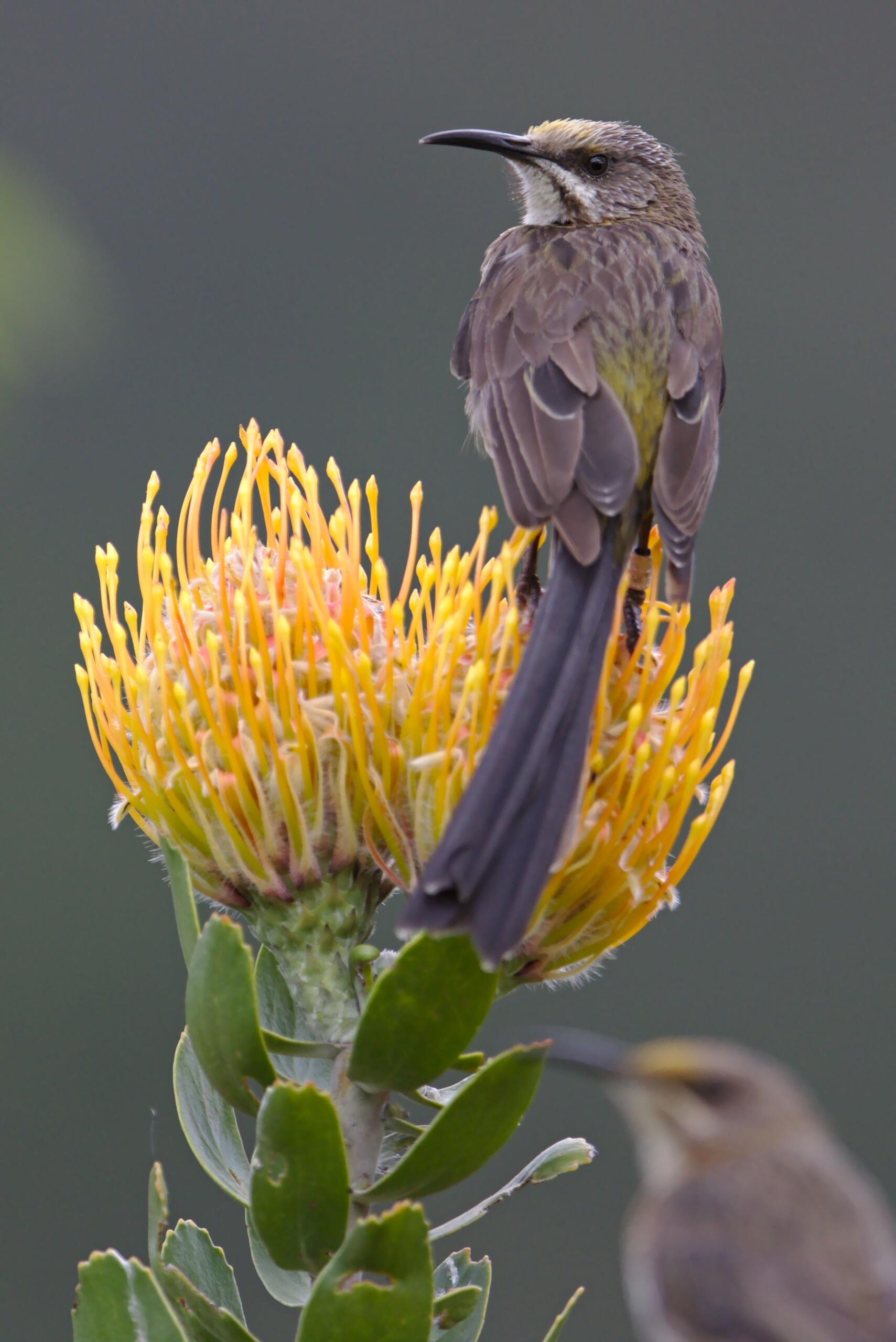
Sunbirds play a vital role in pollinating proteas and many other flowering plants.
Numerous native bee species support pollination throughout South Africa.
Butterflies, flies, beetles, and many other insects contribute significantly to ecosystem health.
The continued survival of many of South Africa's indigenous flowers depends on healthy populations of their pollinator friends.
Flower
- King Protea
- Erica Species
- Gazania
- Pincushion Proteas
- Arum Lily
Most Common Pollinator
- Sunbirds
- Insects and birds
- Bees
- Sunbirds
- Insects
Best Places to See Indigenous Flowers
In South Africa, regardless of where you are, the opportunities to experience indigenous flora in their natural environment are abundant.
Namaqua National Park
Located in the Northern Cape, Namaqua National Park becomes famous during the spring flower season.
Kirstenbosch National Botanical Garden
Kirstenbosch is widely regarded as one of the world's finest botanical gardens, and visitors can view much of the Cape Floral Kingdom while learning about biodiversity and conservation at the same time. In fact, the garden is also an excellent place to answer the question, "What is the national flower of South Africa?" because King Proteas are one of the prominent features.
If you enjoy learning about native ecosystems, you will probably also appreciate learning about South Africa's most iconic indigenous tree species and their co-dependent habitats.
Indigenous Flowers in South African Gardens
Most serious gardeners have come to know the immense benefits of planting local species and many of the indigenous flowers that they choose are naturally adapted to local conditions and usually require less water than their exotic counterparts.
Native species frequently perform well with reduced irrigation.
Flowering indigenous plants help support birds, bees, and beneficial insects.
Many local species are well adapted to regional climates and require less intervention than exotic alternatives.
As more people ask "what is the national flower of South Africa", interest in indigenous gardens grows.
Indigenous Flowers and Cultural Heritage
Besides conservation, flowers have even played important roles in South African national identity and culture. For instance, the King Protea is especially significant because it serves as South Africa's national flower and appears in many cultural and sporting contexts.
More than just beauty, South Africa's national flower has a story to tell about the richness of the country's natural ecosystems.
On another note, if you are interested in edible local species, be sure to find out about the indigenous fruits and food crops that have not only supported South African communities for generations, but have also become export items of national pride.
Growing an Indigenous Flower Garden at Home
The popularity of South Africa's national flower has encouraged many gardeners to experiment with indigenous species at home. Growing native plants is not only rewarding, but also environmentally responsible. Before you invest your time and effort researching the indigenous flowers South Africa, be sure to consider:
Remember that many species thrive when planted in conditions similar to their natural habitats, so whether you are growing proteas, ericas, or gazanias, by understanding natural growing conditions, you will improve your success.
Why Indigenous Flowers Matter for the Future
There's no doubt that conservation efforts are becoming increasingly important as habitats face the pressure of climate change, urban development and invasive species. Ultimately, protecting indigenous ecosystems helps preserve biodiversity while supporting wildlife in all forms.
Whether it is the continued survival of South Africa's national flower or countless other species, responsible stewardship and habitat conservation are the answer.
In summary, South Africa's floral diversity is among the most remarkable in the world. From the extraordinary biodiversity of the Cape Floral Kingdom to the spectacular seasonal displays of Namaqualand, native flowers are a source of national pride.
Whether you are exploring the country's many nature reserves, visiting Kirstenbosch Botanical Gardens, or creating a water-wise garden at home, a search for indigenous flowers South Africa, is bound to offer fascinating information about beauty, resilience, and ecological value.
And if someone asks you, "What is the national flower of South Africa?" you can confidently answer that it is the King Protea, a powerful symbol of one of the world's most botanically rich nations.
Summarise with AI:
Enjoyed this article? Leave a rating!

 Loading...