
South Africa has one of the most extraordinarily diverse botanical systems on Earth. Despite occupying less than one percent of the world's land surface, it is a country that is home to more than 20 000 plant species and many of these species occur nowhere else in the world.
This extreme diversity means that indigenous plants are an important part of South Africa's natural heritage. From mountain slopes covered in fynbos to savannas dotted with acacia trees, the country's ecosystems support remarkable plant life that attracts nature enthusiasts, scientists and gardeners from all over the world.
Biodiversity is the greatest treasure we have. Its diminishment is to be prevented at all cost.
Thomas Eisner
In particular, the Cape Floral Region has been recognised as a global biodiversity hotspot and a UNESCO World Heritage Site and it’s rich variety of South African plants demonstrates why the country is considered one of the world's botanical treasures.
If you would like to find out more about the country's famous flowering species in greater detail, you may enjoy learning about the remarkable flora found within the Cape Floral Kingdom and other indigenous flower regions.


What Does "Indigenous Plant" Mean?
Many people ask, “what are indigenous plants” and how they differ from exotic species.
In a nutshell, an indigenous plant is a species that occurs naturally within a particular region or ecosystem. These plants evolved over thousands of years alongside local soils, wildlife, climate conditions, and pollinators. Exotic plants, by contrast, were introduced from elsewhere in the world.
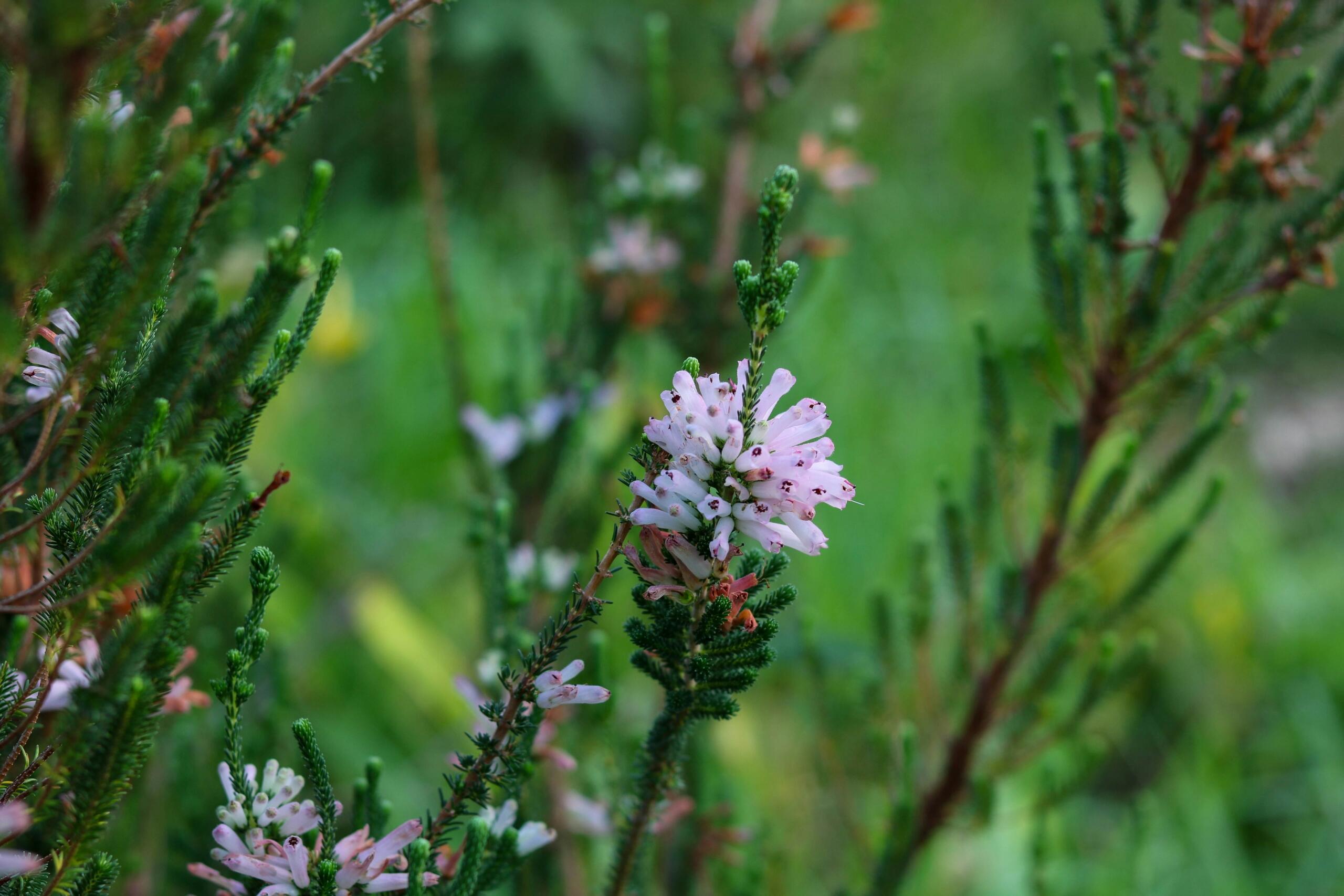
Understanding the question “what are indigenous plants” is important because local species are often better adapted to South African conditions than their imported alternatives. They generally require less water, support local wildlife, and are more resilient to regional climate patterns.
Besides this, the remarkable diversity of indigenous plants in South Africa across coastal forests to semi-arid landscapes is a living demonstration of the country's wide range of environmental conditions.
Indigenous vs Exotic Plants
| Indigenous Plants | Exotic Plants |
|---|---|
| Occur naturally in the region | Introduced from other countries |
| Adapted to local conditions | May require additional resources |
| Support local wildlife | May provide limited ecological benefits |
| Often water wise | Some require more irrigation |
| Part of local ecosystems | Not always integrated into local ecology |
Exploring South Africa's Major Plant Regions
One reason for the magnificent variety of South African indigenous plants is the country's equally diverse geography. From Mediterranean-type shrublands and expansive grasslands to subtropical forests and arid semi-deserts, South Africa is home to a range of distinct biomes, each with its own climate, soils and characteristic plant life. These environmental differences have allowed thousands of indigenous plant species to evolve and thrive in habitats uniquely suited to their growing conditions.
Fynbos
Fynbos, possibly South Africa's most famous type of vegetation, is found mainly in the Western Cape and contains thousands of plant species, including proteas, Ericas, and restios. In fact, in the Western Cape, you will find many of the most celebrated of South African plants.
Savanna
The savanna biome covers large parts of Limpopo, Mpumalanga, Gauteng, and North West.
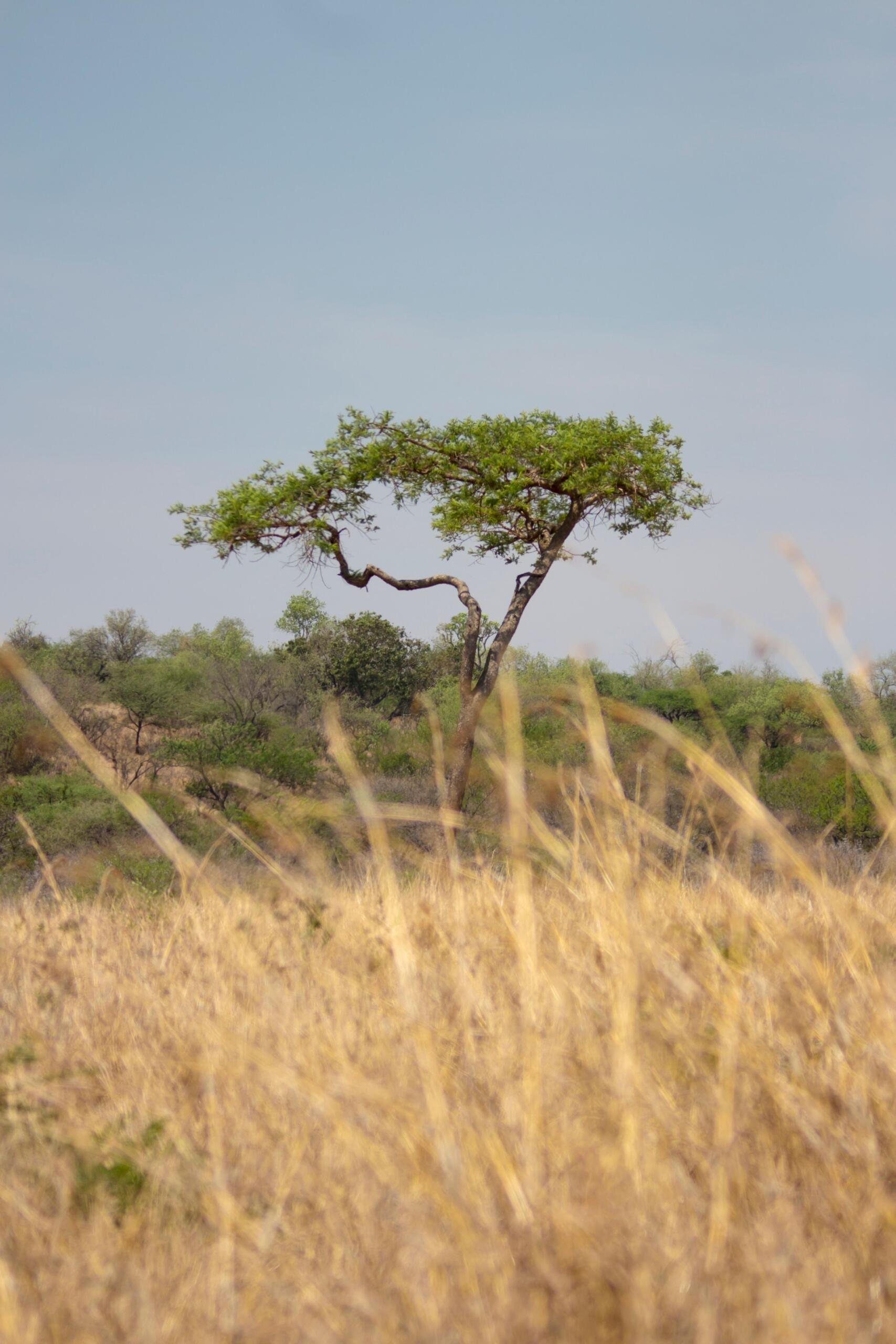
Here, trees and grasses typically dominate the landscapes to create habitats that support rich biodiversity. Some of the iconic species found in the savanna include baobabs, marula trees, and several species formerly known as acacias, such as the sweet thorn and umbrella thorn. Interestingly, these plants provide food and shelter for insects, birds and large mammals, which makes the savanna one of South Africa's most important ecological regions.
Grassland
Grasslands are most extensive across the Highveld and support numerous flowering species and important grazing ecosystems. Here, seasonal wildflowers add colour to the landscape, while species such as thatch and red grasses provide valuable habitat and food sources for pollinating insects, livestock and wildlife.
Karoo
The Karoo, known for its hardy vegetation is well adapted to dry conditions where many succulent species thrive. For instance, plants such as vygies and quiver trees, have evolved to survive long periods without rain, making the region a brilliant example of adaptation to challenging environmental conditions.
Forest Regions
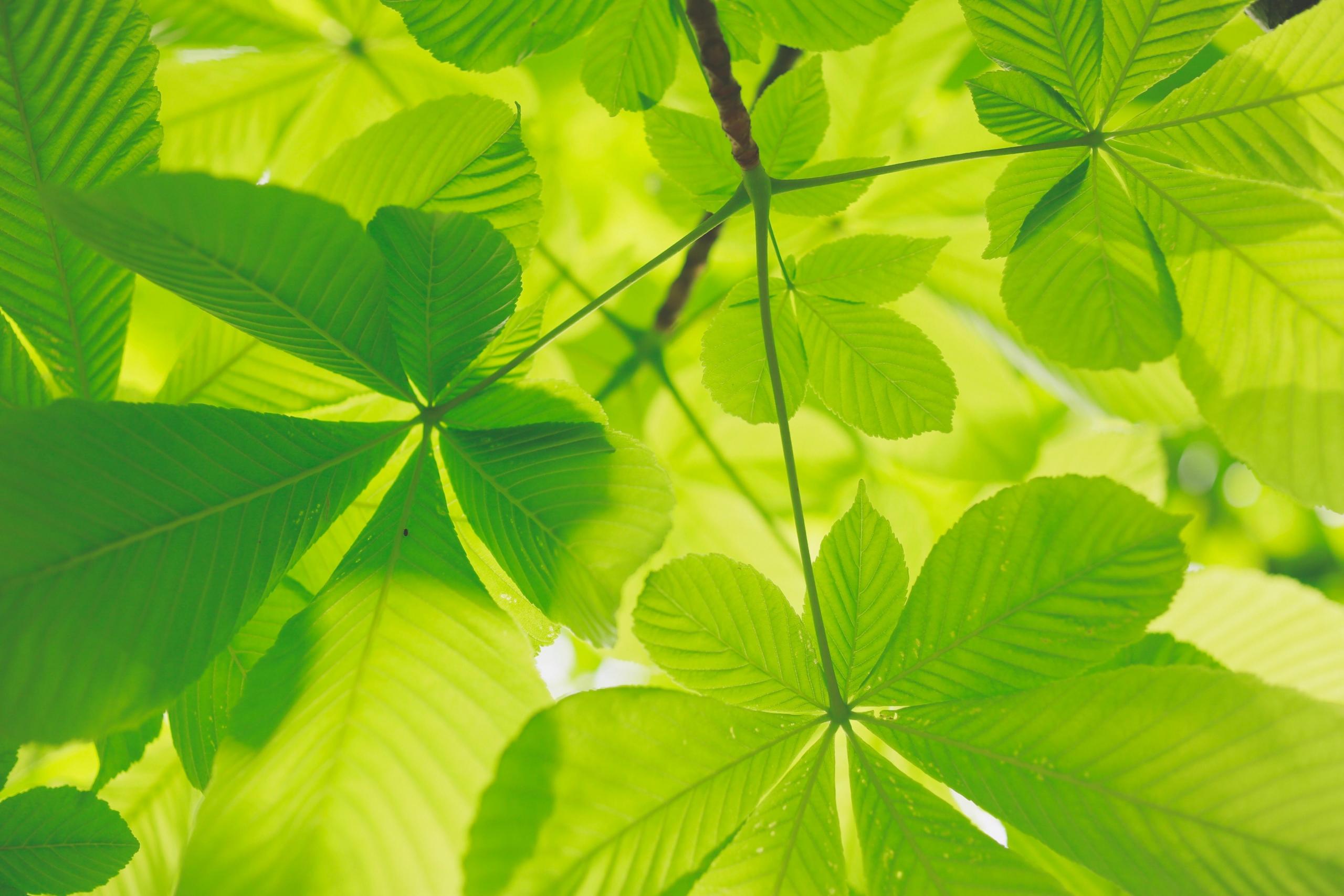
In South Africa, indigenous forests are found in parts of KwaZulu Natal, the Eastern Cape, and the Garden Route. These ecosystems, which support a range of unique trees and understorey plants, include notable species like yellowwood trees (South Africa's national tree) and Cape chestnuts.
Beyond these major regions, South Africa also includes specialised habitats such as wetlands, coastal dune systems and mountain environments, each supporting indigenous plant species adapted to local conditions. Wetland plants help filter water and reduce soil erosion, while dune vegetation stabilises coastal sands and protects inland ecosystems from wind and salt spray.
Many indigenous plants have evolved alongside South Africa's native wildlife over thousands of years. As a result, they often provide nectar, fruit, seeds and shelter for birds, insects and mammals that rely on them. This close ecological relationship is one reason indigenous plants play such an important role in maintaining healthy ecosystems and supporting biodiversity across the country's different biomes.
Answering the question “What are indigenous plants?” becomes much easier when you understand the environmental regions in which they naturally occur.
Famous Indigenous Plants Every South African Should Know
All over South Africa, many iconic species have become iconic symbols of the country's natural beauty.
King Protea
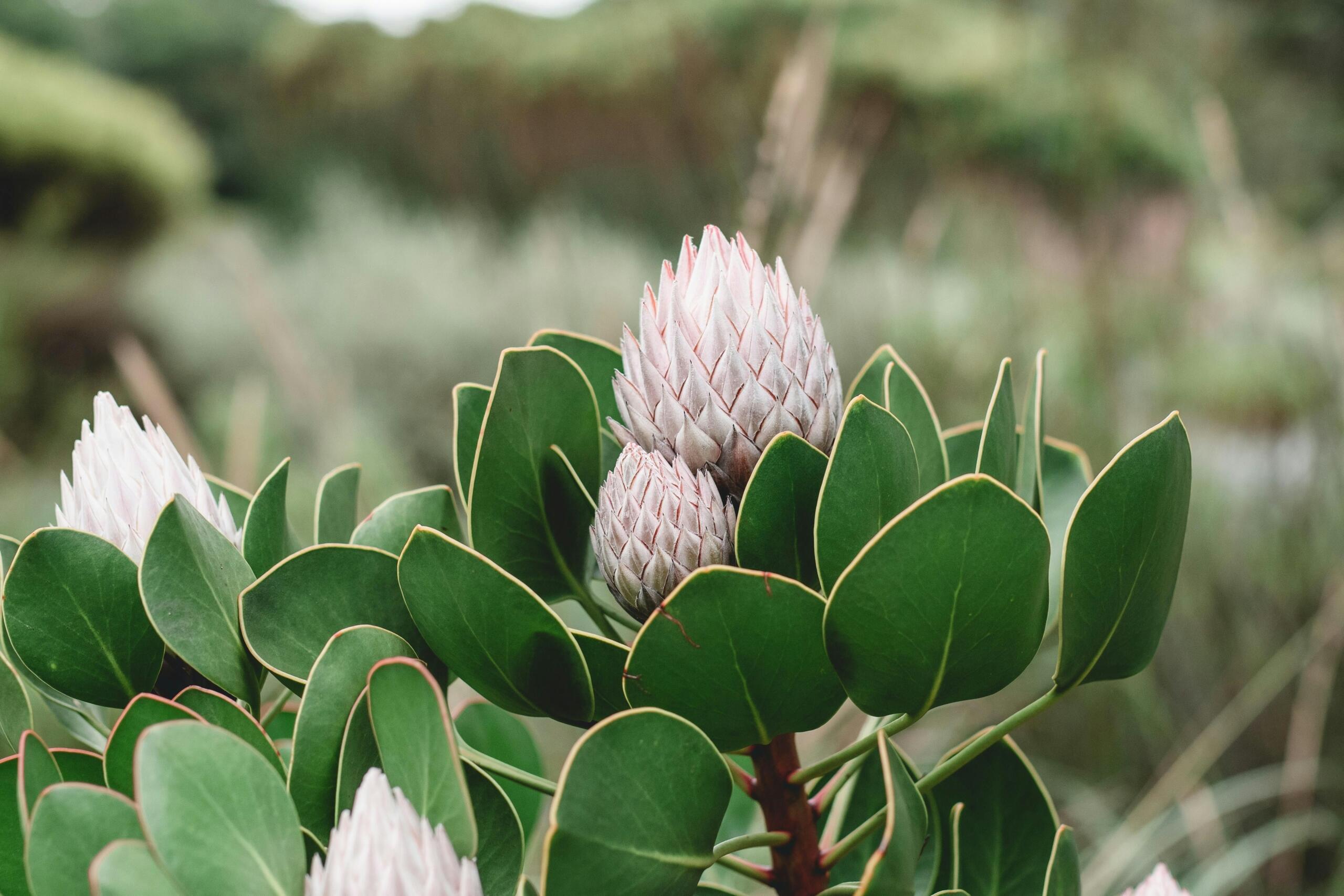
The King Protea (Protea cynaroides) is South Africa's national flower and one of the most recognisable indigenous plants in the country. It’s striking appearance and large flowers make it a showstopper in both wilderness and landscaped areas.
Spekboom
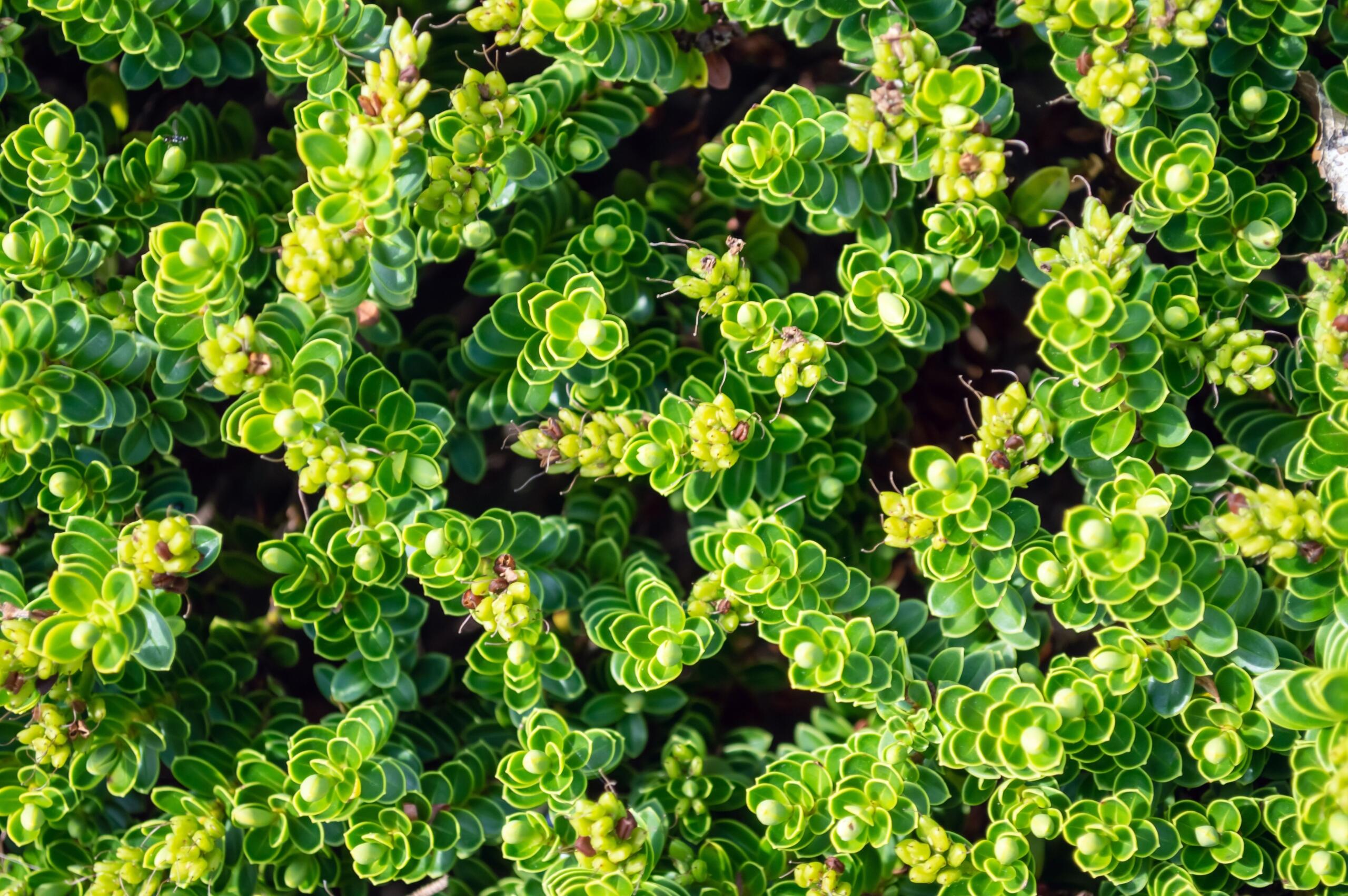
Spekboom (Portulacaria afra) which has gained international attention for its ability to absorb carbon dioxide efficiently is also extremely drought-tolerant, making it one of the favourite water-wise indigenous plants in South Africa.
As part of one of the world's largest nature-based carbon removal programmes, spekboom is being planted across thousands of hectares of degraded Albany thicket in the Eastern Cape. Because spekboom is naturally adapted to the region's semi-arid climate, it helps improve soil conditions and creates an environment where other native grasses, shrubs, and trees can establish themselves.
As the habitat recovers, it also supports the return of local wildlife, including birds, insects, and mammals. The restoration project aims to plant 180 million spekboom cuttings by the end of 2028, demonstrating how indigenous plants can play an important role in conserving South Africa's unique biodiversity while restoring degraded land.
Aloe Species
From small garden varieties to large aloe trees, South Africa is home to many different types of aloe species.
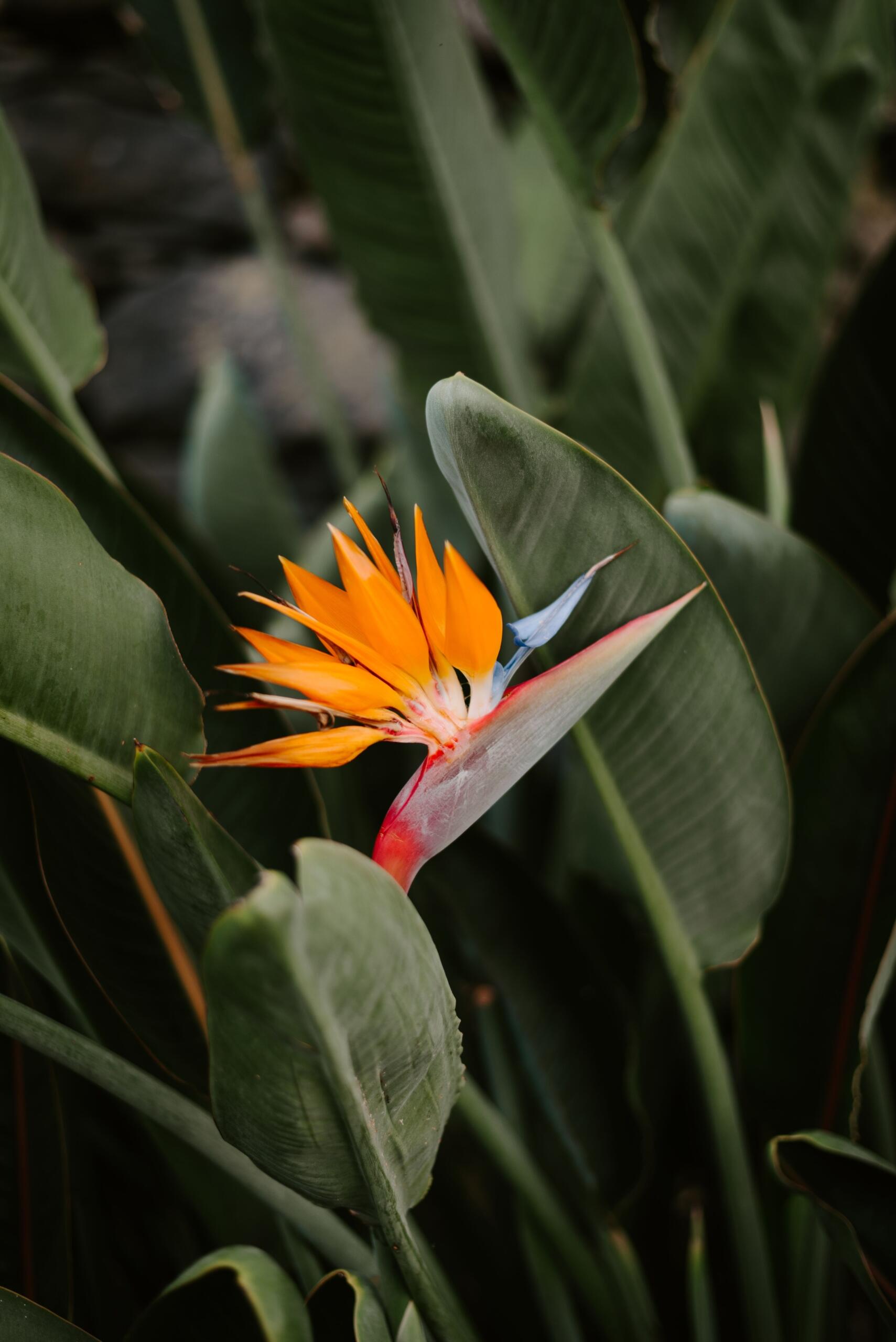
Strelitzia
Often called the Bird of Paradise, the Strelitzia is admired by plant enthusiasts all over the world for its distinctive flowers and architectural form.
Even the diversity on this short list of South Africa indigenous plants is a powerful reflection of the country’s dramatic botanical wealth.
A nation that destroys its soils destroys itself.
Franklin D. Roosevelt
While originally referring to conservation, this quote emphasises the importance of protecting natural ecosystems and native biodiversity.
Why Indigenous Plants Matter
There are many practical reasons to grow and protect indigenous plants regardless of the country in which they grow.
Because local species evolved under South African conditions, they usually require less irrigation than imported species.
Many native insects, birds, and pollinators depend upon indigenous vegetation for survival.
Species that evolved locally are usually better equipped to handle regional weather patterns.
Many gardeners choose South African plants because they are well suited to local environments and often require fewer inputs.
Whether from homeowners, schools, municipalities or landscape designers, these benefits explain why interest in indigenous plants in South Africa continues to grow.
Indigenous Plants in South African Culture
Besides their value to the ecosystem, plants have played an important functional role, especially in the area of natural medicine in South African cultures for centuries. Two powerful examples are:
Buchu and Khoisan Heritage
Buchu has long been associated with Khoisan communities and was traditionally valued for its aromatic and medicinal properties. Today, Buchu water is a favourite of many wellness followers.
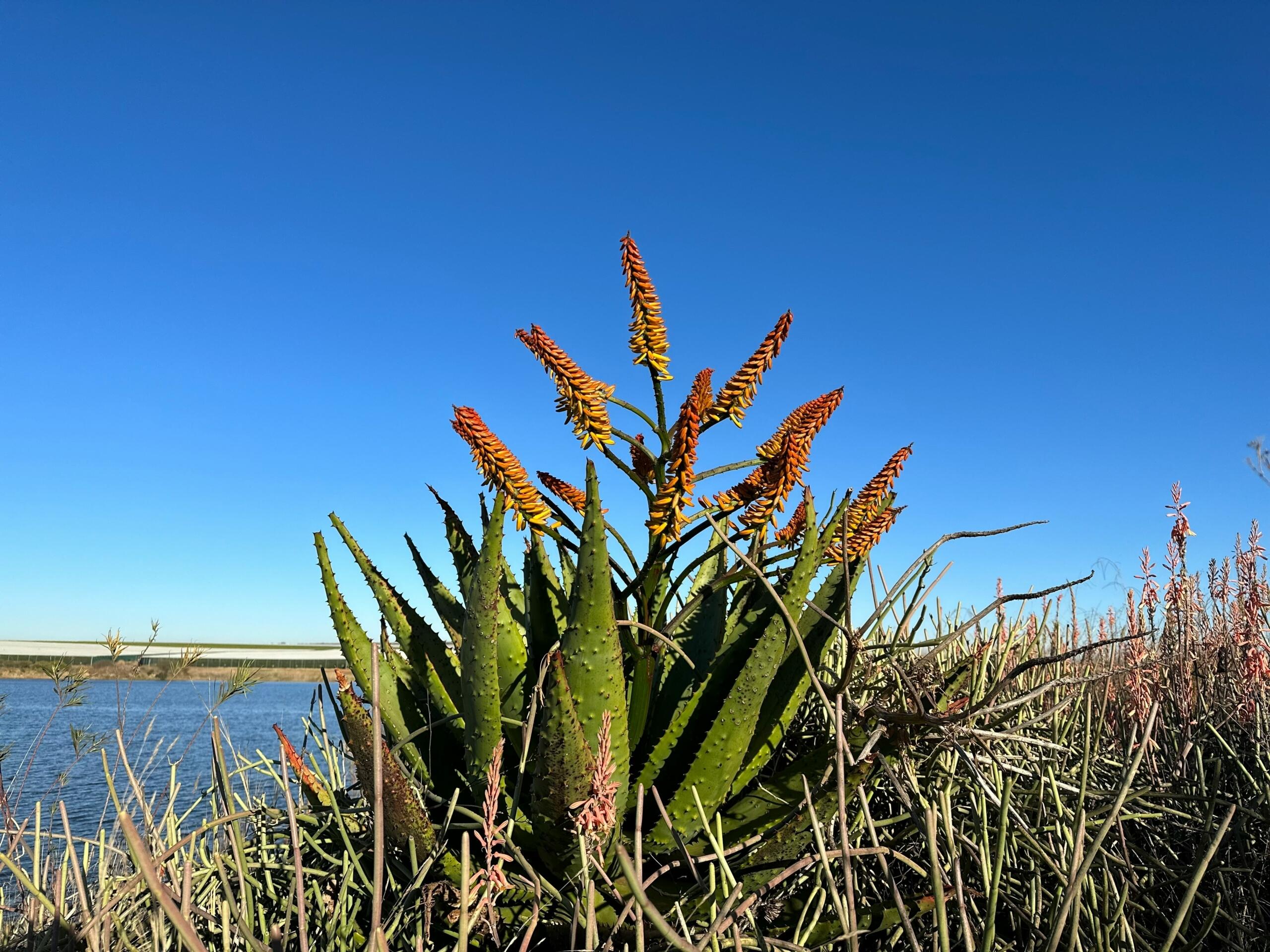
Aloe in Traditional Healing
Like Buchu, various aloe species have been used historically in traditional practices throughout Southern Africa.
These examples remind us that South African indigenous plants are not only ecologically important but also culturally significant.
If you would like to explore edible species and traditional crops, consider learning more about indigenous fruits and food crops that have supported local communities for generations.
The Role of Indigenous Plants in Sustainable Gardening
Today's modern gardeners increasingly recognise the many benefits of working with nature rather than against it. One way to do this is to choose indigenous plants that allow landscapes to support biodiversity while they simultaneously reduce resource consumption.
Lower water usage
Increased wildlife activity
Reduced maintenance
Better adaptation to local conditions
Stronger ecosystem support
As awareness grows, many South Africans are asking the question: "What are indigenous plants and how can they contribute to more sustainable gardens?"
Where South Africans Encounter Indigenous Flora Today
In almost every corner of the country, you do not need to travel far to experience South Africa's native plant diversity.
| Botanical Gardens | Kirstenbosch National Botanical Garden is one of the world's most celebrated botanical gardens and showcases many outstanding South African plants. |
|---|---|
| National Parks | National Parks throughout the country protect habitats that support diverse plant communities. |
| Urban Eco Gardens | Many municipalities have incorporated local species into public landscapes and restoration projects. |
| Nature Reserves | Protected areas help conserve indigenous plants in South Africa while providing educational opportunities for visitors. |
These locations offer excellent opportunities to see, touch and learn about South African indigenous plants firsthand.
The Future of South Africa's Plant Heritage
As habitat loss, invasive species, urban expansion, and climate change continue to place pressure on natural ecosystems, conservation remains an important priority.
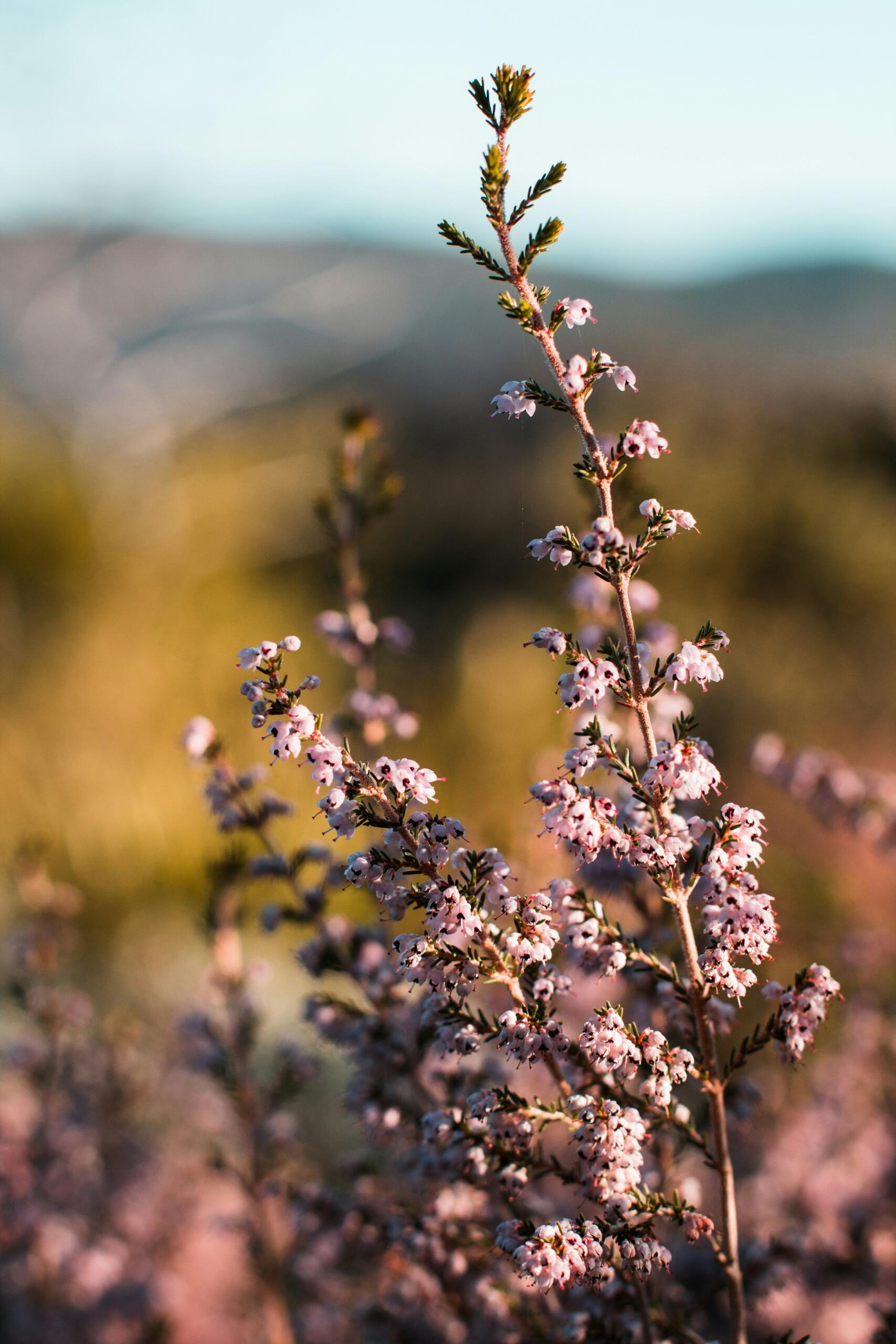
Fortunately, researchers, conservation organisations, botanical gardens, and local communities are working together to protect indigenous plants and the habitats they depend upon.
Education also plays an important role. Schools, universities, and public awareness initiatives help more people understand the questions: "What are indigenous plants and why do they deserve protection?"
In the meantime, for a closer look at some of the country's most recognisable tree species, you might enjoy finding out more South Africa's remarkable indigenous trees and their role within local ecosystems.
Bringing Indigenous Plants Into Your Own Garden
The good news is that you do not need a large property to support biodiversity; even a small garden or balcony can support the nurturing of local species.
Your climate zone
Available sunlight
Soil conditions
Water availability
Desired wildlife benefits
Remember that when you choose South African indigenous plants, you are contributing to conservation while also enjoying your beautiful, resilient, and locally adapted vegetation.
Ultimately, South Africa's remarkable biodiversity is one of its greatest natural assets. From the fynbos of the Western Cape to the forests of the Garden Route and the savannas of the north, the country supports an extraordinary variety of plant life.
Understanding the answer to "What are indigenous plants?" can help you appreciate the value of species that evolved alongside local ecosystems. Whether you are interested in conservation, gardening, culture, or biodiversity, South African indigenous plants provide us with countless opportunities for learning and enjoyment. And by protecting and planting indigenous plants, you help preserve a unique natural heritage that will continue to inspire South Africans and visitors for generations.
References
- Spekboom Restoration Project: https://spekboom.imperativeinc.com/
Summarise with AI:
Enjoyed this article? Leave a rating!

 Loading...