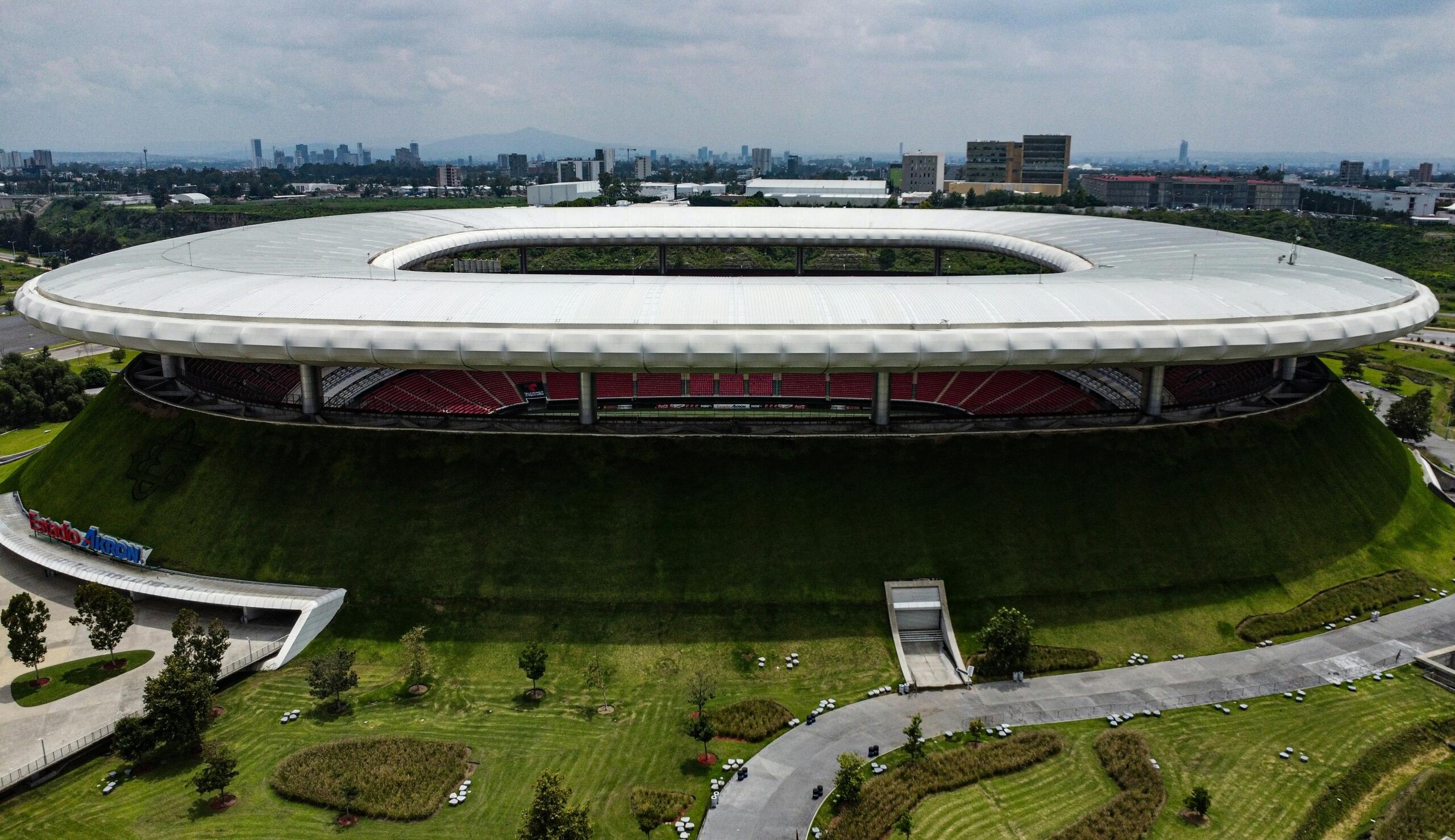

World Cup soccer is almost upon us, and it is not just a game. For South Africans, it is a story of struggle, pride and resilience that took the country from isolation to the global stage, and as one of the major sports in South Africa, football holds a unique place in the country’s identity. From township pitches in Soweto to iconic stadiums like FNB Stadium in Johannesburg, the journey is one that reflects the country’s overall unique history.


Not an Easy Journey
Since our re-entry to international soccer in 1992 and its World Cup debut in France in 1998, South Africa has participated in the FIFA World Cup three times. If they meet the South Africa FIFA World Cup qualification, they could play in Mexico City, Canada, and the USA in 2026.
Still, for some fans, a key question is: When was the FIFA World Cup in South Africa? The answer continues to resonate as a defining national moment.
The first World Cup that took place in Africa
Alongside these World Cup appearances, the country has also seen success in major international trophies in football, particularly through the Africa Cup of Nations.
So, besides the excitement of the tournament play, how do teams get there? In short, the qualification process is a demanding, multi-stage journey, where African nations compete through regional groups for limited spots.
For a deeper understanding of how this journey began, don’t miss our exploration of South Africa's international soccer history. The article provides a rich foundation that connects early development with modern ambition.
FIFA World Cup Historical Participation and Performance
1998 FIFA World Cup – France
South Africa’s debut marked a turning point for South Africa in the World Cup. After decades of isolation, the team stepped onto the global stage with determination.
While the results were not wins, the experience was invaluable and players like Lucas Radebe and Benni McCarthy gave fans a glimpse of the country’s potential for winning major international trophies in football competitions.
2002 FIFA World Cup – Korea Japan
The 2002 tournament remains one of the most competitive chapters of South Africa in the World Cup with the team narrowly missing advancing to the knockout stages.
This performance strengthened confidence in South Africa FIFA world cup qualification systems and demonstrated that the team could compete with strong international opponents.
For a more in-depth breakdown of these matches, the article tracing South Africa’s World Cup history explores each campaign in detail and connects them to broader football development.
2010 FIFA World Cup – South Africa
The FIFA World Cup in South Africa in 2010 was simply historic, and if you are asking, when the FIFA World Cup took place in South Africa, this was certainly the year that placed the nation firmly on the global map.
It was more than football, it was about showing the world who we are.
Siphiwe Tshabalala
Although the team did not progress, the tournament was a resounding success. Not only did it boost infrastructure, tourism, and national pride, but it also cemented soccer as one of the major sports in South Africa.
2026 FIFA World Cup
Looking ahead, South Africa FIFA world cup qualification is a critical step toward returning to the global stage. Here, the team must progress through CAF group stages, followed by decisive knockout rounds as they compete against the strongest footballing nations on the continent.
The question is South Africa in the World Cup continues to hype up the excitement about qualification and possible players for the current squad.
If you are curious about South Africa’s future talent, don’t miss our article about the emerging young soccer talent; in it, we showcase players who could shape upcoming tournaments.
Like any great accomplishment, the journey to the World Cup is not simple.
Challenges include varied playing conditions, travel demands and intense competition. Yet, these very things are what contribute to a team’s gains and taking home major international trophies in football.
One of the Most Popoular Sports in South Africa
In considering major sports in South Africa, football stands alongside both cricket and rugby. Having said that, remember that football remains the most widely played sport across communities.
From school fields in the north to all along the coast, the accessibility of football makes it a unifying force which gives energy to the South Africa FIFA World Cup qualification when it nurtures talent at grassroots level.
Major International Trophies in Football
In terms of achievements, South Africa’s most significant accolade is the 1996 Africa Cup of Nations victory which is one of the major international trophies in football.
Africa Cup of Nations Champions!
Impact: Boosted national pride and global recognition
This proud victory, which demonstrates the country’s ability to compete at the highest level, is surely one that encourages the team as they journey towards the goal of South Africa in the World Cup.
Hosting the 2010 FIFA World Cup
For the nation, the FIFA World Cup in South Africa was one of those once-in-a-lifetime transformative. Not only did it create jobs and upgrade infrastructure, but it showcased the country’s ability to host an international event.
In trying to remember when the FIFA World Cup was hosted in South Africa, remember the vibrant atmosphere, sense of unity and unique sound of the vuvuzela!
Sport unites us in a way nothing else can.
Nelson Mandela
For a more in-depth look at cultural perspectives, our article on the success of the South African national women’s soccer team also demonstrates how football continues to expand inclusively.
Key Players and Records
Several players have made noteworthy contributions to South Africa in the World Cup story:
Aaron Mokoena
For his leadership and consistency
Benni McCarthy
A key goal scorer
Lucas Radebe
A respected captain
Players like these not only make major international trophies in football possible, but they also inspire future generations.
When Was the FIFA World Cup in South Africa?
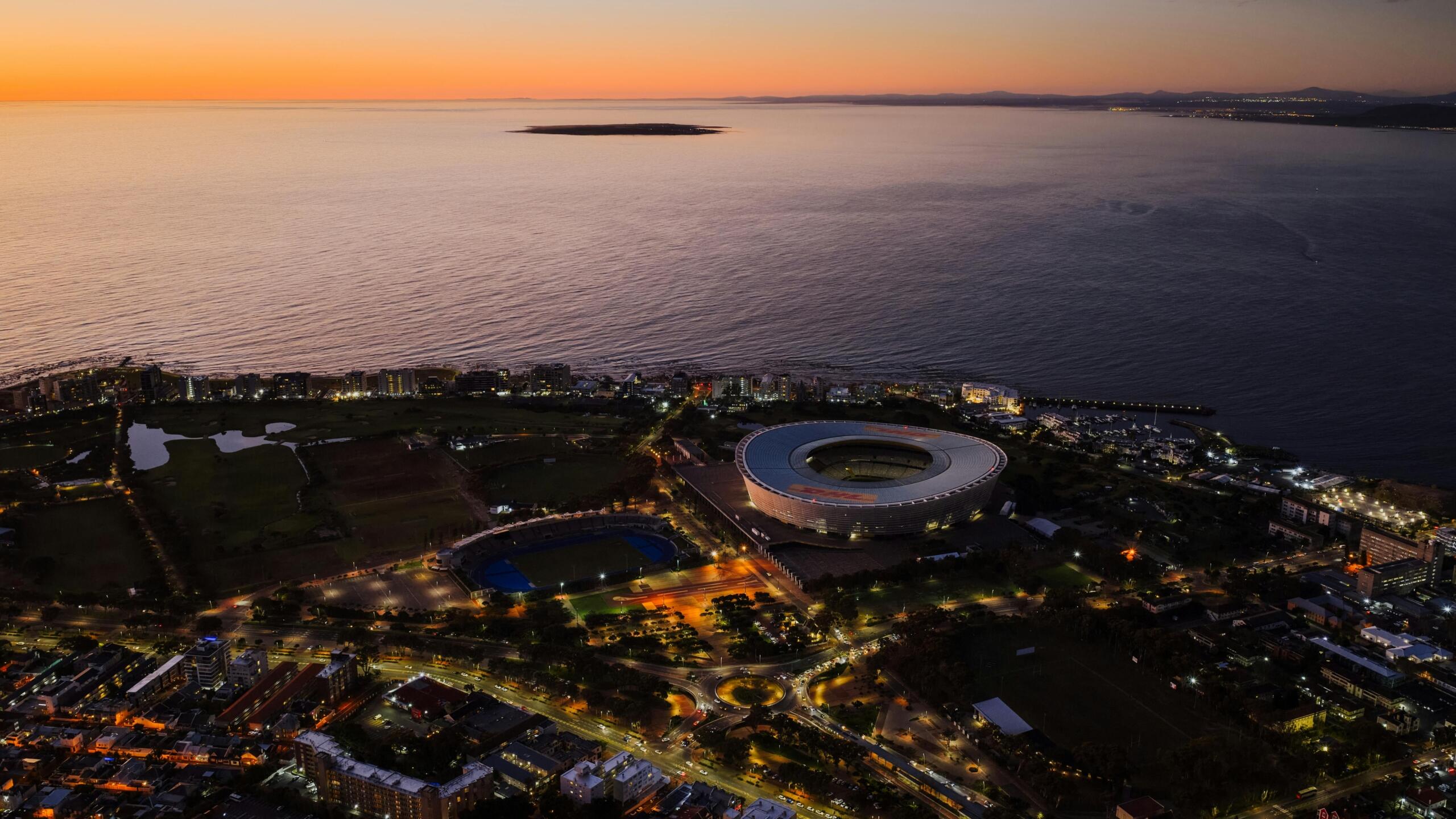
Thinking back to that unforgettable winter, it’s easy to see how the impact of 2010 echoed far beyond the final whistle. From Sea Point to Soweto, communities gathered in fan parks, living rooms and local venues. That collective pride continues today as school children wear Bafana Bafana jerseys and teachers pause lessons to follow matches.
So, when you hear people ask when the FIFA World Cup took place in South Africa, it’s because they are looking for a moment to relive it. For South Africans everywhere, it was not just about making it to the world stage; hosting the tournament was about belonging on it.
1992
Re admission to FIFA
1998
First World Cup Appearance
2002
Strong group performance
2010
Host Nation
2026
Qualification campaign
Future Prospects
Looking forward, the future of South Africa in the World Cup is promising especially as strides in coaching, domestic leagues and youth development continue to be made.
What is your favourite South African World Cup moment?
As the focus on South Africa world cup qualification continues year after year, it is expected that football will remain one of the major sports in South Africa.
Horizons Filled with Possibilities
As new horizons lie before Bafana Bafana and as the country’s love for soccer continues to strengthen, we are reminded that the best things in life are worth a fight. From isolation to triumph and global recognition, sport reminds us that South Africa has all that it takes to succeed.
Today, the legacy of the FIFA World Cup in South Africa continues to inspire fans and players of every level.
In recent years, South Africa’s journey in both FIFA World Cup qualifiers and the Africa Cup of Nations has been a bit of a mixed bag. There have been flashes of real promise, but also moments that show there’s still work to do. At the 2025 AFCON, for example, Bafana Bafana made it out of the group stage, which was encouraging, but their run ended in the knockout round after a tight loss to Cameroon. It’s the kind of result that shows they’re competitive, but not quite where they want to be yet.
That said, AFCON itself keeps growing in stature. It’s not just a continental tournament anymore; it’s a global showcase of African talent, with players from top European leagues returning to represent their countries. For fans, it brings a unique mix of passion, unpredictability, and pride.
Looking ahead, there’s real reason for optimism in South Africa. Strong performances at youth level suggest a new generation is coming through, and if that talent is developed properly, it could translate into better results on the senior stage. The challenge now is turning potential into consistency and giving fans more moments to celebrate.
Summarise with AI:
Enjoyed this article? Leave a rating!

 Loading...