

Soccer holds a cherished place in the cultural and sporting landscape of South Africa, and by exploring South African soccer history, it is easily evident that the stories are shaped by resilience, unity, and passion. From its colonial beginnings to its modern global presence, soccer in South Africa has developed into more than a sport. Rather, is a shared language across communities and a reflection of identity that bridges generations. In this article, as we unpack the history of football in South Africa, you will begin to understand how the nation earned its place in world football and continues to build on its South Africa FIFA World Cup appearances.


Origins and Early Development of Soccer in South Africa
Introduction by British Colonists
In examining South African soccer history, you will find its origins in the late nineteenth century, when British soldiers stationed across the Cape Colony and Natal introduced the game as part of their recreational activities. In fact, schools such as Diocesan College in Cape Town and Hilton College in KwaZulu-Natal became early hubs where organised matches were held.
As the sport grew, local communities began to embrace it. So, what started as a colonial pastime slowly became embedded in everyday South African life. While this period marks the earliest chapter in the history of football in South Africa, it was not long before informal matches evolved into structured competition.
Formation of Racially Segregated Associations
As the sport developed, sadly, segregation dictated its structure. Most notably, the Football Association of South Africa was formed in 1892 and represented only white players. In response, other communities created their own bodies. The South African Indian Football Association was established in 1903, followed by the South African Bantu Football Association in 1933 and the South African Coloured Football Association in 1936.
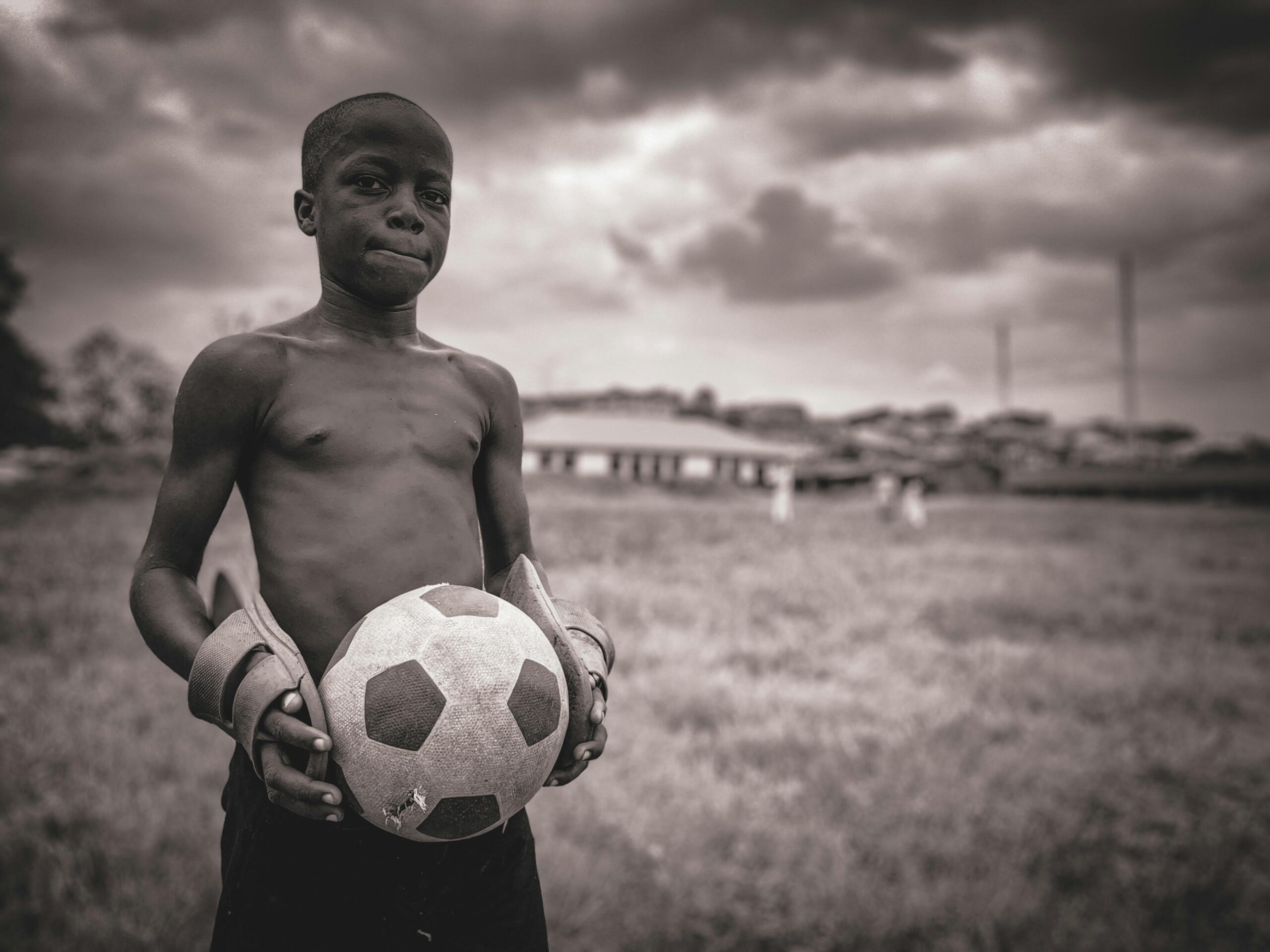
This fragmented system is a defining feature within soccer history, as it mirrored the broader inequalities of South African society. While the game flourished, it did so in global isolation, limiting the country's early potential in international football. Understanding this phase is important for understanding the overall history of football in South Africa.
Soccer During the Apartheid Era
Impact of Racial Segregation on the Sport
During apartheid, soccer in South Africa became both restricted and deeply meaningful. Separate leagues meant that talent was divided, with many exceptional players never receiving national recognition. Matches in townships such as Soweto and Langa drew large crowds, which showed the sport's impact despite its limitations.
For many, football became a form of expression and resistance. This era highlights how South African soccer history became a symbol of social struggle.
Even under pressure, the sport continued to thrive on the local scene, even though it remained disconnected from world football structures.
International Isolation and FIFA Suspension
In 1961, due to its apartheid policy, South Africa was expelled from FIFA. This exclusion had a major impact as it meant no participation in international competitions and no official South Africa FIFA World Cup appearances for decades.
Of course, the absence from the global stage slowed progress and limited exposure. Yet, it also strengthened the internal passion for the game. When it comes to the history of football in South Africa, this period of isolation marks a setback, but also a time of motivation for future unity within football.
Post Apartheid Revival and Achievements
Formation of the South African Football Association
In 1991, unity became reality with the formation of the South African Football Association. Previously divided bodies came together to create a single governing structure and this moment is one of the most important milestones in soccer history.
Hosting and Winning the 1996 African Cup of Nations

Just a few years later, Bafana Bafana achieved something extraordinary. South Africa hosted and won the 1996 African Cup of Nations. This victory symbolised much more than sporting success as it represented national pride and unity in a new democratic era.
Sport has the power to change the world. It has the power to inspire. It has the power to unite people in a way that little else does.
Nelson Mandela
This moment cemented the importance of soccer as a unifying force, and also signalled the country's re-emergence in world football after years of isolation.
Host nation: South Africa
Champions: Bafana Bafana
Significance: First major international title post apartheid
Legacy: Boosted national pride and global recognition
Participation in FIFA World Cups
South Africa made its FIFA World Cup debut in 1998, followed by appearances in 2002 and 2010 and these South Africa FIFA World Cup appearances marked the country's steady integration into elite competition.
Of course, the 2010 tournament remains historic as South Africa became the first African nation to host the event, placing the country firmly on football's global stage. To explore more about performance insights and milestones, you can read our article, which traces South Africa's appearances in the FIFA World Cup, which breaks down highlights from these tournaments.
Evolution of Domestic Leagues and Clubs
Establishment of the Premier Soccer League
In 1996, the Premier Soccer League was formed, which brought even more structure and professionalism to the sport. This development was a cornerstone of South African soccer history, as it created a truly competitive environment for players and clubs.
In short, the PSL improved standards, attracted sponsorship, and increased visibility. It also strengthened the link between grassroots development and elite performance within world football.
Dominant Clubs and Their Contributions
Clubs such as Kaizer Chiefs, Orlando Pirates, and Mamelodi Sundowns have also played a major role in driving the sport forward.
From these teams, players have gone on to represent the country internationally. If you are interested in the next generation of talent, don't miss our exploration of emerging South African soccer stars. The article offers insight into how young players are rising within global football through strong local foundations.
Women’s Soccer in South Africa

Early Beginnings and Growth
Dating back to the 1960s, women’s football in South Africa received limited support. Since then, participation and support have increased, particularly in schools and community programmes.
Achievements of Banyana Banyana
Today's Banyana Banyana has achieved significant success, including winning the Women’s Africa Cup of Nations in 2022 and competing in the FIFA Women’s World Cup. Their journey clearly shows the expanding role of women in world football, including in South Africa.
For a closer look at their story, read our article, which explores how dedication and development have led to the remarkable international success of our national women's soccer team.
Soccer’s Socio Cultural Impact
Role in Unifying a Divided Nation
Soccer has played a vital role in bringing people from everywhere together, and after apartheid, matches became spaces where unity could be experienced in real time. For instance, stadiums like FNB Stadium in Johannesburg and Cape Town Stadium became symbols of collective identity.
As we reflect on the history of soccer in South Africa, it is easy to see how the sport transcends race, language, and background. At its core, it powerfully connects communities and strengthens the country's place within global football.
Key Moments in South African Soccer
Late 1800s
Soccer introduced by British soldiers
1892
Football Association of South Africa formed
1961
Expulsion from FIFA
1991
Formation of SAFA
1996
AFCON victory
1998
First World Cup appearance
2010
Hosting the FIFA Word Cup
Development Programmes and Grassroots Initiatives
Across South Africa, development programmes continue to spot and nurture talent. From township leagues in Khayelitsha to school tournaments in Johannesburg, opportunities continue to expand.
If soccer is your passion, consider structured coaching through platforms like Superprof, which can make a significant difference as you make your own contribution towards the history of football in South Africa.
Challenges and Future Prospects
Addressing Infrastructure and Development Issues
While progress has been significant, there are still challenges. Access to quality facilities, especially in rural areas, is still uneven, and the need for investment in coaching and youth development is essential if soccer in South Africa is to maintain its growth.
Ultimately, improving infrastructure will help more players reach their potential and strengthen South Africa's overall standard in world football.
What is your favourite moment in South African soccer history?
Enhancing International Competitiveness
To compete consistently on the global stage, South Africa needs to focus on long term development. This includes better scouting systems, stronger academies, and increased exposure to international competition.
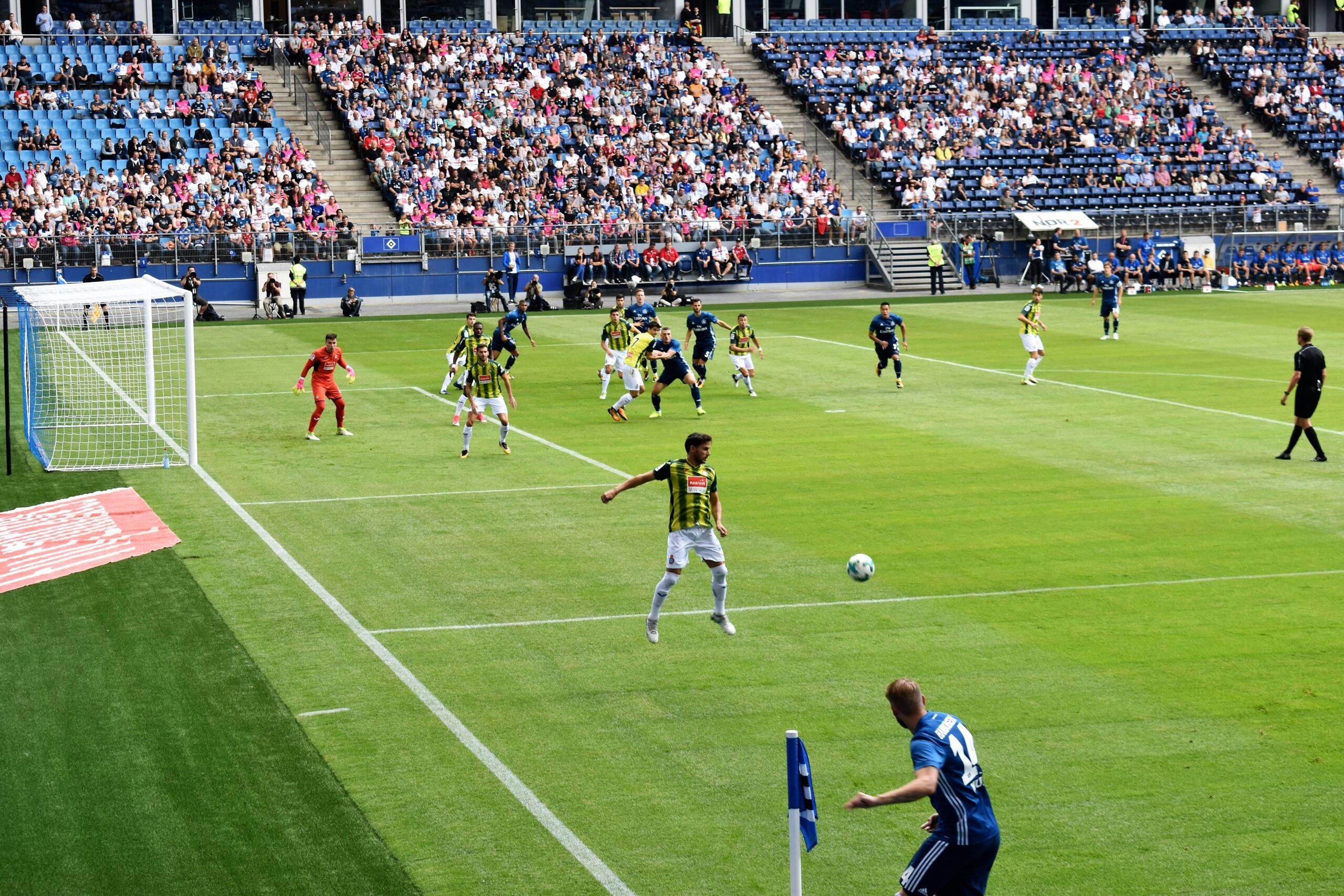
Each step forward adds to South African soccer history, building on past achievements and shaping future South Africa FIFA world cup appearances.
People, Communities and Unity
One thing is clear, the history of football in South Africa is not just about matches and trophies. It is about people, communities, and a shared love for the game.
From local pitches to global tournaments, soccer in South Africa continues to grow and maintain international standards. And as each generation adds to the story, it strengthens the country’s position to continue building on those exciting South Africa FIFA World Cup appearances.
Summarise with AI:
Enjoyed this article? Leave a rating!

 Loading...