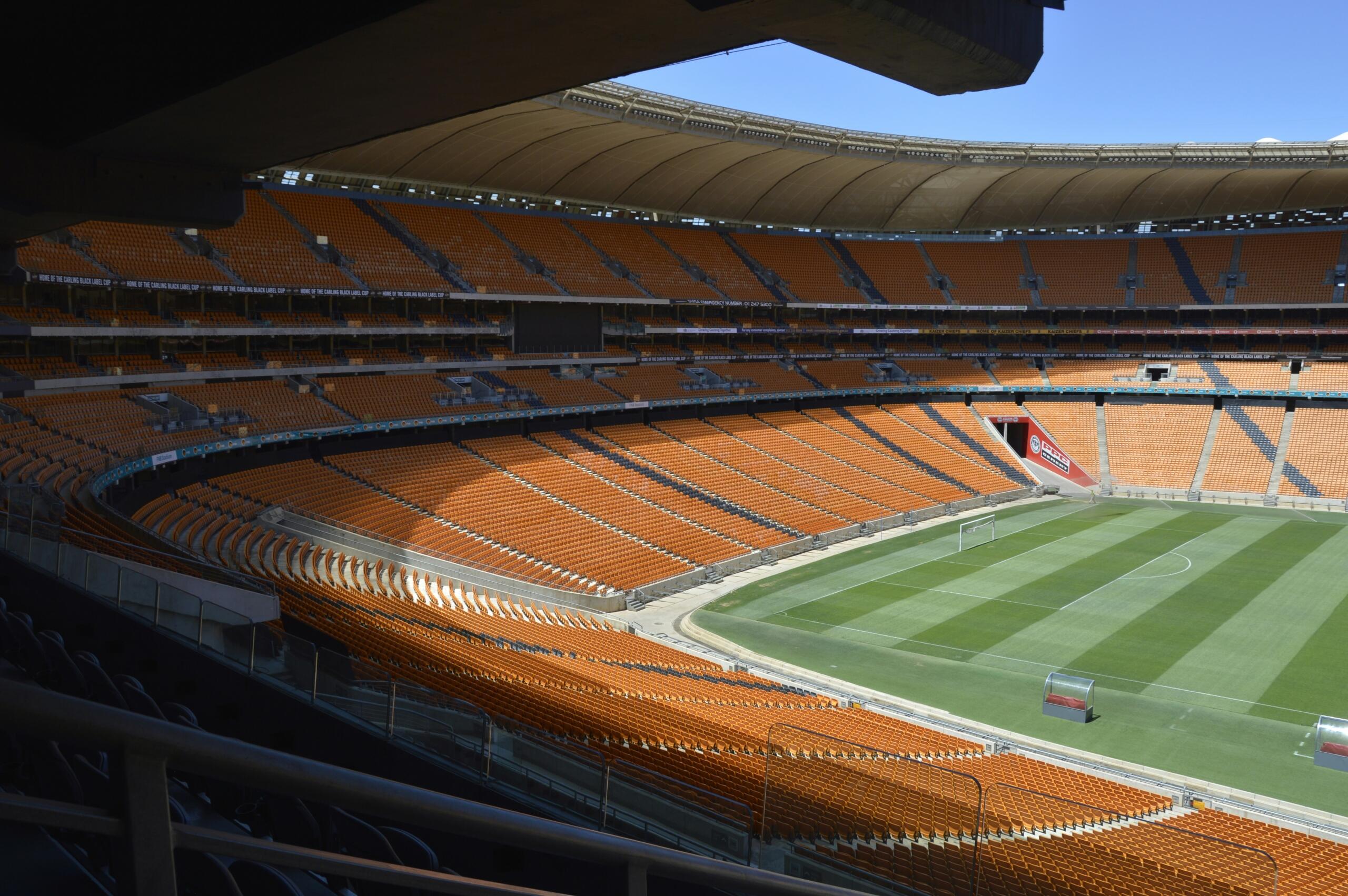

If you are interested in SouthAfrica World Cup history, you may be in for more of a story than you expected. Looking back, you will uncover a journey to the global stage that is characterised by struggle, resilience, isolation and unforgettable highlights.
To date, South Africa has participated in the FIFA World Cup three times, first in 1998, 2002, and as host in 2010 and looking ahead, the nation is set to make its fourth appearance in 2026.
That goal was for all South Africans.
Siphiwe Tshabalala
As you follow South Africa FIFA World Cup history, prepare to be astonished as you read about how the country moved from isolation to recognition in international football. And, if you are asking, is South Africa in the World Cup, the answer is yes. After a successful CAF qualifying campaign, South Africa (Bafana Bafana) has officially qualified for the 2026 FIFA World Cup, marking their return to the tournament for the first time since hosting in 2010. While bearing in mind that each South Africa soccer world Cup group offers its own lessons and moments of brilliance, there’s a good chance that this one may go down in South Africa World Cup history.


Early Years and Challenges
Apartheid Era and FIFA Ban
To fully grasp South Africa's history in the World Cup, we need to start with exclusion. During apartheid, South Africa was banned from FIFA in 1961 as a result of its discriminatory policies. This meant no global competition and no opportunities to test local talent against international opposition.
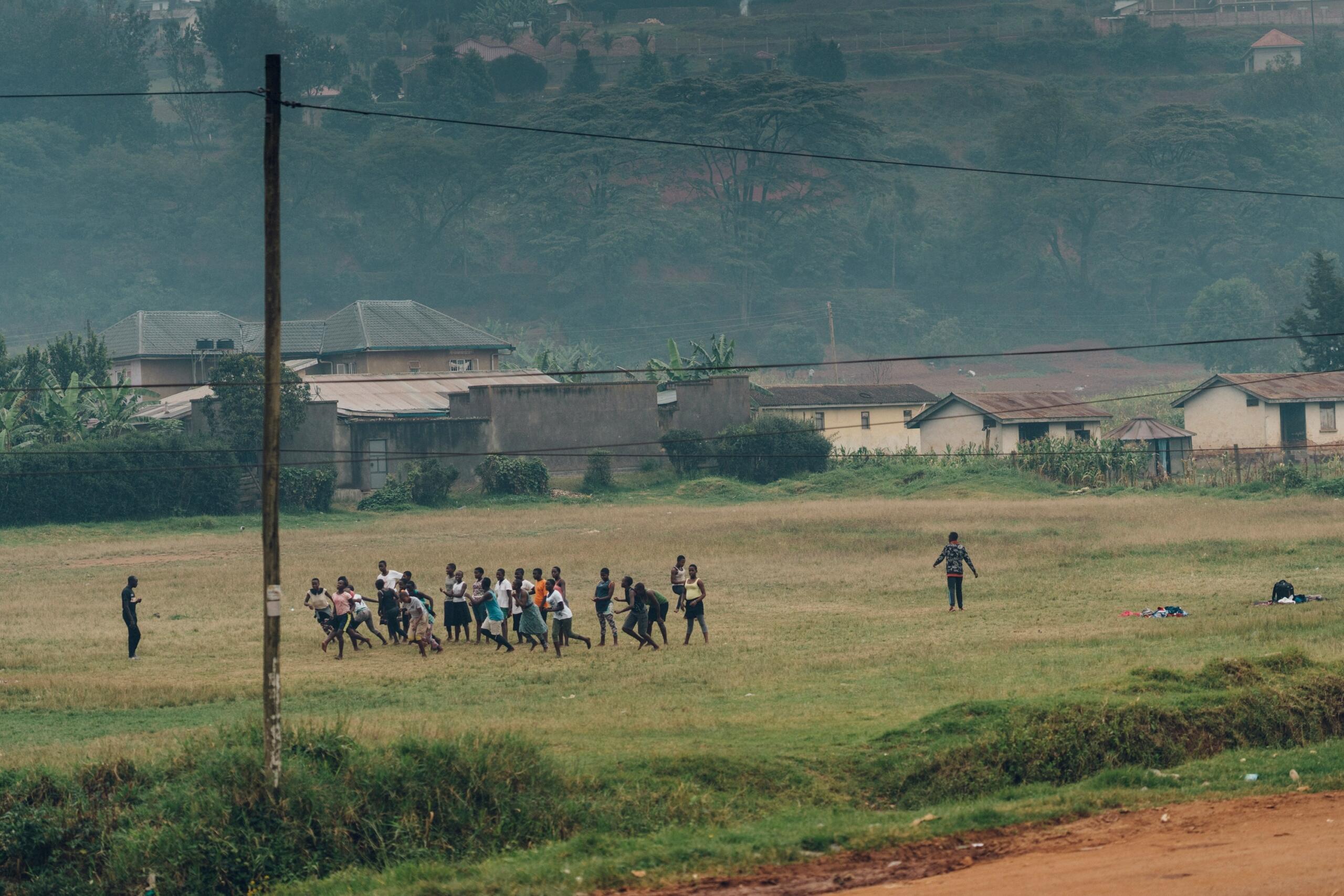
The impact of this isolation was profound and while football thrived in townships such as Mitchell’s Plain and Soweto, South Africa as whole remained cut off from the game, internationally. As a result, the earlier chapters of South Africa FIFA World Cup history are defined by tragic absence and not by participation.
To explore this topic in more detail, don’t miss our accompanying article, which explores South Africa's international football journey and explains how local talent endured despite international isolation.
Re-admission to FIFA
In 1992, shortly before the doors of democracy were swung open, South Africa was welcomed back into FIFA. This turning point paved the way for global competition and also laid the foundation for future World Cup participation.
From this point forward, the trajectory that South Africa's World Cup history had been on took a sharp turn. Not only did the return to the global stage spark renewed interest among young players across schools and clubs, from Johannesburg to Cape Town, in the years that followed, people began to even ask: is South Africa in the World Cup?
FIFA World Cup Appearances
1998 France World Cup
One of the most defining moments in South Africa World Cup History was when the country made its debut in France in 1998. So, after all this time, you may be wondering what happened. Here are the results.
South Africa Soccer World Cup Group 1998
SA vs France
SA Lost 0 to 3
SA vs Denmark
SA Lost 0 to 1
SA vs Saudi Arabia
Drew 2 to 2
Despite not progressing, the resilience and professionalism shown by the team were noteworthy. Among the highlights, goals from Benni McCarthy demonstrated South Africa’s attacking potential. For fans everywhere, these 1998 games were a landmark in South Africa FIFA World Cup history that will never be forgotten.
2002 Korea Japan World Cup
In 2002, improvements were tangible with a strong performance by South Africa who only missed out on the knockout stage because of goal difference.
South Africa Soccer World Cup Group 2002
SA vs Paraguay
Drew 2 to 2
SA vs Slovenia
SA Won 1 to 0
SA vs Spain
SA lost 2 to 3
This campaign is still touted as one of the most competitive in South Africa World Cup history especially with standout performances by Quinton Fortune and Lucas Radebe among others. For a more in-depth breakdown of performances, don’t miss our exploration of South Africa's international footballing achievements, which offers more insight into these matches and their impact.
2010: A Major Milestone in South Africa World Cup History
There is no question, the FIFA World Cup in South Africa in 2010, which marked the first time the tournament was hosted on African soil, was historic.
It feels like the whole continent is playing with us.
Steven Pienaar
Do you remember the opening match against Mexico which ended in a 1 to 1 draw, with Siphiwe Tshabalala scoring one of the most iconic goals in World Cup history?
South Africa Soccer World Cup Group 2010
SA vs Mexico
Drew 1 to 1
SA vs Uruguay
SA lost 3 to 0
SA vs France
SA won 2 to 1
South Africa as a team did not progress; however, the overall success of the event was a resounding success, with various new stadiums around the country causing a buzz all over the world. In the end, the unique, vuvuzela-driven atmosphere made sure that the FIFA World Cup in South Africa was one of the most iconic events on the timeline of world soccer.
Did you see Siphiwe Tshabalala's memorable goal against Mexico?
Notable Players and Records
Record Appearances
Over the years, several players have left their mark on South Africa FIFA World Cup history through consistent performance. Aaron Mokoena, for instance, holds the record for most World Cup appearances for South Africa and is known for his leadership and defensive strength.
Top Goal Scorers
Benni McCarthy continues to be one of the most recognisable names in South Africa World Cup history and his memorable goals in international games are considered to have helped to define South Africa’s early campaigns.
If players and sporting celebrities of the next generation interest you, don’t miss, our article which casts a spotlight on emerging local soccer stars. Many of these players have sparked that question is South Africa in the World Cup, with renewed confidence.
First World Cup appearance: 1998
Best performance: 2002 group stage
First African host nation: 2010
Iconic moment: Tshabalala’s opening goal
2026 World Cup Qualification
Qualification Journey
As we consider the future, it is exciting to think that South Africa World Cup history is still being written even as the road to 2026 involves qualification matches within CAF structures, where competition remains intense.
South Africa has shown it belongs, and the question is South Africa in the World Cup is once again relevant. Today, as strong youth systems and professional leagues contribute to the professional side, it is heartwarming to see the soccer community working closely together.
Group Stage Draw and Fixtures
While final group allocations depend on qualification outcomes, each South African soccer World Cup group presents unique challenges. In 2026, the team’s ability to adapt tactically will be key.
For deeper insight on international performance trends, International Achievements: South Africa in the World Cup provides helpful comparisons with both past tournaments and future expectations as linked to FIFA World Cup in South Africa legacy.
Impact of World Cup Participation on South African Football

Development of Domestic Football
World Cup participation has, without doubt, strengthened local football structures. For instance, the Premier Soccer League has grown in visibility, while academies all over the country continue to develop talent.
Each chapter in South Africa FIFA World Cup history continues to inspire young players. Whether you are training at a local club or watching from a township pitch, the influence of global tournaments is clear.
Socio Economic Impact
The 2020 FIFA World Cup in South Africa reminded South Africans that sport can bring communities together, regardless of background.
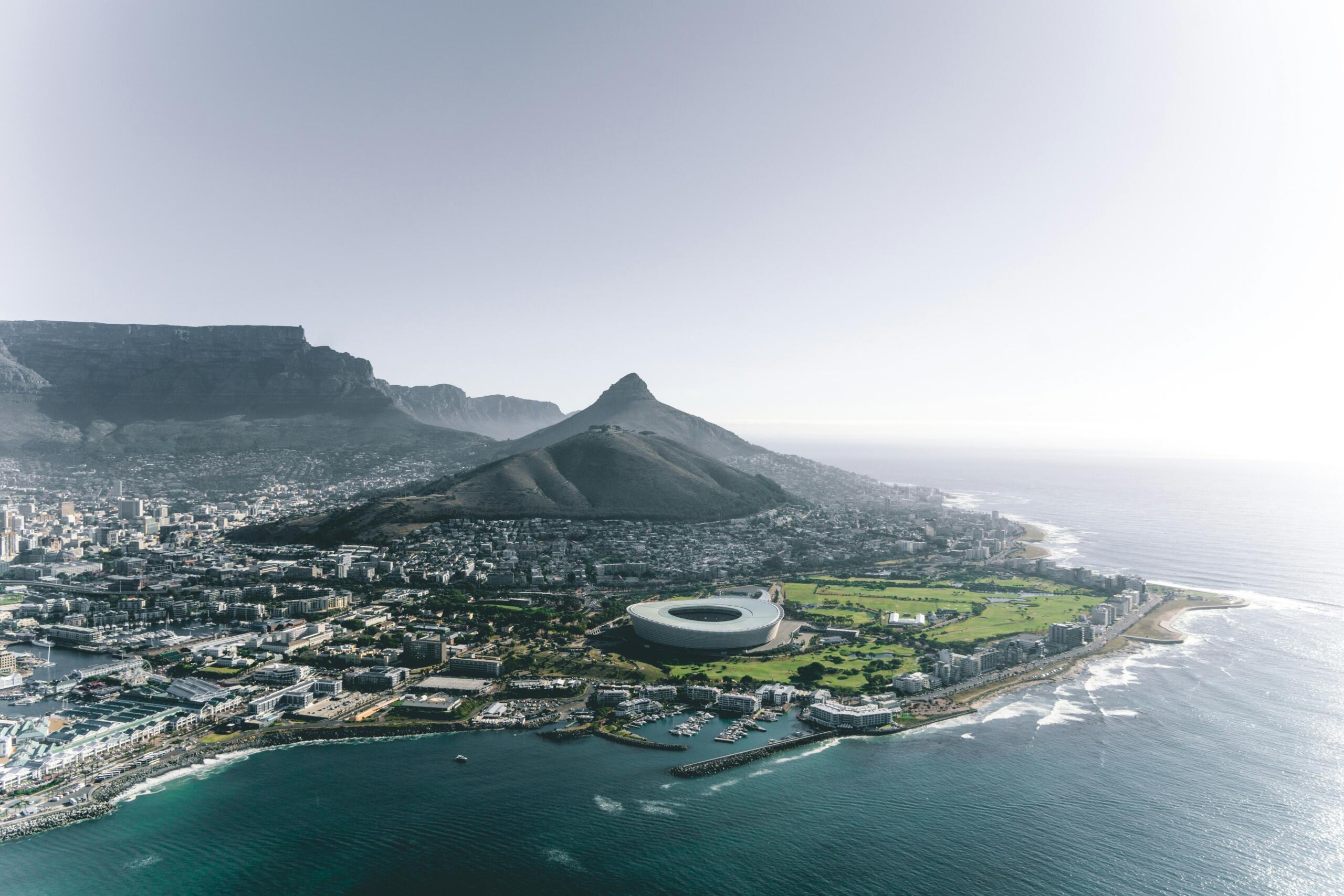
Hosting the FIFA World Cup in South Africa catapulted tourism and infrastructure. Roads, stadiums, and public spaces were upgraded to leave a lasting legacy. Not only that, the unity that was created remains one of the most powerful elements of South Africa World Cup history.
South Africa in the World Cup
1961
FIFA ban
1992
Re-admission
1998
First appearance
2002
Strong group performance
2010
Host nation
2026
Expected return
Challenges and Future Prospects
Overcoming Past Challenges
South Africa has faced challenges such as limited progress and inconsistent performance beyond the group stage, and each South Africa soccer World Cup group has exposed areas for improvement, particularly in the areas of defence and finishing.
Strategies for Future Success
To strengthen future campaigns, investment in coaching, infrastructure and youth development is essential. This is where school and community programmes play a vital role in ensuring that talent is identified early.
You can also see read about the influence of women’s football through in our article tracing the impressive trajectory of the South African women’s national soccer team, which highlights how development across all levels contributes to the broader South Africa FIFA World Cup history narrative.
Which World Cup moment stands out most for you?
From Exclusion to Participation
Reflecting on South Africa World Cup history, shows more than results. There is also growth, resilience, and ambition. Ultimately, the journey from exclusion to participation has made the country’s place in global football possible.
As South Africa FIFA World Cup history continues to evolve, the question of whether South Africa has qualified for the World Cup becomes less about qualification and more about performance. With the legacy of the FIFA World Cup in South Africa still inspiring new generations, and each South Africa soccer World Cup group offering its own lessons, the future looks promising.
Summarise with AI:
Enjoyed this article? Leave a rating!

 Loading...