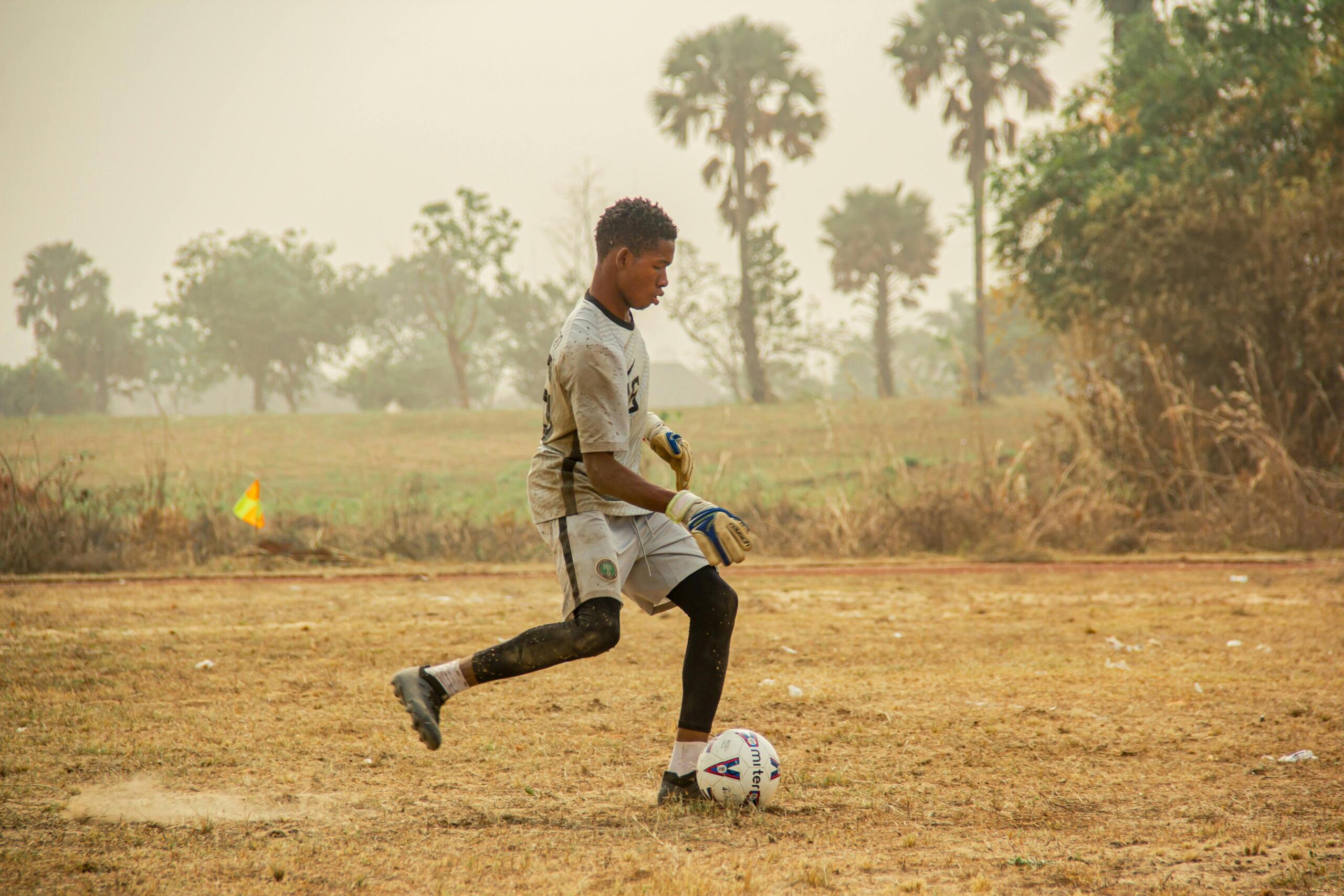

If you are looking for inspiring stories, look no further than the emergence of many young South African soccer players. Even though South Africa is no newcomer in producing raw soccer talent, since it’s re-entry to the international arena in 1992, it has gone from strength to strength in developing players who are making a name for themselves, locally and abroad.
You can have all the talent in the world, but without dedication, you won’t make it.
Zinedine Zidane
Right now, this talent is gaining recognition across leagues and continents. One only needs to look at players like Olwethu Makhanya and Mfundo Vilakazi who are not just promising prospects, but are already stepping into professional environments and competing at higher levels. Their journeys are a demonstration of the strength behind soccer development in South Africa, where structured paths and grassroots passion work together to shape the future of talent in football.


The Landscape of South African Soccer Talent
Historical Context and Legacy
To understand the spirit behind South African soccer talent today, you need to look back to the beginning. Through a time of struggle and isolation from global sport (1961-1992), the country still produced legends who inspired generations. From township pitches in Soweto to elite school competitions in Gauteng and the Western Cape, South Africa’s soccer history has laid a strong and inspiring foundation for modern young South African soccer players.
To find out more about this extraordinary legacy, don’t miss our article, which traces South Africa's international football journey. The article connects the story of the past to the current rise of South Africa talent we see around us today.
Current State of Soccer Development in South Africa
Today, soccer development in South Africa is more structured than ever. Here, clubs, schools and academies work together to spot and nurture ability from an early age. Facilities across major hubs like Johannesburg, Durban, and Cape Town are also improving, which gives young South African soccer players better access to coaching and of course, competition.

However, development is not only about facilities. Rather, it includes consistency, opportunity and mentorship.
To the trained eye, a scanning of South Africa talent shows that both informal community leagues and formal academies have the depth to continue strengthening the pool of talent in football in South Africa.
Spotlight on Young South African Soccer Players
Rising Stars in Domestic Leagues
A key source of young talent continues to be the Premier Soccer League For instance, players like Mfundo Vilakazi’s promotion to the Kaizer Chiefs senior team in 2024 is a strong example of how South Africa talent is being integrated into top tier competition.
Bear in mind that these players are not waiting for opportunities to prove themselves; they are earning them through consistent performance. Ultimately, their growth shows how soccer development in South Africa is producing players who are mentally prepared and technically sound for professional football.
Club: Kaizer Chiefs
Position: Attacking midfielder
Strength: Creativity and vision
Impact: Rising figure among young South African soccer players
South African Talent on the International Stage
Beyond the local leagues, South African talent also makes waves internationally. For instance, Olwethu Makhanya’s move to Philadelphia Union in Major League Soccer shows how South African talent continues to be exported into global systems.
This international exposure is critical to ongoing development. Not only does it allow players to experience different styles, but it also improves their tactical understanding, and elevates the standard of talent in football back home.
For an in-depth look at how this connects to international competition, our exploration of South Africa's international soccer achievements highlights how global exposure strengthens national performance.
Pathways to Success: Football Development in South Africa
Role of Youth Academies
The importance of youth academies, which are at the heart of soccer development in South Africa, cannot be understated. For instance, institutions like Mamelodi Sundowns Academy and SuperSport United Academy provide structured training environments where young South African soccer players can grow.

These academies focus on fitness, technical skills and mental resilience. They also expose South African talent to competitive environments to prepare them for professional careers.
There is no doubt that without the presence of these systems, the pipeline of South Africa talent would struggle reach its full potential.
Impact of National Development Programs
National initiatives, too, play an important role in the expansion of soccer development in South Africa. Here, programmes aimed at grassroots levels and schools identify young players from diverse backgrounds.
Efforts like these uncover hidden South Africa talent and ensure that opportunity is not limited by resources or geographical distance. As more young players are identified and supported, South Africa’s pool for talent in football is greatly strengthened.
How Soccer Development Works
Challenges and Opportunities in Nurturing Talent
Overcoming Socio Economic Barriers
Despite the progress, challenges still remain. Today, many young players face the logistical and financial barriers typical in South Africa. In addition, access to equipment, coaching and even transport is still uneven.
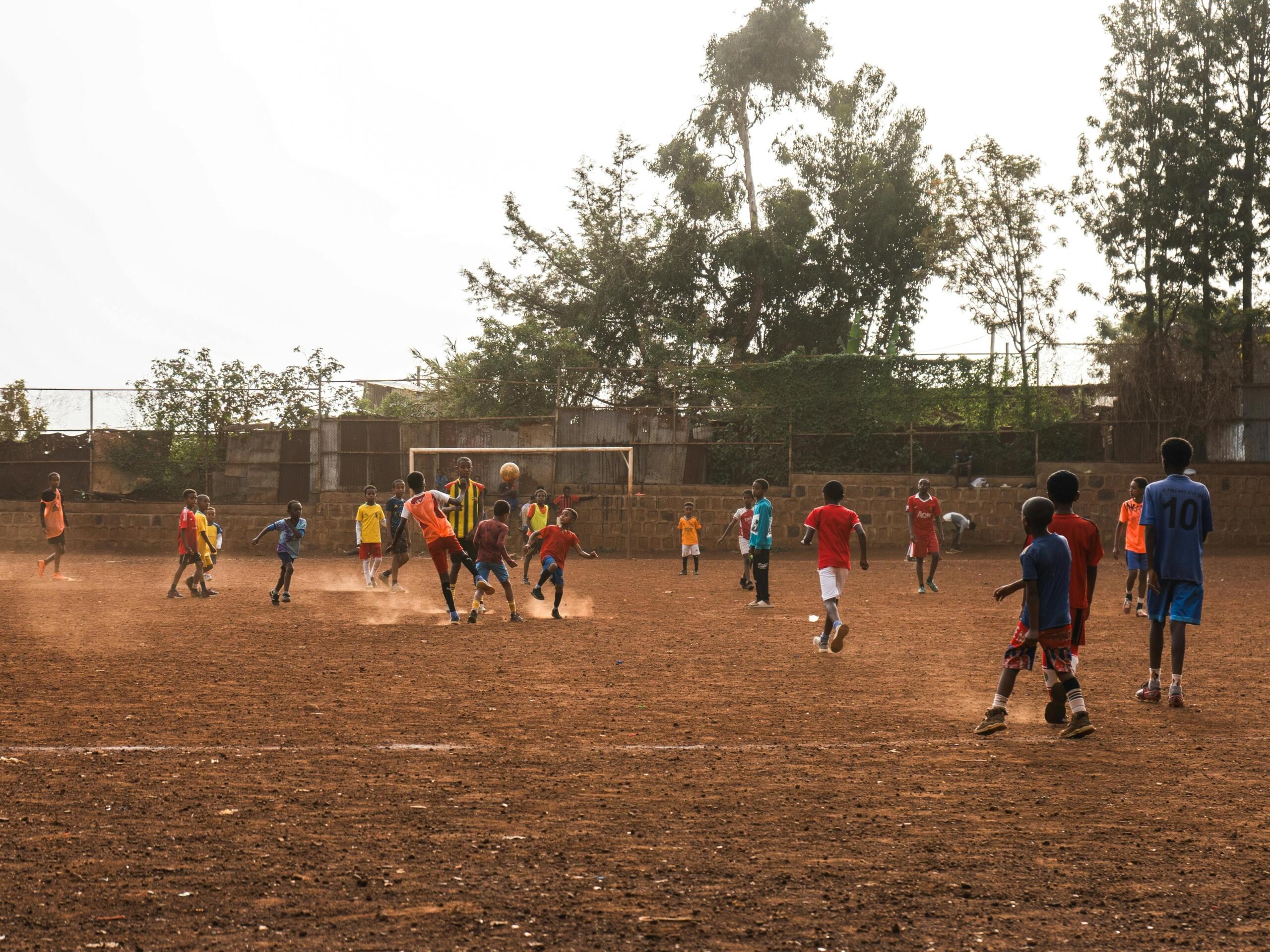
Addressing challenges like this is essential for moving into the sport’s full potential. By improving support systems that offer access, South Africa can ensure that talent continues to grow at an impressive scale.
Leveraging International Exposure
On the positive side, international opportunities are becoming far more accessible. When young players gain experience abroad, they also bring back valuable knowledge that strengthens overall development in South Africa.
This exchange of techniques and other ideas enhances the overall quality of South African talent and helps the country remain competitive in global football.
If you want to know more about how women’s football also benefits from these paths, read our article which traces the success of the South African women’s national soccer team provides a powerful perspective on inclusive development and the expansion of women’s talent in football.
Future Prospects for South African Soccer Talent
Emerging Trends in Player Development
Much like other major sports, modern training methods are playing a significant role in the development of the next generation of young players. Sports science, data analysis and tactical coaching are becoming more common which improves the overall standard of football development in South Africa.
Early Introduction
(Ages 6–12)
Children start playing socially at school or in local community leagues, often in areas like Soweto, Mitchells Plain, or Durban North. This is where raw passion and basic skills begin to form.
Structured Youth Football
(Ages 12–16)
Players enter school teams, regional leagues, or development programmes. Scouts often begin identifying young South African soccer players with strong potential during this stage.
Academy Development Phase
(Ages 15–19)
Players are selected for SA U17, U20, or U23 squads. This is where South African talent begins to gain international exposure.
Professional Debut
(Ages 18–23)
You break into a PSL team or sign abroad. Many young South African soccer players make their senior debut in this window, marking a key transition into elite talent in football.
Established Professional / International Career
(Ages 22+)
As a regular starter, possibly representing Bafana Bafana or playing overseas. At this stage, you are contributing to the success of soccer development in South Africa by setting the standard for the next generation.
As these trends continue, the talent pool becomes more adaptable and competitive. This essential evolution is key to maintaining the country’s relevance at an international level.
Predictions for South Africa's Presence in Global Soccer
Looking ahead, the future of South Africa talent is promising. As stronger systems and increased visibility continue to emerge, young football players are positioned better than ever. As such, expect to see more players moving overseas, more representation in global tournaments and of course, a strong national team. This growth is a strong indicator that South Africa’s development in soccer is on course to become a reckoning force.
See What Dedication and Structure Accomplishes?

As one considers the inspiring stories behind the rise of young South African football start, one can’t help noticing how dedication, structure, and opportunity are ingredients for the future of the game. The growth of South African talent is by no means accidental, but rather the result of sustained effort across communities, clubs and schools from every corner of the country.
If investment into this major sport continues, the country is well-positioned to produce even more talent on local and overseas pitches. Soccer is an extraordinary vehicle for nurturing a promising future in South Africa.
Which young South African player has the most potential?
Summarise with AI:
Enjoyed this article? Leave a rating!

 Loading...