

As one of South Africa’s most widely spoken languages, the origins of Afrikaans go back to a combination of Dutch settlers, enslaved communities, and indigenous influences. Today, you hear it everywhere, from school corridors in Stellenbosch to coffee shops in Cape Town and rugby stands across the country. What makes it truly come alive, though, are its unique and colourful expressions, in other words, its slang! These words and expressions are what give Afrikaans such a uniquely local flavour with almost untranslatable humour.
Our language is the reflection of ourselves.
Cesar Chavez
Slang exists in every language, but in Afrikaans it plays a particularly important role as it creates important bridges between 10 other languages. Slang also reflects how people actually speak and not just what is read in textbooks. Understanding it means that communication goes deeper in a way that goes beyond formal communication. With slang, you begin to connect with people in a more natural, relaxed way.


The Origins and Evolution of Slang Words in Afrikaans
To really understand slang in Afrikaans, you need to look at the history of the language itself. Firstly, Afrikaans developed from 17th century Dutch, but it did not evolve in isolation. Rather, it absorbed influences from Malay, Khoi languages, Portuguese, and later English. It was this eclectic mix that created a language that is both structured and expressive today. Over time, communities shaped the way Afrikaans was spoken. For instance, in areas like the Cape Flats, Pretoria, and the Northern Cape, different groups added their own rhythm and vocabulary.
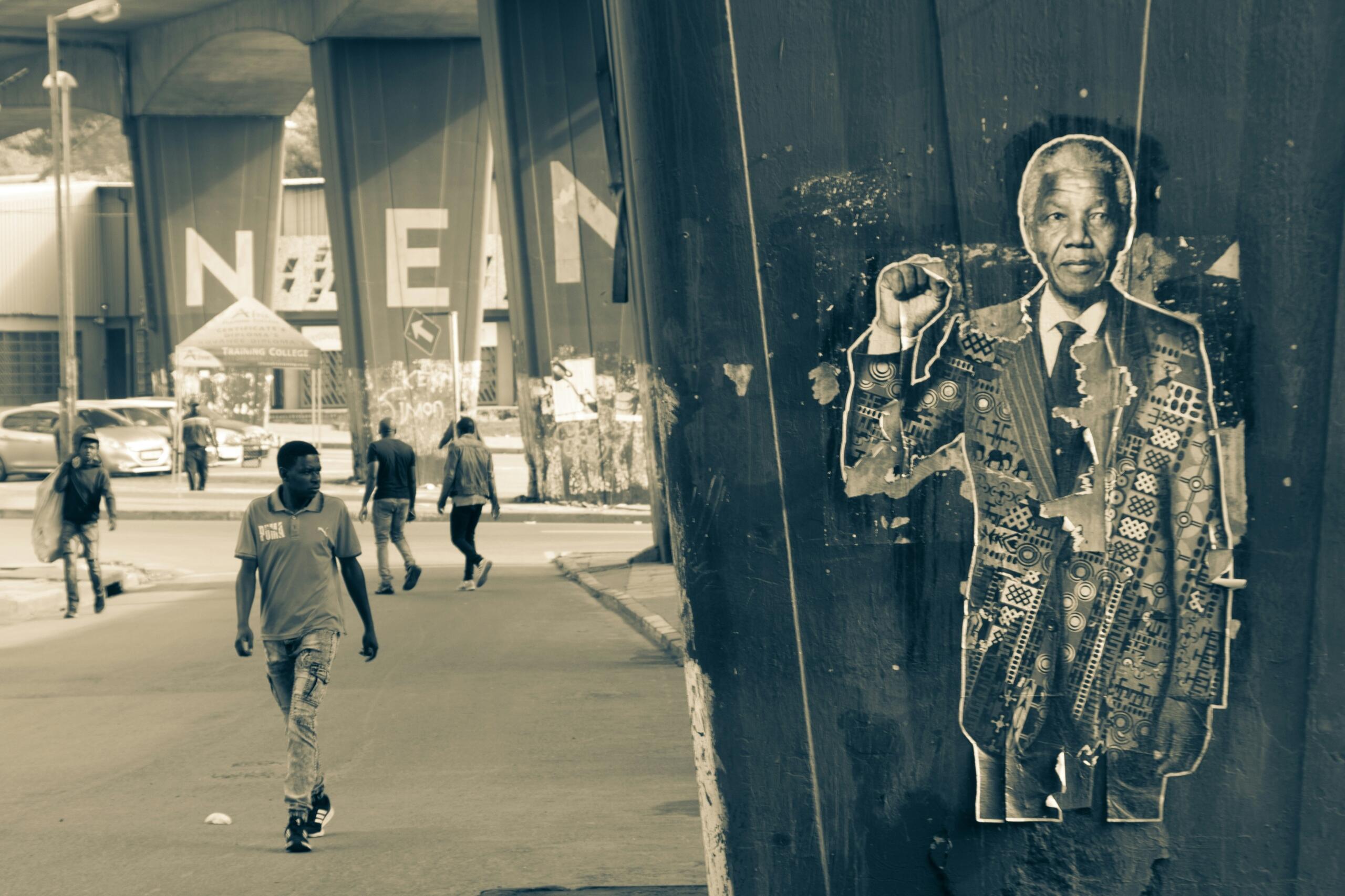
This is why you will notice that Afrikaans expressions can vary slightly depending on where you are. Also, a phrase you hear in Johannesburg might sound a bit different in Paarl or Upington.
In addition, colonial history, migration, and cultural exchange all contributed to its linguistic richness. Today, there are many funny Afrikaans slang words that truly reflect modern South Africa. These words are so deeply entrenched and so widely used that they are able to blend traditional roots with contemporary influences, including youth culture, music, and even marketing and advertising.
Language is not just a means of communication; it is a reflection of identity and community.
In this article, you will quickly see that slang words in Afrikaans are not random. They carry history, humour, and a sense of belonging. As you continue your journey into the richness of Afrikaans, you may also want to explore how the origin of Afrikaans shapes identity. This will give you a deeper perspective of the language and its cultural roots.
Common Expressions and Their Meanings
Learning slang in Afrikaans is one of the fastest ways to sound more natural when speaking the language. If you want structured support alongside everyday exposure, Afrikaans lessons for beginners can help you build a solid foundation before you start experimenting with informal expressions. Below are some of the most widely used expressions you will hear in daily life.
Everyday Expressions
Afrikaans slang cannot be fully understood without considering the cultural environment in which it is used. Language in South Africa is deeply intertwined with identity, history, and community, and Afrikaans is no exception. Slang, in particular, reflects the lived experiences of its speakers, capturing nuances that formal language often overlooks. It is shaped not only by linguistic evolution, but also by social interaction, humour, and shared traditions.
One of the most prominent cultural influences on Afrikaans slang is the importance of social gatherings. Events such as a braai (what the rest of the world calls a barbecue) are central to everyday life and provide a space where informal language thrives.
In these relaxed settings, people are more likely to use playful expressions, shorten words, and experiment with new phrases. Slang becomes a tool for building rapport and reinforcing a sense of belonging within a group. Expressions like “lekker” or “jol” are often heard in these contexts, conveying enjoyment and camaraderie in a way that feels natural and unforced.
Here is a selection of phrases that you are most likely to hear in an average day at school, work, or while chatting with friends.
| Word/Expression | Meaning |
|---|---|
| Lekker | You will hear this everywhere. It means something is nice, enjoyable, or satisfying. A lekker meal, a lekker day, or even a lekker vibe. |
| Jol | This means to party or have fun. If someone says they are going to jol, they are heading out to enjoy themselves. South Africans love to use this sarcastically too when something is not really fun. It’s all about tone and context. |
| Boet | Meaning brother, it is a friendly way to refer to a brother or close friend. It is similar to saying “bro.” |
| Howzit | A casual greeting that crosses all language barriers in South Africa. It simply means “How are you?” or simply, “Hello.” |
These examples show how slang words in Afrikaans make communication feel relaxed and approachable. You will notice how often they pop up in casual conversation.
Humorous and Unique Terms
One of the best parts about funny Afrikaans slang words is how expressive and vivid they are. Just take a look at these examples:
| Word/Expression | Meaning |
|---|---|
| Bliksem | Literally means lightning, but is often used to express anger or surprise. |
| Babbelas | Means a hangover. A word many South Africans know all too well after a long weekend. |
| Gatvol | Means feeling completely fed up. When you have had enough, you are gatvol. Eish Borrowed from Nguni languages, this expresses disbelief or frustration. |
| Ja-nee | Directly translated as yes-no, this is a uniquely South African way of agreeing. It may sound contradictory, but it makes perfect sense in context. |
These funny Afrikaans slang words highlight not only how humour is built into the language, but also into South African society in general. They are memorable, descriptive, and often a little dramatic.
Fun Facts About Afrikaans Slang
“Babbelas” is thought to come from Cape Malay influences.
“Eish” is an example of how languages in South Africa borrow from one another.
Many funny Afrikaans slang words rely on exaggeration for humour.
The Cultural Significance of Slang Words in Afrikaans
When you use slang, you are not just speaking a language. You are participating in a shared cultural experience. In South Africa, our slang reflects the diversity of the country’s culture and shows just how seamlessly different languages and communities can overlap and influence each other.

In schools, universities, and workplaces, you will notice how slang in Afrikaans helps people connect quickly. Somehow, it breaks down formality and creates a sense of familiarity. Whether you are chatting in a lecture hall at the University of Cape Town or ordering coffee in Observatory, using slang can make every interaction feel more personal.
It also plays a strong role in identity. For many speakers, using slang signals belonging. It shows that you not only understand the language but also the culture behind it.
Slang is the language of community; it tells you who belongs and how people relate to one another.
In a country as diverse as South Africa, understanding Afrikaans slang words means that you can often navigate different social spaces with confidence and respect.
For a deeper understanding of how slang fits into broader communication and identity don’t miss our article why Afrikaans is still important in South Africa today, to make it even more meaningful.
Tips for Learning and Using Afrikaans Slang
To start using South African slang naturally, it is best to approach it with awareness and curiosity.

Practical Tips You Can Use
Pay attention to how people use slang in Afrikaans in real conversations. Context is everything.
Begin with common phrases like lekker or howzit before trying more complex expressions.
Not all slang is appropriate in formal settings. Be mindful of where and when you use it.
Conversations with native speakers will help you understand tone and timing.
Reputable language platforms, tutors, and community groups can guide you in learning these words and phrases correctly.
Remember that pronunciation helps build confidence and makes your speech sound more natural. Why not try repeating words like “lekker” or “babbelas” aloud.
Learn Through Media and Everyday Exposure
Another powerful way to pick up slang words in Afrikaans is through media.
Here, you could watch local films, listen to Afrikaans music, or follow South African influencers online. If this sounds like you're wary of learning, then the article Afrikaans films for language learning can guide you towards useful content that reflects real speech patterns.
Slang Helps us Understand Culture
At its core, all language is about connection and incorporating colourful colloquialisms brings humour, warmth, and relatability into everyday interactions. By understanding slang in Afrikaans, you are one step further into authentic community engagement. If you are based in the Mother City, joining Afrikaans lessons can also help you practise these expressions in context and build confidence when speaking.
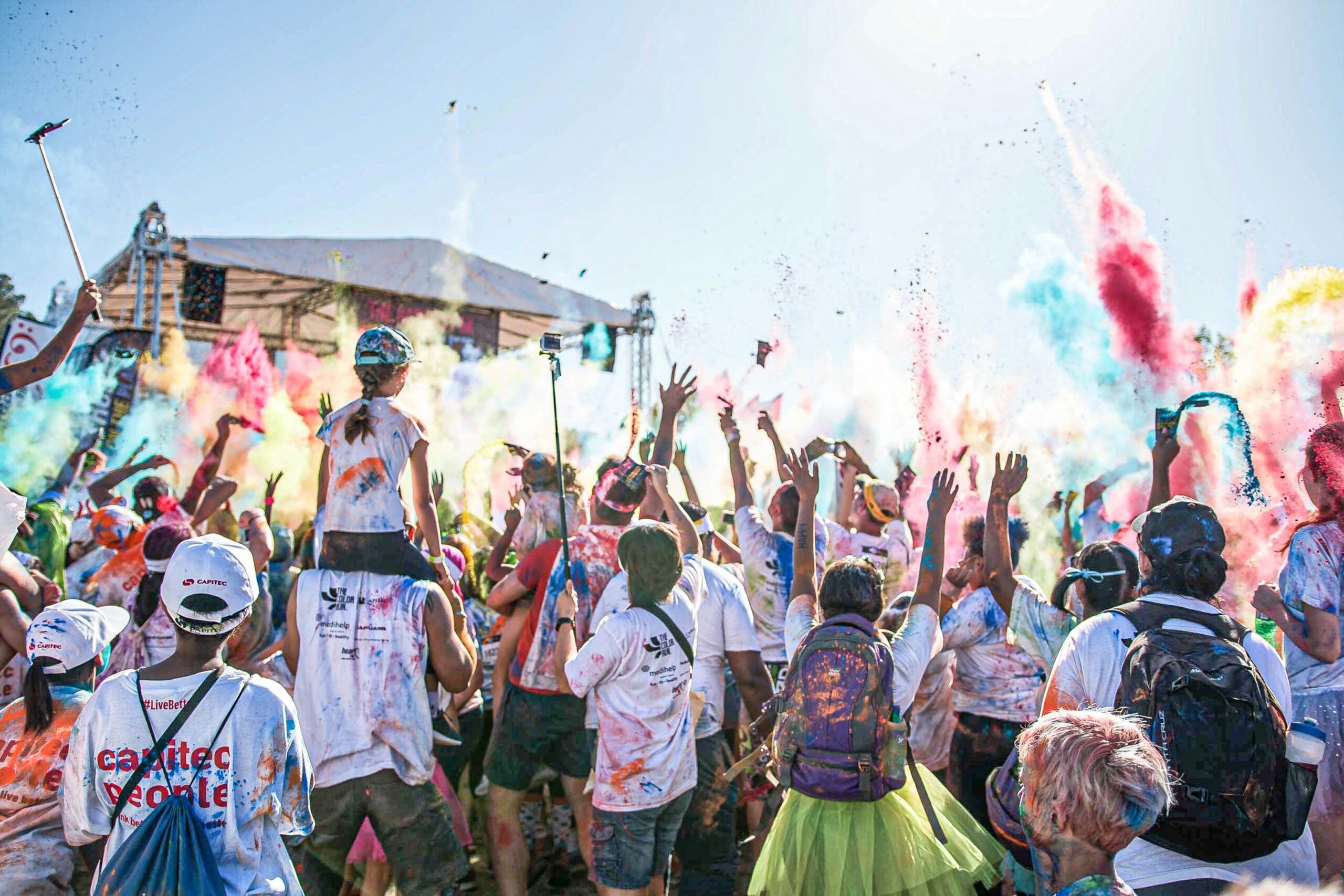
Ultimately, learning funny Afrikaans slang words is not just about expanding your vocabulary. Rather, it is about understanding people, their unique stories, and the way they express themselves.
Slang also helps you appreciate the diversity within the language itself. From the Cape Flats to Bloemfontein, variations in slang words carry deep geographical reference. If that sounds interesting, the article on the different dialects of Afrikaans in South Africa offers valuable insight into how speech changes across the country.
When you embrace these common expressions, you move beyond formal language usage and step into the authentic rhythm and humour of real, everyday communication. The next time someone says have a lekker day, you’ll know what it means, and you’ll feel like you are truly part of the conversation. If you are in Gauteng, working with an Afrikaans tutor Pretoria can be a great way to practise speaking naturally and pick up local slang with ease.
Which is your favourite Afrikaans slang word?
Summarise with AI:
Enjoyed this article? Leave a rating!

 Loading...