

In a country of 12 official languages, Afrikaans is one of South Africa’s most fascinating and widely spoken. Not only that, but the origin of Afrikaans also makes for an interesting study. Delving into its history means you will uncover a story shaped by cultural exchange, history, migration, and adaptation. Contrary to popular belief it is more than simply a derivative of Dutch, but rather a language built from several people groups from different continents and backgrounds.
One language sets you in a corridor for life. Two languages open every door along the way.
Frank Smith
Understanding the history of Afrikaans language can give you enormous insight into how communication and identity are so deeply connected. In fact, besides demonstrating how people speak to today, Afrikaans language history is a beautiful and important example of South Africa’s unity and diversity. As you begin to explore the different Afrikaans dialects, it becomes clear that the language is not fixed but has evolved through the many generations of people who have used it.


The European Roots of Afrikaans
Dutch Influence and the Cape Colony
The roots of Afrikaans date back to 1652 when Jan van Riebeck arrived in the Cape to establish a refreshment station through the Dutch East India Company. At that time Dutch became the dominant language of administration and trade as early settlers brought regional dialects from the Netherlands.

Over time, these dialects adapted and simplified until they eventually became a separate language from formal Dutch. Despite this, it is easy to hear the traces of Dutch influence in the vocabulary and grammar today.
Key Moments in Afrikaans History
1652
Dutch settlers arrive at the Cape
Late 1600s
Arrival of French Huguenots, contributing vocabulary and cultural influence
1700s
Language mixing begins between settlers, enslaved people, and indigenous communities
1800s
Early Afrikaans writing appears in informal texts
1875
Establishment of the First Afrikaans Language Movement
1925
Afrikaans becomes an official language
Present
Continued evolution and cultural recognition
Today, this rich language continues to shape society. To delve deeper into this topic, read our article on why Afrikaans is Important in modern South Africa, which provides interesting insight into how that happens.
Contributions from Other European Languages
It’s important to remember that Afrikaans did not develop in isolation. Besides the Dutch, German settlers and French Huguenots also contributed vocabulary and pronunciation variations, which greatly influenced the history of the Afrikaans language.
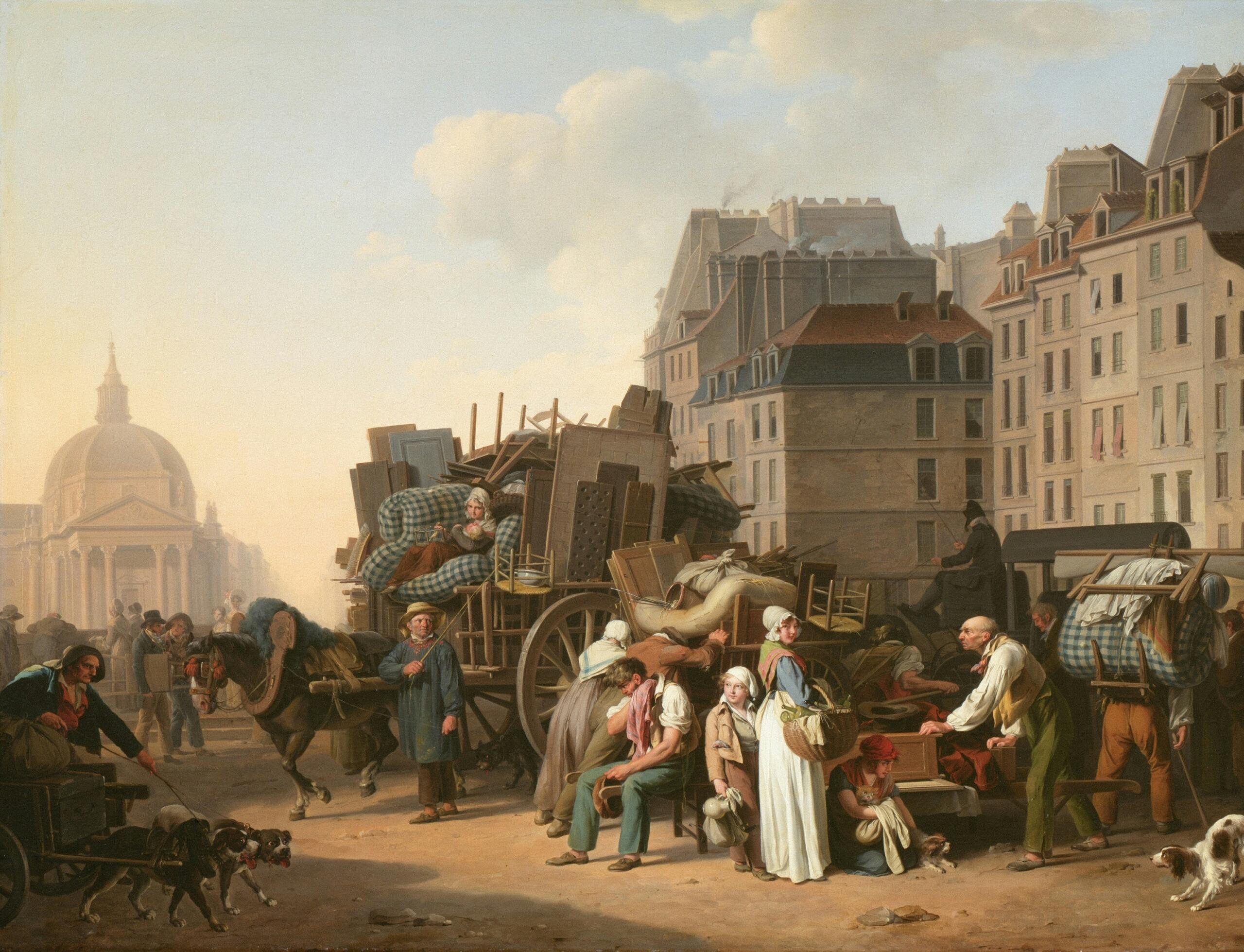
As a result, early speech patterns began to evolve into different Afrikaans forms. Though subtle, these variations, which clearly reflected European influences, eventually became part of regional dialects.
African and Asian Influences
Khoisan Languages and Indigenous Impact
Interactions between European settlers and Khoisan communities played a major role in developing the Afrikaans language. If you are interested in linguistics, you will notice how certain sounds and vocabulary reflect these early exchanges which are a key aspect of Afrikaans language history.
The influence of indigenous languages in terms of their contribution towards pronunciation were particularly meaningful. Though often overlooked, for anyone deeply interested, this influence is essential in coming to understand the uniquely rich origins of the language.
The Role of Enslaved Populations
Another important aspect to the roots of the language are the contributions made by enslaved individuals brought to the Cape from regions such as Indonesia, Madagascar, and East Africa. These new linguistic elements, Malay, in particular, had a strong influence on vocabulary and expression.
This cultural blending enriched the history of the language and also contributed to the emergence of popular Afrikaans phrases, which are still used today. These influences are a powerful example of how language evolves not only through necessity, but also shared community experience.
Evolution into a Distinct Language
Early Written Records and Literature
By the 19th century, Afrikaans began to show up in written form. While early texts were largely informal and reflected the spoken language rather than standardised grammar they provide valuable insight into Afrikaans language history.
Literature also played a crucial role in legitimising the language. As writers began using Afrikaans in prose and poetry, the origin of Afrikaans became even more widely recognised and accepted. For learners wanting to build practical skills alongside the history, Afrikaans lessons online can be a flexible way to practise reading and writing.
Standardisation and Official Recognition
The First Afrikaans Language Movement, which was established in 1875, with the founding of the Genootskap van Regte Afrikaners in Paarl, marked a turning point in recognising Afrikaans as a distinct language. Their work to standardise spelling and grammar, led to the official recognition of Afrikaans in 1925 which was a major milestone in the language’s history as it was recognised as a language in its own right.
Despite standardisation, different dialects persisted and even today, these variations remain as a living testament to the language’s identity.
Dialects and Variations
Regional Differences in Afrikaans
Across South Africa, you will hear different Afrikaans dialects depending on where you are. From the Western Cape to the Northern Cape, you could notice how speech patterns vary not just with vocabulary, but with tone and rhythm too.
This diversity reflects the broader Afrikaans language history, which is shaped by geography, but also cultural interaction.
To explore this fascinating aspect of the language further, don’t miss our article on the different Afrikaans Dialects across South Africa which provides a detailed look at regional speech patterns.
Influence of Other Languages on Dialects
As mentioned, languages such as Malay, Portuguese, and various indigenous African languages have all contributed to the development of dialect and these influences certainly highlight the complexity of the origin of Afrikaans.
In addition, they also explain why so many popular Afrikaans phrases carry meanings that go beyond their direct translation. The reason is because these phrases are a deep reflection of cultural context and shared history, which is not translatable.
Popular Afrikaans Phrases and Their Origins

Common Expressions and Their Meanings
Here are just a few examples of popular Afrikaans phrases you could hear in daily life:
These popular Afrikaans phrases originate from everyday experience and reflect the more informal side of communication.
Linguistic Features Unique to Afrikaans
It’s no secret that Afrikaans is known for its simplified grammar. As such, it does not use gender distinctions or complex verb conjugations which makes it more accessible than Dutch. This simplicity is one of the defining features of the language
Similarly, the presence of different dialects shows that simplicity does not necessarily mean uniformity and continued variation continues to shape how the language is used today.
For a more in-depth understanding of everyday usage, our article on Afrikaans slang in everyday speech offers practical, real-life examples of how language is used in real conversations.
Afrikaans in the Modern Era

Current Status and Usage
Today, Afrikaans is spoken across various communities and is used in media, education, and daily life. From schools in Paarl to universities like Stellenbosch, it remains an important language of choice. If you’d like to learn with a tutor near you, there are also Afrikaans lessons available for learners in Port Elizabeth.
As Afrikaans language history continues to evolve, new generations of South Africans adapt it to modern contexts, which is evident in the films, music, and digital platforms around us today.
Preservation and Challenges
In a multilingual country like South Africa, Afrikaans faces both opportunities and challenges. Efforts to honour the history of the Afrikaans language and therefore preserve it include educational programmes like literature and media initiatives.
At the same time, recognising the origin of Afrikaans helps promote understanding and inclusivity while reminding us that the language belongs to many communities, not just one.
Afrikaans is considered one of the youngest languages in the world to be standardised and recognised officially.
If you enjoy using media to learn, don’t miss our article on Afrikaans movies and entertainment for language learning, which shows how films can reinforce language and expose you to real speech patterns.
A Story of Identity, Resilience and Adaptation
As you continue to explore the origin of Afrikaans, you will uncover more than just linguistic development. Rather, be prepared to discover a story of resilience, adaptation, and identity. In this way, the history of Afrikaans language is a magnificent demonstration of how people shaped communication to integrate with each other.
There’s no doubt, by understanding Afrikaans language history, insight into how the language reflects society is gained. Today’s presence of different Afrikaans variations and the continued use of wonderfully popular Afrikaans phrases that are used by the entire population remind us that language is alive, evolving, and deeply connected to the people who speak it. For those ready to start learning, lessons in Afrikaans can help you build confidence while engaging with the language’s rich heritage.
Summarise with AI:
Enjoyed this article? Leave a rating!

 Loading...