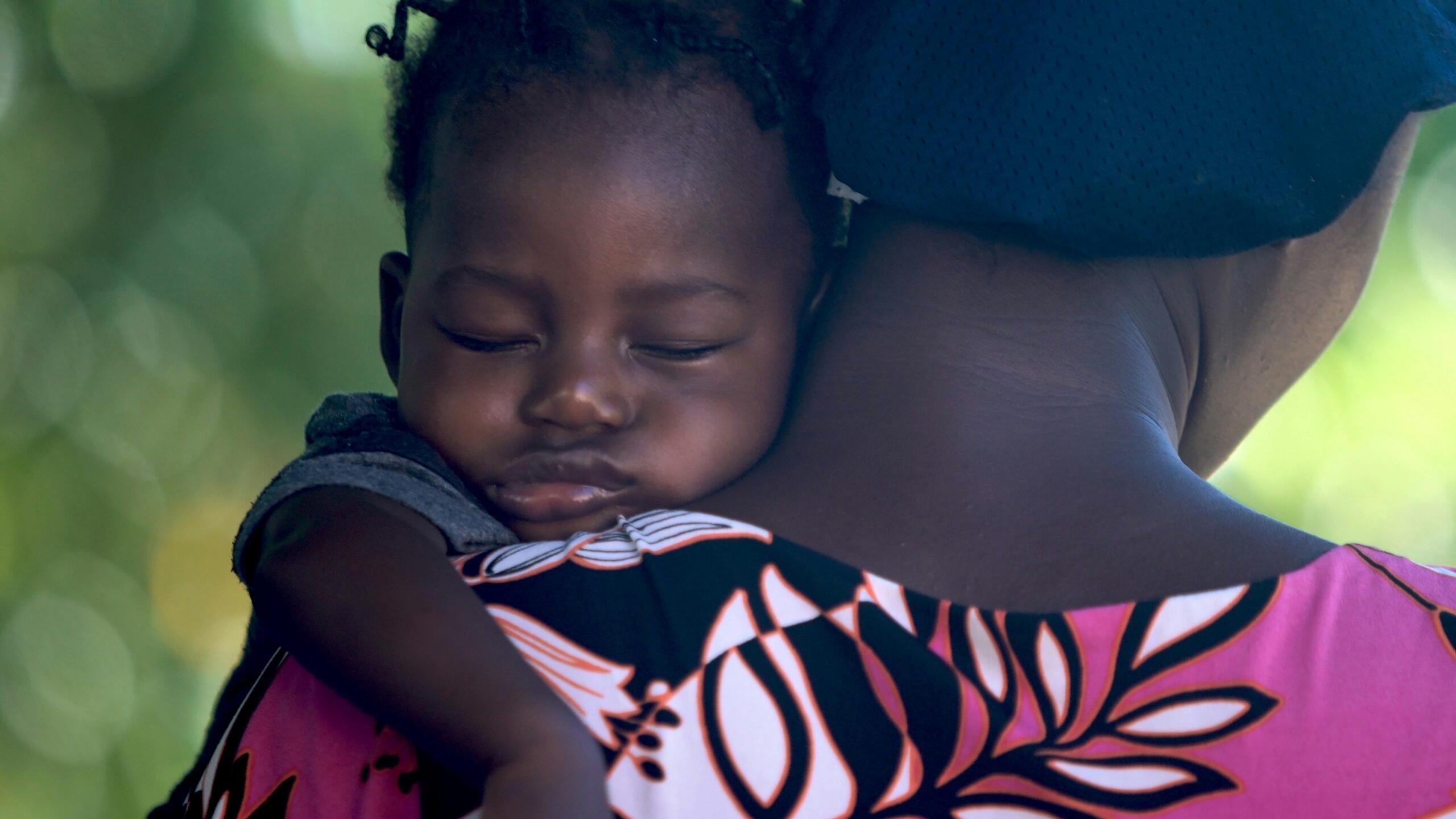

When you meet someone in South Africa, a name can carry a family story, express gratitude, remember an important event or communicate a hope for the future. Among Bapedi communities, personal naming has long been a meaningful linguistic and social practice. Research by Francinah Mokgobo Kanyane and Tebogo J. Rakgogo describes naming among Bapedi as a linguistic act that communicates messages within society and can record historical events and family experiences.
This makes Sepedi names and meanings within the overall Sepedi language and culture fascinating to explore. They are not simply translations to memorise. To understand them properly, you need to consider the circumstances in which a name was chosen and the message a family wanted it to communicate.
The same principle helps explain why Sepedi names can sometimes look like complete statements or phrases. A name can record what a family was experiencing, how relatives felt about a child's arrival, or what they hoped the child would become.


How Sepedi Names Are Chosen
Traditionally, naming could involve grandparents and other senior family members. Kanyane and Rakgogo's research notes that name-giving was historically regarded as a responsibility of elders, although today younger generations are increasingly involved in the decision-making process.
This makes Sepedi culture especially interesting.
In Sepedi culture, a name can communicate family experiences and social messages. A child born after a difficult period, for example, may receive a name expressing hope, gratitude or perseverance. A name may also acknowledge an important family event or honour a person whose memory remains significant.
Research on Bapedi naming specifically records names connected with birth circumstances, family experiences, gratitude, hopes and difficulties.
The circumstances surrounding a birth can therefore provide important context. Time, family relationships, emotions and events can all influence the choice. Rather than assuming that every person with the same name has the same story, you should see the meaning as a starting point. The family's circumstances give the name its fuller significance.
Naming and Family History
Naming can also preserve connections between generations. Research on Bapedi communities describes naming a child after a grandparent or other relative as a way of linking generations and honouring ancestors.
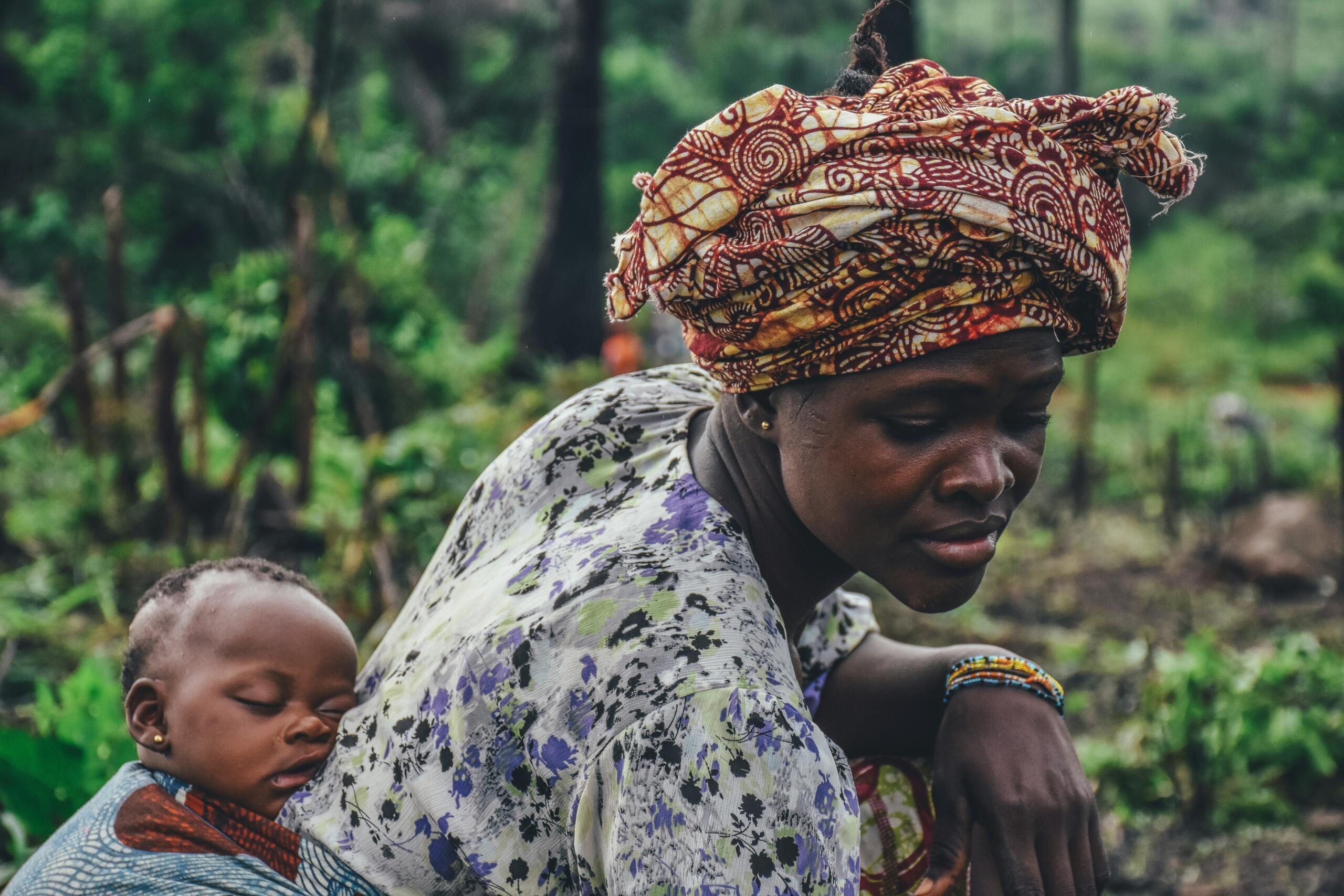
Contemporary research shows that Bapedi naming practices are changing. Kanyane and Rakgogo found differences between older and younger generations, including changes in who participates in name giving. This is a useful reminder that living traditions can change without losing their importance.
If you are interested in the wider wisdom carried through the language, you will find great richness in time-tested Sepedi proverbs.
Popular Sepedi Boys' Names and Their Meanings
As you explore Sepedi names and meanings, you will quickly discover how often they express positive qualities, emotions, gratitude and aspirations. Remember that Sepedi names also occur in closely related Sotho and Tswana languages, so it is important not to assume that every name is exclusive to Sepedi.
Here are examples that can be encountered in Sepedi-speaking communities and the wider Sotho Tswana naming tradition:
| Name | Meaning | Theme |
|---|---|---|
| Thabo | Joy or happiness | Happiness |
| Mpho | Gift | Gratitude |
| Kgotso | Peace | Harmony |
| Tumelo | Faith | Belief |
| Mahlatse | Fortune or Blessing | Good fortune |
| Refilwe | We have been given or blessed | Gratitude |
| Kealeboga | I am thankful | Appreciation |
| Reamogetse | We have received | Gratitude |
Several of these meanings are supported by research on Bapedi naming. For example, Mpho is associated with the idea of a gift, while Tumelo expresses faith. The research also records Sepedi words used in names connected with gratitude, blessings and family circumstances.
Throughout Bapedi Kingdom history, these themes also show how a child's arrival can be connected to the emotions and experiences of the wider family.
Popular Sepedi Girls' Names and Their Meanings
There is no simple rule saying that every traditional name belongs exclusively to boys or girls, and naming conventions can vary between families, generations and communities. In fact, research on Bapedi names includes examples explicitly described as male or female, as well as names that can be given to either sex.
Research on Bapedi naming specifically records Lethabo, Mahlatse and Lerato among names found in the Sekhukhune area of Limpopo, with meanings associated with joy, blessing and love. It also records Mpho and Refilwe among names associated with gifts and blessings.
These examples show how Sepedi names and meanings can centre on emotions and hopes. Lerato expresses love, while Mpho highlights the idea of a gift. Mahlatse can express blessing or good fortune, and Tumelo communicates faith.
The important point is not simply to learn a list of translations, but to gain a much deeper appreciation by being curious about what the name might have meant to the family at that particular moment. A name connected with gratitude may reflect a long-awaited birth, while one expressing hope may have been chosen after a difficult period.
In Sepedi culture, names can act as miniature records of family experience, preserving feelings and events that might otherwise disappear from memory.
Names That Express Hope, Emotion and Circumstance
Many Bapedi names communicate circumstances and emotions surrounding pregnancy and birth. Academic research records categories involving gratitude, wishes, hopes, requests, difficult experiences and even particular days or weather conditions.

You can see that principle in names associated with joy, peace, love, faith, gratitude and fortune. The meaning is not merely decorative. It can express what parents or relatives felt when a child was born, or what they hoped the child's life would hold.
Some Sepedi words can also appear as names that function like phrases or sentences. Kealeboga, for example, communicates thanks, while Reamogetse expresses the idea of having received something. Refilwe similarly conveys the idea that something has been given.
This sentence like quality is one of the most fascinating features to explore when learning Sepedi names. Instead of seeing a personal name as an isolated word, you can consider it part of a wider conversation about family, faith, circumstances and identity.
Research even records names associated with rain and particular days of the week. Puleng, for example, can refer to rain, while names such as Sontaga and Moshupologo are associated with days of the week.
The Cultural Significance of Naming Ceremonies
A naming ceremony can bring family members together to welcome a child and formally introduce the child to the wider family and community. The exact practices vary between communities, so it is important not to present one ceremony as a universal Bapedi ritual.
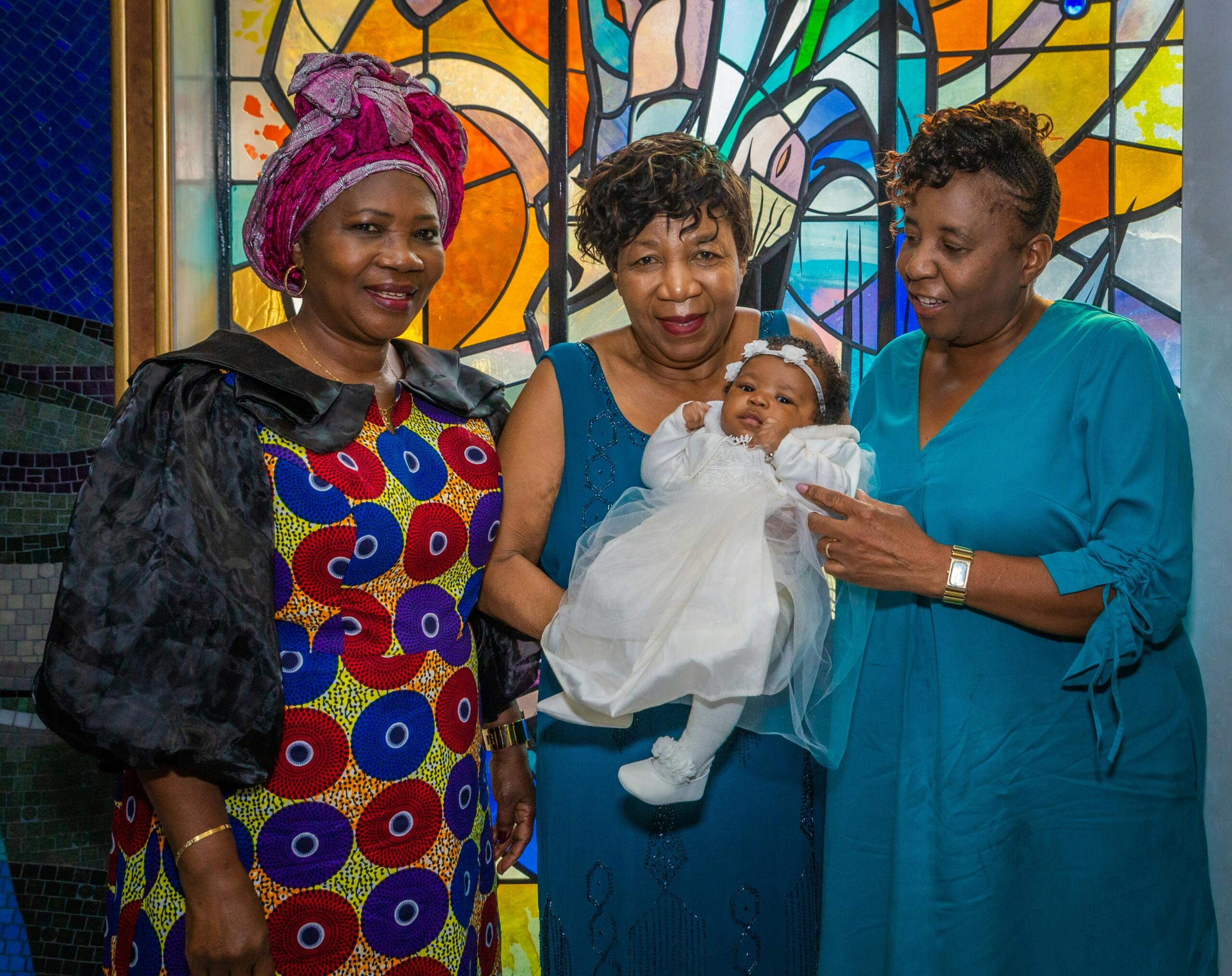
Typically, Bapedi communities in Moletjie hold birth ceremonies in which older people gather to give a child a name. While these occasions can take on many forms depending on individual faith beliefs, name-giving ceremonies are usually associated with praise, gratitude and rejoicing.
The social meaning is important. Naming connects a child with family and community, while giving relatives an opportunity to recognise the new arrival. Elders have historically played an important role in this process, although contemporary research shows that younger generations are increasingly participating in naming decisions.
For you as a learner, this is a useful lesson in understanding Sepedi culture. Culture is not a display behind glass. It changes as people respond to education, migration, technology, religion, urbanisation, food and life in contemporary South Africa.
One area that is always important in culture is the aspect of food, which we explore in our guide to Pedi cuisine.
Traditional Naming Meets Modern Life
Walk through a school in Polokwane, Pretoria or Johannesburg, and you may meet children whose names reflect several layers of identity. For instance, a child might have a traditional African name, an English name, a family surname and a nickname used by friends!
Modern families may choose a name because it connects a child with grandparents, because its meaning reflects a personal hope, or because they simply love the sound of it. Others may combine traditional and contemporary names.
This is one reason Sepedi names and meanings remain relevant beyond formal ceremonies. They can help young South Africans explore family history and linguistic heritage while living comfortably in modern cities, towns and communities.
Language, Identity and the Future
Learning Sepedi words can be a small but meaningful way to connect with South Africa's linguistic diversity without being fluent in the language. Learning greetings, family terms, common expressions and the meanings of names can give you a starting point for conversations with speakers.
The same applies to names. When you understand that a name may preserve an event, emotion, hope or family connection, you begin to see language differently.
Schools and tertiary institutions like the University of Limpopo and UNISA both contribute to African language teaching and scholarship too. Indigenous language education gives learners opportunities to engage with languages spoken in their communities and to understand the cultural knowledge carried through them.
Digital technology is creating new opportunities as well. Researchers have developed language datasets and computational resources involving Sepedi, helping researchers and developers work with a language that has historically had fewer digital resources than English.
Why Learning Names Matters
Names are one of the first pieces of language you encounter when meeting another person. Taking the time to ask how someone's name is pronounced, what it means and where it comes from can be a simple sign of respect.

For South Africans, this can be especially valuable because everyday life is multilingual. This means you could hear Sepedi in a Limpopo classroom, at a family gathering in Seshego, on community radio in Polokwane, or in a conversation in Johannesburg.
The next time you hear a name such as Thabo, Mpho, Lerato or Kgotso, remember that a translation is only the beginning. The real story may belong to the family history; the circumstances of a birth or the hopes attached to that child.
If you are ready to explore further, start with a few Sepedi words, learn how names are constructed and ask speakers about the meanings that matter to them. Who knows, you may discover that one name can open the door to an entire history. And to find out even more about the Sepedi vs Sesotho difference, there is more!
References
- Kanyane, F. M. & Rakgogo, T. J. (2022). An Analysis of Personal Naming Approaches by Younger and Older Generations among the Bapedi Nation: An Onomastic Comparison. Gender and Behaviour. https://journals.co.za/doi/10.10520/ejc-genbeh_v20_n4_a6
- Lebaka, M. E. (2019). Ancestral beliefs in modern cultural and religious practices: The case of the Bapedi tribe. Verbum et Ecclesia. https://www.scielo.org.za/scielo.php?pid=S0259-94222019000100034&script=sci_arttext
- South African History Online. Pedi.https://sahistory.org.za/article/pedi
- The elevation of Sepedi from a dialect to an official standard language: Cultural and economic power and political influence matter.https://www.scielo.org.za/scielo.php?pid=S2219-82372022000100004&script=sci_arttext
- Mesham, S., Hayward, L., Shapiro, J. & Buys, J. (2021). Low-Resource Language Modelling of South African Languages.https://arxiv.org/abs/2104.00772
- University of Limpopo, UL Space: Institutional Repository.https://ulspace.ul.ac.za/
Summarise with AI:
Enjoyed this article? Leave a rating!

 Loading...