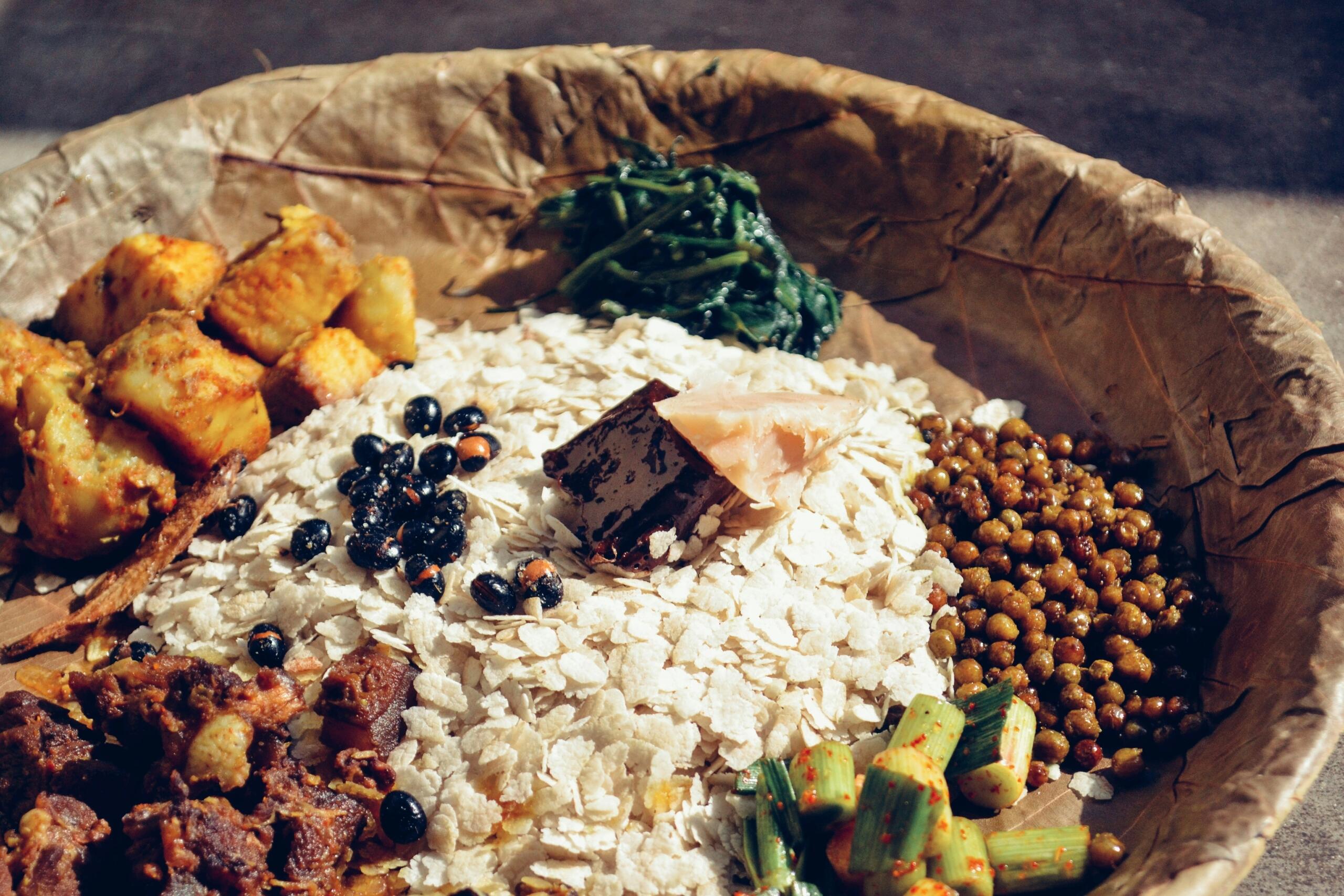

Sepedi cuisine: where every bite takes you back to family gatherings, laughter, and home.
Sepedi People
From Sorghum Porridge (Bogobe) to Mopani worms (Mashotja), food is never just food for the Bapedi people - it's identity. Every dish carries shared heritage, community values, and a belief that home-grown ingredients nourish the body more deeply than store-bought ones.
In Limpopo, cooking is its own celebration. Families gather around communal fires, stirring three-legged pots in a ritual passed down since Sekwati's time - honoring ancestors, family, and community with every meal. It's a tradition Sepedi cooks still hold sacred, even as other groups drift toward faster, more modern ways of eating.
Let's follow the Bapedi on their food journey from the olden days to now and learn more about Sepedi Language and Culture.


The Staples: Bogobe, Morogo, and Dikgobe as Part of Sepedi Traditions
If we are looking at Pedi food traditions, we need to look at the staple foods that make up the Sepedi people's daily diets. With food being one of the strongest threads, connecting modern Pedi life to its ancestral roots and the Bapedi kingdom, from where the history of one of South Africa's strongest nations was written, we have to look at the meals that are still enjoyed to date:
Beyond Nutritional Value
One of the reasons why Sorghum Porridge, Morogo, and Dikgobe continue to be consumed by the Sepedi people is because of the nutritional value that such foods bring to the table. However, nutritional value is not the only reason why such foods continue to be placed on tables in the Bapedi-speaking homes. They continue to be consumed as they link generations and preserve the ancestral heritage and flavours that the Sepedi people wish to preserve.
These types of food were also made and chosen due to their affordability as well as the fact that certain ingredients needed for these Pedi food dishes are drought-resistant. Crops like Dikgobe are well-suited to the country's farming lifestyle. Morogo thrives in harsh environments as well. Food for the Sepedi people reflects community and a strong sense of culture. Some ingredients, particularly sorghum, are used by the people to brew beer that is consumed when the people wish to communicate with ancestors.
Which of the following traditional dishes do you prefer?
Ceremonial and Celebratory Foods
Foods Enjoyed by Sepedi People for the Wedding
While Sorghum porridge is eaten daily in Sepedi homes, unique foods tend to be served at weddings and at other ceremonies as part of the Sepedi tradition. For instance, the traditional beer is only served at weddings and cultural ceremonies. This type of beer is made using mabele (Sorghum meal), which is mixed with hot water. This mixture is stored in a cool place.
Only once it is ready, the older women brew the beer and pour it into special cups. This celebratory beer is poured into moeta (muddy pots) first, to be thereafter served in special cups called mokgopu. Drinking this beer at a wedding is in itself a celebration.
For ceremonies and celebrations, food is cooked in traditional three-legged pots over the fire. This method of cooking is used particularly to make celebratory food, such as:
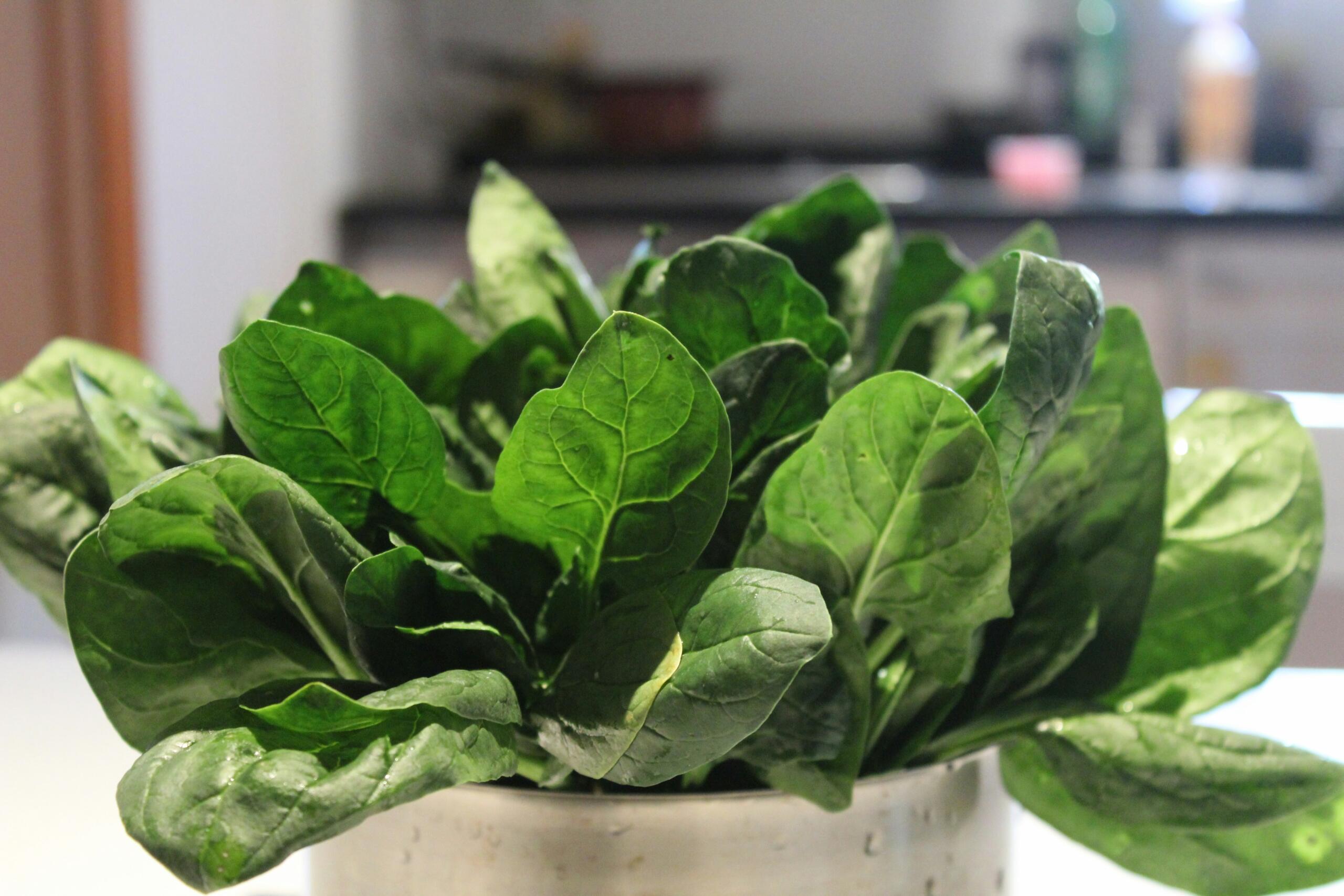
Moroga is a spinach dish that is left in the sun to dry before the spinach is enjoyed.
Sepedi Meals Consumed at Funerals
Mutton, beef, or chicken in larger portions is mostly served during ceremonies and weddings, but meat tends to be the main meal served at Bapedi funerals. At funerals, mabele, bogobe, and meat make up the main meal, as per the tradition where an animal is slaughtered. Often, the Sepedi people enjoy the meat in a deliciously warm and hearty prepared stew during their mourning period.
Funeral food tends to be prepared in larger pots (dipitsa) with generous portions of maize meal pap. Another tradition is to serve piping hot tea and dikuku (hard scones) on all the days leading up to the burial. Early morning visitors tend to get treated with tea and the dikuku, or they enjoy a soft porridge. Eating customs and seating arrangements are also followed, and men traditionally eat together while being seated in areas specifically designated for them.
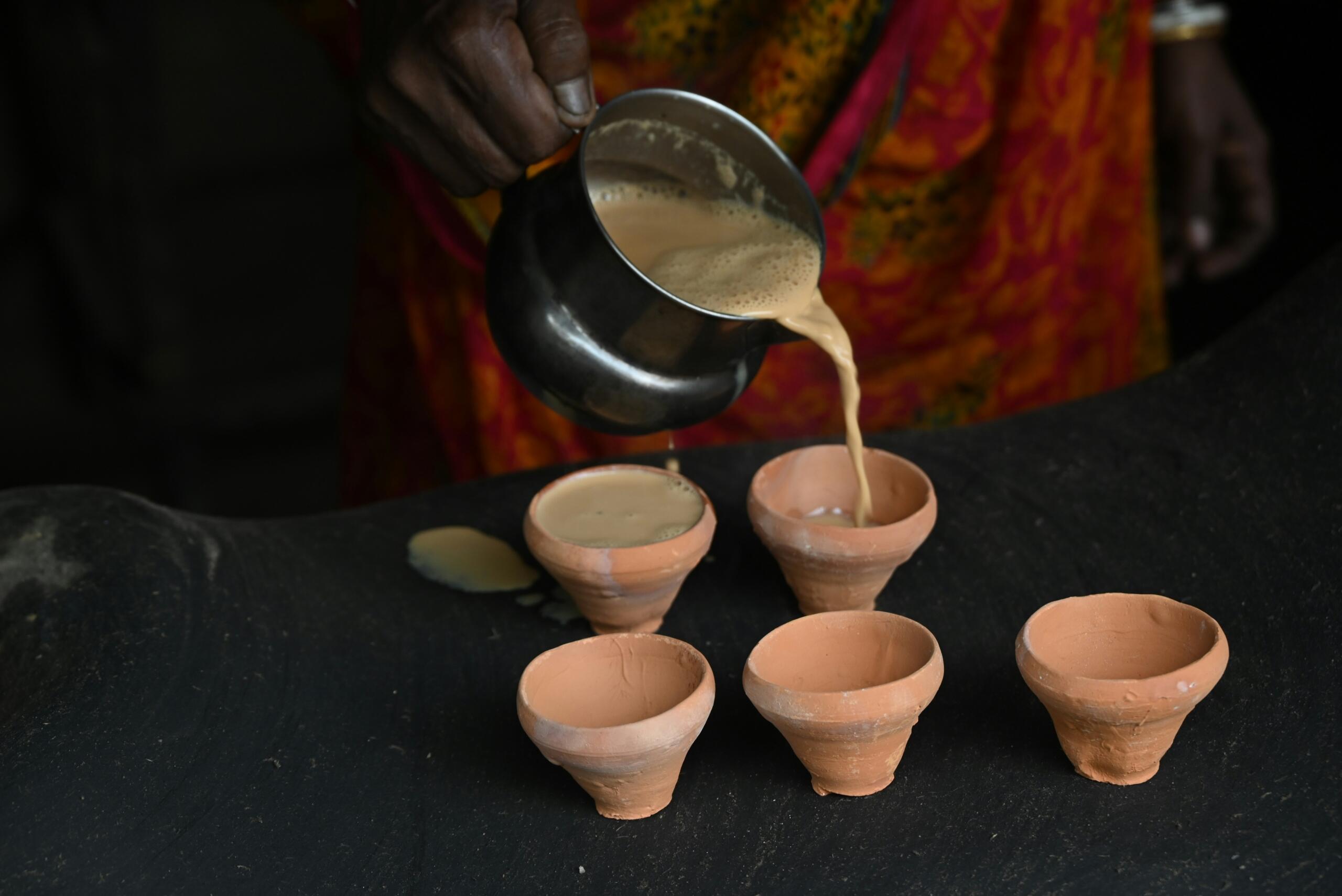
Image Source: Unsplash | Ajoy Das
Sepedi Traditional Dishes Enjoyed at Initiation Ceremonies
While traditional beer features in funeral proceedings, Bojalwa (as it's called in Sotho) is above all a sacred way of communicating with ancestors. It's also central to initiation ceremonies, where families slaughter a cow or goat for the community, served with pap or sorghum, stews, and fresh green salads.
These ceremonies mark young initiates' passage into adulthood, celebrated with feasts and kiba, traditional drum and flute music once played only by men and boys but now embraced by women and girls too. These dishes are just a taste of what Sepedi cuisine offers, alongside newer favorites loved by younger generations.
Whether you call it Bojalwa, as per the Sotho term, or traditional beer, it is important to understand the difference between Sepedi and Sotho.
Fermented Foods and the Science of Tradition
"Fermentation is one of the ancient methods of food preservation." Tammy Brill
The Northern Sotho, or Bapedi people, have tried to hold on to traditional beliefs and customs when it comes to what they eat, how they eat, and how they prepare their food. When thinking of the Sepedi people, it is difficult not to think of the food fermentation process.
Fermentation is a natural process used in an attempt to preserve crops and enhance the nutritional value of food. Another reason why food fermentation is still relied on to date is to ensure that the food has that indigenous flair and the sour flavours that are still loved by the Sepedi people.
Fermentation Processes
Using fermented food as starters: One of the ways that the Sepedi people used to ferment food is by keeping a portion of fermented mash to use as a starter for the next batch of fermented foods.
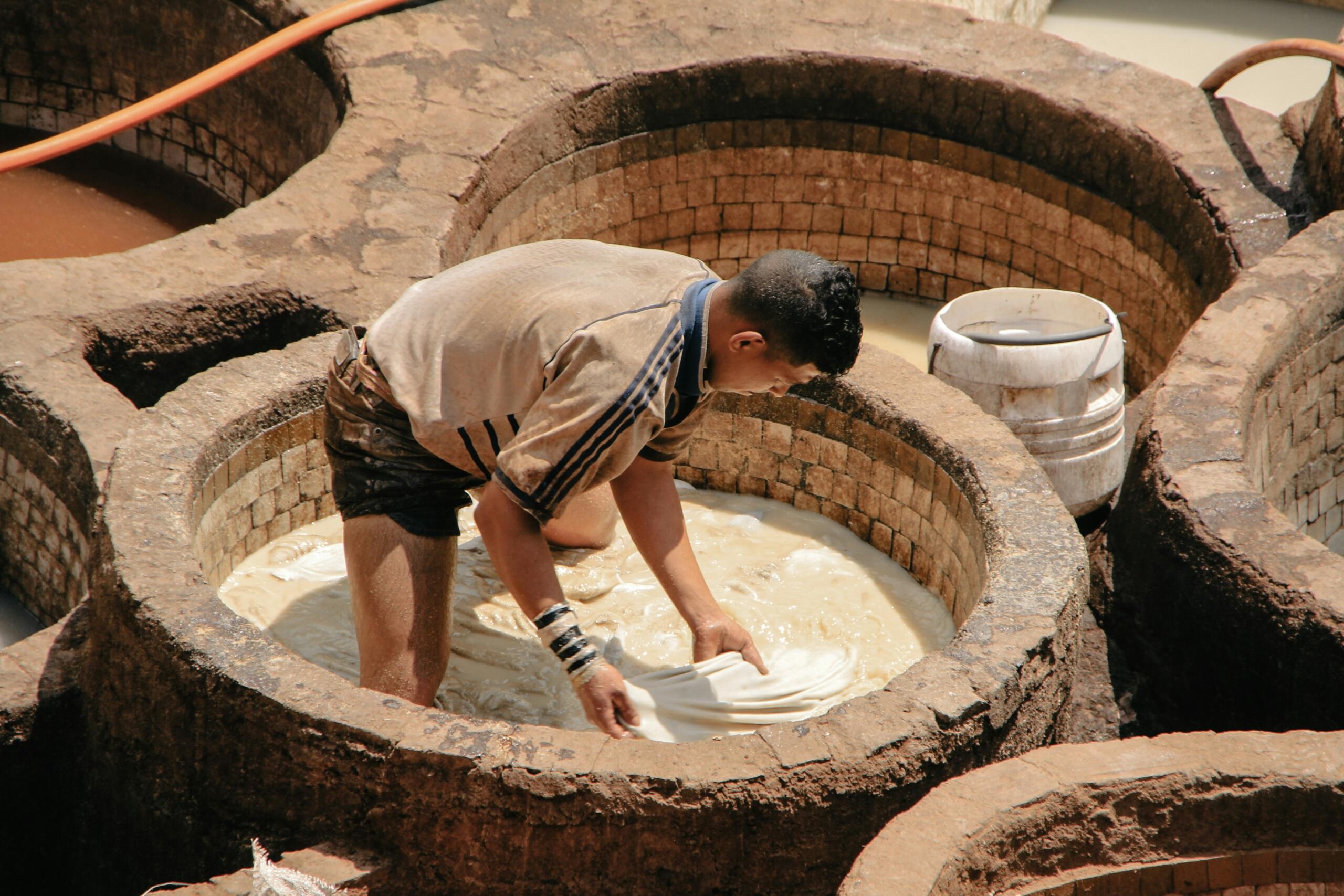
Spontaneous Inoculation: This process entailed milling grains that had been mixed with water in clay pots. The next step was to leave these clay pots in warmer places to encourage wild lactic bacteria and natural yeasts to form.
Challenges Facing Traditional Fermentation Processes
With processed foods now widely available, modern Pedi life has drifted from traditional fermentation practices. Lifestyle changes have made indigenous culinary methods less common, as convenient retail food leaves younger generations less inclined to follow their ancestors' preparation techniques.
Once, the idea of forgetting their food culture seemed as unthinkable to the Pedi people as killing a lion, yet that's precisely the shift now underway. Beyond convenience, a few other factors help explain the move away from traditional food preparation:
Shifting away from traditional food preparation methods and eating more modern foods is causing the modern Sepedi people to move away from fiber-rich indigenous plants and consume more sugars and fats. In the long run, the newer generation of Sepedi people is more prone to diseases than the older generation ever was.
How Have Sepedi Fermentation Processes Been Passed Down to Generations?
Despite newer eating habits, older generations cannot be blamed for not equipping the newer generations with skills in food preparation and food consumption. While modern Sepedi cooks utilise modern cooking techniques, the Sepedi cooking practices have been preserved across generations and have been passed down through oral traditions and storytelling. While food preparation methods have been adapted over time, certain basic principles tend to remain when Sepedi people prepare and cook their meals.
Modernising the Fermentation Process
Modern families are also realising that they can apply earlier fermentation processes to newer ingredients. The older generation of Sepedi people preferred teaching the newer generation traditional fermentation processes through practice and thus showed them fermentation methods without expecting them to rely on written instructions. In this way, the newer generation can apply these fermentation techniques to new ingredients.

Image Source: Unsplash | Egor Myznik
Preserving Pedi Food Culture Today
"Sedibana sa pele se bolaiša lenyora"- The old well makes you die of thirst.
Pedi Proverb
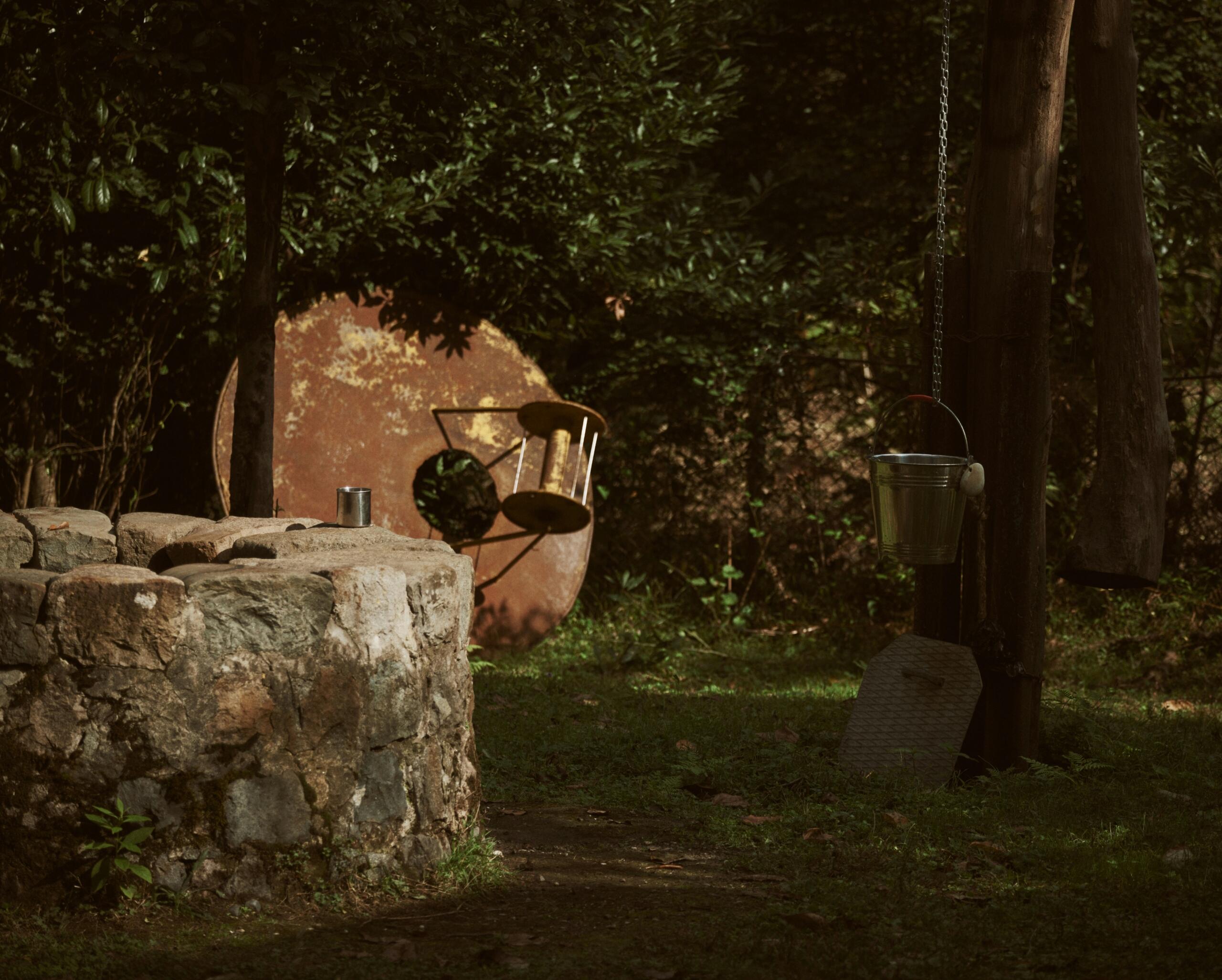
Despite modernisation shifting the focus of the Pedi people slightly, there is an attempt to bring back that sense of nostalgia: chefs and content creators are working together to reintroduce traditional food preparation methods and cultural foods in modern-day meals.
Some Chefs and Content Creators Championing Traditional Sepedi Dishes
- Chef Naledi is an award-winning chef who showcases ways to bring classic Pedi dishes to the modern plate. Chef Naledi is also active in ventures like The Good Life Show Africa, whereby she champions healthy eating and the consumption of leafy greens and organic foods. On her website, more traditional recipes for sheep trotters, tripe, pulled lamb, and lamb tails can be found.
- The TikTok page, Lebo Cooks, sees the fine-dining chef Lebo Phala advocating for authentic indigenous ingredients. This chef, who is also the founder of HL Curly, uses traditional Pedi ingredients to tell stories and focuses on dated cuisines.
- Koketso Raphala is a private chef and content creator who often focuses on utilising indigenous ingredients, and she shares meal preparation options and her cooking adventures with her social media followers.
- Nara Smith is an internationally renowned cook who was born in Bloemfontein. Nara Smith, through her Instagram channel and her book, champions sourcing fresh ingredients and making food from scratch by relying on previously used cooking methods and earlier fermentation processes.
- Go Get Sum is a newly founded brand that packages cream of rice that is gluten-free and sugar-free and can be consumed as a breakfast porridge. While it does not have a Pedi focus in mind, it is a modern brand revisiting the idea of tapping into ancient indigenous ingredients to add nutritional value to diets.
Restaurants and Festivals that Endorse Traditional Sepedi Foods
While there are not many authentic Sepedi fine-dining restaurants across South Africa, one can surely get a taste of traditional Bapedi food by visiting local heritage markets or by ordering from local traditional food caterers. At heritage food markets, one can expect to find tender mogudu (tripe) and even morogo. Sepedi pop-up events occur in Limpopo, Mpumalanga, and Gauteng and feature some stalls that focus on some of the highlights of the traditional Pedi menu.
Pedi People Holding onto Food Traditions
According to the Pedi proverb that means, "the old well makes you die of thirst," we learn that the Transvaal Sotho people feel that we should not discard old and trusted methods for newer methods. The Pedi people hold on to memories, traditions, and their communication methods with their ancestors. They also feel that embracing something because it is new is not always the ideal option. By understanding this proverb, we understand why the Pedi people prefer their older food preparation methods and their traditional dishes. To learn more about African cultures, it is important to take note of the African proverbs passed down from generation to generation. It is also important for us to enjoy the soothing sounds of the Pedi music as we eat traditional dishes.
Summarise with AI:
Enjoyed this article? Leave a rating!

 Loading...