

Power without a nation's confidence is nothing.
Catherine the Great
It is rather interesting to understand the Bapedi people and find out more about where they came from. While the Bapedi kingdom is not as popular as the Zulu and Xhosa kingdoms, the Bapedi people are also a vital part of South Africa's history, as they fought rather bravely against the British and the Transvaal Boers at the time of the Sekhukhune Wars. However, the media at that time mainly took to publicise the British wars fought with the Zulu and Xhosa warriors.
If we do not have confidence in the Bapedi nation's history and strength, their power will mean nothing. The Bapedi people themselves are rather confident in their heritage and their roots, which can be traced back to Bakgatla. These people, originally from Bakgatla, moved to Limpopo, where they now speak Pedi or Sepedi. Now that all the confusion about Sepedi and Sotho has been cleared up, we can learn more about the Bapedi people. In order to preserve the rich diversity of South Africa, it becomes essential to tell the story of the Bapedi people. In honouring the traditional heritage of these people, we are respecting the stories passed down through oral tradition, and we are protecting their linguistic identity as well.


Origins and the Founding of the Kingdom
Migration is an expansion of the human aspiration for dignity, safety, and a better future. It is part of the social fabric, part of our very make-up as a human family.
Ban Ki-Moon
The Tswana-speaking Bakgatla group was initially located in the Western Transvaal. It was the Maroteng clan, part of this Bakgatla group, that chose to relocate to Limpopo and Mpumalanga. Their migration eastward happened around the 17th century in an attempt to find resource-rich land, where they would remain protected from their enemies. This clan decided to settle in a rocky, mountainous region, where there were rich deposits of iron and copper. In this region, this group of people remained protected and safe. Although the Bapedi people moved, it is still important to gain a full picture of where they came from and to understand how their migration story shaped their future.
The Bapedi people settled in present-day Limpopo after migrating from other parts of southern Africa. Under strong leaders, communities united and established the Pedi Kingdom. Initially, around 1650, the clan was under the leadership of early rulers of the Kgatla migration. King Thulare I played an important role in expanding the kingdom, strengthening leadership, and promoting unity among different Pedi communities. The first King Thulare is one of the most well-known leaders of the Bapedi people. The initial King Thulare I will always be remembered by the Bapedi people, as the several tribes that made up the Pedi empire enjoyed much wealth under his leadership. When he died in 1802, during a solar eclipse, many disputes awaited the Pedi people regarding King Thulare's successor.
Later on, King Thulare's sons Sekwati and Sekhukhune took care of the powerful Bapedi regions in Limpopo and Mpumalanga. Thereafter, another King Thulare came into power, Victor Thulare. The most current King, Victor Thulare, passed away in 202. The acting president of this nation is now Prince Morwamohube Thulare. President Ramaphosa even paid tribute to King Victor Thulare when he passed away, as he believed that this king had great aspirations for the unity and development of the Bapedi people.
All in all, we can deduce that the Marota dynasty strengthened Pedi leadership by uniting communities, expanding territory, and establishing political authority. Its vast range of rulers consolidated Pedi power through alliances, military organisation, trade, and effective governance.
King Sekhukhune will always be remembered as one of the most powerful kings of the Pedi nation for his bravery and fierceness in resisting Boer and colonial expansion in the 19th century.
Through capable leadership, strategic alliances, military strength, and the incorporation of neighbouring communities, the Marota rulers expanded their influence across the region. This period of consolidation helped create a stronger sense of Pedi identity and laid the foundations for the kingdom’s continued influence in Limpopo. The legacy of the Marota dynasty remains an important part of Bapedi history and cultural heritage.
Bapedi music united the Bapedi people then and continues to form part of the Bapedi culture today.

Bapedi music is a part of Pedi culture and will remain an important part of Pedi heritage. Traditional music includes singing, drumming, hand clapping, and instruments such as reed pipes. Despite the struggles and challenges faced by the Bapedi people throughout history, they preserved their music and continued to pass it from one generation to the next. Music remains a powerful way of celebrating Bapedi identity, history, traditions, and community, and it is also a way that the Bapedi people of the future get linked to the Bapedi people who walked the same plains in the past. In fact, the song "The Spear of King Sekhukhune" by Dee El Songz, released in 2022, tells the story of the legacy and the strength of the Bapedi monarch and how King Sekhukhune fought for his people, who were located near the Steelpoort River.
King Sekhukhune and the Wars of Resistance
King Sekhukhune rose to power in the 1860s, succeeding Sekwati as leader of the Pedi people. He strengthened the kingdom, resisted external control, and defended Pedi independence against growing colonial pressures. To understand where King Sekhukhune fit into the picture, we must explore all the kings who played a role in shaping the Bapedi people's stories.
Sekhukhune I and the Wars for Pedi Independence
Under King Sekhukhune, the Pedi Kingdom became a strong force in the region. The First Sekhukhune War was fought against the Boers, while the Second Sekhukhune War saw the Pedi facing British forces and their Swazi allies. These conflicts reflected Sekhukhune’s determination as king to protect Pedi independence and resist outside control.
After his defeat, King Sekhukhune was captured and imprisoned by the British in Pretoria. He was later released in 1886, but returned to a kingdom facing political divisions. In 1888, Sekhukhune was assassinated by members of his own family, marking a tragic end to his reign.

Image Source: Unsplash | Kristina Gadeikyte
Despite his tragic demise, Sekhukhune is remembered by the Pedi people as a symbol of courage, leadership, and resistance. While Sekhukhune was unfairely imprisonment and assassinated, he defended Pedi independence and stood against both the Boer and British attempts to control the Pedi Kingdom. His determination to protect his people made him an important figure in Bapedi history and identity. To date, songs are sung about this hero who stood up to the colonisers. However, colonialism was not the only struggle faced by the Bapedi people. These people were also subjected to the harsh Apartheid regime.
The Bapedi Under Colonial and Apartheid Rule
Colonial rule disrupted the Pedi Kingdom by imposing new borders and administrative systems over traditional territories. Communities were divided between different authorities, weakening traditional leadership, governance, and economic networks. These changes reduced the kingdom’s political power and disrupted long-established connections among Pedi communities.
The disruption of Pedi political structures continued even further during the apartheid years. In 1972, the apartheid government established Lebowa as a separate homeland for Northern Sotho-speaking people, including many Bapedi. Although presented as self-government, Lebowa formed part of apartheid’s policy of racial separation, further dividing communities and weakening traditional political unity.
Lebowa was a former apartheid-era homeland created in 1972 for Northern Sotho-speaking people, including the Bapedi. It covered parts of present-day Limpopo and Mpumalanga and was intended to separate Black communities from the rest of South Africa under apartheid’s policy of segregation.
Colonialism and apartheid disrupted Pedi governance by weakening traditional authority and dividing communities through imposed borders. Despite these severe challenges, the Bapedi managed to preserve their language, customs, traditions, and cultural identity. Traditional leadership remained an important symbol of unity, helping these communities to maintain their heritage through generations.
The Bapedi Kingdom Today
Bapedi people living in South Africa
For these people, traditional leadership thrived, even under the apartheid law and the attack that the Bapedi people faced from colonisers. Traditional leadership remains an important part of Bapedi communities today. Despite colonialism and apartheid, such structures have survived and continue to contribute to cultural identity, community leadership, and the preservation of Pedi traditions. The Bapedi people even see certain places as having cultural significance for them.
The Cultural Significance of Sekhukhuneland
This is a natural region in Limpopo named after the Bapedi paramount chief, Sekhukhune I. The rocks and soil here contain high concentrations of heavy metals, such as platinum,
To date, Sekhukhuneland remains a powerful symbol of Pedi heritage and history. The region is closely associated with the Pedi society and the legacy of leaders such as King Sekhukhune, whose resistance continues to be remembered by all his people, as he openly declared war against those who wanted to destroy the Bapedi people. All this history matters for the South African people, as if we understand the history of these people, we understand their strength.

Image Source: Unsplash | Levi Meir
Why Bapedi History Matters Today?
The history of the Bapedi people serves as an important aspect of South Africa’s rich and diverse heritage. From their early migrations and the establishment of the Pedi Kingdom to the leadership of powerful rulers such as Sekwati and Sekhukhune, the Bapedi people have played a significant role in the history of the Limpopo region. Their story reflects courage, resilience, leadership, and a determination to protect their communities and independence. While disruption has been caused by colonialism, changing borders, and apartheid, the Bapedi people have held on to their cultural identity. Pedi culture continues to be expressed through language, traditional leadership, music, dance, ceremonies, storytelling, clothing, and community traditions. Sekhukhuneland remains an important cultural and historical area, connecting present-day communities with the legacy of the Pedi Kingdom.
Today, the Bapedi people form an important part of South Africa’s multicultural society. Their history provides an opportunity to understand how indigenous communities responded to political change while maintaining their traditions and sense of belonging. Remembering the Bapedi story is not only about the past; it is also about recognising the strength of Pedi culture in the present and its contribution to South Africa’s shared national identity.
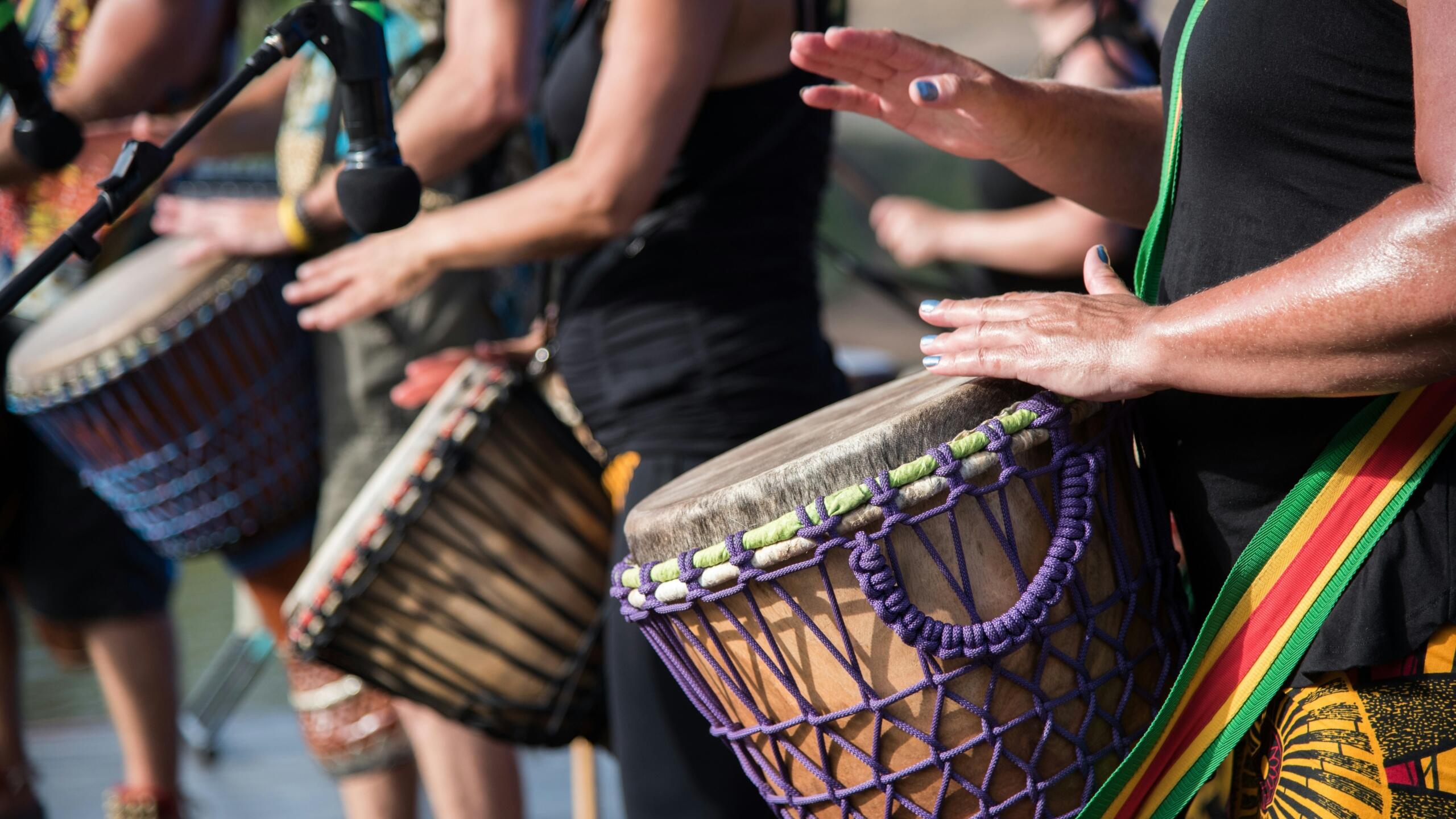
The cattle-keeping people's legacy continues through generations, reminding South Africans of the importance of preserving indigenous history, celebrating cultural diversity and honouring the communities that helped shape the country’s story. Tracing the Pedi people's culture will enable us to understand more about their language, family, and the community as a whole. The Bapedi people will always continue dancing to the sound of their own drums, even after the struggles that they have faced and the challenges that may still await them.
Summarise with AI:
Enjoyed this article? Leave a rating!

 Loading...