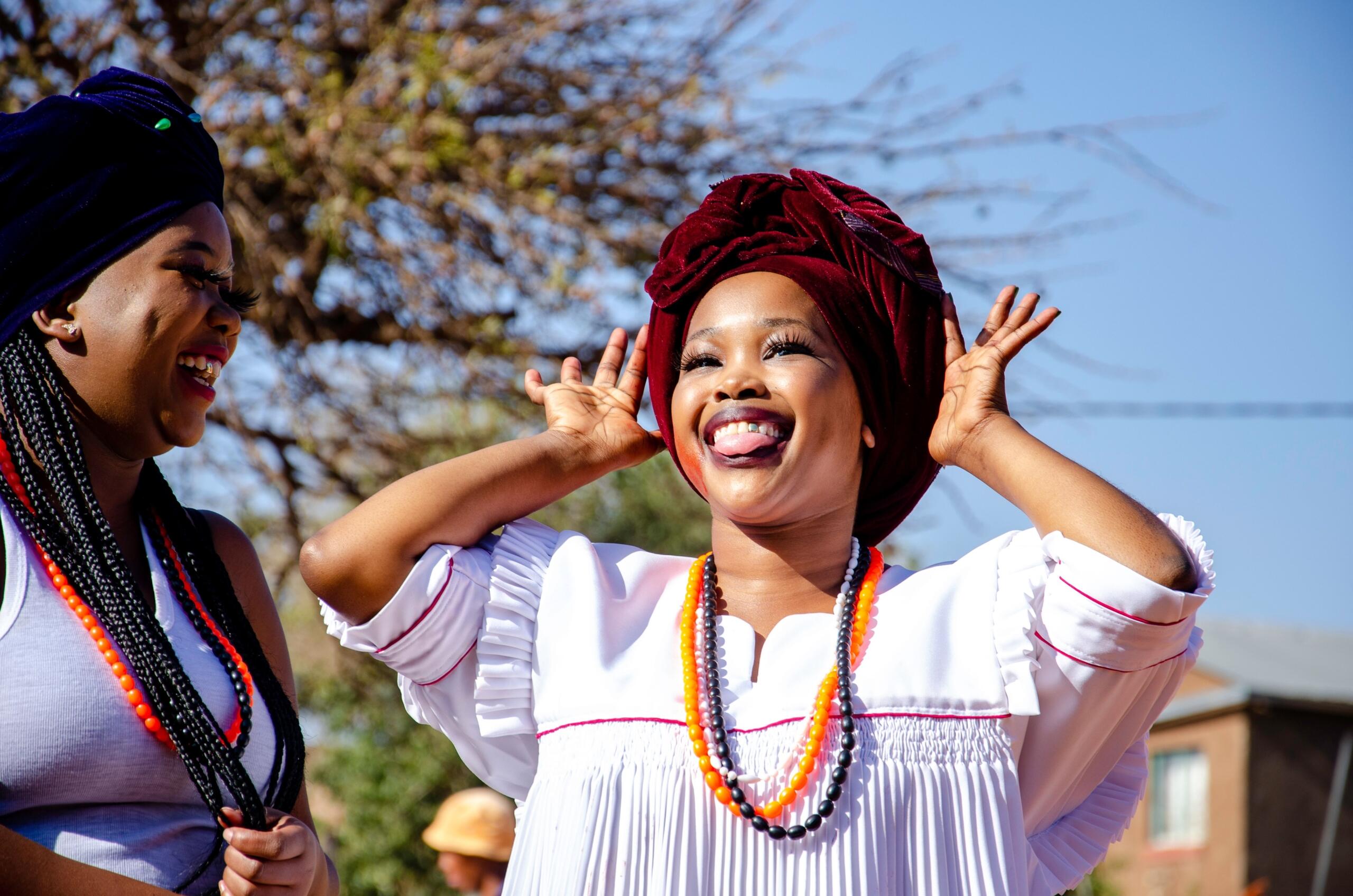

Be patient through every hardship. Difficult times do not last forever.
Sepedi Proverb
South Africa is famous for having one of the richest linguistic landscapes in the world, and among its twelve official languages, the Sepedi language occupies an important place, connecting millions of people through history, family traditions and everyday communication. Whether you hear it spoken in Polokwane, Sekhukhune, Pretoria or Johannesburg, you can be sure that it carries centuries of cultural knowledge and tradition that have been passed down from one generation to the next.
| Sepedi at a Glance | |
|---|---|
| Official language | Sepedi |
| Language Family | Southern Bantu, Sotho Tswana |
| Broader Grouping | Northern Sotho language |
| Primary Province | Limpopo |
| Also Widely Spoken In... | Gauteng and Mpumalanga |
| First Language Speakers | More than 4 million |
| Official Status | One of South Africa's 12 official languages |
Although many South Africans use the terms "Sepedi" and "Northern Sotho" interchangeably, the relationship between the two is more nuanced. The Northern Sotho language refers to a broader group of closely related dialects spoken mainly across Limpopo Province. Sepedi originally referred to the dialect of the Bapedi people but has become widely recognised as the official language name used in education, government and the Constitution.
Today, more than four million South Africans speak Sepedi as their first language, making it one of the country's most widely spoken indigenous languages. You will encounter it in schools, universities, community radio stations, government departments and television broadcasts, particularly throughout Limpopo, Gauteng and Mpumalanga.
Understanding the language also means understanding the people who have preserved it. Even today, the traditions, values and customs of Pedi culture continue to influence family life, celebrations, storytelling and community leadership across modern South Africa.


The Sotho Language Family Explained
One of the most common questions people ask is whether Sepedi and Sesotho are the same language. The short answer is no, although they are closely related.
The Sotho Tswana language family consists of three major languages:
These languages developed from common ancestral roots and still share many grammatical structures, vocabulary and pronunciation patterns. As such, speakers often recognise familiar words across the three languages, although differences in vocabulary, pronunciation and regional usage mean they remain separate official languages.

The Northern Sotho language is primarily associated with Limpopo Province, while Sesotho is most widely spoken in the Free State and Lesotho. Setswana is predominantly spoken across North West Province and neighbouring Botswana.
Understanding these distinctions is important because language reflects history, identity and community. This means that referring to every Sotho language simply as "Sotho" overlooks the unique heritage that each community has developed over centuries.
| Sepedi | Sesotho |
|---|---|
| Mainly spoken in Limpopo | Mainly spoken in the Free State and Lesotho |
| Associated with the Bapedi people | Associated with the Basotho people |
| Part of the Northern Sotho group | A separate official language |
| Shares many words with Sesotho | Shares many words with Sepedi |
Although they are related, each language has its own literature, oral traditions, pronunciation, traditional food and cultural identity.
Why Does This Difference Matter?
Language is far more than a way of communicating. It preserves history, strengthens family connections and gives communities a shared sense of belonging.
Today, the Sepedi language continues to play an important role in education, local government, literature, broadcasting and cultural celebrations throughout South Africa. As younger generations embrace technology while remaining connected to their heritage, digital resources, online learning platforms and language courses are helping ensure that Sepedi culture remains vibrant and accessible.
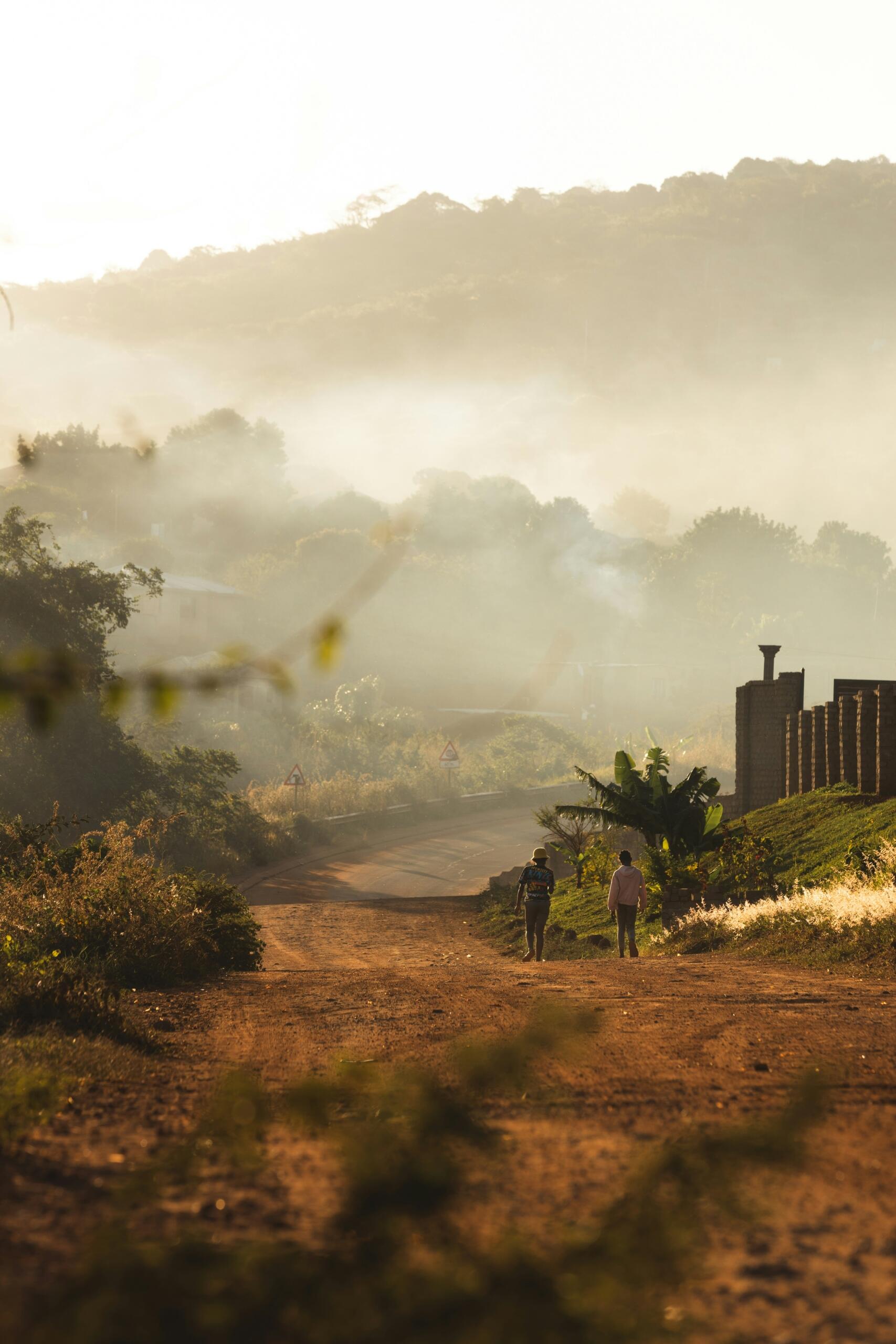
Just learning a few everyday phrases can deepen your appreciation of South Africa's diversity. Whether you are travelling through Limpopo, studying an indigenous language or simply meeting new people, understanding local languages can open doors to richer conversations and stronger cultural connections.
One of the most rewarding parts of learning an indigenous language is discovering the wisdom that lives within it. You'll find some beautiful examples in our collection of Sepedi proverbs and their meanings where traditional sayings reveal generations of knowledge and life experience.
A Brief History of the Bapedi People
To appreciate the richness of Pedi culture, it helps to understand the people behind the language. The Bapedi are one of South Africa's most influential cultural communities, with a proud history rooted in present-day Limpopo. In short, their kingdom emerged during the eighteenth century and became one of the region's most respected African states.

The Bapedi kingdom grew under a succession of capable leaders, but it was King Sekhukhune I who became its best-known ruler. During the nineteenth century, he united many communities and strengthened the kingdom amid increasing pressure from neighbouring groups and expanding colonial powers.
One of the defining moments in South African history was the Sekhukhune Wars of the 1870s. Although the kingdom eventually came under colonial control, the determination shown by King Sekhukhune and his people remains an important symbol of resilience and leadership. Today, his legacy lives on in the Sekhukhune District Municipality in Limpopo, where many communities continue to celebrate their heritage through language, music and traditional ceremonies.
While modern South Africa has changed dramatically, the values that influenced the kingdom continue to impact Pedi culture. Respect for elders, strong family ties and community responsibility remain central to everyday life.
Cultural Pillars of Pedi Identity
Of course, language and culture are closely connected. Even just knowing a few words of Sepedi will also help you to begin to understand the customs, values and traditions that have created communities for generations. Remember, Sepedi culture is not simply preserved in museums or history books. It continues to thrive in homes, schools and villages throughout South Africa.
Names Tell a Story
Among the Bapedi, names often carry deep meaning. A child may be named after an important family member, an ancestor or a significant life event. Some names express gratitude, while others celebrate hope, faith or perseverance.
Names also help preserve family history by reminding younger generations of where they come from and the values they are expected to uphold.
Curious about the stories behind traditional names? Discover how identity, family and heritage come together in our guide to Sepedi names and their meanings.
Proverbs Preserve Generations of Wisdom
Long before written records became common, proverbs helped pass knowledge from one generation to the next. They taught children how to behave, encouraged patience during difficult times and reminded communities of the importance of humility and cooperation.
Even today, many families continue to share proverbs during everyday conversations, community meetings and family gatherings. These short sayings remain one of the most enduring parts of Sepedi culture.
Food Brings Families Together
Traditional food plays an important role during celebrations, weddings and community events and meals are often prepared collectively, reinforcing the importance of sharing and hospitality.
Bogobe, a maize based porridge enjoyed with meat or vegetables.
Morogo, leafy wild spinach prepared in a variety of ways.
Dikgobe, a hearty mixture of maize and beans.
Slow cookedstew of beef, chicken or goat served during special occasions.
Although modern lifestyles have changed eating habits, many of these dishes remain favourites during family celebrations and cultural festivals.
Traditional Clothing and Ceremonies
Colourful attire, beadwork and beautifully patterned blankets continue to feature during weddings, initiation celebrations and cultural festivals. Clothing often reflects both family identity and the importance of the occasion.
Ceremonies remain an important way of strengthening community bonds. Weddings, coming of age celebrations and family gatherings provide opportunities for younger generations to learn customs directly from parents, grandparents and community elders.
This passing of knowledge from one generation to the next is one of the reasons Sepedi culture continues to flourish despite the rapid pace of modern life.
Community Comes First
Ubuntu, respect and cooperation remain central values within many Bapedi communities.
Decisions are often made collectively, while elders continue to play an important role in guiding younger family members.
Whether you visit a village near Burgersfort, Jane Furse or Polokwane, you are likely to experience the warmth and generosity for which many Bapedi families are known. Visitors are often welcomed with genuine hospitality, reflecting values that have been preserved for centuries.
Sepedi in Modern South Africa
Although South Africa is a modern, multilingual nation, indigenous languages remain central to everyday life. Today, Sepedi is taught in schools, studied at universities and used in government communication, community radio stations and television programming. The language continues to grow through books, music, digital media and online learning, helping younger generations remain connected to their roots.
At the same time, many educators and community leaders recognise the importance of preserving Sepedi culture alongside the language itself.
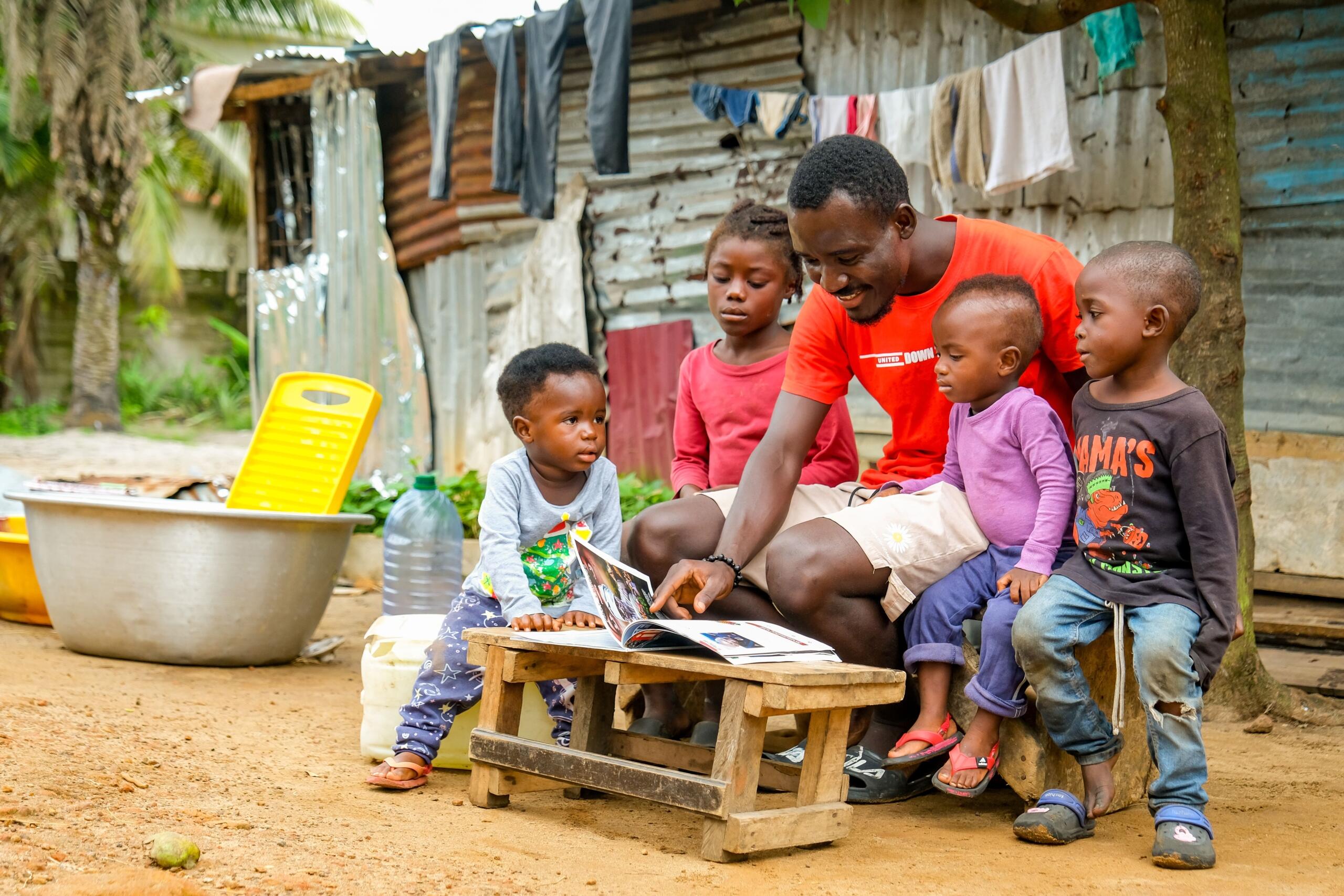
Traditional stories, music, ceremonies and oral history all help keep cultural knowledge alive while strengthening identity in an increasingly globalised world. Whether you are learning Sepedi for travel, work or personal interest, every new phrase offers another opportunity to engage with one of South Africa's richest cultural traditions.
So, if you live in Limpopo, Gauteng or anywhere else in South Africa, learning Sepedi can open doors to meaningful conversations, deeper cultural understanding and new friendships. Every word you learn helps celebrate one of our country's richest linguistic traditions while preserving an important part of our shared national heritage. And if you want to find out more about the Sepedi and Sotho difference, there's even more to know!
References
- Pan South African Language Board (PanSALB). https://www.pansalb.org
- Statistics South Africa. https://www.statssa.gov.za/
- South African Government. Official Languages. https://www.gov.za/
- South African History Online. https://www.sahistory.org.za/
- Limpopo Provincial Government. https://www.limpopo.gov.za/
- University of Pretoria, Department of African Languages. https://www.up.ac.za/
- University of South Africa (UNISA), African Languages. https://www.unisa.ac.za
Summarise with AI:
Enjoyed this article? Leave a rating!

 Loading...