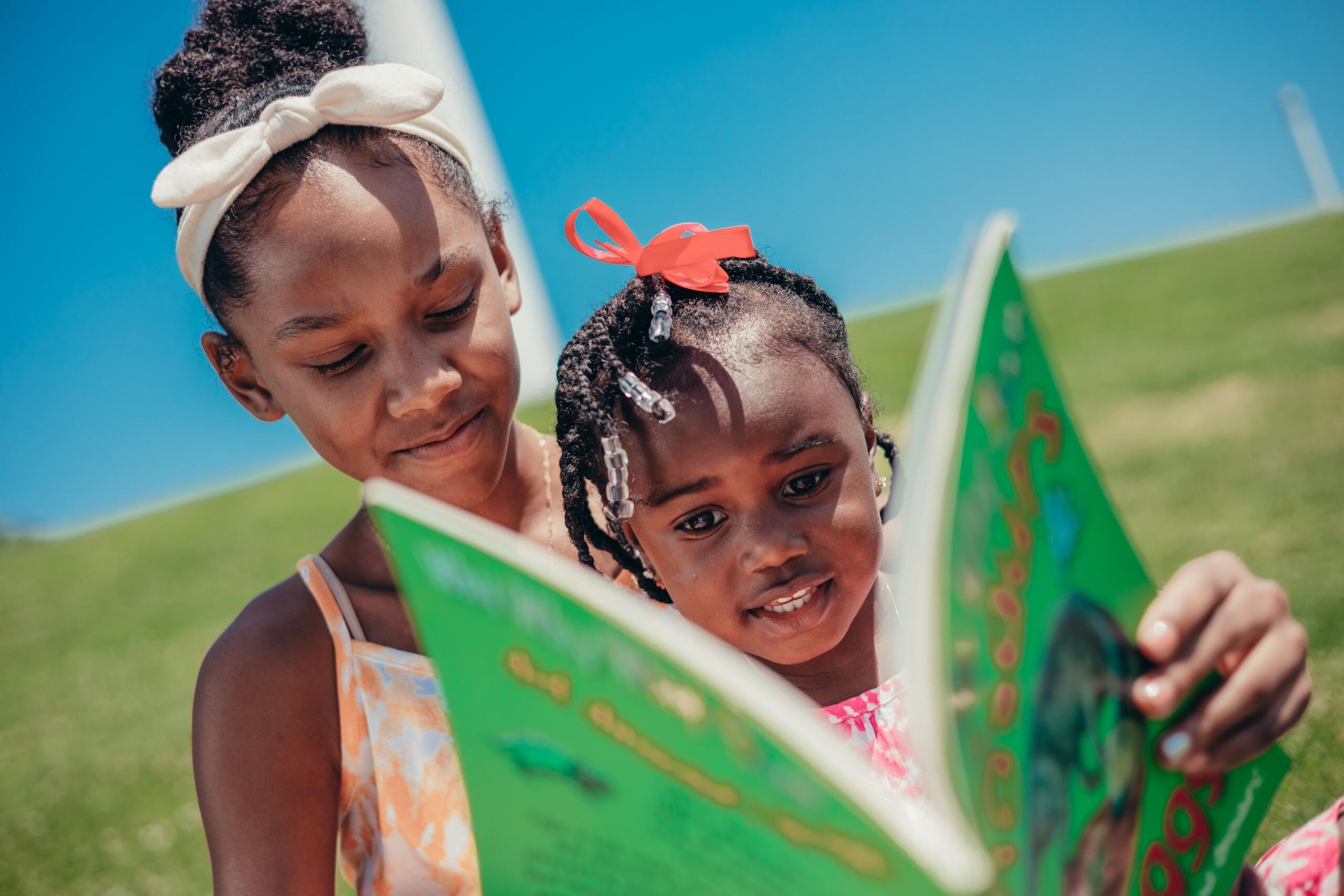

Illiteracy is the poison and the book is the antidote.
Mansi Chaubey
Illiteracy remains a significant challenge in South Africa, and the illiteracy crisis continues to affect education, employment, and economic development. To date, many children and adults struggle with reading and writing because of limited access to quality education, books, and learning resources. Community libraries can help address this challenge by serving as important learning spaces where people can access books, computers, literacy programmes, and educational support. Reading initiatives can work towards creating a reading culture in South Africa. By promoting reading, lifelong learning, and community participation, libraries play a vital role in improving literacy rates and creating opportunities for personal and social development.
Once you understand literacy levels in South Africa, you can explore ways to boost literacy.




The Role of Public Libraries in South Africa
public libraries1across South Africa
Public libraries are managed by local municipalities across South Africa. They allow free access to information, education, and recreational reading for all community members, regardless of their age or income. Public libraries aim to address the digital divide that exists in South Africa. By allowing all children to access books and learning materials, libraries give all children a chance to learn how to read using books that appeal to them.
Libraries are there to support literacy, lifelong learning, and community development by offering a variety of resources and services.
Some libraries even host competitions to promote reading, writing, and mathematics skills. The Extension 3 library in Lenasia hosts a Number Your Words Competition that requires Grade 5 learners to participate in a variety of activities aimed at assessing their literacy and mathematics skills.
Public Libraries Offer Free Access to Books and Study Spaces
Of all the roles that public libraries play, the main one is to provide free access to books and study spaces.
Library users are allowed to borrow books without paying, thus making reading materials available to people who may not necessarily be able to afford to buy them. While fictional books are considered a luxury for many, libraries are there to ensure that everyone can have access to these titles.
Public libraries allow children of all ages to:
These services can assist in curbing the illiteracy problem in the country by improving literacy, supporting education, reducing inequality in access to information, and creating opportunities for personal and community development throughout the country. Libraries do make a huge difference, and for this reason, we celebrate South Africa's Library Week in March of each year.
South African Library Week is an annual celebration devoted to highlighting the role of libraries in promoting literacy, and it is an event organised by the Library and Information Association of South Africa (LIASA). It is also an initiative to commemorate the opening of the first public library in Cape Town on 20 March 1818.
School Libraries and Resource Challenges
While Library Week acknowledges the role of public libraries, school libraries play an important role in supporting teaching, learning, and literacy development. However, many schools in South Africa face challenges in providing quality library services, resulting in unequal access to learning resources. Some public schools in South Africa do not even have the funds for a school library.
Challenges facing school libraries
- Many schools, especially schools in rural and disadvantaged areas, do not have libraries at all.
- Schools that have libraries face shortages of books and other learning materials and may not provide computers or internet access.
- There is very limited funding for library development and for the maintenance of library resources.
- There may be no trained teacher-librarians, or there may be a shortage of library staff.
- These schools may offer a rather limited amount of digital resources.
Differences between schools
- Well-resourced schools have rather modern and inviting libraries that have an unlimited supply of books as well as trained library staff.
- Under-resourced schools have limited or no resources and may have inadequate technology.
- As such, learners in well-resourced schools have the privilege of having top-notch research facilities and learning hubs.
- Children from underprivileged schools are somewhat deprived when it comes to conducting research.
Mobile libraries are helping to address some of these challenges by ensuring that more people gain access to reading resources. Thanks to more mobile libraries, people of all ages can gain access to international and local-language books and resources that they choose.
The Role of Mobile Libraries
Mobile libraries have become more popular throughout the country and aim to address the divide between children who attend schools with well-resourced libraries and children who don't. Mobile libraries are vehicles that transport books and other learning materials to schools and communities without establishing permanent library facilities or fixed library locations. These mobile libraries play an important role in improving access for all learners to information, and as such, mobile libraries aim to promote literacy skills too.
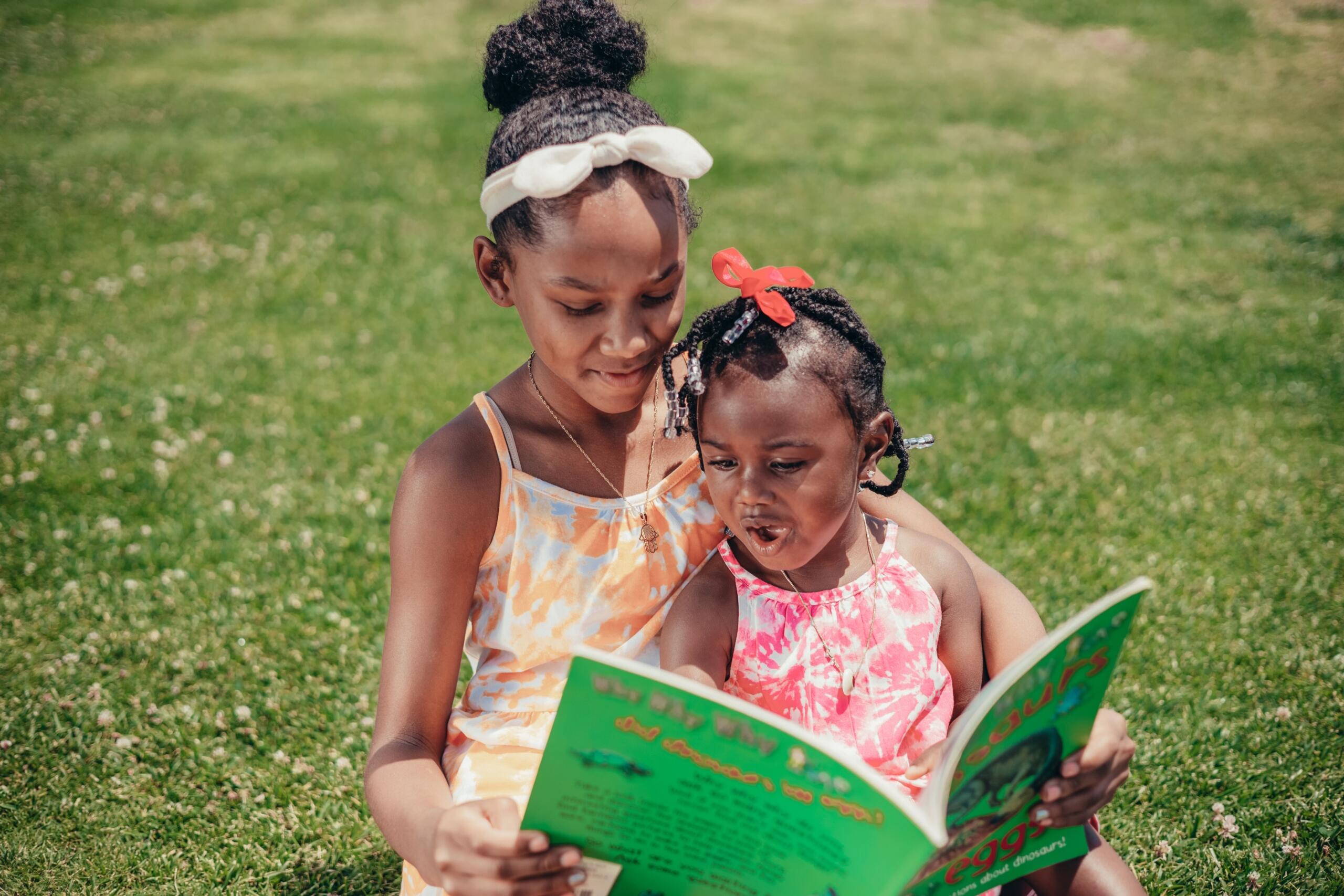
Mobile libraries can:
Mobile libraries work by bringing books and learning resources directly to schools, ensuring that more learners have opportunities to read, learn, and succeed, regardless of where they live and what other economic challenges may arise.
Literacy NGOs and Programmes
A reader lives a thousand lives before he dies. The man who never reads lives only one.
George R.R Martin
Literacy non-governmental organisations (NGOs) and reading programmes play an important role in improving literacy levels in South Africa. Such services provide free books, reading activities, and educational support to children, young people, schools, and communities, helping to create a culture of reading and lifelong learning.
Nal'ibali
Nal'ibali is a national reading-for-enjoyment campaign that promotes literacy among young children. It encourages parents, caregivers, teachers, and communities to get involved and read as well as retell stories to children.
Nal'ibali works to encourage:
- Reading for pleasure.
- Access to free multilingual books and reading material.
- The support of reading clubs and reading communities.
- Storytelling in Home Language and English.
- Language and literacy skills.
Book Dash
Book Dash is a non-profit organisation that creates and distributes free, high-quality children's books. The main goal is to ensure that every child owns books and develops a love of reading.

Book Dash aims to:
- Produce free children's books.
- Make books available in several South African languages.
- Enable both printable and digital storybooks.
- Encourage early childhood literacy.
- Increase children's ability to gain access to quality reading materials.
Room to Read
Room to Read is an international literacy organisation that works with schools and communities to improve children's literacy and education. It focuses on helping children develop strong reading skills and a lifelong habit of reading.
Room to Read is an initiative that is devoted to:
- Supporting literacy programmes in schools.
- Providing books and learning resources.
- Training teachers to improve reading instruction.
- Promoting reading habits among young learners.
- Helping improve reading comprehension and language skills.
FunDza
FunDza is a South African literacy organisation that encourages teenagers and young adults to read and write through digital and community-based programmes.
FunDza seeks to give all South African children an advantage by:
- Offering free online stories and reading materials.
- Promoting reading and creative writing.
- Supporting reading clubs in schools and communities.
- Providing stories that reflect South African cultures and experiences.
- Helping to improve literacy, vocabulary, and communication skills.
Nal'ibali and other literacy NGOs make an important contribution to improving literacy in the country. By providing free books, supporting reading clubs, promoting storytelling, and encouraging reading for enjoyment, they help children and young people develop strong reading skills and foster a lifelong love of learning. Many South African initiatives offer reading material in all of South Africa's official languages, encouraging children to learn to read in their mother tongue as well.
Digital Reading Access
Digital reading access allows learners to read books and educational materials using electronic devices such as smartphones, tablets, and computers. It increases access to information and supports literacy, especially in areas where printed books are limited.
E-books
E-books are digital versions of printed books that can be read on electronic devices. They make reading more convenient because learners can access many books without visiting a library.
With e-books, even children who struggle to read on their own can be encouraged to enjoy reading.
There are several benefits of e-books, including:
- Providing instant access to a wide range of books.
- Saving storage space and reducing printing costs.
- Including features such as adjustable text size, built-in dictionaries, and search functions.
- Supporting independent learning and reading anytime, anywhere.

Vooks is an animated story platform where children can watch, read, and interact with storybooks online. Vooks makes the process of reading and interacting with a book fun.
Mobile Reading Apps
Mobile reading apps allow learners to read books, stories, and educational content on their smartphones or tablets. Many apps also include interactive features such as quizzes, audiobooks, and progress tracking.
With mobile reading apps, there are also quite a few advantages, such as:
- Encouraging regular reading through engaging content.
- Improving vocabulary, reading fluency, and comprehension.
- Providing access to free or low-cost reading materials.
- Allowing learners to read at their own pace and according to their interests.
Reading Eggs can help young learners to learn how to read by making reading all the more exciting with songs and rewards for good reading practices.
Data-Light Learning Tools
Data-light learning tools are digital platforms designed to use very little mobile data, making them suitable for learners with limited internet access. These tools help reduce the cost of online learning and improve access to educational resources.
Benefits of data-light learning tools:
- Reduce the cost of accessing educational content.
- Make learning accessible in low-bandwidth and rural areas.
- Support reading and learning on basic smartphones.
- Provide affordable access to books, lessons, and literacy resources.
Twinkl South Africa offers teachers the chance to access exciting reading resources that they can bring to their classrooms to promote a love for reading.
Digital Reading Can Appeal to a New Generation of Readers
Digital reading access through e-books, mobile reading apps, and data-light learning tools helps improve literacy by making reading materials more accessible and affordable. These technologies encourage reading for pleasure, support independent learning, and help more learners develop strong reading skills regardless of their location or financial circumstances.
The Future of Reading Access
literacy tutors on Superprof SA
The future of reading access in South Africa depends highly on the use of technology, strong community partnerships, and literacy outreach programmes. These approaches can increase access to books and learning resources, helping more people develop reading skills and a lifelong love of reading.

Technology is transforming the way people access reading materials. Digital tools such as e-books, audiobooks, online libraries, and educational apps make reading more accessible and convenient. Technology also allows learners to access books on smartphones, tablets, and computers, helping to overcome barriers such as distance and limited printed resources.
There are several benefits to using technology to encourage reading, such as:
Aside from relying solely on technology to make reading a more fruitful experience, relying on community partnerships and literacy outreach programmes can be equally beneficial.
Community Partnerships
Community partnerships involve schools, libraries, businesses, NGOs, and local organisations working together to promote literacy. These partnerships help provide books, funding, reading programmes, and volunteer support to communities with limited resources.
Literacy Outreach
Literacy outreach programmes bring books and reading activities directly to schools, rural communities, and disadvantaged areas. Outreach initiatives include mobile libraries, book donation campaigns, storytelling events, and reading workshops. Literacy outreach programmes reach learners who have limited access to libraries and work on improving literacy skills, particularly in underserved communities.
The Future of Reading in a Nutshell
The future of reading access will be strengthened by advances in technology, collaboration through community partnerships, and effective literacy outreach programmes. With initiatives like Child Language Node South Africa focusing on research on the knowledge and language development of children in our multilingual country, we are already going down the right path to tackle the high illiteracy rates.
Such initiatives can improve literacy levels, expand access to reading materials, and create a culture of reading that benefits individuals and communities across South Africa. With the help of a professional reading tutor, children in South Africa will be able to read better.
References
- The role of libraries in our democracy by Andrea Naicker, Vukuzenzele: A South African Government Newspaper - https://www.vukuzenzele.gov.za/role-libraries-our-democracy
Summarise with AI:
Enjoyed this article? Leave a rating!

 Loading...