

The fire of literacy is created by the sparks between a child, a book, and the person reading.
Mem Fox
Literacy goes beyond the child's ability to read and write. Literacy is the foundation upon which all learning is built. Whether learners are solving mathematical problems, exploring natural science and technology concepts, or interpreting historical events, strong literacy skills allow them to understand, analyse, and engage with information across subjects. Without literacy skills, academic progress becomes increasingly challenging, limiting learners' confidence and ability to succeed.




Developing Reading Skills in a Multilingual Society
The impact of reading goes well beyond the classroom. Research consistently shows that learners who have strong reading skills early in life are more likely to achieve better educational outcomes, complete their schooling, and access greater opportunities in higher education and employment. Reading also nurtures critical thinking, creativity, communication, and lifelong learning, equipping individuals with the skills needed to navigate an increasingly complex world.
In a multilingual country such as South Africa, the role of reading is even more significant. With eleven official languages and diverse linguistic backgrounds, fostering literacy skills requires recognising and valuing learners' home languages while supporting the development of proficiency in additional languages. Promoting reading in multiple languages not only strengthens literacy development but also preserves cultural identity, encourages inclusion, and creates more equitable learning opportunities for all children. By investing in literacy and a culture of reading, we will lay the groundwork for educational success and empower future generations in South Africa to thrive.
The Angula app can be used by learners who want to learn one of South Africa's official languages.
South Africa's multilingual education system recognises all 11 official languages, encouraging learners to become literate in their Home Languages while acquiring additional languages throughout their schooling journey. By supporting multilingual learning, the education system aims to improve reading comprehension, strengthen academic achievement across subjects, and celebrate the country's rich linguistic and cultural diversity.
Home Language Learning
A language is more than words. It carries memory, identity, home.
Unknown
Although many schools across South Africa focus on English as the language of learning and teaching, some schools across the country allow learners to learn in their mother tongue languages, like IsiZulu. The Department of Education is currently conducting pilot programmes to see the results when children are taught and learn in their mother tongue languages.
In terms of the CAPS curriculum, Home Language (HL) is divided into the following four core strands:
When children can read in their home language or in the language of learning and teaching at their school, it makes it much easier for them to grasp any other subject's content. It is now a requirement for teachers in the intermediate phase to get children to read 60 words per minute in their home language so that they become fluent readers in this language.
In promoting the 60 words per minute rule, the Department of Education is also advising that teachers work with children to see that they understand what they read. Reading with accuracy and reading with understanding in their Home Language is of utmost importance.

The problem lies in the fact that many students attend schools where the taught Home Language is English, but the language that they speak at home is one of the African languages commonly spoken in the country. If the learner struggles to read in their actual mother tongue, learning to read fluently in English may be even harder.
Transitioning to English Learning
One language sets you in a corridor for life. Two languages open every door along the way.
Franck Smith
While more schools are catering for learners who speak African languages, there are still many schools that offer English as the HL and Afrikaans as the First Additional Language (FAL). For learners who do not speak English at home, the difficulty with reading fluently in English starts to show mainly when learners reach Grade 4.
After the foundation phase, learners are left to read independently and understand their papers, and this is when problems with reading and understanding show up in their other subjects. Children in the intermediate phase take on more subjects as well (6 to be exact), and the gaps in comprehension in English do show up when second-language English speakers attempt to answer their question papers. Learners who attend Home Language English schools from Grade RR may not struggle as much, but those who face difficulty tend to struggle with:
In the Foundation Phase, mother tongue language may still be used, and teachers may assist learners by translating words and phrases from English into their mother tongue language. In the Intermediate Phase, the switch to English only becomes evident, and learners in multilingual classrooms may struggle all the more. Teachers must often support as best as possible and focus on vocabulary in all subjects.
Lately, the focus has shifted in South Africa to getting all children to become proficient in their Home Language so that they can learn all other languages just as well. The focus on improving children's literacy in indigenous languages is clear.
Indigenous Language Publishing
With companies like Ethnikids making sure that a wide range of children's books are available in all of South Africa's official languages, it is clear that the focus has fallen on making sure that children focus on reading in their home language as well as in English.
Book Dash is an NPO where African picture storybooks are created for children. Book Dash was created to get books into the hands of very young children and into homes where indigenous languages are spoken. Companies like Book Dash and Ethnikids focus on ensuring that children read and develop their literacy skills. Books created by Book Dash and Ethnikids feature characters that symbolise inclusivity and that speak all of South Africa's unique and diverse languages.
Many South African schools are familiar with and even endorse Nalibali, a campaign created to ensure that children begin to love reading. Particularly catering for children between the ages of 1 and 12, the Nalibali campaign works to ensure that children continue reading for enjoyment.
Literacy Challenges in South Africa
When it comes to getting all children to read and write, there are many challenges that both educators and parents are faced with. As much as there are literacy challenges in our country, there are also several ways to promote literacy in the country. Let us consider the challenges faced as well as the initiatives taken to address the literacy challenges across the country.
Challenges with literacy
- There is the challenge of unequal access to books, textbooks, resources, and reading materials, especially when it comes to public schools that cannot easily access these resources.
- The lack of reading resources can be noticed in school libraries. Certain private school libraries have a wide variety of books, while many public school libraries lack such resources, and this is clear. The divide between urban schools and schools in rural areas is ever so clear.
- Reading comprehension difficulties show up, especially among second or third-language English speakers. Despite the support given by the teacher, these language difficulties are hard to address
Initiatives addressing literacy challenges
- With initiatives like Child Language Node South Africa, which focuses on research that is used to transform the knowledge of language and communication development of children in multilingual South Africa.
- Initiatives like Nalibali provide free reading resources to children, and this bridges the gap between private schools that have access to many resources and those that lack reading resources.
- Book Dash also helps to address communication barriers faced by second language learners, as the same books are available in the children's home language and in English, which will assist with all communication gaps.
With more and more people realising how valuable having children who know how to read and write is, the role of libraries and programmes is becoming more evident.
The Role of Libraries and Reading Programmes in South Africa
Libraries and reading programmes play a vital role in improving literacy, education, and lifelong learning in South Africa. They provide access to books, digital resources, and learning opportunities, particularly for children and communities with limited educational resources. Visiting a library or enrolling your child in a reading programme can assist profoundly with your reading skills and academic performance while encouraging a culture of reading.
Community libraries can become important learning institutions, where people can borrow books, access computers, and the internet. These public libraries can:
- Offer the chance to access books and learning materials for free.
- Serve as welcoming spaces for learners who wish to complete their homework and do some research.
- Provide storytelling sessions and literacy programmes for children, or engage children in fun literacy-related competitions.
- Become the right spaces for learning and community engagement.
- Bridge the educational gap in disadvantaged communities where access to reading material is limited.
The Extension 3 library in Lenasia allows children from all schools in Lenasia to participate in a Number Your Words quiz that assesses children in terms of their literacy and mathematics skills. Many other libraries across the country offer similar activities.
Reading clubs are another way to encourage children, teenagers, and adults to read regularly while simultaneously promoting the discussion of books with others. Reading clubs also work to:
- Improve reading comprehension and vocabulary.
- Build confidence in reading and speaking.
- Encourage critical thinking and creativity.
- Foster a lifelong love of reading.
- Promote social interaction and teamwork through shared reading experiences and discussions.
Mobile library projects can bring books and library services to rural and underserved communities where permanent libraries may be unavailable. This also gives children in rural areas access to books.
Such initiatives are meant to promote literacy skills among children while supporting schools that may lack library facilities. Hooked on Books is one mobile library project that dramatises books and encourages children to fall in love with books again. This initiative also fosters reading habits in communities and reduces inequality in access to information and learning opportunities.

Like Hooked on Books, Nal'ibali is the national reading-for-enjoyment campaign that encourages young readers to read in their home languages. Nal'ibali teaches parents and caregivers to read with children to promote storytelling, reading for pleasure, and strengthen the community and family's involvement in children's education.
Another initiative worth mentioning is FUNDZA, a South African literacy organisation aimed at promoting reading and writing for teenagers and young adults through digital and community-based programmes. With FUNDZA, teenagers can sign in to gain access to engaging stories online, and they will be encouraged to continuously read fictional and non-fictional works. FUNDZA aims to help teenagers gain creative writing and communication skills while inspiring learners with stories that reflect South African experiences and culture.
How Tutors and Parents Can Encourage Reading?
Superprof tutors offering reading support classes in South Africa
Since illiteracy is a huge problem in South Africa, educators and parents must take on a role to assist children with their reading skills. With constant encouragement, regular practice, and by making available engaging reading resources, parents and tutors can build children's confidence and create a culture of lifelong reading. Some ways that parents and tutors can get involved are through:
Shared Reading Experiences
Parents and tutors can create shared reading experiences by reading together with the child. During these shared reading sessions, adults can ask children questions, explain unfamiliar words, and discuss the story fully. These shared reading experiences will help to improve children's vocabulary, comprehension, pronunciation, and confidence while making the reading experience an enjoyable activity.
Promoting Reading with Audiobooks and Reading Apps
Audiobooks give children the chance to listen to stories while following the text. This will aid them in improving their pronunciation, fluency, and listening skills. Educational apps such as Vooks combine animated storybooks with narration, making reading a much more interactive and engaging experience. Digital resources like Vooks, Teach Your Monster How to Read, and Reading Eggs motivate reluctant readers and slowly start to support independent learning.

Establishing Reading Routines
Setting up daily reading routines will help children become more consistent readers. Setting aside 15 to 30 minutes each day for reading will improve fluency, comprehension, and vocabulary. A routine promotes discipline and also helps children view reading as an enjoyable part of everyday life.
Storytelling Initiatives
When parents and tutors tell stories, they encourage children to retell these stories or create their own stories. Storytelling improves listening skills, imagination, memory, vocabulary, creativity, and oral communication while strengthening children's understanding of the narrative structure.
Gaining Reading Help with the Right Tutors
On the Superprof platform, parents will find tutors who assist with reading, writing, and comprehension skills. An experienced tutor will be able to assess the learner's reading level while identifying areas of improvement. The tutor will teach reading strategies to children to assist them with reading fluently and to comprehend better. Tutors can help expand learners' vocabulary and language skills. The one-on-one guidance offered by an experienced tutor can mean that learners gain lessons specifically tailored to their needs. Children also gain regular and constructive feedback, which they can use to grow and improve.
Reading beyond school is important because it allows learners to continue developing their literacy skills outside the classroom. Reading regularly for enjoyment will lead to an improvement in vocabulary, comprehension, fluency, and critical thinking skills.
Reading Beyond School
Reading is essential for those who seek to rise above the ordinary.
Jim Rohn
To address the issue of high illiteracy rates in South Africa, children need to be encouraged to read for pleasure, and a culture of reading should be established.
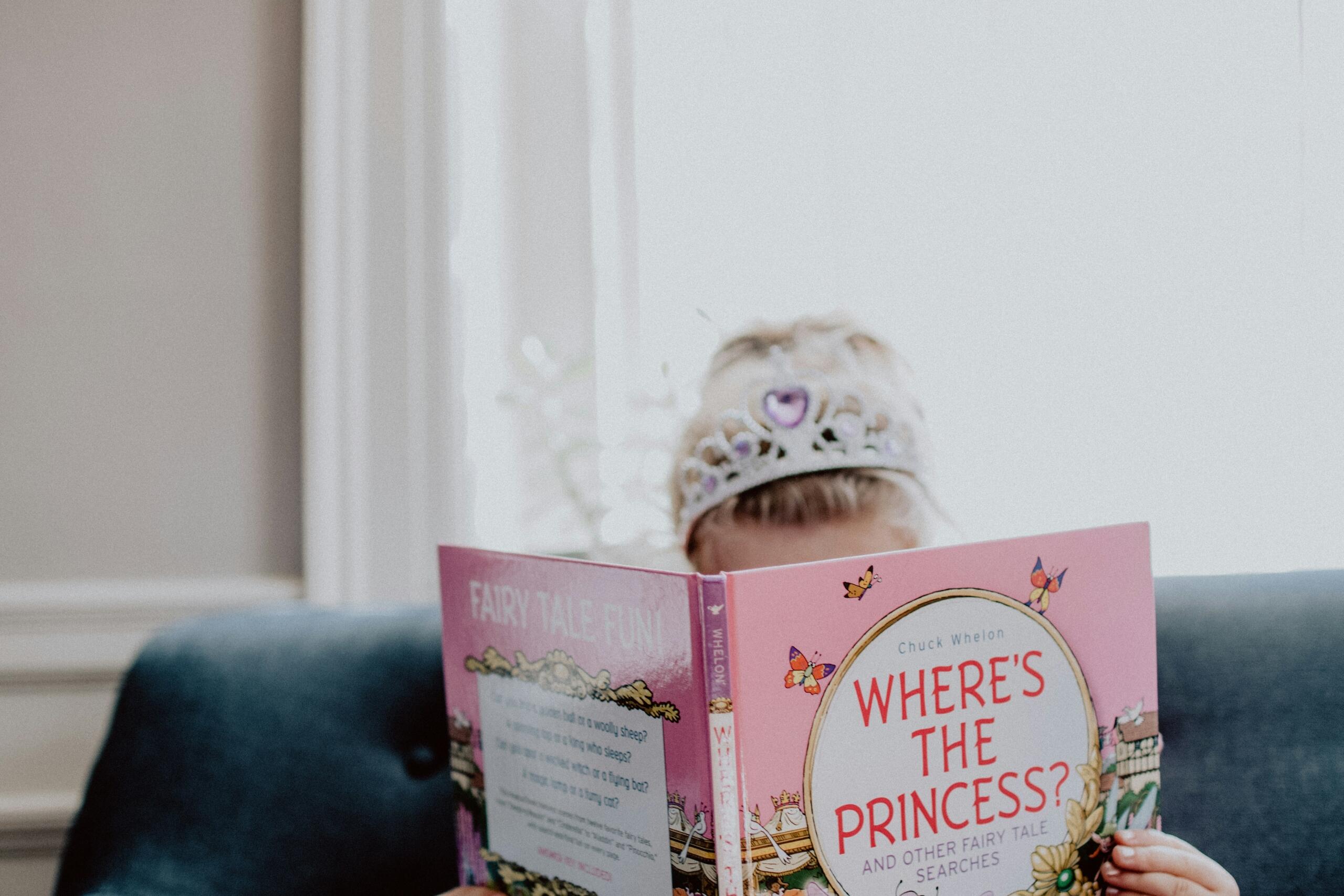
Reading for pleasure will entail choosing books, magazines, comics, or stories based on personal interests. When learners enjoy what they read, they are more likely to read regularly. This will assist them in improving their reading fluency, expanding vocabulary, strengthening comprehension, and developing a lifelong love of reading.
In today's times, parents and tutors need to work on creating a digital reading culture. Digital reading entails reading on smartphones, tablets, computers, and other electronic devices. Children can access online articles, educational websites, digital libraries, and interactive reading platforms. By fostering positive digital reading habits, parents are increasing children's access to information, improving their digital literacy, and encouraging independent learning.
Alternatively, parents and tutors can rely on audio and E-books. Parents must allow learners to listen to stories while following the text, improving pronunciation, listening skills, and reading fluency. E-books provide easy access to a wide range of books that can be read anytime and anywhere. Many e-books include features such as adjustable text size, built-in dictionaries, and audio support, making reading far more accessible and enjoyable for different learners.
Evidently, fighting the high illiteracy rates in South Africa requires encouraging reading that goes beyond school. Reading for pleasure, developing positive digital reading habits, and using audio and e-books will help learners strengthen their literacy skills. These activities improve vocabulary, comprehension, fluency, and digital literacy while fostering a lifelong habit of reading and learning. Parents should stand united in addressing the illiteracy crisis. Reading should not be left aside for International Literacy Day.
Which language do you enjoy reading in?
Summarise with AI:
Enjoyed this article? Leave a rating!

 Loading...