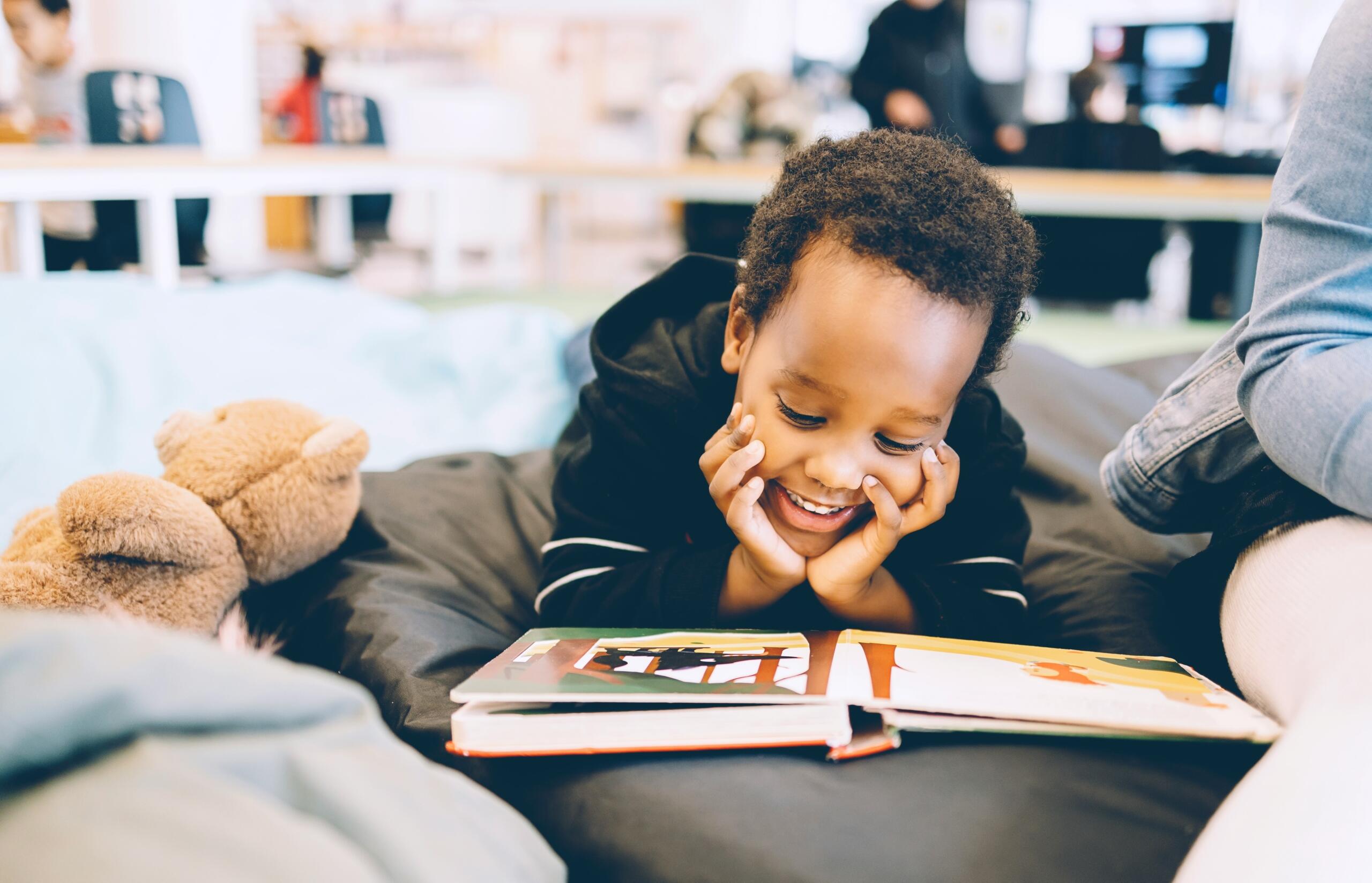

For many South African children, the language spoken at home is not necessarily the same language used for learning at school. A child might speak isiZulu with family members, for example, while learning through English at school. Another learner might speak Sesotho at home and study an additional language such as English or Afrikaans. This multilingual environment is a normal part of life in South Africa, but it also creates important questions about how children learn to read and develop literacy skills.



Multilingualism in Education
South Africa's Language in Education Policy1promotes additive multilingualism, meaning that learning an additional language should add to a learner's linguistic repertoire rather than replace their home language. The policy states that the approach should promote the development of all official languages and address disadvantages that can result from mismatches between learners' home languages and languages of learning and teaching.
Home language literacy is therefore an important part of South Africa's broader approach to multilingual education. It does not mean that children should learn only in their home language. Instead, it recognises the value of developing strong literacy skills in a familiar language while also learning additional languages.
How Mother Tongue Literacy Supports Learning
The term mother tongue is commonly used to describe a language learned from early childhood, while South African education policy generally uses the term Home Language.
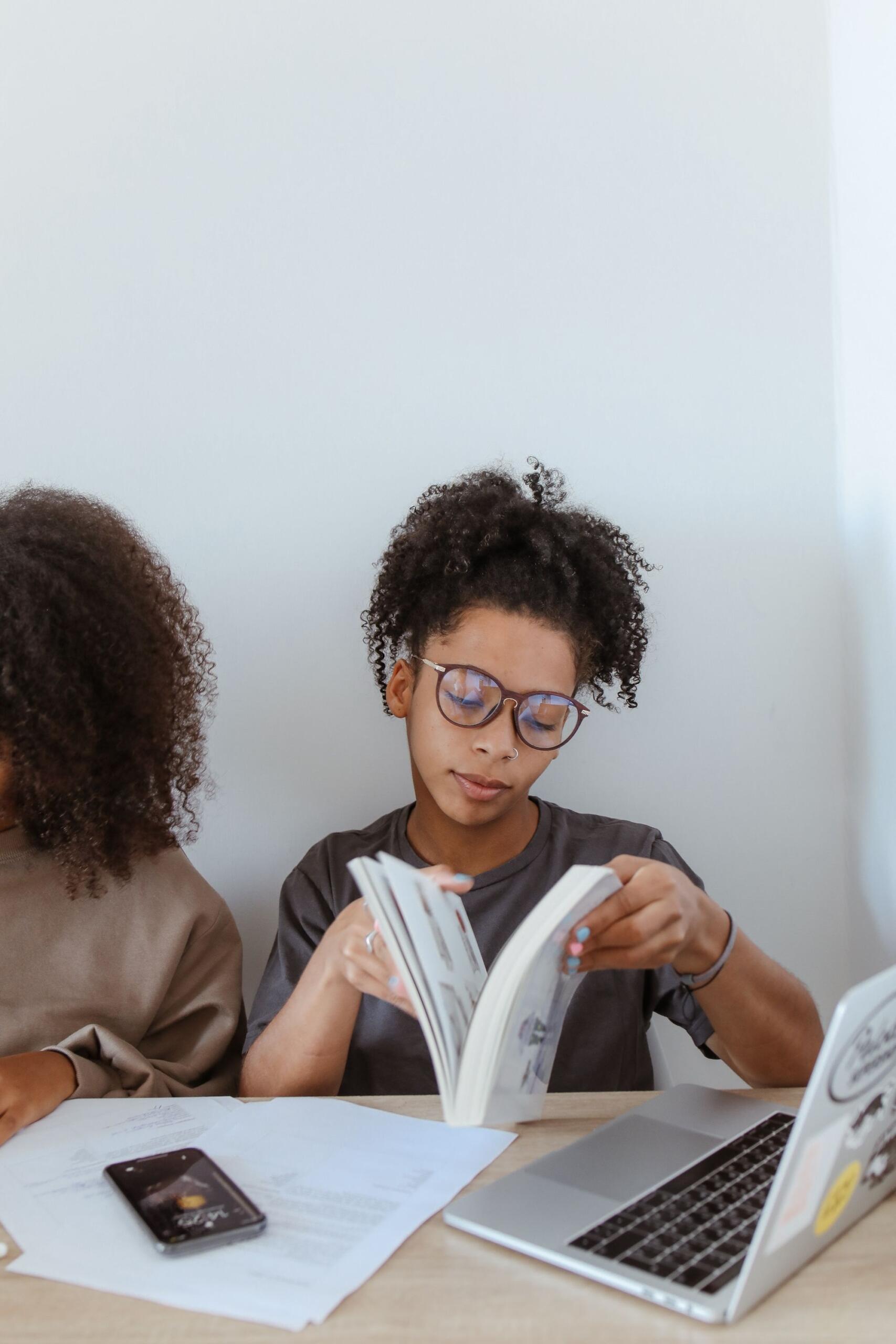
Importantly, the Department of Basic Education explains that the terms Home Language, First Additional Language and Second Additional Language refer to levels of language proficiency in the curriculum. They do not necessarily indicate which language a learner speaks natively.
Developing literacy in a familiar language can provide children with an important foundation for learning to read and understand texts.
South Africa's National Literacy Strategy and Plan2 for 2024–2030 specifically identifies home language based literacy as a principle for literacy development and states that a familiar or home language is a necessary condition for its emergent literacy programme.
Reading Comprehension
Reading comprehension involves more than recognising letters and words. A learner needs to understand vocabulary, sentence structure and the meaning of a text in order to make sense of what they are reading.
Language familiarity can therefore be important when children are developing these skills. The 2021 Progress in International Reading Literacy Study (PIRLS)3 report for South Africa notes that children's reading literacy development depends on their language experiences and the language spoken at home. The report also found differences in performance according to how frequently learners spoke the language of the test at home.
This does not mean that reading in an additional language is impossible. Rather, it highlights the importance of developing language and literacy skills systematically when children are learning through a language that is not the one they most commonly use at home.
South Africa continues to face significant challenges in reading comprehension. The Department of Basic Education identifies the inability of many children to read for meaning as one of the country's major developmental challenges.
Vocabulary Development
Reading exposes children to words and language structures that they may not encounter in everyday conversation. When children read regularly in a familiar language, they can connect new words with concepts they already understand.
Vocabulary is also specifically identified by the Department of Basic Education as part of effective reading instruction. The South African PIRLS 2021 report recommends that teachers develop learners' vocabulary, decoding skills, phonological awareness and phonics, while also teaching language comprehension.
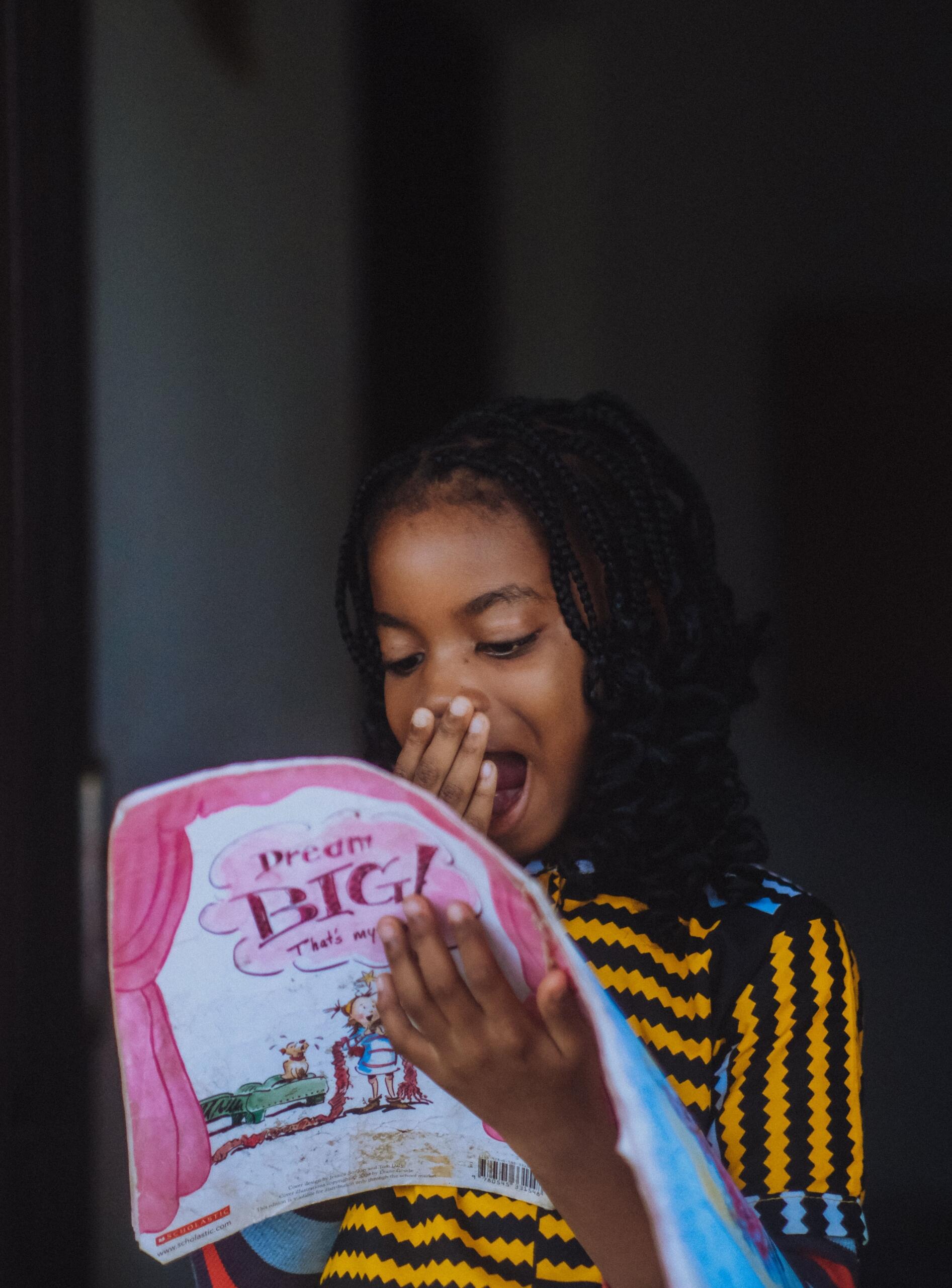
For indigenous languages, vocabulary development can also involve learning formal and literary forms of a language. A child may use a particular language comfortably at home but encounter less familiar vocabulary when reading a textbook, story or other written material.
Confidence
Regular opportunities to read in a familiar language can give learners opportunities to practise reading without having to process every part of the text through an additional language at the same time.
However, it is important not to present home language literacy as a guaranteed solution to reading difficulties. Reading outcomes are influenced by multiple factors, including teaching quality, access to books, socioeconomic circumstances, language of learning and teaching, and opportunities to practise reading.
The evidence from South African research illustrates this complexity. Studies have examined differences between home language and language of learning, including research involving learners who were assessed in a language different from the one they spoke at home.
CAPS Language Policy
The Curriculum and Assessment Policy Statement (CAPS) provides the curriculum framework used in South African public schools. In terms of CAPS, language subjects are offered at different levels, including Home Language and First Additional Language.
The Department of Basic Education provides CAPS Foundation Phase materials for Home Language in Afrikaans, English, isiNdebele, isiXhosa, isiZulu, Sepedi, Sesotho, Setswana, siSwati, Tshivenda and Xitsonga.
Similarly, Foundation Phase CAPS materials are available for First Additional Language in these languages.
Home Language
At Home Language level, CAPS aims to develop listening, speaking, reading and writing skills. The Department of Basic Education explains that Home Language level is intended to develop both basic interpersonal communication and the cognitive academic language skills needed for learning across the curriculum.
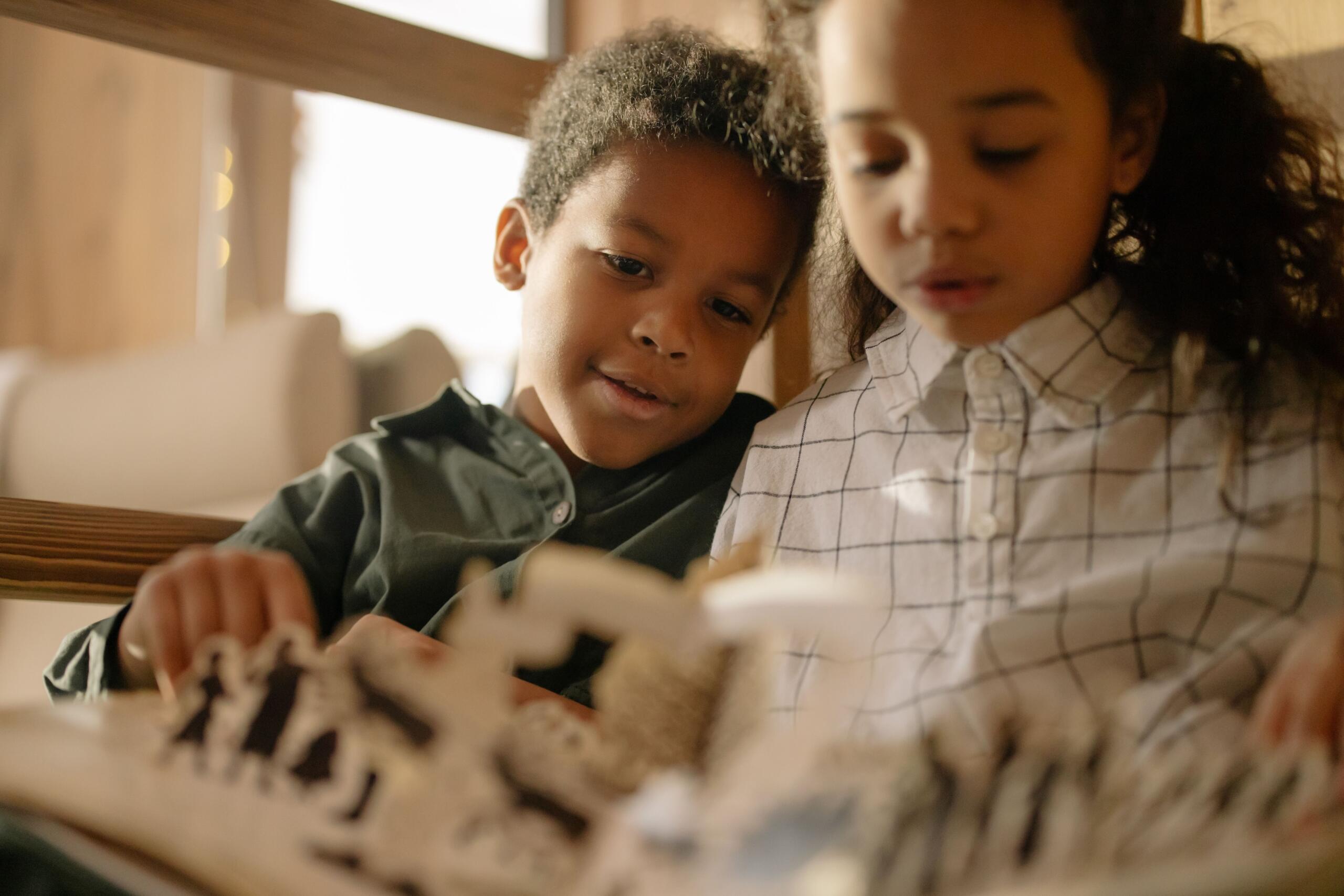
Home Language therefore covers more than learning to speak. Learners develop literacy through reading and writing as well as oral communication.
First Additional Language
A First Additional Language is a language learned in addition to the learner's Home Language. South Africa's Language in Education Policy describes this as part of an additive multilingual approach. The additional language is not intended to replace the home language.
This distinction is particularly relevant in South Africa because many learners use more than one language every day. Learning an additional language can expand opportunities for communication, while continued development of the home language supports multilingualism.
The Department of Basic Education has also implemented reading interventions that specifically address both languages. For example, the Early Grade Reading Programme II currently being implemented in the Northern Cape focuses on Setswana Home Language and English First Additional Language.
Home Language vs First Additional Language
Here's how the approach and expected outcomes differ between the Home Language and First Additional Language taught at schools:
| Home Language | First Additional Language |
|---|---|
| Develops reading, writing, listening and speaking at Home Language level | Develops proficiency in an additional language |
| Builds literacy skills in the language offered at Home Language level | Adds another language to the learner's repertoire |
| Includes reading and writing | Includes reading, writing, listening and speaking |
| Supports learning across the curriculum at the relevant proficiency level | Develops additional communication skills |
The important point is that Home Language and First Additional Language describe curriculum levels, not necessarily a child's actual first and second languages. The Department of Basic Education specifically notes that some schools cannot offer the home languages of all enrolled learners.
Indigenous Language Publishing in South Africa
Having a language recognised in education is only part of developing literacy. Children also need access to books and other reading materials in that language.
South Africa has organisations working to increase the availability of children's literature in indigenous languages.
aims to increase access to children's literature in all South African languages and to promote literacy through digital technologies.
It also works to make children's books in South African languages easier to find.
creates, translates, prints and distributes children's picture books. Its online library allows users to read and download books free of charge, with a catalogue that can be filtered by language. Book Dash makes its books available under a Creative Commons CC BY 4.0 licence.
The Book Dash catalogue currently includes books in isiNdebele, isiXhosa, isiZulu, Sepedi, Sesotho, Setswana, siSwati, Tshivenda and Xitsonga, as well as Afrikaans, English and South African Sign Language. Users can read, download, print, translate and share the books with appropriate attribution.
These initiatives are important because publishing in an indigenous language involves more than translating a few existing books. A sustainable children's publishing ecosystem requires authors, illustrators, editors, translators, publishers, reviewers, teachers, librarians and readers.
Challenges Facing Indigenous Language Literacy
Despite progress, indigenous language literacy in South Africa faces several challenges, which we explore below.
The availability of children's books in African languages has historically been much more limited than the availability of books in English and Afrikaans. Puku has specifically identified the shortage of children's literature in African languages as a challenge, noting that many available books have historically been translations of English works rather than stories originally developed in African languages.
Increasing the number of original books can give children access to a wider range of characters, settings and experiences.
Access to books remains another challenge. Book Dash reports that two out of three South African homes with young children did not have a single children's picture book according to the 2023 National Reading Barometer.
This is why access through libraries, schools, community organisations and free digital platforms is important. Book Dash's online library, for example, provides free access to its open-licensed books.
Translation can increase the number of books available in an indigenous language, but translating children's literature requires more than replacing words from one language with words from another.
Languages have different grammatical structures, vocabulary, idioms and cultural references.
A translation therefore needs to communicate the meaning and purpose of the original story while producing natural language for the intended readers.
The South African publishing landscape also includes questions about whether children have access to stories that were originally created in their own languages and cultural contexts. Puku has highlighted the historical reliance on translated children's stories as one of the challenges facing African language publishing.
A Language Comparison
When looking for digital reading resources, it can be useful to consider which languages are most relevant to your child or learner. South African digital platforms increasingly provide reading material in several official languages, although the amount and type of content available can vary between languages.
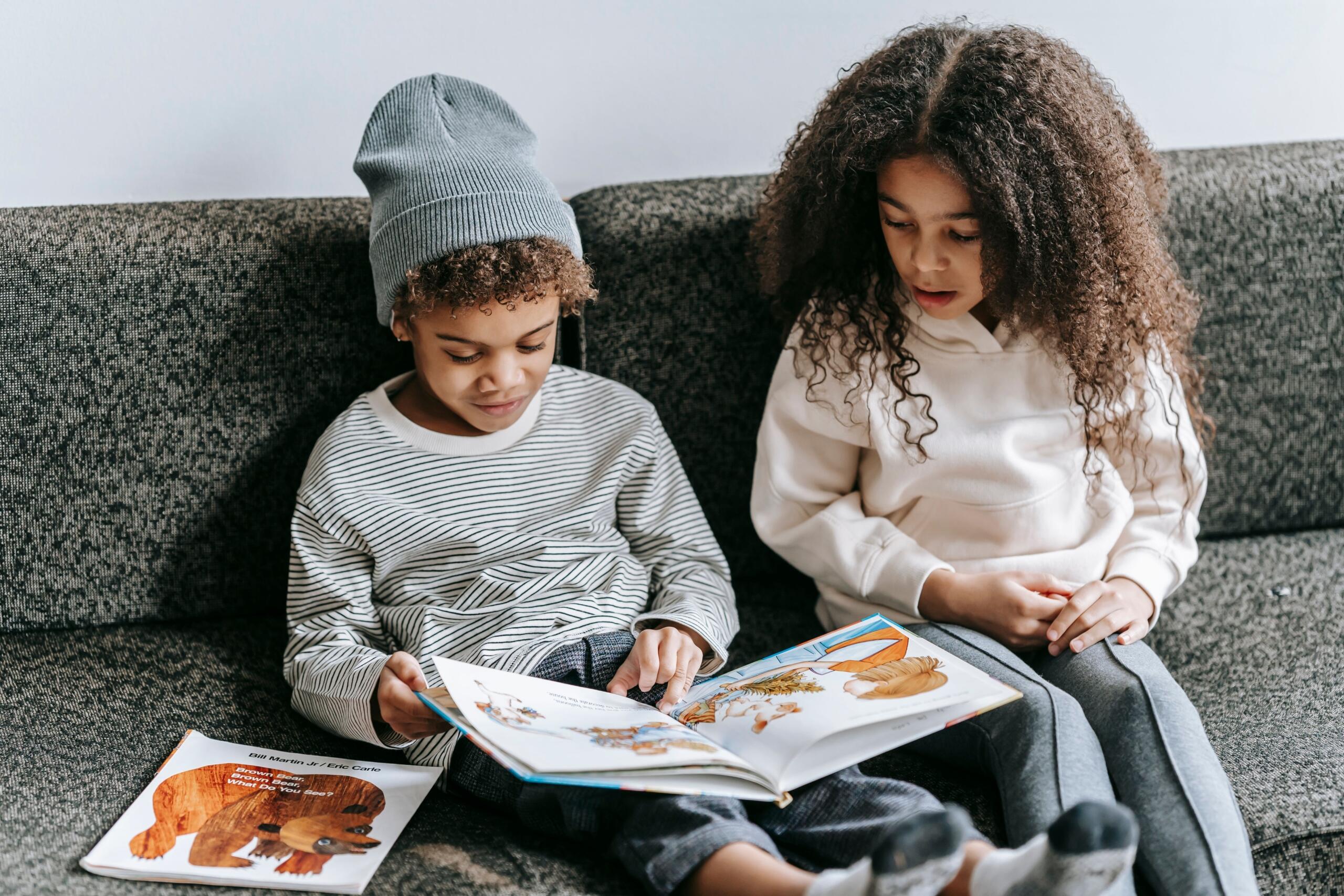
For families and tutors, checking the language options available on a platform can make it easier to find stories and other reading material that learners can understand and engage with.
| Language | Common regions |
|---|---|
| isiZulu | KwaZulu-Natal and parts of Gauteng and Mpumalanga |
| isiXhosa | Eastern Cape and Western Cape |
| Sesotho | Free State and Gauteng |
| Setswana | North West and parts of Gauteng and Northern Cape |
| Sepedi | Limpopo and parts of Gauteng |
| Tshivenda | Limpopo |
| Xitsonga | Limpopo and Mpumalanga |
| siSwati | Mpumalanga |
| isiNdebele | Mpumalanga and Gauteng |
| Afrikaans | Western Cape, Northern Cape and parts of Gauteng and other provinces |
| English | Widely used across South Africa, particularly in urban areas and in education, business and government |
| South African Sign Language | Used by Deaf South Africans across the country |
These regional descriptions are broad rather than strict boundaries. For digital reading, however, the more important consideration is whether a platform actually provides material in the language a learner uses. For example, African Storybook offers picture storybooks in a range of South African languages, while Book Dash provides free children's books that have been translated into South African languages. This can give parents, teachers and tutors additional options when looking for age-appropriate reading material in Afrikaans or an indigenous language.
Tutors and Language Support
Reading Tutoring
A reading tutor can work with a learner on specific literacy skills, such as decoding, vocabulary, fluency and comprehension. The Department of Basic Education's reading programmes similarly identify skills including phonics, decoding, vocabulary and language comprehension as important components of reading development.
For a learner who is struggling with reading, targeted support can provide additional opportunities to practise skills that may not receive enough individual attention during a normal classroom lesson.
A tutor working with a child in an indigenous language can also use stories, poems and other texts that are appropriate to the learner's language level.
Bilingual Learning Support
Bilingual support can be useful where a learner is developing literacy in a home language while also learning an additional language.
For example, a learner might discuss the meaning of a difficult concept in isiXhosa before encountering the same concept in English. This can help distinguish a difficulty with the subject matter from a difficulty understanding the language in which it is presented.
Tutoring should complement, rather than replace, classroom teaching. The most appropriate approach depends on the learner, the languages involved and the school's curriculum.
Reading Aloud in Indigenous Languages
Reading aloud is another way to expose children to written language. Adults can read stories to younger children even before they can read independently. This allows children to hear vocabulary, sentence structures and storytelling patterns while associating spoken language with the written text.
Digital resources can make this easier for families who do not have access to a large physical collection of books. Book Dash provides an online library of books, while its website also includes audio versions for some titles.
For a Superprof article, it would be sensible to choose a video from a reputable educational, literary or storytelling organisation and verify that the video is still publicly available before publication.
Making Home Language Reading Part of Everyday Life
Home language literacy does not have to be limited to formal schoolwork. Families can incorporate reading into everyday routines by reading stories before bedtime, visiting a library, downloading free children's books or encouraging children to choose their own reading material.
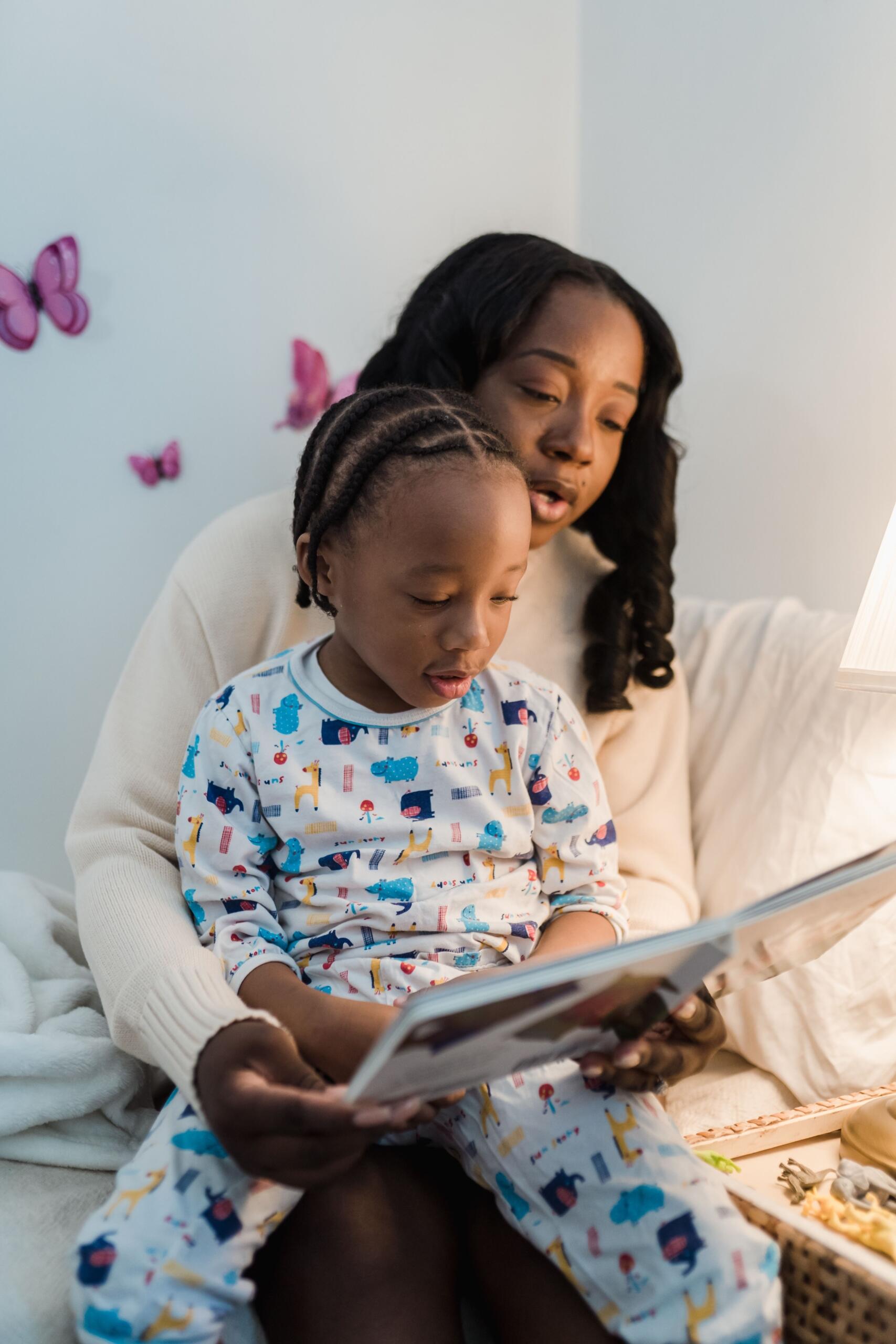
Parents and caregivers can also ask children questions about what they have read. For a younger child, this might involve identifying characters or describing what happened in a picture. An older child might explain a character's actions, summarise a chapter or discuss unfamiliar vocabulary.
Where possible, families can use more than one language. A story can be read in a child's home language and discussed in another language, or children can compare different versions of a story.
This reflects South Africa's broader policy approach to additive multilingualism. Learning another language does not require children to abandon the language they already know.
Instead, the policy framework recognises additional languages as part of a multilingual education system.
Why Home Language Literacy Matters
South Africa's reading challenges are substantial. The PIRLS 2021 results showed very low reading literacy performance among South African Grade 4 learners, while the Department of Basic Education has identified reading for meaning as a major national developmental challenge.
Improving literacy therefore requires attention to the languages in which children learn. Home language literacy is one part of this wider picture, alongside effective teaching, access to appropriate books, vocabulary development, reading comprehension instruction and opportunities to practise reading.
The country's indigenous languages also form part of its cultural and linguistic heritage. Providing children with opportunities to read in these languages can contribute to the development and use of written literature while allowing young readers to encounter stories in languages that are part of their communities.
South Africa's approach is not about choosing between indigenous languages and additional languages. The country's Language in Education Policypromotes additive multilingualism, meaning that additional languages should be learnt alongside the home language rather than replacing it.
For parents looking to support a child's literacy, this provides a useful starting point: encourage regular reading, make books available in languages the child understands, and use opportunities to develop both home language and additional language skills.
With resources such as Book Dash, Puku and the Department of Basic Education's language and literacy programmes, South African families have access to an expanding range of material that can support multilingual reading.
Home language literacy is therefore not separate from multilingual education. It is one component of it. By developing strong literacy skills while continuing to learn additional languages, South African children can build the language resources they need for school, communication and lifelong learning.
References
- The South African Language in Education Policy in terms of section 3(4)(m) of the National Education Policy Act, 1996 (Act 27 of 1996) - https://www.gov.za/documents/other/language-education-policy-14-jul-1997
- The South African National Literacy Strategy and Plan -https://www.education.gov.za/Portals/0/Documents/Publications/2025/South%20African%20National%20Literacy%20Strategy%20and%20Plan%202024-2030.pdf?ver=2025-07-29-120700-350
- The 2021 Progress in International Reading Literacy Study (PIRLS) report for South Africa - https://www.education.gov.za/Portals/0/Documents/Reports/2023/PIRLS%202021_Highlights%20Reports.pdf?ver=2023-05-25-100949-603
Summarise with AI:
Enjoyed this article? Leave a rating!

 Loading...