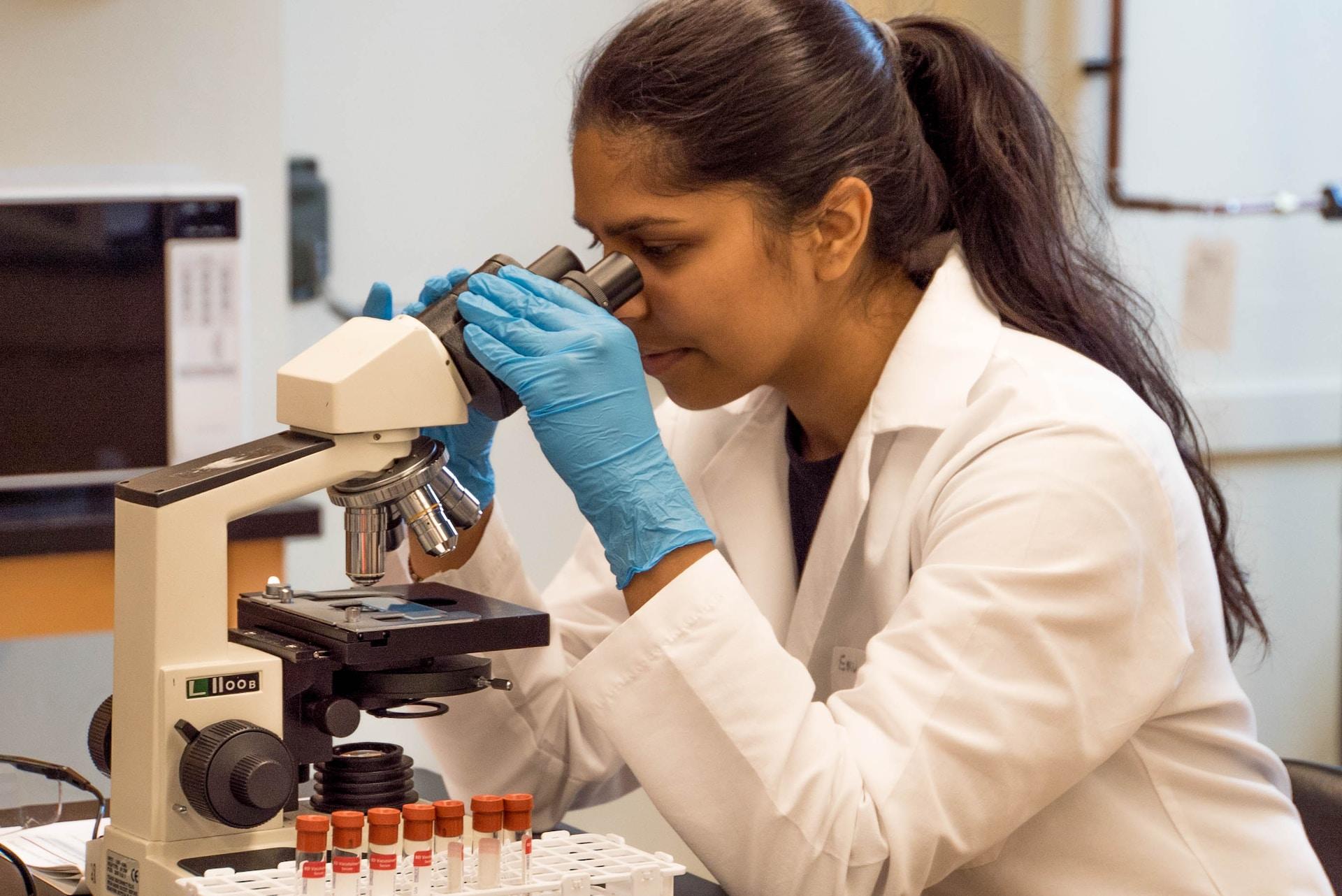

Research is to see what everybody else has seen, and to think what nobody else has thought.
Albert Szent-Györgyi (Nobel Prize-winning physiologist)
Before choosing an immunology degree, there is a step you need to take: think about the career opportunities available after graduation. The reason? While there are many rewarding careers in immunology, some roles require postgraduate qualifications, such as a master's or PhD, so it is important to research the entry requirements before deciding on your career path.
Whether you want to become a research scientist, work in healthcare, develop new treatments, or teach at a university, an immunology qualification can open the door to a wide range of exciting opportunities.


Choosing a Career in Academia
For the academically minded immunologist, one never needs to leave university, even though working in academia is certainly a job that doesn't come with a student lifestyle.
In short, academic careers in immunology involve teaching future immunologists, conducting research, and publishing scientific studies. As a lecturer or professor, you will have the rewarding job of helping to advance medicine through the mentoring of the next generation of scientists.

Most academic positions require postgraduate qualifications, often including a PhD in immunology. Although this can take around 10 years of study, advanced studies, especially at one of the best schools for immunology. and solid research experience, are essential for securing senior academic roles and progressing your career.
Bacteriologist
An immunology degree can also lead to a career as a bacteriologist, who studies bacteria, including how they grow, function, and interact with humans, animals, and the immune system.
Bacteriologists, who work in research laboratories, universities, hospitals, public health organisations, government departments, and the food industry. contribute to:
Biologist
An immunology degree provides a strong foundation in biology, making it a natural pathway into a career as a biologist. During your studies, you'll explore subjects such as microbiology, biochemistry, pathology, and molecular biology, all of which are essential for understanding how living organisms function.
As a biologist, you could work in research, conservation, healthcare, biotechnology, or environmental science, applying your scientific knowledge to solve real world challenges.
Biotechnology and Pharmaceutical Industry
An immunology degree can also open doors to exciting careers in the biotechnology and pharmaceutical industries. Here, immunologists play a vital role in developing vaccines, discovering new medicines, supporting clinical trials, and ensuring treatments meet strict quality and safety standards.
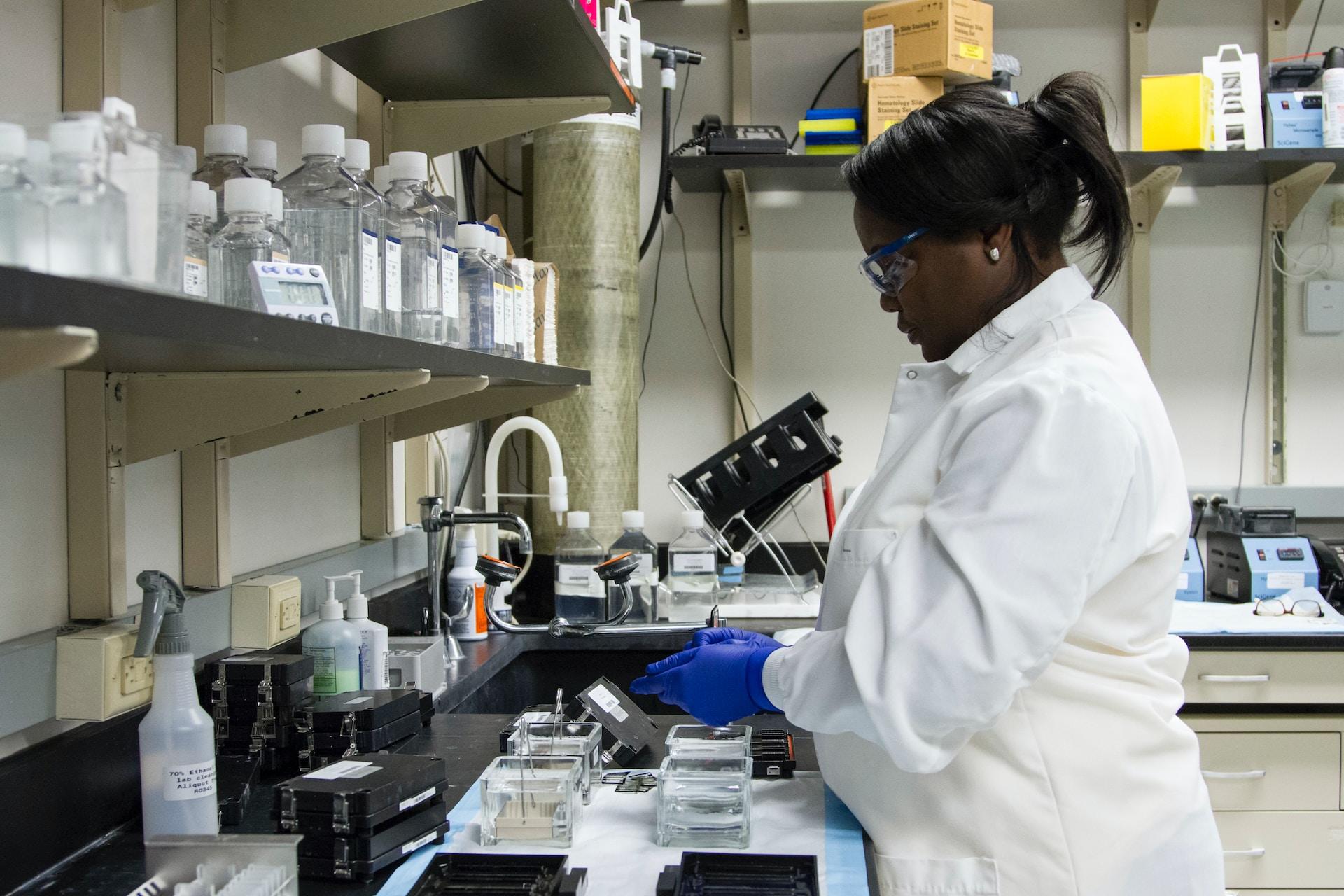
Most opportunities are found in research and development, although immunologists are also employed in regulatory affairs, quality assurance, and science policy. If you enjoy innovation and want to contribute to the development of new medicines, vaccines, and healthcare technologies, a career in biotechnology or pharmaceuticals could be an excellent fit.
Clinical Immunologist
If you enjoy helping people and are interested in healthcare, a career as a clinical immunologist could be the perfect fit. Clinical immunologists diagnose and treat conditions affecting the immune system, including allergies, autoimmune diseases, immunodeficiencies, and some cancers.
Working in hospitals or specialist clinics, they collaborate with doctors and other healthcare professionals to provide expert care and improve patient outcomes.
Epidemiologist
The global coronavirus pandemic highlighted the vital role epidemiologists play in protecting public health. These specialists study how diseases spread, identify risk factors, and help predict and respond to outbreaks.
A background in immunology provides valuable insight into how the immune system interacts with infectious diseases, making it an excellent foundation for this career. Epidemiologists are involved in disease surveillance, data analysis, outbreak investigations, and developing strategies to prevent and control the spread of disease.
Geneticist
If you're fascinated by both genetics and the immune system, a career in immunogenetics could be the perfect fit. Immunogeneticists study how genetic differences influence immune responses, helping researchers better understand autoimmune diseases, inherited immune disorders, and vaccine effectiveness.
In South Africa, researchers at institutions such as the University of Cape Town and Stellenbosch University are advancing immunology research into HIV, tuberculosis, and other infectious diseases, creating exciting opportunities for graduates interested in this field.
Immunogeneticists typically work in universities, research institutes, hospitals, and biotechnology companies, contributing to medical breakthroughs that improve patient care.
Government and Public Health
Government departments and public health organisations rely on immunologists to help protect communities from infectious diseases, improve healthcare policies, and strengthen disease surveillance programmes.
In South Africa, immunologists may work for organisations such as the National Health Laboratory Service (NHLS), the National Institute for Communicable Diseases (NICD), or the National Department of Health, contributing to disease research, outbreak response, laboratory services, public health initiatives, and health policy.
If you're passionate about improving public health on a national scale, a career in the public sector offers the opportunity to make a meaningful impact on communities across South Africa.
Immunologist
If you want to dedicate your career to understanding the immune system, becoming an immunologist is the obvious choice. Immunologists investigate how the body's natural defences protect us from disease and develop new treatments, immunotherapies, and vaccines to improve health outcomes.
Whether working in research laboratories, hospitals, universities, or the biotechnology industry, immunologists are at the forefront of medical discovery, helping to advance our understanding of infectious diseases, autoimmune conditions, allergies, and cancer.
This is a particularly good option if you loved every minute of the biology classes you took on immunology at university.
Immunology Laboratory Technician
As an immunology laboratory technician, you'll play a key role in scientific research and medical testing. Your responsibilities could include preparing and analysing samples, performing laboratory experiments, operating specialised equipment, and supporting research projects or clinical studies that improve our understanding of the immune system.

Laboratory technicians work in research institutes, universities, hospitals, and diagnostic laboratories, supporting scientists and healthcare teams with vital laboratory work. If you enjoy practical, hands-on science and contributing to medical breakthroughs, this could be a rewarding career path after completing your immunology degree.
Molecular Biologist
An immunology degree can also lead to a career in molecular biology, where you'll explore how the immune system functions at a cellular and genetic level. This multidisciplinary field focuses on immune responses, gene regulation, and the molecular mechanisms behind disease.
Molecular biologists work in universities, research institutes, biotechnology companies, and pharmaceutical organisations, helping to develop new diagnostics, treatments, and medical innovations.
Public Health Specialist
An immunology degree can also open the door to a career in public health. Public health specialists monitor disease patterns, investigate outbreaks, support immunisation programmes, and develop strategies to prevent the spread of infectious diseases.
If you're passionate about improving community health and shaping public health initiatives, this career offers the opportunity to make a lasting impact both locally and nationally.
Research Scientist
Many immunology graduates choose careers in research, where they investigate the immune system and develop new ways to prevent, diagnose, and treat disease.
If you're naturally curious and enjoy solving complex scientific challenges, a career in research offers the opportunity to make discoveries that can improve lives around the world.
Who knows, your dedication and hard work could lead you to become one of the most important immunologists.
Get Help Studying Immunology
An immunology degree opens the door to an exceptionally diverse range of career opportunities because the immune system plays a vital role in almost every aspect of human health. From groundbreaking medical research and vaccine development to clinical care, biotechnology, public health, and academia, immunologists are helping to tackle some of the world's greatest health challenges. Whether your passion lies in scientific discovery, improving patient outcomes, or shaping the future of medicine, careers in immunology offer the chance to make a meaningful difference while working at the forefront of innovation.

Immune systems are often described as a single entity, but they're a network of many different systems working together. This, of course, can make the subject of immunology a very difficult one to study.
Ready to succeed in your immunology degree? Find an experienced biology or immunology tutor on Superprof for personalised support, biology classes online, exam preparation, and one-to-one guidance to help you reach your full potential.
Summarise with AI:
Enjoyed this article? Leave a rating!

 Loading...