
Immunology, the study of the immune system, has been shaped by discoveries that revolutionised medicine and public health. From Louis Pasteur's discovery of germ theory to the first vaccine by Edward Jenner and the discovery of the tuberculosis bacterium by Robert Koch, many famous immunologists in the world have laid the foundations of vaccination, blood transfusion, antimicrobial therapy, and our understanding of immunity.


Early Pioneers in Immunology
The foundations of immunology were laid by researchers whose discoveries transformed medicine and public health. These scientists, many of them among the most famous immunologists in the world, developed the first vaccines, uncovered the principles of germ theory and set the stage for modern approaches to infectious disease prevention. Their work continues to influence science and healthcare today!
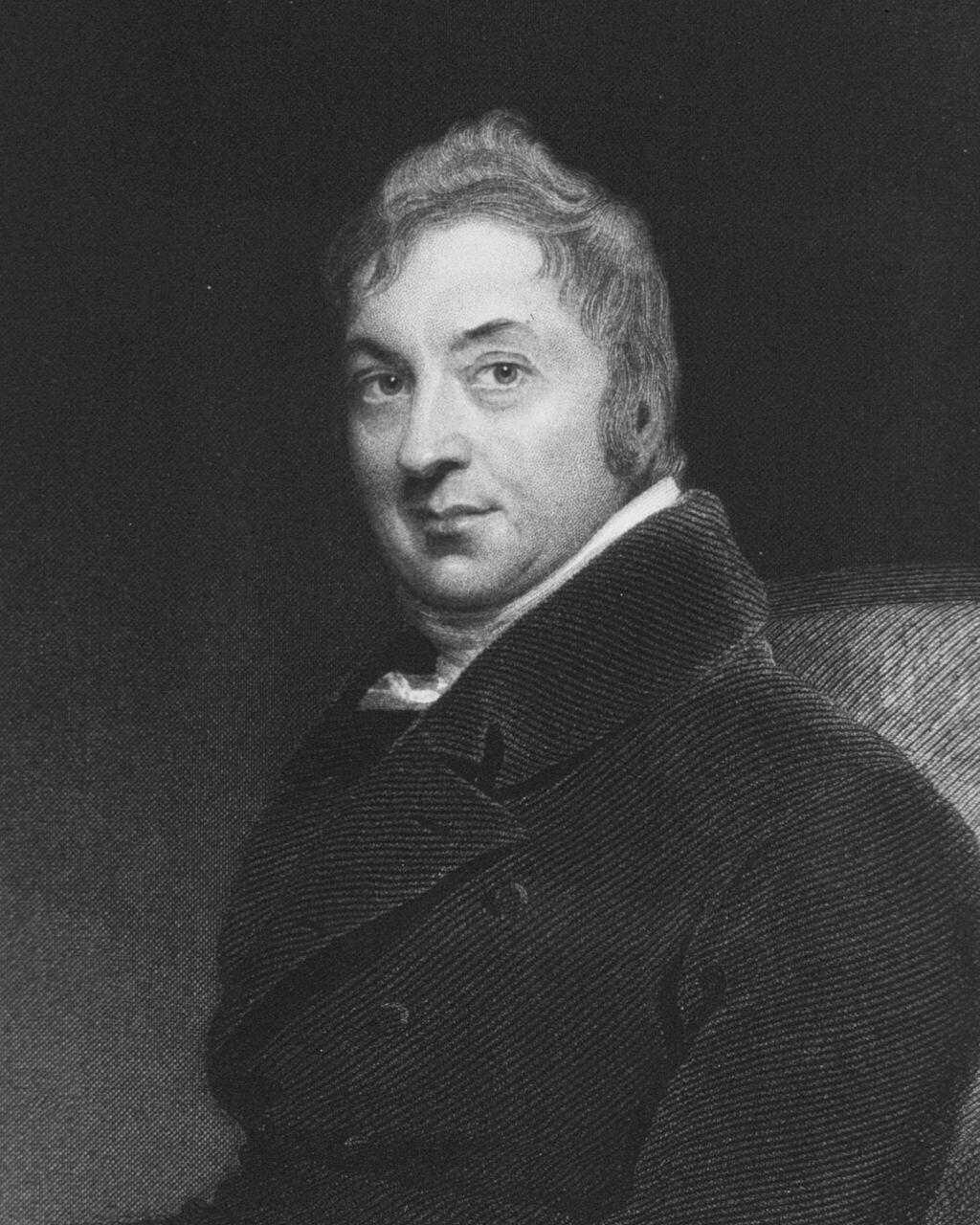
Edward Jenner, one of the most famous immunologists in the world, developed the first vaccine for smallpox in 1796, a breakthrough that changed the course of medicine. That was 229 years ago from today, in 2025.
Edward Jenner (1749-1823)
Achievements
- Developed the first vaccine (smallpox).
- Laid the foundation of vaccination as a medical practice.
- Proved immunity could be safely induced using cowpox.
Contributions to Immunology
- Inspired the development of all future vaccines.
- Known as the “Father of Immunology.”
His work led to the eventual eradication of smallpox in 1980. Edward Jenner didn't just invent any vaccine, he invented the first ever vaccine, proving the effect that vaccination can have, a concept that didn't exist beforehand.
The World Health Organisation declared smallpox eradicated in 1980, making it the first and only human disease completely wiped out by vaccination.
The vaccine that Jenner developed was for smallpox. Before vaccination, there were methods of immunising people against the disease, but these involved taking material from someone already ill with smallpox and giving small amounts to someone else, resulting in a lighter, survivable infection. This was done by putting smallpox scabs or pus into scratches on the patient's skin. Since the infection was on the skin, this usually resulted in a localised infection that produced immunity rather than catching smallpox through the air. Jenner was actually subject to this procedure, which was known as variolation. Considering this, it is no wonder he is known as the "Father of Immunology".
Jenner discovered that being infected with cowpox would result in immunity against smallpox. He tested his ideas on his gardener's eight-year-old son. While this approach is highly unlikely to ever be allowed nowadays, he was able to prove that the boy had gained immunity against smallpox. This boy wasn't the only subject in his research, and Jenner even tested his hypothesis on several other subjects, including his own son, who wasn't even a year old at the time! Naturally, no other vaccine would have been possible without his work.
Jenner's first experiments into vaccination were towards the end of the 18th century, and it's thanks to his work that smallpox no longer exists. While there are some samples in labs around the world, the World Health Organisation declared it eradicated in 1980 following a number of health measures and vaccine programs. With so much research going into infectious diseases, vaccines, cancer, clinical studies, and so many other interesting fields of immunology, there are important discoveries being made all the time, and there will soon be even more immunologists worthy of inclusion on our list, which isn't even a full list of the most famous immunologists in the world!
There are lots of reasons to study immunology, but making life-saving discoveries is arguably one of the best!
Louis Pasteur (1822-1895)
Achievements
- Created vaccines for rabies and anthrax.
- Invented pasteurization to kill harmful microbes in food and drinks.
- Advanced techniques for sterilisation in surgery.
Contributions to Immunology
- Provided crucial evidence for the germ theory of disease.
- Helped disprove spontaneous generation.
- Revolutionised microbiology and preventive medicine.
Louis Pasteur was a French scientist famous for many things, including the process of pasteurisation (which is derived from his name), which involves heating liquids like milk, wine, or beer to kill dangerous microorganisms without causing too much damage to the product itself. He also developed vaccines for diseases like anthrax and rabies, and the latter was arguably a huge breakthrough in the field.
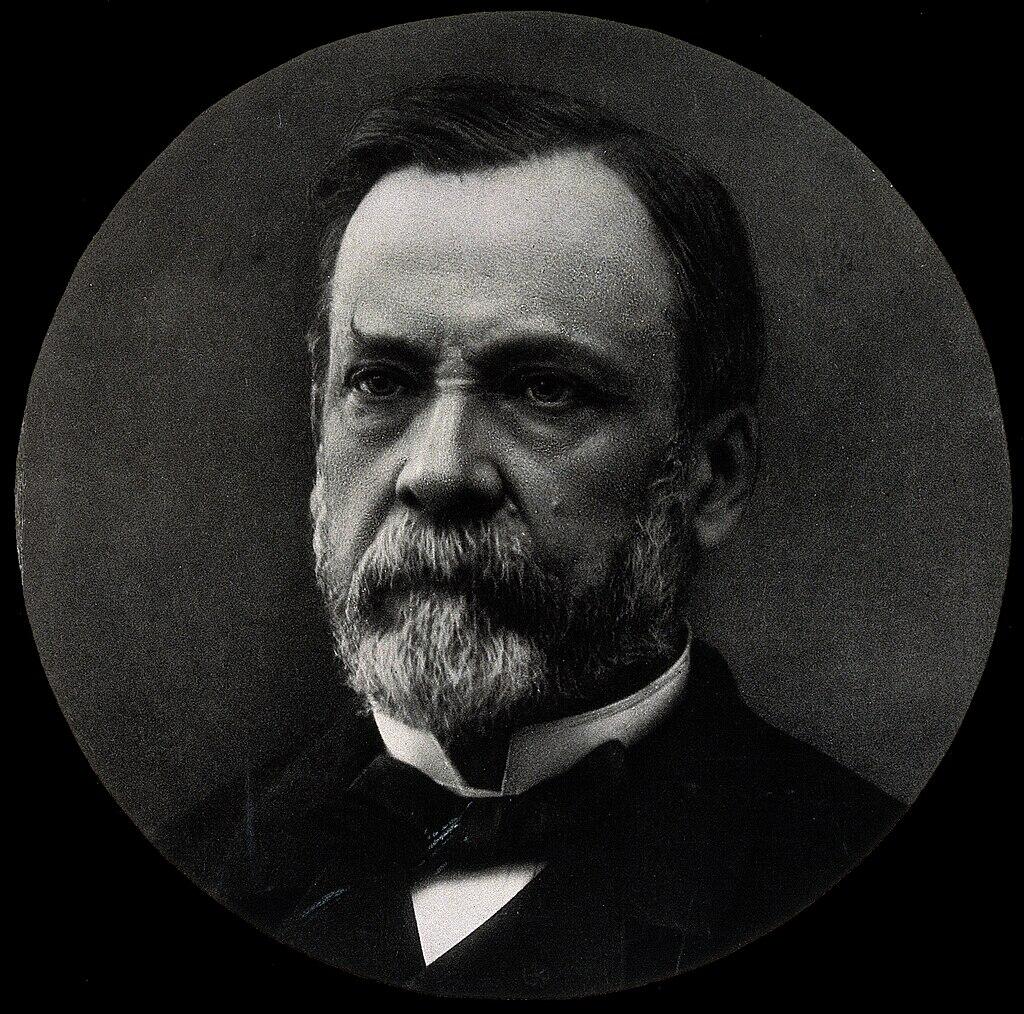
In medicine, Pasteur was instrumental in improving surgical practices through sterilisation. His discoveries in microbiology changed how we viewed medicine. He was also hugely important in promoting and proving the germ theory of disease. While the theory predates Pasteur, it wasn't widely accepted. His work helped disprove the theory of spontaneous generation, the idea that certain kinds of life would emerge from non-living material, which was used to explain various phenomena like maggots in dead flesh.
That said, many other pioneers made Pasteur's work possible, and several other scientists also worked to disprove spontaneous generation and prove the existence of microorganisms, which greatly changed our understanding of infectious diseases. Interestingly, Louis Pasteur wasn't particularly scientific as a child, preferred the arts, and studied philosophy before moving into science and mathematics.
Immerse yourself in the fascinating world of immunology through a human biology class to learn more about the vaccines these famous immunologists invented!
Albert Calmette (1863-1933)
Achievements
- Co-developed the BCG vaccine for tuberculosis.
- Created the first effective antivenom (Calmette’s serum).
Contributions to Immunology
- Introduced lifesaving antivenom treatments.
- Advanced vaccine development against infectious diseases.
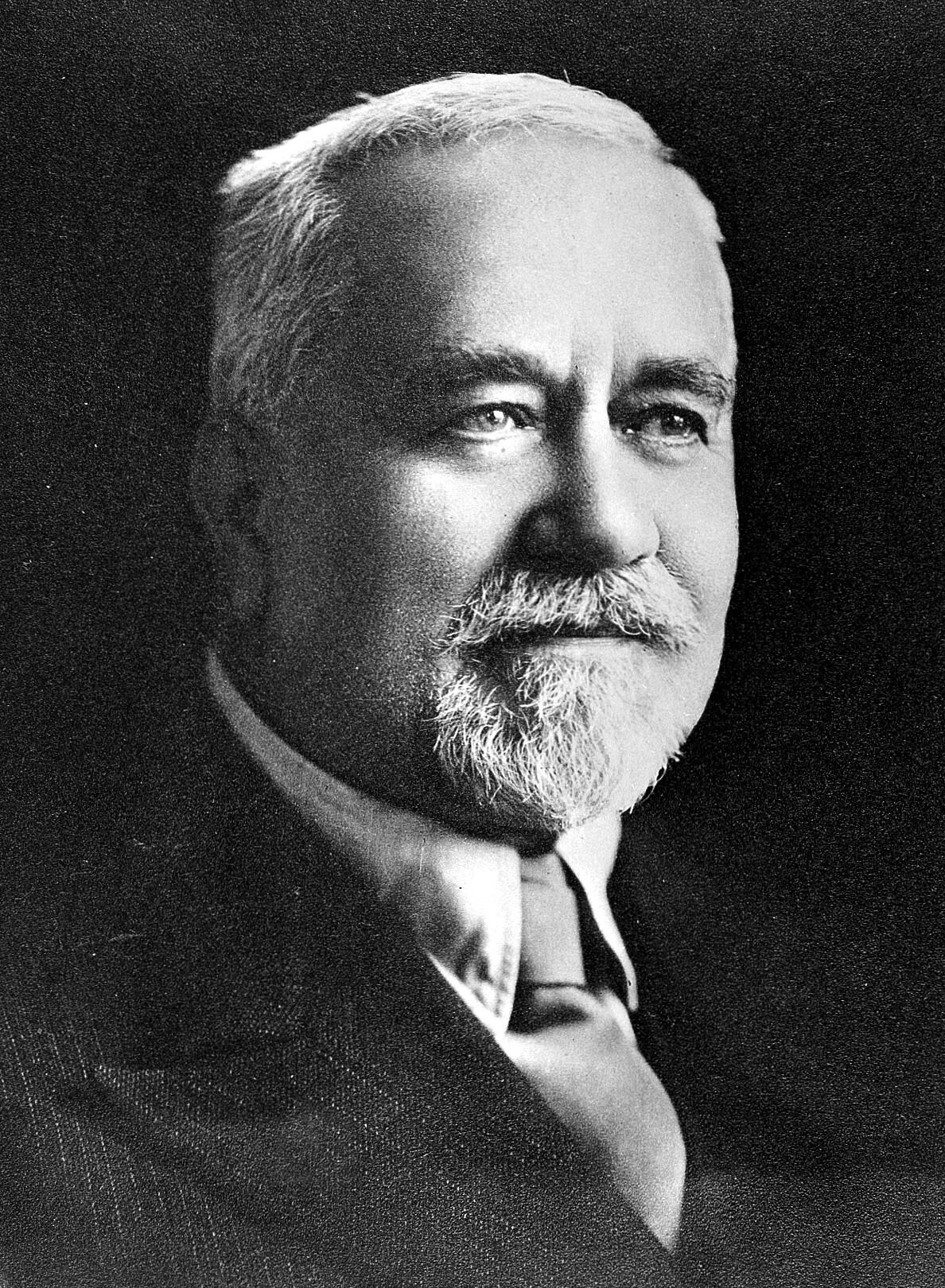
Albert Calmette was a French immunologist and researcher best known for developing the first vaccine for tuberculosis. The vaccine is known as BCG, or the Bacillus Calmette-Guérin vaccine. This vaccine is still used today, and Calmette also developed the first antivenom known as Calmette's serum.

Camille Guérin (1872-1961)
Achievements
- Co-developed the BCG vaccine for tuberculosis.
- Demonstrated immunity using Mycobacterium bovis.
Contributions to Immunology
- Contributed to preventing tuberculosis worldwide.
- Helped establish vaccination as a global public health strategy.
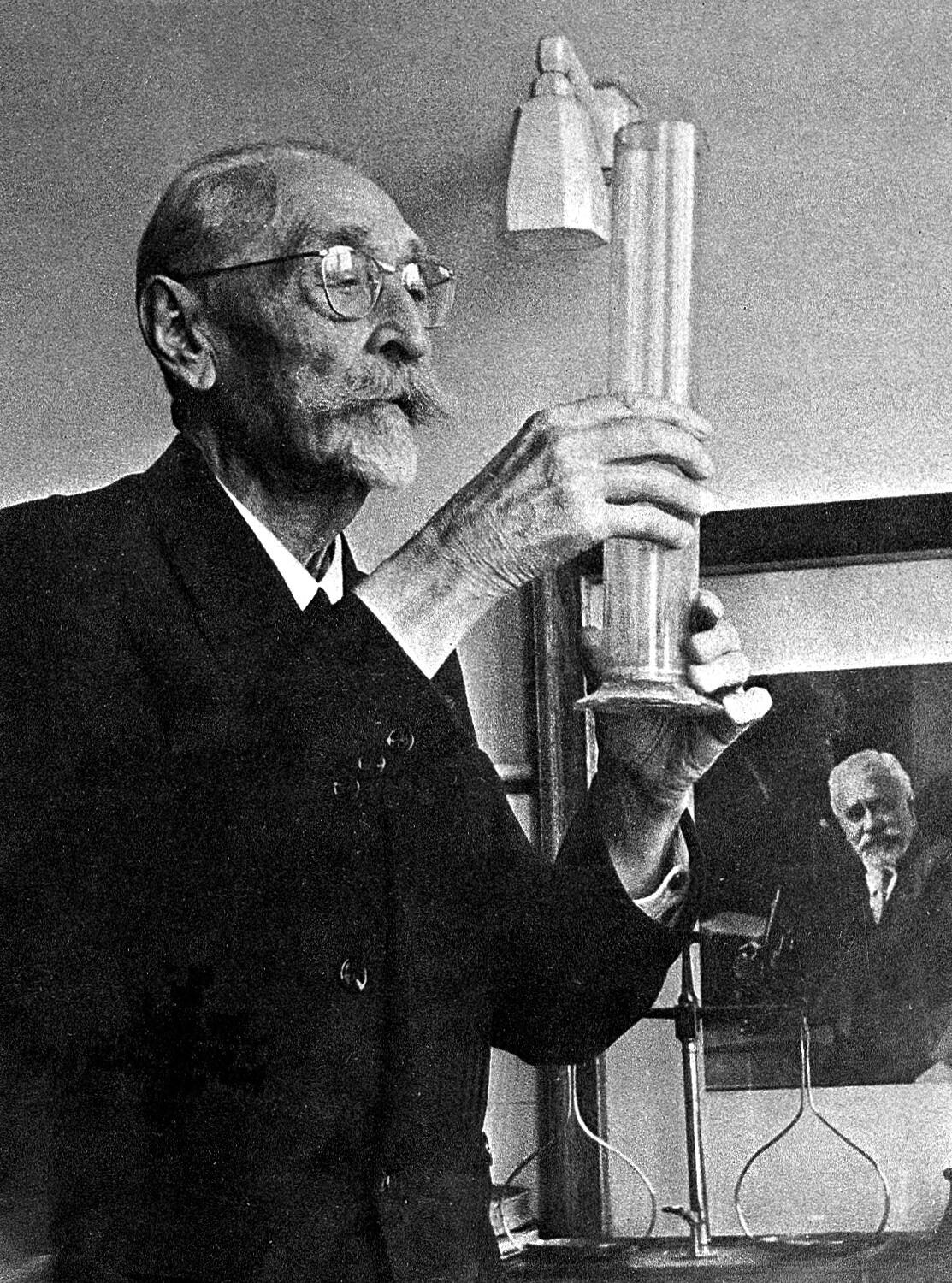
Camille Guérin, another French scientist and researcher, was the other half of the immunologist team behind the BCG vaccine. Both his father and wife died of tuberculosis, and he actually studied as a veterinarian. Guérin discovered that Mycobacterium bovis, the bacterium responsible for tuberculosis in cattle (or bovine TB), could provide immunity without causing the disease. This discovery would be responsible for starting the research that would ultimately lead to the vaccine we still use today.
Not interested in researching vaccines? Don't worry, there are plenty of jobs in immunology, to spark your interest!
Nobel Laureates in Immunology
As the 19th century gave way to the 20th, immunology matured into a recognised scientific discipline. Many groundbreaking discoveries during this period were honoured with Nobel Prizes, highlighting the importance of research on antibodies, blood groups, and immune responses. These immunology scientists expanded the field far beyond its beginnings in vaccination.
Immunologists have received over a dozen Nobel Prizes for groundbreaking discoveries.
These include the first Nobel Prize in Medicine (1901) awarded to Emil von Behring.
Their work continues to shape therapies against infectious diseases, cancer and autoimmune disorders.
Élie Metchnikoff (1845-1916)
Achievements
- Discovered phagocytes (“cell-eating” immune cells).
- Awarded the Nobel Prize in 1908.
Contributions to Immunology
- Founded the concept of cellular immunity.
- Provided key insight into innate immune defense.
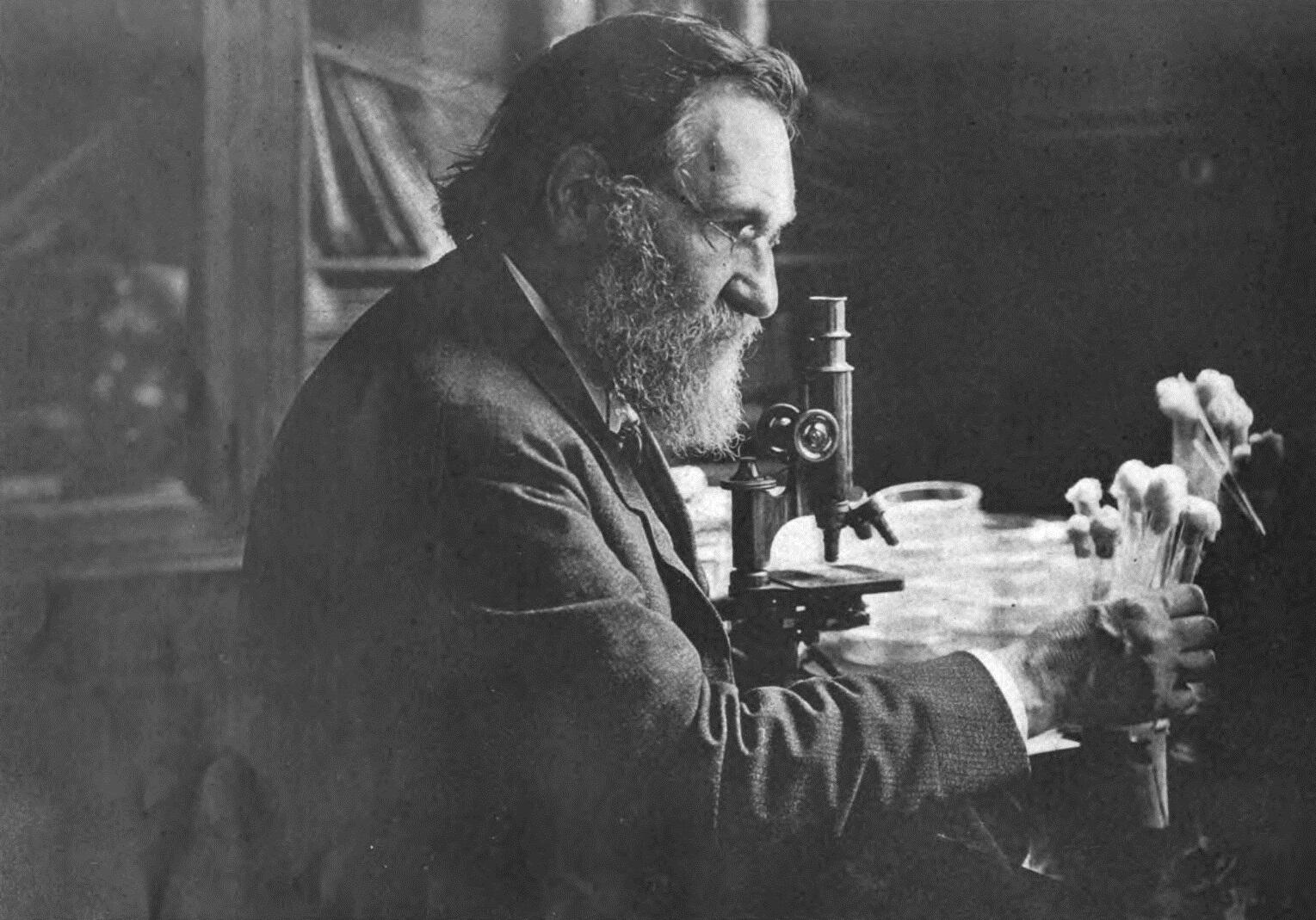
Élie Metchnikoff is one of the famous immunologists in the world through his discovery of discovery of phagocytes, the immune cells that destroy pathogens by basically surrounding and “eating” them.
The term phagocyte basically comes from the Greek and roughly translates as “cell-eater”. Metchnikoff was awarded the Nobel Prize in Physiology or Biology in 1908 for his work. Metchnikoff led a fascinating and turbulent life. He worked in various academic establishments around Europe, lost two wives to tuberculosis and typhoid, and attempted suicide twice, but he'll obviously be remembered for his discovery of a particular kind of immune cell. His incredible work laid the foundation for the complex and fascinating subject of immunology.
Emil von Behring (1854-1917)
Achievements
- Developed the first diphtheria antitoxin.
- Received the first Nobel Prize in Medicine (1901).
Contributions to Immunology
- Pioneered passive immunity treatments.
- Introduced serum therapy.
Emil von Behring was a German immunology scientist famous for his work developing the first-ever effective serum therapy for diphtheria.
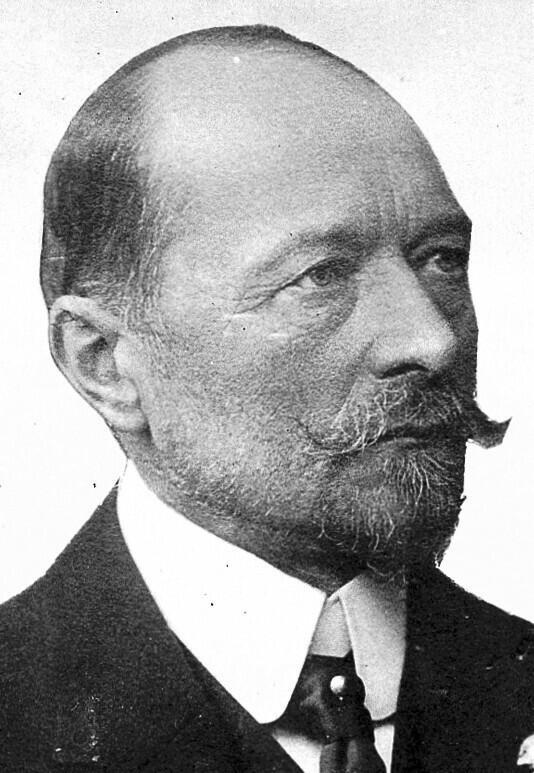
He used a serum from immunised animals with protective antibodies to successfully protect against the disease. He was awarded the first-ever Nobel Prize in Physiology or Medicine in 1901, but it's believed that Paul Ehrlich should have had at least some recognition and maybe even the Nobel Prize.
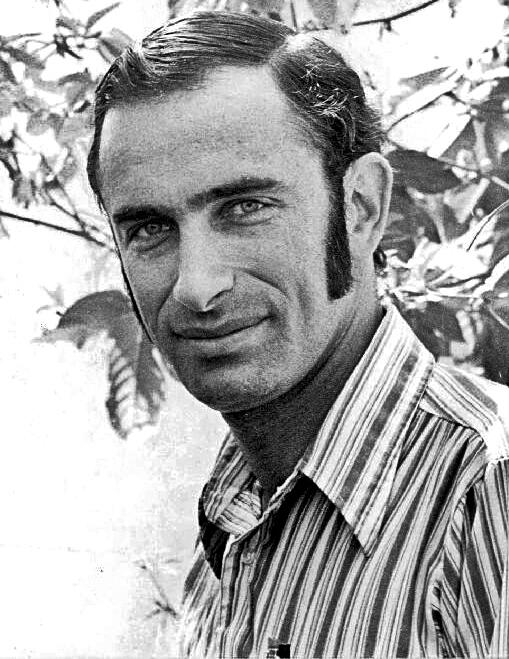
Paul Ehrlich (1854-1915)
Achievements
- Developed a cure for syphilis.
- Pioneered the concept of chemotherapy.
- Shared the Nobel Prize in 1908.
Contributions to Immunology
Advanced understanding of antibodies and immunity.
Proposed “horror autotoxicus” (self vs. non-self distinction).
Paul Ehrlich was another German immunologist whose most famous achievements include the discovery of a cure for syphilis and pioneering the concept of chemotherapy, the treatment regularly used for cancer.
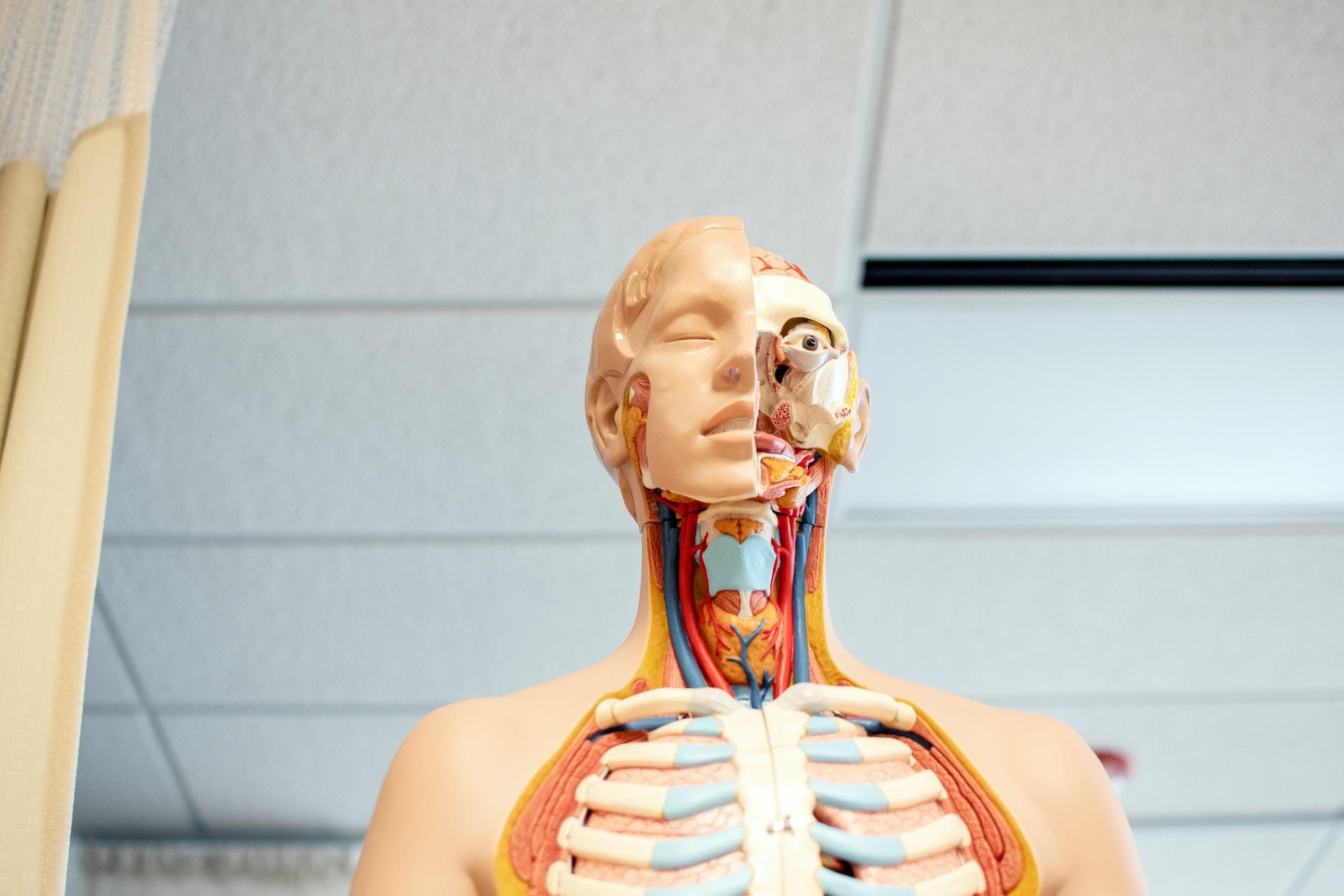
His proposed concept of "horror autotoxicus" explained how the body can distinguish between the self and the non-self, a foundational insight in understanding the immune system as we do today. After all, the body needs to know which cells are a threat, which belong there, which are harmless, and which warrant an immune response. Ehrlich would win the Nobel Prize in Physiology or Medicine in 1908, and he's easily one of the most important immunologists in history.
Karl Landsteiner (1868-1943)
Achievements
- Discovered human blood groups (ABO system).
- Awarded the Nobel Prize in 1930.
Contributions to Immunology
- Made blood transfusions safe and possible.
- Laid the foundation for hematology and transplant medicine.
Karl Landsteiner was an immunology scientist famous for his research into blood groups. Originally from Austria, he left the country after World War I, moving to the Netherlands and eventually settling in the US.
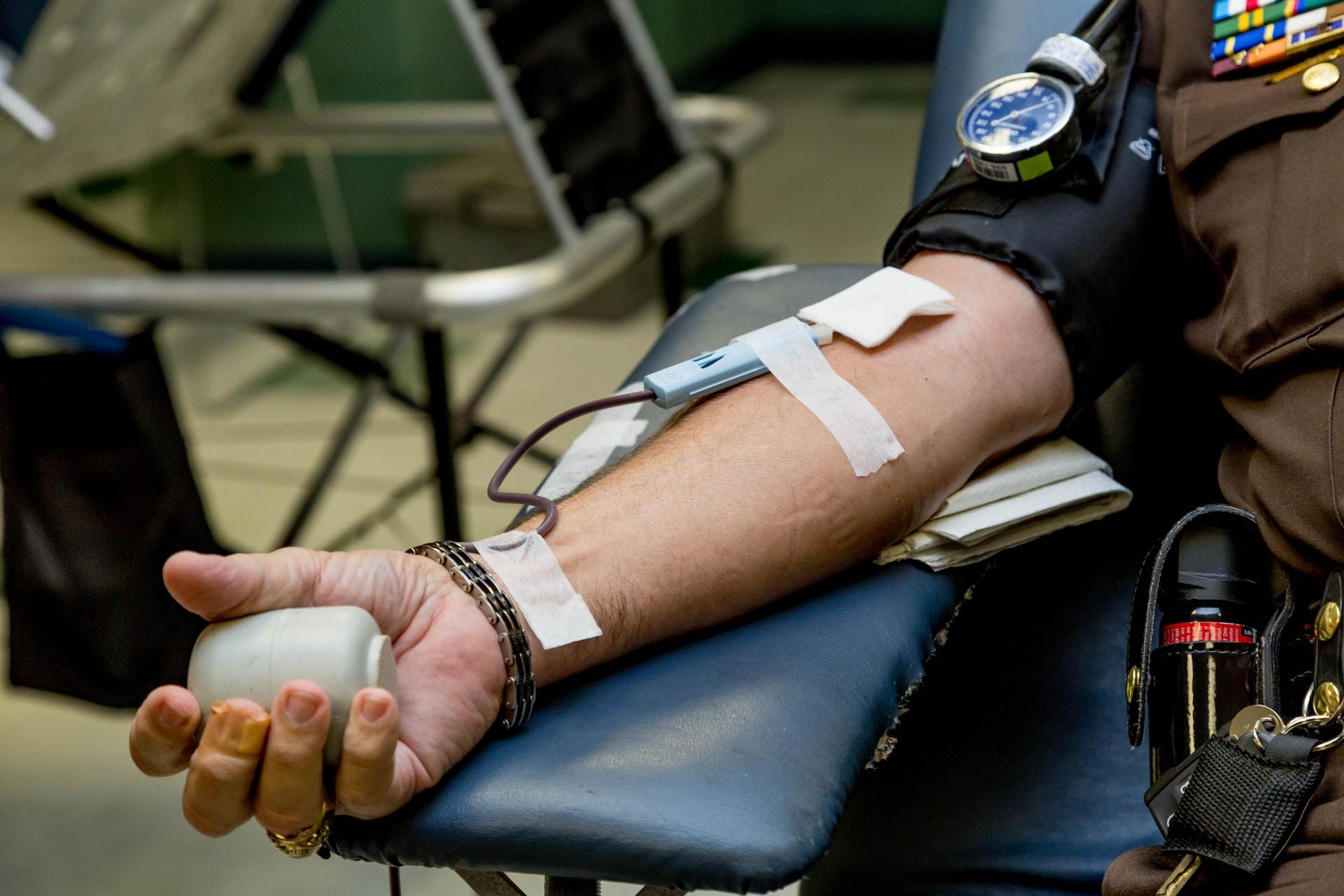
In 1900, he initially identified three blood groups, and his research led to the first successful blood transfusion in New York in 1907. It wasn't until 1930 that he was awarded the Nobel Prize in Physiology or Medicine after returning to his earlier work on blood types in the late 1920s. It's thanks to Landsteiner's work that blood transfusion and blood donation can take place today.
Jules Bordet (1870-1961)
Achievements
- Identified the complement system.
- Awarded the Nobel Prize in 1919.
- Developed the complement-fixation test.
Contributions to Immunology
- Advanced diagnostics for syphilis and other diseases.
- Expanded understanding of immune protein networks.
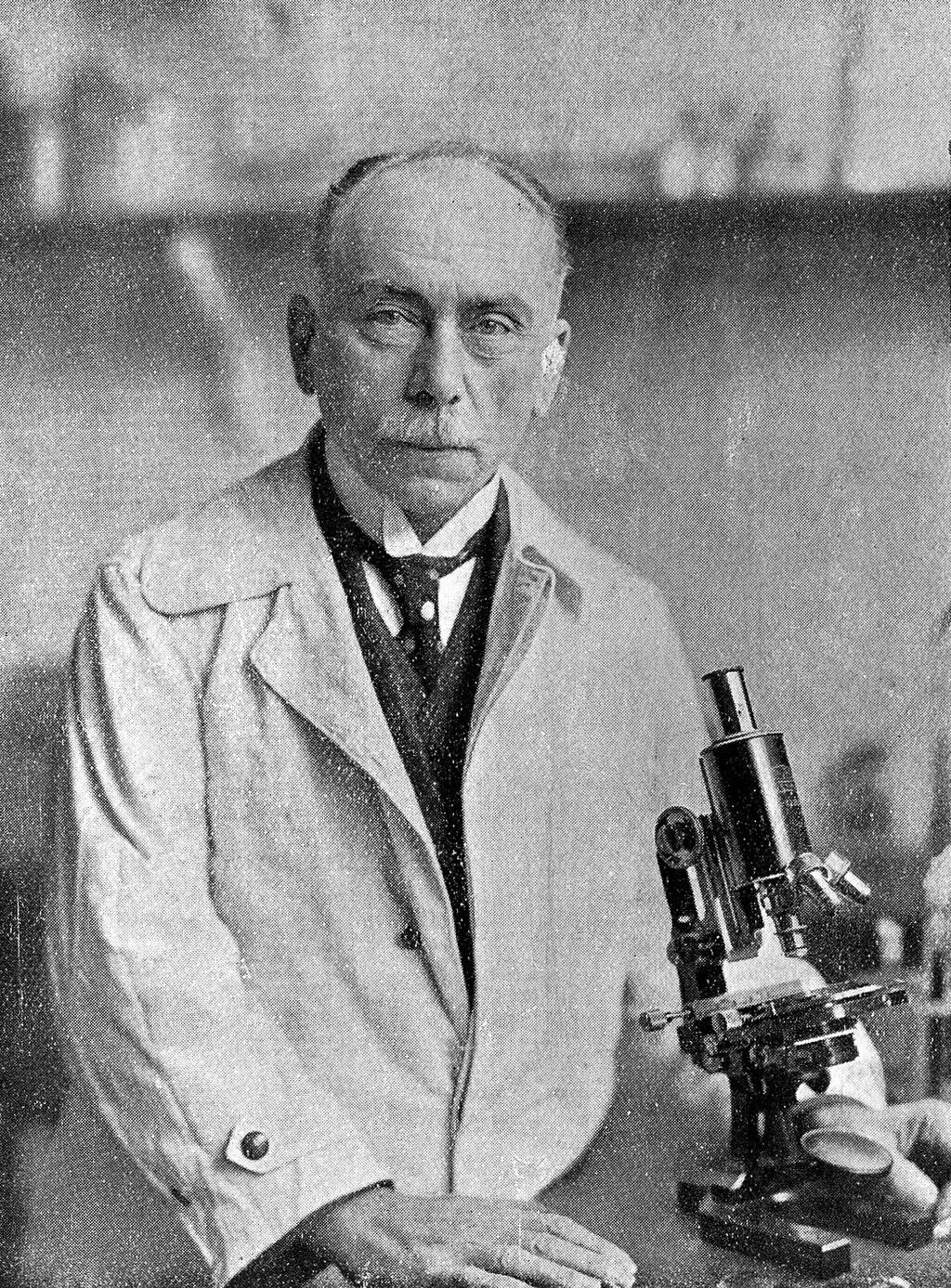
Jules Jean Baptiste Vincent Bordet was a Belgian immunology scientist whose most famous work involved identifying the complement system, which is a group of proteins whose presence improves immune response. Like many of the immunologists on our list, he was also awarded the Nobel Prize in Physiology or Medicine for his discoveries. His work also led to the development of the complement-fixation test, which was used to test for syphilis and now is used for testing for many other diseases.
Max Theiler (1899-1972)
Achievements
- Developed the yellow fever vaccine.
- Awarded the Nobel Prize in 1951.
Contributions to Immunology
- Revolutionised control of mosquito-borne viral diseases.
- First Nobel laureate born in Africa.
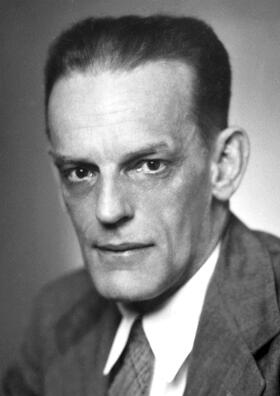
Max Theiler was an immunologist from Pretoria, South Africa, who developed a vaccine for yellow fever, one of the diseases that are passed on through mosquitoes.
Throughout his career, he studied and worked at some of the best academic institutions for immunology in the world including King's College London, Harvard University, and the Rockefeller Foundation, where he was the director of the Virus Laboratory. His yellow fever vaccine would earn him the Nobel Prize in Physiology or Medicine in 1951 and make him the first person born in Africa to become a Nobel laureate.
Niels K. Jerne (1911-1994)
Achievements
- Developed the natural selection theory of immunology.
- Proposed the antibody network theory.
- Awarded the Nobel Prize in 1984.
Contributions to Immunology
- Explained antibody diversity and immune regulation.
- Provided models for modern immunological research.
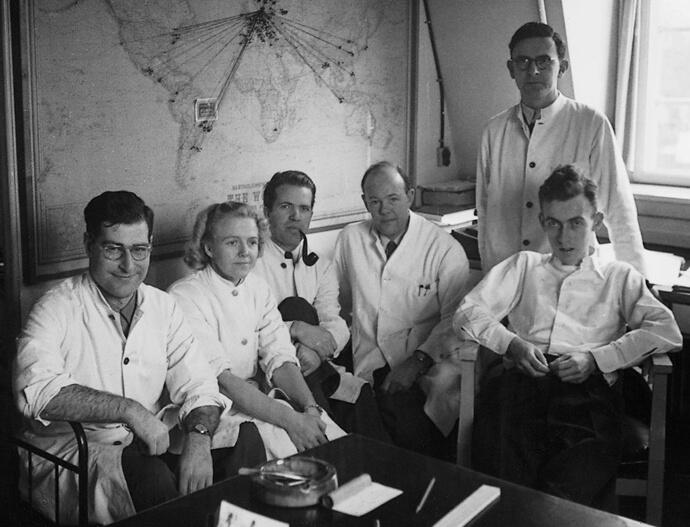
Niels Kaj Jerne was a Danish immunologist who also won the Nobel Prize in Physiology or Medicine for his discoveries. His Nobel Prize in 1984 was for his contributions and theories on how the immune system responds to foreign substances. He developed the "natural selection theory of immunology", which had been proposed half a century earlier. This theory explains the diversity of antibodies in the immune system and suggests that it could respond to an almost infinite number of foreign antigens by combining and modifying antibodies. The production of said antibodies was proposed to be through an interconnected network of interactions.
James P. Allison (1948-Présent)
Achievements
- Discovered the immune checkpoint protein CTLA-4.
- Developed checkpoint blockade therapy.
- Awarded the Nobel Prize in 2018 (shared with Tasuku Honjo).
Contributions to Immunology
- Opened the field of cancer immunotherapy.
- Provided life-saving treatments for advanced cancers.
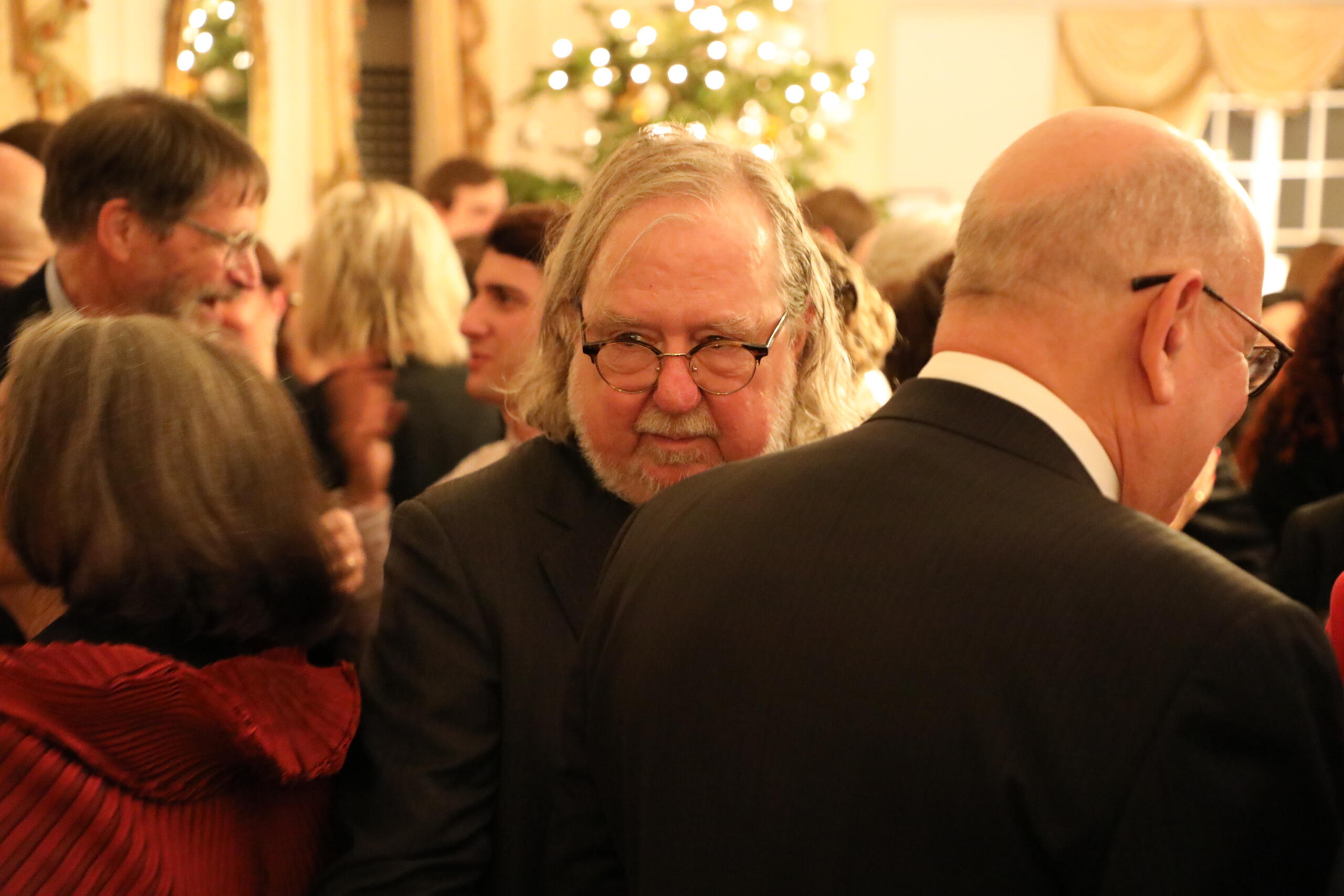
James P. Allison is an American immunologist whose work revolutionised cancer treatment. He discovered that the protein CTLA-4 acts as an immune checkpoint, essentially putting the brakes on T cells and preventing them from attacking tumours.
By developing antibodies that block CTLA-4, Allison demonstrated that it was possible to “release the brakes” and allow the immune system to destroy cancer cells.
This approach, known as immune checkpoint therapy, became a breakthrough in oncology and has saved the lives of patients with advanced cancers that were once untreatable. For this discovery, Allison was awarded the Nobel Prize in Physiology or Medicine in 2018, shared with Tasuku Honjo. His work opened an entirely new field of cancer immunotherapy.
Contemporary Leaders in Immunology
In the late 20th century and into the present day, immunology scientists have pushed the boundaries of what is known about the immune system. Their discoveries revealed how immune cells recognise pathogens, how complex networks of antibodies operate, and how vaccines can continue to protect against deadly diseases. This modern era connects laboratory breakthroughs with clinical impact on a global scale.
Tadamitsu Kishimoto (1939-Présent)
Achievements
- Discovered and defined interleukin-6 (IL-6).
- Pioneered IL-6–targeted therapies.
Contributions to Immunology
- Clarified the role of IL-6 in B cell activation and plasma cell development.
- Led to therapies for rheumatoid arthritis and cytokine release syndrome.
Tadamitsu Kishimoto, one of today's famous immunologists in the world, is a Japanese immunology scientist recognised for discovering and defining interleukin-6 (IL-6), a cytokine that regulates immune responses, inflammation, and blood cell production.
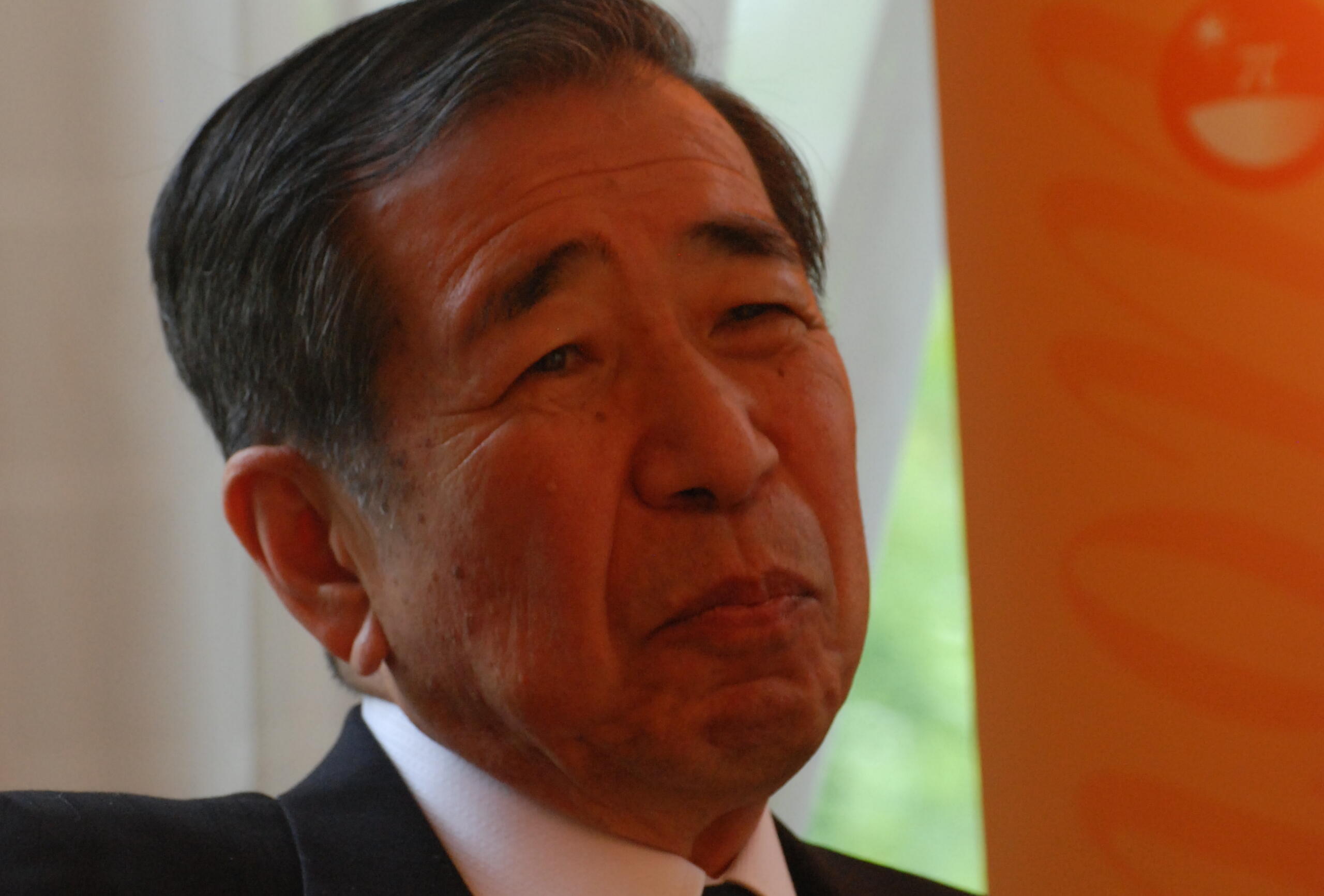
His studies showed that IL-6 drives B cells to mature into plasma cells, linking it to both protective immunity and autoimmune disorders. This research led to the development of therapies that block IL-6 signaling, such as tocilizumab, which are now used to treat rheumatoid arthritis, juvenile idiopathic arthritis, and cytokine release syndrome. Kishimoto’s work established IL-6 as both a key biological regulator and a target for modern medicine.
Join our biology classes online to learn more!
Peter C. Doherty (1940-Présent)
Achievements
- Discovered how T cells recognise virus-infected cells.
- Awarded the Nobel Prize in 1996 (with Rolf Zinkernagel).
Contributions to Immunology
- Advanced understanding of adaptive immunity.
- Provided insights into viral infection and immune defense.
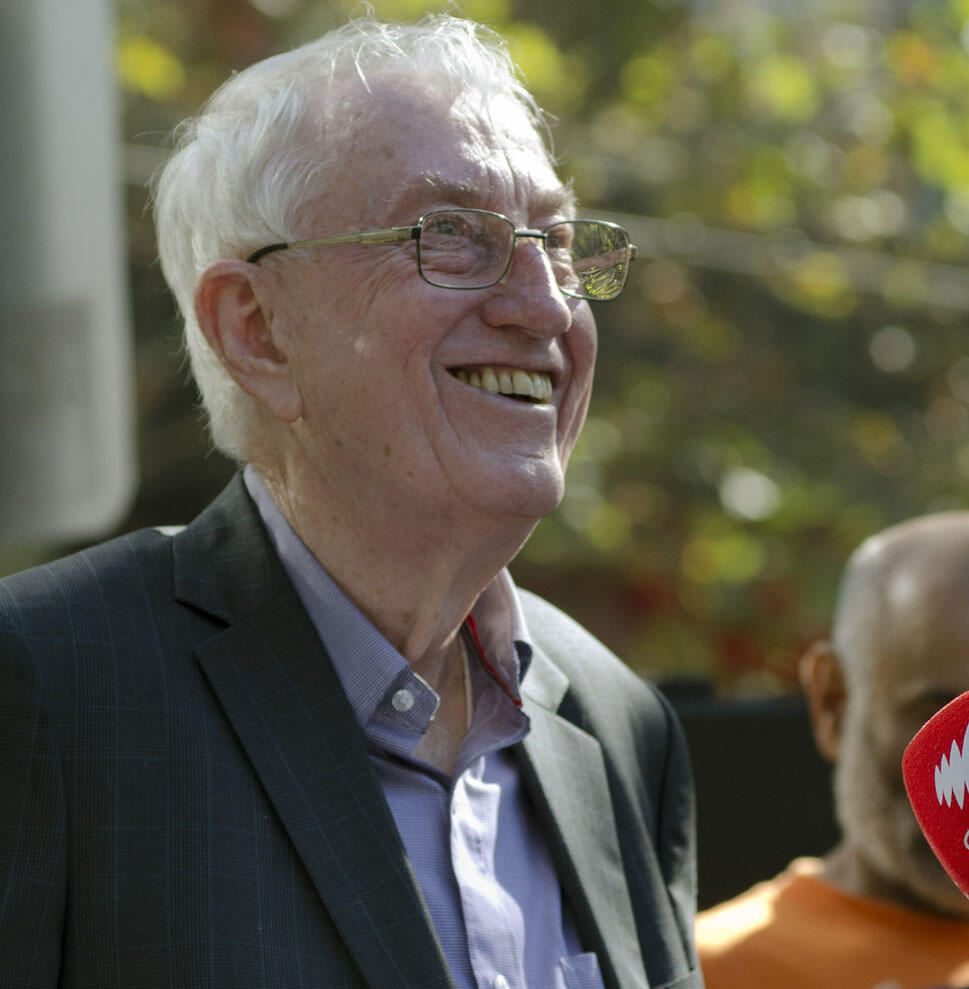
Peter C. Doherty is an Australian immunologist from Brisbane, Queensland. His research has focused on the immune system. Doherty won the Nobel Prize in Physiology or Medicine in 1996 for his work on how immune cells recognise virus-infected cells to protect against infection.
This was shared with the Swiss immunologist Rolf Martin Zinkernagel, who also worked with Doherty on said discovery. In addition to the Nobel Prize, he is a highly rewarded individual in his native Australia, holding many Australian titles and accolades for his contributions to science.
Akiko Iwasaki (1970-Présent)
Achievements
- Pioneered research in mucosal immunity.
- Clarified immune responses to viral infections.
- Investigated immune mechanisms in long COVID.
Contributions to Immunology
- Advanced strategies for vaccine design.
- Provided critical insights into COVID-19 immune responses.
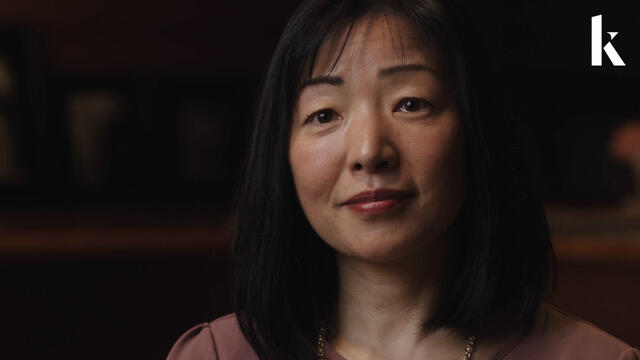
Akiko Iwasaki is a Japanese-American immunology scientist whose research has greatly advanced the understanding of how the immune system responds to viral infections.
She is best known for her work on mucosal immunity, demonstrating how the body’s first lines of defence in tissues like the respiratory tract protect against invading viruses. During the COVID-19 pandemic, Iwasaki became a leading voice in explaining how SARS-CoV-2 interacts with the immune system.
Her studies clarified the role of innate and adaptive immunity in COVID-19, including how sex differences, age, and prior immunity affect disease outcomes. She also investigated long COVID, identifying immune system disruptions that may contribute to prolonged symptoms. Iwasaki’s work continues to shape strategies for vaccines and therapies, ensuring that immune research directly informs responses to emerging viral threats. Who is your favourite immunology scientist?
Summarise with AI:
Enjoyed this article? Leave a rating!

 Loading...