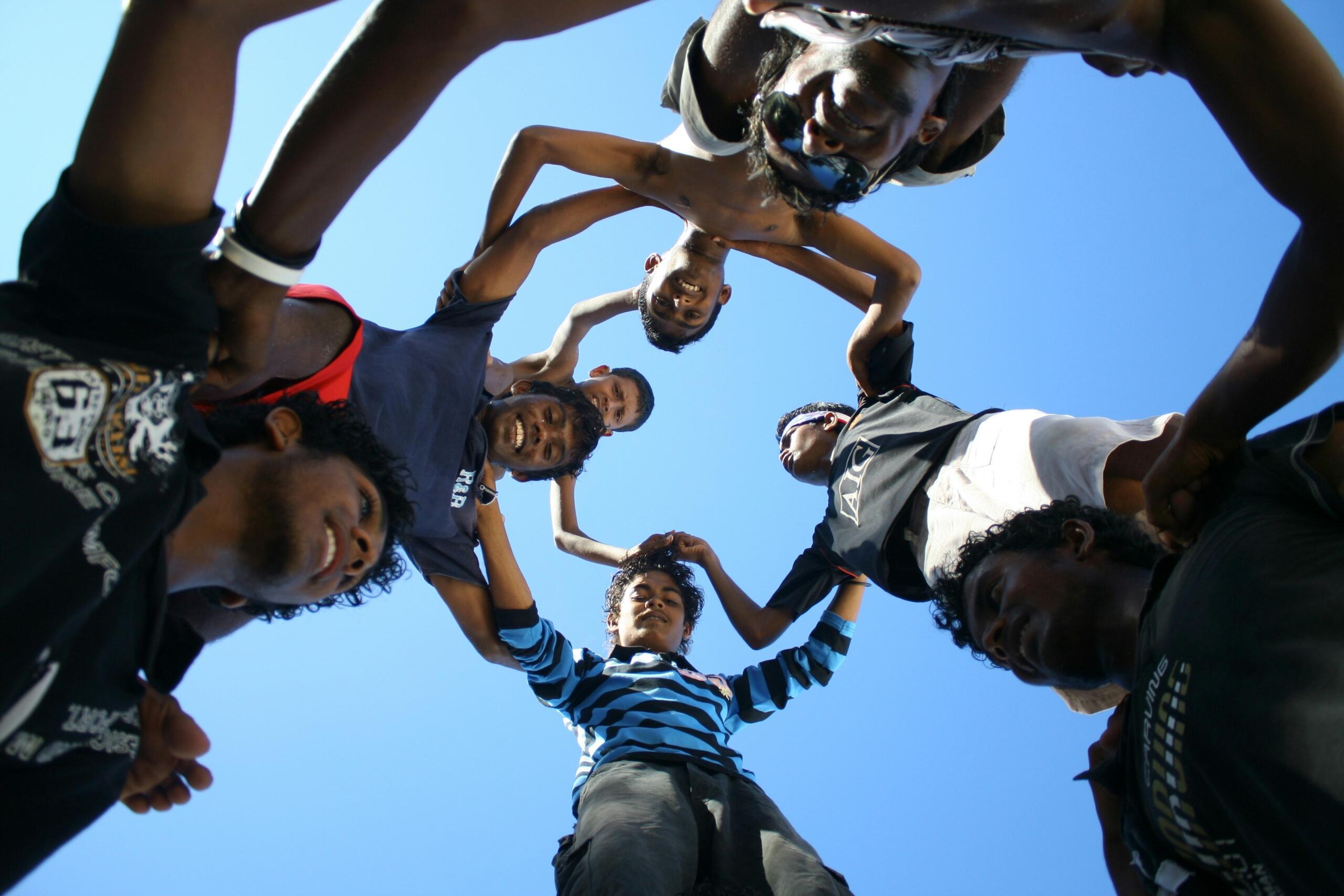

Every year on 16 June, South Africans stop to reflect and remember one of their most significant days in history. Youth Day is a day that carries profound meaning, particularly for those of us who have studied the country’s history or walked the streets of Soweto and other townships. While it is a time to consider both the sacrifices of the past and the responsibilities of the present, what is Youth Day really about?
Ultimately, it is far more than a public holiday.


The Historical Background
When we think about Youth Day South Africa, our minds inevitably turn to 1976.
This was the year when thousands of high school students rose up in protest against the compulsory use of Afrikaans as a medium of instruction in schools. The policy, imposed by the apartheid government, was widely seen as an attempt to limit educational opportunities for black South Africans and to enforce cultural control. For many students, it became clear that their education was not just about learning subjects, but about asserting their right to equality and dignity.
The streets of Soweto were alive with thousands of students who decided that silence was no longer an option. They marched peacefully to voice their objections about the apartheid education requirements.
Sadly, what began as a peaceful protest turned tragic when police opened fire, resulting in the deaths of many, including a 12-year-old boy named Hector Pieterson. His image, carried by Mbuyisa Makhubo and photographed by Sam Nzima, became an enduring symbol of the struggle for freedom. This tragic moment is an anchor for Youth Day history and reminds us of the personal cost of standing up for justice.
Key Figures of Youth Day in South Africa
When reflecting on Youth Day, Hector Pieterson is a name you will often encounter. His death was devastating, yet it sparked national and international attention that galvanised resistance against apartheid policies.
But the story does not end with him. Countless student leaders, many barely teenagers, organised marches, meetings, and discussions that challenged the status quo. These young leaders showed remarkable courage, reminding us that age does not limit the impact one can have on society.
The pictures of Hector Pieterson reminded the world that apartheid was a crime against humanity.
Sam Nzima, photographer of the iconic Hector Pieterson image
Visiting cultural sites such as the Hector Pieterson Museum in Soweto can make the history tangible. When we walk through the museum’s exhibitions and see photographs, personal stories, and artefacts that bring the events of 1976 to life will understand that Youth Day is rooted not only in grief but in determination.
It shows us that with unwavering belief change is possible when people refuse to be silenced.
The Broader Impact of Youth Day (in South Africa)
The protests of June 1976 were pivotal. They accelerated the fight against apartheid and drew international attention to the injustices within South African society. When you explore Youth Day history, it becomes clear that these student-led movements are connected to wider efforts for freedom. These included the anti-apartheid campaigns led by adults and community organisations. T
Today, the question around what Youth Day represents has evolved. While it commemorates the past, it also celebrates youth empowerment and encourages active participation in building a fairer society. Schools, universities, and community centres often host workshops, discussions, and cultural events that inspire young people to think critically about their roles in shaping South Africa’s future. By engaging with these programmes, it is clear to see that the spirit of 1976 continues to influence society.
Commemorations Across the Country
When you attend Youth Day South Africa commemorations, we typically experience both an atmosphere of solemnity and celebration.
You’ll find that official ceremonies often take place in Soweto, the epicentre of the 1976 uprisings, and include speeches, wreath-laying, and performances. .
Government leaders and local activists honour the courage of students while reinforcing the message that freedom must be actively maintained.
Cultural activities also enrich the day with concerts, exhibitions, and community projects providing a space for reflection, discussion, and creativity. Some schools organise debates or art competitions focused on social justice, while youth organisations run empowerment projects that address contemporary challenges, from education inequality to unemployment. These activities remind us that Youth Day is not only about remembering the past, but also about nurturing informed, engaged citizens for the present and future.
Exploring Cultural Sites
To understand Youth Day in South Africa fully, visiting places connected to the events of 1976 can be powerful. The Hector Pieterson Museum in Orlando West, Soweto, offers a comprehensive account of the uprising and its impact on families, students, and communities. Walking the streets of Soweto with a guided tour reveals how ordinary neighbourhoods became sites of extraordinary courage. These experiences give life to lessons you may have read in textbooks, making history feel immediate and personal.
Tours of Soweto often highlight other points of interest as well, such as schools, memorials, and community centres where student activism took shape. By visiting these locations, you can gain a deeper understanding of Youth Day history and its enduring influence on South African identity. Why not explore our article, which highlights cultural pride and illustrates how identity and history remain central to understanding the actions and sacrifices of 1976.
A Spirit of Activism that Lingers
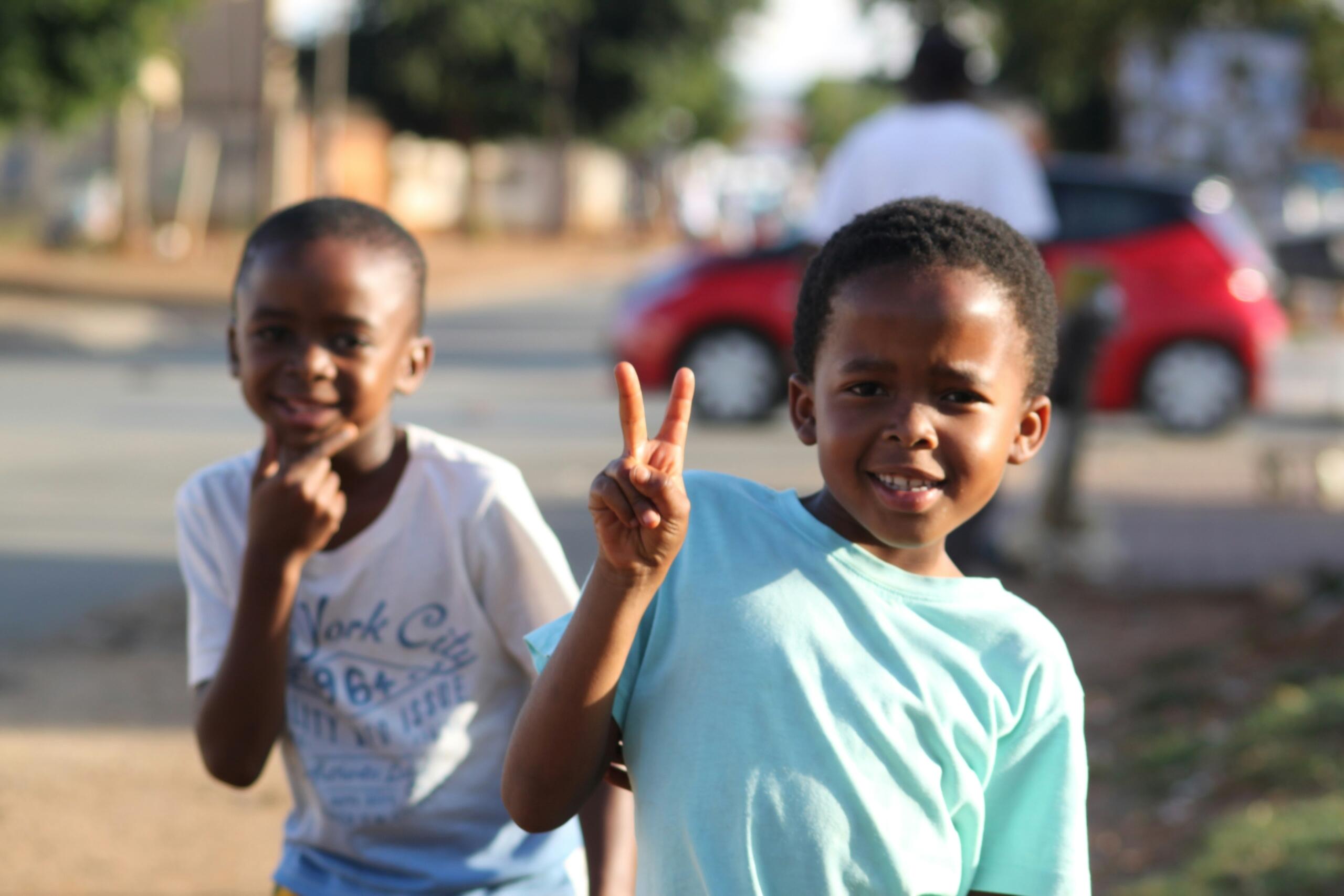
When we consider what Youth Day is about in the modern context, it is clear that the spirit of activism lives on in new forms.
Today, young people engage in social justice initiatives, environmental activism, and educational programmes, often using technology and social media to amplify their voices. The challenges may have changed, but the principle remains: informed, passionate youth can transform society.
In schools, you might see learners reflecting on issues like equality, discrimination, or community service.
Local youth centres provide spaces for mentorship, skill development, and dialogue. These everyday acts, though smaller than the marches of 1976, demonstrate the same courage and commitment to justice that defined the original uprising. Observing these initiatives helps you appreciate the ongoing relevance of Youth Day South Africa in nurturing active, responsible citizens.
Linking Youth Day to Other National Stories
Understanding Youth Day becomes richer when you see it alongside other national commemorations. For example, our article The History of Human Rights Day helps you connect student activism to broader struggles for equality and dignity.
Why Youth Day Still Matters
When we pause to reflect on Youth Day South Africa, we understand that remembrance is not enough. The day challenges us to consider how freedom and equality are lived in the present and asks that we engage in our communities, question injustices, and contribute to a society that values every young person’s potential.
By marking 16 June, you honour the memory of Hector Pieterson and the countless students who risked everything for a better future. You also acknowledge that young people today continue to face barriers, from unequal education to social inequality. Celebrating Youth Day is filled with opportunities to support initiatives that empower youth, from mentoring programmes and local volunteer projects.
Personal and Community Reflections
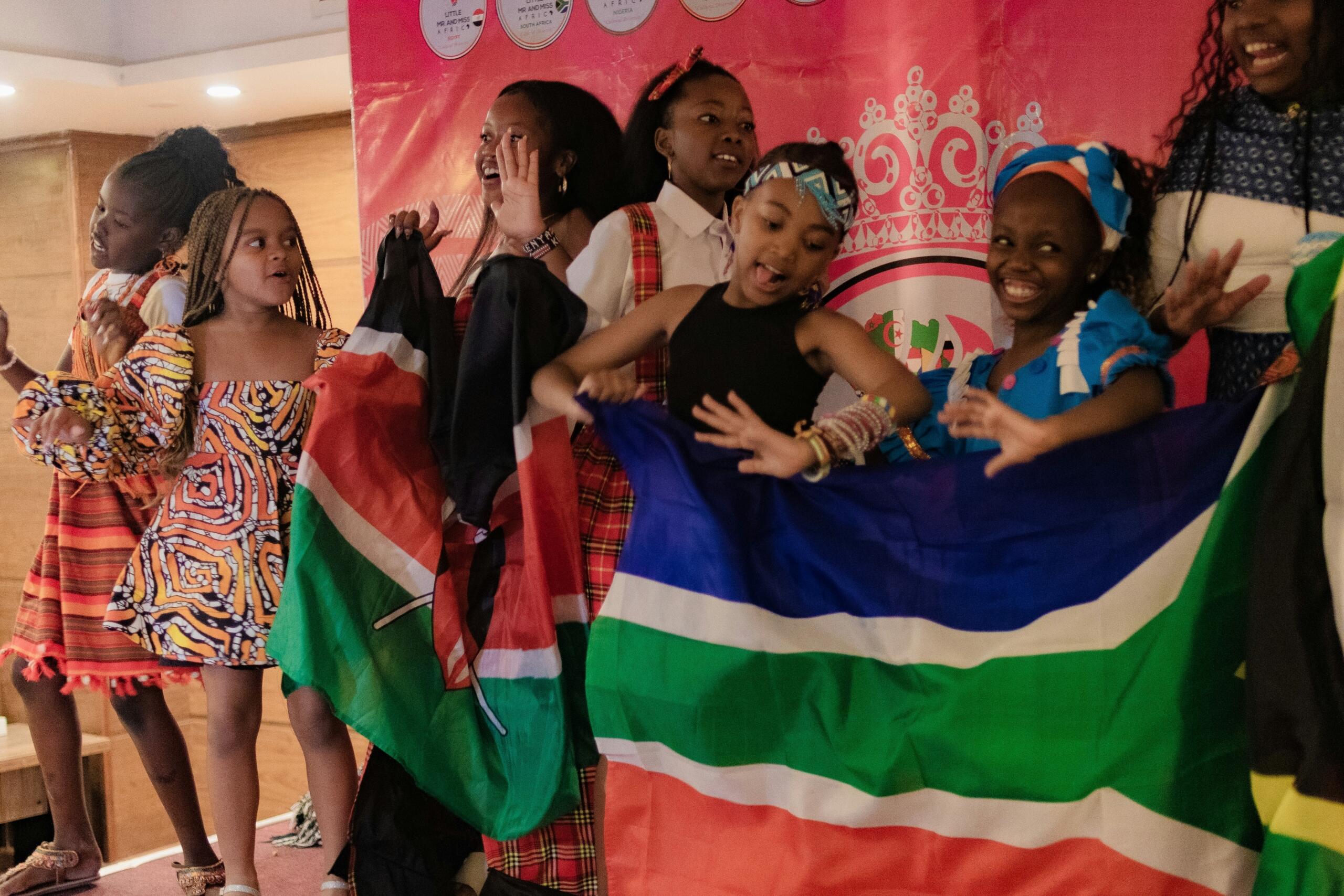
Across South Africa on Youth Day, you will find neighbourhoods where local gatherings of residents, teachers, and students come together to reflect on the meaning of the day.
In addition, storytelling circles, exhibitions, or small memorial events allow you to hear firsthand accounts from those who lived through the 1976 uprisings. These experiences remind us that history is not abstract; it is carried in memories, actions, and conversations.
Community service is another way that Youth Day comes alive. Schools and civic organisations may organise literacy drives, environmental clean-ups, or mentorship sessions. When you participate, you are extending the legacy of 1976 by demonstrating that courage and action are essential to social progress.
Find out more about the role played by women in SA's resistance movement.
The Continuing Legacy
Finally, if you have wondered about the meaning of Youth Day, the answer is complex, as it encompasses memory, inspiration, and responsibility. It is a day that connects generations by linking the bravery of students in 1976 with the activism, creativity, and leadership of young South Africans today. By learning from the past and engaging with your community, you do your part to make sure that Youth Day history remains vibrant and meaningful.
So, whether you choose to walk the streets of Soweto, visit the Hector Pieterson Museum, participate in school projects, or simply reflecting at home, you participate in a living story. Youth Day continues to remind that freedom, equality, and justice are the products of action, courage, and commitment.
Summarise with AI:
Enjoyed this article? Leave a rating!

 Loading...