
Play gives children a chance to practise what they are learning.
Fred Rogers
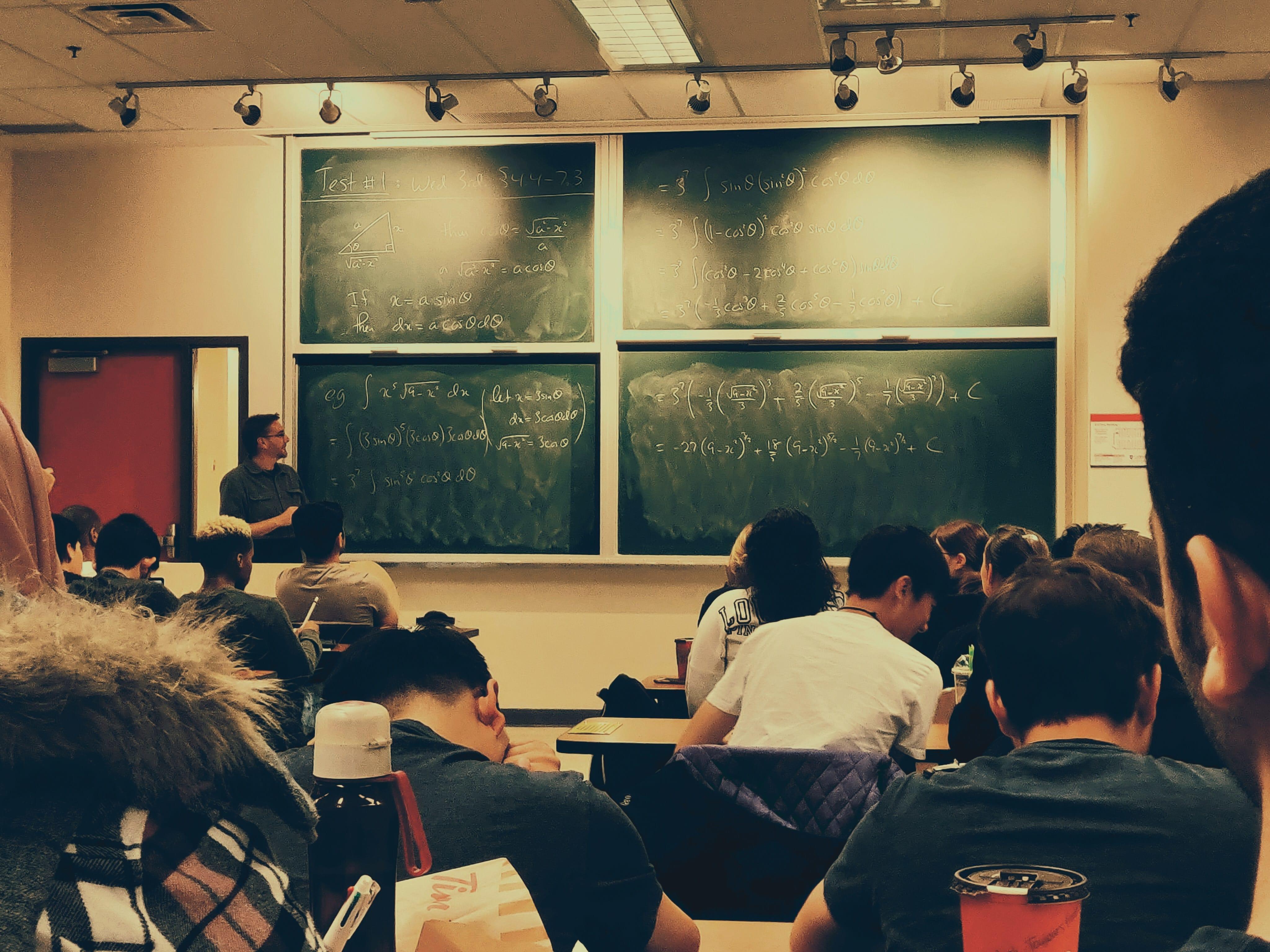
When you think about your child’s education, marks and textbooks often come to mind first. Yet it’s vital to remember that learning does not stop when the final school bell rings. In South African schools, whether those are government or private schools structured activities after lessons play a powerful role in shaping confident, capable young people.
Extramural activities are often where children discover who they are, what they enjoy, and how they relate to others.
If you have ever wondered what extra mural activities are, the simplest answer is that they are organised pursuits that take place outside formal classroom teaching. They might happen on the sports field, in a hall, a classroom after hours, or even at a local community centre. So, whether your child joins a netball team, a marimba group, a debate club, or an environmental society, these experiences add depth to schooling in ways that exams alone cannot.


Understanding Activities Beyond Academics
In everyday conversation, parents often use several terms interchangeably, but it helps to be clear that extra curricular activities in school refer to structured programmes offered alongside the academic timetable. These might be run by teachers, coaches, visiting tutors, or community organisations working with the school. In South Africa, this could mean soccer leagues organised through school districts, drama programmes linked to local theatres, or coding clubs supported by NGOs.
Extramural activities exist to:
Complement academic learning
Develop leadership, creativity and perseverance
Give opportunities for teamwork
Over time, these qualities become just as important as academic results, especially as learners prepare for high school, tertiary study, and the workplace.
Supporting Cognitive and Emotional Growth
You might be surprised by how strongly activities outside the classroom support thinking skills. For instance, research has shown that learners who participate consistently in structured activities often demonstrate better concentration and problem solving. In fact, this is one of the key benefits of extracurricular activities that teachers regularly observe in class.
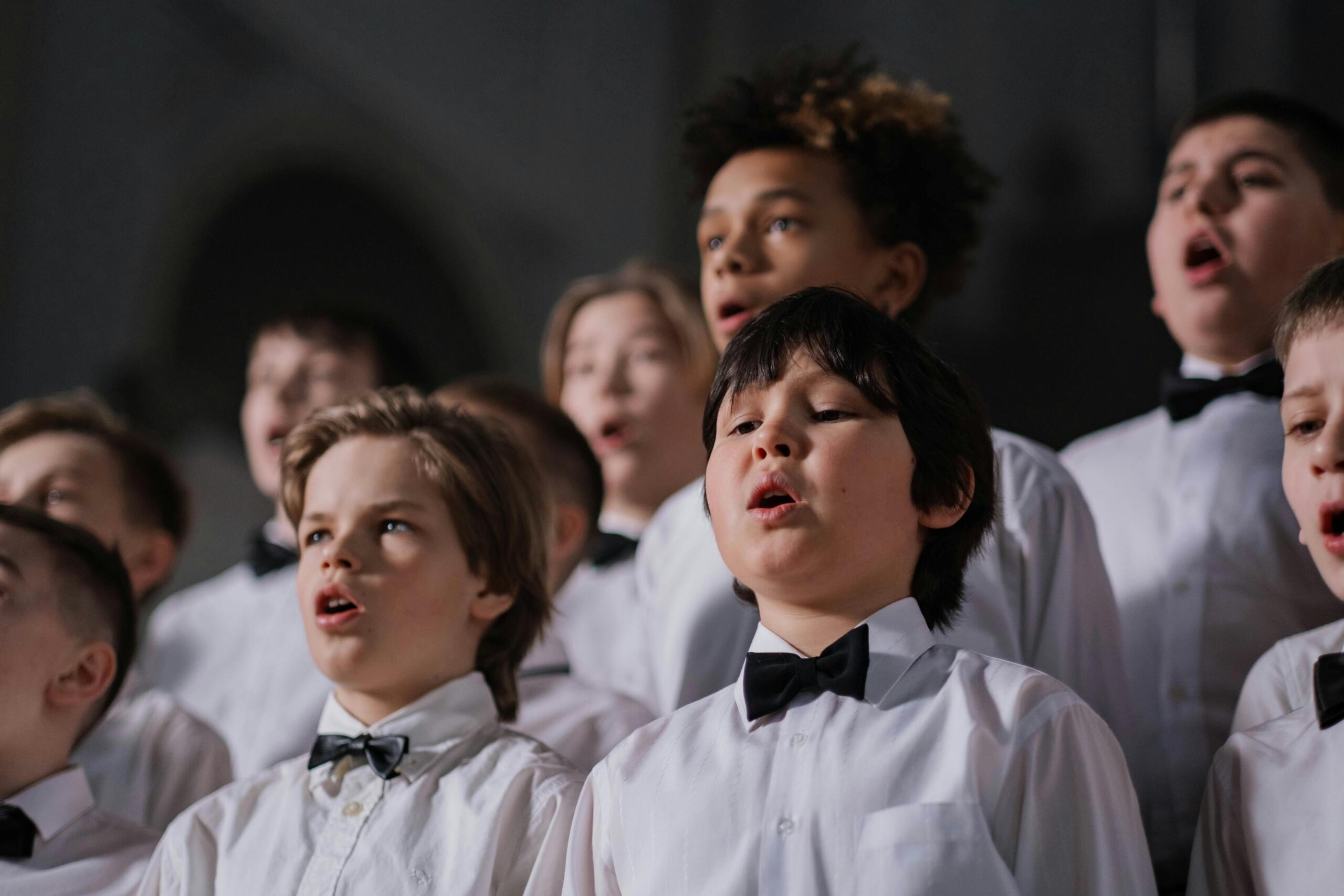
Choirs, dance groups, drama clubs, and visual arts programmes allow children to explore identity and expression.
Emotionally, these activities give your child a safe environment to test limits and build resilience.
For example, missing a goal in a hockey match or forgetting lines in a school play teaches coping skills that textbooks cannot. Over time, these experiences contribute directly to enhancing your child's development and can help young people manage disappointment, celebrate success, and develop healthy self-esteem.
Physical Wellbeing and Healthy Habits
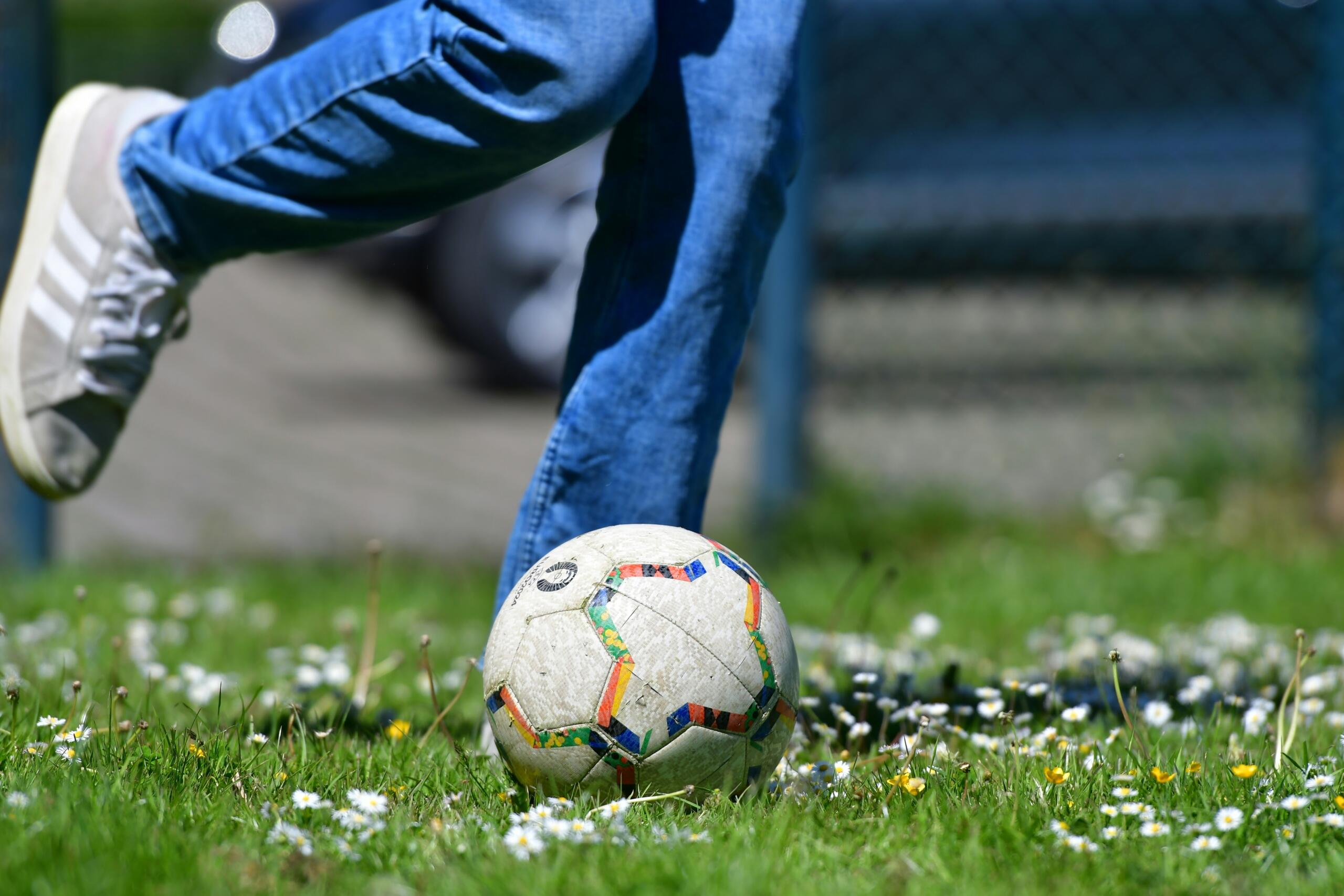
Bear in mind that South Africa faces growing concerns around childhood inactivity, particularly in urban areas where space and safety can be limited. Here, school based sport and movement programmes offer a practical solution. When learners take part in extra curricular activities in school such as athletics, swimming, cricket, or dance, they develop strength, coordination, and endurance in a supervised and safe setting.
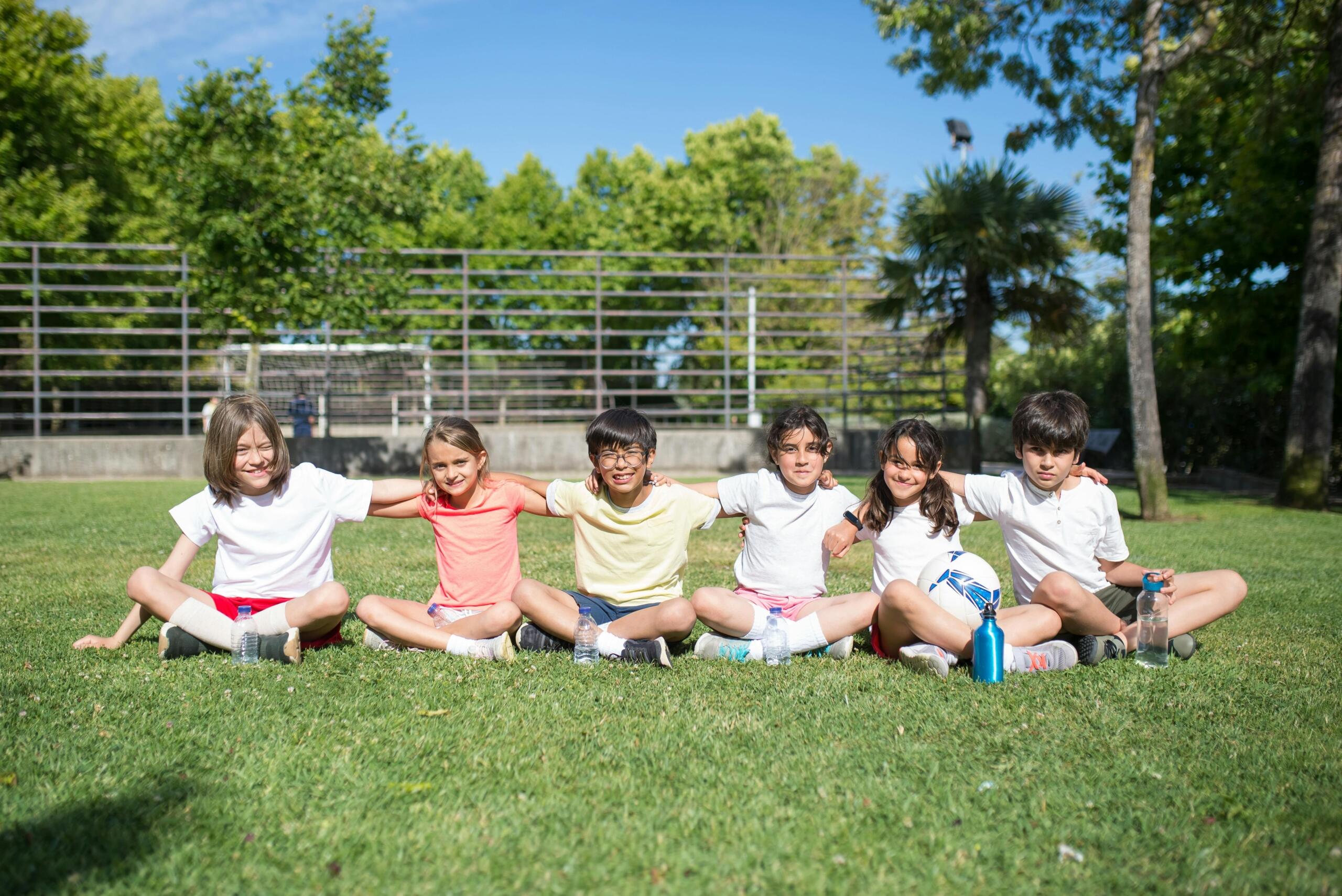
Regular movement supports mental health. Teachers often notice that learners involved in sport or movement based extra mural activities are calmer and more focused during lessons.
Structured physical programmes support confidence, discipline, and teamwork across different school environments.
These habits, formed early, can last into adulthood and support long term wellbeing.
Creativity, Culture, and Identity
South Africa’s rich cultural landscape makes creative activities especially meaningful. For many learners, these spaces are where they feel most seen and valued.
Parents often ask what are extra mural activities beyond sport, and creative programmes offer a powerful answer. Participation in the arts has been linked to improved communication skills and empathy, both of which are essential for social development. Ultimately, the clear benefits of extracurricular activities extend far beyond the stage or art room.
You may enjoy reading our article which highlights how music, drama, and visual arts contribute to confidence and cultural awareness in South African learners.
Social Skills and Belonging
Belonging matters deeply during childhood and adolescence. When your child joins clubs or teams, they become part of a smaller community within the school. This sense of connection is particularly important in large schools where learners can otherwise feel lost.
Through extra curricular activities in school, children learn how to collaborate with peers from different backgrounds and in a country as diverse as South Africa, these interactions help break down stereotypes and build mutual respect. Once again, enhancing your child's development is not just about academic ability, but about learning to relate to others with confidence and kindness.
Community focused programmes take this even further. Initiatives such as school feeding schemes, recycling projects, or youth outreach groups encourage learners to think beyond themselves. Local Community Engagement Activities for Social Responsibility explores how these experiences foster empathy and civic responsibility.
The credit belongs to the man who is actually in the arena.
Theodore Roosevelt
Balancing Schoolwork and Commitments
One of the most common concerns parents raise is balance. You may worry that activities will distract from homework or exam preparation, but the truth is that balance is essential. Through the right guidance, children involved in extra mural activities often develop stronger time management skills than those who are not.
Learning to juggle commitments teaches prioritisation.
Simple habits such as the following make a significant difference:
These routines support enhancing your child's development by encouraging independence and responsibility.
Did you know that teachers across South Africa frequently note that learners who manage to toggle their academics and activities effectively are better prepared for the demands of high school and beyond?
Avoiding Burnout and Overcommitment
Remember that while involvement is beneficial, too much of a good thing can also be counterproductive. If your child seems constantly exhausted or anxious, it may be time to reassess their commitments. To understand what extra mural activities are also means recognising that quality matters more than quantity.
Encourage your child to choose activities they genuinely enjoy rather than filling every afternoon.
Rest, family time, and unstructured play remain essential parts of childhood. Maintaining this balance ensures the long-term benefits of extracurricular activities remain positive and sustainable.
Preparing For Future Opportunities
As learners move through high school, participation will become increasingly relevant for tertiary applications and career exploration. Universities and employers often look for evidence of leadership and commitment, and participation and these qualities are frequently developed through extra curricular activities in school, whether through serving as a team captain, team player, committee member, or mentor to younger learners.
Clubs and societies offer particular value here and prepare learners for future academic and professional environments. Debate teams, science clubs, chess societies, and student leadership groups provide opportunities to develop critical thinking and public speaking skills.
Making Informed Choices as a Parent
Talk to your child about their interests, strengths, and challenges. As a parent, your role is not to direct every choice, but to guide. Visit school open days, attend matches or performances, and engage with teachers and coaches.

These conversations will also help you understand how extra mural activities fit into your child’s broader educational journey.
When approached thoughtfully, involvement supports enhancing your child's development in ways that feel natural rather than forced, but remember that the aim should growth, not perfection.
A Holistic View of Education

Ultimately, education in South Africa is evolving, with increasing recognition that success cannot be measured by marks alone. Schools that integrate the benefits of extracurricular activities into their culture are often better equipped to support diverse learners.
Whether it is on the sports field in Khayelitsha, in a school hall in Pietermaritzburg, or in a community garden in Polokwane, children are learning who they are and how they fit into the world.
In asking what extramural activities are, you begin to support your child’s participation wisely and help to build a foundation for confidence, resilience, and curiosity. This holistic approach remains one of the most effective ways of enhancing your child's development and preparing them for life beyond school.
Looking Ahead With Confidence
In summary, what matters most is that activities remain a source of joy, connection, and learning.
With the right balance, extra curricular activities in school continue to offer meaningful opportunities long after the school day ends and remind us that education is not just about what children know, but about who they become.
In this broader view, the lasting benefits of extracurricular activities extend well into adulthood to shape engaged citizens who are ready to contribute positively to South African society.
Summarise with AI:
Enjoyed this article? Leave a rating!

 Loading...