
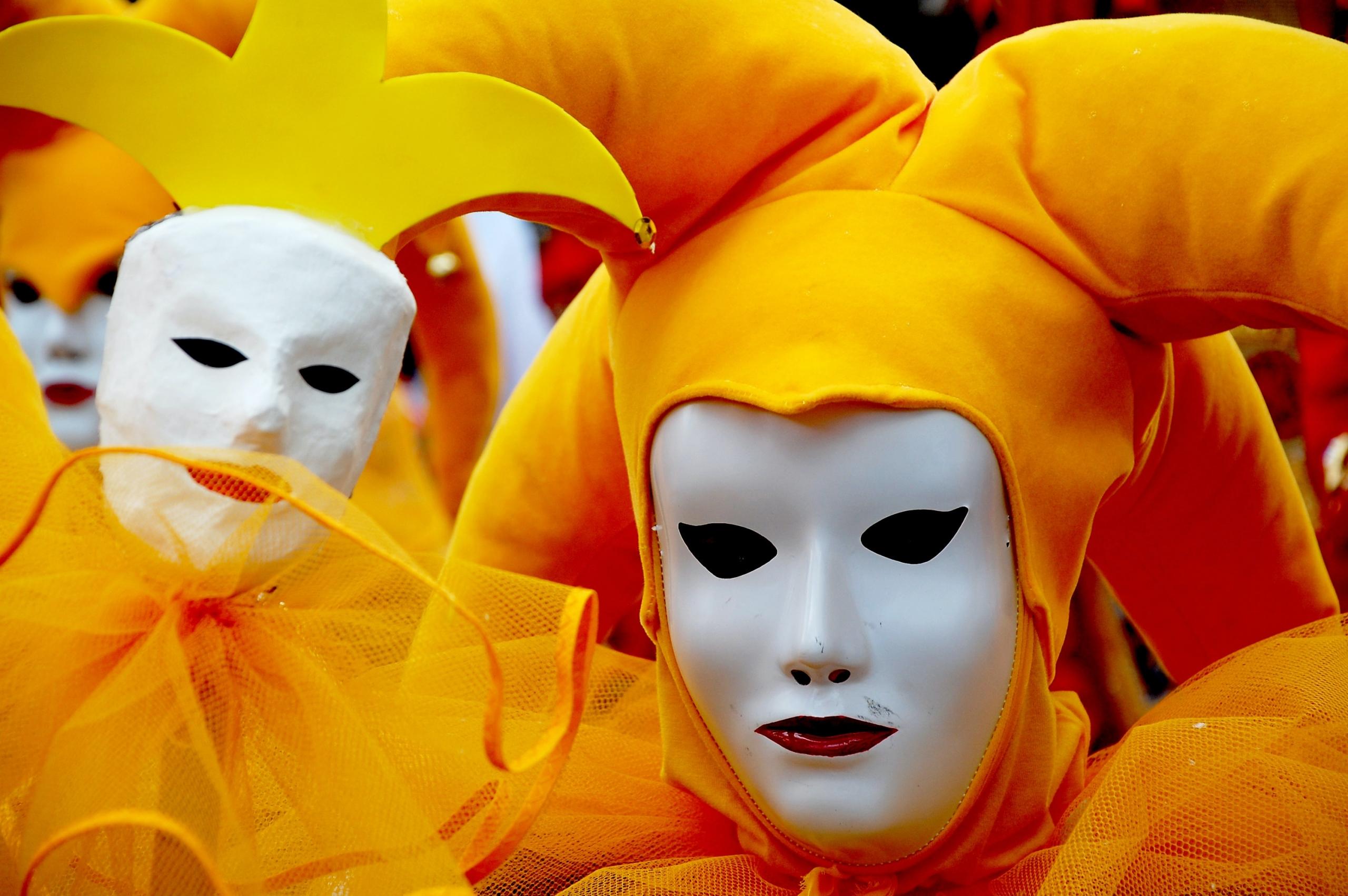

Do you want to perform in movies, on television or on-stage? Some choose a career in performing arts because of the fame and fortune, but for many performers the stage is a way to change the world. They can evoke emotions in an audience and set the world alight with new ways of thinking.
Why do you want to become an actor?
Understanding the meaning of drama and the various elements of drama is the key to unlocking this new world for many. It is such a varied discipline that some might choose to specialise in drama education, others become writers of literary drama works and you'll even find those who simply do it to build their confidence.
Whatever your interest in drama is, we are here to give you an introduction to its history, meaning and encourage you to dive into an intense, interesting and expressive field that continues to change the world.


What is Drama?
The word drama generally refers to a heightened emotional situation due to a series of events. When a situation is dramatic, it tends to evoke intense feelings and sometimes tension in us.
You’ve probably heard of the saying ‘he/she is a drama queen’? That refers to someone who finds tension, emotion or ‘drama’ in everything.
According to the online Oxford dictionary, drama is ‘a play for theatre, radio or television’, but its original meaning was a noun that had a slightly different meaning. When we refer to drama in an educational setup, we tend to speak of drama as derived from Ancient Greece.
The original Greek version of drama was a verb that translated as acting, ‘to do’ or ‘to act’.
Since its origins the word referred to the physical and mental activity that would be required in a theatrical performance. Ancient literature was driven by poetry, performing arts and story-telling, and just like today drama literature is written prose or verse that was created to make theatre dramas.
Originally performed in open arenas, this creative art form eventually evolved into what we see on stage and in theatres today; storytelling about life events and how these events impact and influence the characters, their society and relationships.
In dramatic literature this usually includes tension that takes the audience on a journey through genres like comedy, tragedy, action or romance.
Today when someone speaks about a drama they tend to refer to the play, theatre production or piece of writing. The meaning has therefore changed slightly over the years to become the verb that will classify this art form.

A Brief History on Drama
To truly understand the elements of drama, you’ll have to learn where drama came from and how it evolved into what it is today. Studying drama history will give you a foundation to one day build your own acting skills or writing.
Classic Greek Drama
Ancient Greece had a very serious approach to performance arts as they felt it provides insight into life and the world we live in. They originally had two core drama genres: comedy and tragedy. A satyr play was a combination of both and all plays included the theatrical elements of dialogue, costumes, masks and a chorus that commentates, dances and sings.
Roman Dramatic Influence
Around 250BCE many Roman dramatists evolved Greek theatre by removing the chorus and introducing a musical element. They also took many of the original Greek plays and broke them up into chapters or episodes.
Medieval and Renaissance Drama
The church was instrumental to the changes in the social, economic and political world during the medieval times and they soon turned to a new form of drama where they performed stories of religious personalities. These were much more elaborate and therefore created the need for a special performance area.
The Renaissance was seen as a golden period for art and it is no different for dramatic arts. Theatre was celebrated and it gave rise to famous English writers, like Shakespeare, and the opening of the first ever playhouse. Performances became more structured and well-rounded during this time, which also made it more appealing to everyone.
18th and 19th Century Drama
During the 18th century the divide between classes became a lot more evident. It inspired the world of art to create texts and plays specifically aimed at the middle class. Many classical themes became outdated and new stage shows were more witty and brazen with newly discovered themes like the battle of sexes.
The 19th Century saw the dawn of Romanticism in Western Europe. With a focus on spirituality and emotion, drama and fiction were dominated by romantic plays.
Modern Drama
Driven by liberal ideas, the experimentation in theatre around the 20th century included the addition of music and realistic theatre. Some practitioners felt however that this realism was too far removed from what theatre should be, which in turn gave rise to the symbolist movement.
The symbolist movement is defined as dream-like, suggestive drama with stripped back text (Examples: Chekhov & Ibsen)
The early 1900s also saw the rise of the expressionist movement where nightmare like themes explored the depth of the human psyche.
The 60s and 70s forms part of the contemporary theatre period and a lot of focus went into crafting language and dialogue. Examples of famous writers of this time are Tom Stoppard, Arthur Miller and Tennessee Williams. Modern drama also saw the introduction of musical theatre, while television and film became hugely popular.

Different Acting Types and Styles
Drama practitioners across the world continued to teach and share their ideas with students, which gave rise to a big variety of acting techniques.
| Technique | Summary |
|---|---|
| Classical Acting | Expression of voice, imagination, body, based on the Stanislavski method. |
| Method Acting | Formulated by Strasberg, and based on the Stanislavski method, actors draw on personal experience to connect with their character. |
| Meisner Technique | Linked also to the Stanislavski method, actors focus on the moment to create a powerful performance. |
| Practical Aesthetics | Once again based on the Stanislavski concept, this was formulated by Mamet and Macy and includes repetition exercises. |
Classical Acting
Classical acting was about sharpening of various tools an actor utilise in their craft. You’ll learn about using your voice, body in movement, imagination, improvisation, personalisation and script analysis. Some of the fathers of the classical acting style include Konstantin Stanislavski and Michel Saint-Denis.
Method Acting
Method acting was formulated by Lee Strasberg and was all about bringing personal experience to the character. Some actors will put themselves through similar experiences to what the character goes through or rehash experiences from memory to ensure authentic performances. Method acting can be thrilling and also allows some level of improvisation around dialogue.
The Meisner Technique
Meisner believed that the only thing that was important for an actor was the moment they find themselves in; that place, that time and with that person. Actors respond on impulse to what they're exposed to and remain connected to that and those around them.
Practical Aesthetics
With a bit more influence by Stoicism, Practical Aesthetics was developed by David Mamet and William H. Macy and include script analysis, repetition exercises and exploration of adaptability. It is a mixture between Meisner and Stanislavski with the added flavour of the philosopher Epictetus.
Brechtian Acting
Bertolt Brecht was considered by some as one of the most significant contributors to the world of theatre. His works became popular in the 60s and 70s, and the Brechtian acting techniques might not be a modern acting technique, but paved the way for many experiential theatre techniques today.
Drama Education and Studies
By now we hope you are asking, "Where can I study drama at university in South Africa?"
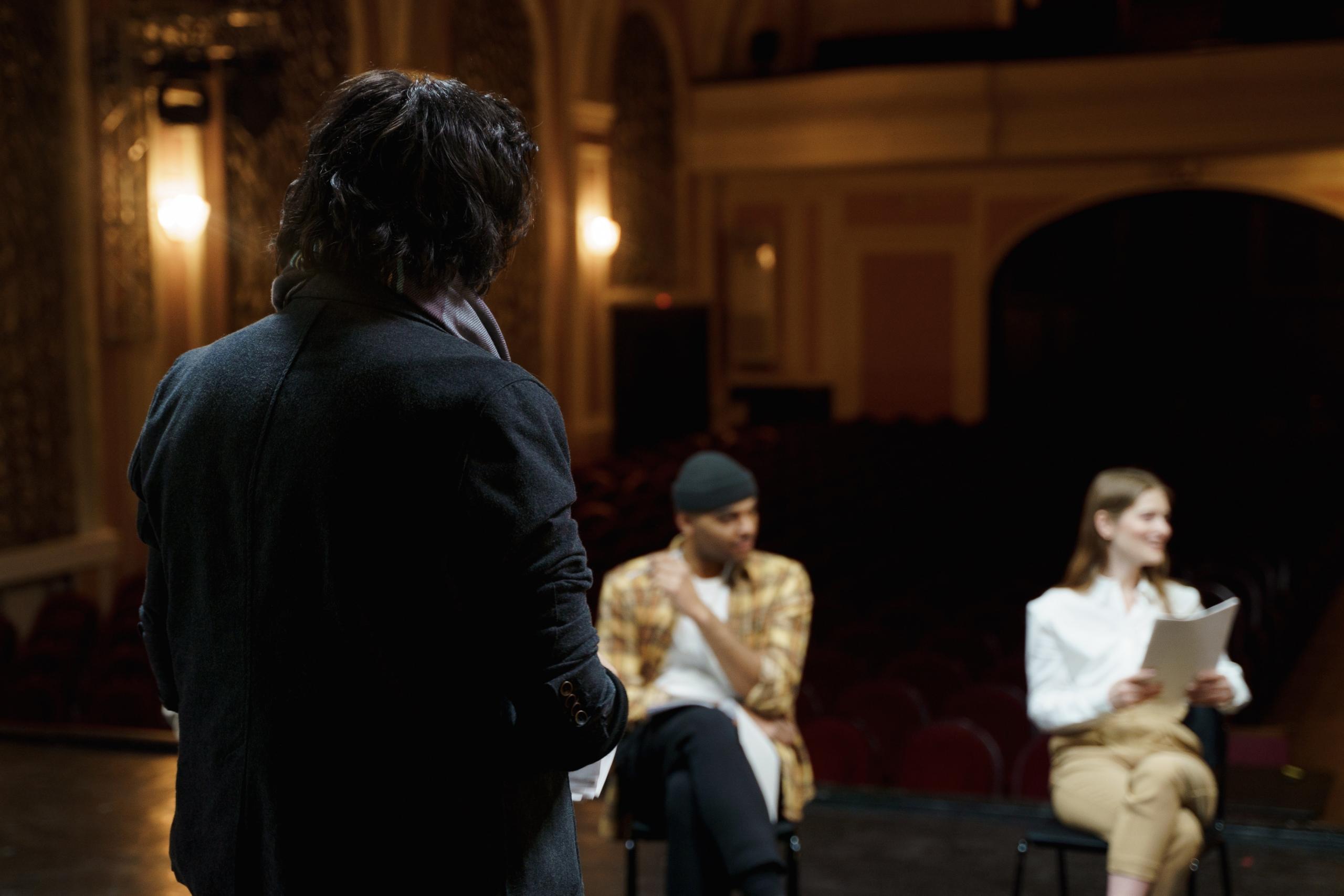
The answer is quite simple; most universities offer literary or drama degrees. You can also enrol at a wide selection of drama schools or acting colleges. If you’re looking for flexible drama courses to build your skills, working with a private tutor can be a great option alongside formal study. The application requirements and fees for each one differs, but a good understanding of the English language with a senior certificate is generally a minimum.
New actors should also consider alternative routes to becoming performers. Many young artists will work while they study English or get involved in an amateur production or play. Short courses and part-time studies can give you a good foundation and you can use it to test whether you'd like to make a career out of performance arts.
Should you pursue the genre of drama, comedy, tragedy? Play a character on stage, film or tv production?
Initially, actors don't really have the luxury of choice in South Africa and action junkies might have to act in dramas or comedies to get a foot in the door and build experience.
Luckily, acting is such a varied skill that any literary and acting experience won't go to waste. The more experience you have, the stronger your characters will become and the greater your performance.
Potential screenwriters could be exposed to many plots, dramas, characters and genres.
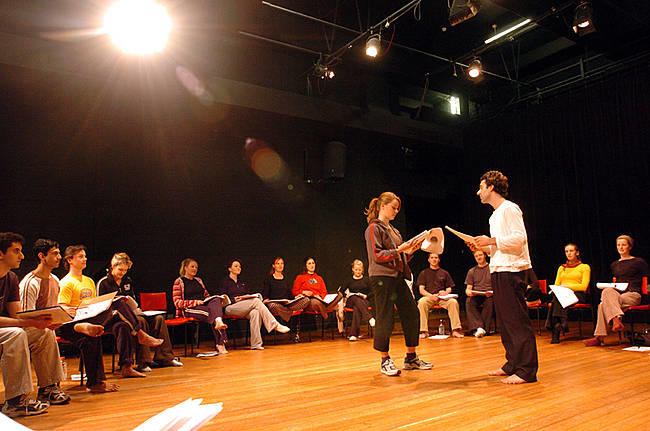
Actors can also work on their performance with the help of a private acting coach. If you're based in Gauteng, options like acting classes johannesburg can help you develop your craft with personalised guidance. Acting tutors, like the ones you can find on Superprof, can give you acting lessons to master the monologue, dialogue or singing. Literary teachers are great at script analysis and if you want to write your own play, we'll have a tutor right here to help.
Why wait until later? Book an acting lesson today and let drama colour you life.
Summarise with AI:
Enjoyed this article? Leave a rating!


 Loading...




I grew up wishing myself to become an actor, where I see myself from school and at the community and also how to communicate with people around me, I ended up being an drama actor, I’m requesting the opportunity, to gain more experience, knowledge, skills and techniques on how to be an actor, I’d happy if I get this opportunity to improve myself
Hello Ofentse
If you want to work with a private acting teacher, you can search for one on our website http://www.superprof.co.za. The site allows you to filter the results according to your unique requirements, such as in-person or online lessons, price, etc. If you need any help during the process or have any further questions about our platform, do not hesitate to contact our customer support team at hellozar@superprof.com.