

AI has come into our world, making a big noise, and now everyone knows how to use some AI tool or another. While most PCs have had the Copilot AI companion for the longest time, waiting to be used by PC users, so that they could be assisted in finding information, ChatGPT came onto the scene and got everyone's attention immediately. With school children relying on more sophisticated AI tools than ChatGPT to help them complete their essays and assignments, it is becoming impossible to keep these tools out of our schools. Instead of seeing AI tools as challenges to learning, teachers now need to leverage artificial intelligence tools and incorporate them into the classroom setting to keep students engaged and to support students in their 21st-century learning journey.
Want to give private lessons?
Join the Superprof community and share your knowledge with inquiring and motivated students.
How Can AI be Used in Education?
Artificial intelligence can provide South African schools with the chance to improve access, personalisation, and efficiency in education. AI-powered learning platforms can be used in the classroom setting to adapt lessons to each learner’s pace and to address the apparent gaps in literacy and numeracy. Tools such as chatbots can even provide homework support by assisting in all of South Africa's official languages, supporting the country’s linguistic diversity. Teachers can also benefit by relying on AI to automate administrative tasks like marking, giving them more time to focus on teaching.
With responsible implementation, AI can help reduce inequality and improve learning outcomes nationwide.
It's our job to teach students to use AI responsibly.
Shasta Looper
The integration of artificial intelligence in school systems has several benefits, despite the idea arousing mixed responses from teachers and students worldwide. Since teachers across South Africa cannot deny the fact that AI has seeped its way into classrooms across the country, teachers need to teach students how to use AI responsibly and in an ethical manner.
Artificial Intelligence (AI) has come to the education setting, showcasing its potential to reshape education in South Africa by addressing long-standing challenges, including those of unequal access to resources, overcrowded classrooms, language diversity, and gaps in foundational skills. One of the most impactful uses of AI is personalised learning.

In many South African classrooms, teachers have to see to large groups of learners with varying abilities, making it rather impossible to give each learner the individual attention that he or she deserves. AI-powered learning platforms can be used to adapt content to suit each student’s pace and level of understanding. When a learner struggles with a specific maths concept, the AI system can provide additional practice and explanations, while giving all of the advanced learners the chance to try out enrichment activities so they can move ahead without being held back. AI tools can thus assist in the classroom by providing tailored support to learners.
AI-based applications, like Loomic, allow each child to specify their preferences and thereafter generate stories that tie in with the stipulated preferences of the child. This application allows children to read stories in the most interactive ways.
AI can also play a vital role in supporting South Africa’s linguistic diversity. With 11 official languages, language barriers often affect comprehension and participation. AI-driven translation and speech recognition tools can assist learners who are studying in a language that is not their mother tongue. These tools can provide real-time explanations, translate instructions, and even help learners improve pronunciation and reading fluency. In this way, AI can promote inclusivity and ensure that language differences do not limit academic achievement.
Other desirable benefits to using AI in the educational setting are:
With AI tools, students also get modernised methods to study in today's times. Watch the video below that details how to study using better methods:
Yes, there are benefits to using tools that assist learners and teachers by providing additional support, and there are many advantages to using AI tools. At the same time, there are several disadvantages to going down the AI route in educational settings. It is important to note the advantages and disadvantages of AI usage in the classroom.
Advantages of AI in the Classroom

Here are some of the novel advantages of bringing AI-related resources into the classroom.
However, to reap such benefits, the successful integration of AI in the South African education system will be required. To ensure successful integration, more careful planning, constant professional development endeavors, and regular teacher training will be required. All South African educators must be equipped with the digital literacy skills and the critical thinking skills required to use AI tools effectively, and policies must be in place to ensure data privacy is maintained and to ensure the responsible use of AI systems.
One such tool that would be advantageous in the classroom is the new AI robot tutor, which is set to transform teaching and learning in South African languages. Launched on Tuesday, 19 August 2025, this robot, named Iris, demonstrated the transformative potential of such an AI tool in education.
Disadvantages of AI in the Classroom
In a world of AI, our students will need to become really good at what AI can't do and really different with what it can do.
John Spencer
While most private schools in South Africa are all for introducing AI systems into the classroom setting, there are some disadvantages that we foresee when it comes to amalgamating AI usage with teaching practices.

One of the main concerns with bringing AI to schools is the widening of the digital divide. Not all public school learners have access to devices, reliable internet, or electricity, which can widen existing inequalities between the well-resourced and under-resourced schools.
There are also concerns regarding:
Read more about closing the digital divide in South Africa in our companion article.
Helping Learners Succeed with AI Usage
There are a few strategies to assist students and teachers who would love to use AI tools in the classroom. The same strategies that teachers use in their classrooms when including AI tools are the same strategies that tutors and parents can use when incorporating AI tools in the learning situation:
- Create a designated space for roping in AI tools: It is a good idea to have a set time to rely on AI tools for learning, and to have a specific space set aside for learning with AI tools.
- Online tools must always be guided with offline support: Never leave learners to their own devices when using AI tools for learning. Provide offline support to assist learners to reap maximum benefit when learning with AI tools such as Chatgtp and the like.
- Help with technical issues: Problems and frustrations can arise when working with sophisticated digital tools, so that is where the teacher or tutor can come in to assist with technical complications and troubleshooting.
It must be remembered that AI can in no way replace the human connection that is essential for effective teaching to occur. The emotional support and mentorship necessary to support learners' mental health will never be replaced by AI tools.
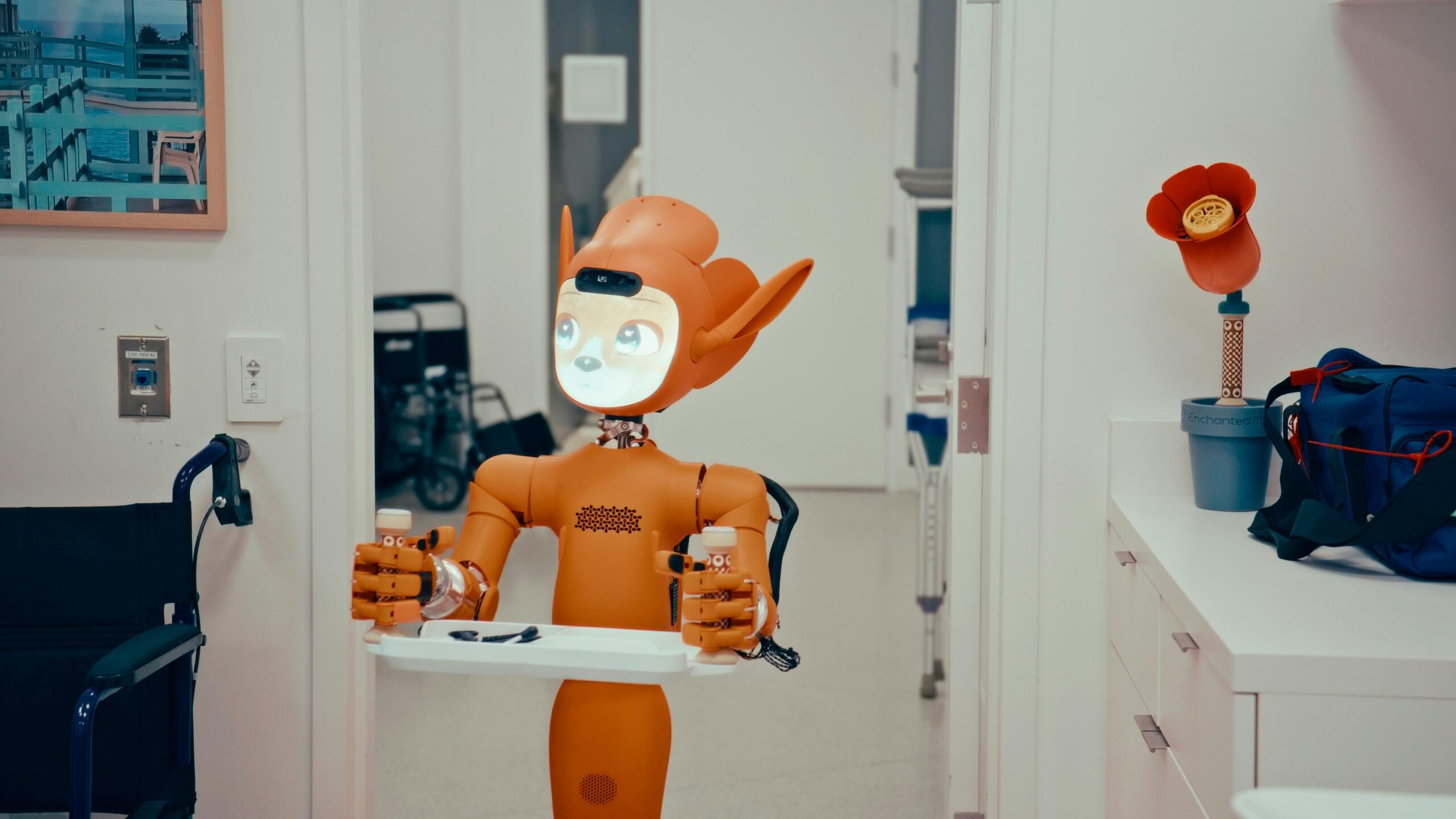
Teachers still have a key role to play in their classrooms. If AI integration is not well managed, learning can begin to feel impersonal rather than merely supported by AI. Digital learning has come to South Africa, but AI should be used as an aid to improve educational quality and not to replace teachers. If everyone in the school setting understands this, AI can become a powerful tool used to prepare South African studentslearners for a rapidly evolving digital world. Like teachers, tutors can reap the benefits of AI tools when teaching their students, too.
Want to give private lessons?
Join the Superprof community and share your knowledge with inquiring and motivated students.
Summarise with AI:
Enjoyed this article? Leave a rating!

 Loading...