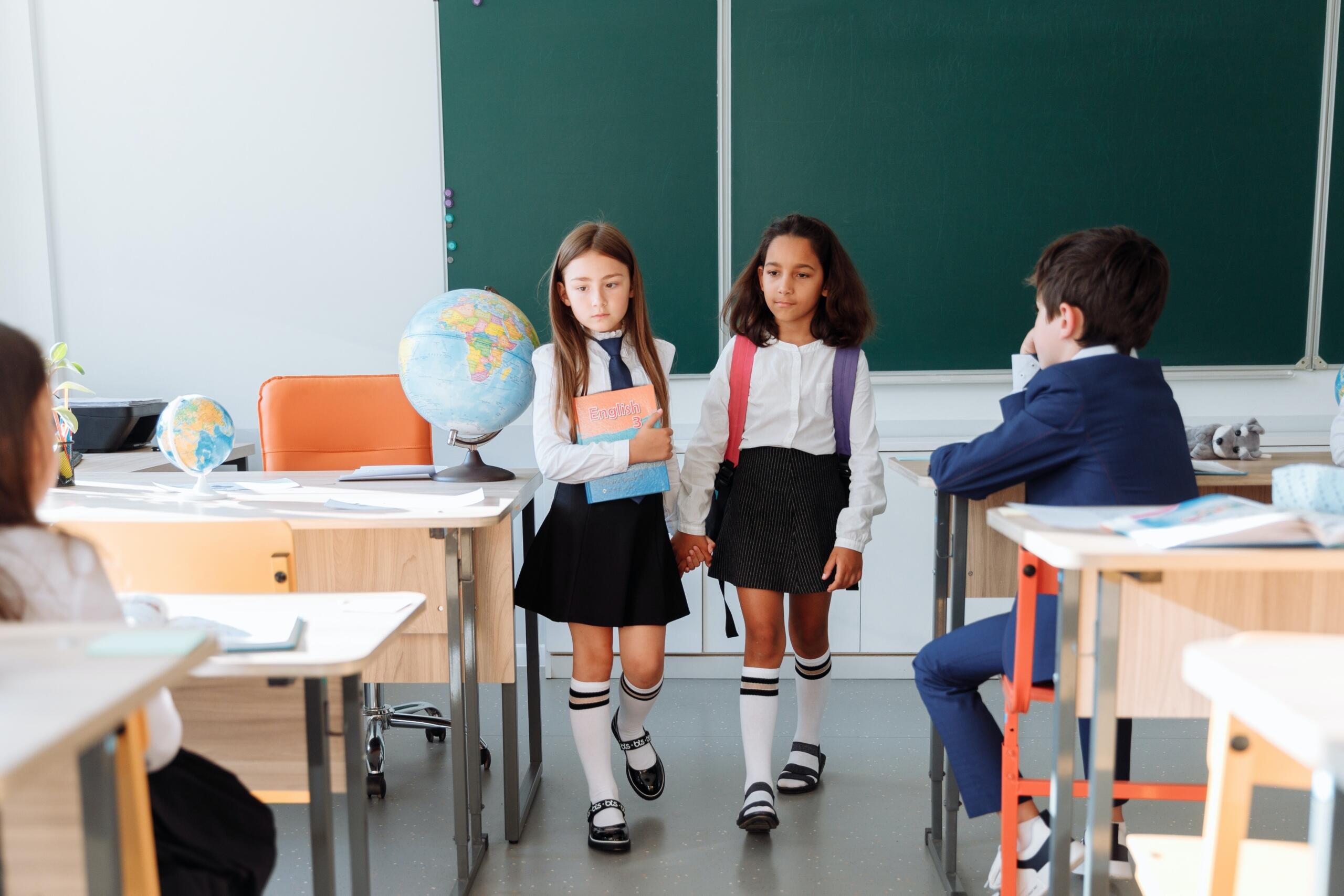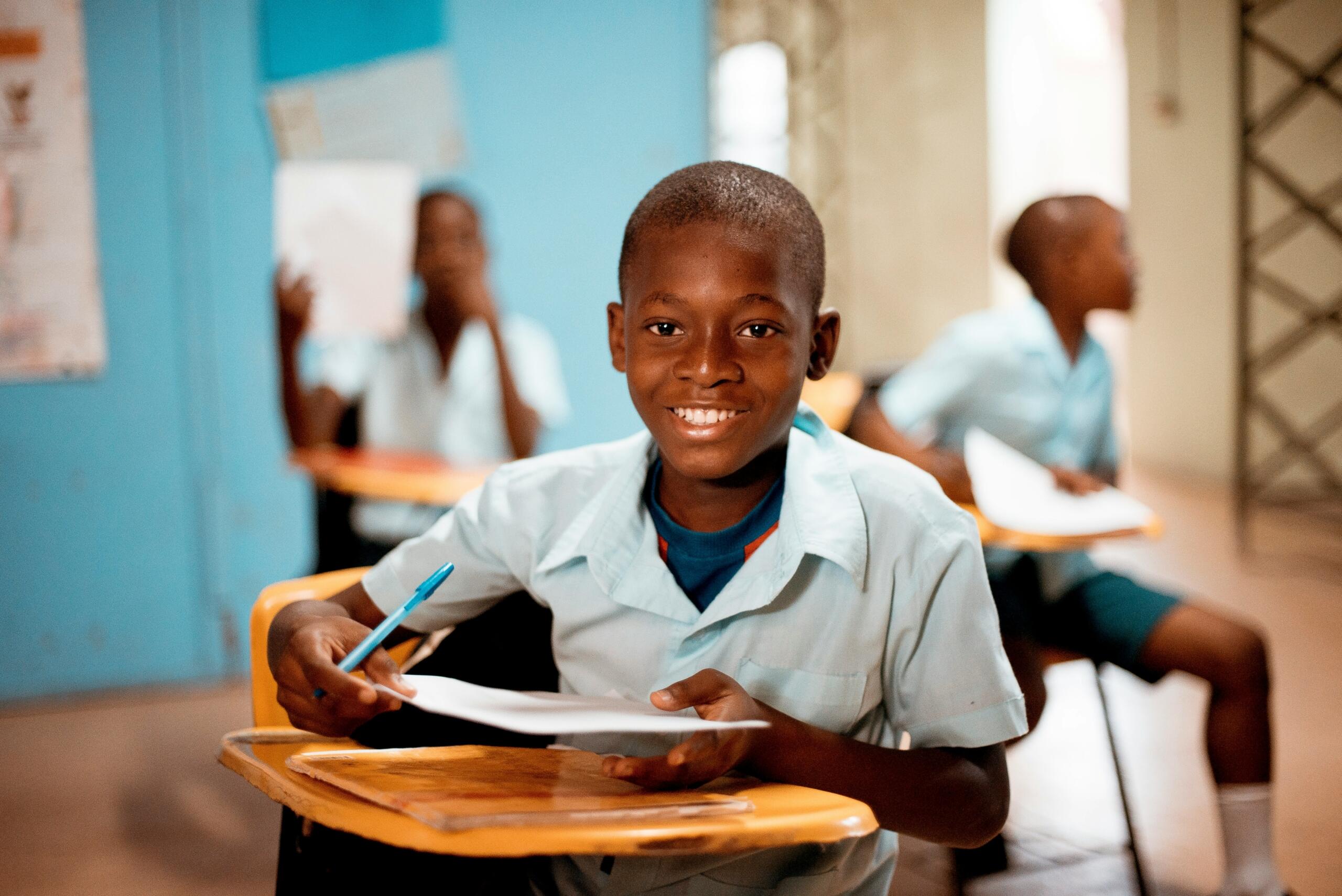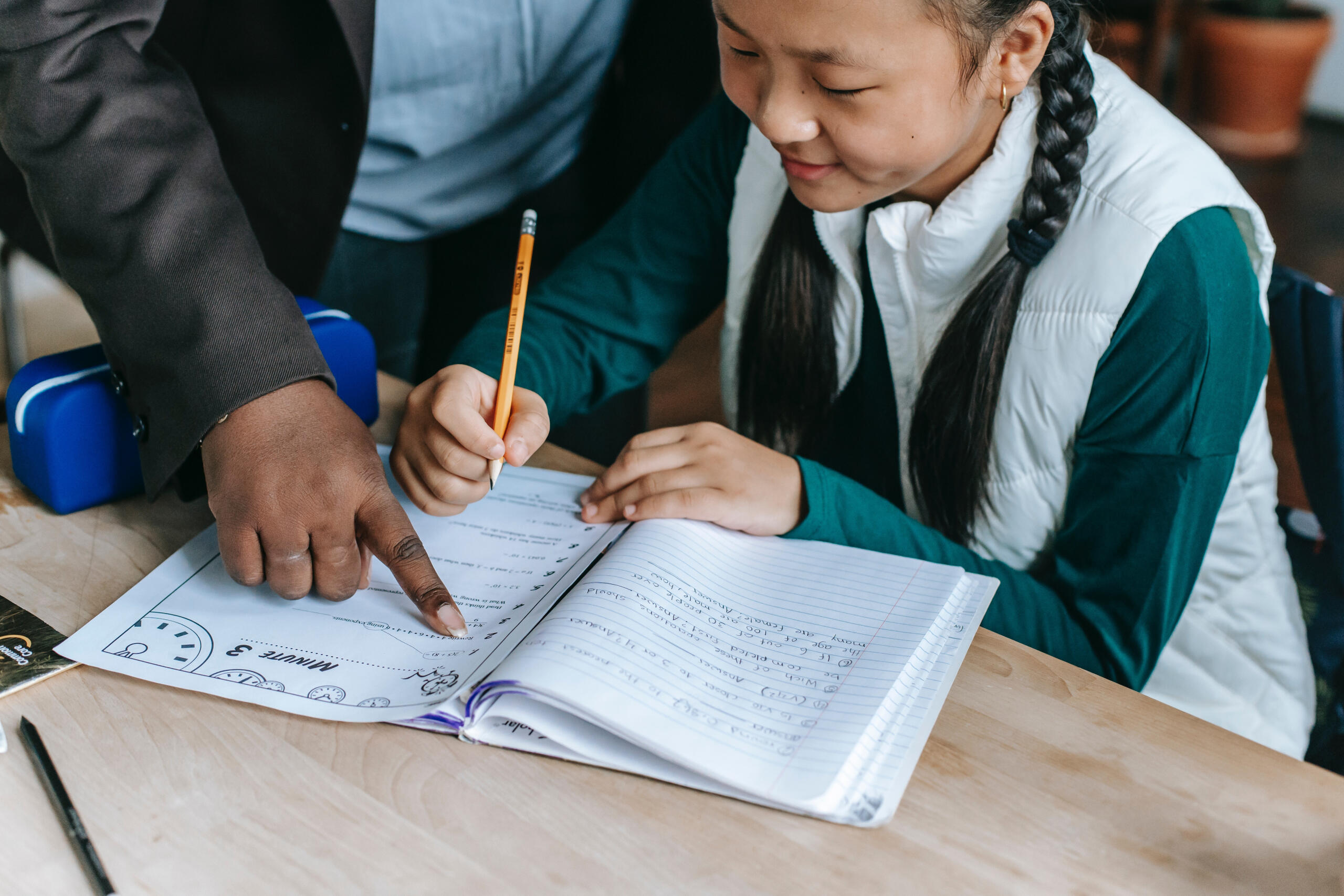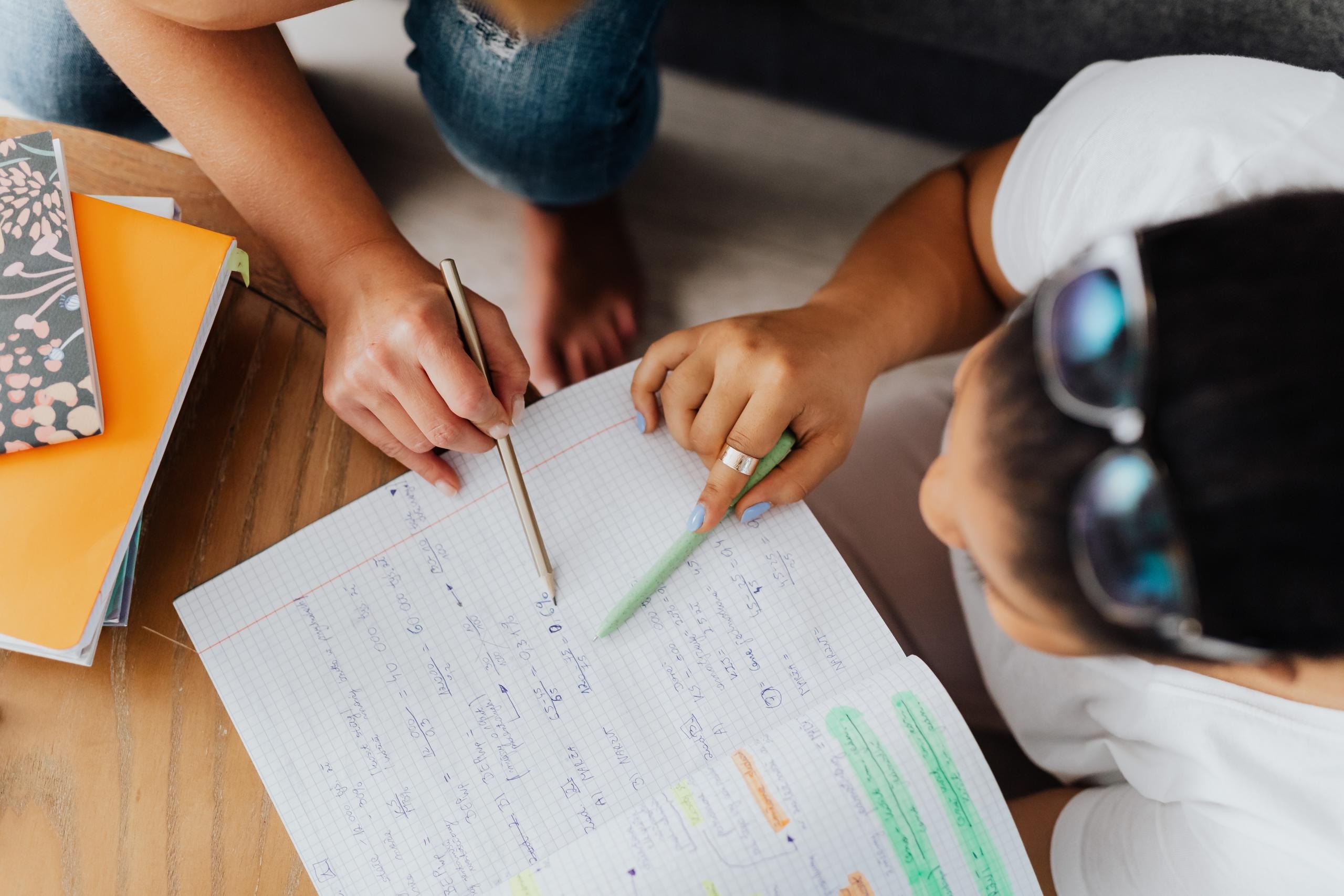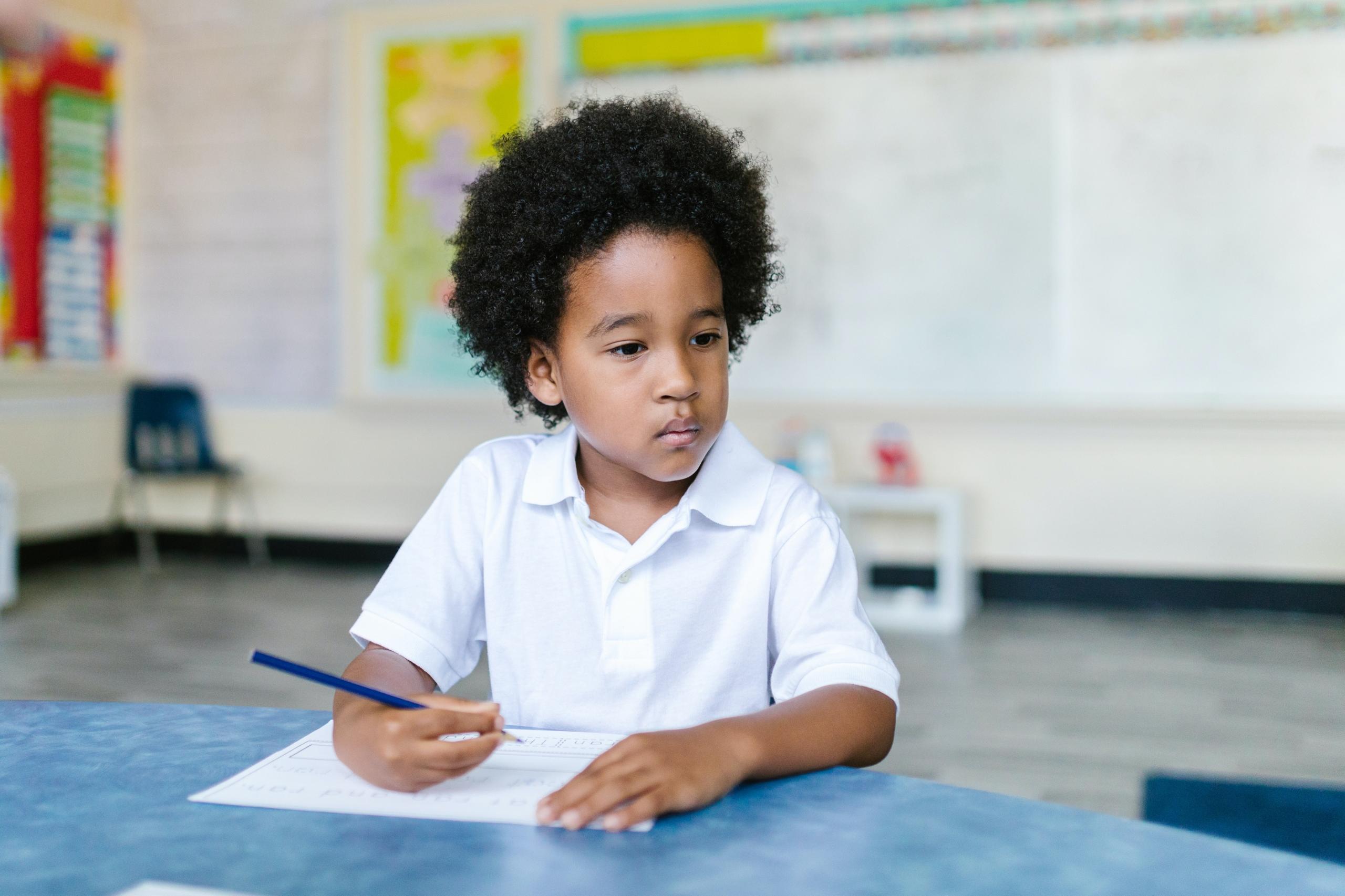

Like everyone else, you are living through one of the biggest shifts education has ever seen. Across South Africa, classrooms are slowly transforming as learning is digitised and has become part of everyday school life. Whether your child attends a public school in Soweto or a private school in Rondebosch, technology is shaping how lessons are taught and how learners engage with information.
Discussions about AI in South Africa have entered education spaces. Parents and teachers are asking new questions about learning, safety, and opportunity. At first glance, it may seem overwhelming, and you would not be alone if you were wondering what it all meant for your child’s future.
Want to give private lessons?
Join the Superprof community and share your knowledge with inquiring and motivated students.
The Rise of Digital Classrooms
It may seem like it, but this change has not appeared overnight. Over the past decade, the Department of Basic Education has steadily expanded access to devices, digital platforms, and online resources. In addition, there is no doubt that the pandemic accelerated this shift and made online learning less of an option and part of the norm. Schools that once relied entirely on chalkboards feel like they existed decades ago, but it was really during 2020 that they began experimenting with online homework portals, shared lesson material, and virtual communication.
In many schools across Gauteng, the Western Cape and KwaZulu Natal, the traditional classroom now includes a digital component.
Some schools in Cape Town and Johannesburg have begun integrating basic adaptive learning platforms. These systems adjust difficulty levels based on student performance. This is where the introduction of AI has begun to play a subtle role. Instead of replacing teachers, it assists them by identifying gaps in understanding.
If you want to explore schooling options that already embrace this approach and how virtual environments are shaping learner success, read our article on how to find the right online school in South Africa.
Technology in Everyday Learning

Whether you are a learner or parent you have most likely begun to see digital learning already happening at home. For instance, homework might be shared through WhatsApp groups or accessed via learning portals and teachers often use videos and interactive content to explain difficult concepts.
In many cases, AI is quietly powering these systems in South Africa. Recommendation engines and automated feedback tools help personalise learning. So, if you are wondering how is AI used in education, the answer often lies in these behind-the-scenes features that tailor content to each learner.
No! AI systems simply allow educators to focus on mentoring and creativity while routine tasks like marking, or progress tracking are supported by digital tools.
The Digital Divide Still Exists
Despite progress, in a country like South Africa, where equality has not yet caught up to democracy, access remains uneven. The tragic reality is that not every South African classroom enjoys the same level of connectivity or resources. For instance, rural schools often struggle with unreliable internet access and in some township schools, learners share devices or rely on mobile data.
This digital divide affects how digital or online learning can be implemented. While some learners participate in online quizzes and collaborative platforms, others still rely on printed worksheets.
The challenge is not only about devices but also about training. Teachers also need support to integrate technology confidently into the curriculum, and without this, even the best tools cannot enhance learning effectively.
You can read more about these realities in our article Bridging the Digital Access Divide, which explores how access gaps influence learner opportunity across the country.
AI is Entering the Education Conversation

Across South Africa, interest in AI in South Africa is growing. Schools are beginning to explore how intelligent tools can assist with teaching and learning.
As we continue to collectively ask how is AI used in education, the examples are becoming clearer. In the South African classroom, adaptive learning software helps identify strengths and weaknesses while automated translation tools support multilingual classrooms. Predictive analytics can highlight learners who may need extra support.
Importantly, we should not make the common mistake that AI replaces teachers. Rather, it supports them. A teacher in Durban, for example, may use adaptive reading platforms that suggests content suited to each learner’s level. The important overall benefit here is that it allows the teacher to spend more time guiding discussions and nurturing critical thinking.
Data safety, fairness, and accuracy all need continual monitoring through the Department of Basic Education. Online users should also remember that not every algorithm is neutral. Responsible use of AI in South Africa is a growing priority among education leaders.
If you are curious about these broader possibilities, read our piece on artificial intelligence in the classroom for insight into how intelligent tools are reshaping teaching roles.
Want to give private lessons?
Join the Superprof community and share your knowledge with inquiring and motivated students.
Digital Literacy is Becoming Essential
One important distinction to remember is that technology alone cannot be enough. Amongst a host of reasons, one is that learners need the skills to use it responsibly. To achieve this, events like the South African Digital Literacy Day, which highlights the importance of teaching digital citizenship are being recognised for their importance.
Another example is a programme in KwaZulu Natal called the Digital Classroom Champions which has also helped teachers integrate technology more confidently. These and other initiatives go a long way to demonstrate that digital learning works best when educators feel supported.
In the evolving South African classroom, learners are encouraged not just to consume content but to question it.
Superprof.
Asking how is AI used in education includes recognising its limitations and this is where digital literacy meets critical thinking. Here, learners learn are encouraged to evaluate sources, question automated responses, and engage thoughtfully with AI driven tools at their disposal.
For a deeper look at how learners can build these abilities, read our article on digital skills development for learners for a practical perspective.
Preparing Learners for Future Careers
Another important aspect of digital learning is preparing South African learners for a rapidly changing job market.
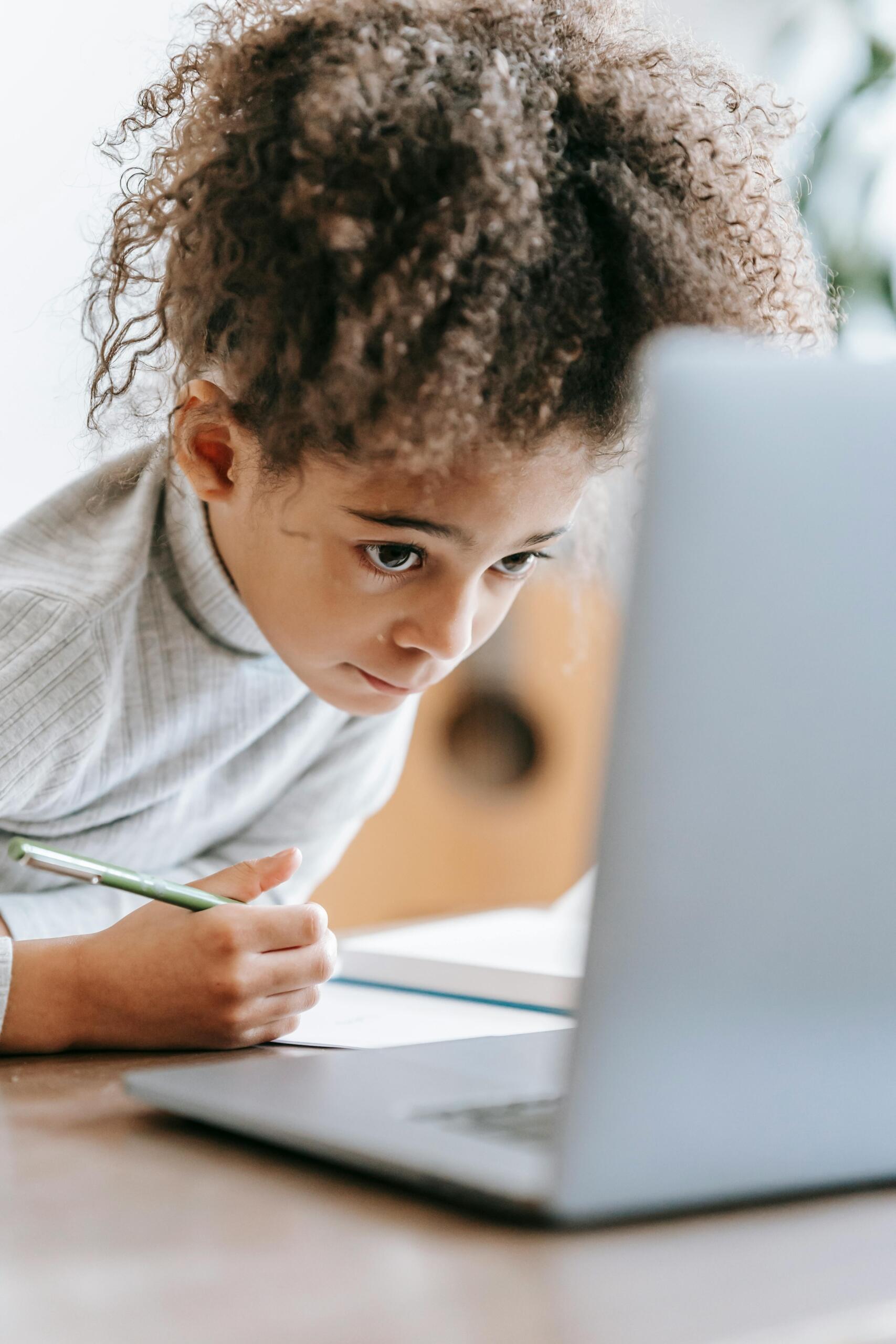
Across industries such as banking, healthcare, agriculture, and retail, employers are increasingly looking for people who are comfortable working with technology and data. This means that digital skills are no longer only useful for IT careers, but are becoming essential across almost every profession.
In response, some South African schools have already started introducing coding, robotics, and computational thinking at foundation and intermediate phase levels. These subjects encourage problem-solving, logical reasoning, and creativity while helping learners become more confident with technology from an early age.
Importantly, these skills complement the CAPS curriculum rather than replace traditional subjects.
At tertiary level, universities and colleges are also expanding courses linked to artificial intelligence, data science, and digital innovation. As a result, learners who are exposed to technology at school may feel better prepared for future study opportunities and workplace demands.
At the same time, balance remains important.
South African education experts continue to stress that communication skills, critical thinking, collaboration, and emotional intelligence are just as valuable as technical ability in an AI-driven world.
Supporting Learning at Home
As a parent, you play a vital role in supporting digital learning. You do not need advanced technical skills to make a difference.
Encouraging structured screen time
Discussing online safety
Engaging with your child's digital tasks
You might also encounter platforms influenced by AI in South Africa that personalise homework or revision exercises. When used thoughtfully, these tools can complement traditional study habits.
Learning how AI is used in education can certainly help you guide your child more effectively. It allows you to ask informed questions about privacy and reliability while embracing the benefits of innovation.
The Role of Tutors
Tutors are increasingly integrating technology into lessons and online collaboration tools, and adaptive exercises allow sessions to be more responsive. In this way, it is clear to see how digital learning extends way beyond school walls.
In addition, many tutors now explore how AI tools can support practice exercises or revision planning. This ensures that learning remains dynamic and tailored to the individual needs of each student.
Looking Ahead to the Future of the South African Classroom

There is no doubt that the future of the South African classroom will likely include deeper integration of technology and the conversation around AI in South Africa is only beginning.
As you consider the possibilities, remember it helps to remain balanced. To do this, consider that technology offers powerful support, yet human connection remains central to learning.
For instance, as we continue to ask how AI is used in education, it allows us to confidently engage with these changes. Whether through school initiatives, tutoring support or home learning strategies, the goal remains the same.
Ultimately, you want your child to thrive in a world where digital learning and AI continue to shape opportunity and reward. To do this, stay informed. Keep learning about the ever-evolving world of artificial intelligence and remember that we’re here to help.
Want to give private lessons?
Join the Superprof community and share your knowledge with inquiring and motivated students.
Summarise with AI:
Enjoyed this article? Leave a rating!

 Loading...