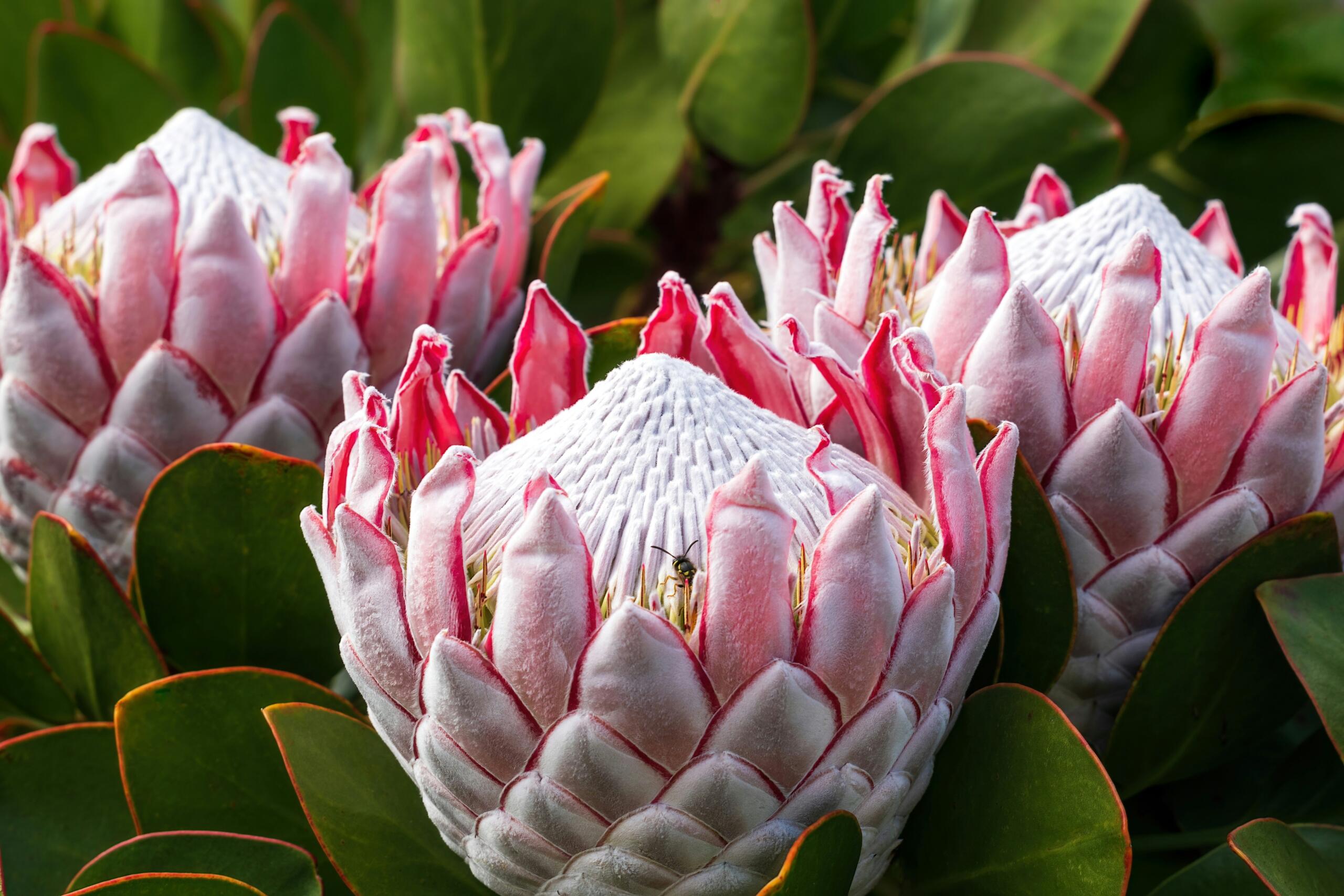

South Africa is a country of remarkable diversity, not only in its people and cultures but also in its landscapes and weather. From the sun-drenched beaches of KwaZulu-Natal to the frosty peaks of the Drakensberg, South Africa's climate is as varied as it is fascinating. Understanding the climate of South Africa is not just interesting for travellers, it is essential for learners, tutors, and anyone engaged in environmental studies, geography, or biology. Knowing how South Africa's weather conditions change across regions can help you plan field trips, outdoor activities, or school projects, and it also deepens your appreciation of local ecosystems.


Why Learn About the Weather?
The differences in climate are striking: while Cape Town’s winter rains nourish its unique fynbos, Kruger National Park thrives under the summer rains that sustain its savannah. In addition, the Highveld experiences frosty mornings in winter that affect both urban life and agriculture.
Recognising these patterns is particularly useful for learners studying geography or biology because it shows how rainfall, temperature, and topography directly influence plant and animal life.
By exploring the weather patterns in South Africa, you can link theoretical knowledge to real-life environments, making lessons more engaging and meaningful. This article will guide you through the major climate zones, seasonal changes, and weather phenomena, while showing how these patterns impact both people and nature across the country.
Climate of South Africa: The Different Zones
The South Africa climate is divided into five main zones, each with its own unique patterns.
1. Mediterranean Climate – Western Cape
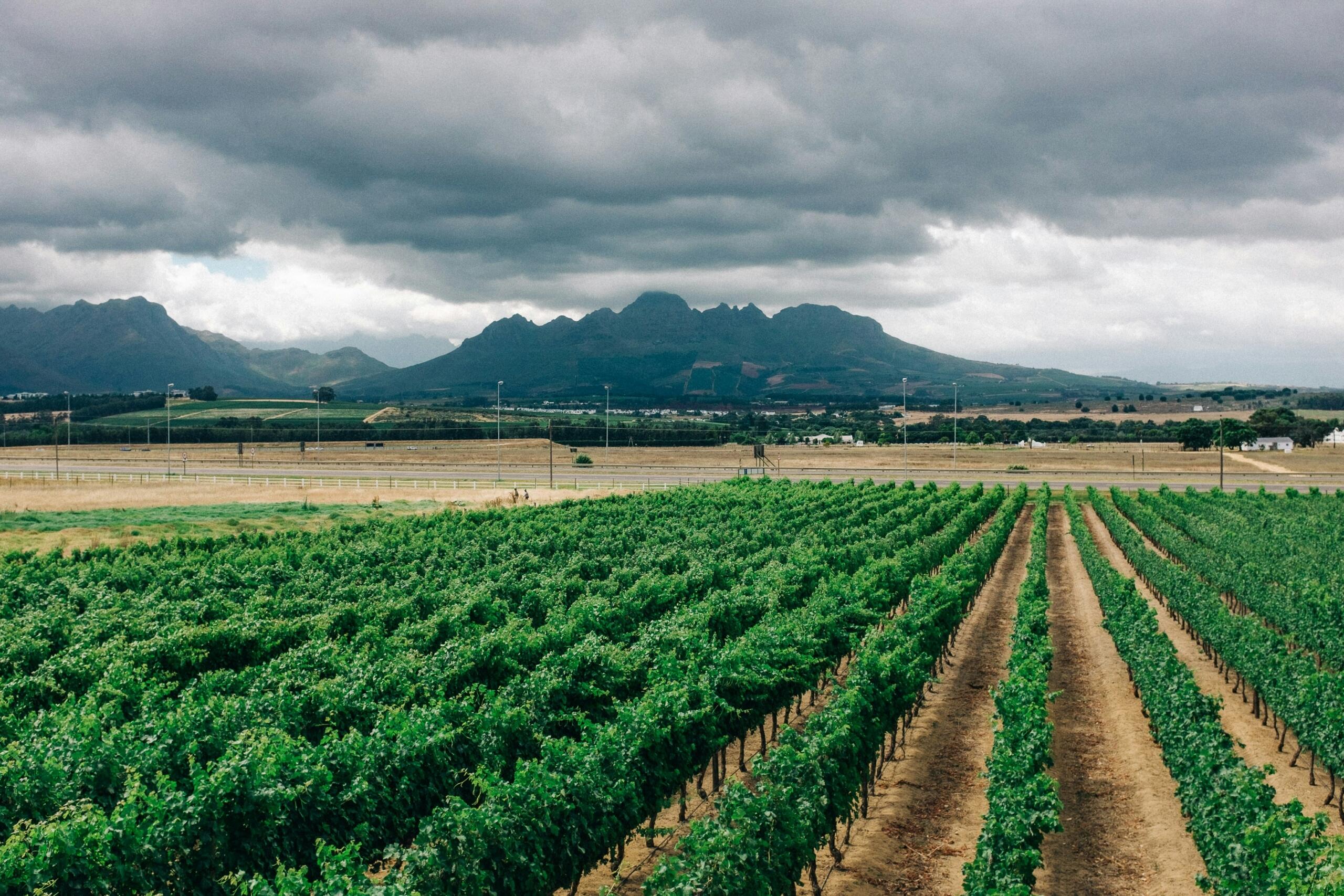
Cape Town and the surrounding areas experience a Mediterranean climate, with wet winters and dry, sunny summers, which is why wine estates thrive. For learners, this region offers an excellent case study in agricultural adaptation to climate. You can explore vineyards, Fynbos vegetation, and coastal weather changes.
2. Oceanic or Maritime Climate – South Coast KZN & Eastern Cape
Durban, East London, and the surrounding coastal towns experience a maritime climate. In short, summers are warm and rainy, while winters are mild and mostly dry. The influence of the warm Agulhas Current means the coast enjoys subtropical humidity, making it ideal for biodiversity studies and mangrove ecosystems in geography lessons.
3. Semi-Arid Climate – Karoo & Parts of Free State and Northern Cape
The Karoo, with its vast plains and low rainfall, is the classic semi-arid environment. Summers can be scorching, while winters drop below freezing at night. Learners can study how vegetation and wildlife adapt to water scarcity while towns such as Beaufort West or Calvinia offer insights into both rural agriculture and climate resilience.
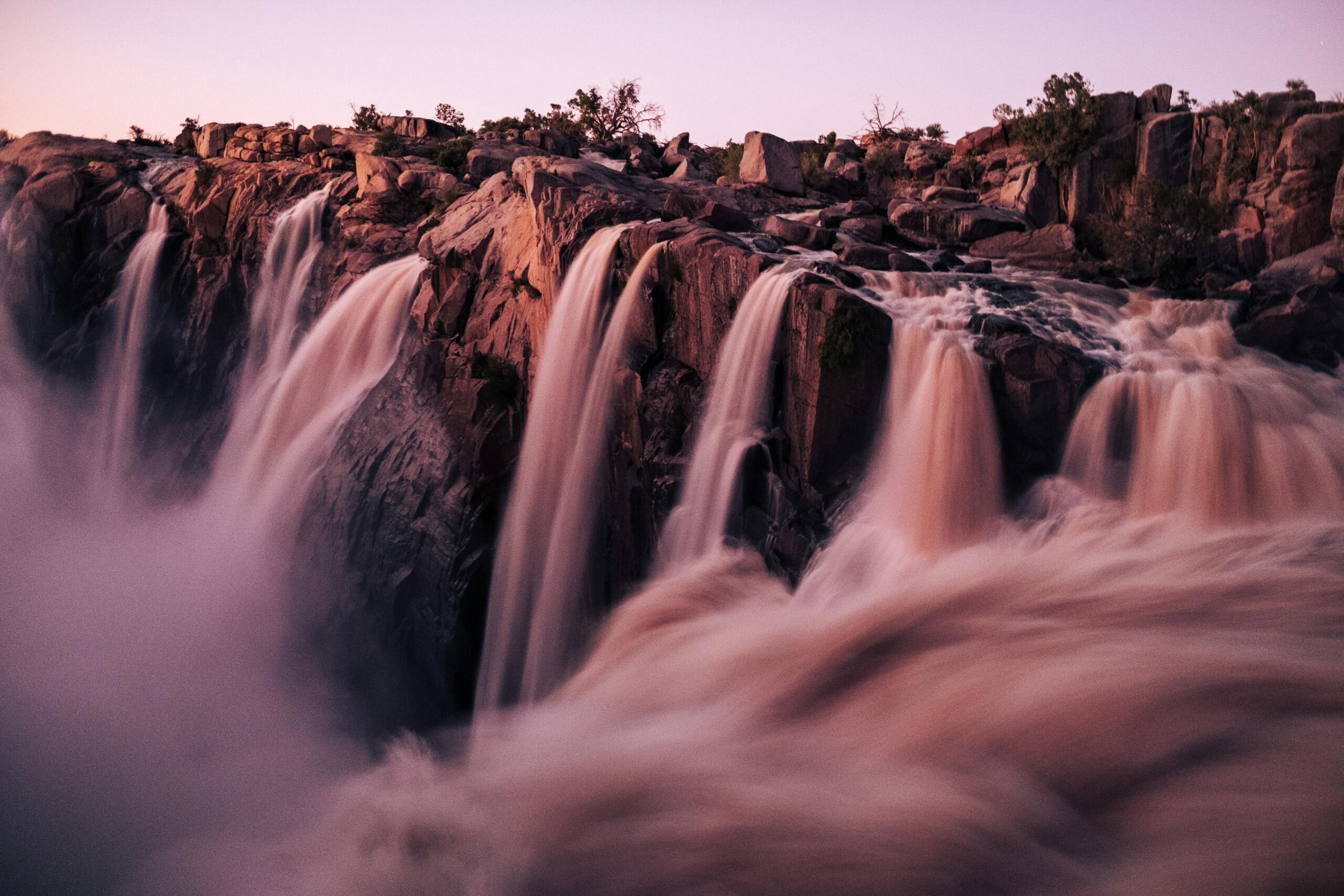
4. Subtropical Climate – Lowveld & Eastern Limpopo
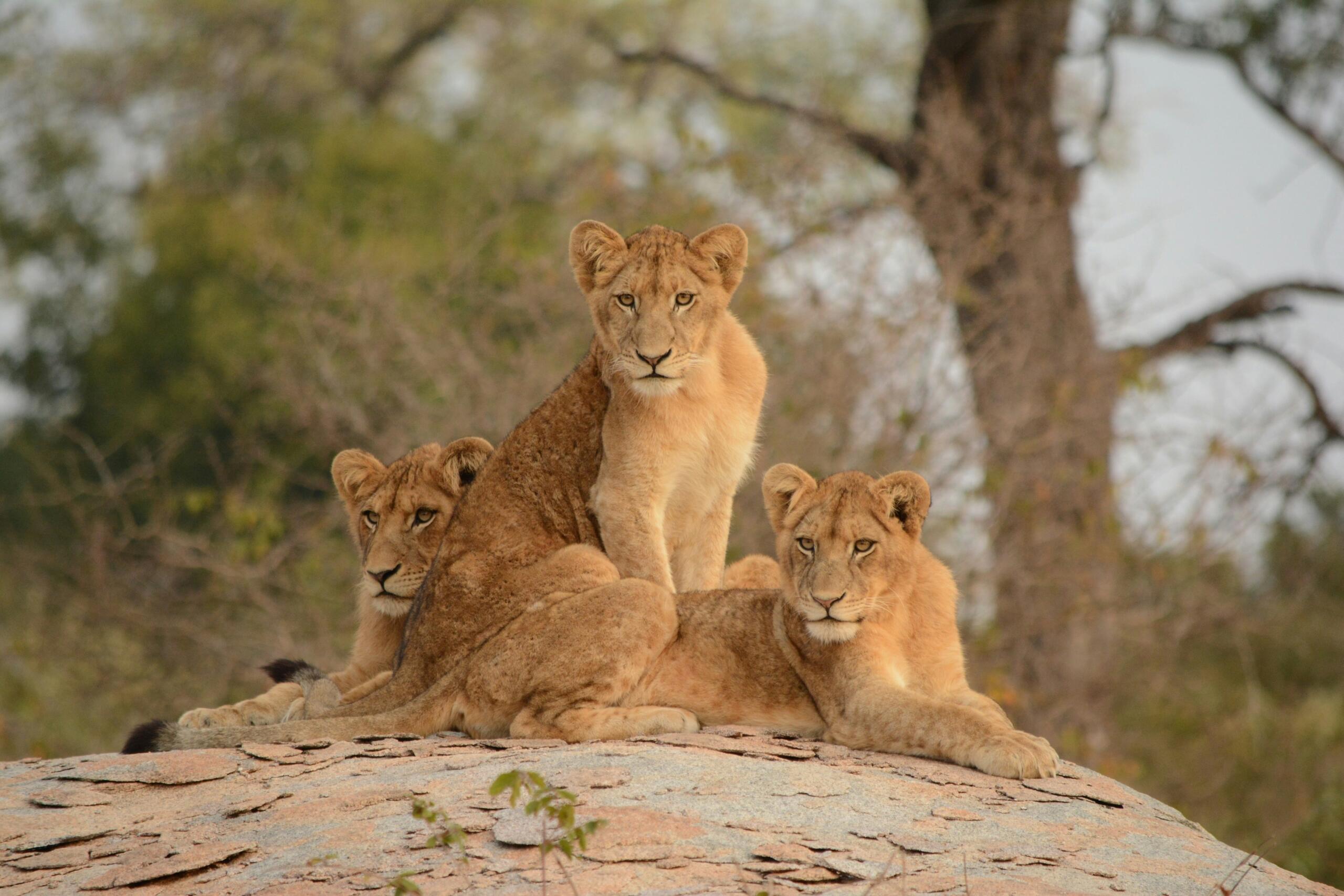
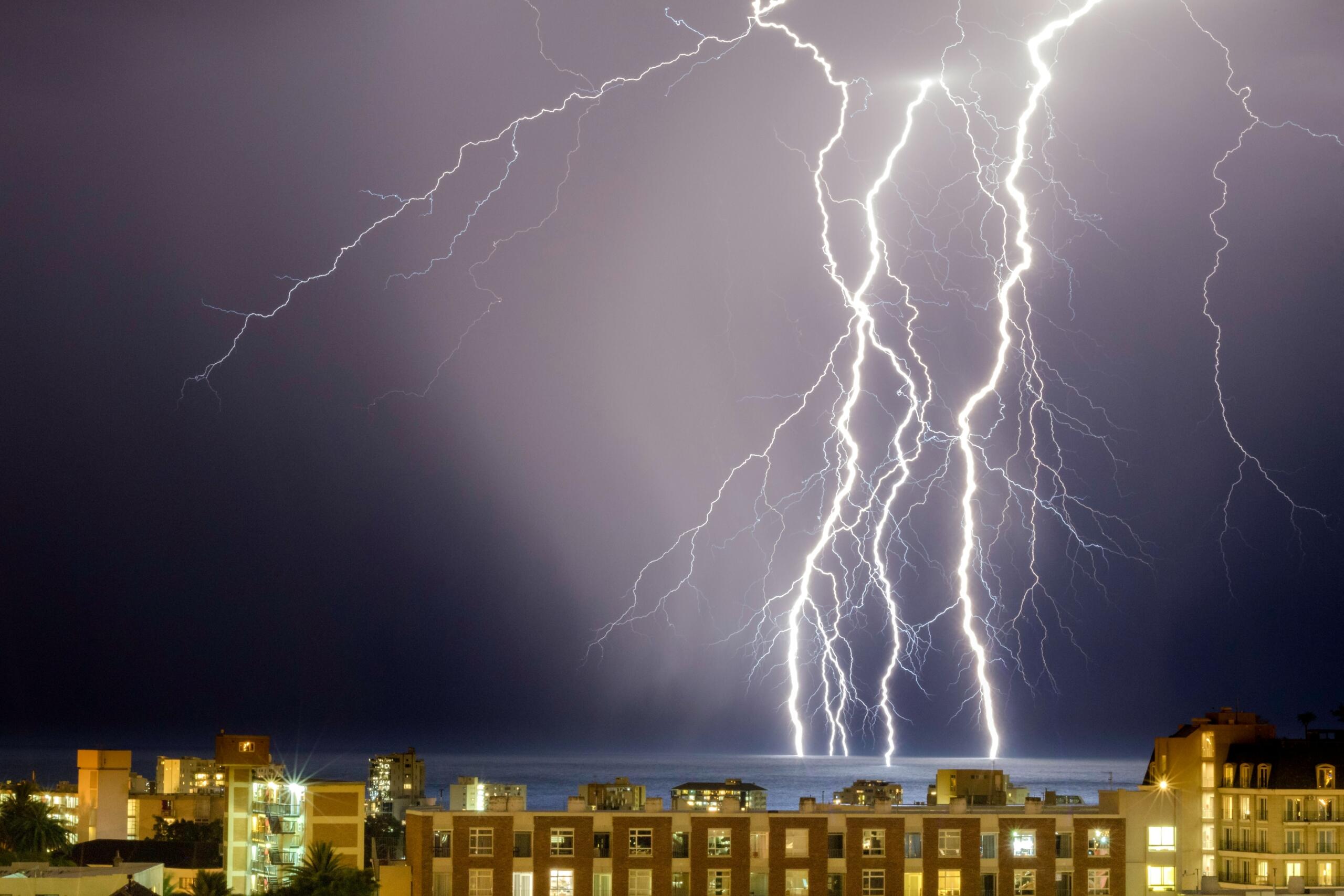
In the Kruger National Park and surrounding Lowveld areas, you will find a subtropical climate, with hot, wet summers and mild, dry winters which support savannah ecosystems rich in wildlife. Here, summer thunderstorms also provide vivid examples of South Africa weather conditions in action, perfect for students observing rainfall impacts on rivers and vegetation.
5. Highveld or Plateau Climate – Gauteng, Mpumalanga, Free State
The Highveld, including Johannesburg, Pretoria, and surrounding towns, experiences summer rainfall and frosty winters. Here, afternoon thunderstorms are common during summer, while winter mornings can be crisp and cold. This zone demonstrates how altitude affects weather patterns in South Africa. Studying the Highveld is an excellent way to connect climate to urban planning and agriculture.
Official maps from the South African Weather Service (weathersa.co.za) provide clear visuals of weather patterns in South Africa to help both teachers and learners visualise the patterns across the country.
Seasonal Patterns of South Africa’s Climate
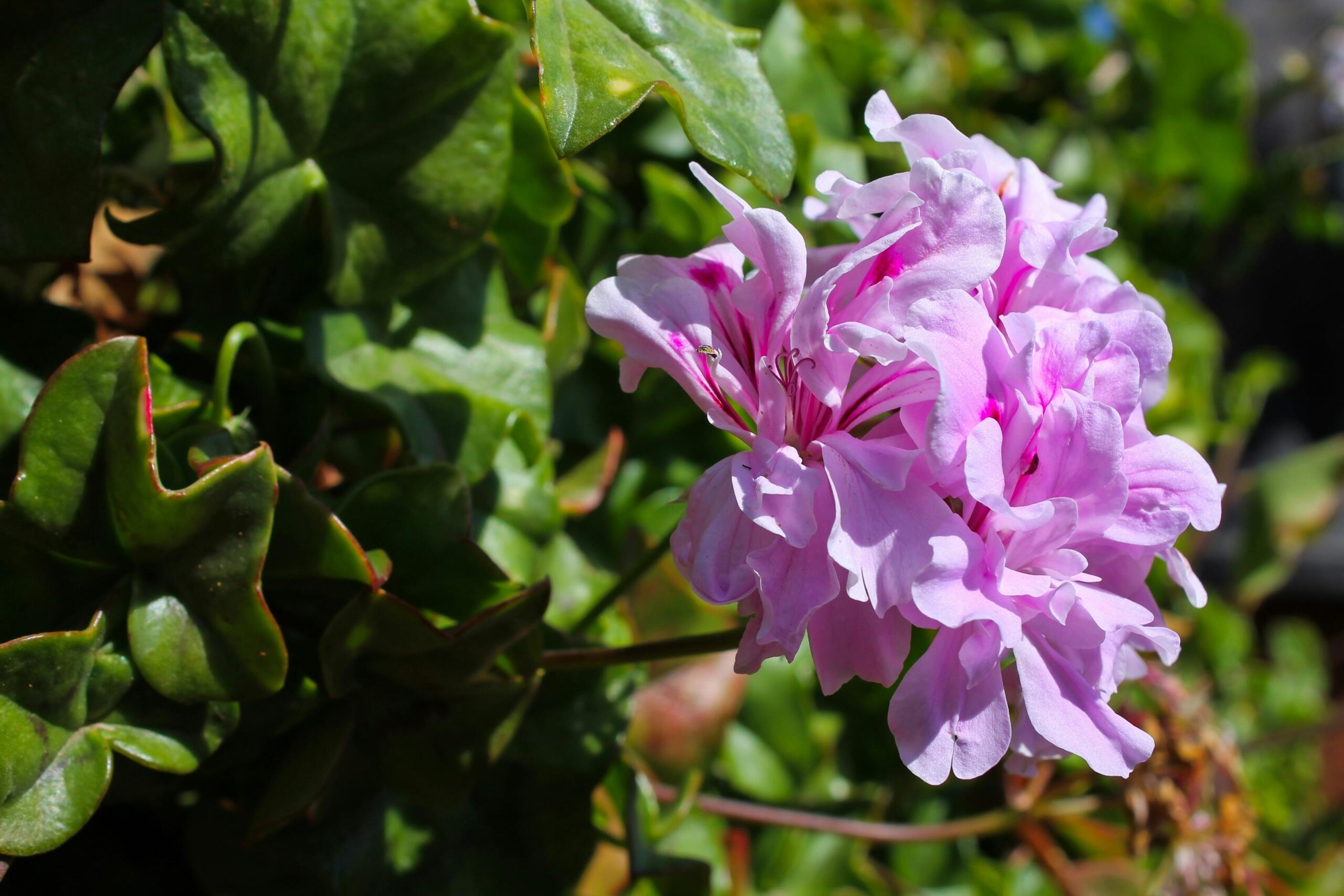
When it comes to the South Africa climate remember that seasons follow the Southern Hemisphere cycle: summer from December to February, autumn from March to May, winter from June to August, and spring from September to November. However, how these seasons manifest depends on your location.
Tutoring Tip: You can link rainfall patterns to river flow, plant growth, and wildlife behaviour, making geography and biology lessons come alive.
Weather Patterns and Phenomena in South Africa’s Climate
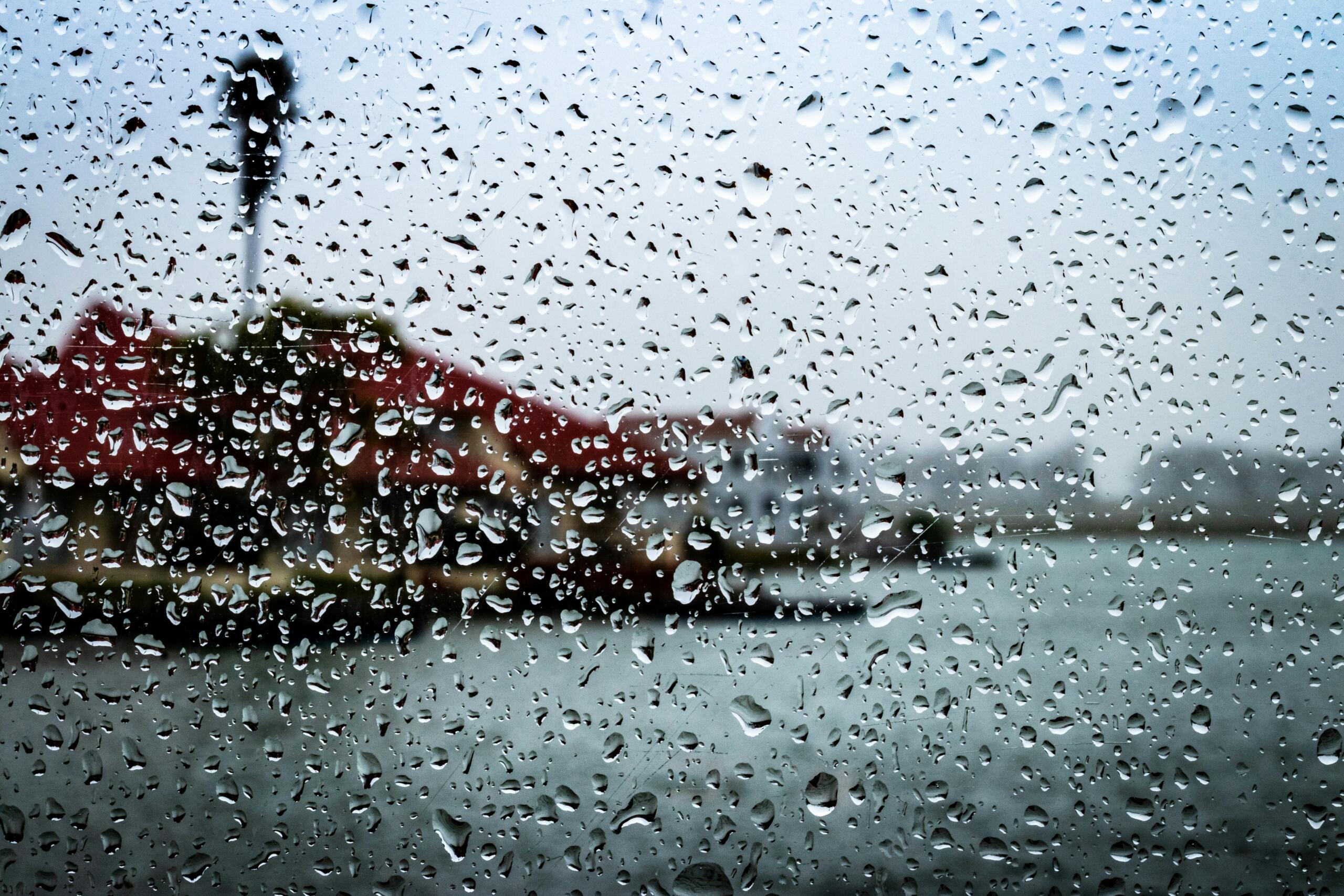
Understanding South Africa's weather conditions means recognising recurring patterns and extreme events. Summer thunderstorms on the Highveld and Lowveld are classic examples. These storms are short but intense, often bringing hail, heavy rain, and lightning.
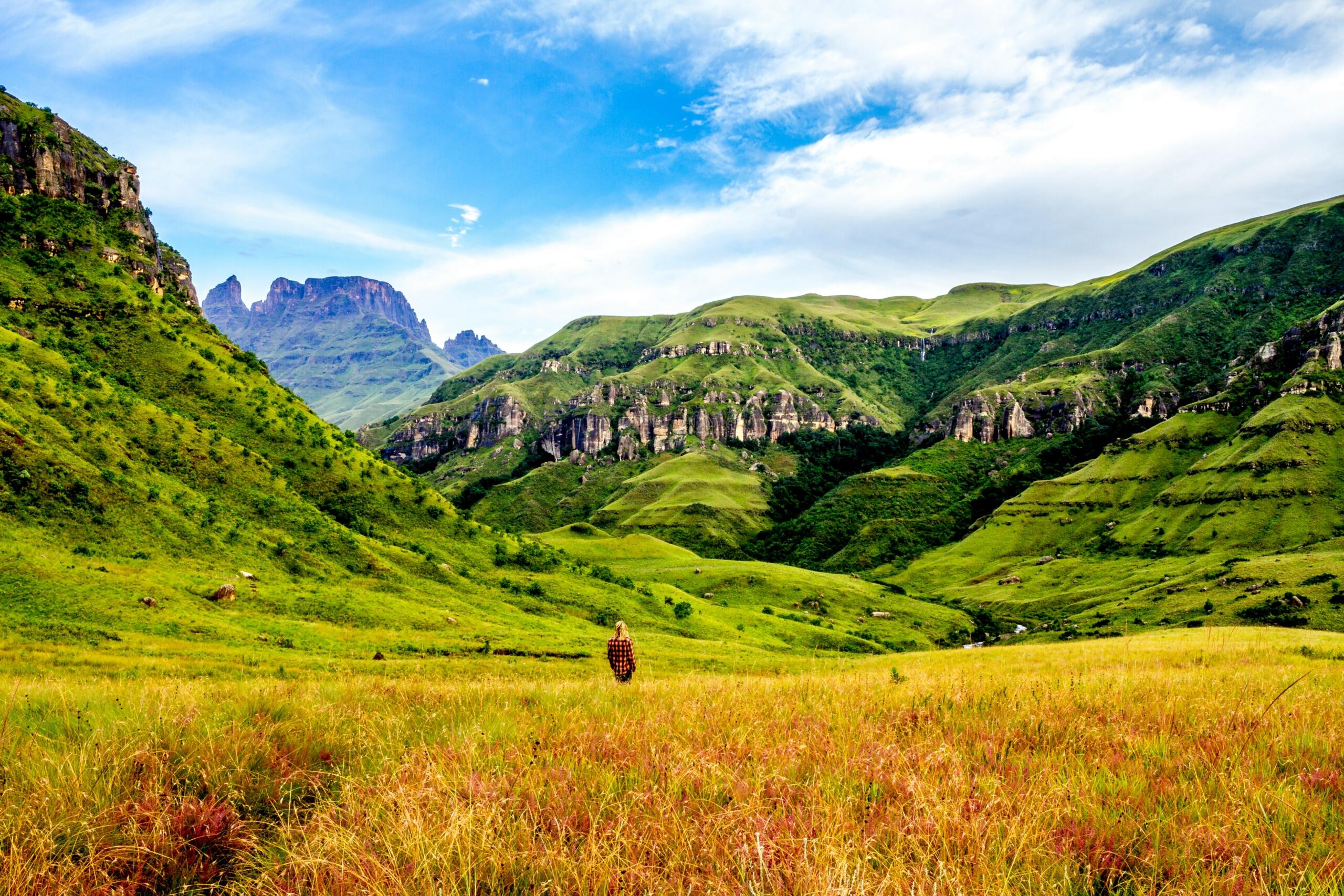
In the South Africa climate, snow is rare but occurs in high-altitude regions like the Drakensberg or the Cederberg mountains, while drought-prone regions such as the Karoo or Northern Cape illustrate the challenges of water scarcity. Along the coasts, the cold Benguela Current off the west coast and the warm Agulhas Current on the east coast create contrasting marine climates that affect fishing, tourism, and coastal ecosystems. Add to this that occasionally, remnants of tropical cyclones reach the East Coast, bringing heavy rain and wind, a vivid demonstration of extreme weather events.
Studying these patterns allows learners to connect climate to real-world impacts from agriculture to urban planning.
Implications for Learners and Tutors
Knowing weather patterns in South Africa is invaluable for educational activities. Planning field trips becomes easier when you understand seasonal rainfall, heat, or frost. For example:
Tutors can use these real-life examples in lessons, linking rainfall to river systems, agriculture, and ecosystem dynamics. By integrating these insights, learners not only memorise facts about South Africa's climate but also see its practical relevance.
Climate of South Africa: Real-World Examples
Here are some examples that illustrate the diversity of South Africa climate:
Location
- Cape Town
- Mpumalanga
- Drakensberg
Climate Type
- Mediterranean
- Subtropical
- Mountain
Key Weather
- Wet winters, dry summers
- Wet/dry
- Snow in winter
Other notable areas include the Karoo’s semi-arid stretches, the subtropical Lowveld, and the Highveld cities of Gauteng, Mpumalanga, and Free State. Experiencing these areas helps learners visualise South Africa weather conditions in a tangible way while they learn to appreciate the diversity of weather patterns in South Africa.
Talk about the Weather and Learn
By exploring the seasons, rainfall patterns, and extreme events, you gain insight into how humans, plants, and animals adapt to their environment.
Understanding South Africa's climate is about more than knowing whether to pack an umbrella or sunscreen. From the Mediterranean coasts to the subtropical Lowveld, the semi-arid Karoo to the frost-prone Highveld, the variety of South Africa weather conditions offers a wealth of learning opportunities.
Whether you are a student, tutor, or just curious about the natural world, linking climate knowledge to South Africa’s broader geography enhances your understanding of rivers, mountains, savannahs or grasslands, and unique landscapes. As you embrace this knowledge, you will see how the climate of South Africa connects our spaces and our people.
Summarise with AI:
Enjoyed this article? Leave a rating!

 Loading...