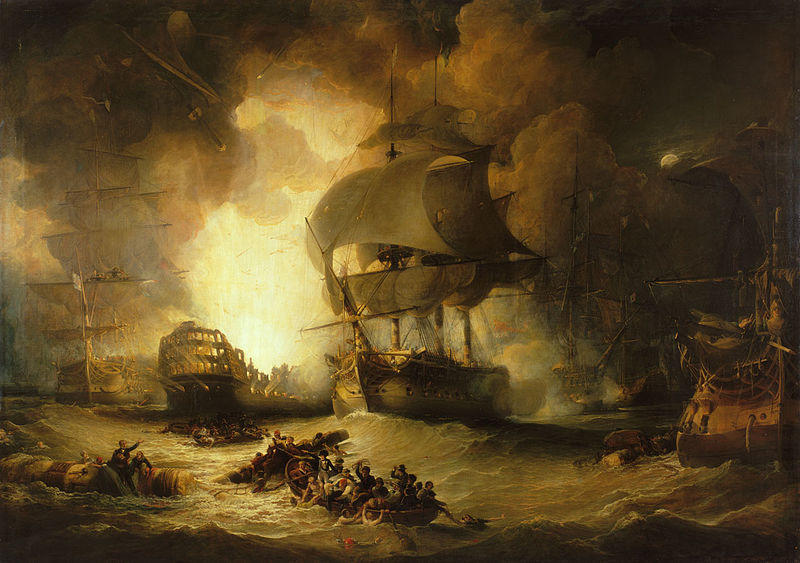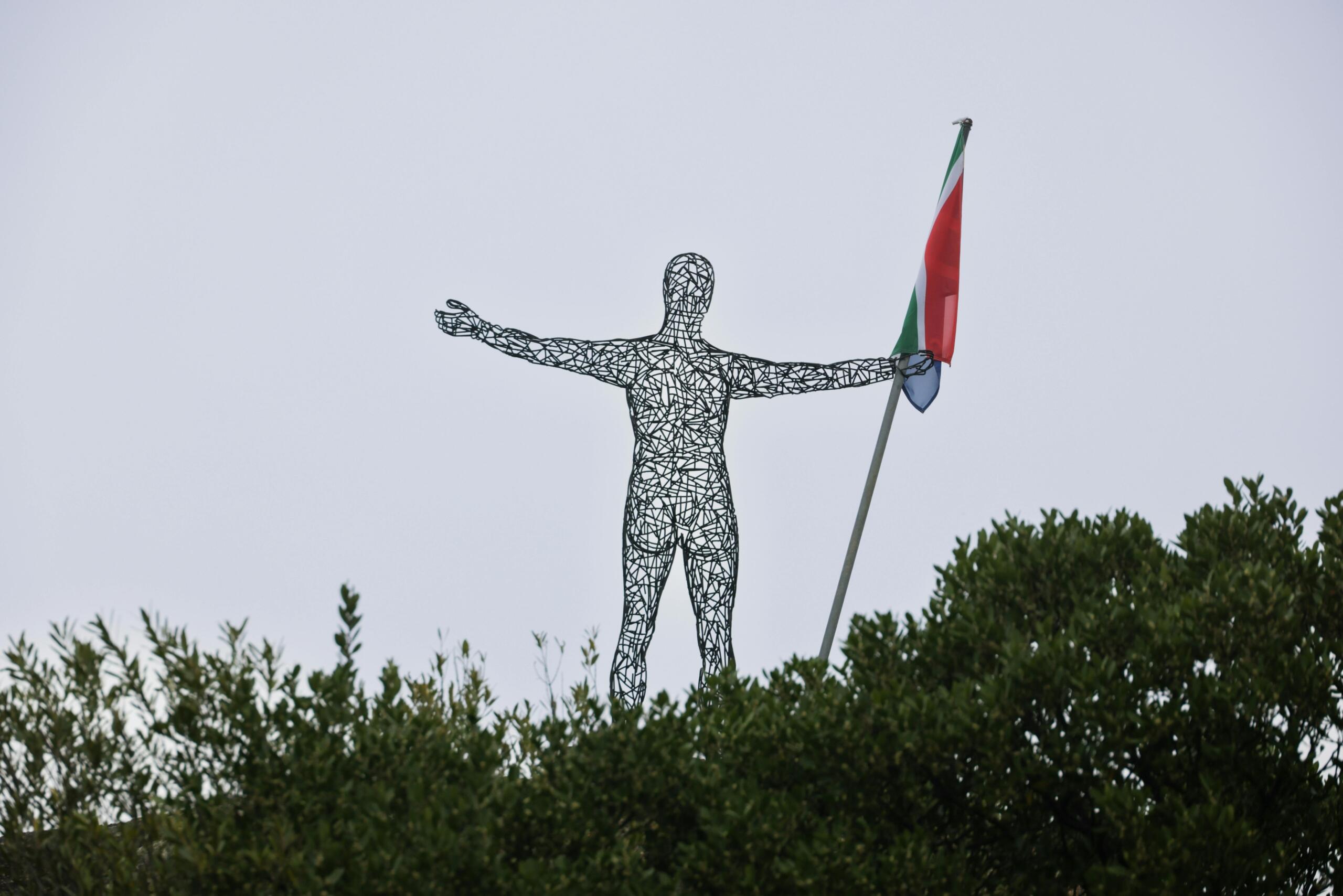

Those who cannot remember the past are condemned to repeat it.
George Santayana
There is something deeply grounding about pushing pause on the rush of everyday life to honour the moments that shaped your country. If you’re searching public holidays South Africa, you are not only looking at days off on a calendar, but you are also engaging with stories of courage, remembrance, culture and unity that continue to influence your daily life. Whether you celebrate these occasions at school assemblies, community gatherings, neighbourhood events or reflective family traditions, each holiday carries its own meaning and its own way of inviting you to be part of the nation’s story.


Why South Africa Public Holidays Matter
Even if you recognise the dates as they approach on your planner or on the school term calendar, they take on a deeper significance when you understand where they come from.
South African public holidays are rooted in real events, real people and real struggles that shaped modern South Africa.
These days ask you to slow down, reconnect with history and consider how far the country has come. At the same time, they offer moments to celebrate identity and cultural pride, whether through braais, music, community parades, or meaningful conversations at home.
If you ever feel unsure about the purpose behind certain commemorations, this guide to South African public holidays will help you appreciate why these moments matter. It will also point you to more detailed articles, such as The History of Human Rights Day or The Story Behind Youth Day, which explore the specific events behind each holiday.
If you do a search for South Africa public holidays, you could begin to see how they form a narrative.
As you think about how public holidays in South Africa weave into your own routine, you might recall school assemblies where learners present short plays about historical events. You may remember neighbourhood cultural festivals on Heritage Day or family outings to Freedom Day concerts in public parks. These traditions are part of the living history behind public holidays in South Africa and a reminder that learning does not only happen in classrooms.
Although each holiday has a specific meaning, together they encourage you to pause and appreciate how the past has shaped your present. They motivate you to carry those lessons into your community, your work and your home.
Overview: Public Holidays South Africa
Each of these commemorative days invites reflection in their own way. In the list below you’ll find a friendly and accessible overview that helps you place them in context.
Human Rights Day
21 March
Remembers the Sharpeville tragedy
Freedom Day
27 April
Marks the first democratic elections 1994
Worker's Day
1 May
Recognition of workers' rights - observed internationally
Youth Day
16 June
Remembers the 1976 Soweto Uprising
National Women's Day
9 August
Commemorates the 1956 march to Union Buildings
Heritage Day
24 September
Celebrates cultural diversity
Day of Reconciliation
16 December
Celebrates unity after division
If you want a deeper view into the stories that lie behind these days, explore our related articles such as The Meaning Behind Women’s Day or Why Heritage Day Matters, where you will find a closer look at the events, figures and cultural traditions connected to each date.
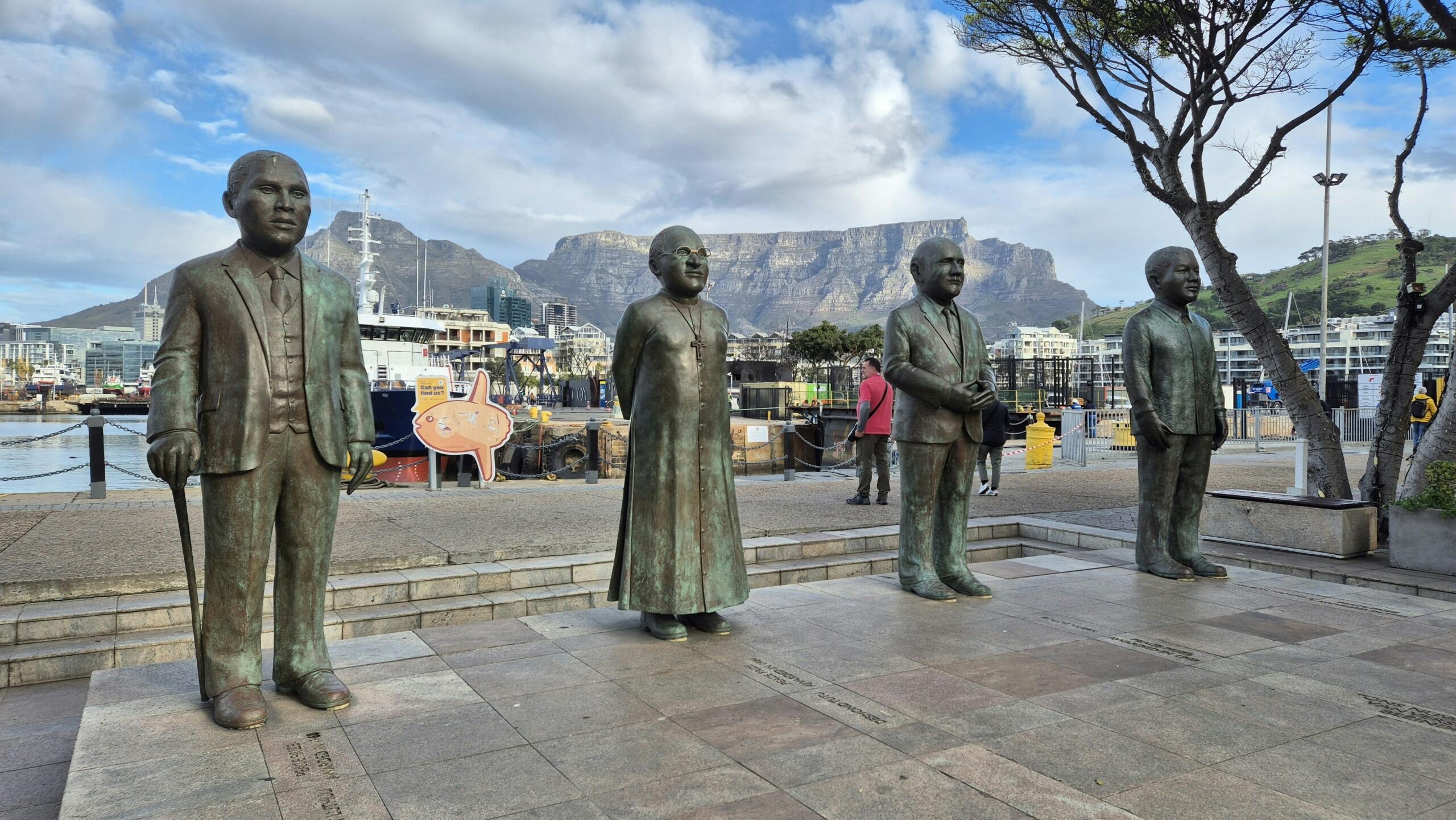
South Africa has four Nobel Peace Prize laureates, Nelson Mandela, Archbishop Desmond Tutu, Albert Luthuli, and F.W. de Klerk. Bronze statues of the four leaders stand in Cape Town to honour their roles in ending apartheid and building democracy.
The Significance Behind Public Holidays South Africa
Public commemorations shape how you think about your place in society. As you absorb the rhythm of public holidays South Africa, you might notice how they reinforce shared values. Teachers in schools across suburbs like Rondebosch, Morningside, Centurion or Gqeberha often use these days to guide learners in discussions about fairness, dignity and community. At home, parents use them as reminders to explain important moments in history in a way that feels personal and accessible.
In many neighbourhoods, community halls host educational programmes on Human Rights Day, while museums such as the Apartheid Museum or the District Six Museum offer free or discounted entry. These events can help you to connect abstract ideas to real people and real stories. Cultural organisations also often host storytelling sessions or local heritage exhibitions that deepen your understanding of South African public holidays.
How These Days Are Celebrated Today
The way communities mark these days varies from city to city. In Durban you might find vibrant Freedom Day concerts along the beachfront. In Pretoria you may come across guided heritage walks that encourage you to explore the stories behind landmarks. Schools in the Western Cape often organise Youth Day writing projects where learners research historical figures from their own communities. Churches across the country may hold Women’s Day services that highlight the contributions of South African women.
These celebrations show how living traditions make our public holidays meaningful. Whether you spend the day with family, join a public event or take time for quiet reflection, you are engaging with a national story that belongs to you as well.
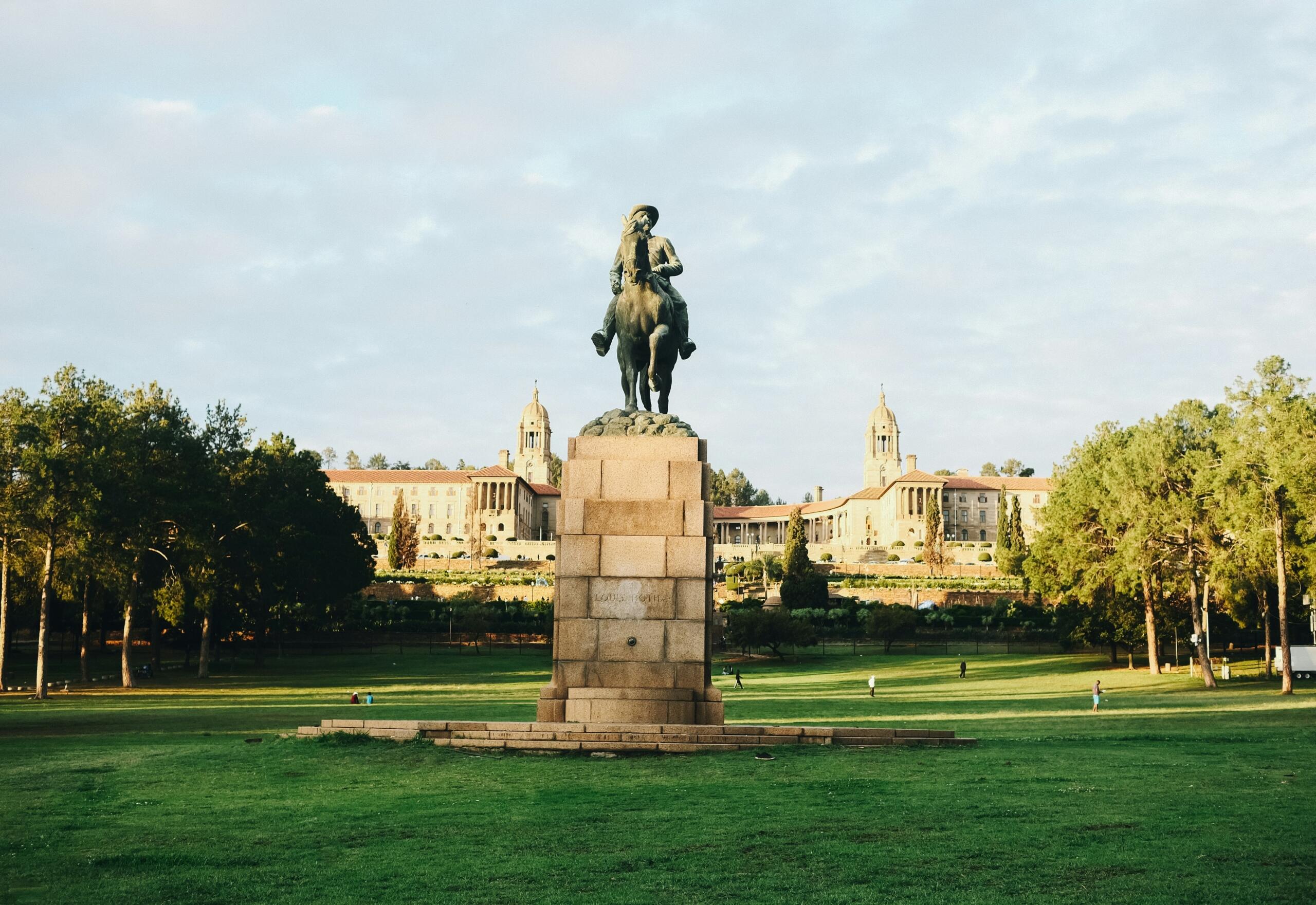
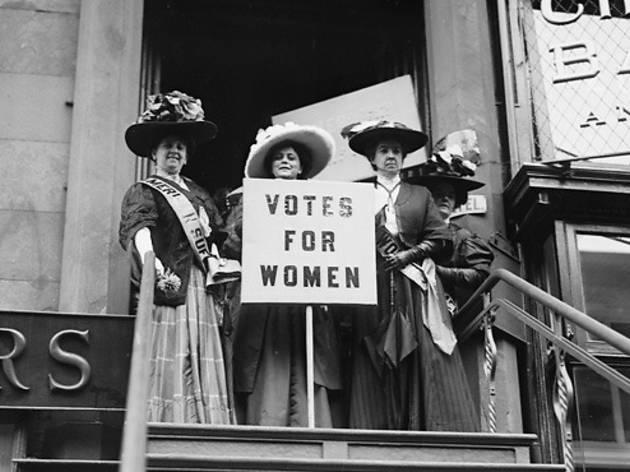
In 1956, women in South Africa marched to the Union Buildings to protest the pass laws imposed by the apartheid government. Today that day is celebrated on 9 August as Women's Day.
Family and School Traditions
If you work with learners or have children of your own, you may already know how powerful these days can be when used as educational opportunities. For instance, school activities often include poetry readings, dress up events, classroom displays or film screenings that bring history alive. As a parent or tutor, you can build on these moments at home. A simple conversation on Human Rights Day about fairness or dignity can help children grasp important values while a visit to a museum on Youth Day can turn a theoretical lesson into a personal emotional experience.
Public Holidays as Part of National Identity
Each public holiday commemoration serves as an invitation to remember not only the challenges of the past but also the triumphs, hopes and achievements that followed.
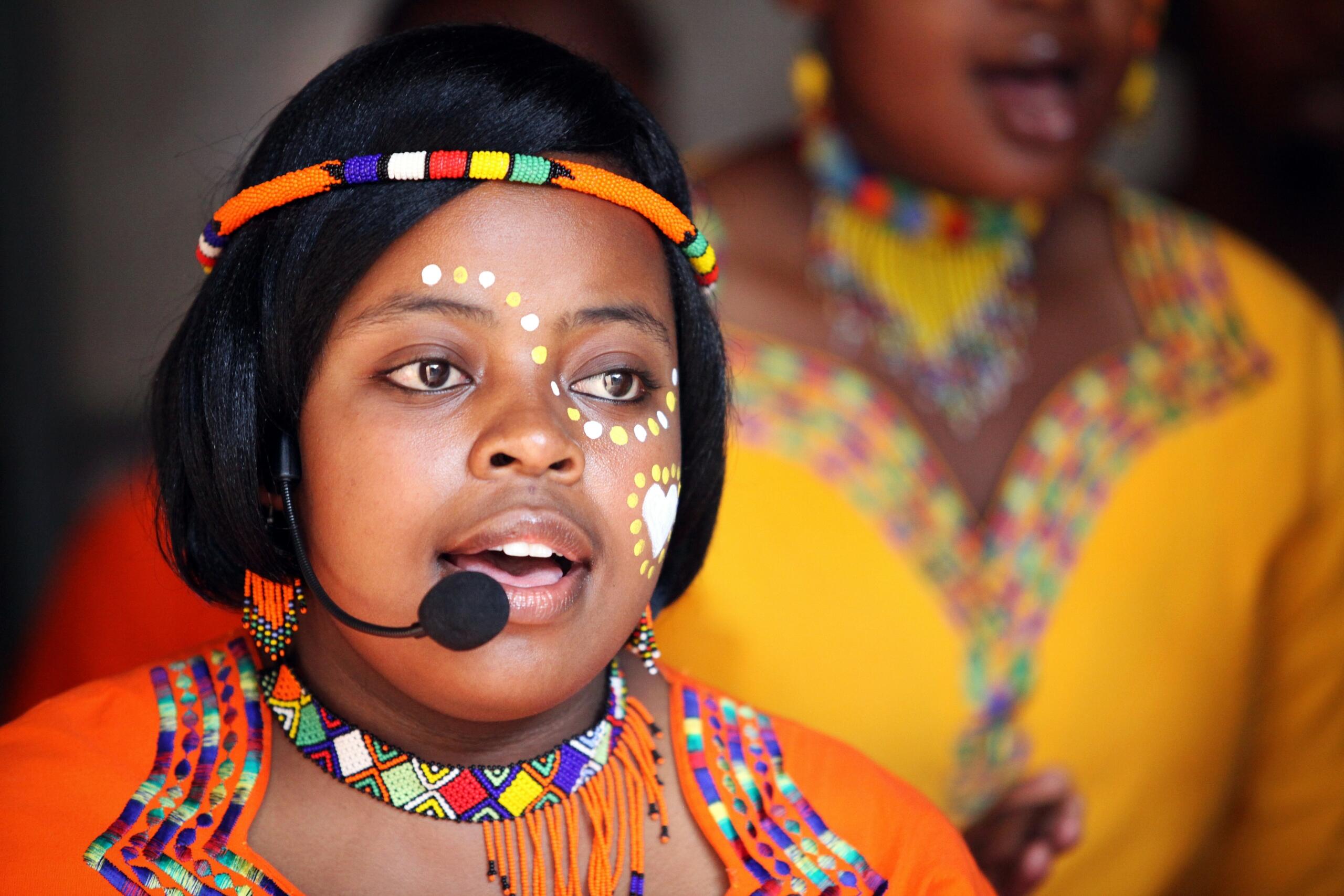
Whether you attend an official ceremony, visit a local monument, participate in a cultural festival or simply share a quiet meal with family, you are taking part in moments that shape the shared identity of every person who calls South Africa home.
As the calendar turns and public holidays approach, why not take opportunities to reflect, reconnect and renew your sense of belonging? You might discover new traditions with friends, plan school projects that deepen understanding or enjoy meaningful conversations that keep history alive. By doing so, you become part of the living story that continues to shape the nation.
Through meaningful participation and respectful reflection on South Africa public holidays, you keep history alive in your own life. And in doing so, you help carry the spirit of the nation forward for future generations.
Help to Keep South African History Alive
Celebrating public holidays South Africa is not simply about that day off, but how history lives within you. These significant days invite you to honour the past, embrace the present and contribute to the future. They remind you that unity, recognition and celebration are all essential to a healthy society.
As you move through the year and encounter each of these South African public holidays, you can choose to participate with intention and curiosity. Whether you attend a museum event, join a neighbourhood celebration, guide learners through a classroom activity or take time to reflect with your family, you are enriching your understanding of the country’s story.
Summarise with AI:
Enjoyed this article? Leave a rating!

 Loading...