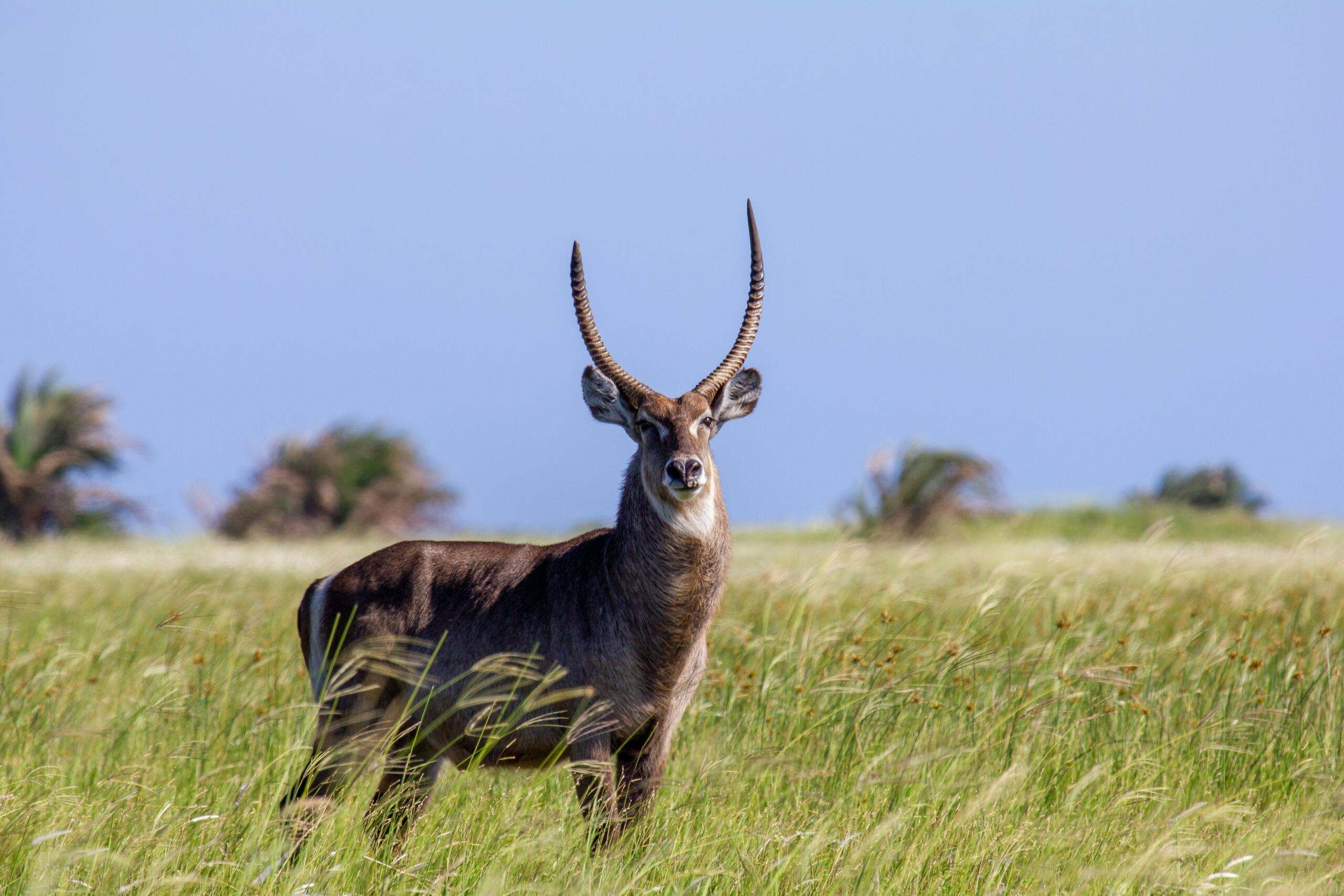

When you travel through South Africa, you quickly notice how the land changes. One moment you are driving through rolling green fields outside Pietermaritzburg, and the next you are watching golden plains stretch toward the horizon near the Lowveld. These landscapes are not random. They are part of the living systems known as grasslands in South Africa and the wetlands and deltas in South Africa that form where rivers slow down and spread out.
making up South African vegetation.
Understanding these environments helps you see how climate, rivers, wildlife, and human communities are connected. Whether you are visiting the Lowveld near the Kruger National Park or learning about coastal wetlands such as iSimangaliso Wetland Park, you are seeing how the savanna biome in South Africa and the South African grassland interact with water systems and daily life.


Understanding Grasslands and Savannas
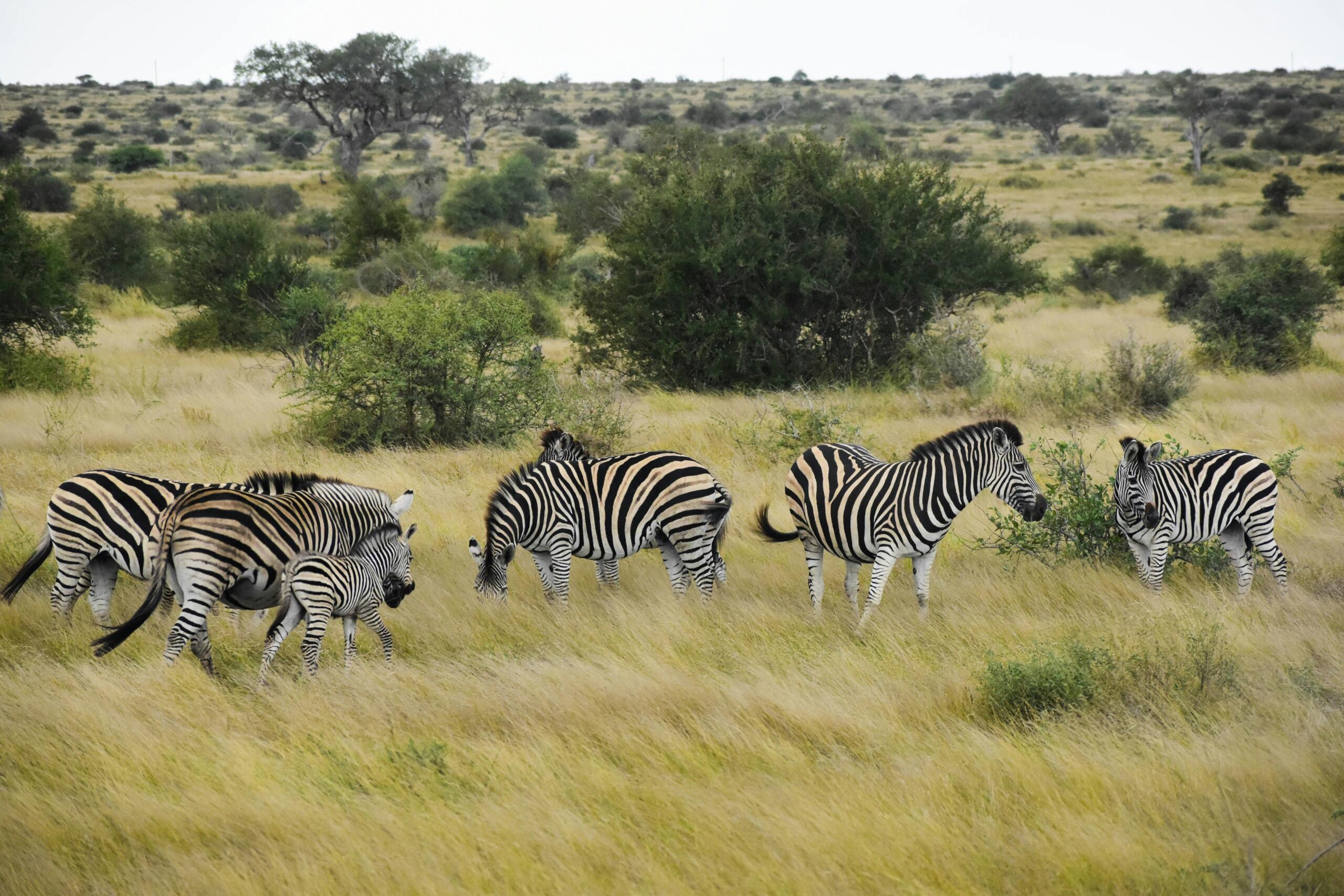
At their core, grasslands and savannas are ecosystems where grasses dominate the landscape, often with scattered trees. The savanna biome in South Africa is one of the most extensive ecosystems in the country, covering large areas of Limpopo, Mpumalanga, and other parts of South Africa.
found in grassland and savanna biomes.
You may have seen these savannas in South Africa on school trips or family holidays. Open plains dotted with acacia trees, wildlife moving through tall grass, and rivers cutting across the land are all part of this system.
The South African grassland regions differ slightly. They are found mainly in the Highveld and interior plateau, where trees are fewer and grasses dominate almost completely. These grasslands in South Africa support farming, grazing, and biodiversity. They are also home to towns and schools that rely on the surrounding land for agriculture.
When you read our article on South Africa's climate and weather patterns, you can see how rainfall and temperature help shape these landscapes.
The Role of Deltas
Where rivers slow down and meet larger water bodies, they deposit sediment that forms wetlands and floodplains. These are the deltas in South Africa, and they are vital for biodiversity and water management.
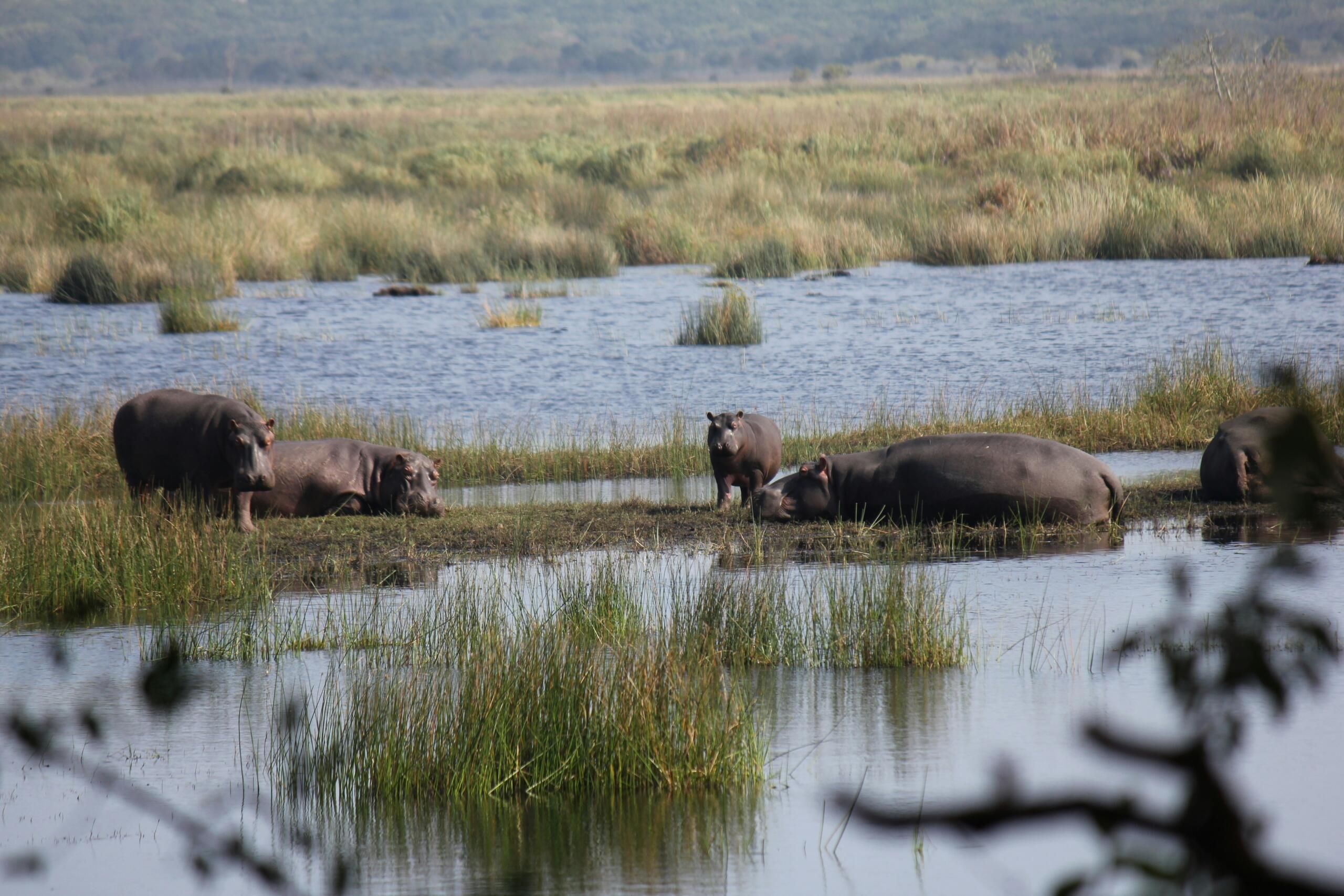
One of the most important examples lies within iSimangaliso Wetland Park, where river systems create rich estuarine environments around Lake St Lucia. These deltas in South Africa support birdlife, aquatic plants, and fisheries.
Deltas act as natural filters, improving water quality and supporting ecosystems that depend on seasonal flooding. They also link directly to the river systems explored in The Lakes and Rivers of South Africa, where upland rainfall eventually reaches these coastal environments.
Landscapes That Tell a Story
The interaction between the savanna biome in South Africa and river systems creates some of the country’s most recognisable landscapes.
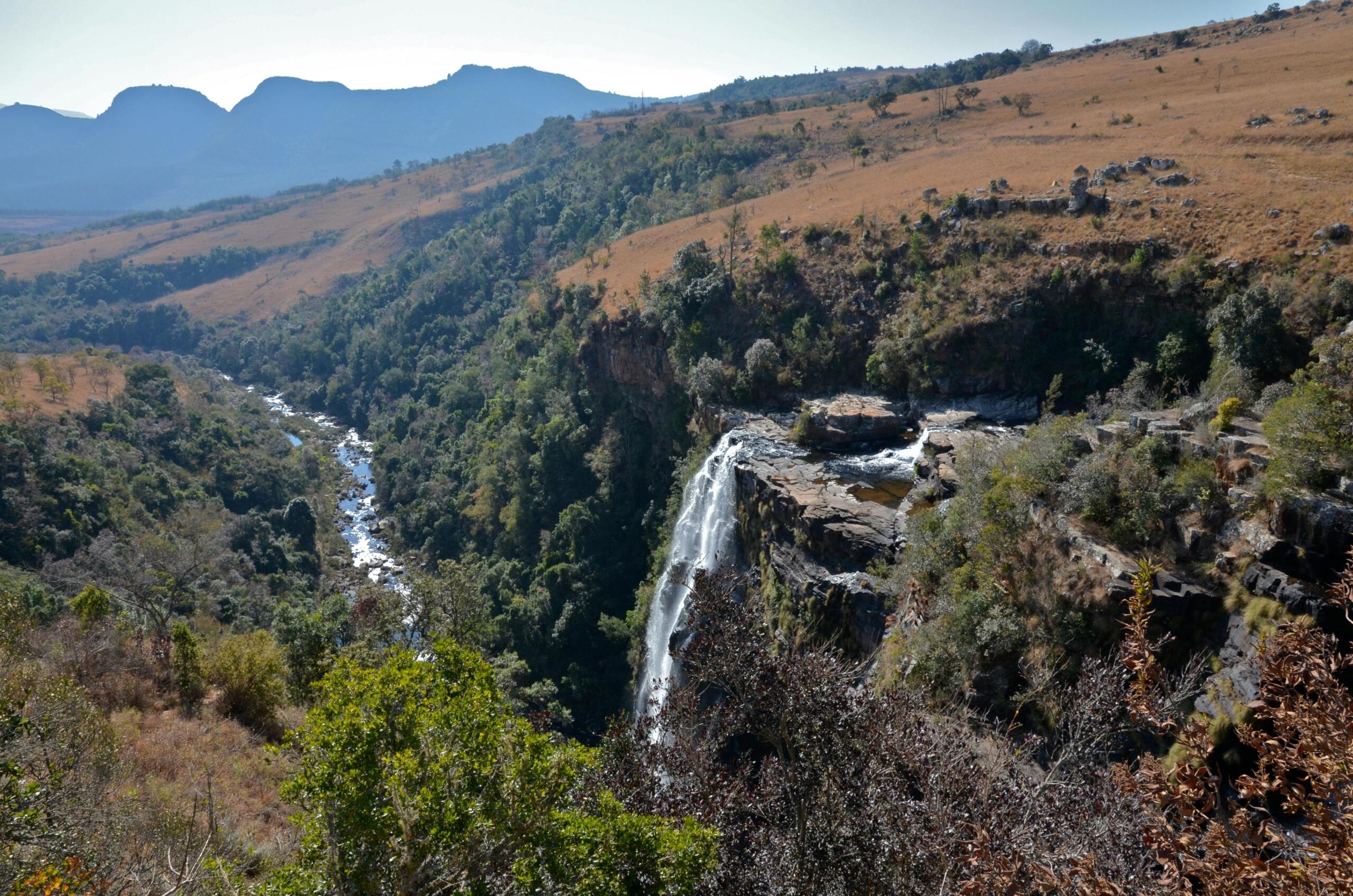
In the Lowveld, near the Panorama Route, waterfalls tumble from escarpment edges into plains below. These areas sit at the transition between upland regions and savannas in South Africa, showing how altitude influences vegetation.
Here, the South African grassland gives way to bushveld and scattered trees. Wildlife thrives because seasonal rainfall supports grasses while rivers provide water during dry months.
Read our article that focuses on the escarpments and mountains in South Africa, which will help you recognise how upland areas feed rivers that sustain these lowland ecosystems.
Biodiversity and Ecology
The grasslands in South Africa are home to remarkable biodiversity. Species such as antelope, birds, and insects depend on seasonal growth cycles. The savanna biome in South Africa supports large mammals that rely on open spaces and scattered tree cover.
In deltas in South Africa, grasses grow rapidly during rainy periods, while drought-resistant species survive dry spells and aquatic plants and reeds thrive in nutrient-rich sediments.
This combination of habitats makes the South African grassland essential for ecological balance as it supports:
Pollinators
Grazing animals
Predators
How They Shape Daily Life
Beyond ecology, these landscapes influence everyday life:
Living with These Landscapes
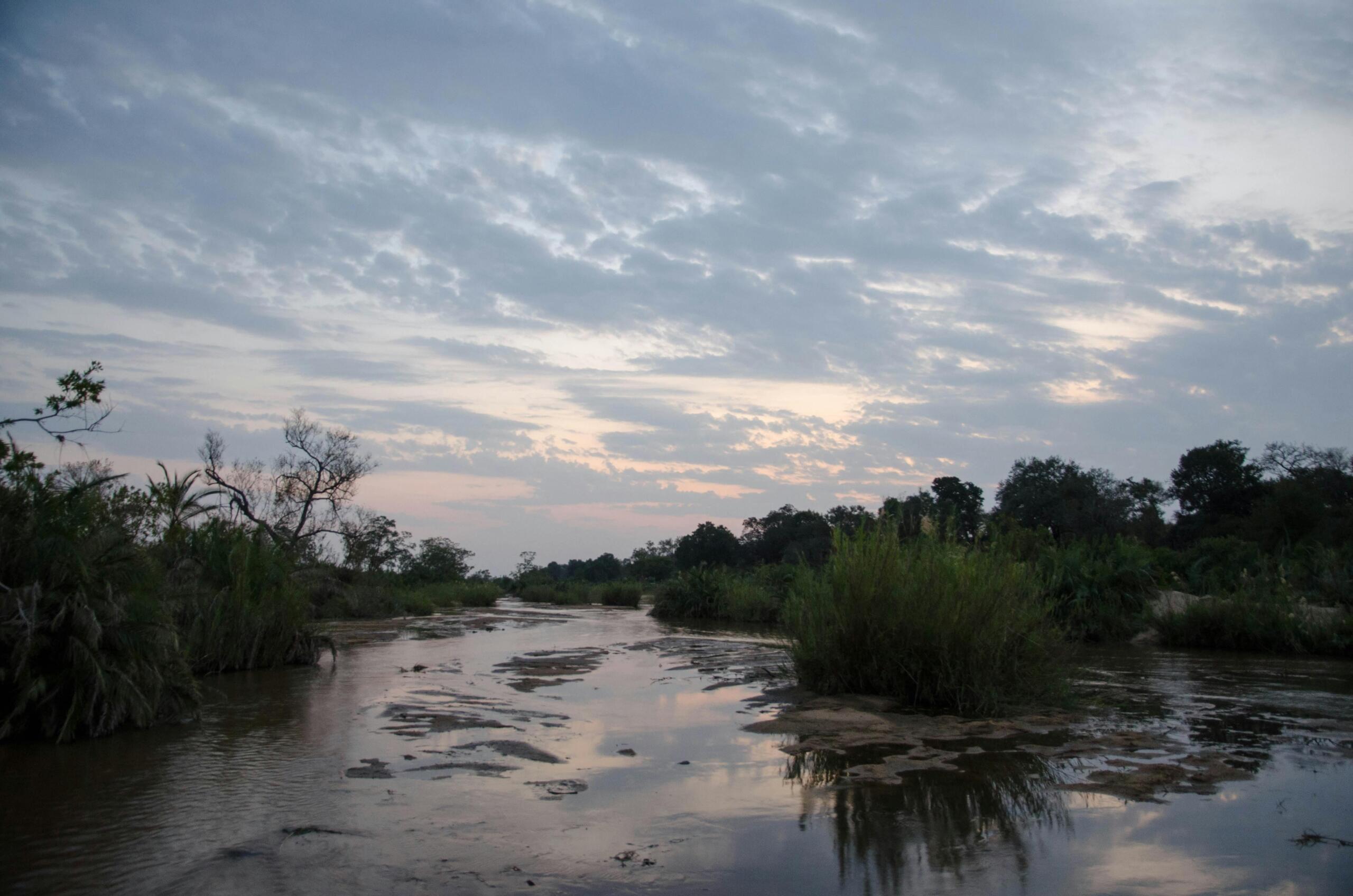
For many South Africans, these environments are not distant conservation areas but part of everyday surroundings.
| Purpose | Description |
|---|---|
| Tourism | Visitors travelling through the Lowveld or along the Elephant Coast often experience these environments through guided walks, birdwatching outings, or visits to local reserves. Guesthouses, craft markets, and community-led tourism projects benefit from the natural appeal of these landscapes. |
| Education | Schools sometimes organise nature excursions where learners can observe plant diversity, identify bird species, or study how water moves through the land after rainfall. These experiences help turn textbook concepts into something tangible. |
| Agriculture | Farmers depend on seasonal growth cycles to support grazing livestock and crop rotation, while rainfall patterns influence planting decisions, and nearby wetlands help regulate water availability. In places like Ermelo or Dundee, school learners often grow up surrounded by wide open veld, where changing seasons are visible in the colour and height of grasses. |
In coastal regions, wetland areas act as buffers during heavy rain, reducing the risk of flooding in nearby settlements. Inland, open plains support transport routes and agricultural economies.
In all these ways, these landscapes quietly shape livelihoods, learning opportunities, and local economies, becoming part of the rhythm of daily life rather than just a scenic backdrop.
Biodiversity in Action
When you spend time in these environments, you begin to notice how alive they are. Seasonal changes bring subtle but important shifts. After summer rains, insect life increases dramatically, which in turn attracts birds and small mammals. Flowering plants appear almost overnight, creating brief bursts of colour across open landscapes.
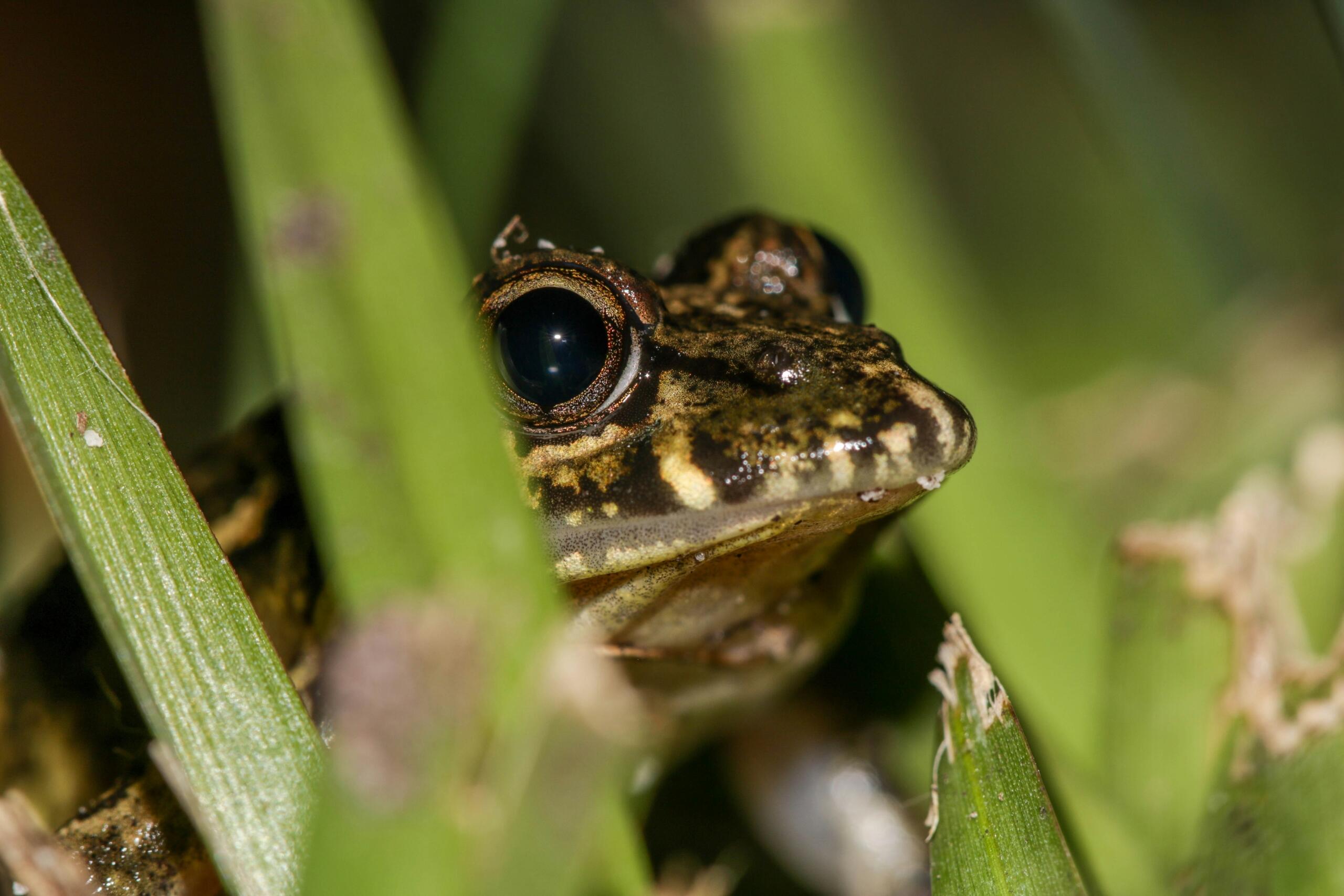
In wetter areas, frogs and aquatic insects thrive, forming part of complex food chains. Birdlife often reflects these changes, with species moving in response to water availability and vegetation growth. These cycles are not random. They show how closely plant and animal life are tied to rainfall and soil conditions.
Observing these patterns helps learners understand ecosystems as living systems rather than static environments.
Climate Connections
These landscapes also offer a visible way to understand climate. For example, factors that affect how vegetation grows and recovers include:
- Rainfall patterns
- Temperature shifts
- Seasonal winds
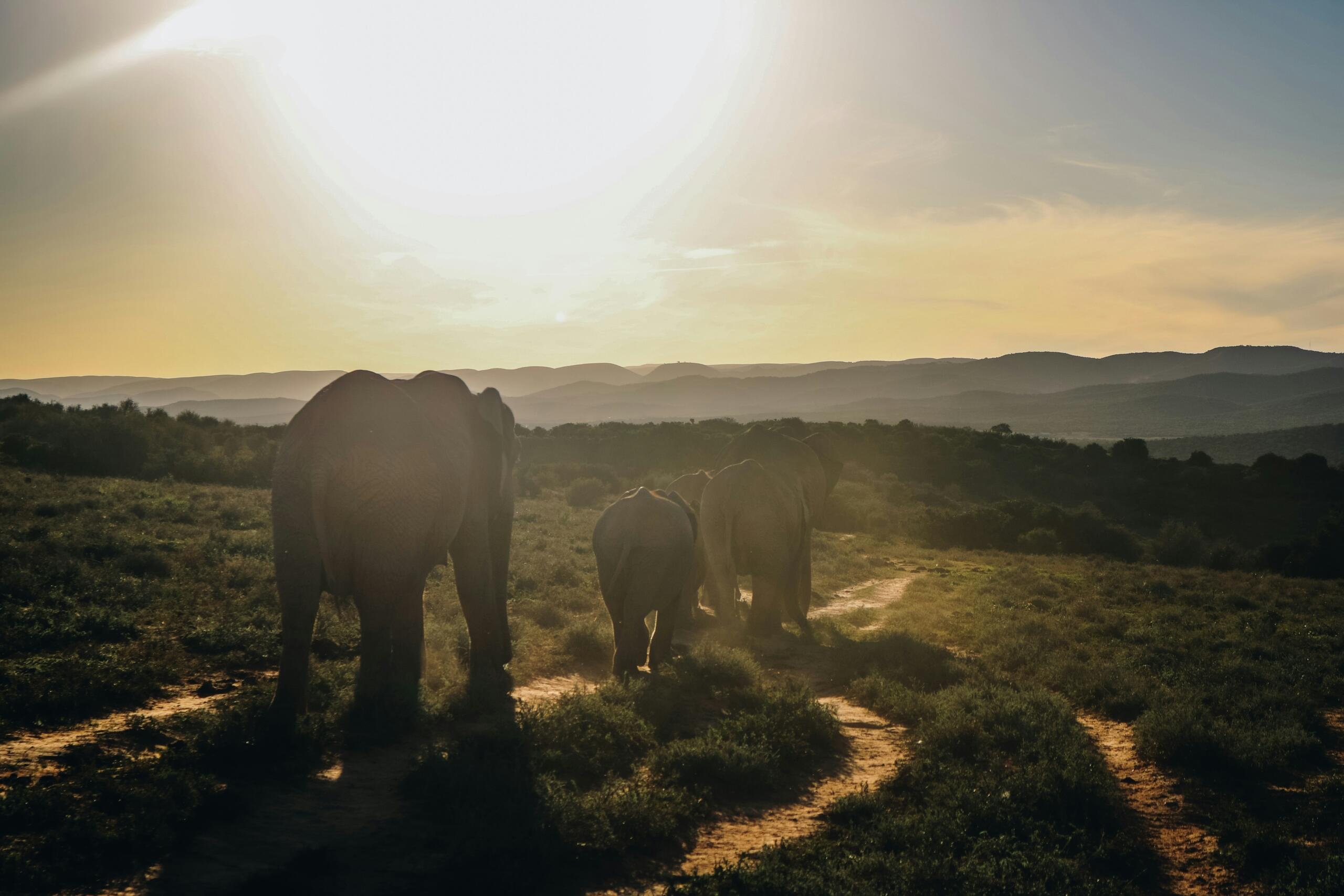
For instance, a dry season may leave fields looking sparse, while a good rainy season transforms them into thriving habitats.
Changes in water levels after storms reveal how runoff moves through the land. Here, floodplains may expand temporarily, while shallow pans fill and attract wildlife. In cooler months, frost in some interior regions can slow plant growth, reminding observers how temperature affects vegetation cycles.
Studying these changes helps link weather patterns to ecological responses in ways that feel immediate and real.
Cultural and Historical Connections
These landscapes have also shaped cultural practices over generations, including traditional grazing systems often developed in response to seasonal growth cycles. For example, communities learned when to move livestock, when to plant crops, and how to conserve water during dry periods. Even trade routes and settlement patterns were influenced by access to fertile land and reliable water sources
Today, festivals, local markets, and community gatherings are often timed around agricultural seasons.
Understanding this connection between people and land highlights how natural environments continue to influence social and economic life across South Africa.
Learning in the Landscape
For parents and tutors, these environments offer practical learning opportunities. Nature walks in grasslands in South Africa can include:
- Observing plant diversity
- Measuring grass height
- Identifying bird species
These activities help learners understand how the savanna biome in South Africa changes with seasons.
A Living System
Together, the savannas in South Africa and deltas in South Africa form a network that links uplands, rivers, and coastal zones. These systems influence:
Climate
Agriculture
Biodiversity
Exploring these environments deepens your understanding of how the South African grassland connects to broader landscapes as described in our article Unique Geographical Features of South Africa.
We Live Our Geography
When it comes to making sure that rivers nourish coastal ecosystems and settlements, it is the work of the incredible deltas in South Africa.
By understanding how savannas in South Africa and the South African grassland interact with rivers and climate, you could gain a clearer picture of how natural systems shape daily life. These landscapes remind us that geography is not just something we study, it is something we live.
Summarise with AI:
Enjoyed this article? Leave a rating!

 Loading...